




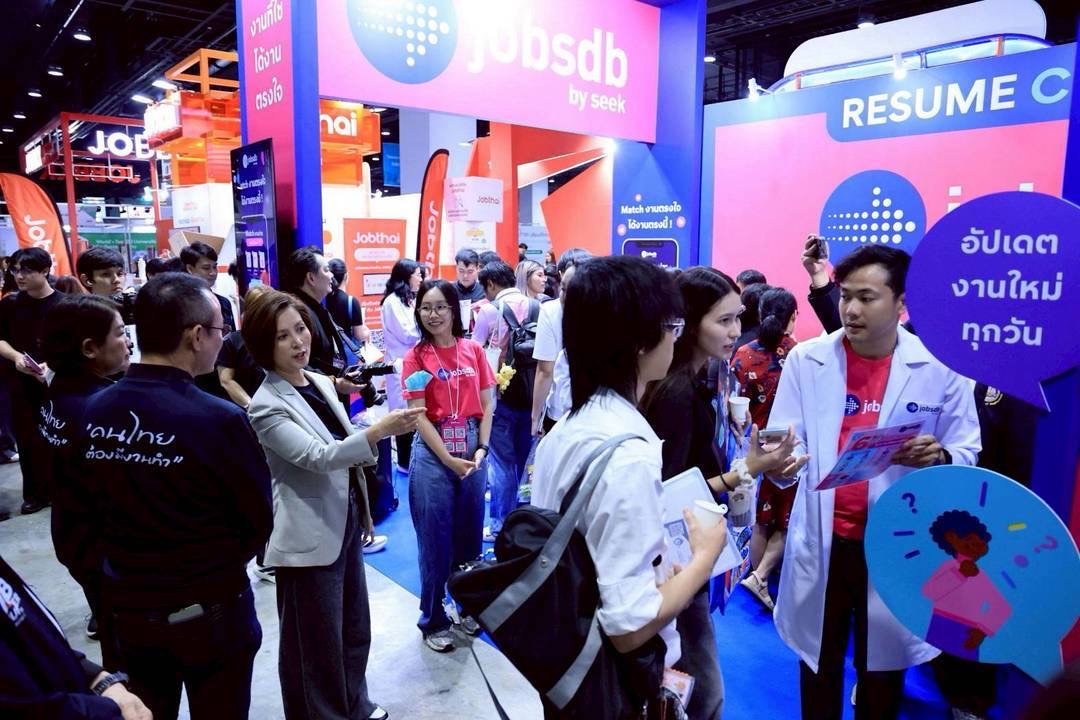

Ms. Trinuch Thienthong, Minister of Labour, disclosed figures on job placements between September 26, 2025, and February 1, 2026, stating that 66,741 people were placed in jobs domestically through the Thai Mee Ngan Tham (Thailand Has Jobs) system. Most placements were in the manufacturing sector, sales staff, general office personnel, warehouse staff, and drivers. In addition, the JOB EXPO THAILAND 2026, held from January 16–18, 2026, resulted in a further 3,795 people being successfully placed in employment.
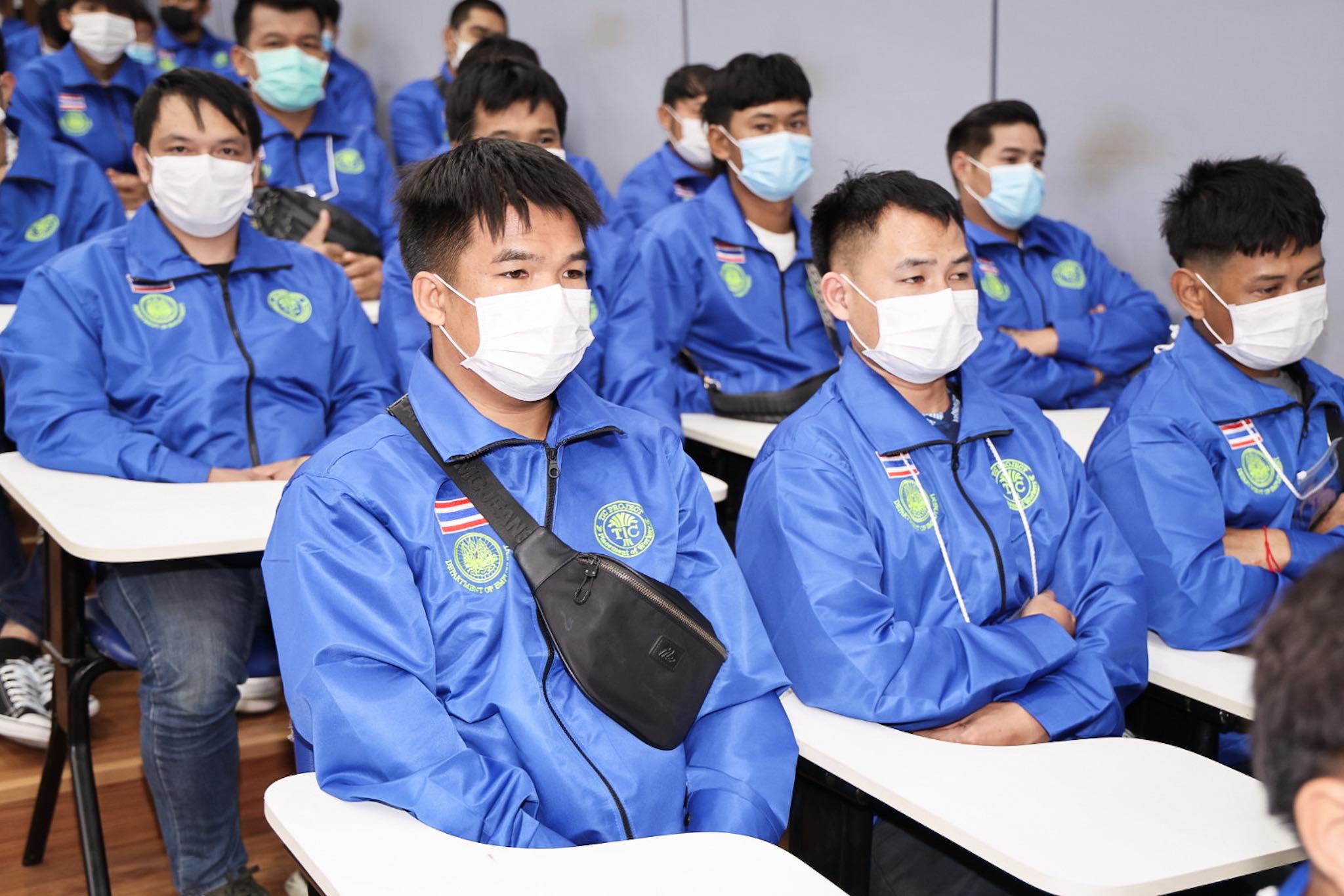
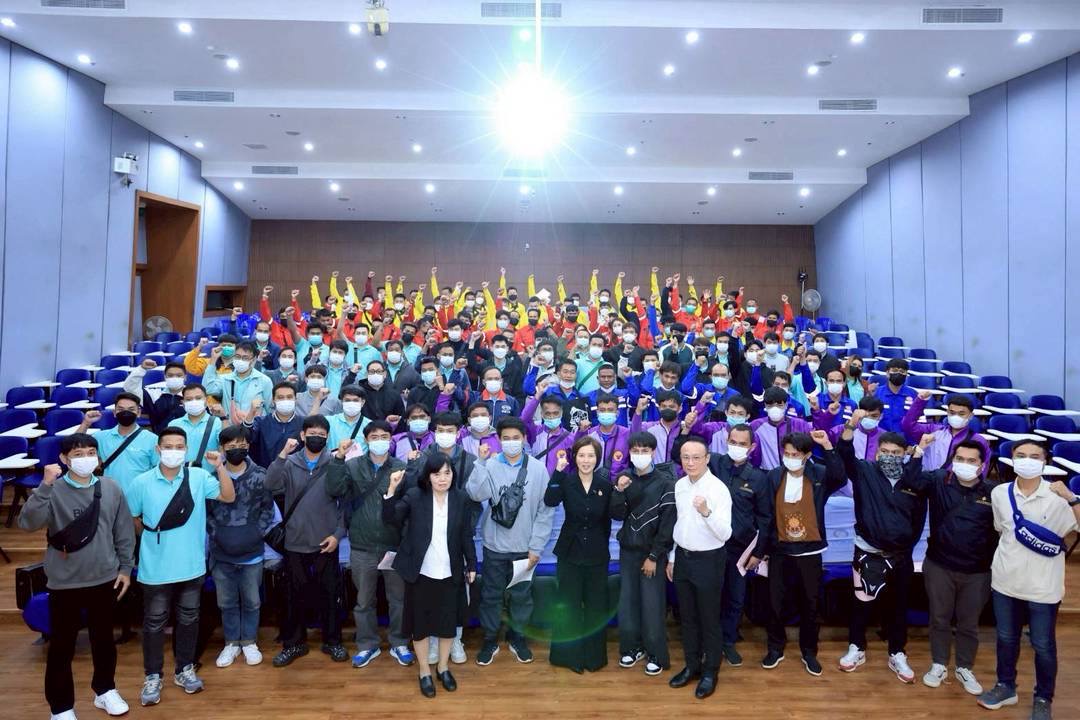
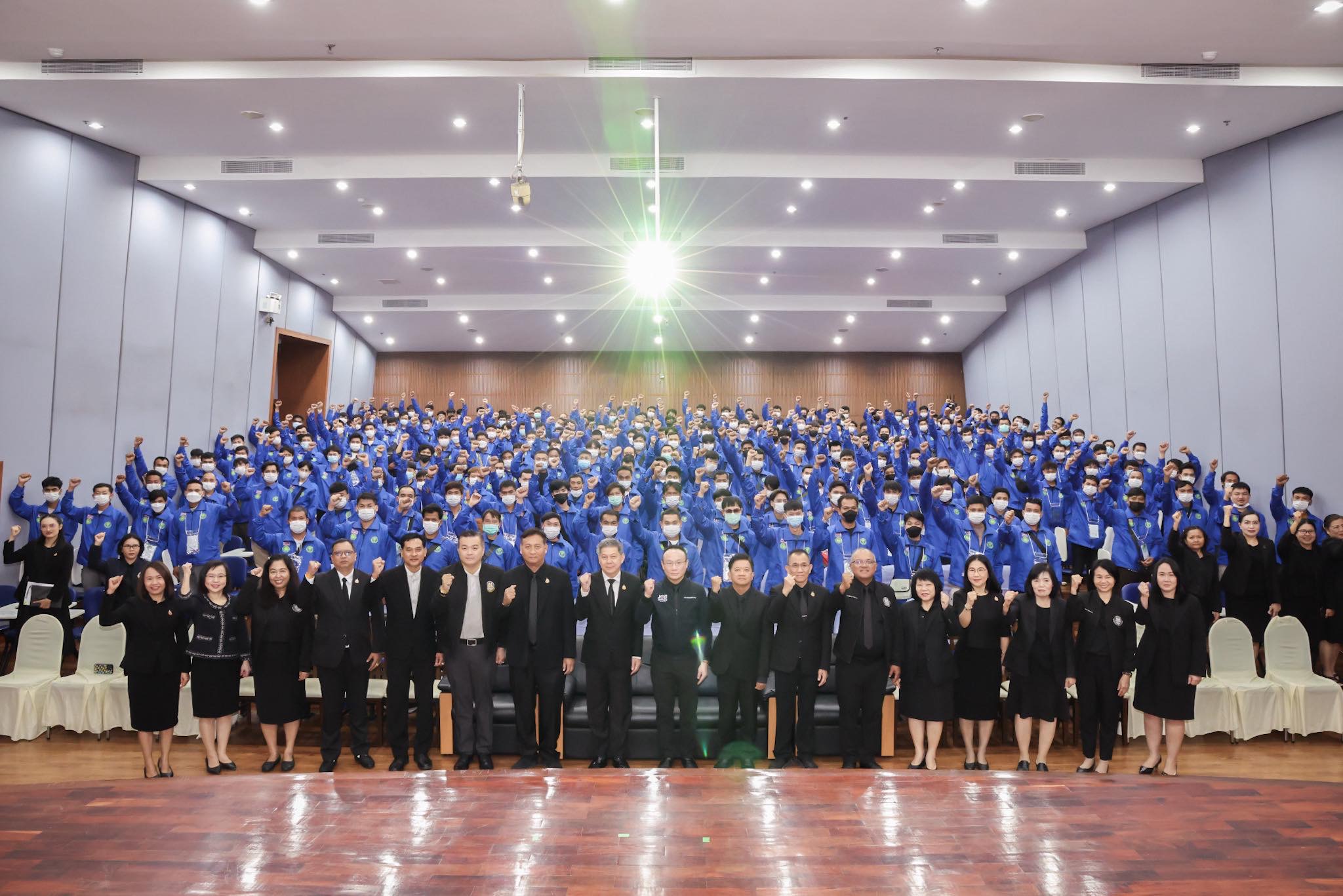
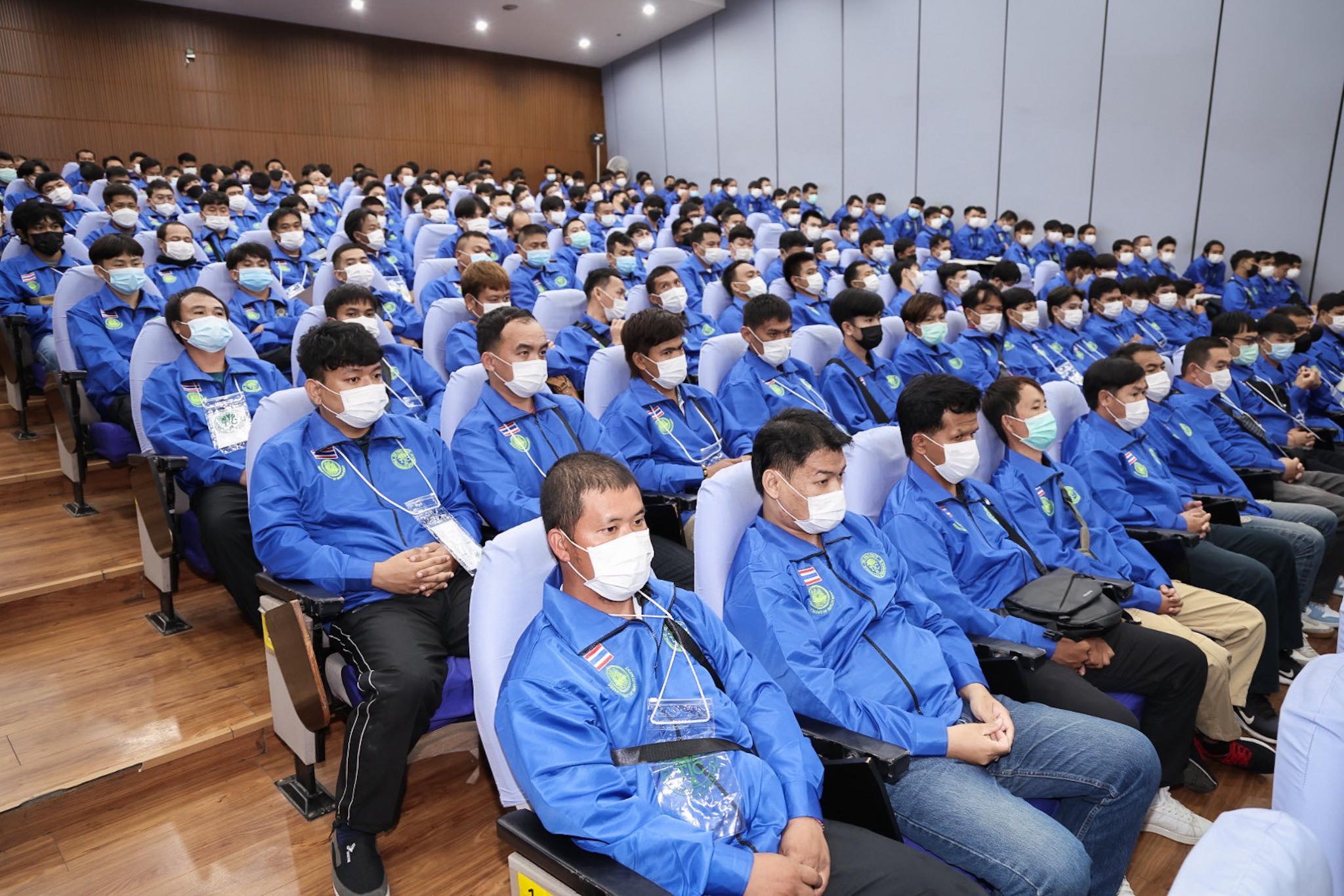
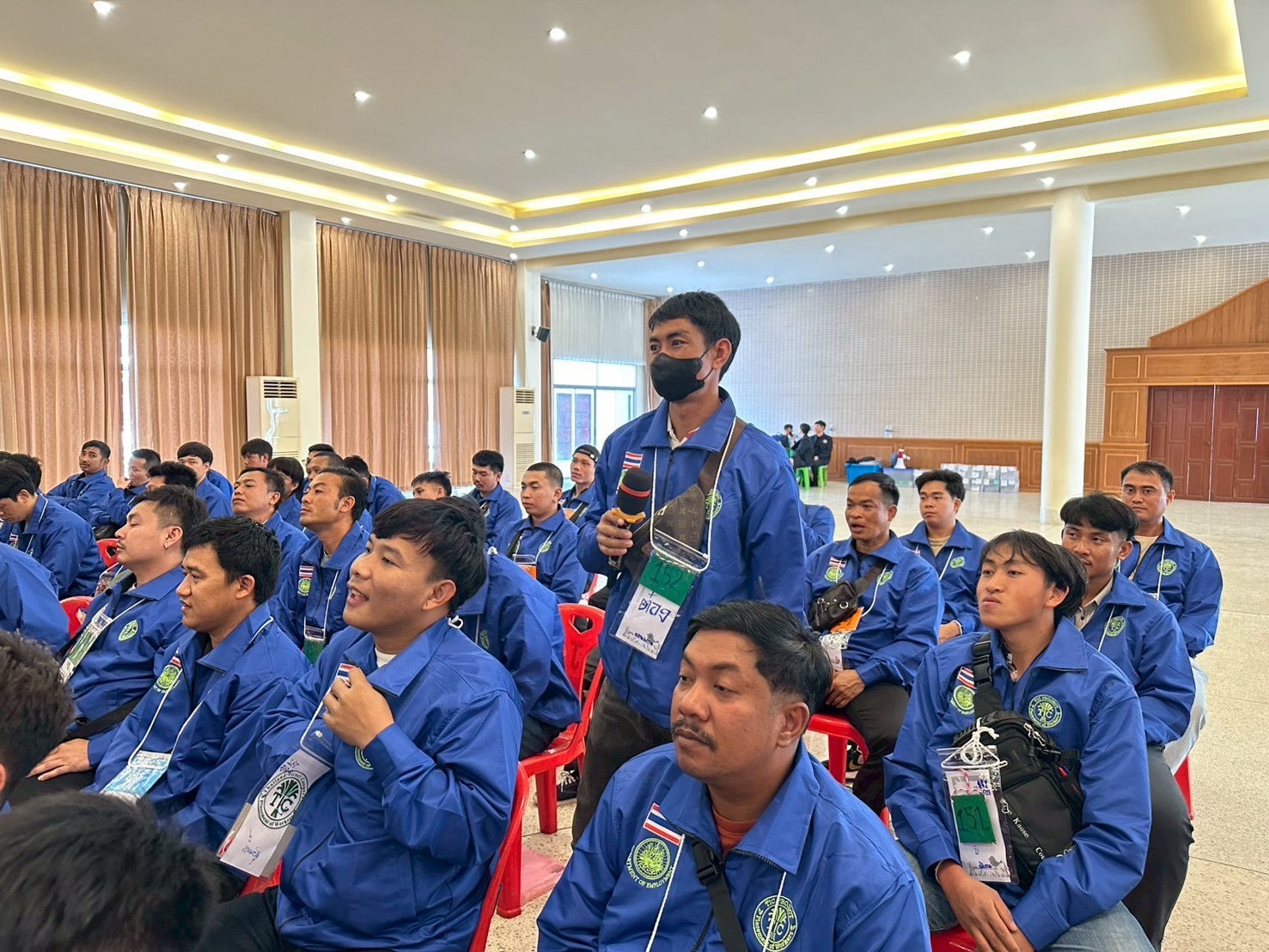
The Labour Minister stated that the deployment of Thai workers overseas has also achieved highly satisfactory results. During the period from September 26, 2025, to February 1, 2026, the Ministry of Labour successfully facilitated the overseas employment of 40,086 Thai workers, representing 77.09% of the target of 52,000 placements. The figures, categorised by mode of deployment, include: 6,131 workers deployed by the Department of Employment; 11,859 workers deployed through recruitment agencies; 2,564 workers taken overseas by employers; 464 workers sent overseas for training by employers; and 19,068 workers who travelled independently or through re-entry arrangements.
Ms. Trinuch added that she has instructed the Department of Employment to accelerate the deployment of Thai workers overseas in line with the set targets. She noted that recent reports indicate that a number of Thai workers are currently preparing documentation and undergoing pre-departure orientation and training, with planned departures scheduled for February and March 2026.
“The five countries where Thai workers are most frequently permitted to work are Israel, Taiwan, the Republic of Korea, Malaysia, and Japan. The five most approved job categories are agricultural workers, followed by general labourers, general industrial workers, construction operatives, and metal product manufacturing workers,” the Minister of Labour stated. She further noted that the labour mission undertaken during this period has involved navigating multiple challenges, including armed conflicts in various regions worldwide, global economic volatility, fluctuating labour demand in overseas markets, disruption caused by artificial intelligence and robotics replacing human labour in many roles, as well as increasing competition in labour skills development, each of which presents significant challenges. Nevertheless, she reaffirmed that the Ministry of Labour will continue to move forward in creating employment opportunities for Thai workers, both domestically and overseas, enabling income generation that will stimulate the domestic economy. Estimates of wages earned by Thai workers overseas in recent years exceed 99 billion Baht.