

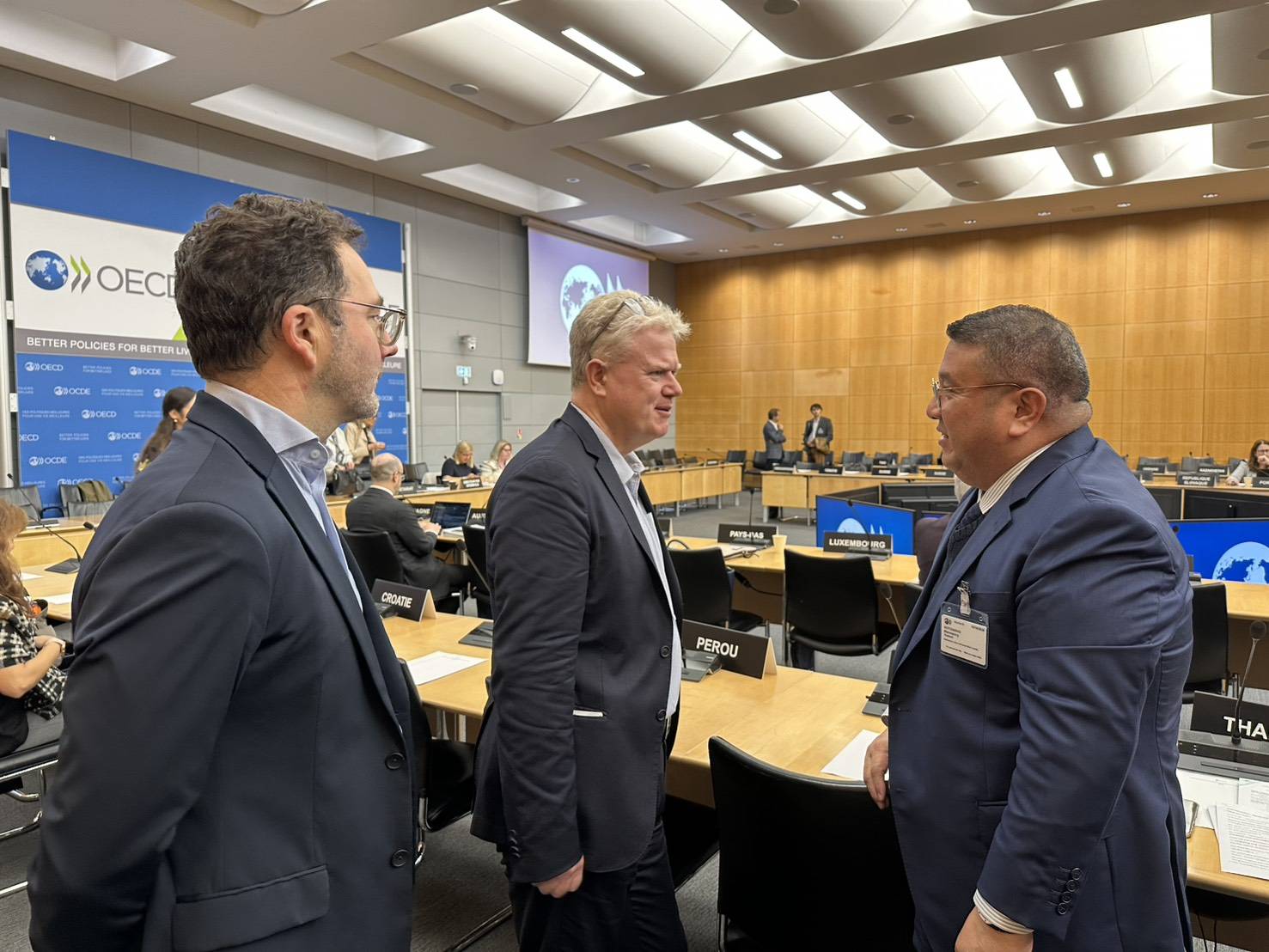

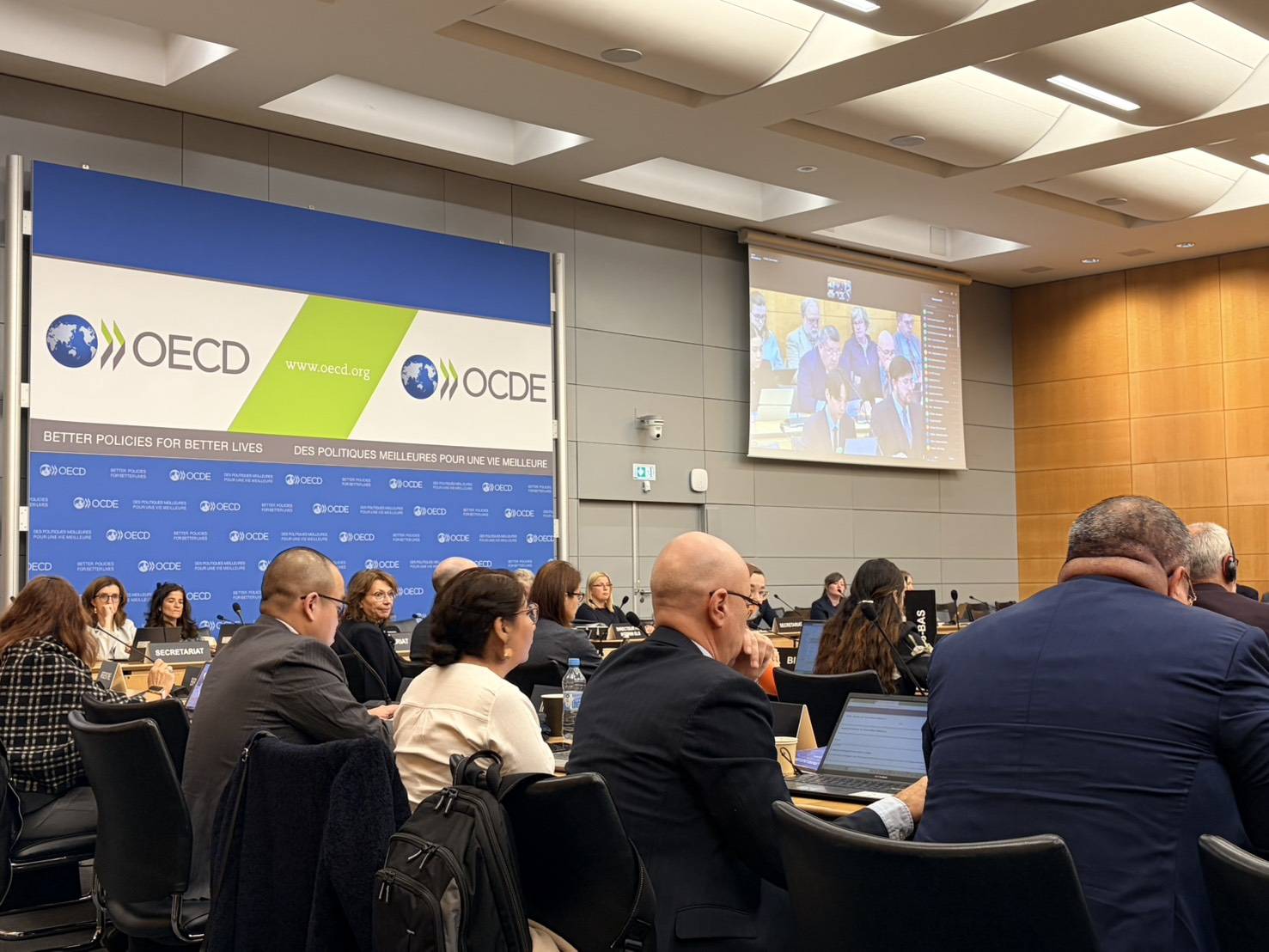
The Permanent Secretary of Labour participated in the 150th OECD Meeting in Paris, championing approaches to developing Thai workers’ skills for the AI era and promoting Minister of Labour Mr. Julapun Amornvivat’s “Learn and Get a Budget, Graduate and Get a Job” policy, with an emphasis on skills training tailored to the needs of establishments, greater employment opportunities, and a reaffirmation that technology must help raise the quality of work and create opportunities for all groups of workers, leaving no one behind.
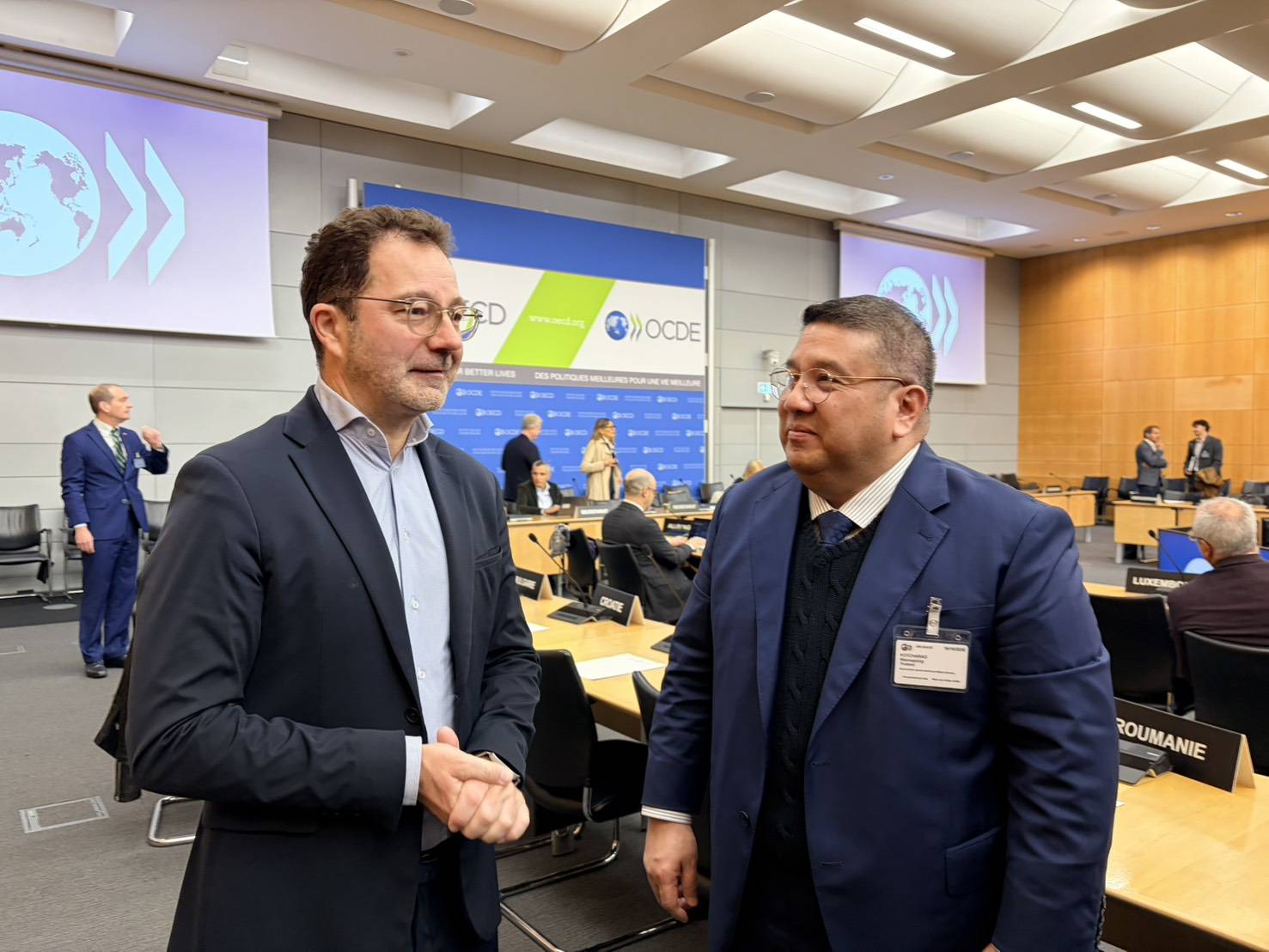
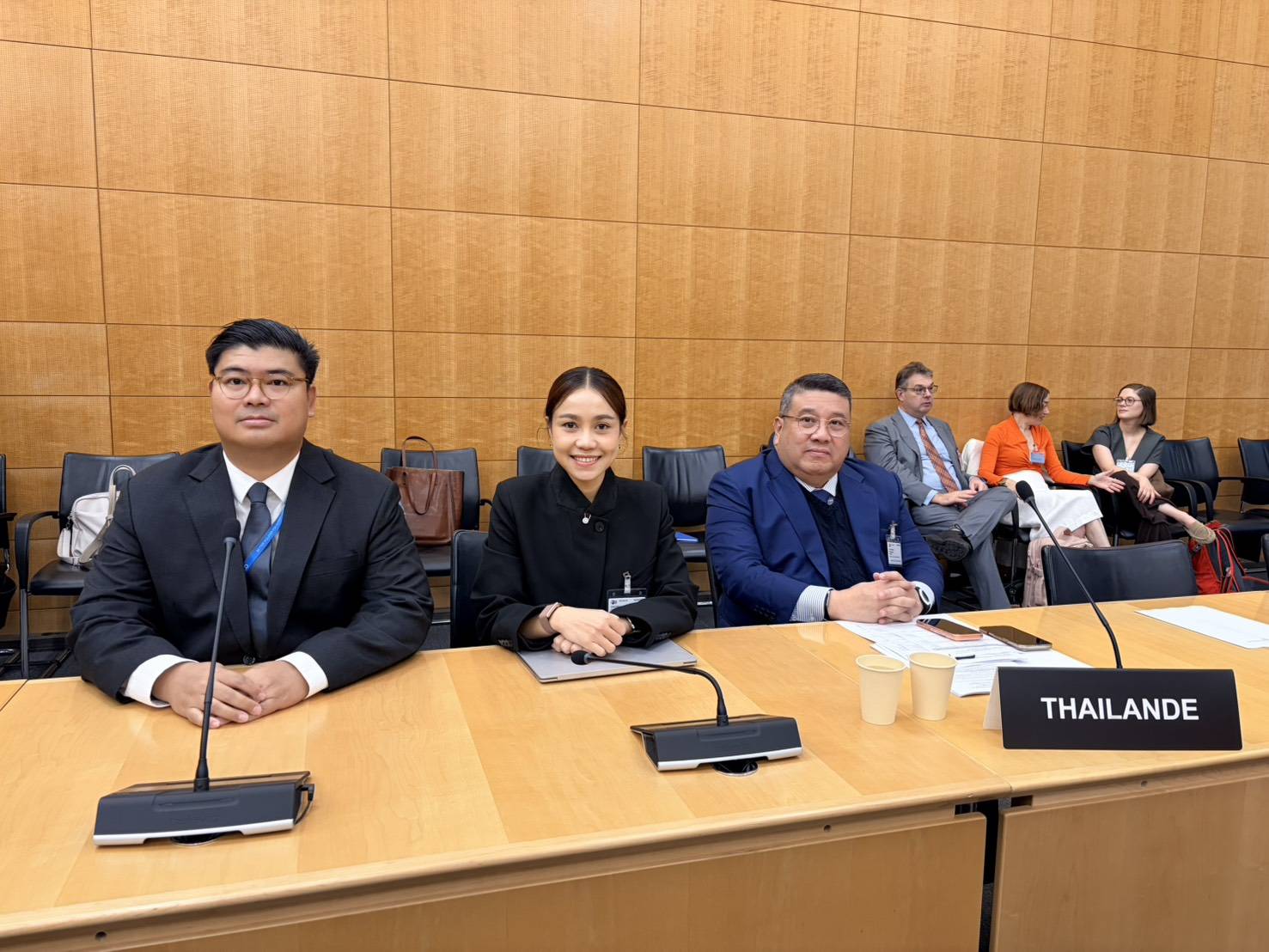
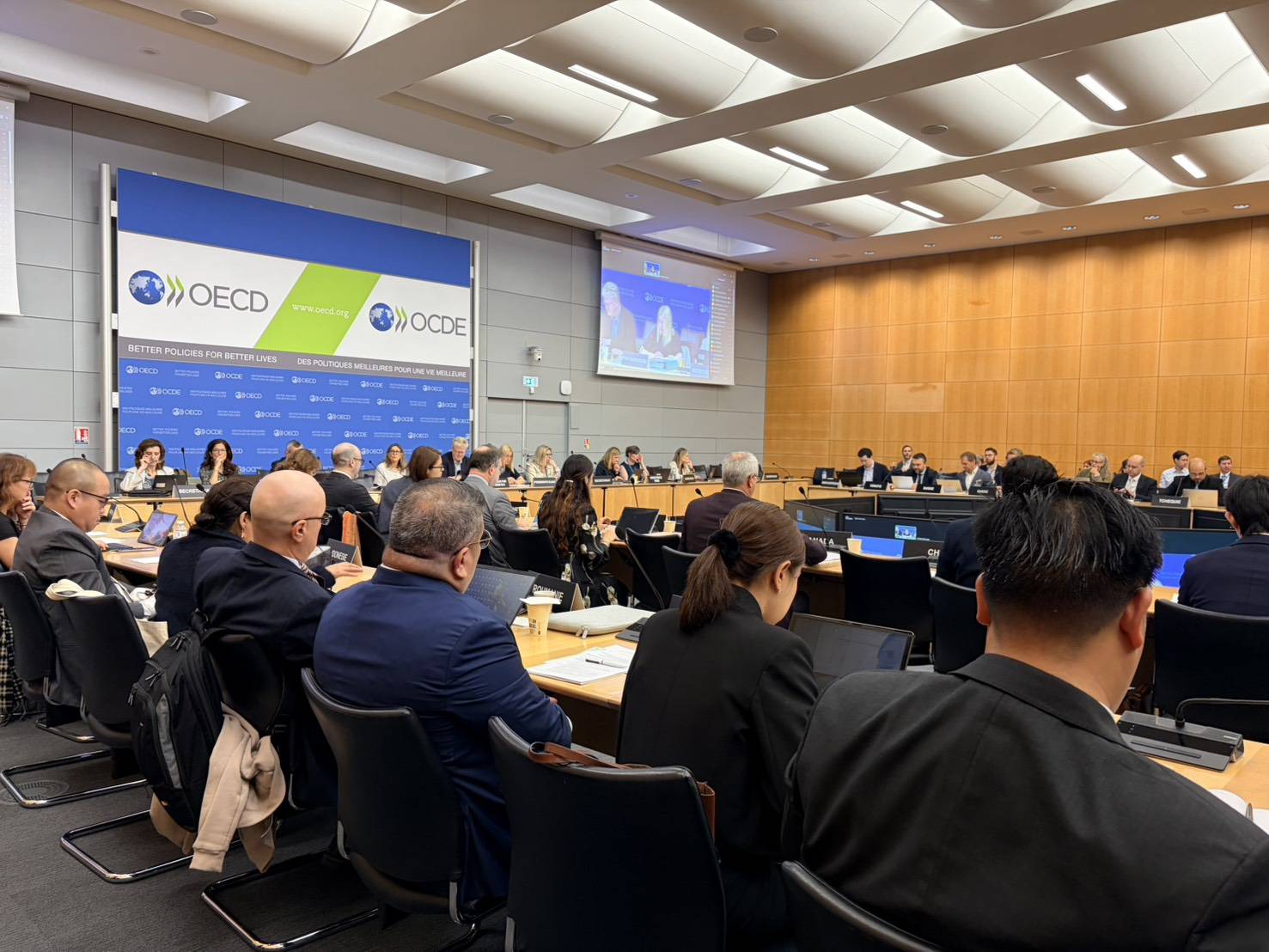
On October 15 2026 at 09:00 hours (local time, France), Pol. Lt. Col. Wannapong Kotcharak, Permanent Secretary of Labour, attended the 150th Meeting of the Employment, Labour and Social Affairs Committee (ELSAC) of the Organisation for Economic Cooperation and Development (OECD), held on October 15-16, 2026 in Paris, France, to exchange knowledge and policy approaches on labour matters with member countries, with particular focus on preparing the workforce to cope with changes in the labour market and advances in artificial intelligence (AI) technology.
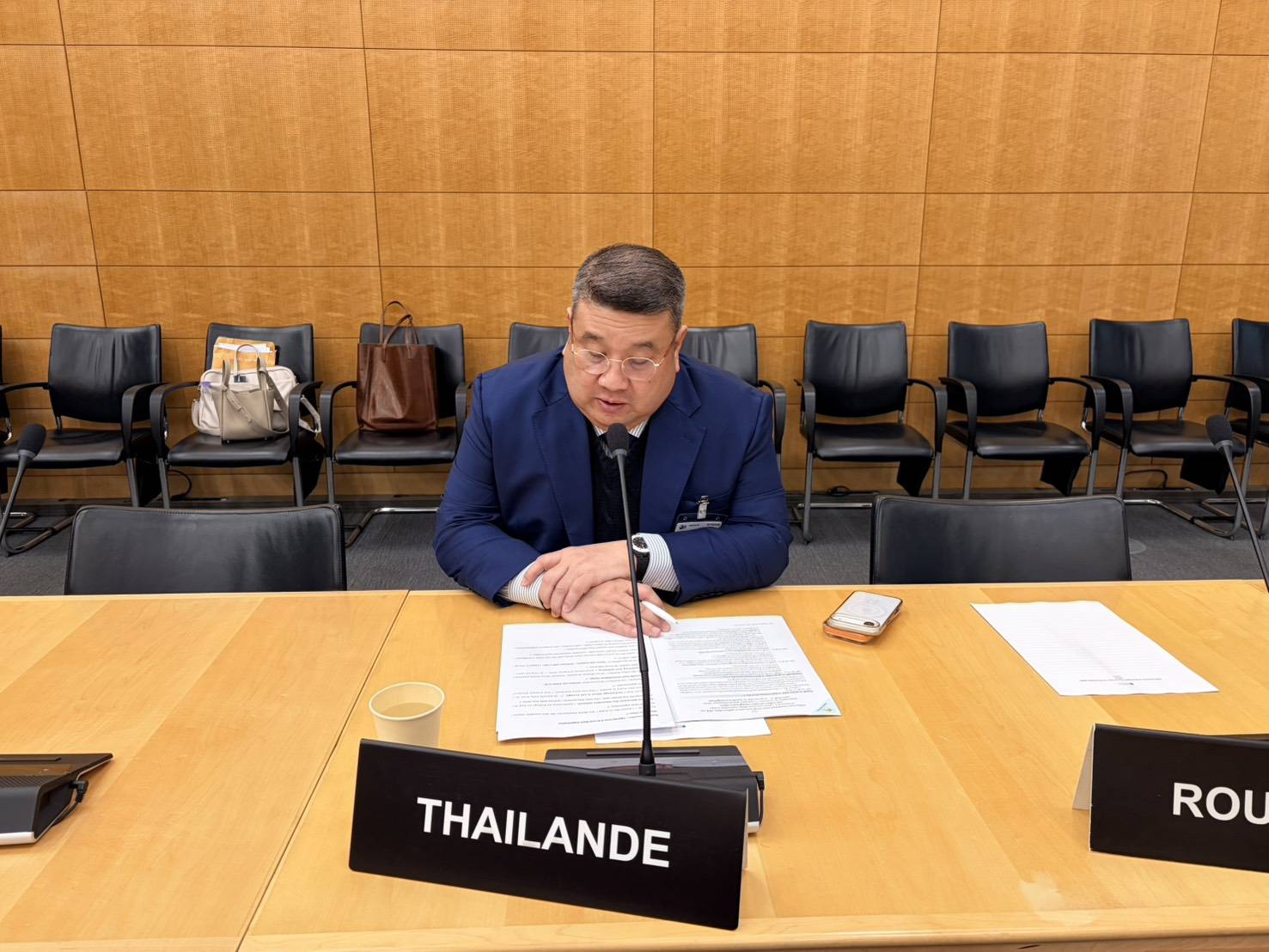
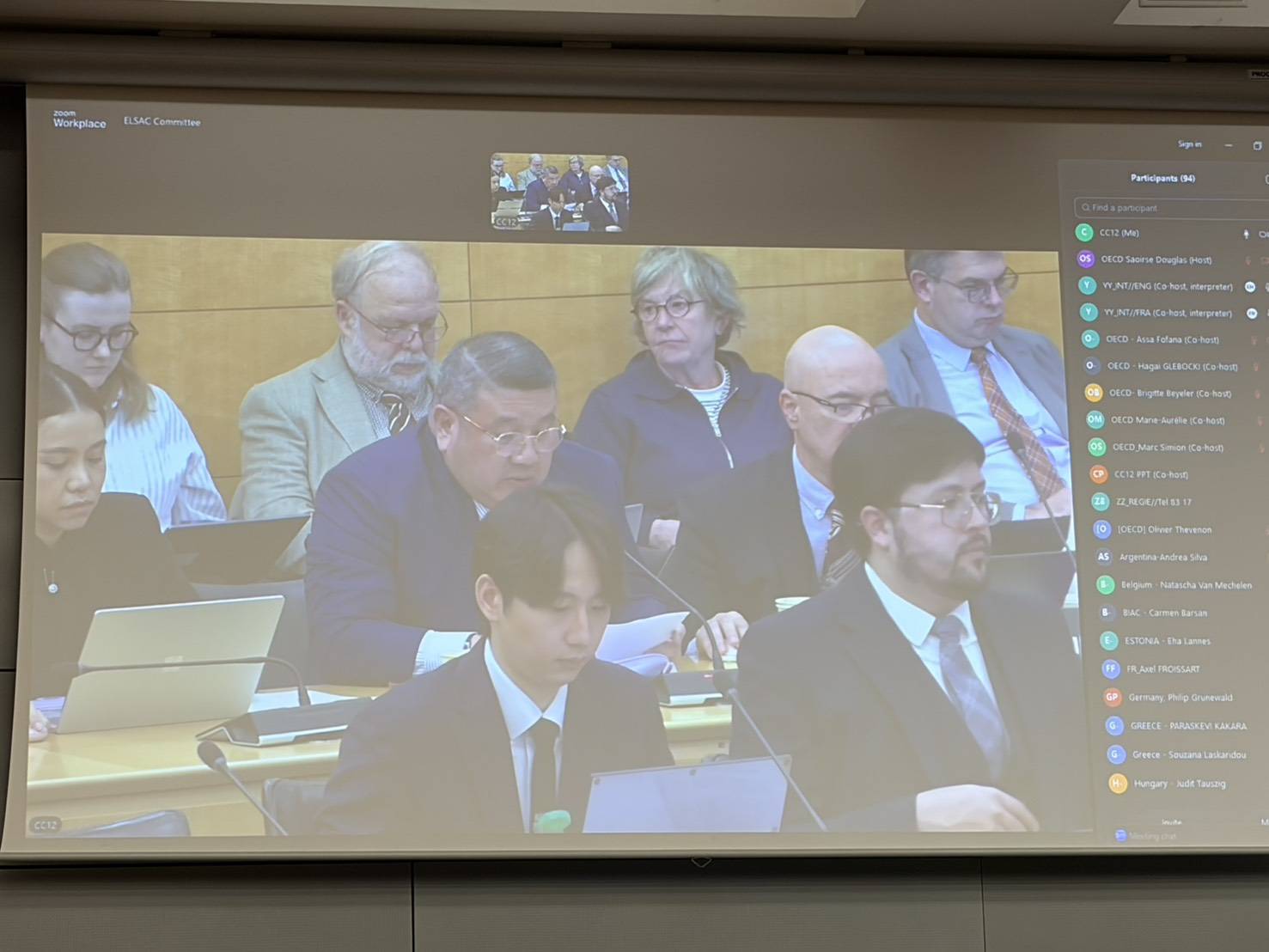
Under Agenda Item 4 on “Artificial Intelligence and Work Organisation” (AI and Work Organisation), the Permanent Secretary of Labour expressed Thailand’s views, emphasising that the transition to the AI era is not merely about deploying technology to increase work efficiency, but must equally prioritise human development, so that workers can adapt, learn new skills, and harness technology to raise their quality of life and employment opportunities. He also thanked the OECD for its research findings, which have helped build understanding of AI’s impact on work patterns, the nature of jobs, and the skills needed in the future.
The Permanent Secretary of Labour stated that, under the policy of Mr. Julapun Amornvivat, Minister of Labour, the Ministry of Labour is focused on raising the potential of Thai workers to have skills that match the demands of the modern labour market, giving priority to Upskilling and Reskilling, particularly digital and AI skills and skills for industries of the future, through the “Learn and Get a Budget, Graduate and Get a Job” policy, which aims to connect training with the genuine needs of establishments, so that workers learn skills that can be put to immediate use, increasing employment opportunities and generating sustainable incomes. The policy also prioritises developing skills appropriate for all groups of workers, including young people entering the labour market, older workers, and workers in small establishments, so everyone can access the opportunities arising from technological change.
In addition, the Permanent Secretary of Labour emphasised the importance of drawing on the OECD’s knowledge and research findings to develop Thailand’s labour policies, particularly in designing training curricula that meet the skills needs of the labour market, promoting the ability of employers and employees to adapt to new technologies, and developing working arrangements conducive to increasing productivity alongside raising the quality of employment.
The Permanent Secretary of Labour reiterated that the success of deploying AI in the world of work should not be measured solely by increases in productivity, but also by higher skills, better-quality jobs, and better opportunities for workers. The Ministry of Labour will prioritise developing workers’ potential alongside the technological transition, so Thai workers have the skills to compete, can adapt to change, and can fully benefit from technological advances, leading to a high-quality, sustainably growing Thai labour market.