

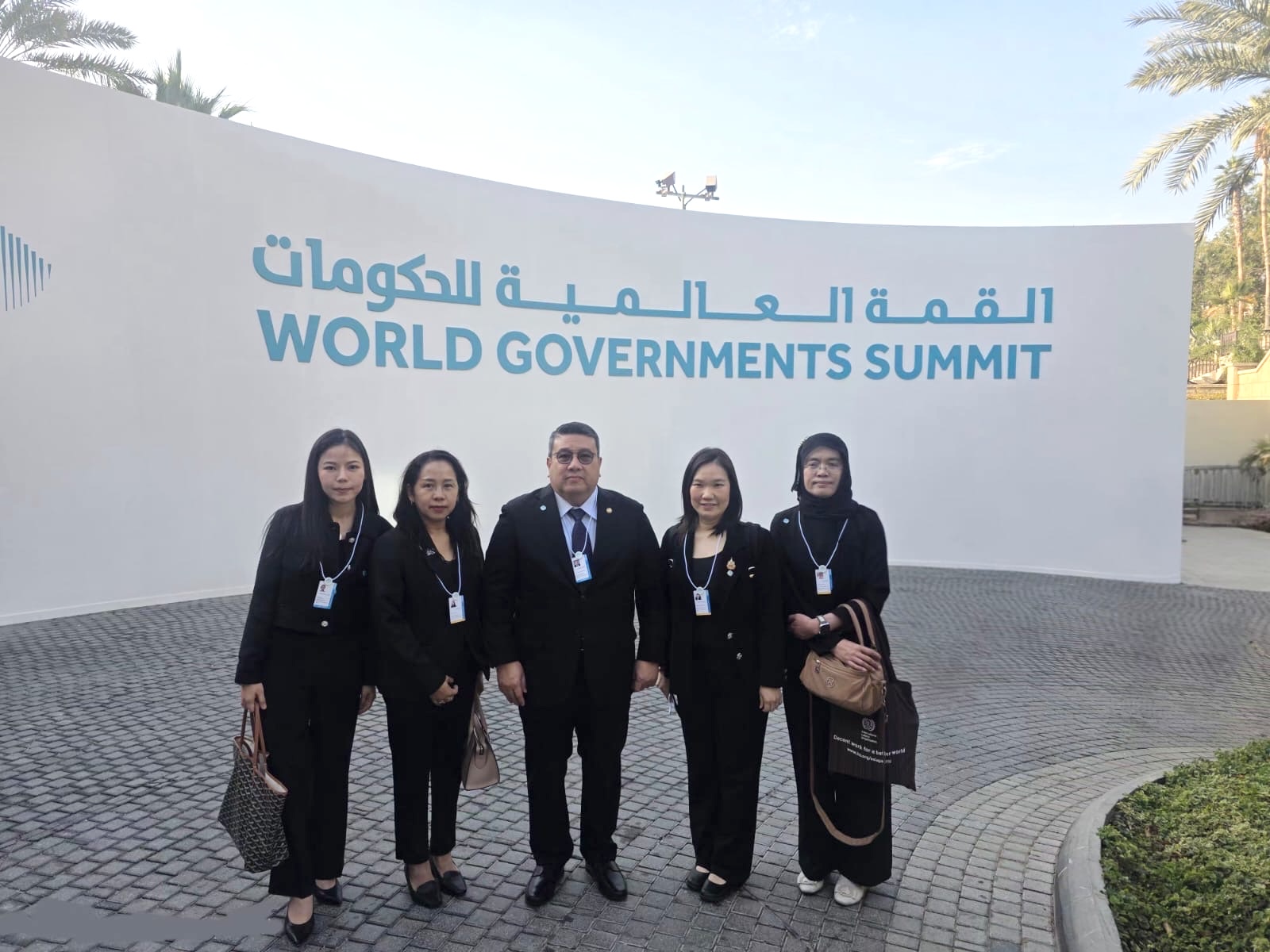
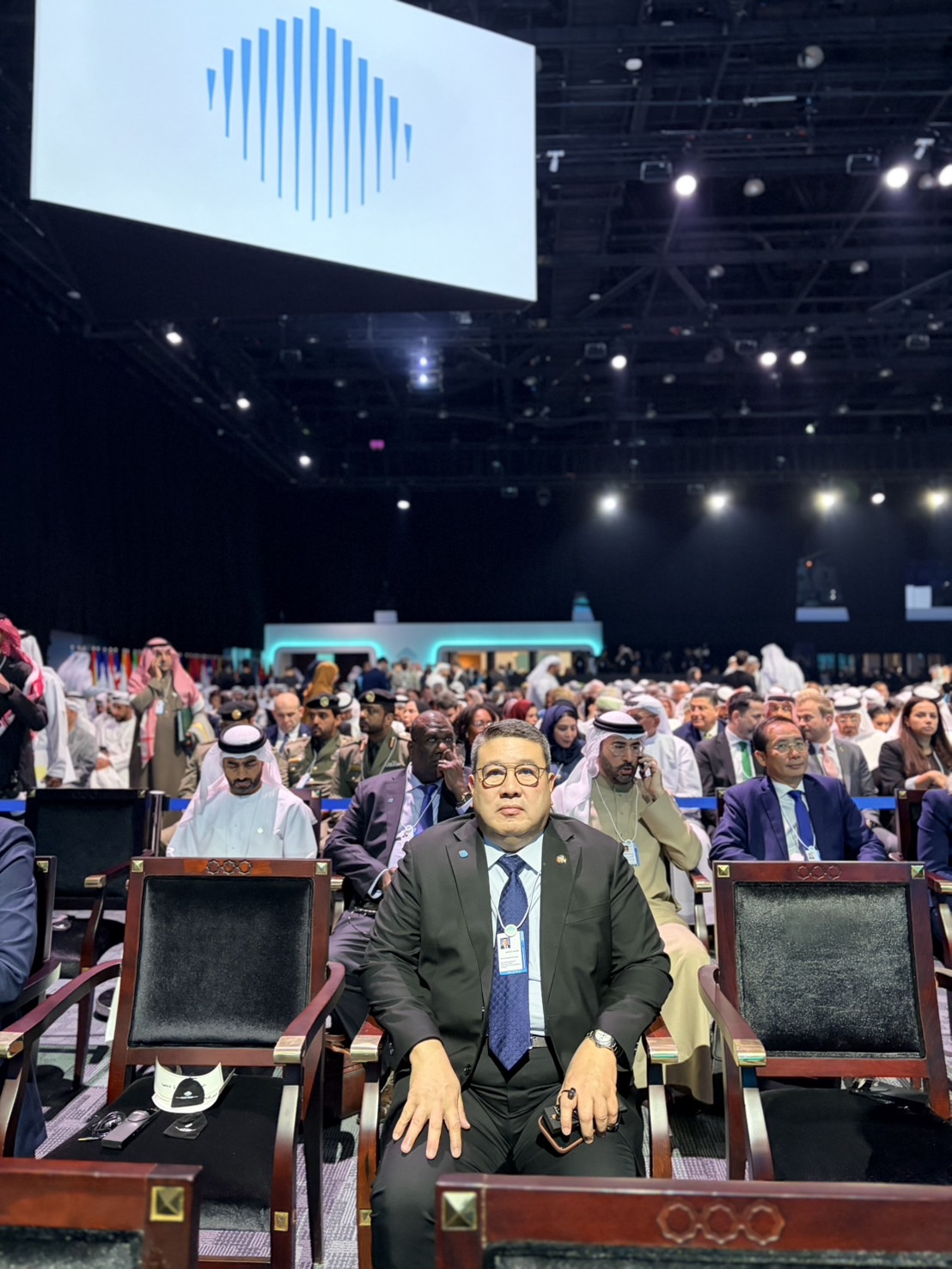
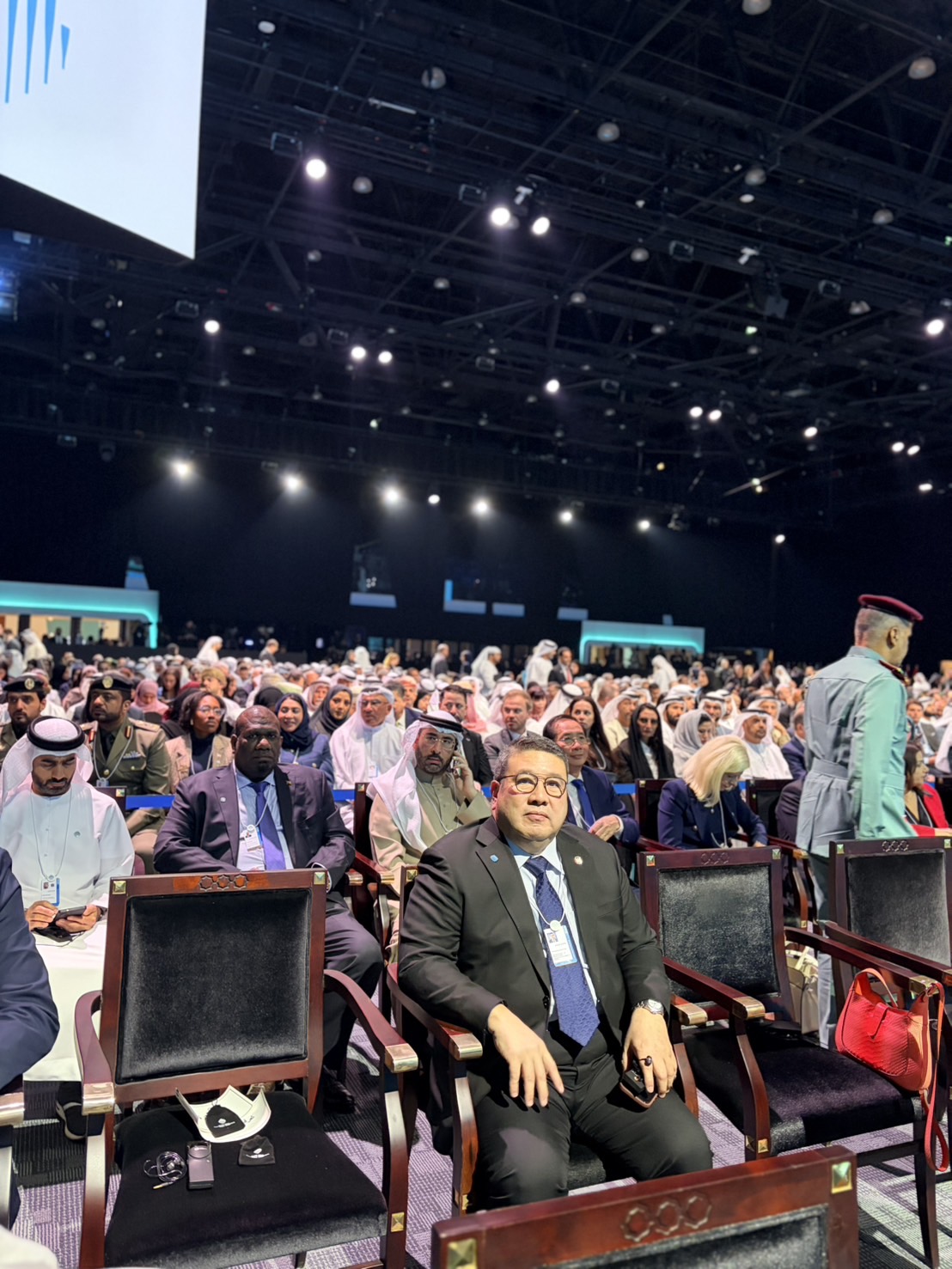
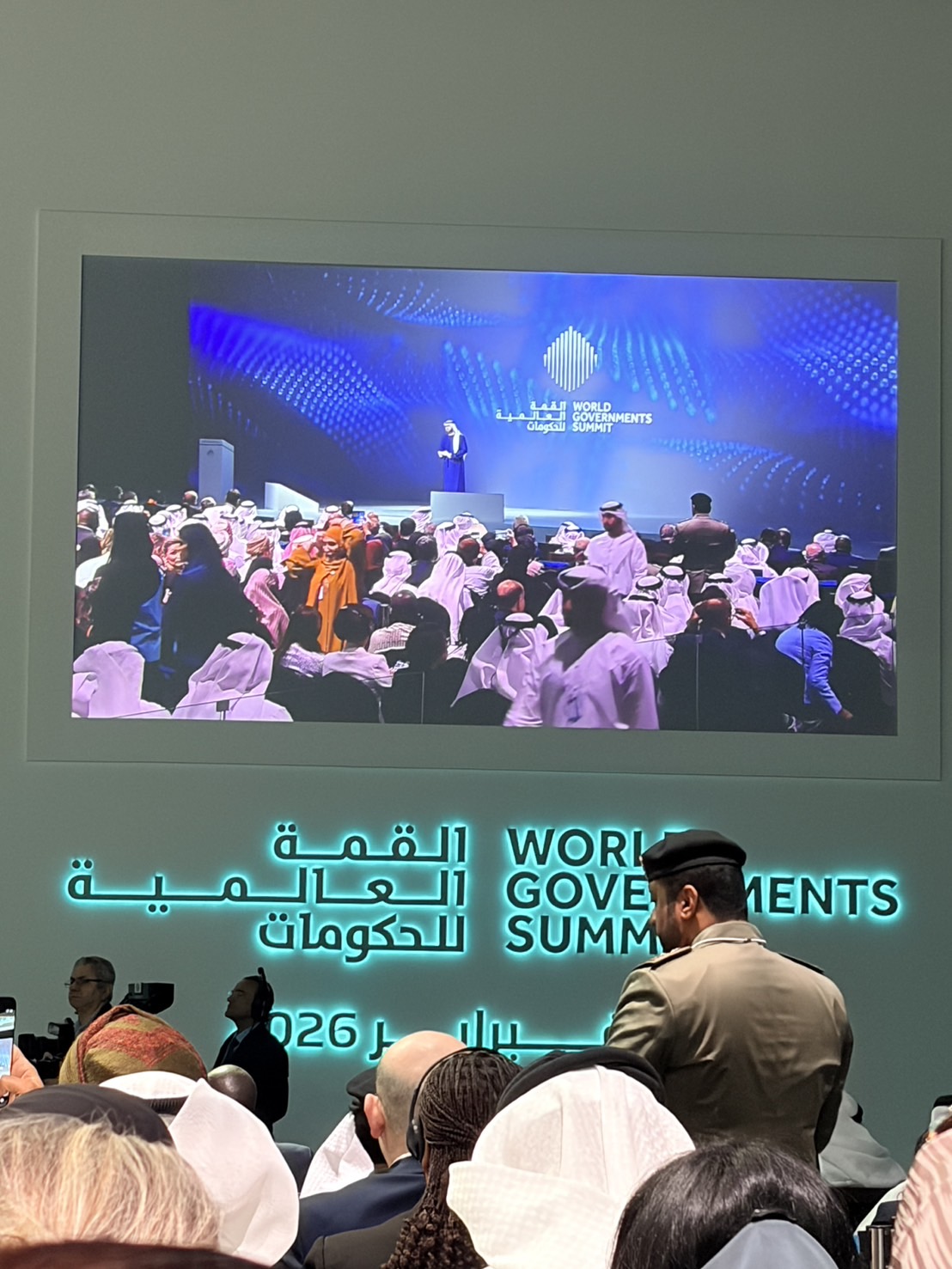
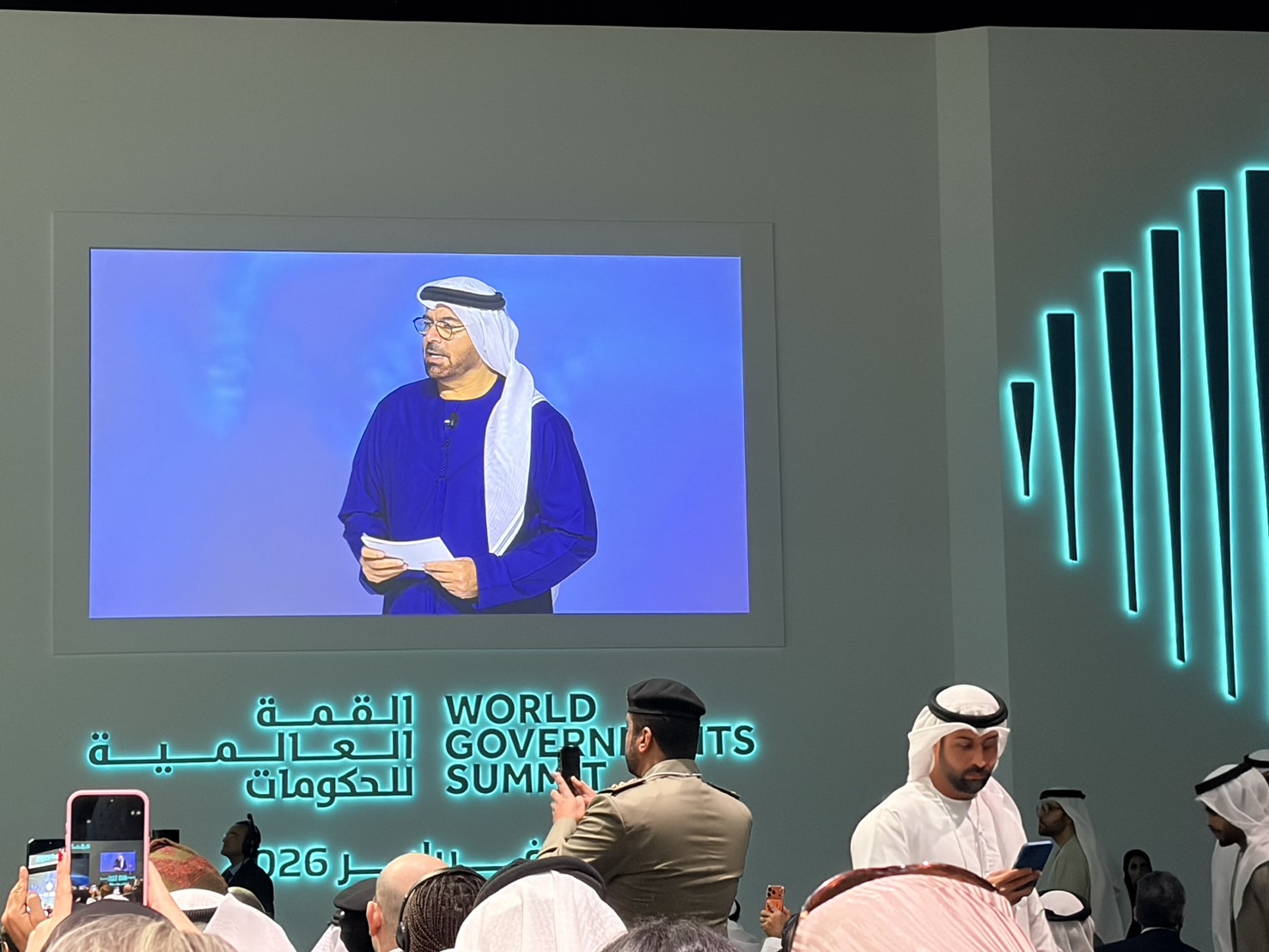
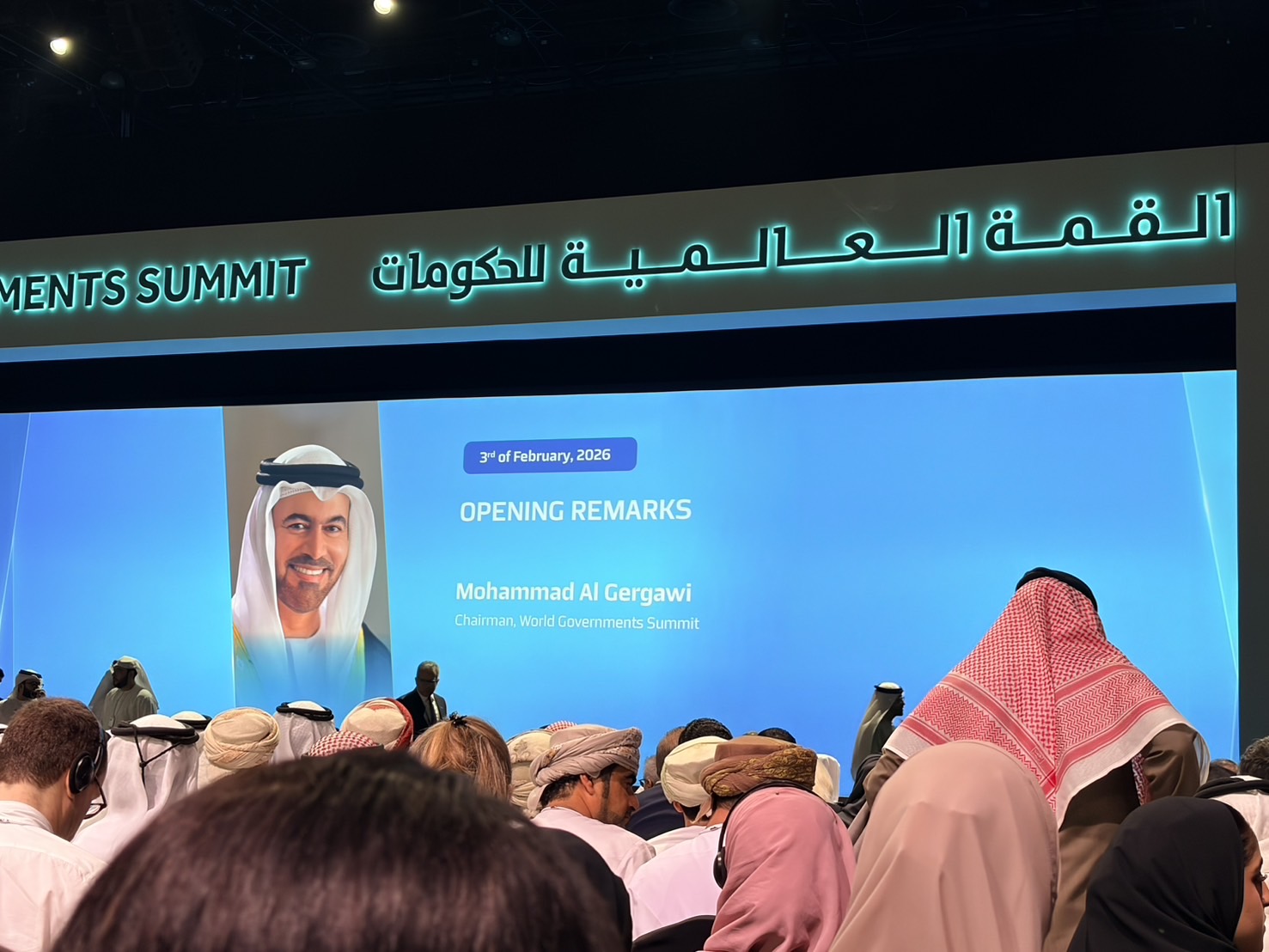
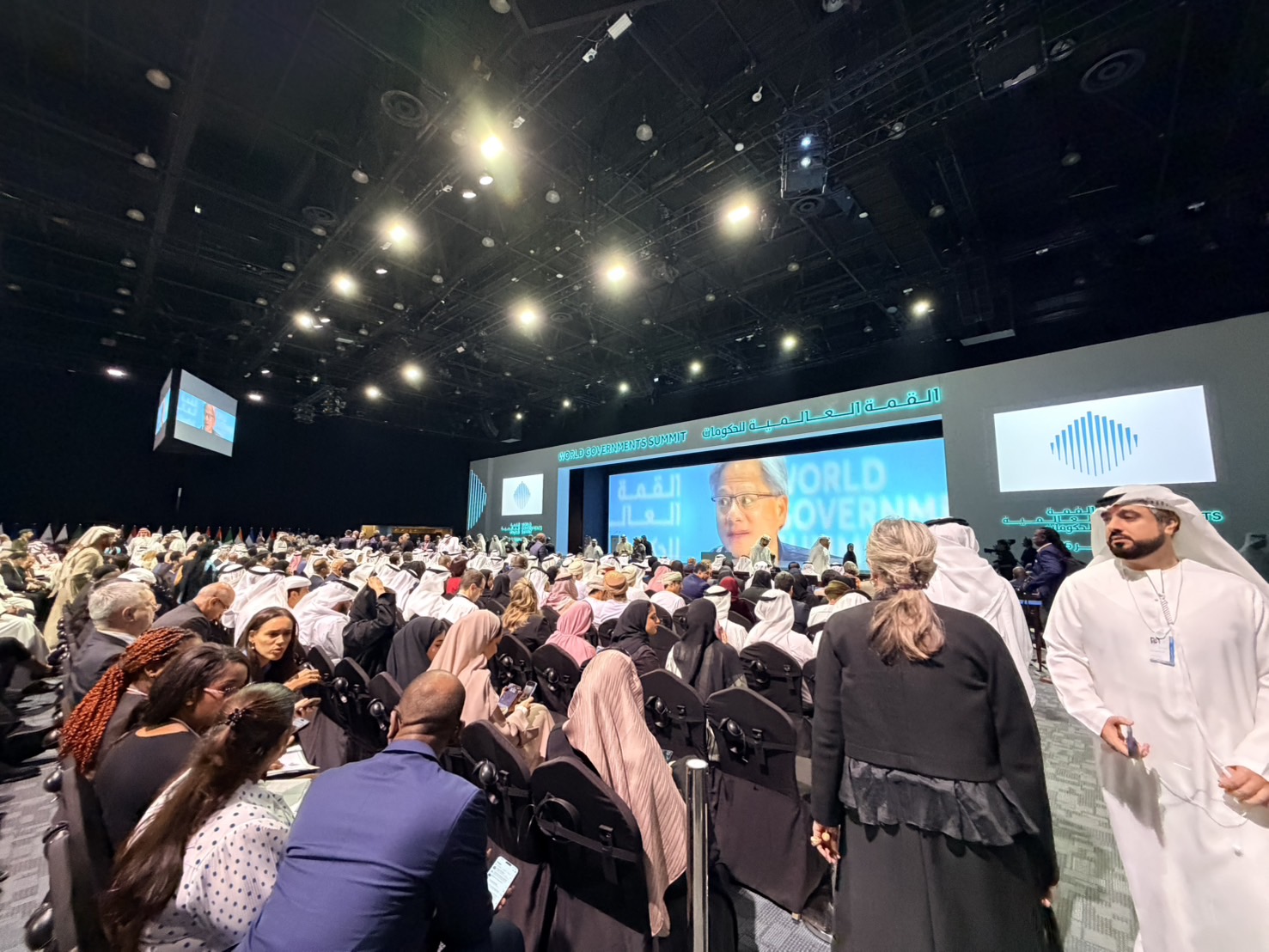
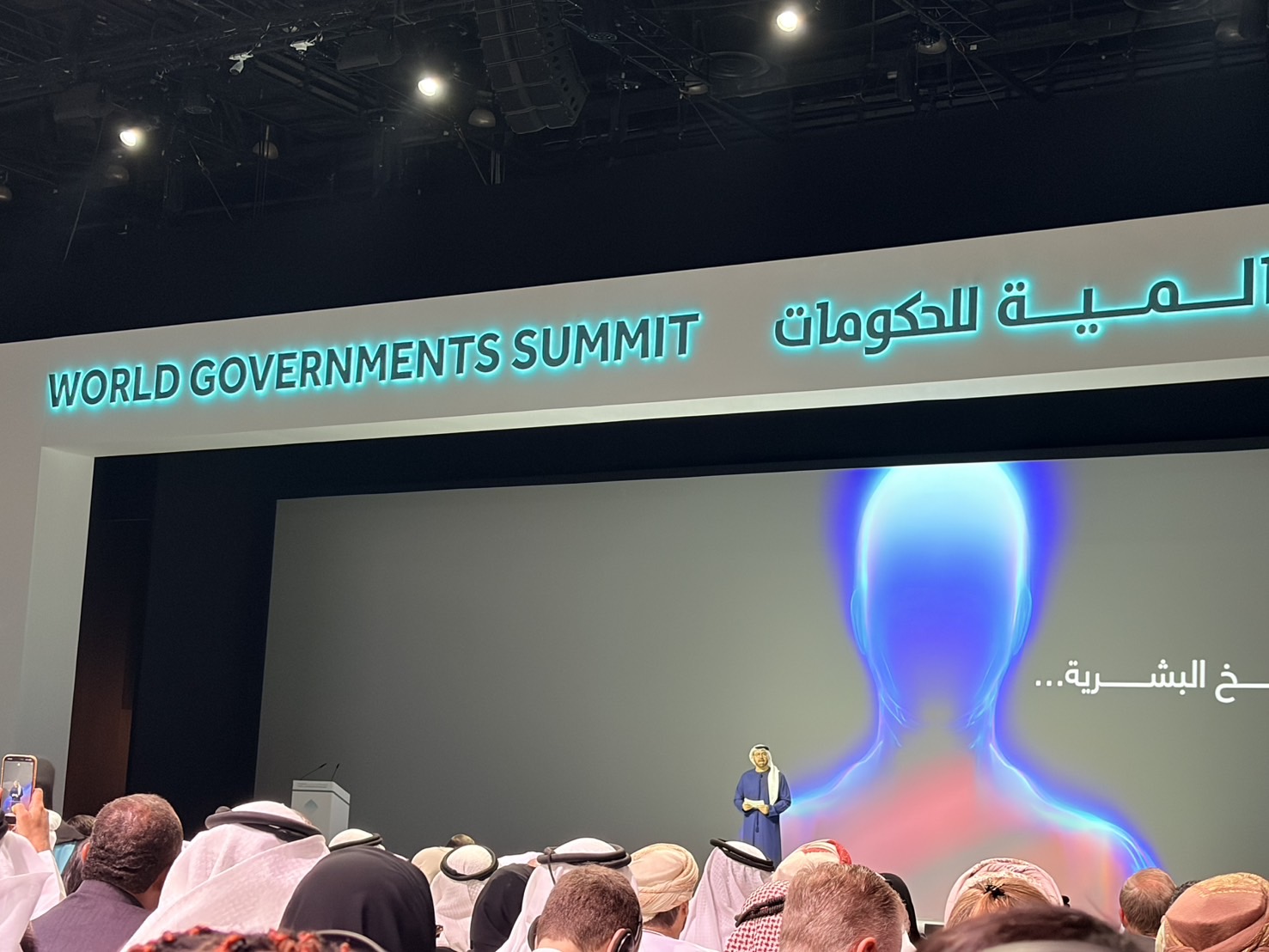
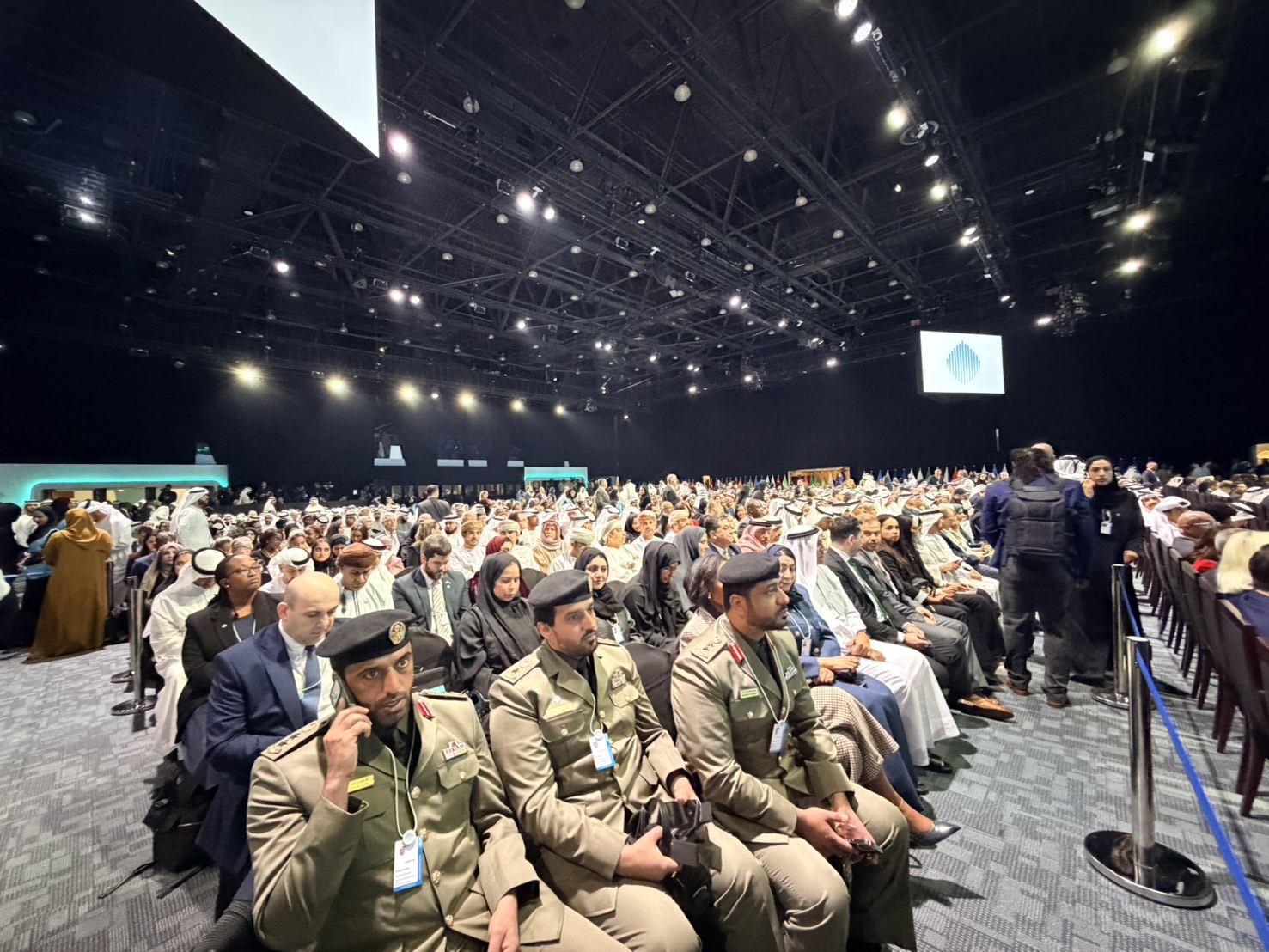
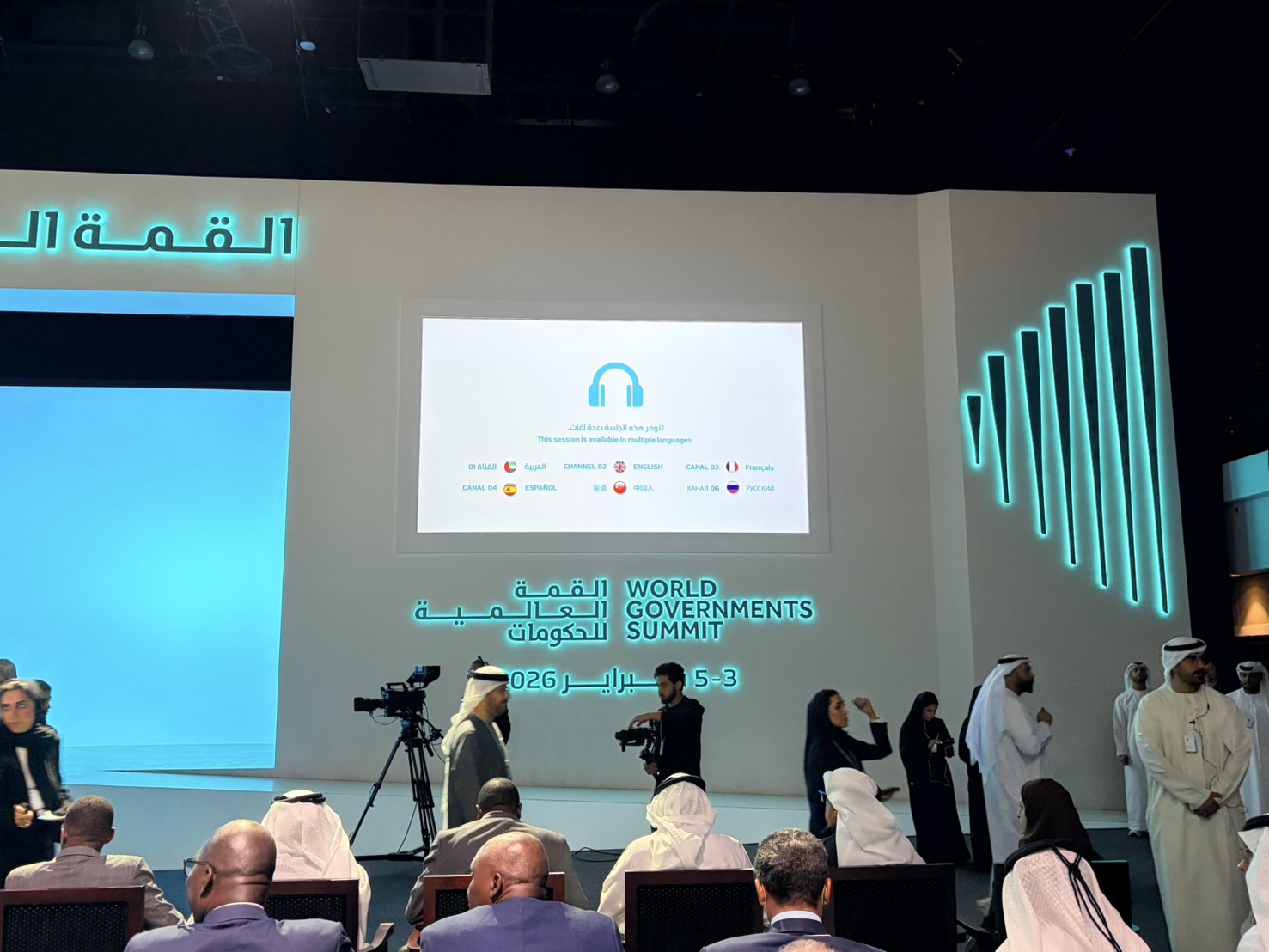
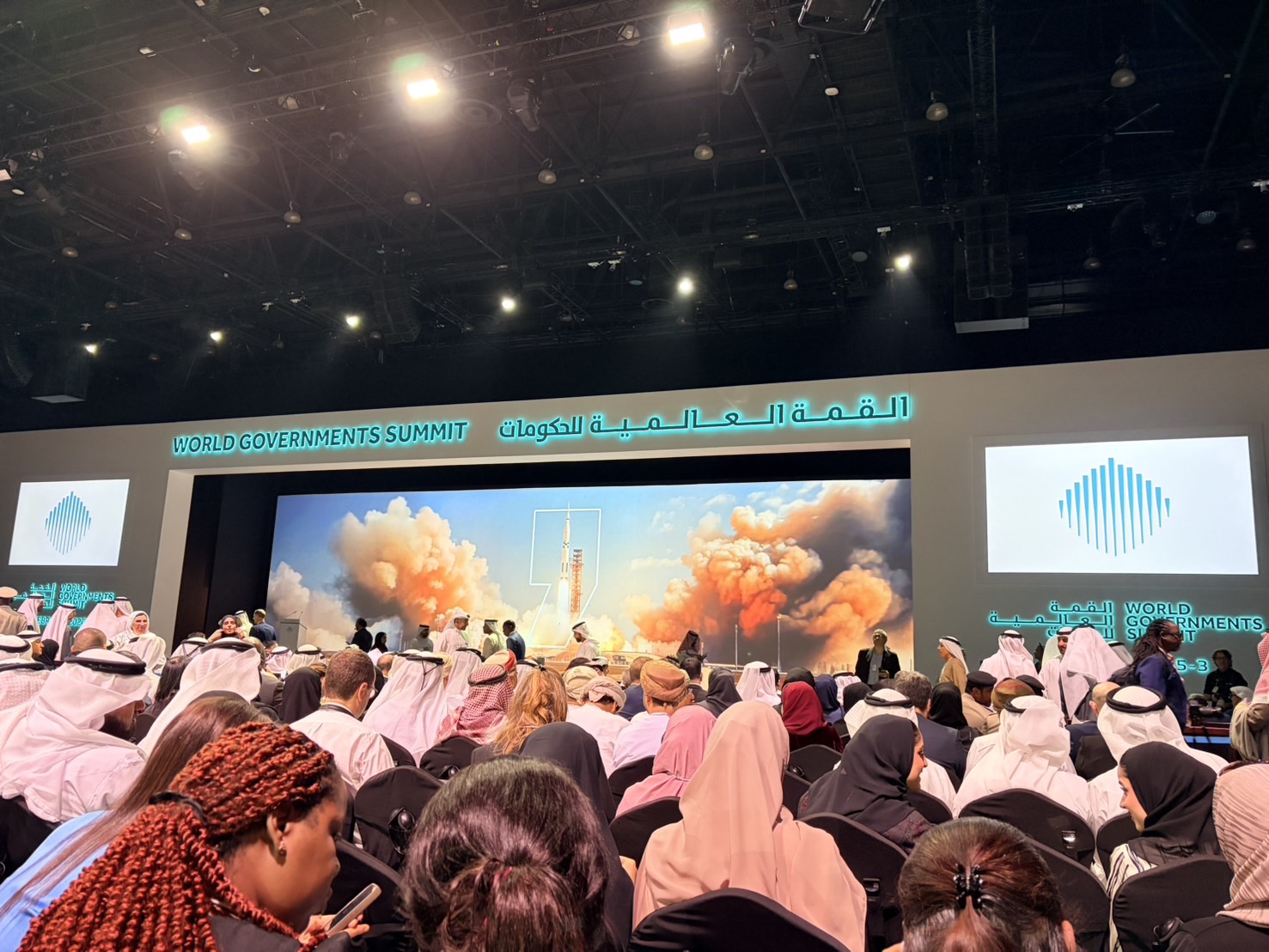
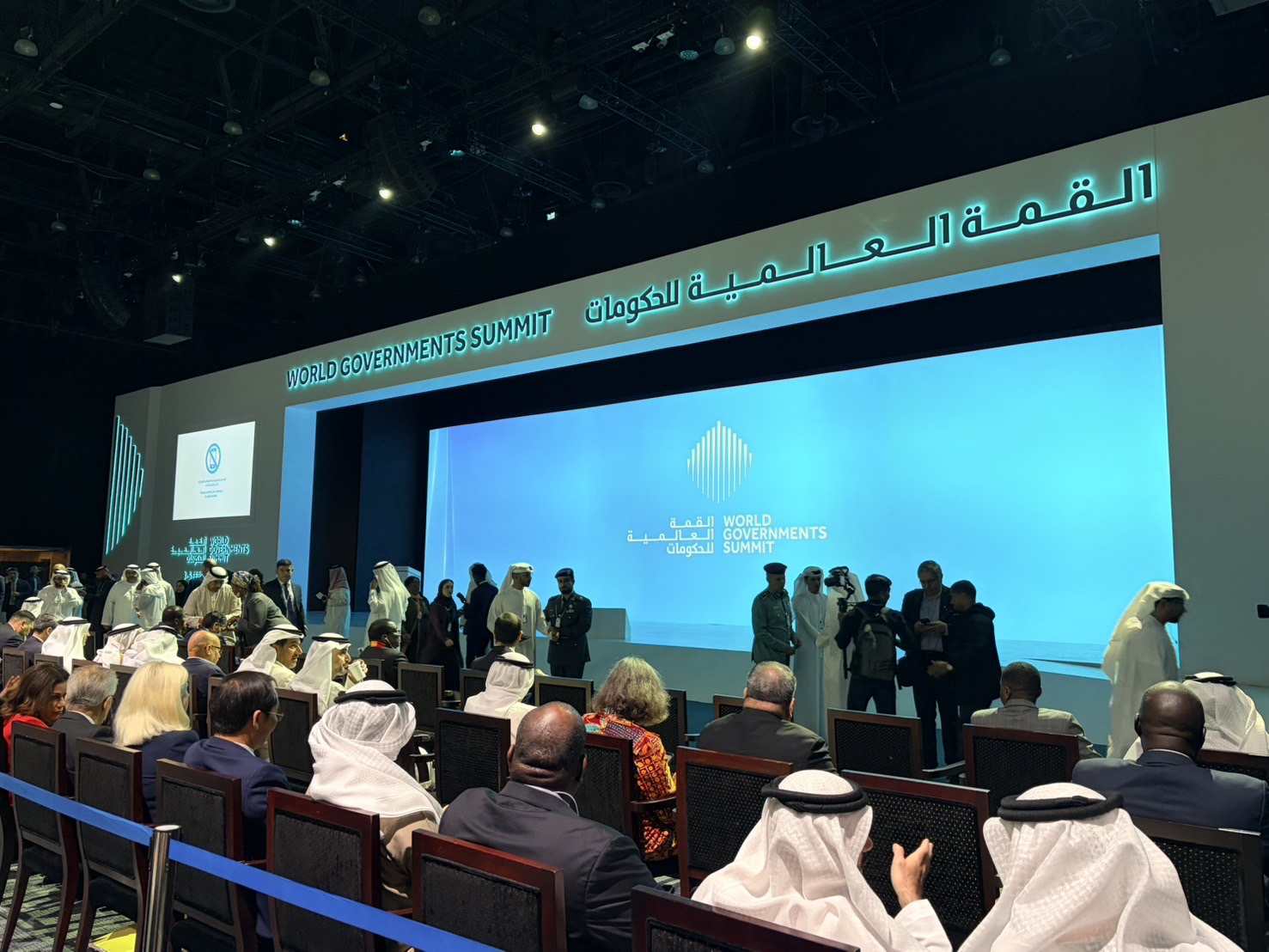
February 3, 2026, local time in Dubai – Pol. Lt. Col. Wannapong Kotcharak, Permanent Secretary of Labour, together with Ms. Nipa Nirandernut, Consul-General in Dubai, Ms. Sadudee Kittisuwann, Director of the Bureau of International Cooperation Coordination, Ms. Alisa Supap, Minister-Counsellor (Labour) at the Royal Thai Embassy in Abu Dhabi, United Arab Emirates, and the accompanying delegation, attended the World Government Summit 2026 at Madinat Jumeirah Hotel, United Arab Emirates.
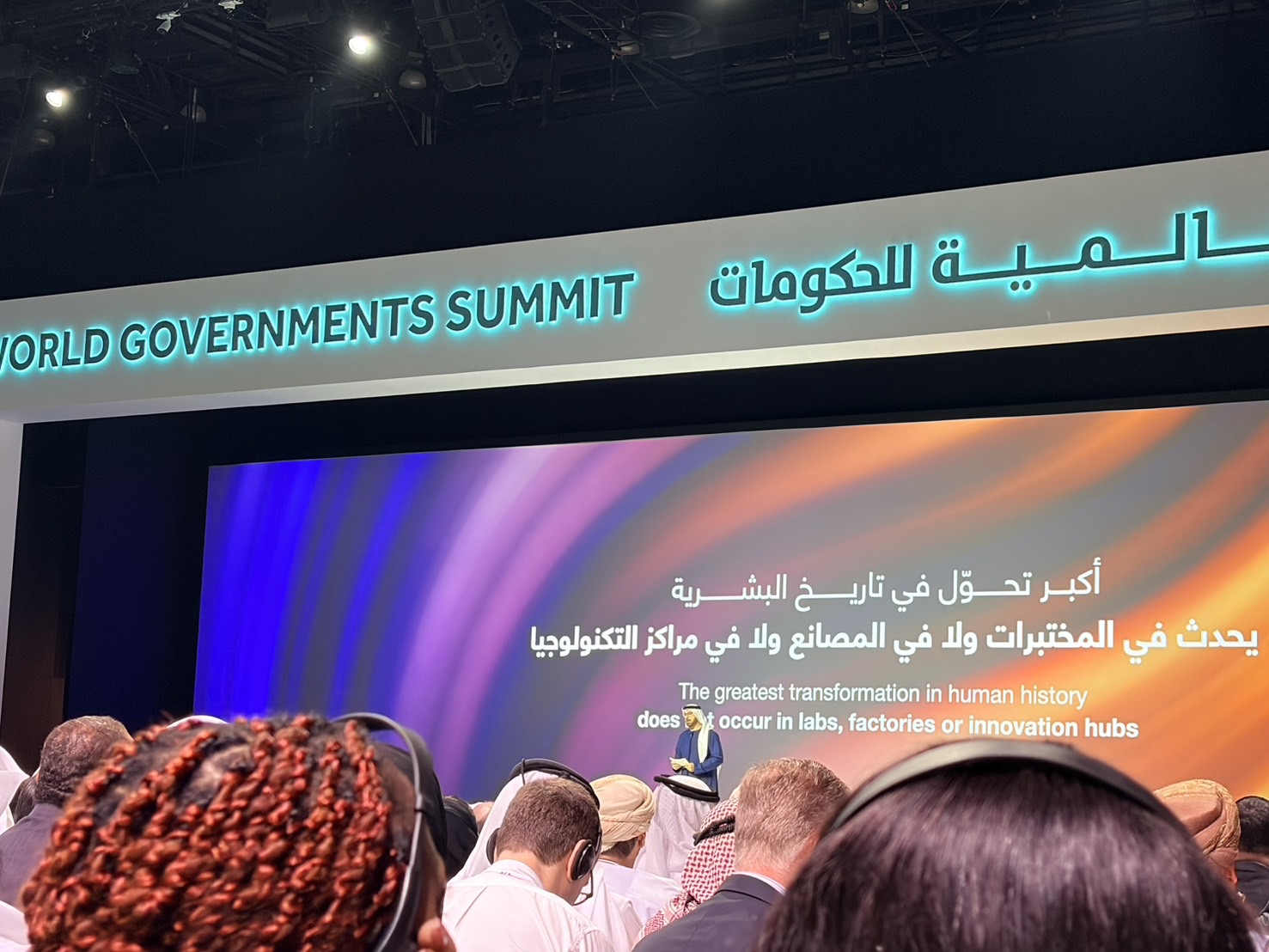
The World Government Summit 2026 brought together global leaders, innovators, and changemakers who share a common commitment to building governments that respond to humanity’s highest aspirations. The summit opened with visionary perspectives on the future of governance, as global challenges become increasingly complex and interconnected. During the official opening ceremony, Mr. Mohammad Abdullah Al Gergawi, Minister of Cabinet Affairs of the United Arab Emirates and Chairman of the World Governments Summit, stated that as humanity transcends its limits, governments must abandon their attachment to the past. This era represents a critical historical turning point. If the entire age of the universe were compressed into one year, humanity would have emerged only in the final minute. Yet, it is now creating the greatest transformation of all: “redefining human potential” through technology. AI is becoming a new driving force, transforming from a mere “tool” into a “thinking partner” capable of becoming millions of times more powerful. Advances in biotechnology and genomic medicine are becoming more affordable and accessible, enabling people to live longer and healthier lives. Generation Z will become the dominant future workforce, seeking meaning and speed, creating new pressures on governments. As a result, governance is shifting from an era of administration to one of “future design”. Governments must therefore stop governing with yesterday’s systems to serve the humans of tomorrow. “The most dangerous thing is not falling behind technology, but falling behind humanity.”
On this occasion, the Permanent Secretary of Labour and the delegation also attended a panel discussion entitled “Is Technology the New Form of Sovereign Asset?”, moderated by Mr. Mike Allen, Co-founder of Axios. The discussion featured two global technology leaders: Mr. Arvind Krishna, Chairman and Chief Executive Officer of IBM, and Mr. Börje Ekholm, President and Chief Executive Officer (CEO) of the Ericsson Group. They analysed the evolving role of technology, from a purely economic tool to a pillar of national security infrastructure. As technology reshapes economies, societies, and ways of life, one key question for the future is whether what we intentionally build through infrastructure, systems, and standards comes first, or whether it is first imagined through visions, values, and narratives. From networks to artificial intelligence (AI) and connectivity, today’s decisions are laying the foundations for how power, opportunity, and innovation will be distributed in the coming decade. Technological capability is increasingly becoming a strategic and sovereign asset for both nations and industries. The discussion also explored how “imagination” and “engineering” interact in shaping the future. IBM clearly affirmed that technology is a “sovereign asset” of importance comparable to national defence and financial systems, as it expands the capabilities of all industries, including security and finance. Governments must ensure they can control and safeguard access to critical technologies without being cut off. Ericsson, meanwhile, offered an important perspective that the term “sovereignty” may be misleading if interpreted as isolation. In today’s technology ecosystem, all countries are interdependent. The United States relies on Ericsson for telecommunications, while Europe relies on U.S. technology stacks. The key challenge, therefore, is not isolation, but choosing “trusted partners” to build resilient and effective systems. Both speakers also highlighted the following key emerging trends:
- Limitless Connectivity: A world in which everything is connected through vast networks of sensors feeding data into AI systems.
- Domain-specific AI: While only a few large global AI models may exist, smaller, highly specialised AI models (e.g., for engineering or factory operations) will become the primary drivers of business value.
- Humanoid Robots: Within the next 12–18 months, the world is expected to begin seeing humanoid robots performing real jobs, such as receptionists or tour guides, at a level that will generate global attention.
Overall, the outcomes of the summit reflect that technology today is no longer merely about convenience, but rather a fundamental foundation of state power and economic growth that governments around the world must manage strategically.
+++++++++++++++++++
Division of Public Relations