
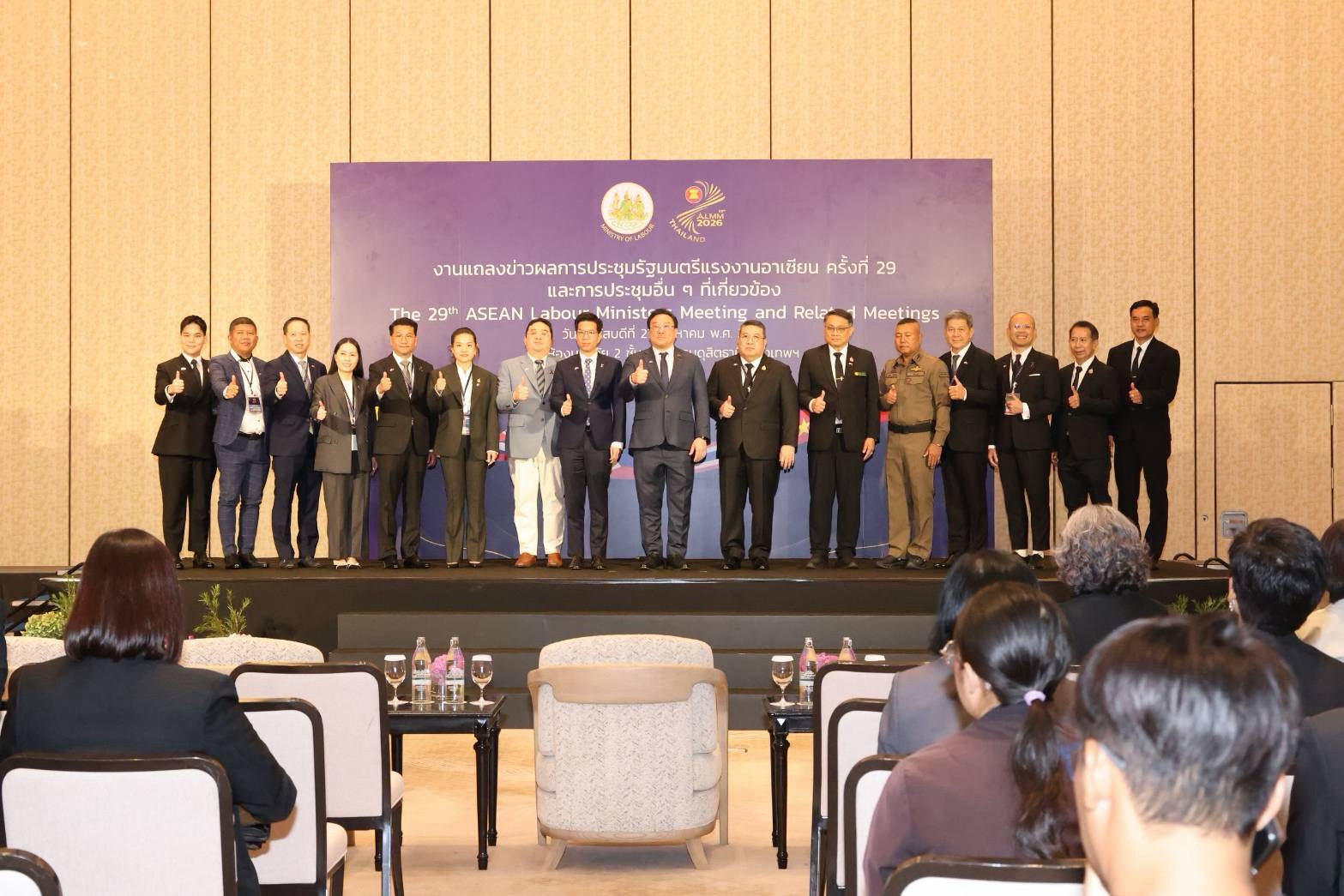
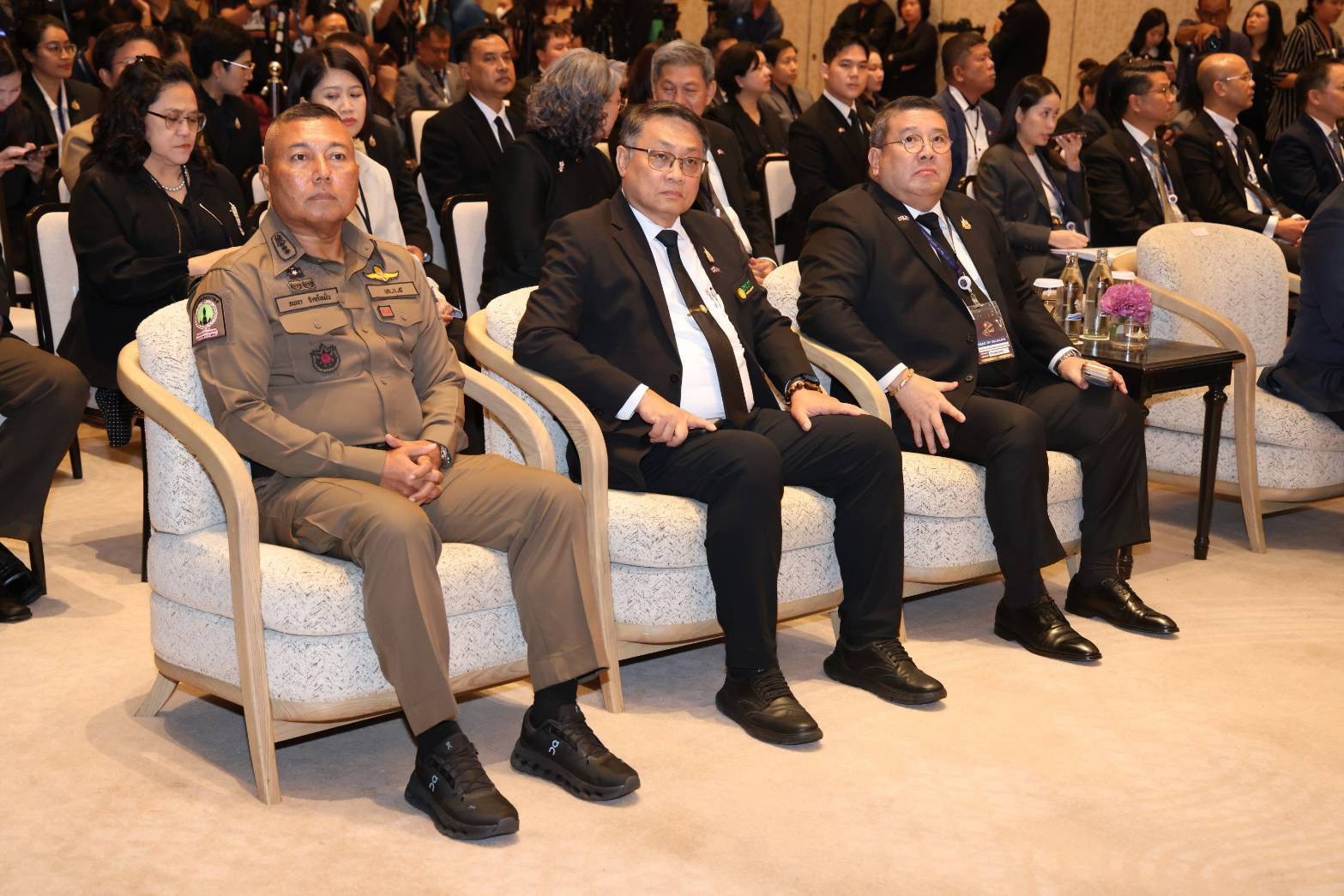
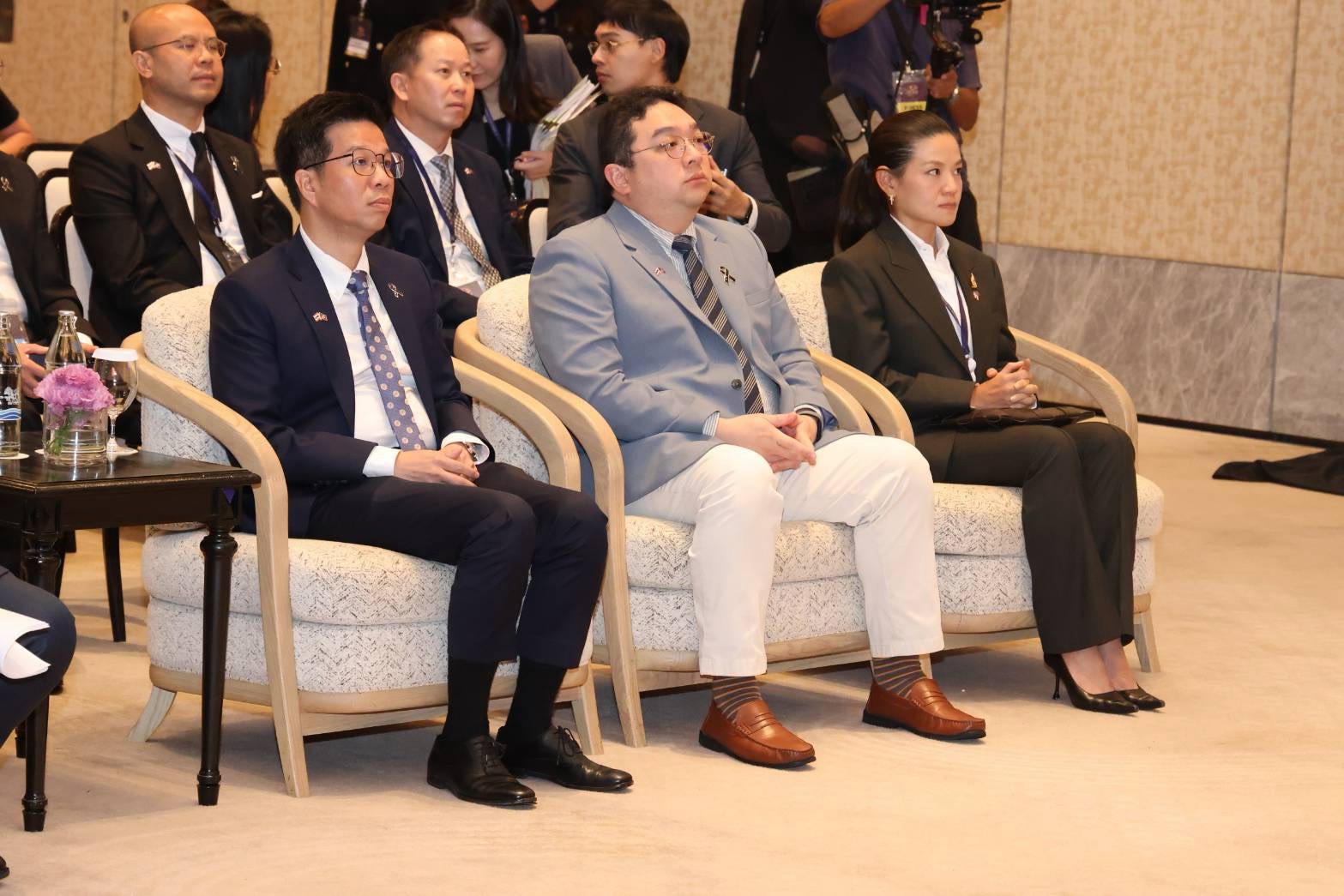
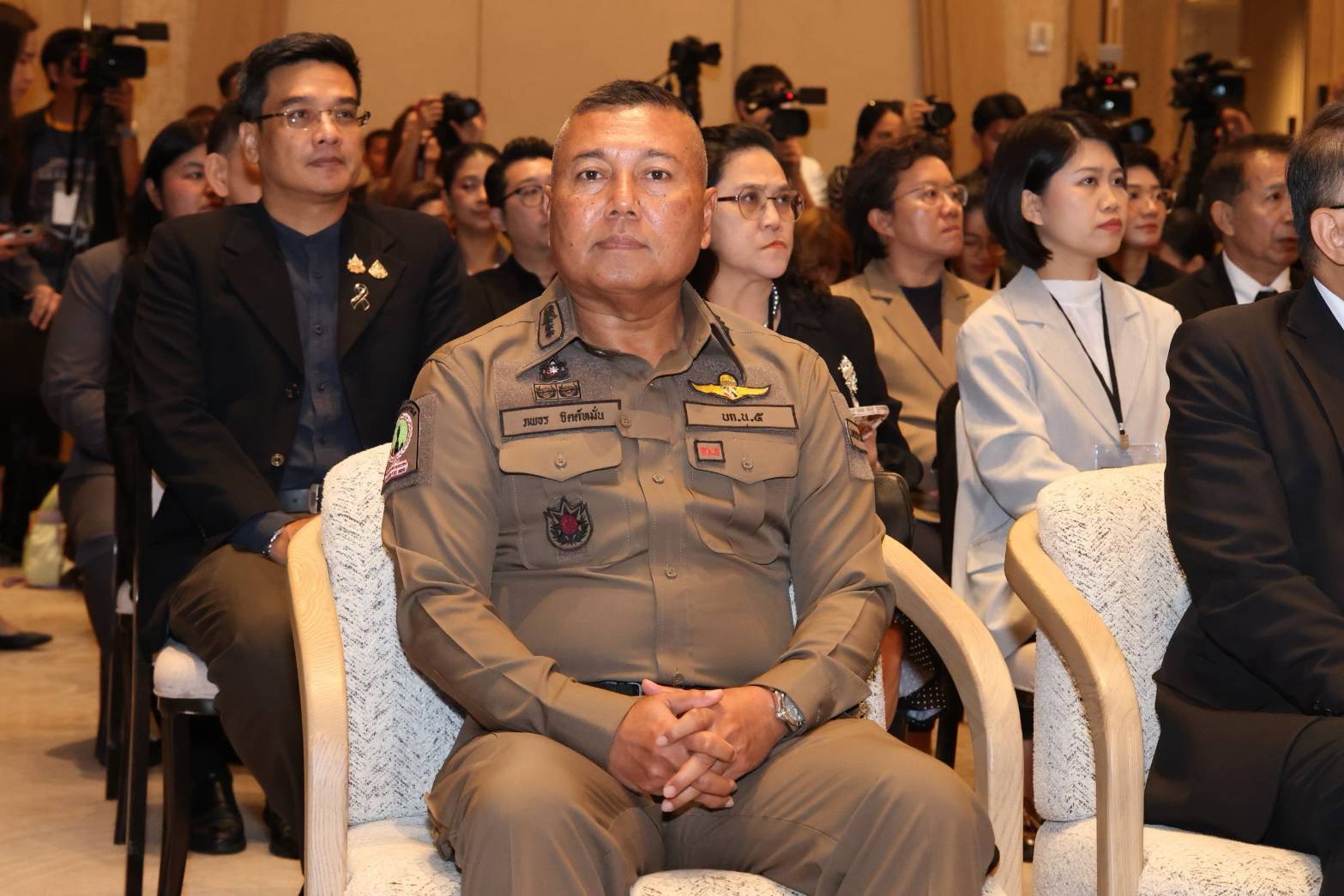
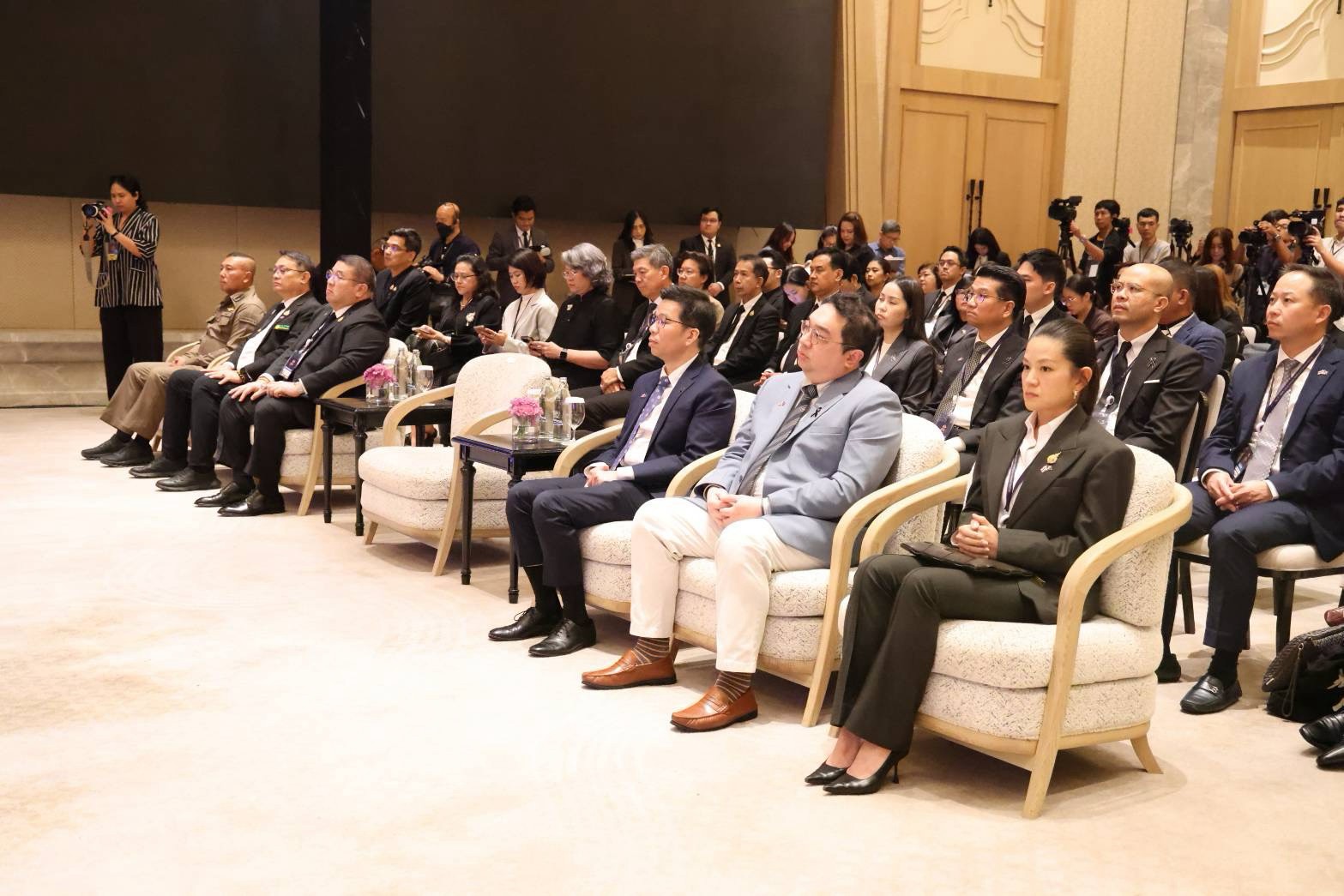
The 29th ASEAN Labour Ministers’ Meeting and Related Meetings (ALMM), which Thailand was honoured to host under the main theme of “ASEAN Human Capital Development: Skill Certification Towards International Recognition,” has officially concluded. Senior representatives, Labour Ministers, and senior officials from all 11 ASEAN member states, the Plus Three dialogue partner countries (China, South Korea, and Japan), and leaders of international organisations attended the full round of discussions at the Dusit Thani Hotel, Bangkok.
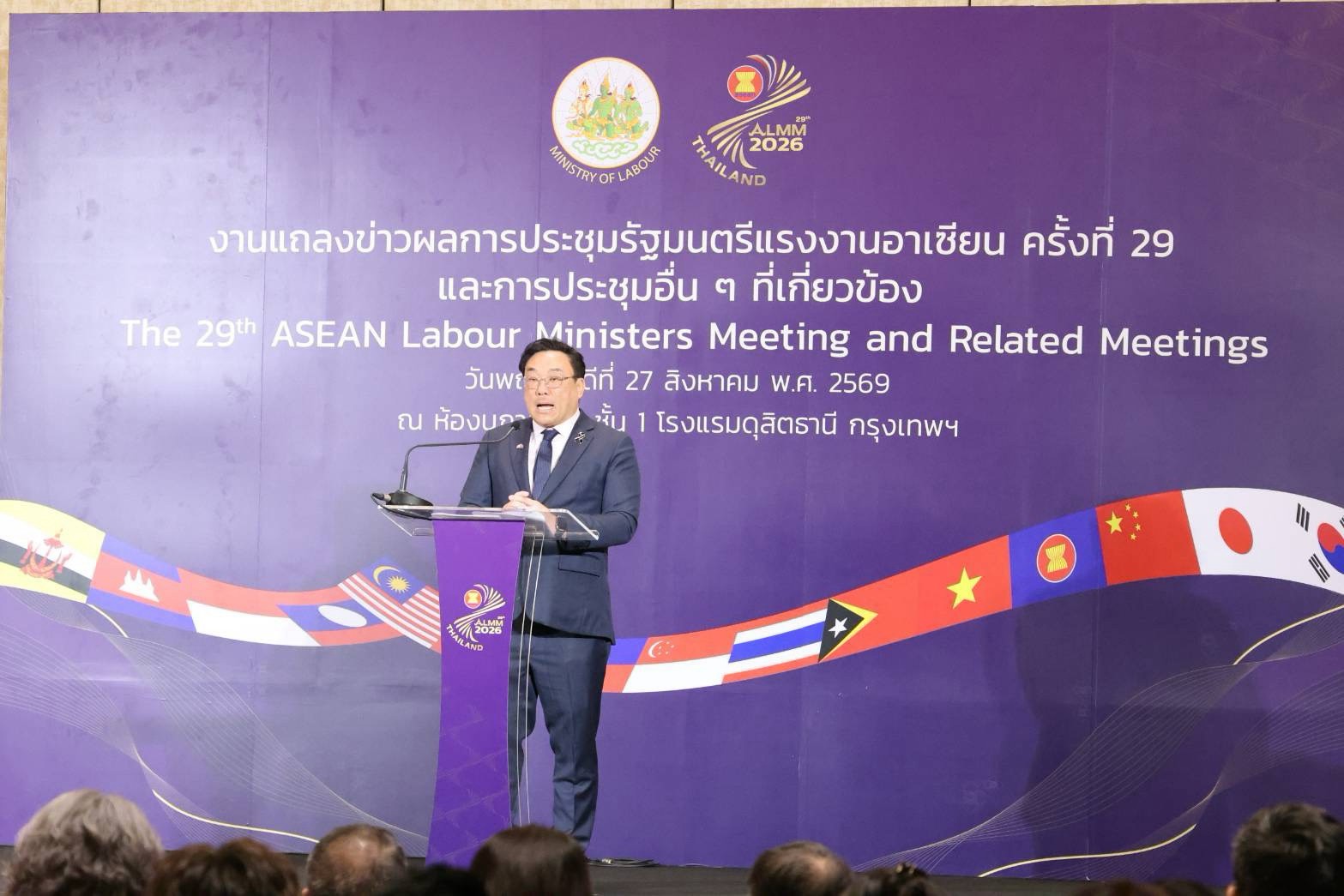
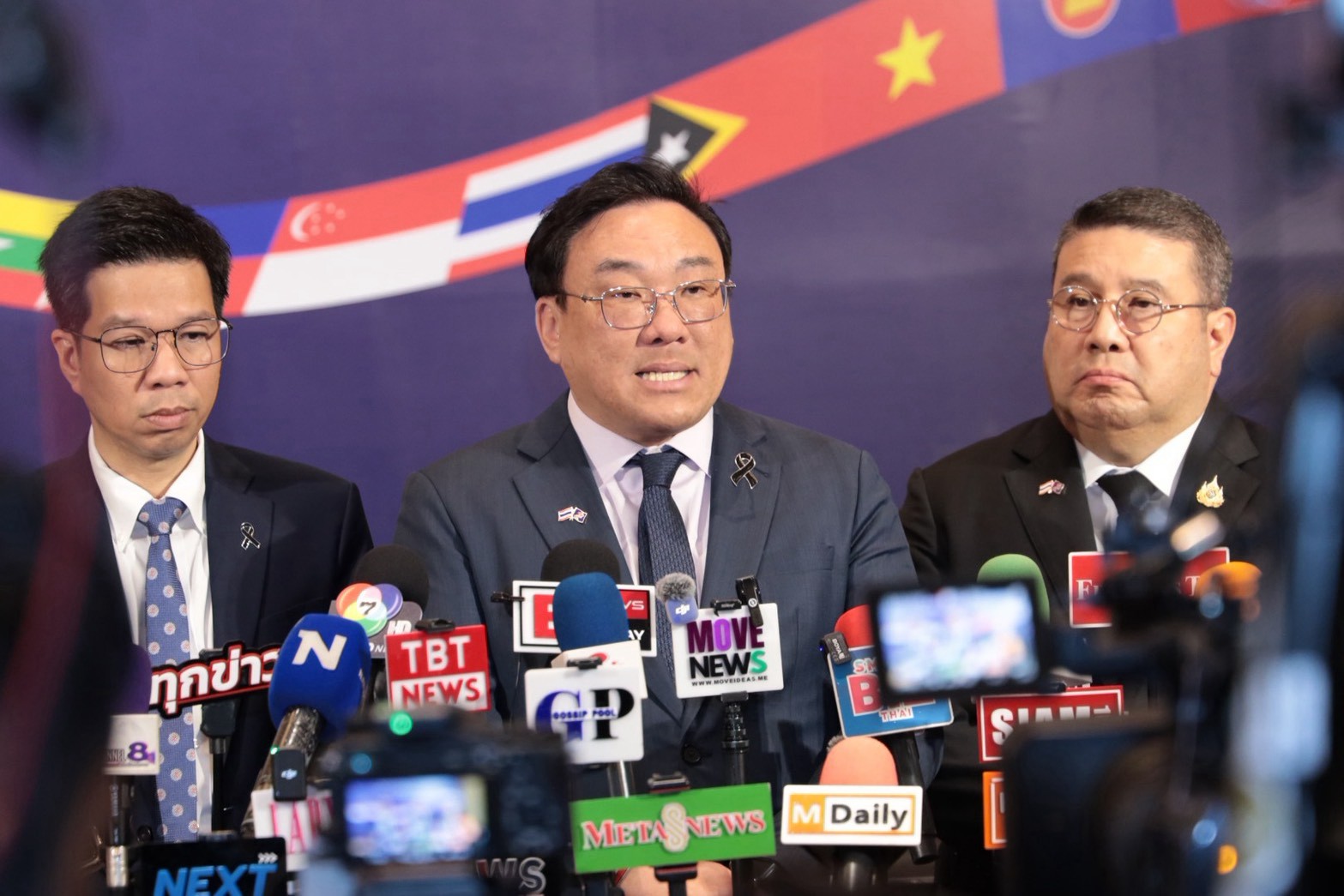
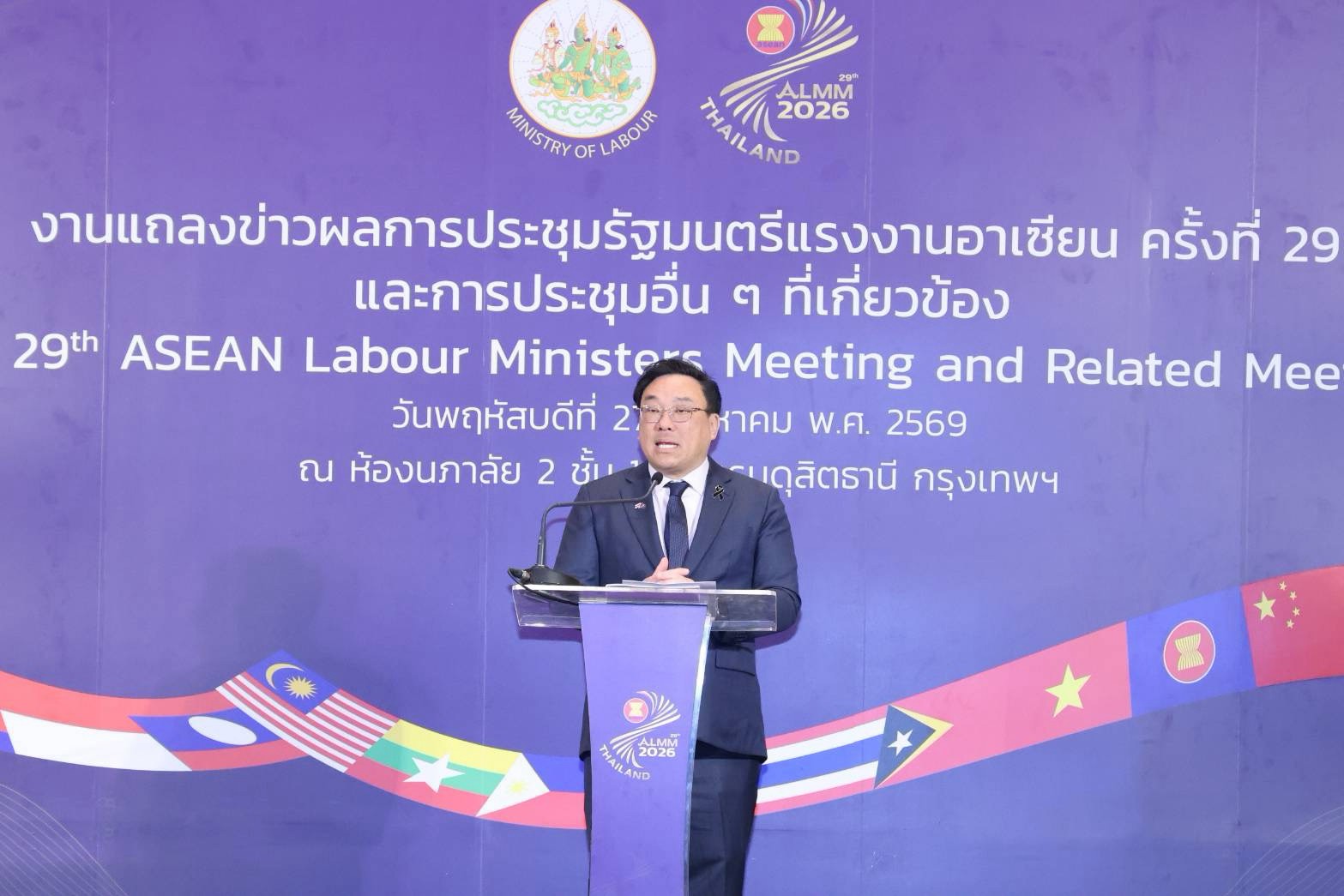
On August 27, 2026, Mr. Julapun Amornvivat, Minister of Labour, chaired the press conference presenting the outcomes of the 29th ALMM and related meetings, attended by Ministry of Labour executives and members of the press. Mr. Julapun stated that the meeting was a resounding success, and that Thailand, as ALMM Chair, is firmly committed to driving concrete results from this cooperation throughout the next two years in office, in particular, building a common international standard for Skill Certification to be mutually recognised worldwide, to genuinely open opportunities and increase incomes for workers.
Mr. Julapun continued that Thailand is ready to lead the drive for workforce skill certification through 3 key pillars: Modern Training Curricula, developing curricula aligned with the demands of the modern labour market; International Skill Standards, benchmarking and elevating skill standards to attain international credibility; and ASEAN Excellence Centres, leveraging specialist centres of excellence as hubs for training, standard testing, and advanced workforce innovation. The meeting also endorsed the pilot of the ASEAN Digital Skills Passport (DSP), which will enable workers to link their skills data and training records in digital form, facilitating orderly and fair labour mobility. The meeting also proposed an AI Governance Framework to govern and mitigate the impact of artificial intelligence technology on the labour market, with particular attention to equipping new graduates and younger workers with skills suited to future industries such as electric vehicles (EV), Data Centres, and AI technology.
Mr. Julapun stated that the meeting comprised the ASEAN Senior Labour Officials Meeting (SLOM), the ASEAN Plus Three Senior Labour Officials Meeting (SLOM+3), the 29th ASEAN Labour Ministers’ Meeting (ALMM), and the 14th ASEAN Plus Three Labour Ministers’ Meeting (ALMM+3), all aimed at driving cooperation on labour and human capital development in ASEAN, particularly skills development, competency assessment and certification, the upgrading of standards and recognition of qualifications and skills, and lifelong learning, to prepare the workforce for changes in technology, the digital economy and green economy, and shifts in the labour market.
“The key outcomes of the meeting include the endorsement of the Joint Communiqué of the 29th ALMM, to set the direction for ASEAN labour cooperation, and the Joint Statement of the 14th ALMM+3, to advance cooperation between ASEAN and the People’s Republic of China, Japan, and the Republic of Korea, particularly in skills development and human resources, to strengthen a workforce that is capable, adaptable, and competitive at the international level. The 29th ALMM therefore stands as an important milestone reflecting the strong cooperation of ASEAN member states. Thailand, as Chair, will translate all agreements and directions into concrete action to develop the region’s human capital with sustainable skills, leaving no one behind,” Mr Julapun said.