

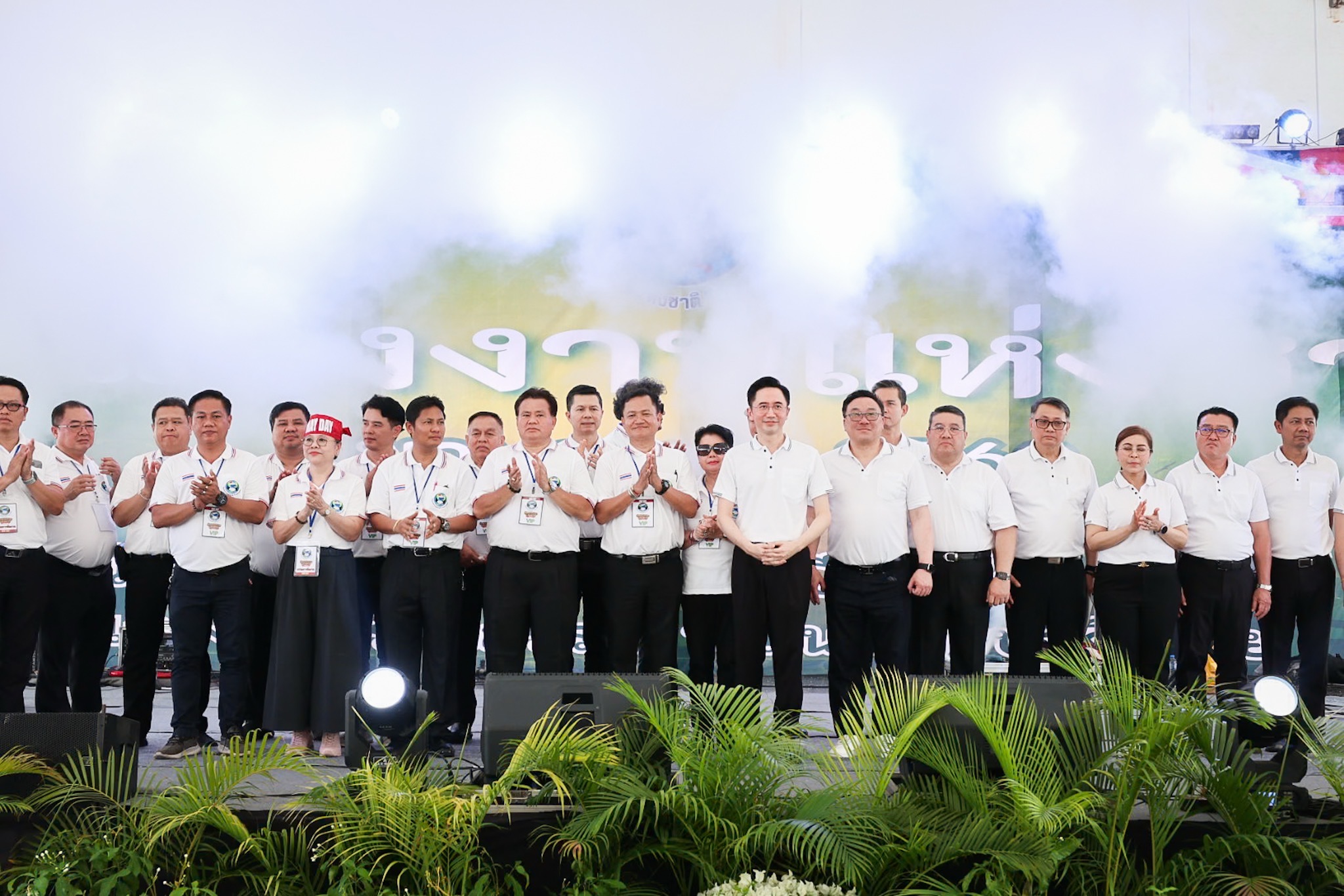
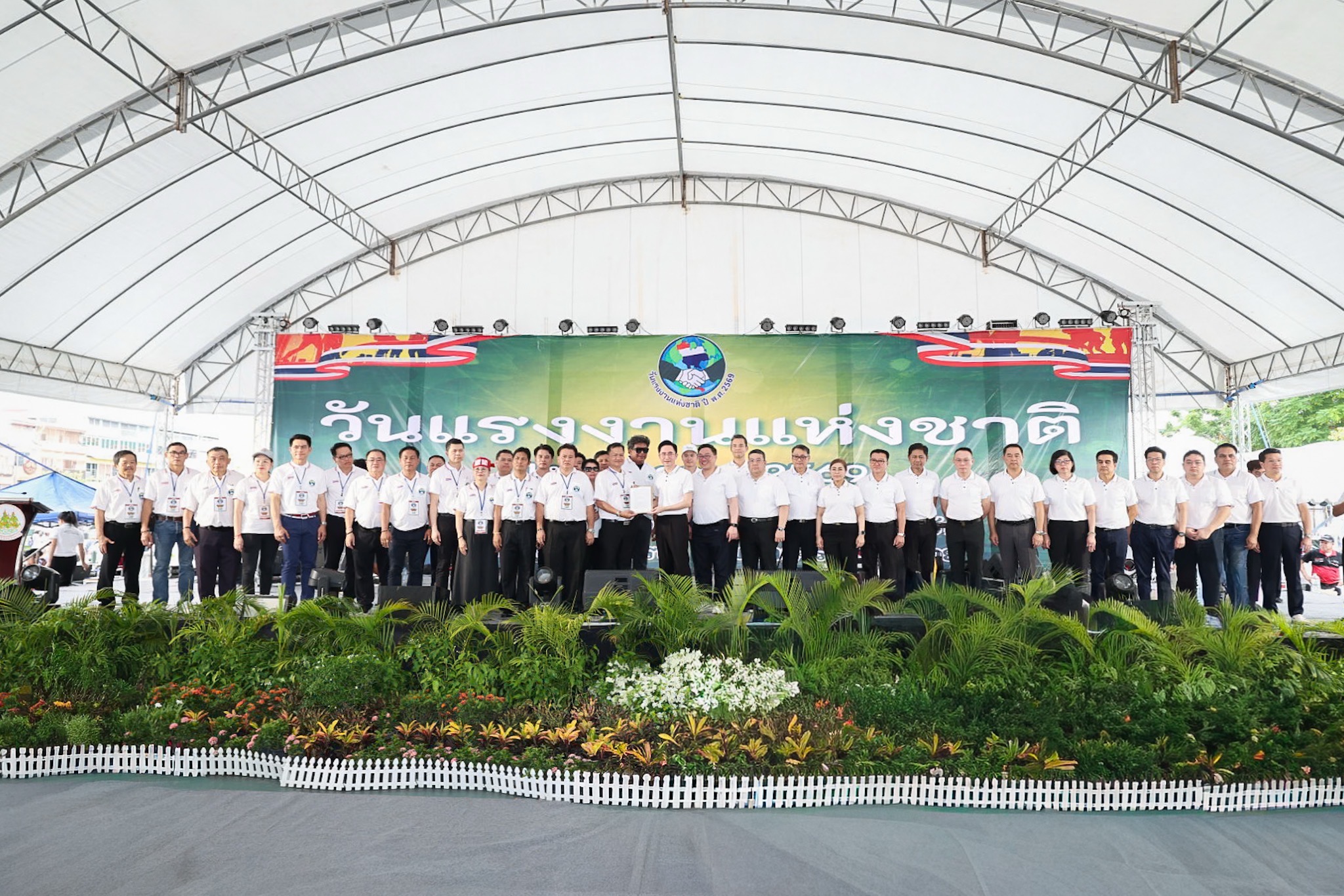


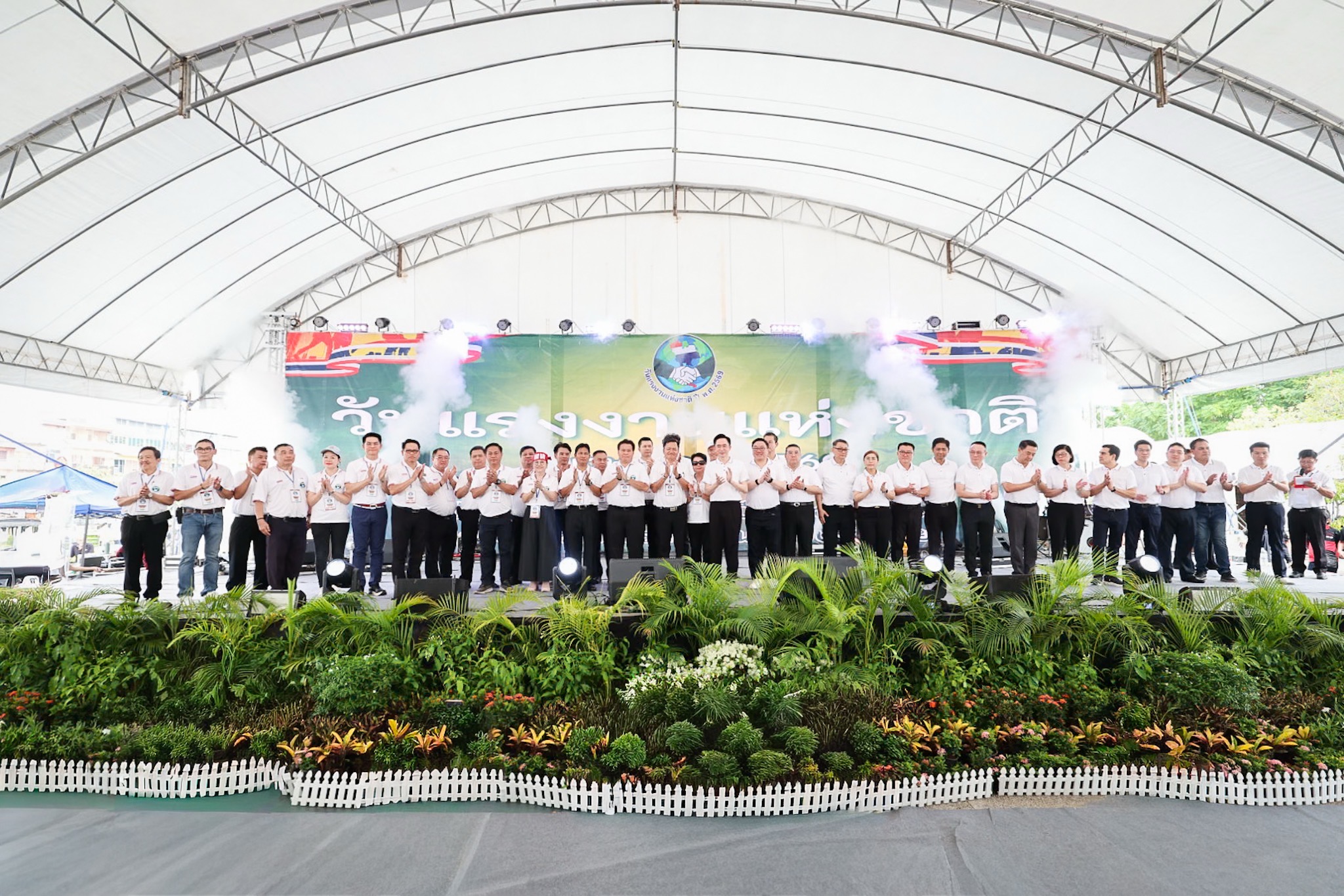



































May 1, 2026 – Mr. Yodchanan Wongsawat, Deputy Prime Minister and Minister of Higher Education, Science, Research and Innovation, presided over the opening ceremony of the 2026 National Labour Day event. Mr. Julapun Amornvivat, Minister of Labour, delivered the report, while Mr. Thotsaporn Koonsri, Chairperson of the 2026 National Labour Day Organising Committee, submitted eight labour demands to the Prime Minister. Also attending were Pol. Lt. Col. Wannapong Kotcharak, Permanent Secretary of Labour, and executives from the Ministry of Labour, at Lan Khon Mueang, Bangkok City Hall.
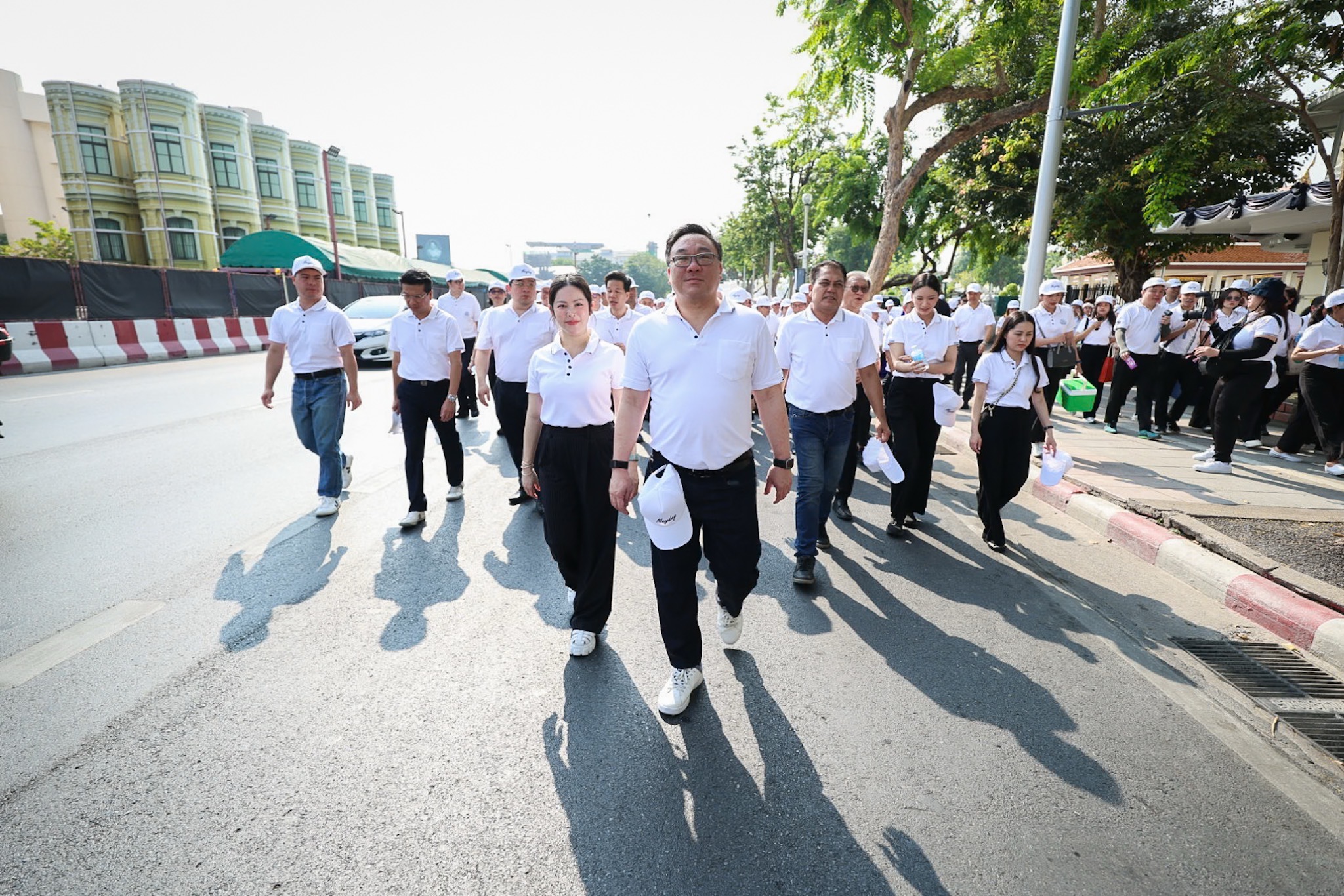
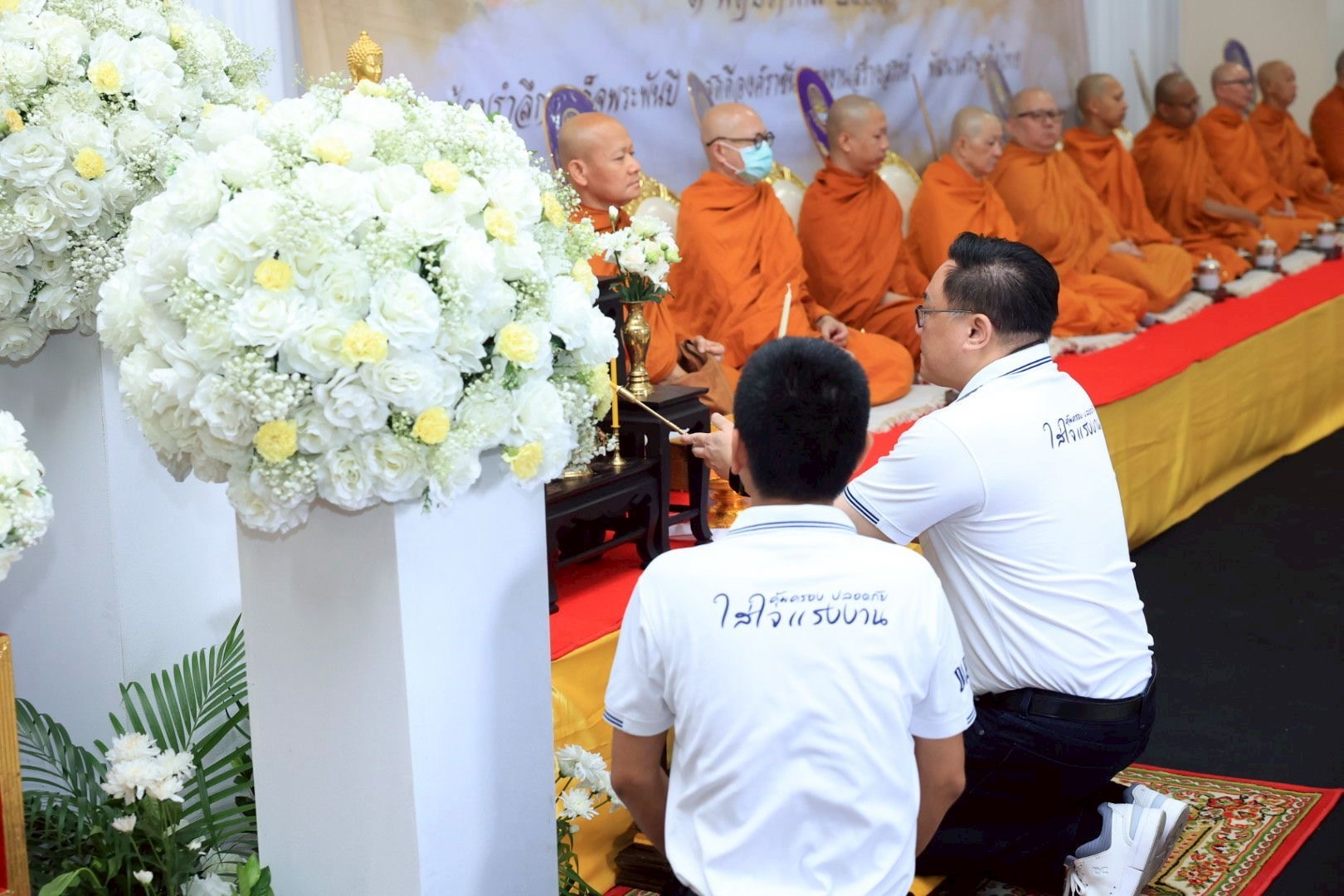
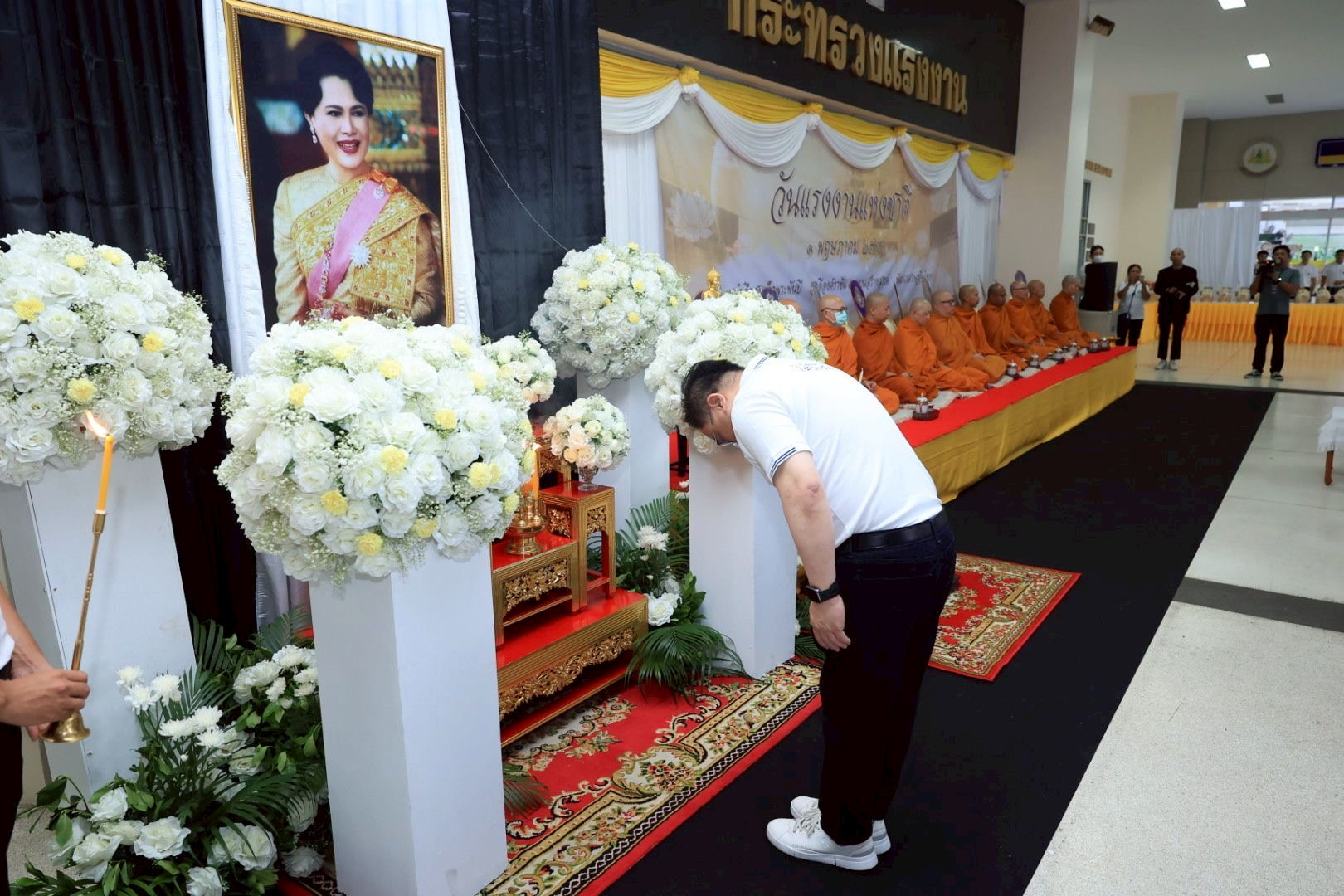
Earlier in the morning at 07:00 hours, Mr. Julapun Amornvivat, Minister of Labour, presided over a merit-making ceremony with 10 monks in observance of National Labour Day at the ground-floor hall of the Ministry of Labour building. He then led executives, organising committee members, civil servants, ministry officials, labour networks, and workers in the National Labour Day procession, which marched from the Royal Thai Armed Forces Headquarters intersection, across Phan Fa Lilat Bridge, along Ratchadamnoen Nok Road, past the Democracy Monument, and concluded at Bangkok City Hall.
Following this, Mr. Yodchanan Wongsawat, Deputy Prime Minister and Minister of Higher Education, Science, Research and Innovation, officially opened the event and stated that National Labour Day is a day on which the government recognises the importance of workers, who are the key driving force of the nation’s economy. Thailand is currently facing two major challenges. The first is instability in the Middle East, which is affecting production costs and increasing the cost of living. The second concerns structural changes in employment, Thailand’s transition into a fully aged society, and the shift towards a green economy. The government will therefore work across ministries, placing human capital at the center. The Ministry of Labour, Ministry of Education, Ministry of Social Development and Human Security, and Ministry of Higher Education, Science, Research and Innovation will work towards a common goal using a unified data system for the first time. The heart of this reform is the National Skills Database, which links employers’ skill demands with the capabilities of the labour force within the system. Under the policy “Study with funding, graduate with employment”, the government will systematically support skills development funding to transform Thai workers from technology users into value creators in the digital economy. At the same time, the Ministry of Agriculture and Cooperatives will upgrade farmers into Smart Farmers, while the Ministry of Social Development and Human Security will ensure labour rights protection for all groups, especially platform workers and informal workers, who are major drivers of the modern economy but still lack sufficient social protection. The government’s ultimate goal over the next four years is to build a “Good Job Economy”, measured by employment quality, income security, and the dignity of work for all workers.
Meanwhile, Mr. Julapun Amornvivat, Minister of Labour, stated that this day marks a collective affirmation of the strength and value of workers, who are the vital engine driving Thailand’s economy and society forward amid rapid global change. Workers today face challenges on many fronts, including instability in the Middle East, which has triggered energy crises and rising living costs, as well as waves of technological and AI disruption that are reshaping the world of work.
Mr. Julapun added that the Ministry of Labour recognises that it cannot remain passive, but must move forward proactively to upgrade the skills and quality of life of all workers, including formal workers, informal workers, and semi-independent or platform workers alike so that they can grow alongside the high-value economy in an equal and sustainable manner. To support this vision, the government under the leadership of Prime Minister Mr. Anutin Charnvirakul, through the Ministry of Labour, is committed to driving forward five urgent strategies to establish a strong foundation for workers, as follows:
- Reforming the modern social security system by emphasising professional management and studying pension calculation approaches, including the CARE pension formula, to align with lifetime earnings and provide stable welfare for insured persons.
- Developing future skills under the concept “study with funding, graduate with employment”, creating a genuine balance between labour demand and supply in the market.
- Proactive labour rights protection by driving reskilling and upskilling programmes to encourage employers to prioritise workforce development over layoffs.
- Managing labour market structures by expanding opportunities and opening access to high-income overseas skilled labour markets, while simultaneously improving migrant labour management systems.
- Upgrading protections for semi-independent and platform workers by developing databases and flexible social security systems to ensure workers receive comprehensive welfare protection and benefits.
This year’s eight National Labour Day demands submitted to the government covered major issues, including the ratification of International Labour Organization conventions, the establishment of a risk insurance fund as a work guarantee mechanism, tax exemptions on final lump-sum payments, allowing state enterprise employees to apply for social security membership, improving social security rights, inspecting enterprises employing outsourced workers, expanding labour protection to all worker groups, and appointing a committee to follow up on labour demands continuously.
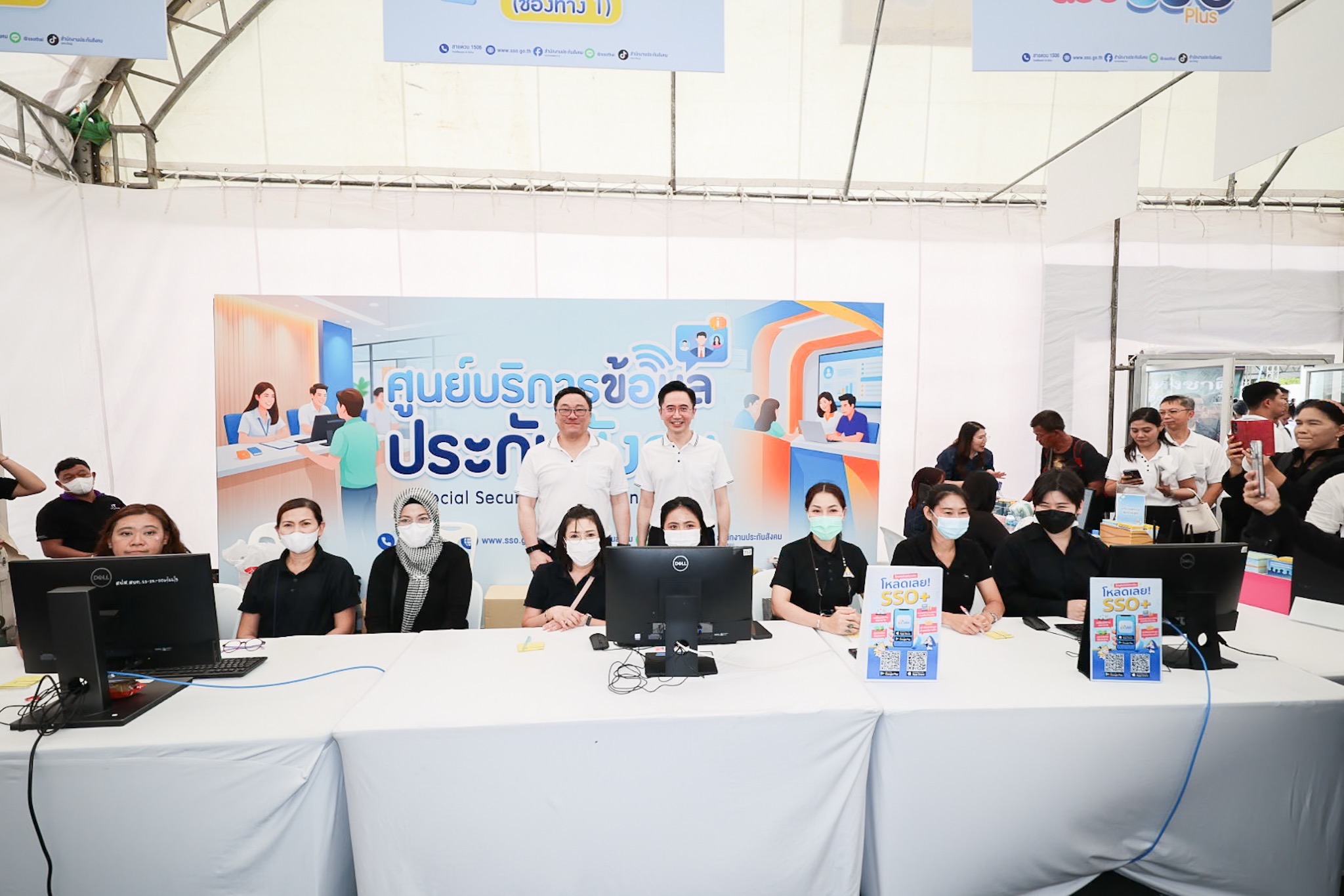
The event also featured activities organised by agencies under the Ministry of Labour, including more than 48,000 job vacancies through the “Thai Mee Ngan Tham” platform, vocational training services, basic health checks, free influenza vaccinations, and consultations on social security rights. Entertainment activities, live music performances, and free food and beverages were also provided for over 1,500 participating workers to boost morale and show appreciation for the workforce.
+++++++++++++++++++
Division of Public Relations