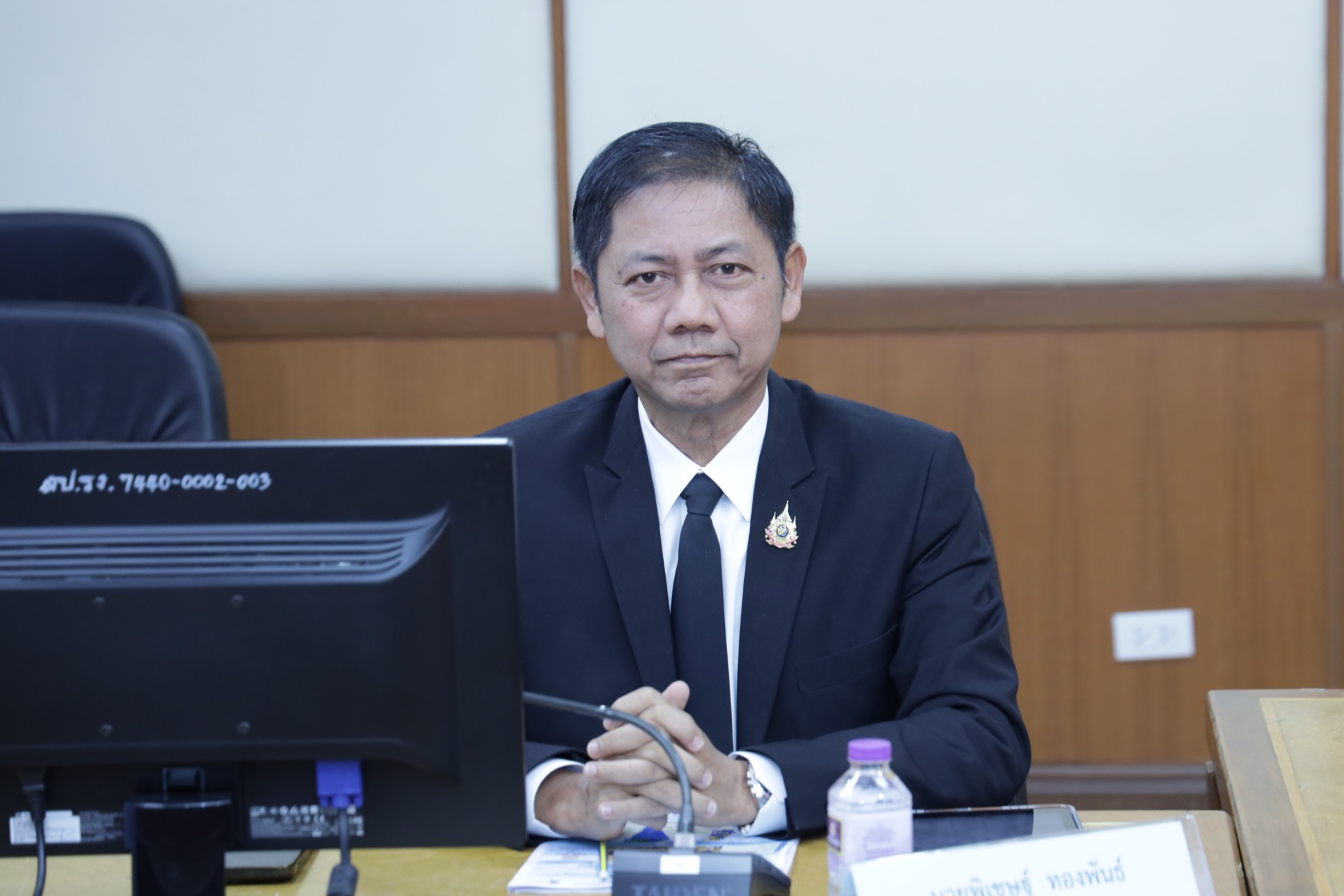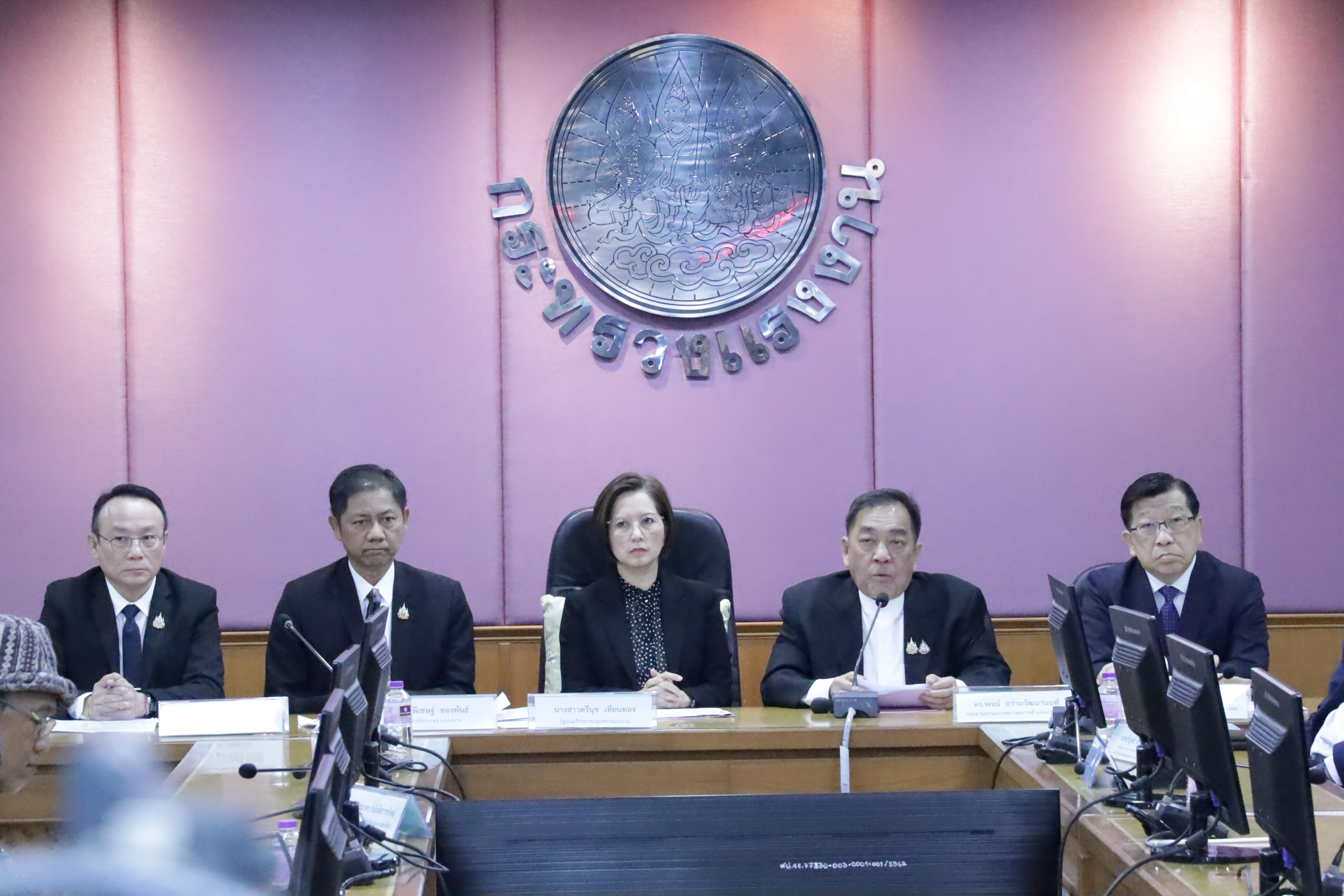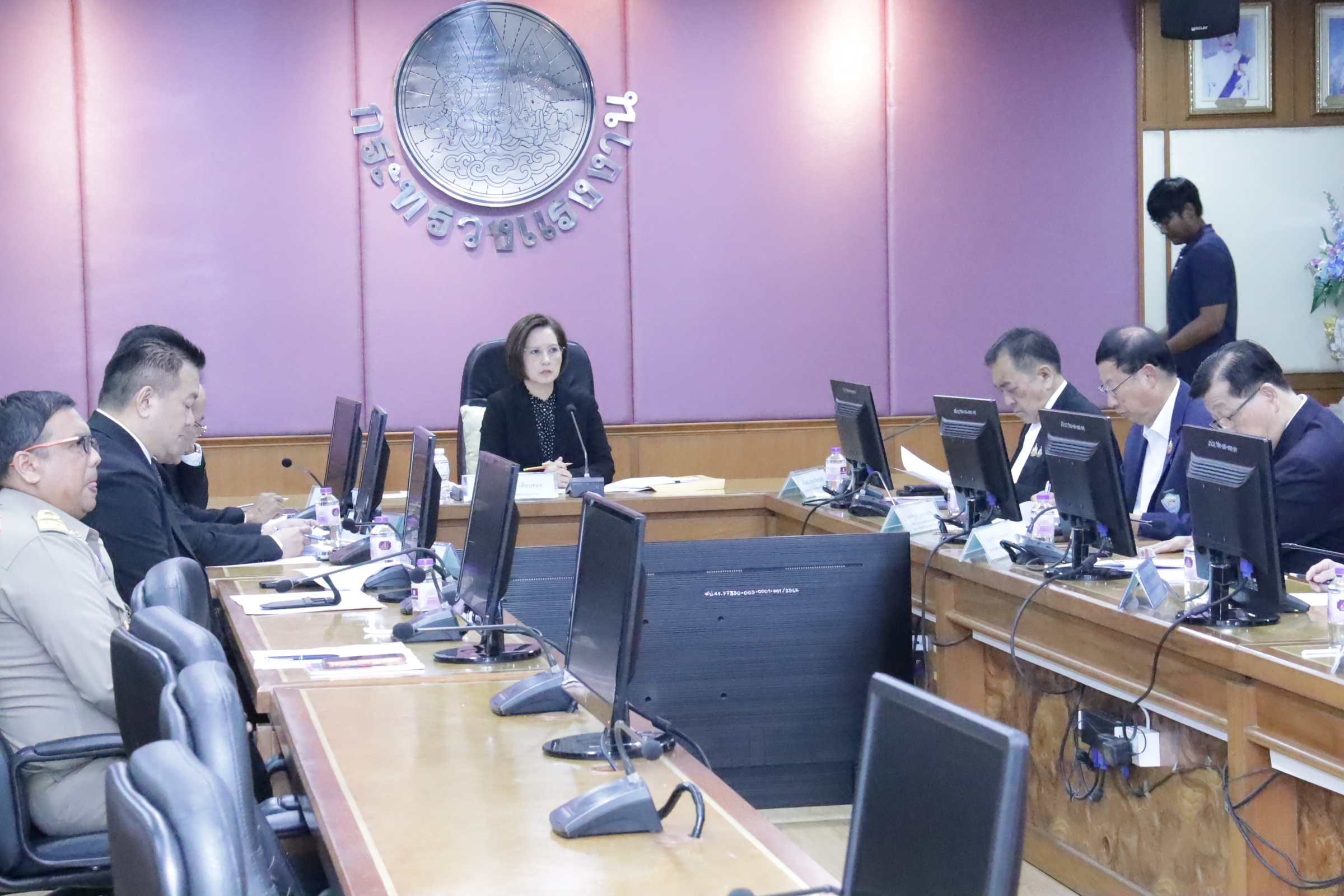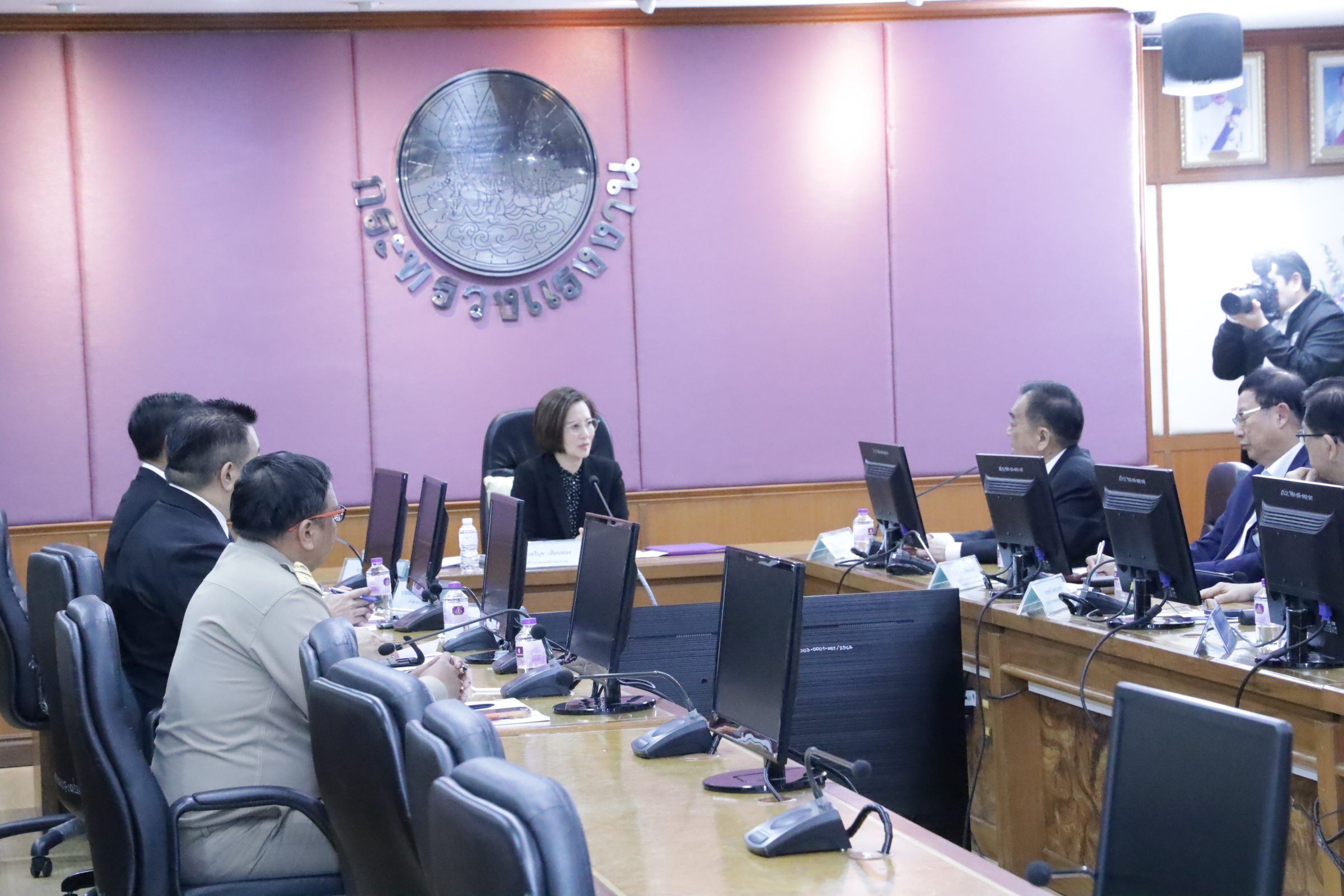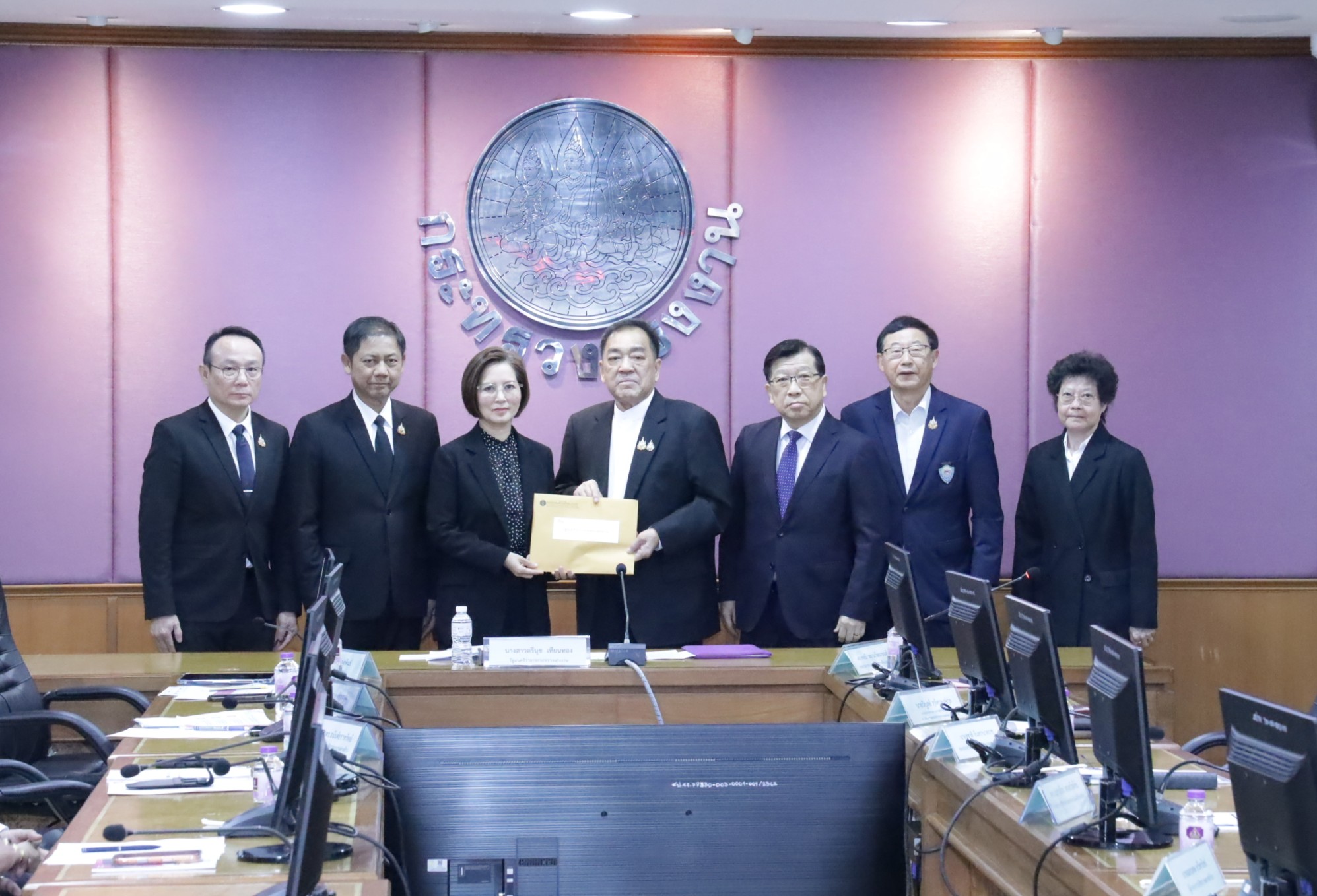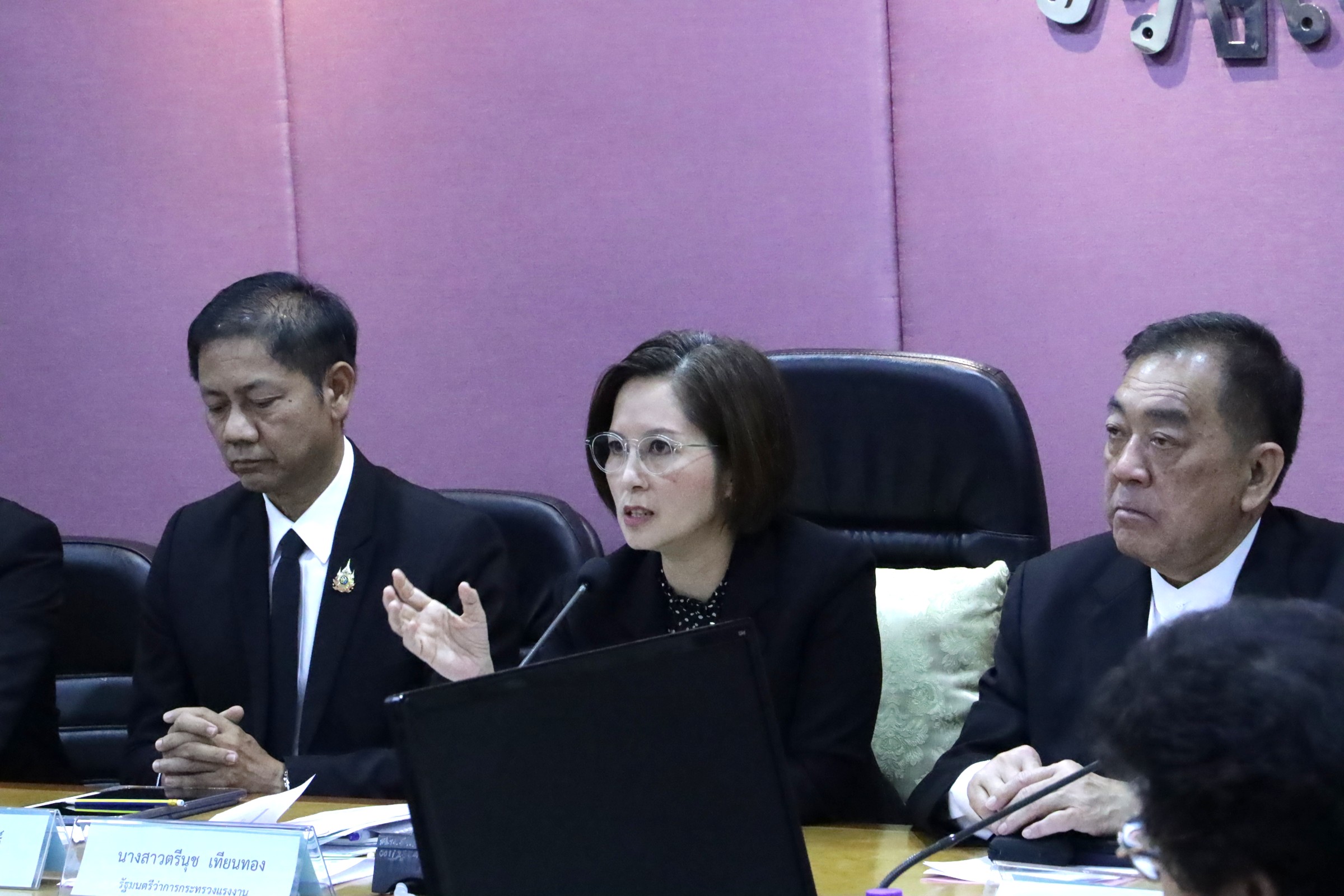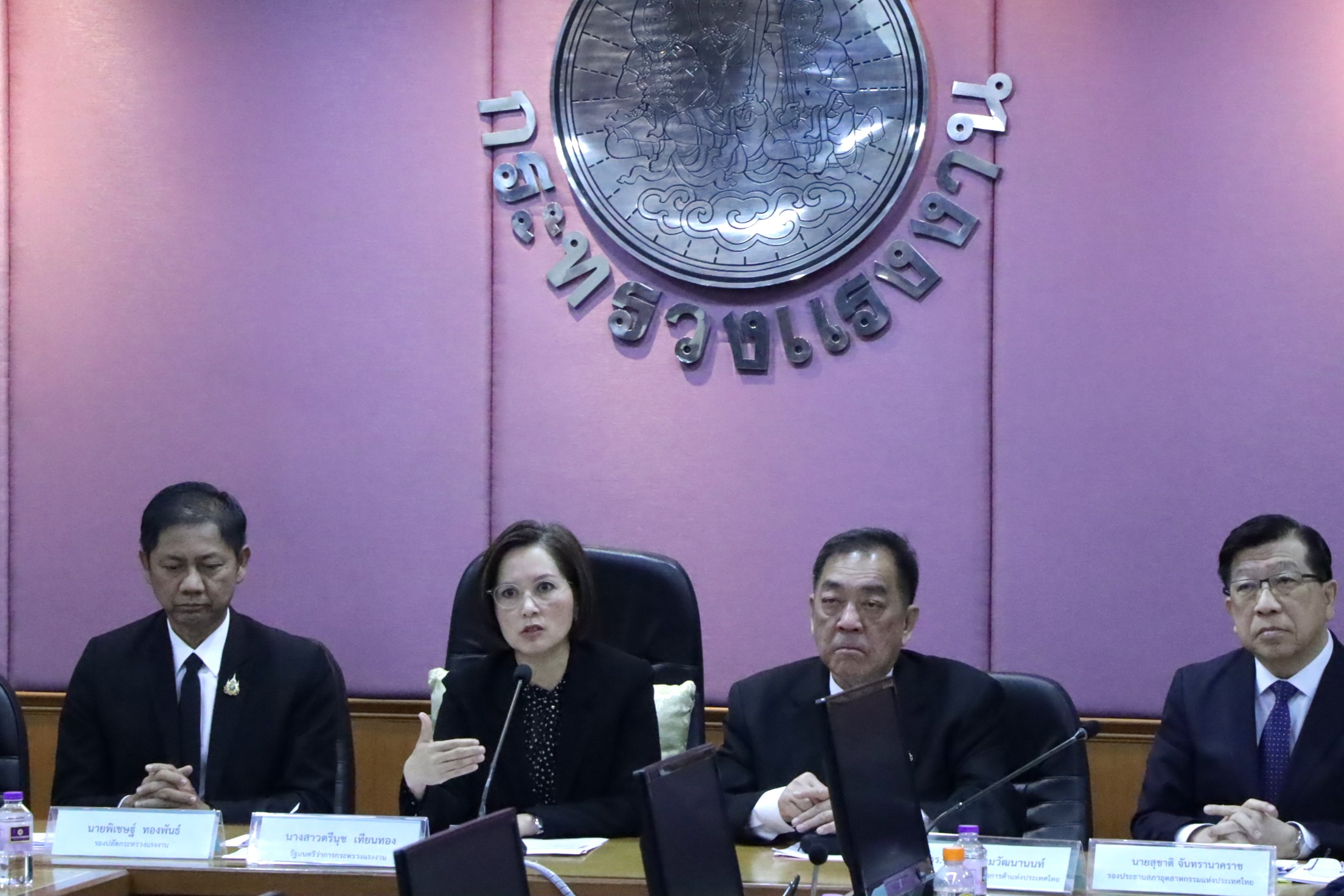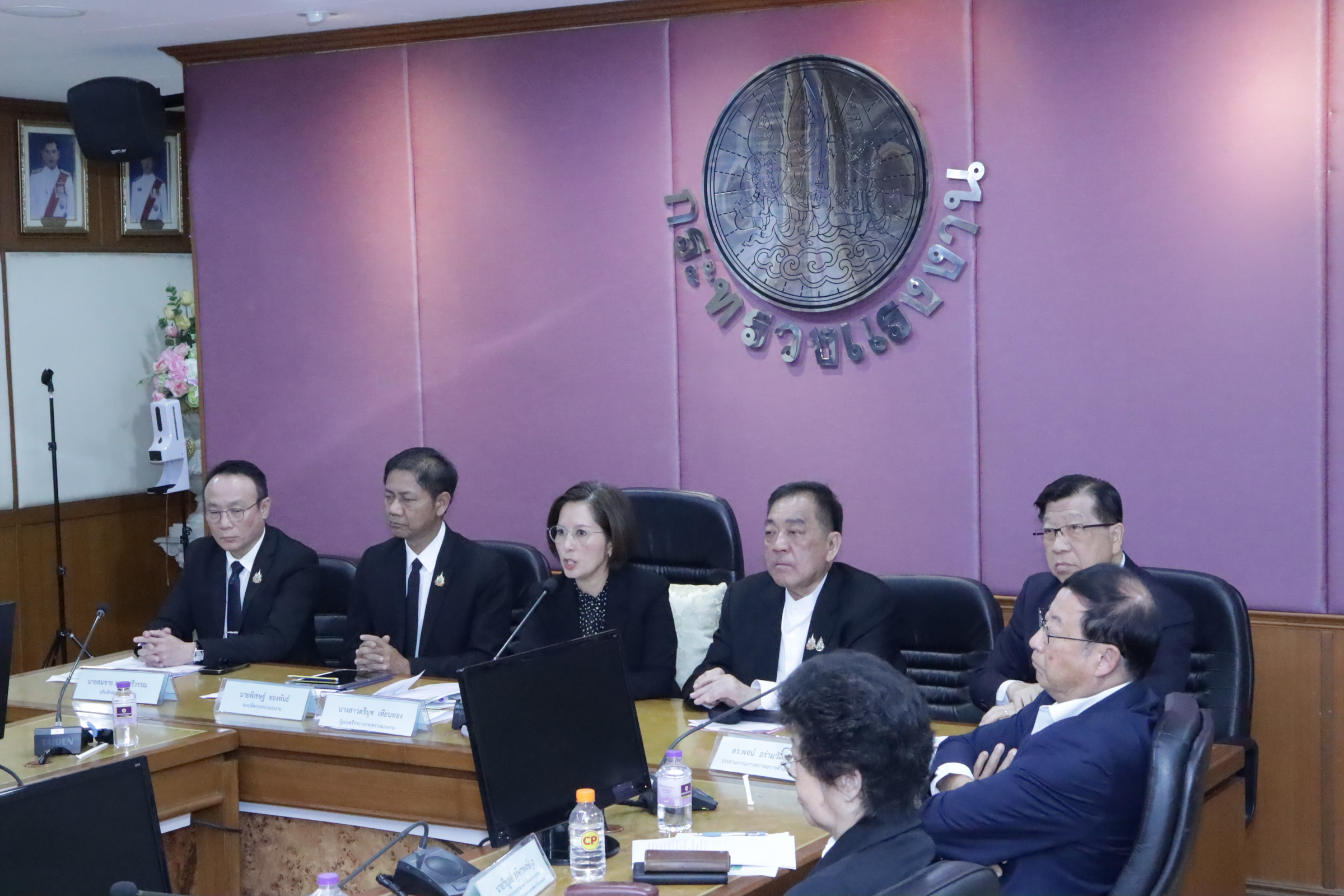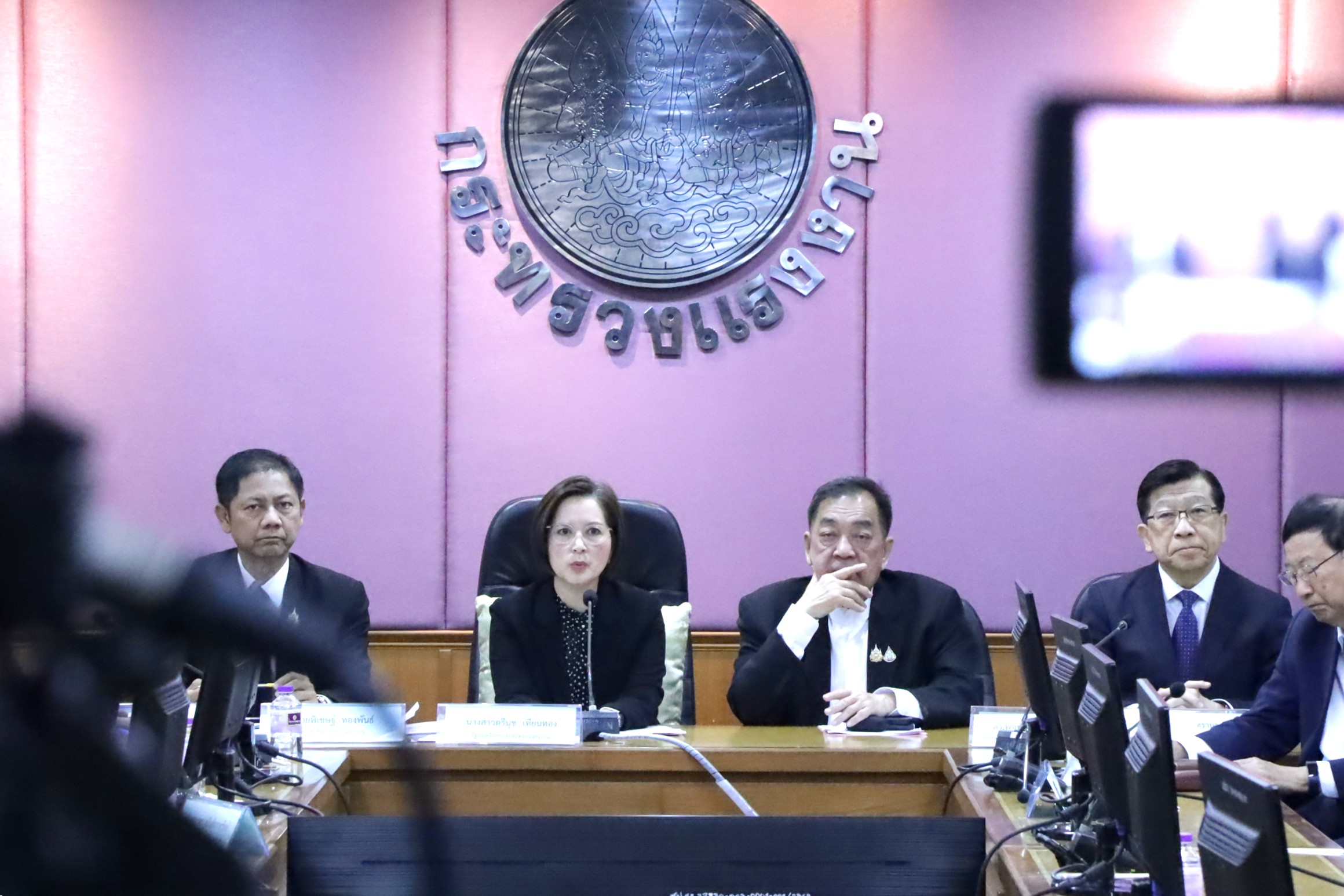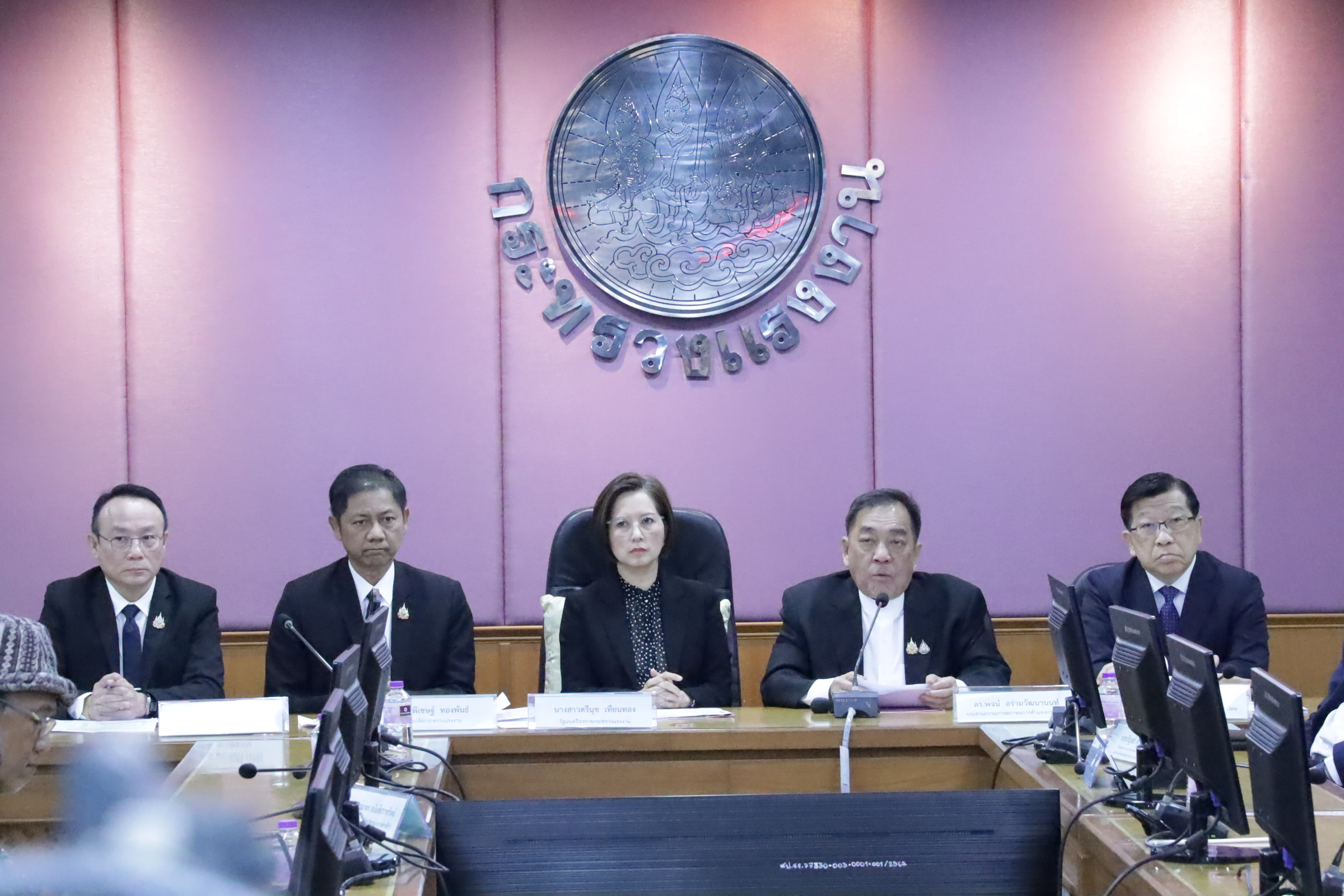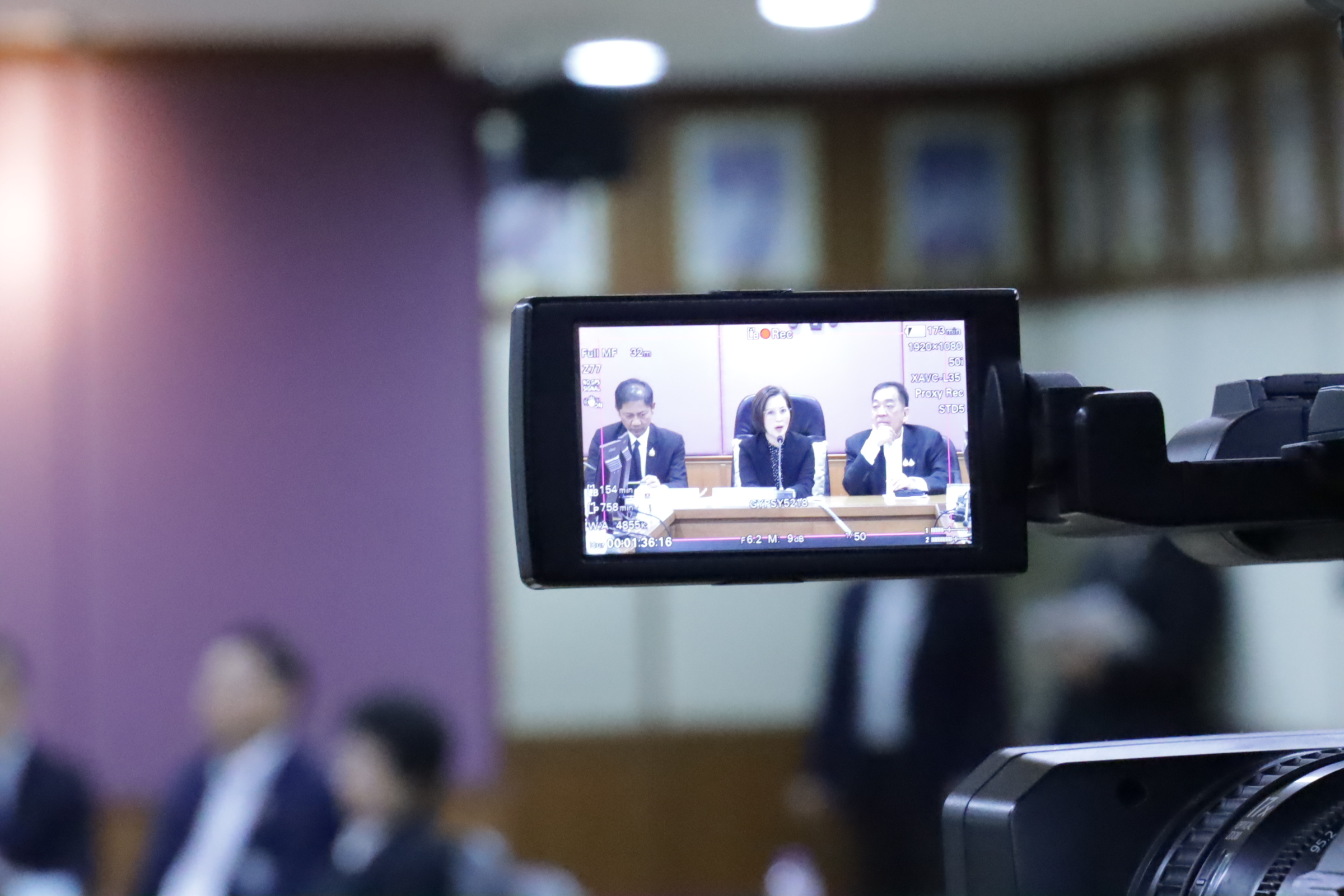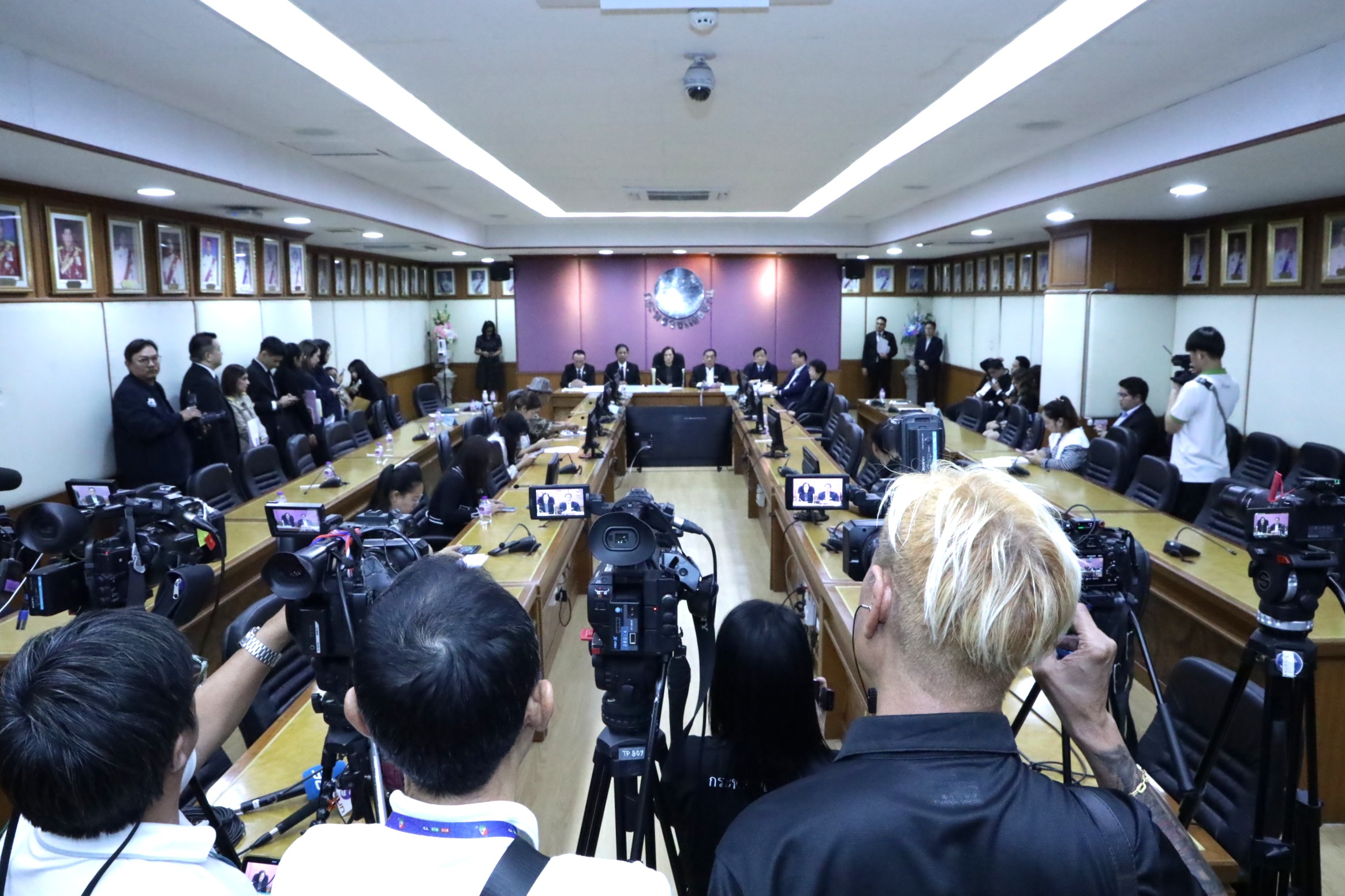

March 9, 2026 – Ms. Trinuch Thienthong, Minister of Labour, together with Mr. Pichet Thongphan, Deputy Permanent Secretary of Labour, spoke following a meeting with the Joint Standing Committee on Commerce, Industry and Banking (JSCCIB), comprising the Thai Chamber of Commerce, the Federation of Thai Industries, and the Thai Bankers’ Association. The private sector had called for urgent solutions to the shortage of foreign workers, particularly Cambodian workers in the industrial, construction, and agricultural sectors, to prevent impacts on the country’s competitiveness. Ms. Trinuch stated that she had listened to the concerns and fully understood the potential impacts raised by the private sector. The Ministry of Labour reaffirmed five key measures as follows:
- The meeting served as a platform for the private sector to share concerns, challenges, and recommendations.
- The principle for managing Cambodian workers in Thailand is that no new Cambodian workers will be admitted into the country; only those who already hold valid work permits will be managed.
- All Cambodian workers in Thailand must be properly registered and have a clearly identified employer responsible for them.
- All measures must not affect national security, and must be coordinated closely with the Ministry of Labour and security agencies.
- The Department of Employment has been instructed to develop clear, robust measures to monitor, regulate, and track workers at all times.
Regarding misinformation suggesting that Thailand may reopen borders or border checkpoints, Ms. Trinuch firmly stated that the Thai Government has no policy to reopen the country or border crossings with Cambodia under any circumstances.
The Minister of Labour added that the Ministry’s role is to regulate, monitor, and prevent labour-related impacts, particularly when workers exit the system. The private sector has proposed that the Government consider extending the stay of Cambodian workers for an additional six months, especially those covered under the Cabinet Resolution of September 24, 2024, whose permits are valid until March 31, 2026. The Ministry of Labour will carefully consider this proposal in order to mitigate hardship and minimise potential economic impacts as effectively as possible.
“The role of the Ministry of Labour is to ensure that all parties experience the least possible hardship. If leniency is to be granted for workers to continue working, there must be strict measures in place to regulate and properly manage them. In this regard, I have instructed the Director-General of the Department of Employment to coordinate with the security authorities to take urgent action and implement the strictest possible measures,” Ms. Trinuch said.
Mr. Somchai Maruksriwan, Director-General of the Department of Employment, provided further details on the situation of Cambodian workers in Thailand, stating that, at present, approximately 53,809 Cambodian workers are covered by the Cabinet Resolution of September 24, 2024, whose work permits are valid until March 31, 2026. In addition, approximately 85,117 workers under the MOU scheme have four-year employment terms that will expire between November 2025 and December 2026. All of these are existing workers who have already been authorised to work in Thailand and remain in the country. For seasonal fruit harvest workers, particularly in eastern provinces, a proposal has been made to allow Cambodian nationals holding Border Passes, under the Cabinet Resolution of July 22, 2025, totalling approximately 6,072 persons, to remain temporarily in the Kingdom and continue working for an additional three months, in accordance with the guidelines set by the Ministry of Labour.
The Director-General of the Department of Employment added that, in line with the Labour Minister’s policy, strict coordination with security agencies is underway. Background checks are being conducted to establish robust and systematic measures for managing this group of foreign workers under clearly defined conditions. Employers will be required to take full responsibility for supervising and closely monitoring their workers, with national security considerations as a priority. If any foreign worker is found to engage in behaviour that affects national security, they will be immediately repatriated to their country of origin.