

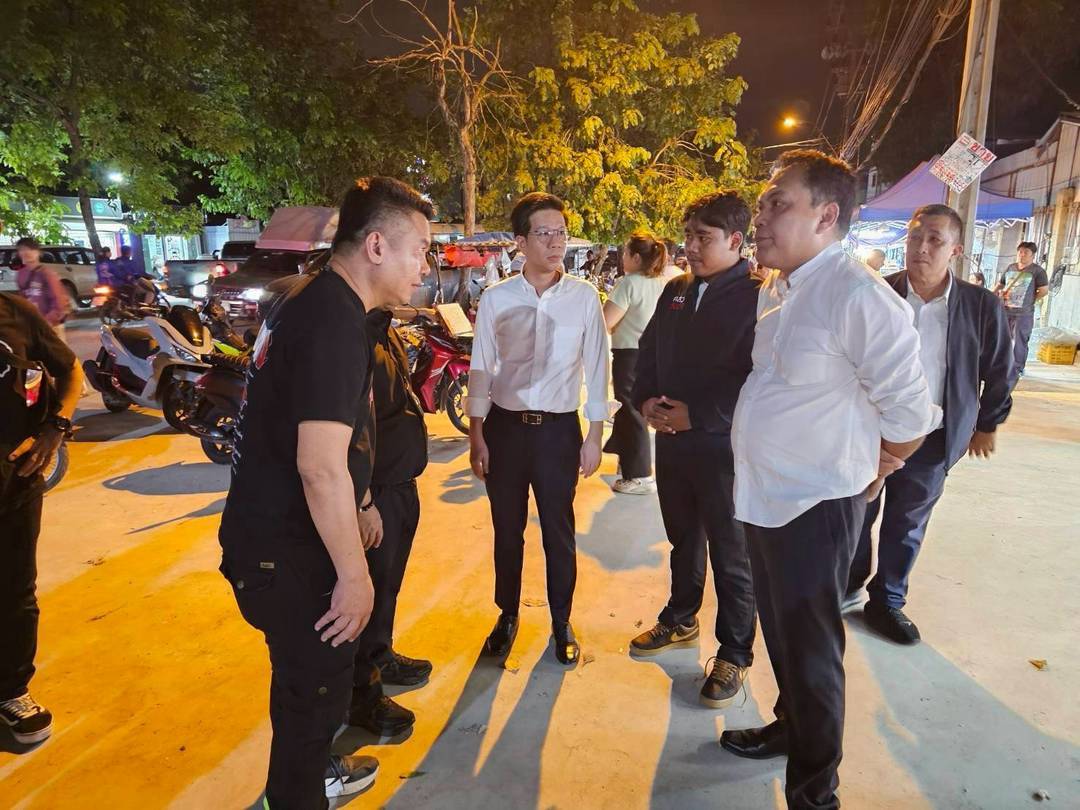

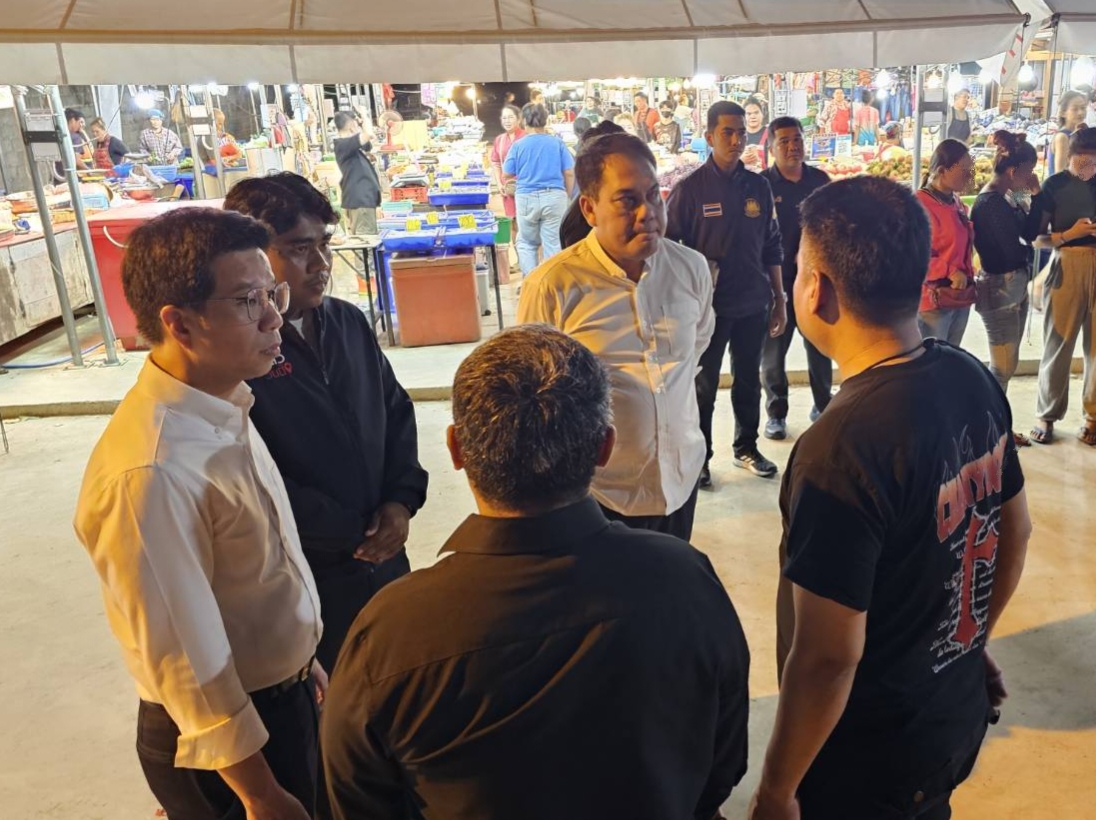


On September 8, 2026 at 19:00 hours – Mr. Julapun Amornvivat, Minister of Labour, delegated Mr. Surachart Thienthong, Secretary to the Labour Minister and Mr. Phiphatchai Paiboon, Political Spokesperson of the Ministry of Labour, to carry out a field visit to Kib Mu Market in Min Buri District, Bangkok, to observe conditions and collect data on the situation of foreign worker employment in the area, and to learn the nature of the problems and operational constraints, to inform the formulation of appropriate remedial measures going forward.
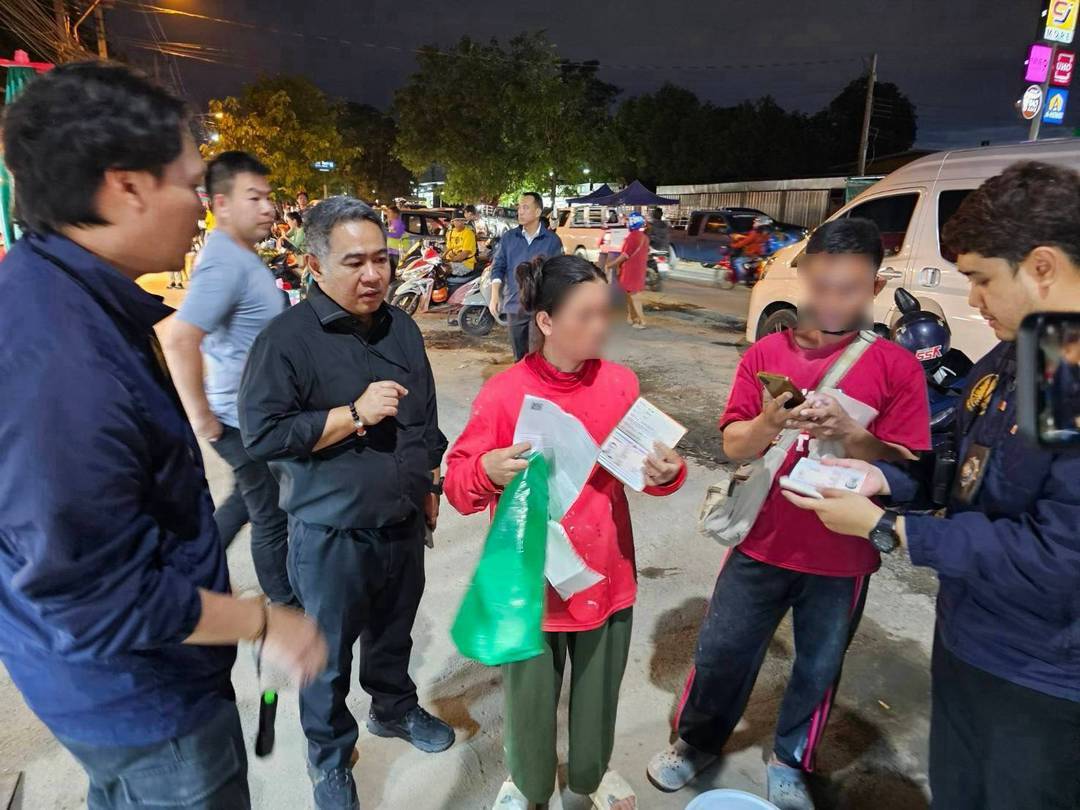
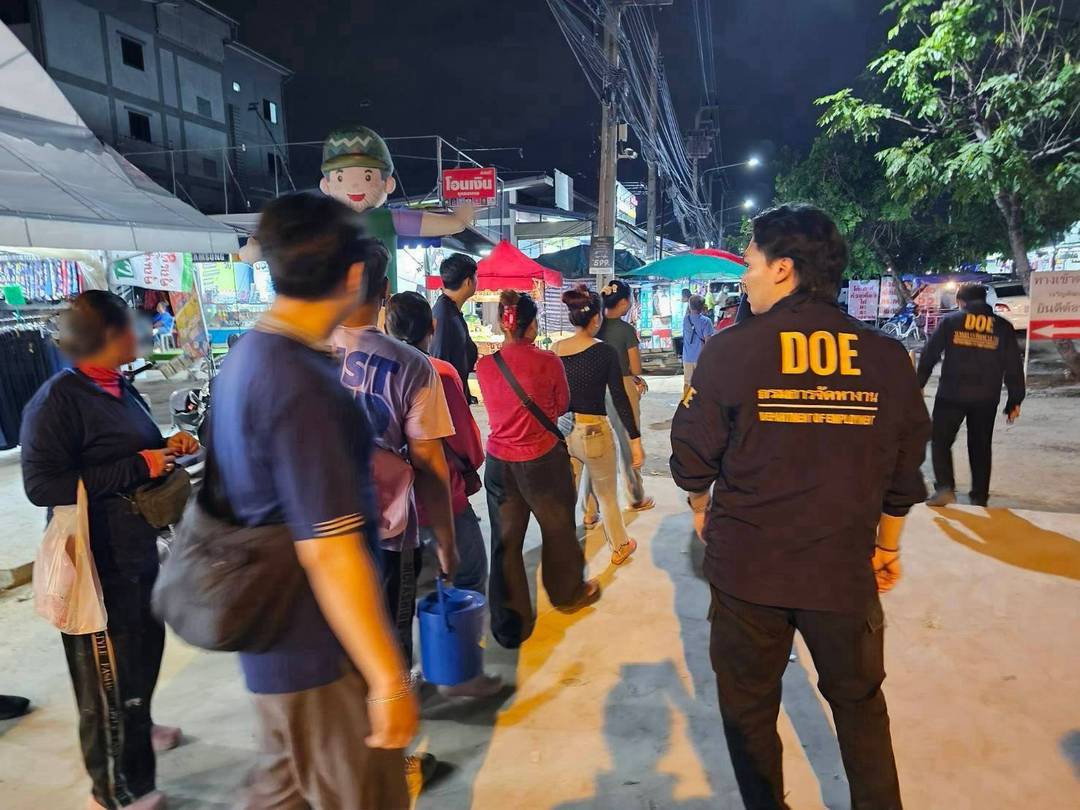
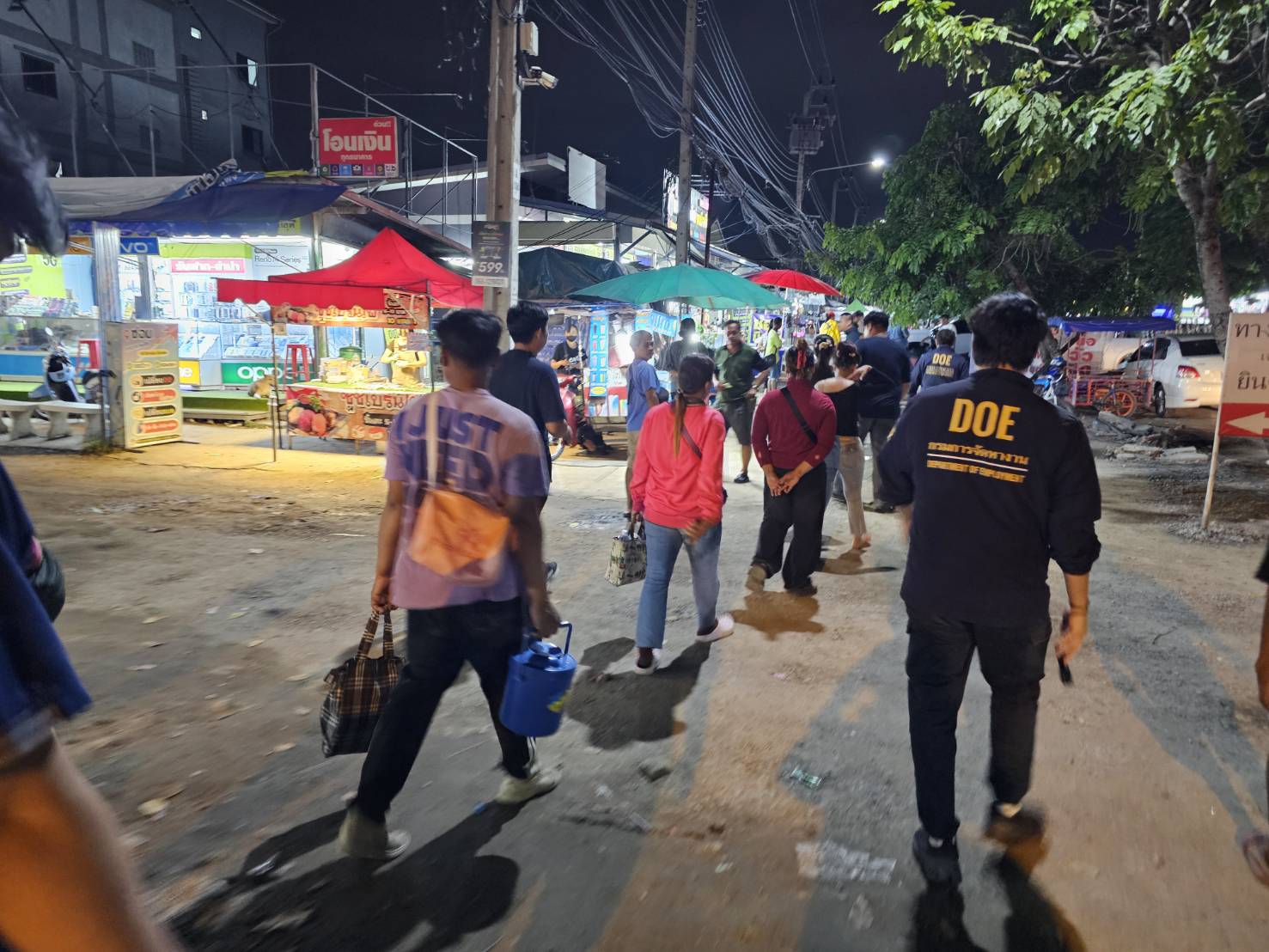
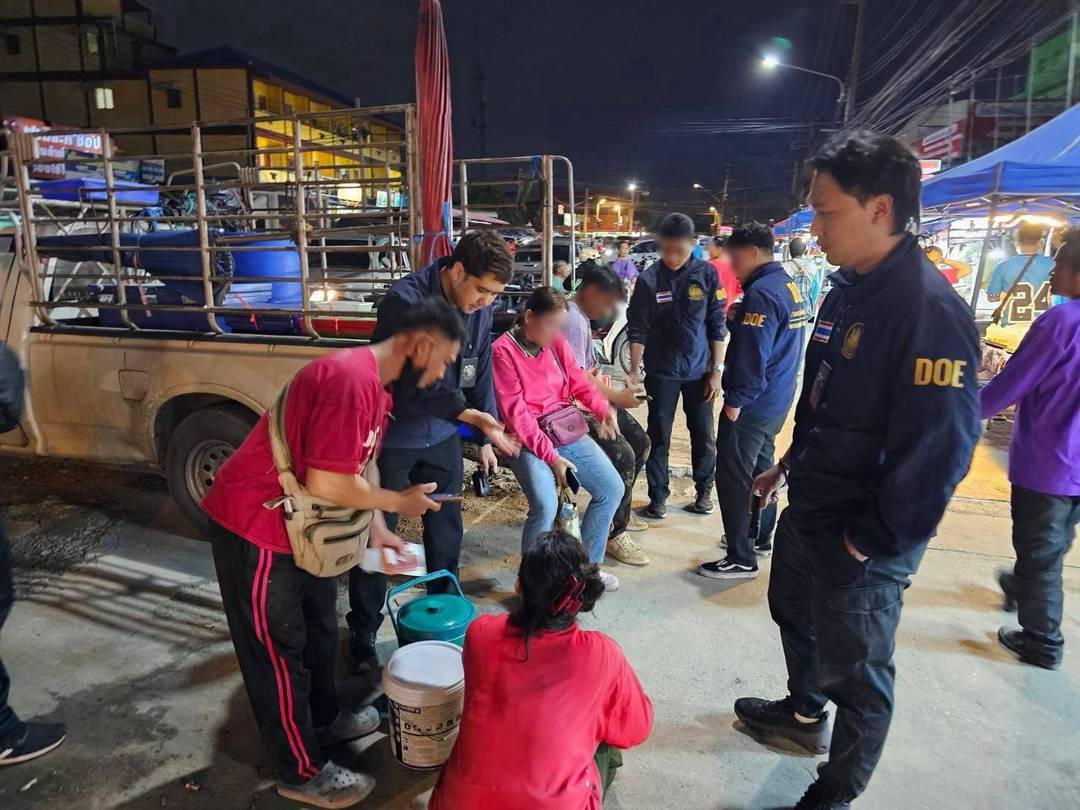
On the same occasion, Mr. Seksit Sawanyathipat, Assistant Permanent Secretary of Labour, in his capacity as Head of the Operations Centre for the Prevention and Suppression of Illegal Labour, together with Police Lieutenant Piyachet Satanyasuwan, Director of the Inspection and Evaluation Bureau, Office of the Permanent Secretary of Labour, led Department of Employment officials and relevant personnel in a joint operation with the Immigration Bureau to inspect the work status and immigration status of foreign workers in the area, to prevent illegal employment without work permits, employment in occupations reserved for Thai nationals, and unlawful entry into or residence in the Kingdom.
The inspection found a total of eight foreign nationals in violation of the law: two female foreign nationals of Cambodian and Lao nationality working without a work permit, in contravention of the Royal Decree on the Management of Foreign Workers Employment B.E. 2560 (2017) and its amendments; four Cambodian nationals (one male and three female) who had entered and remained in the Kingdom without authorisation; and two female Cambodian nationals who had overstayed their permitted period of residence. Officials took all eight individuals into custody and transferred them to the investigating officers at Min Buri Metropolitan Police Station for legal proceedings.
In addition, officials shared information on relevant laws and penalties to employers, businesses, and foreign workers to build understanding of lawful employment and work practices. The data gathered from this field visit will inform the formulation of remedial measures and improve the efficiency of foreign worker management going forward.