
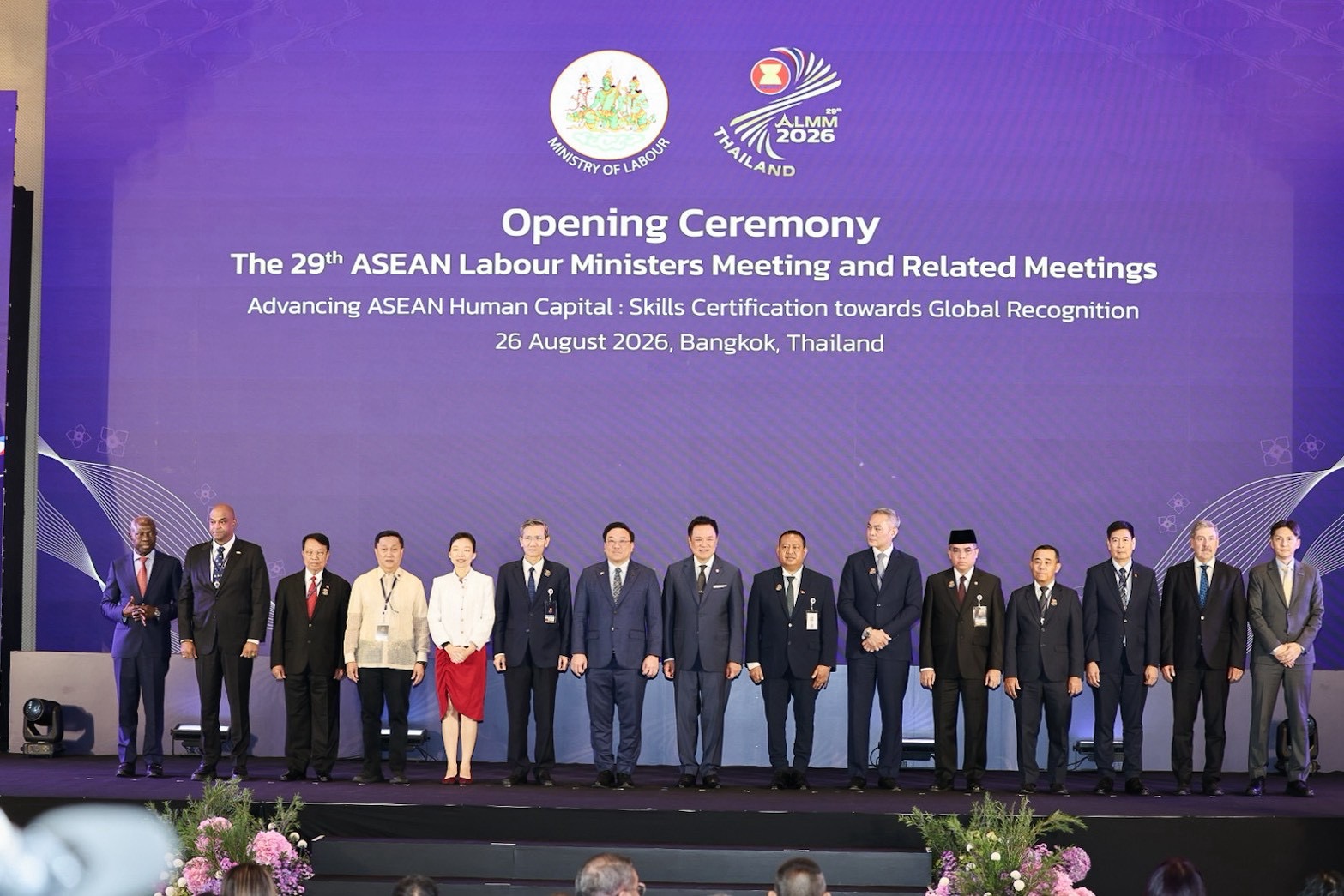
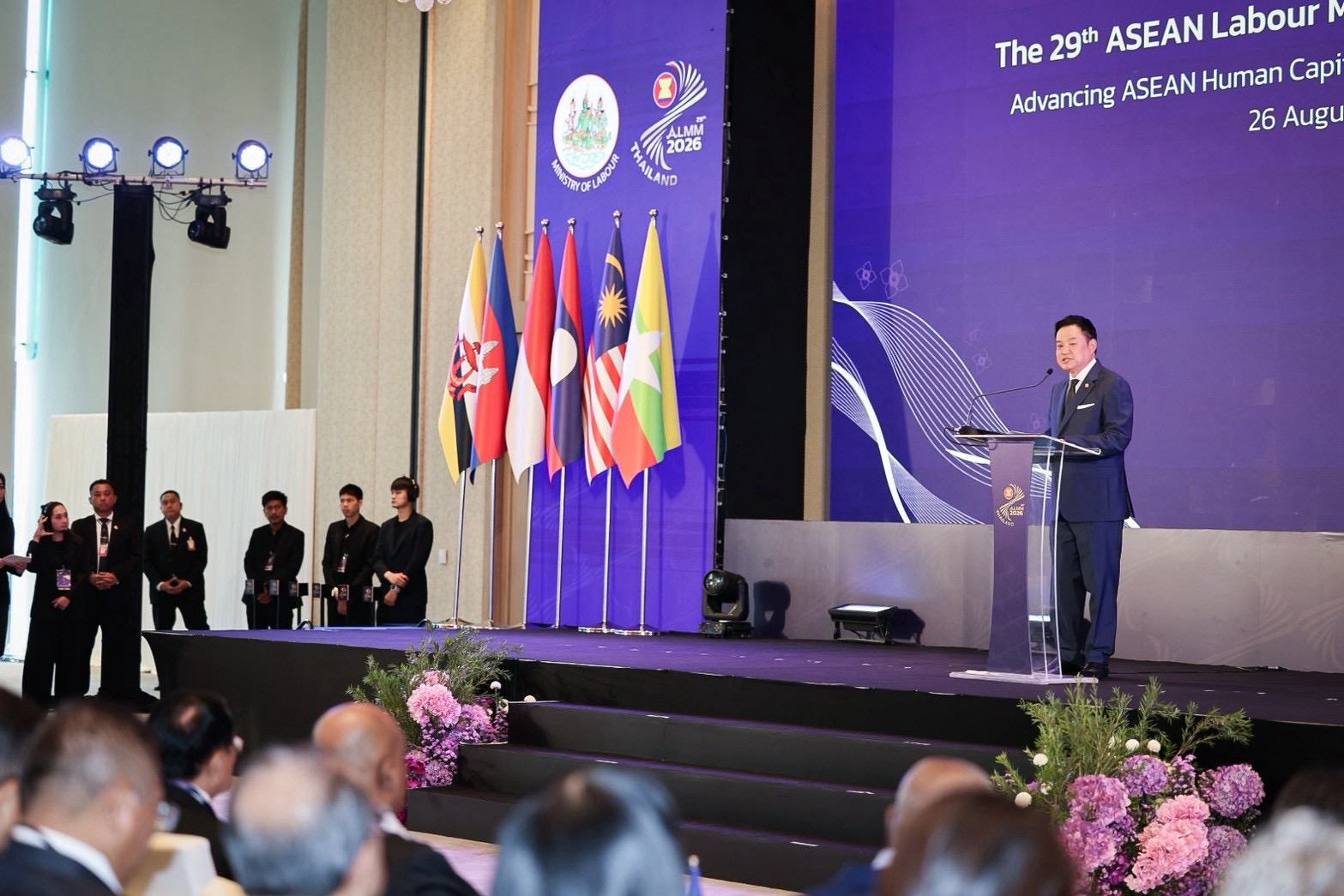
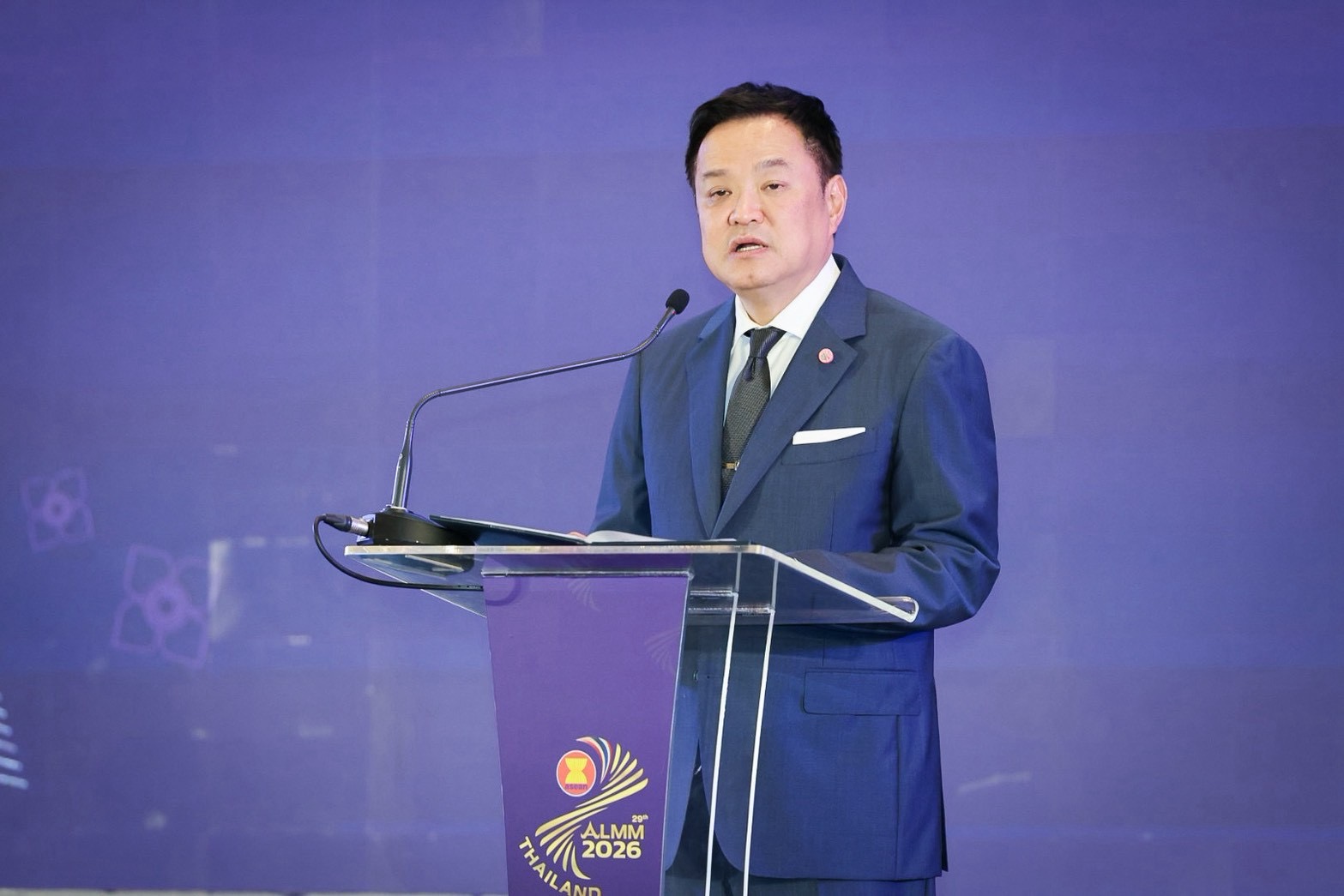
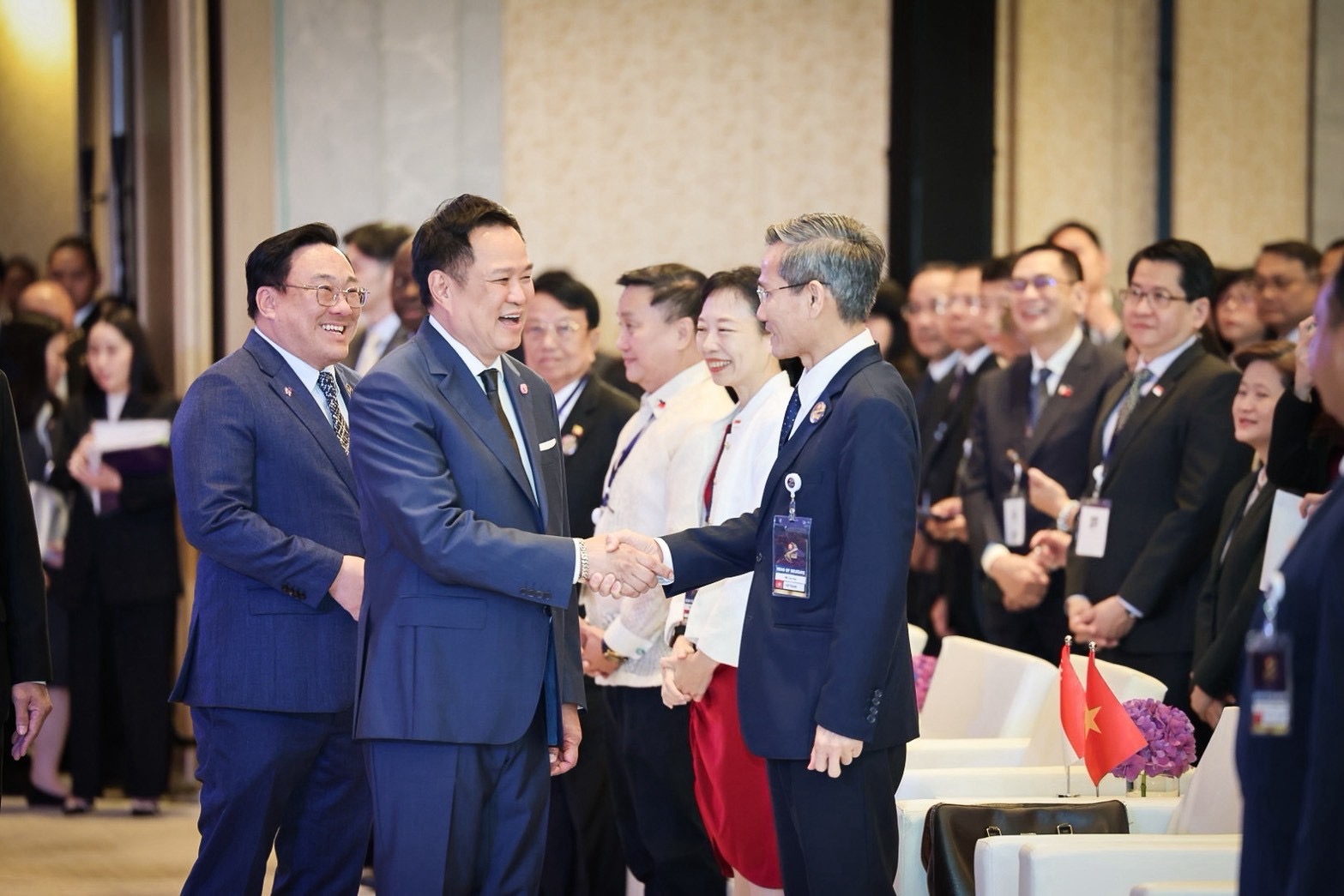
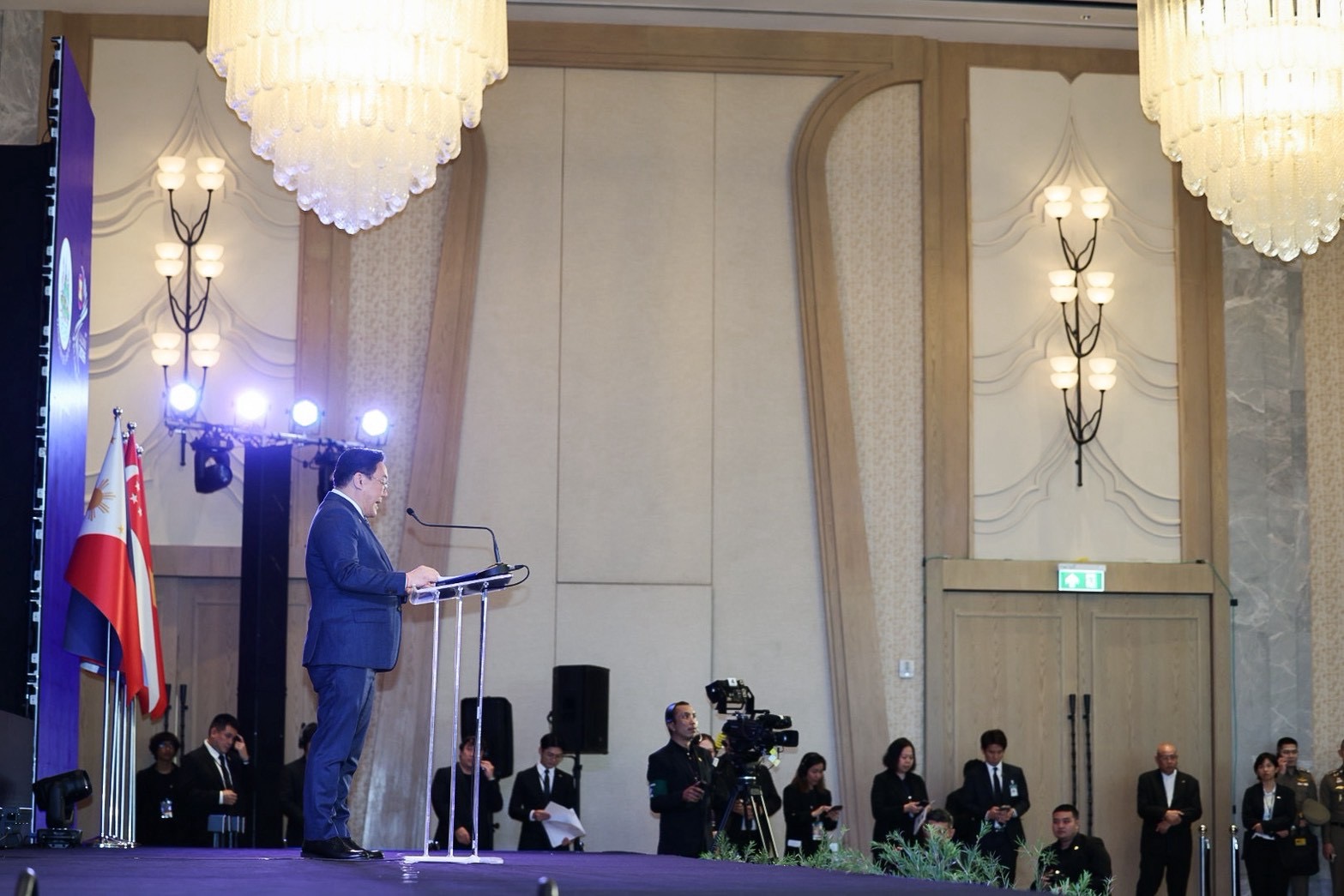
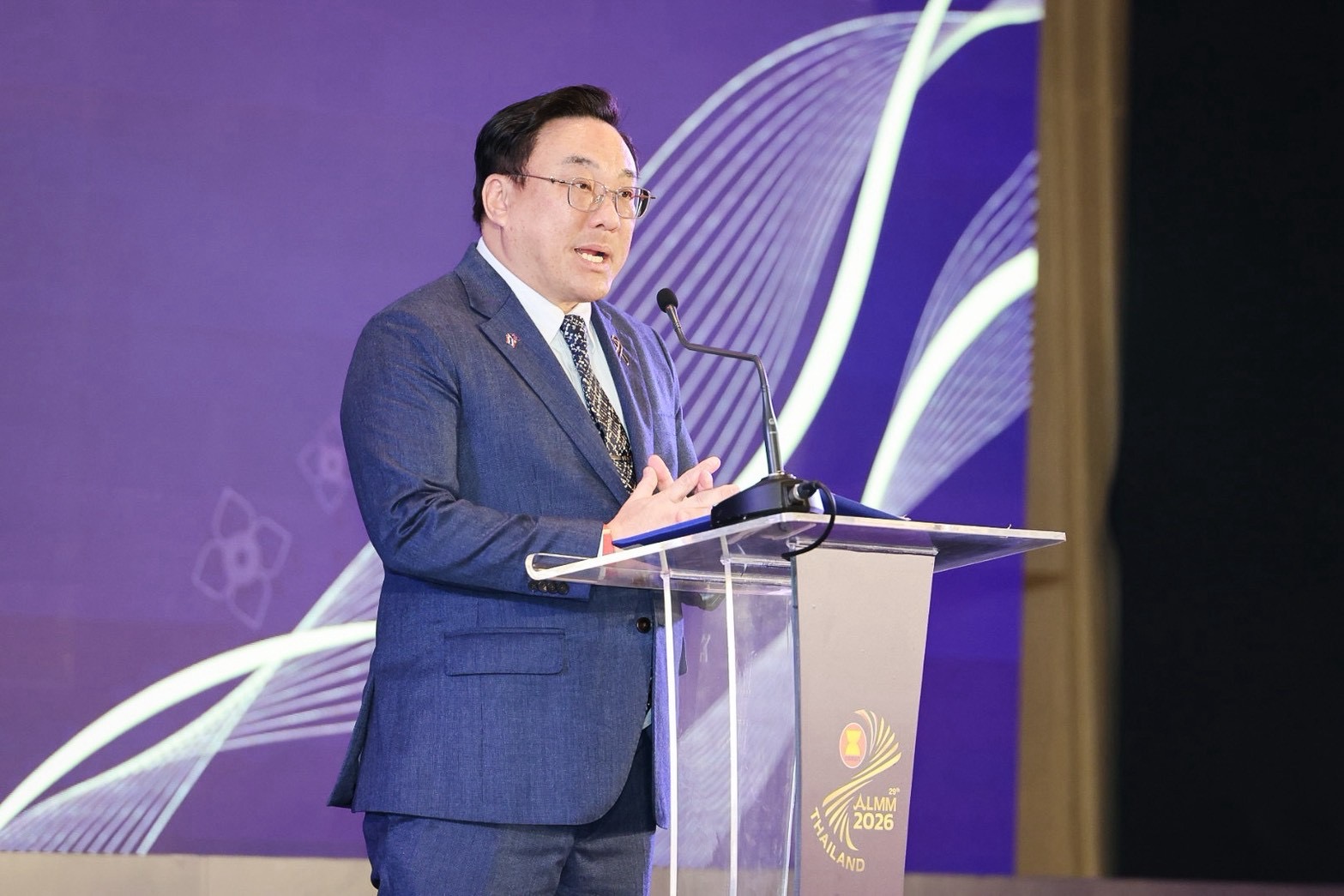
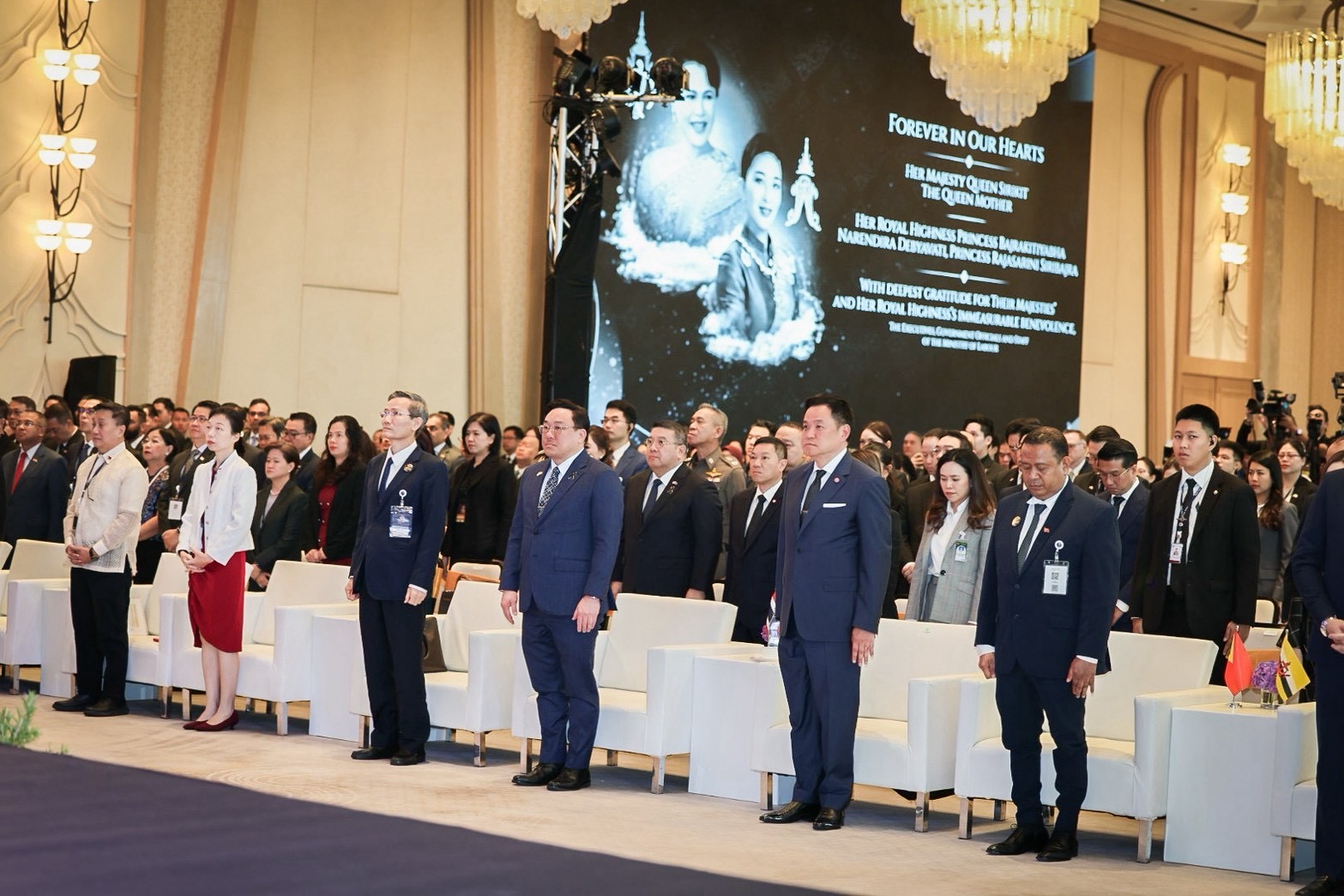
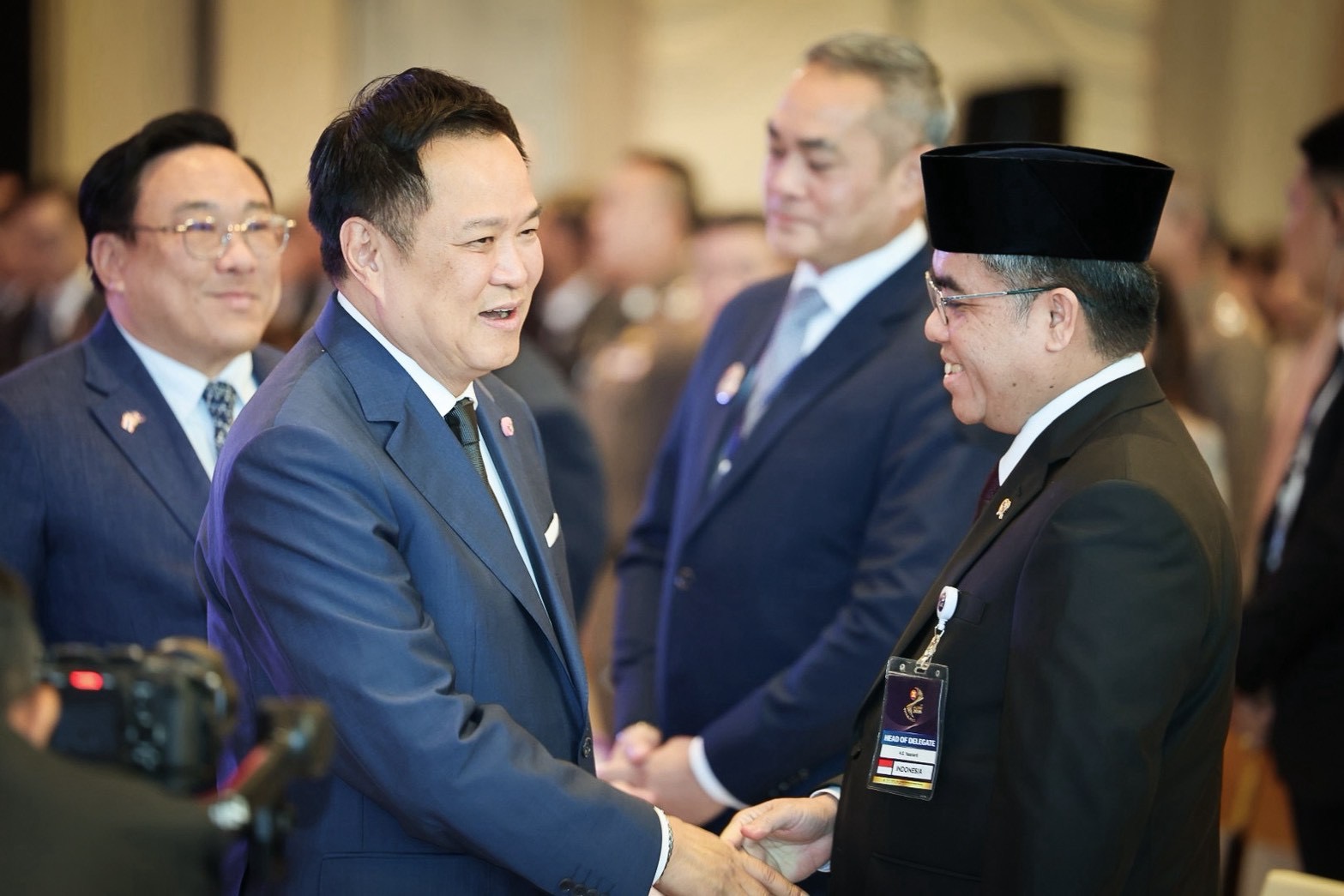
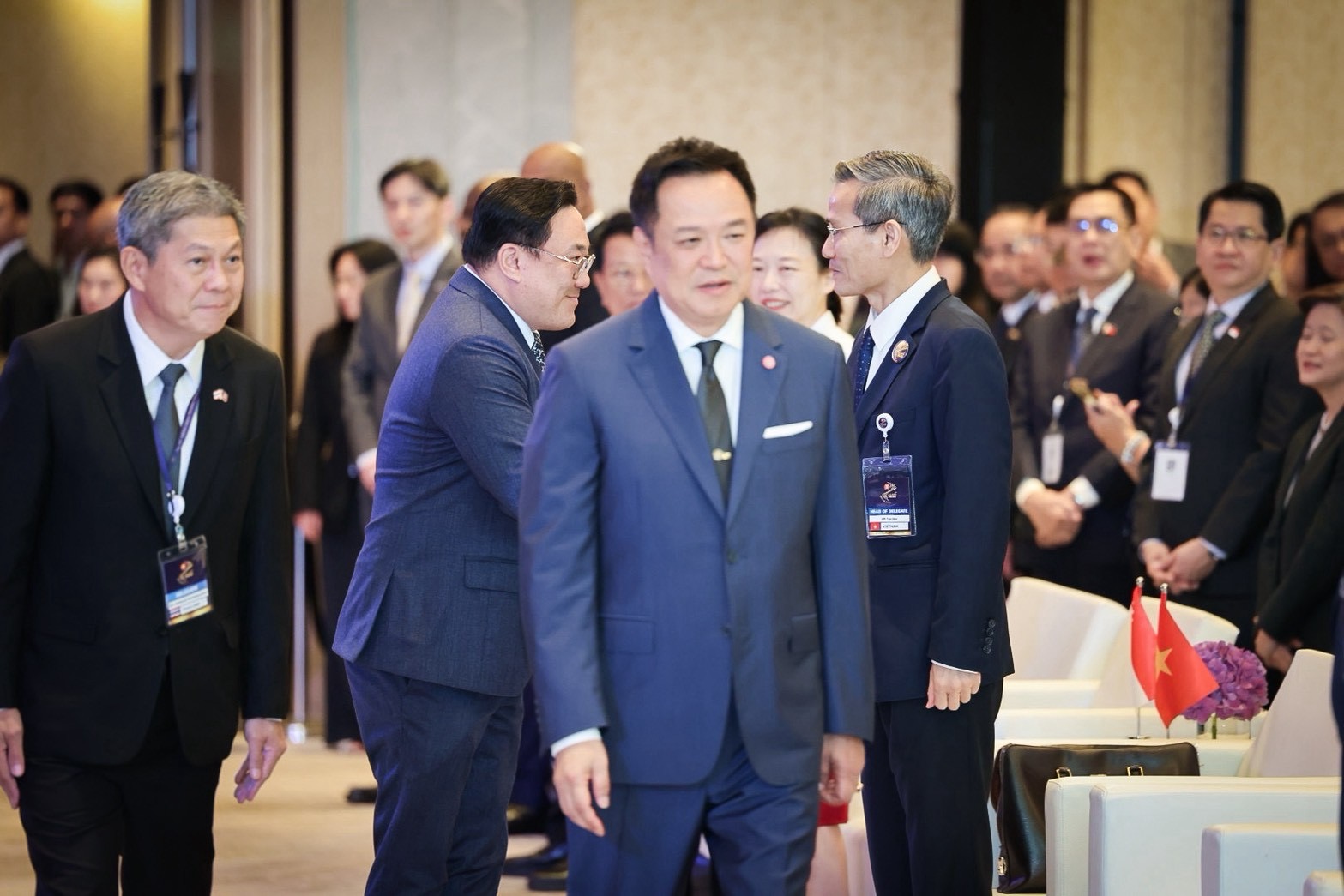
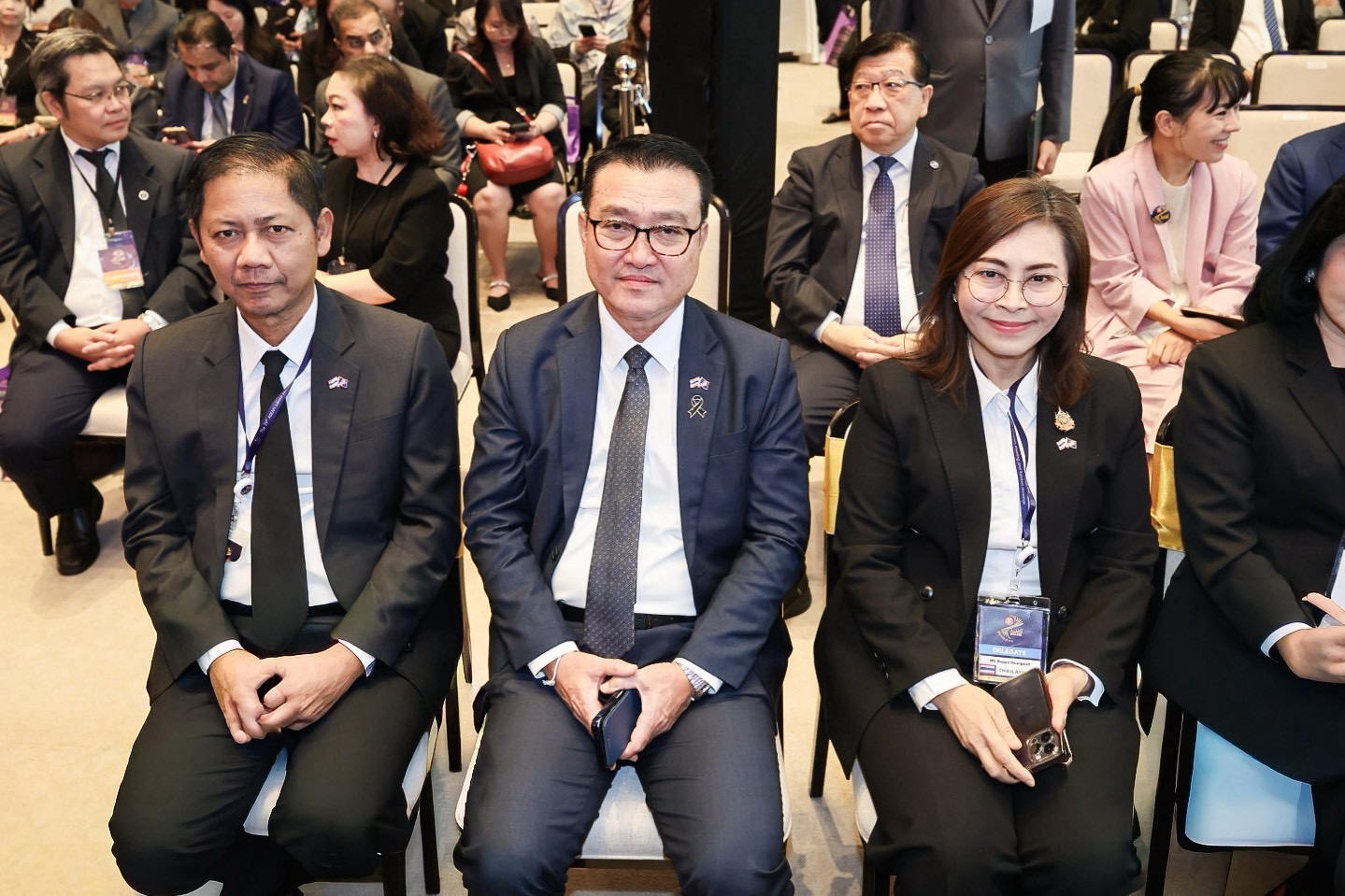
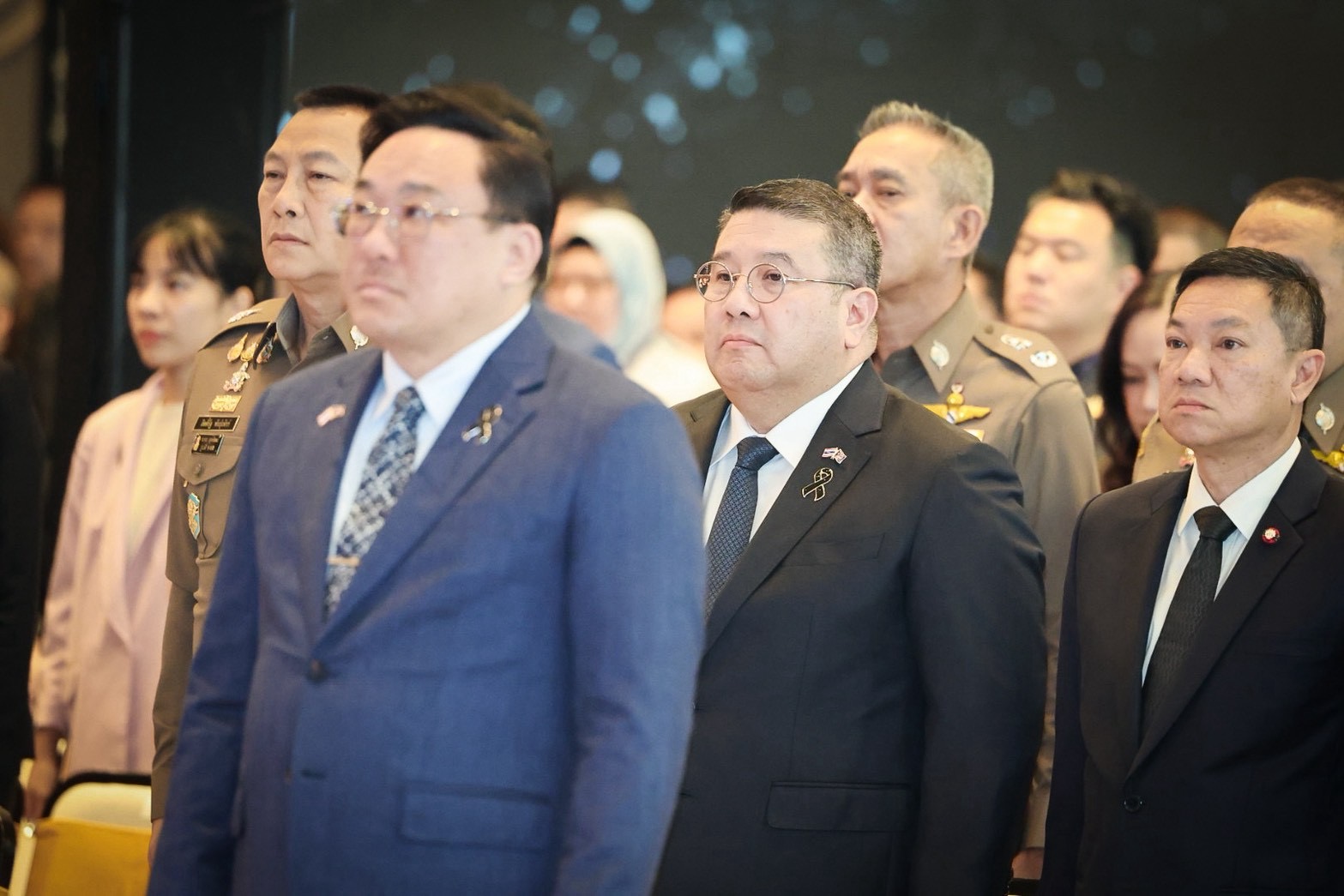
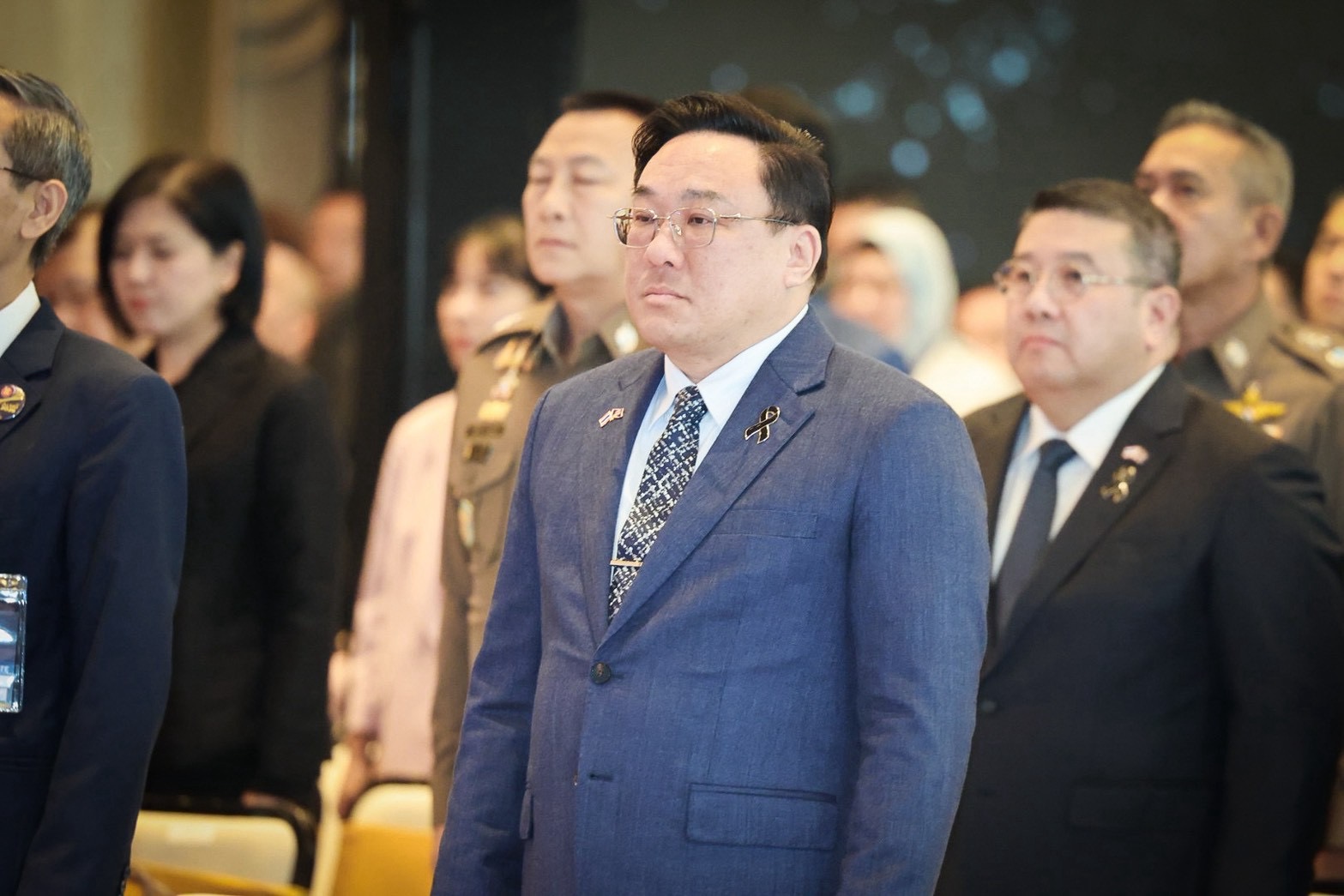
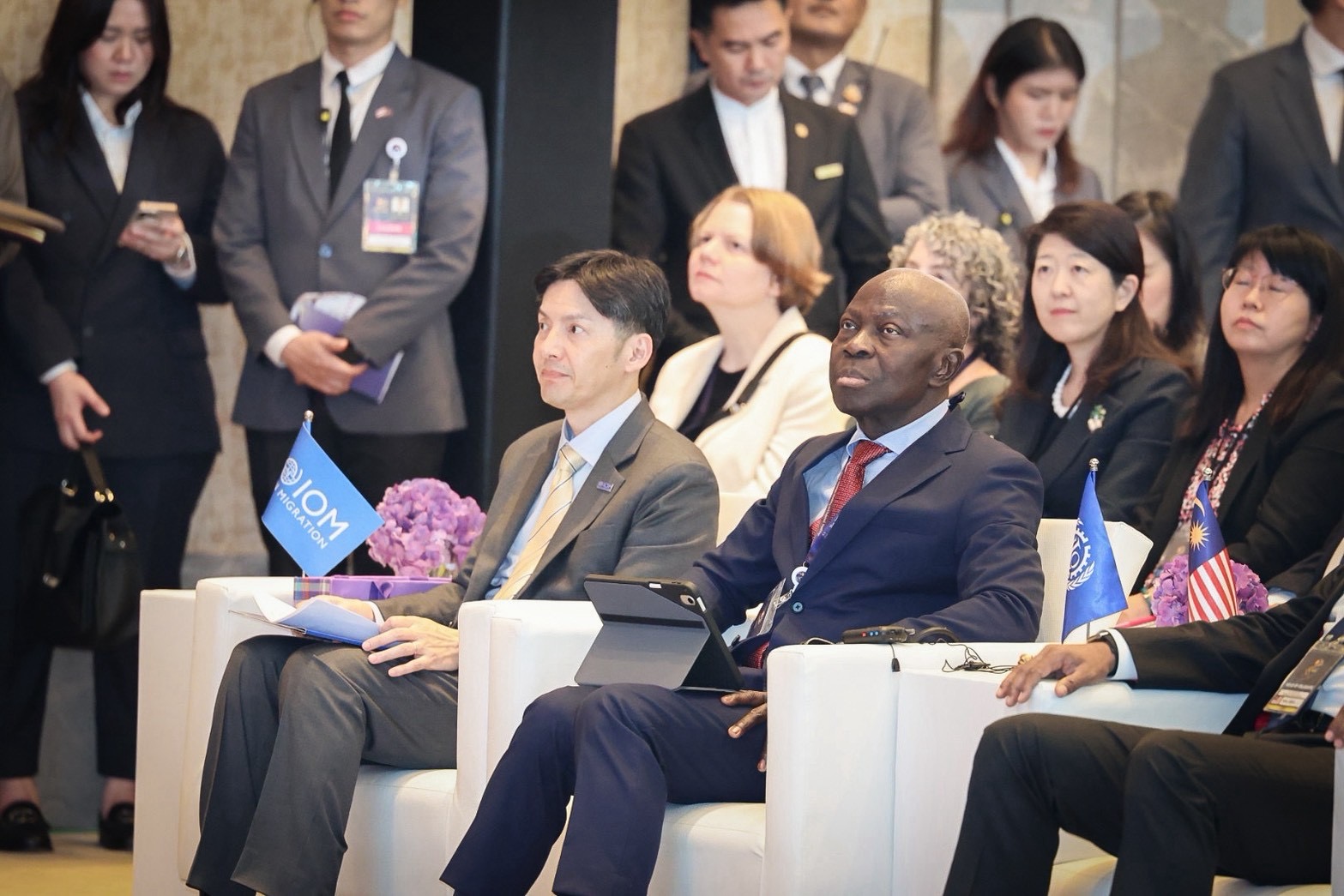
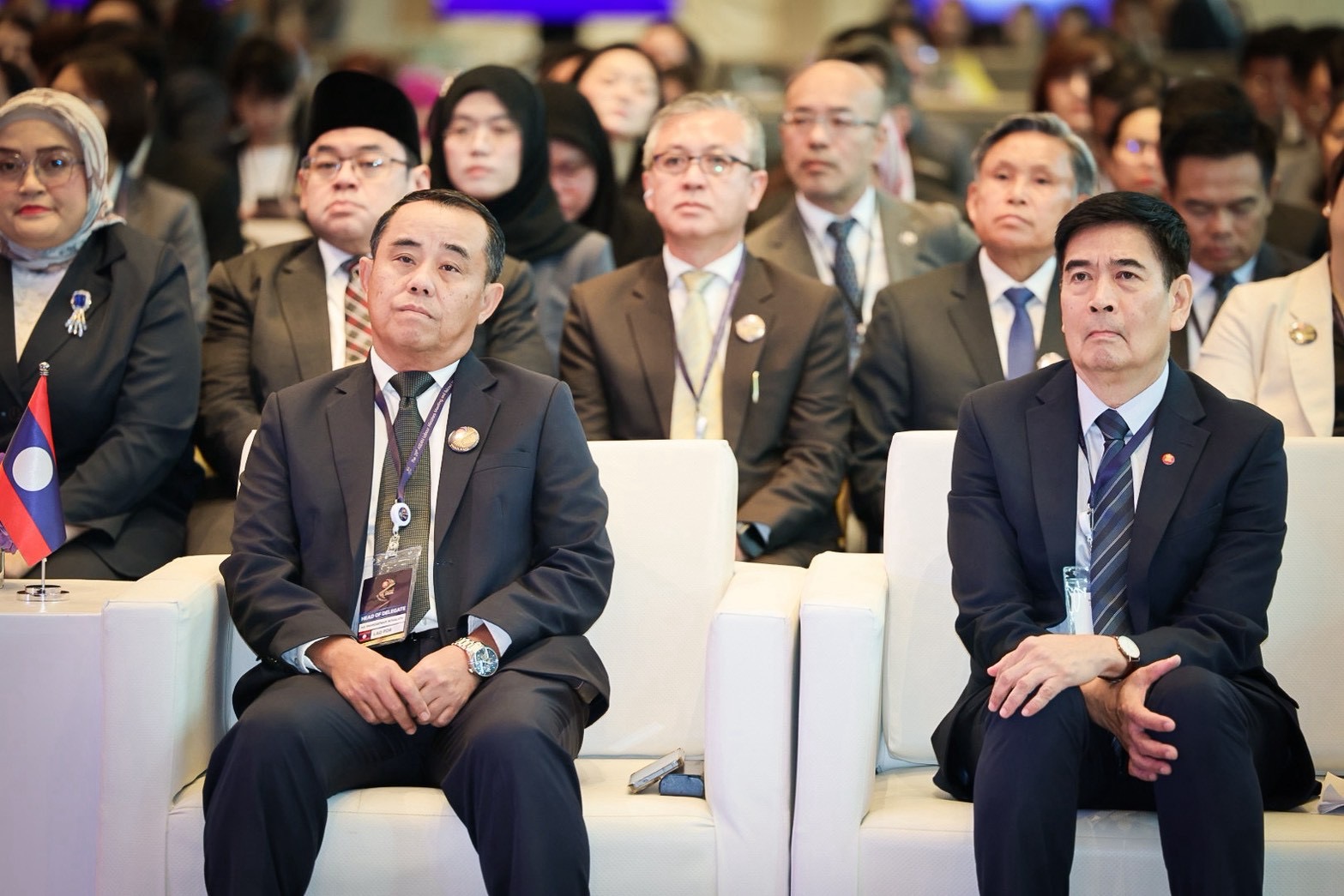
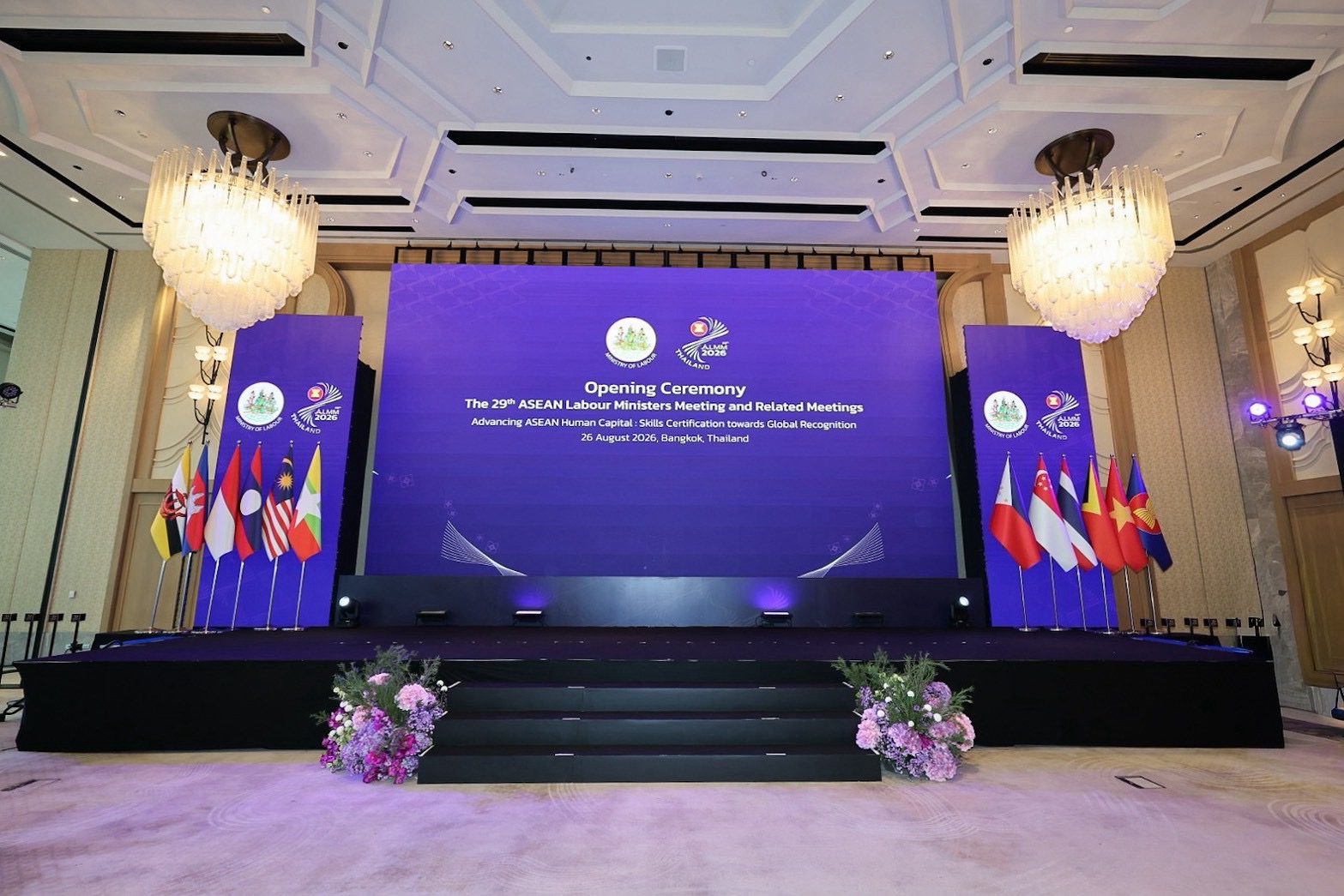
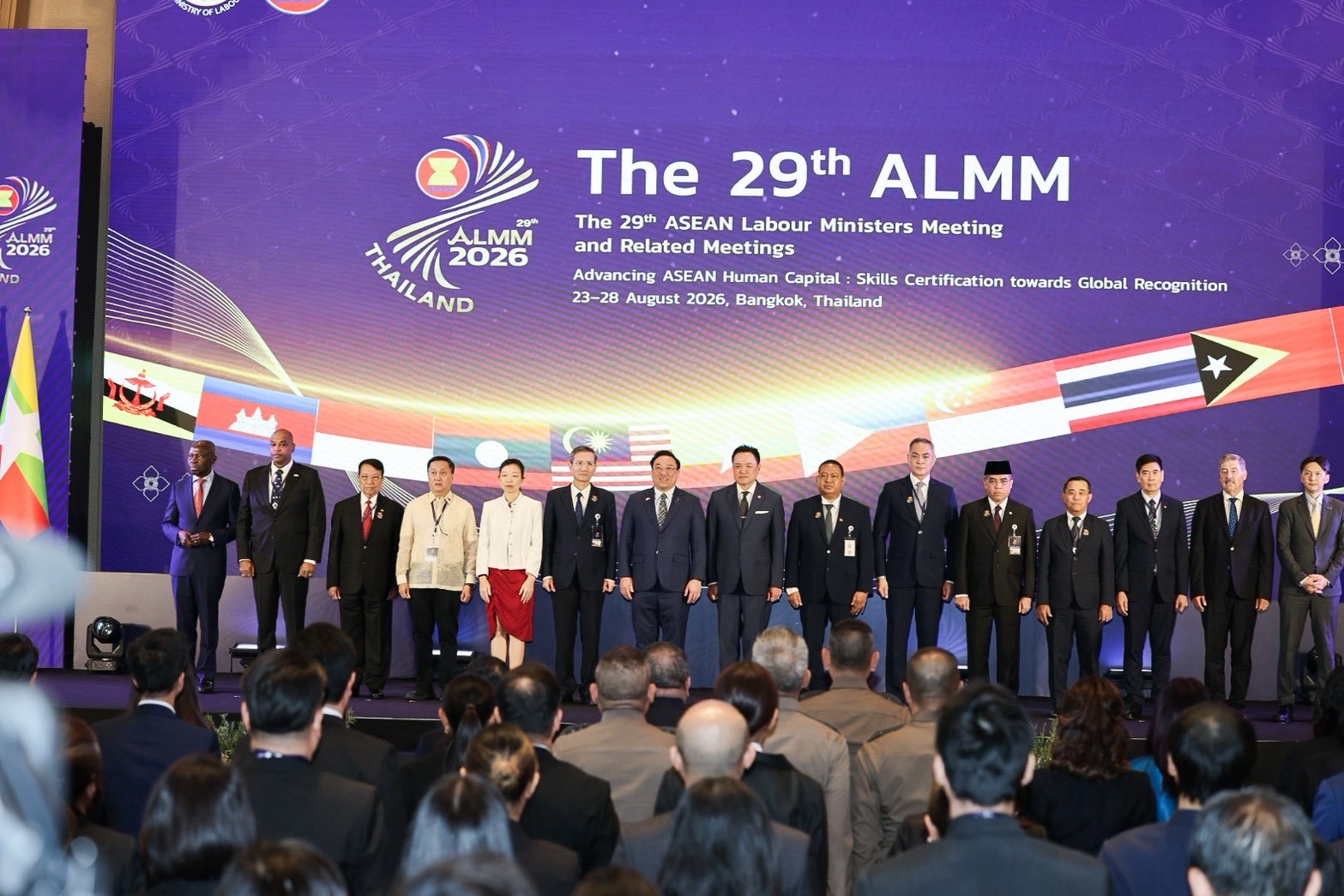
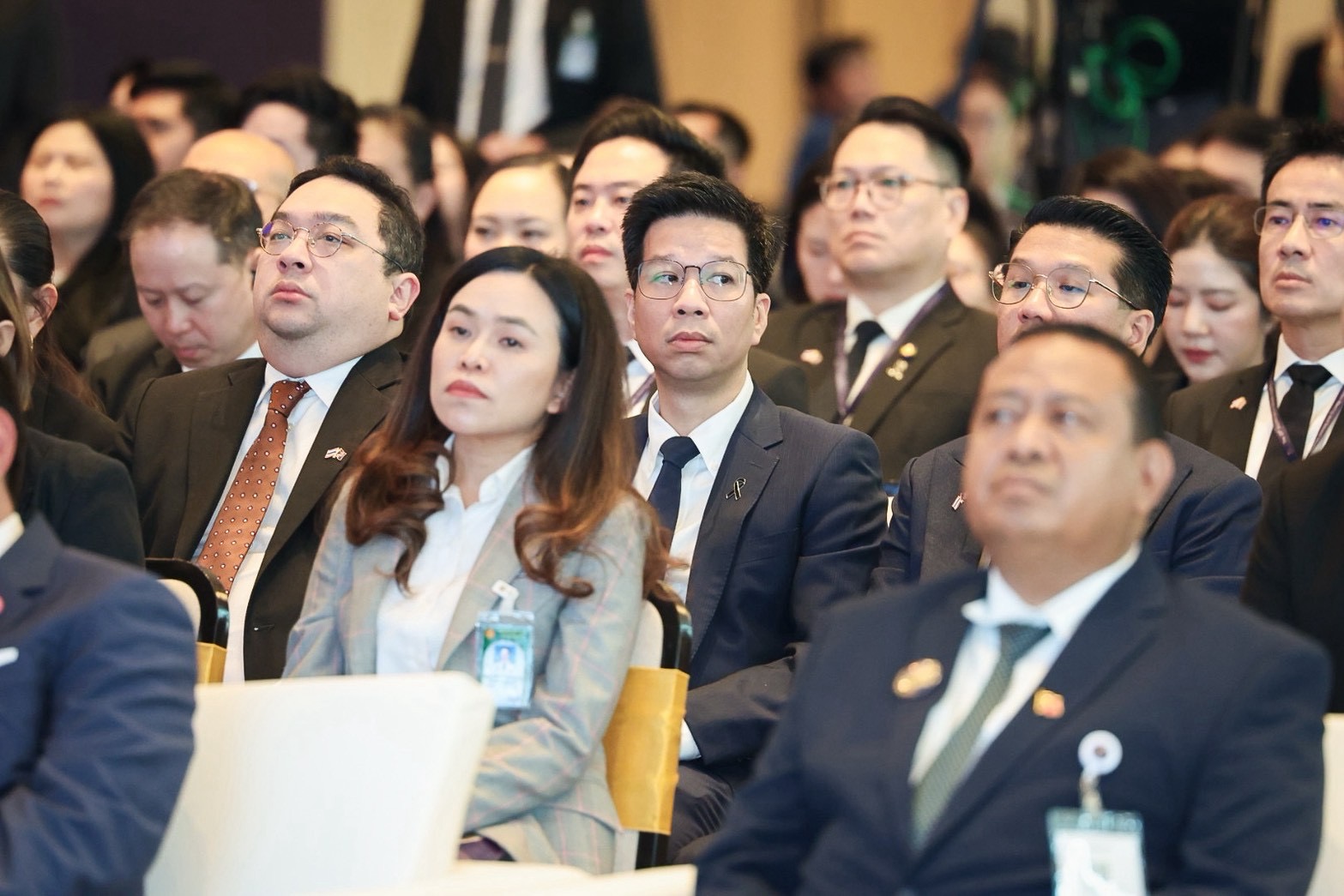
The 29th ASEAN Labour Ministers’ Meeting and Related Meetings (ALMM), hosted by Thailand’s Ministry of Labour, has officially commenced, under the theme “ASEAN Human Capital Development: Skill Certification Towards International Recognition.” All 11 ASEAN member states, the Plus Three dialogue partners (China, South Korea, and Japan), and international organisations have gathered in the hope of shaping the future and elevating the capabilities of the region’s more than 357 million workers, in response to the transitions towards digital technology, the green economy, and an ageing society.
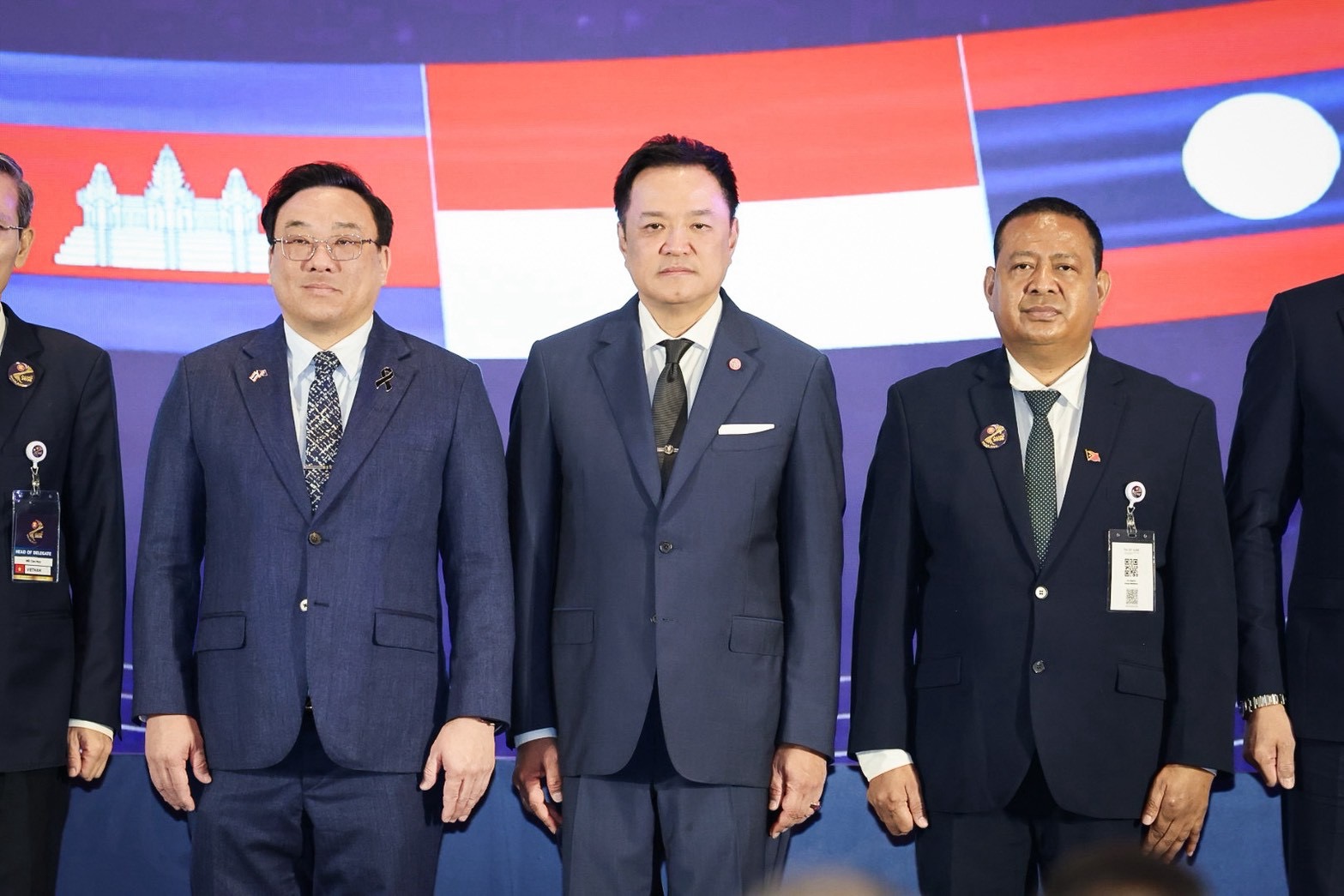
On August 26, 2026, Mr. Anutin Charnvirakul, Prime Minister and Minister of Interior, presided over the opening ceremony of the 29th ASEAN Labour Ministers’ Meeting and Related Meetings (29th ALMM). Mr. Julapun Amornvivat, Minister of Labour, and leaders of global organisations including Mr. San Lwin, Deputy Secretary-General of ASEAN, Mr. Gilbert F. Houngbo, Director-General of the International Labour Organisation (ILO), H.E. Frantisek Ruzicka, Deputy Secretary-General of the OECD, and Mr. Iori Kato, Regional Director of the IOM, together with Labour Ministers, Permanent Secretaries of Labour, and senior officials from ASEAN member states. The Plus Three dialogue partner countries, Ministry of Labour executives, and members of the press attended as honoured guests at the Dusit Thani Hotel, Bangkok.
Mr. Anutin Charnvirakul, Prime Minister and Minister of Interior, emphasised his vision for driving labour development in the region, noting that ASEAN is home to a workforce of over 357 million people, making it one of the world’s most powerful pools of human capital. Amidst the challenges of the Triple Transition, encompassing the shift to digital technology and AI, the green economy, and an ageing society, Thailand is committed to building a “Skill Bridge” to connect lifelong learning with real employment, through Credit Bank systems and Digital e-Portfolios, ensuring that all workers, including vulnerable groups and the self-employed, have access to reskilling and upskilling, sustainable income, and comprehensive social protection, leaving no one behind.
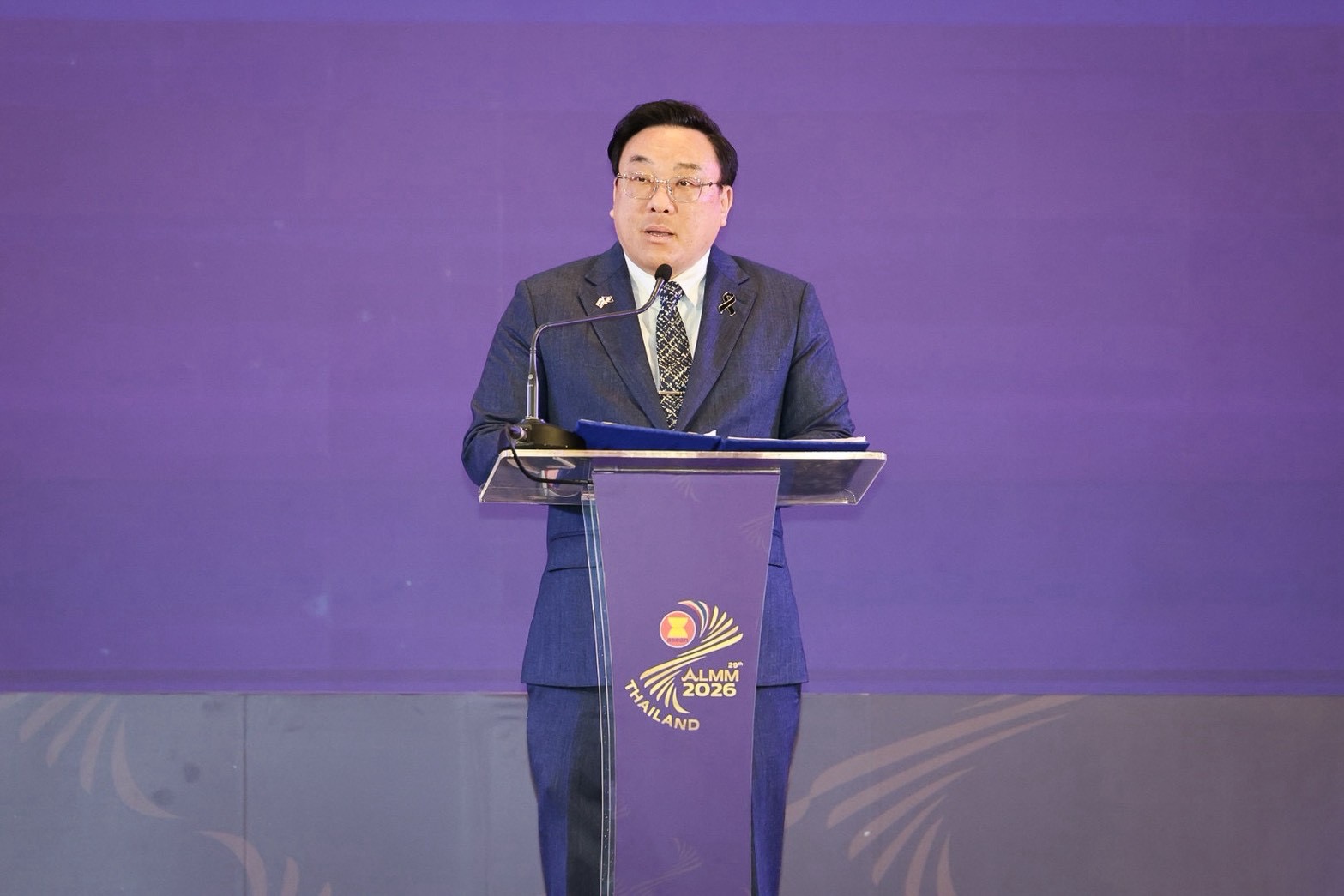
Mr. Julapun Amornvivat, Minister of Labour, outlined the key missions Thailand intends to drive as ALMM Chair over the next two years, saying the Ministry of Labour is committed to building a common international standard for Skill Certification to be recognised globally, to concretely increase workers’ incomes. Thailand is ready to drive certification through 3 key pillars: training curricula, skill standards, and ASEAN Excellence Centres, alongside a pilot of the ASEAN Digital Skills Passport (DSP). Thailand also intends to present an AI Governance Framework to govern and mitigate the impact of AI on the labour market and new graduates, to shift training KPIs towards actual employment rates and income increases, and to collaborate with the private sector on job matching to supply future industries such as EV, Data Centres, and AI.
“A key highlight of this meeting is the one-on-one bilateral discussions between Thailand and member states, to jointly devise labour mobility measures with neighbouring countries, Myanmar, Cambodia, Laos, and Malaysia, to maximise benefits and ensure appropriate protection for all parties. The Ministry of Labour therefore takes this opportunity to invite the Thai people to join together as hosts in welcoming delegations from many nations, to jointly demonstrate our capability and readiness, and to drive ASEAN’s human capital towards a sustainable future together,” Mr. Julapun said.
+++++++++++++++++++
Division of Public Relations
Mr. Priyaron Phromsakha Na Sakon Nakhon – Photo