

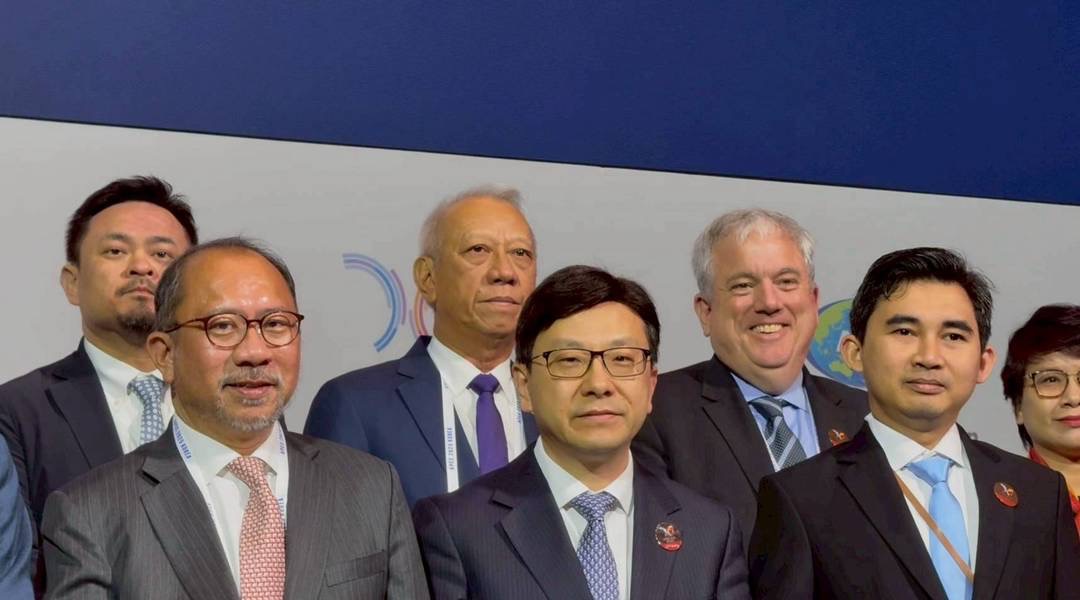
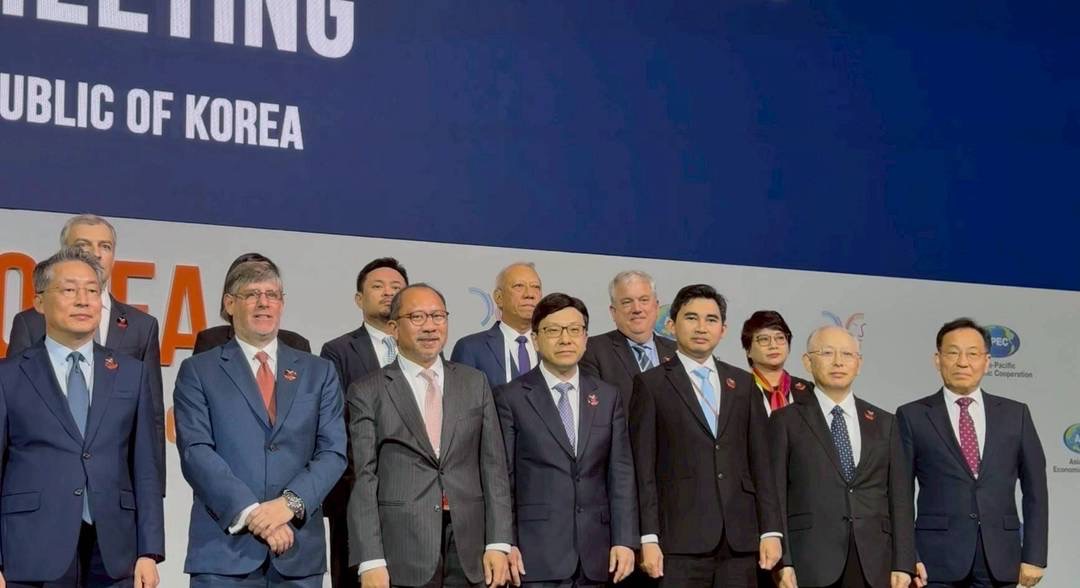
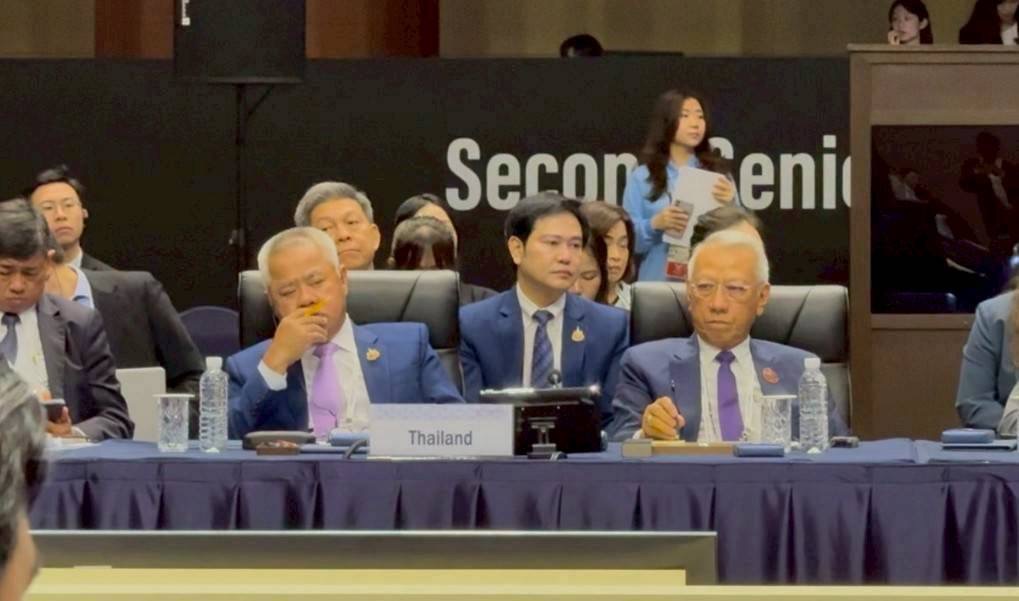
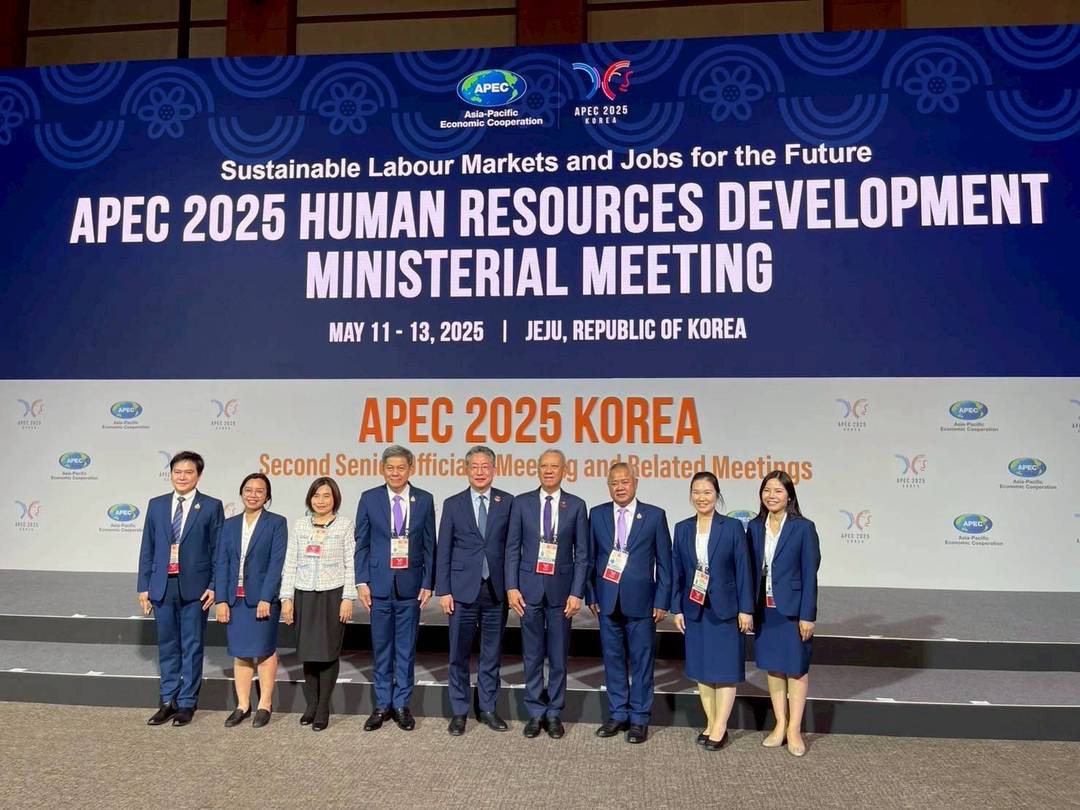
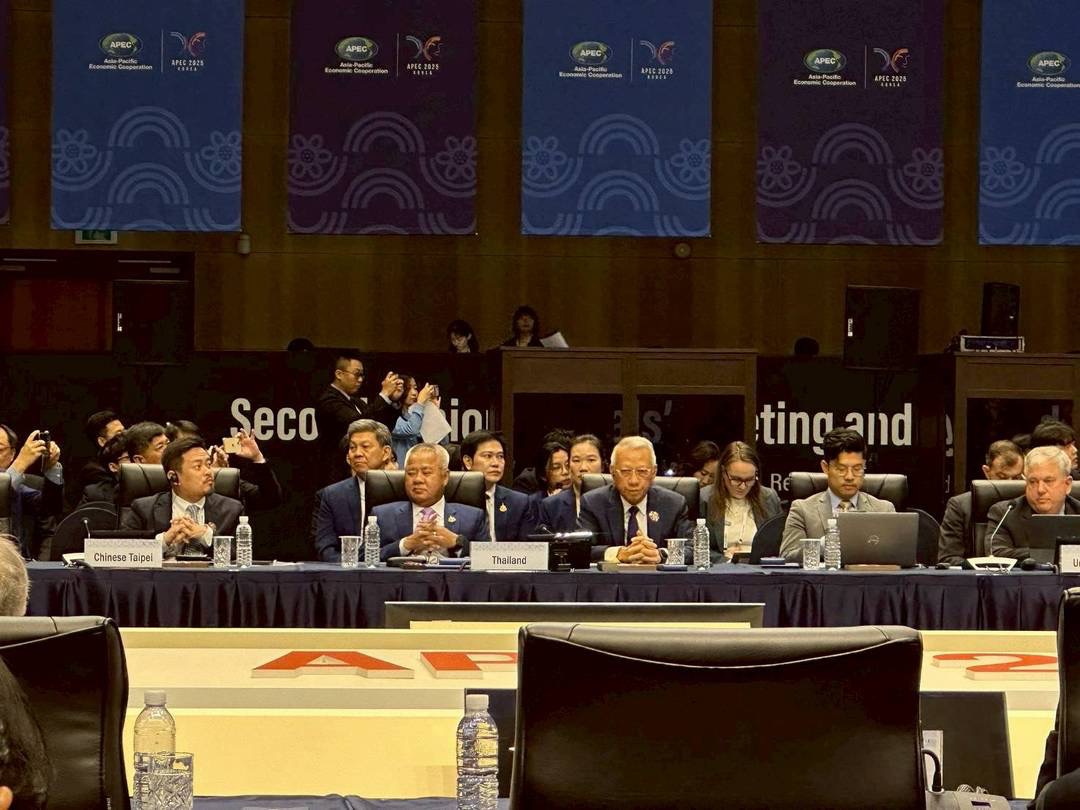
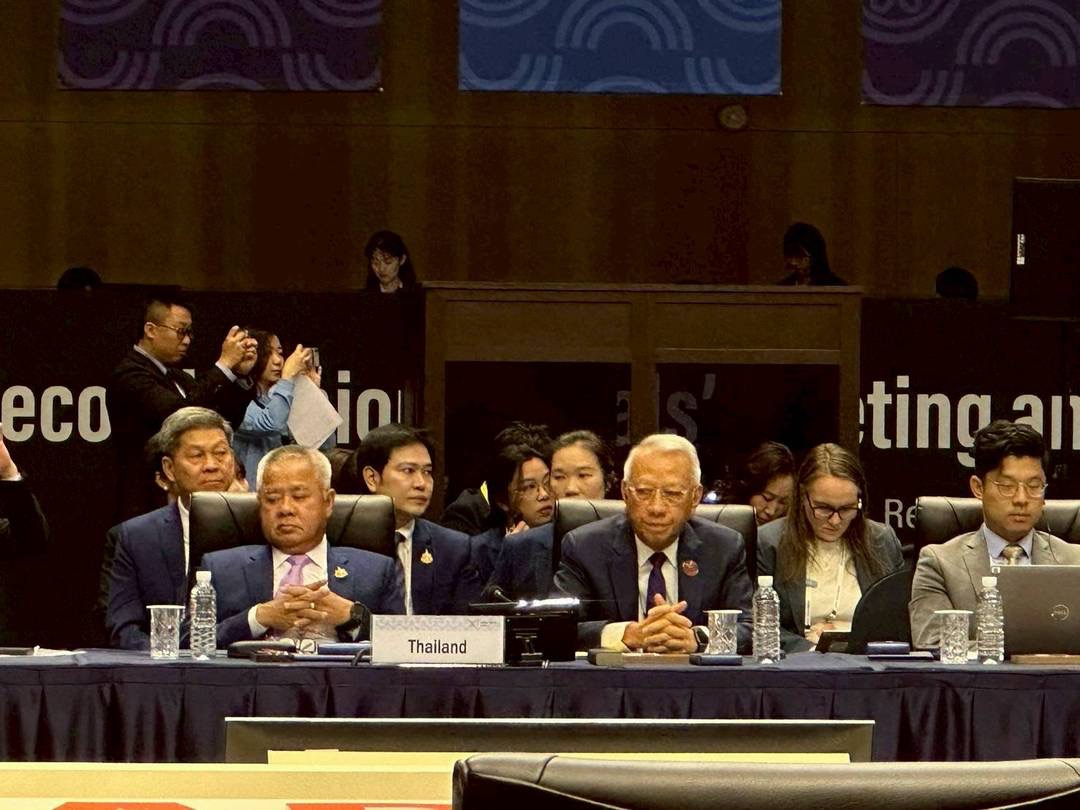
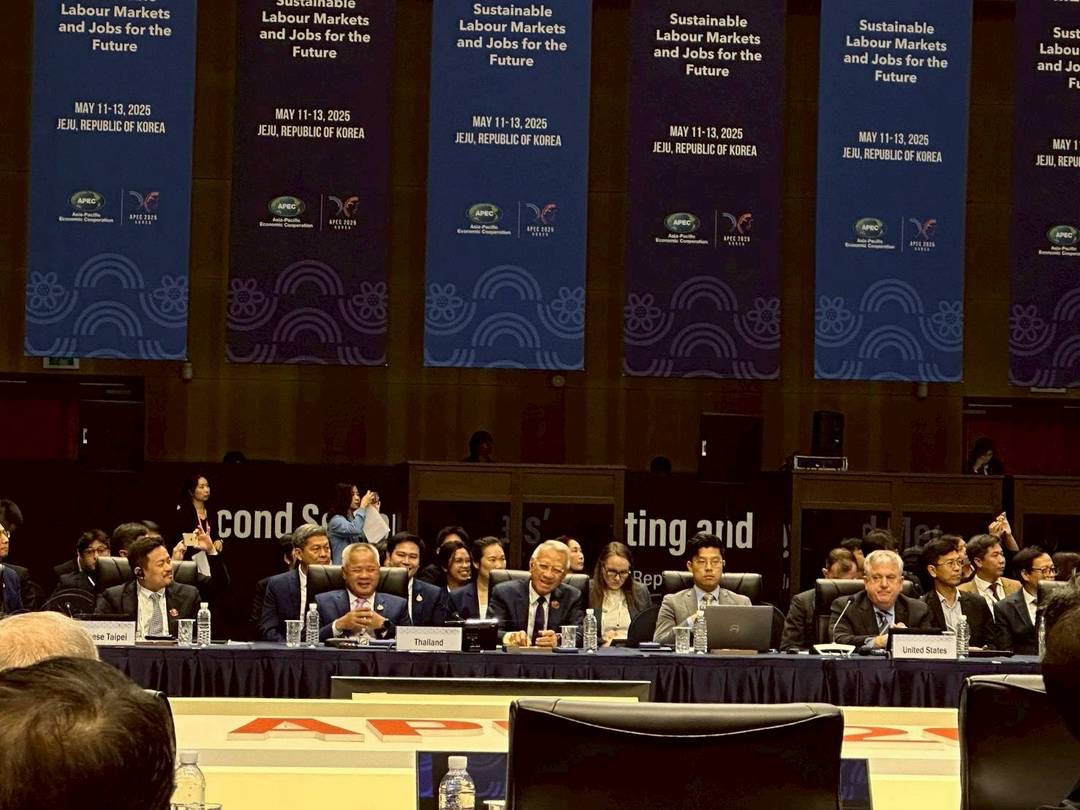
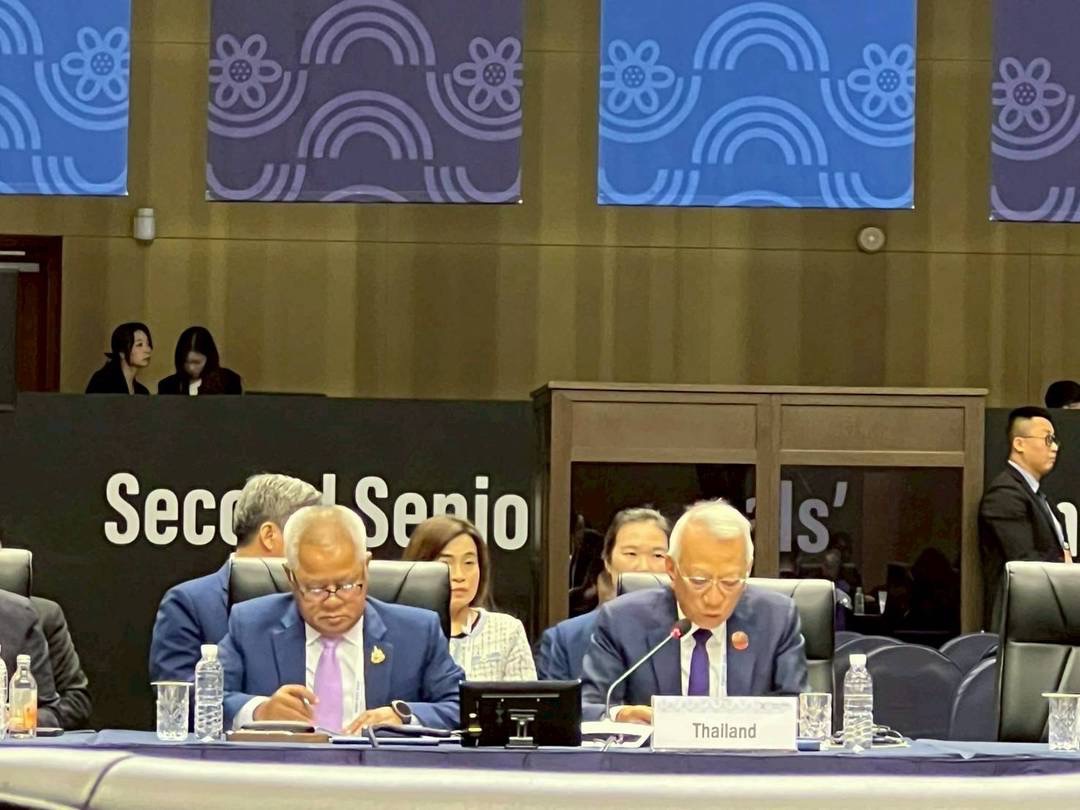
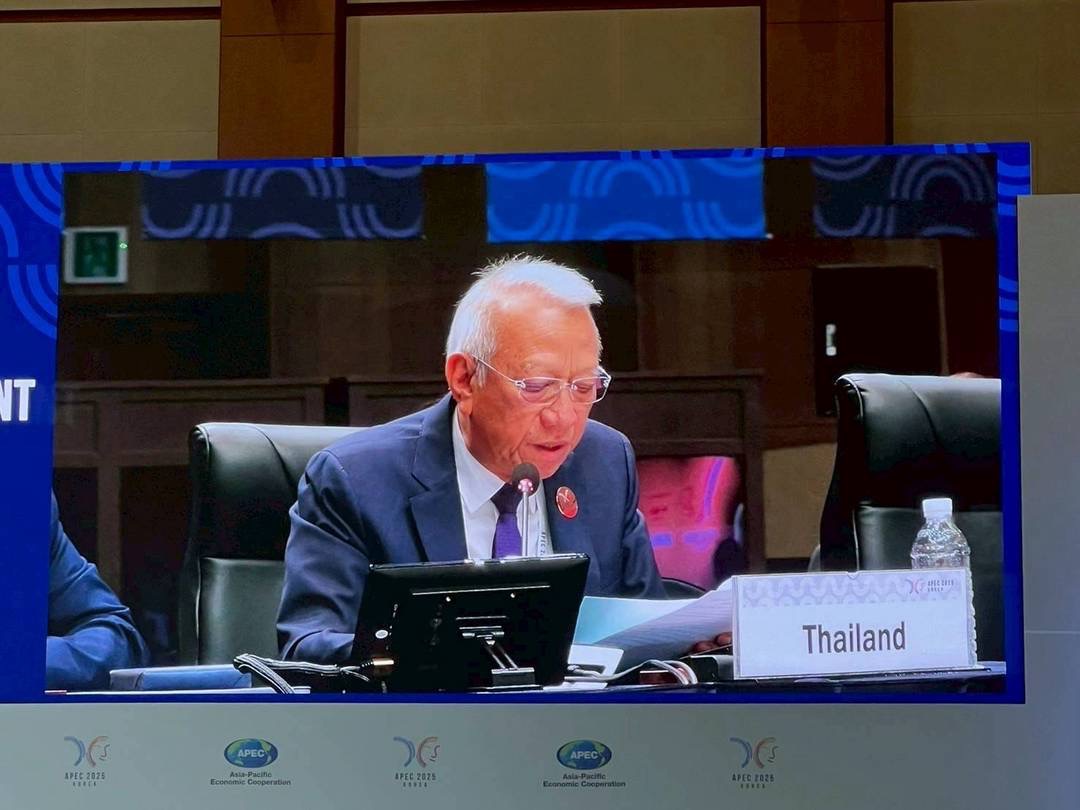
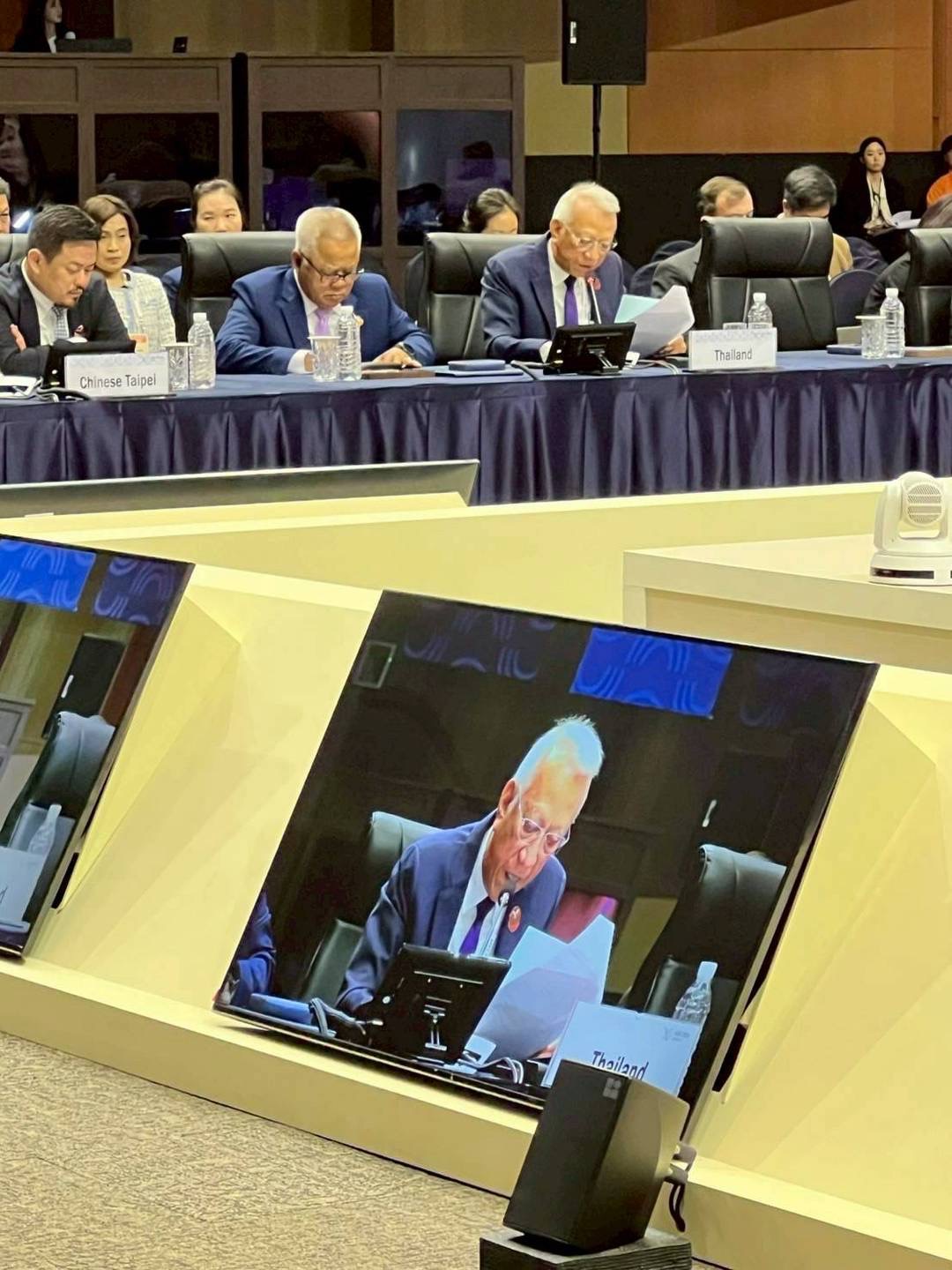
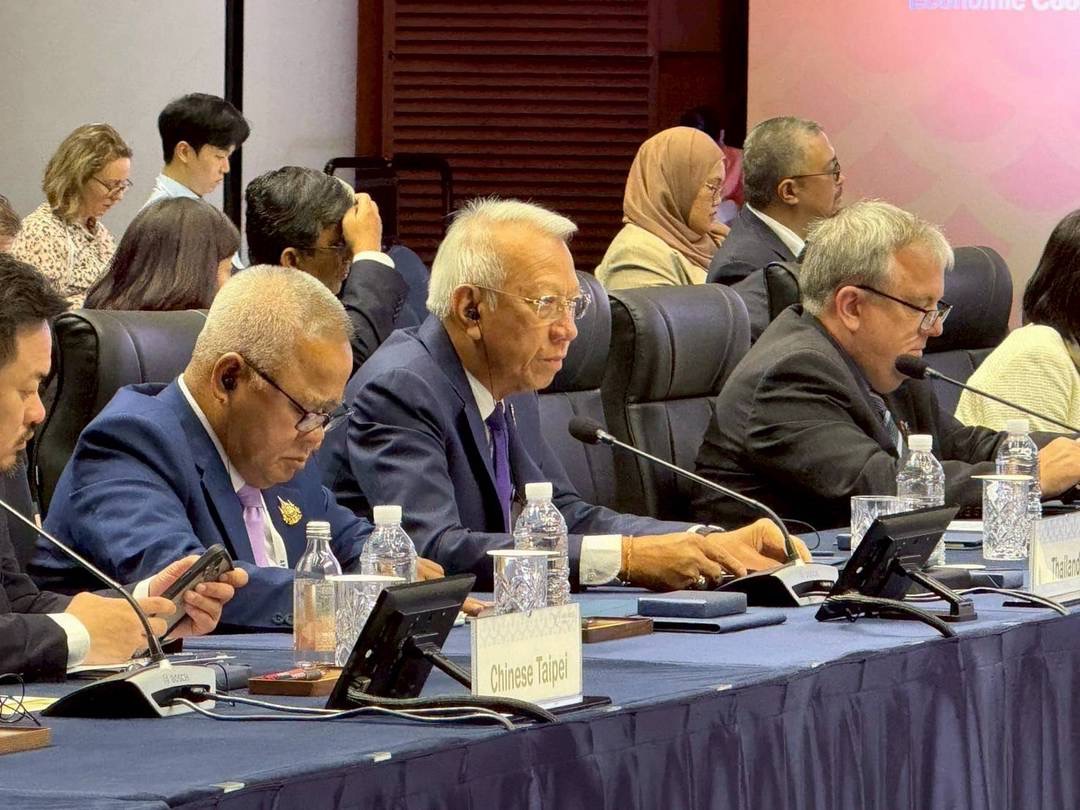
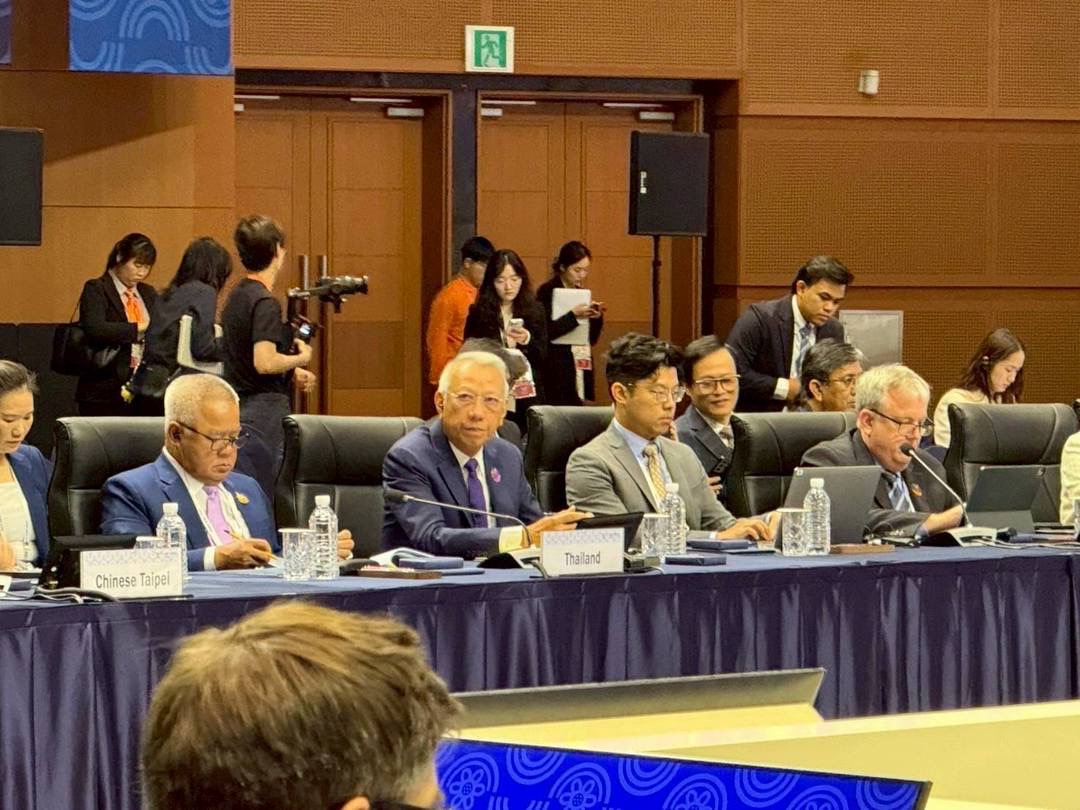
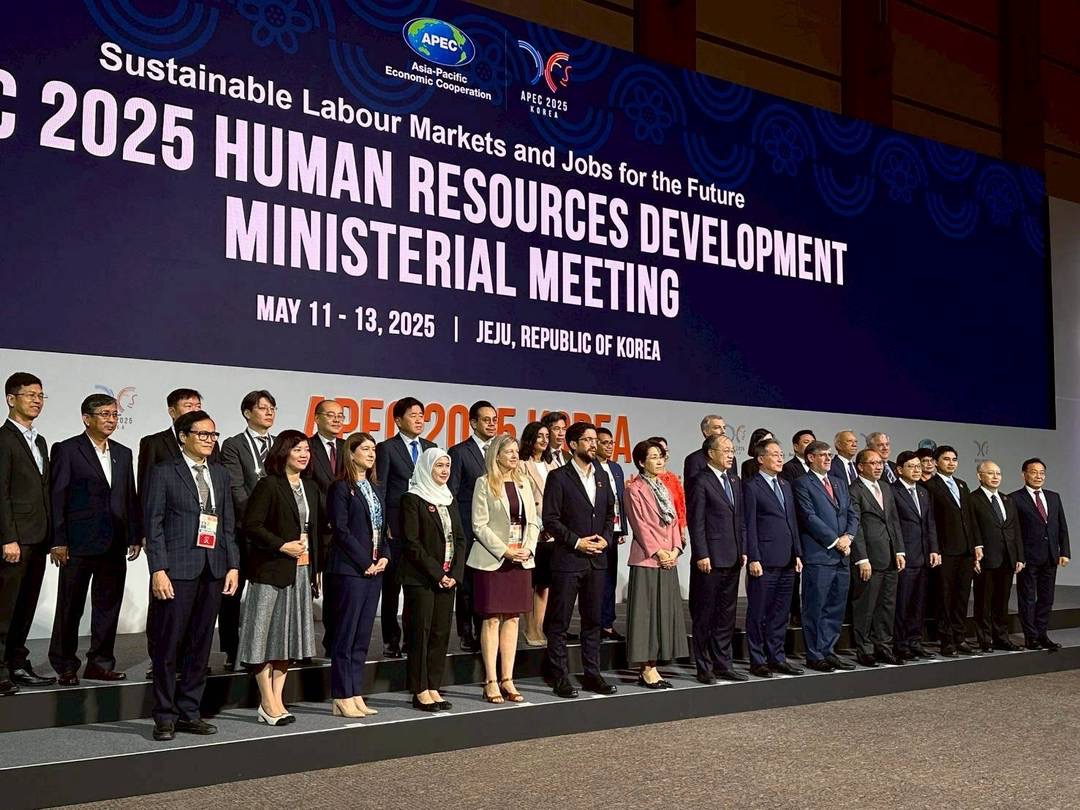
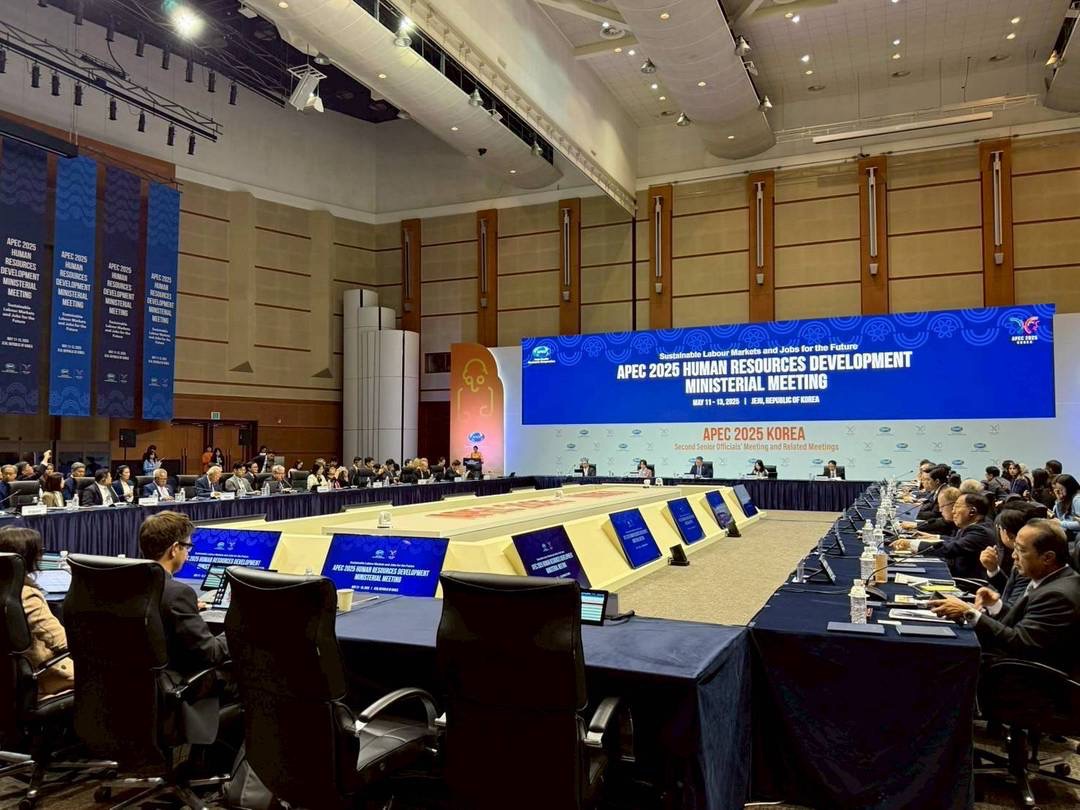
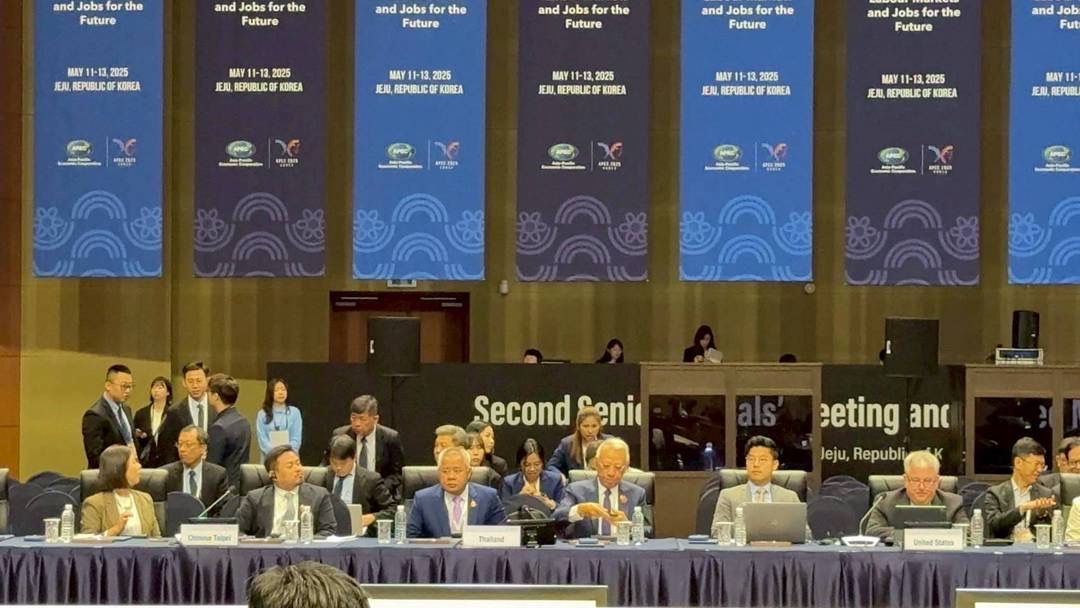
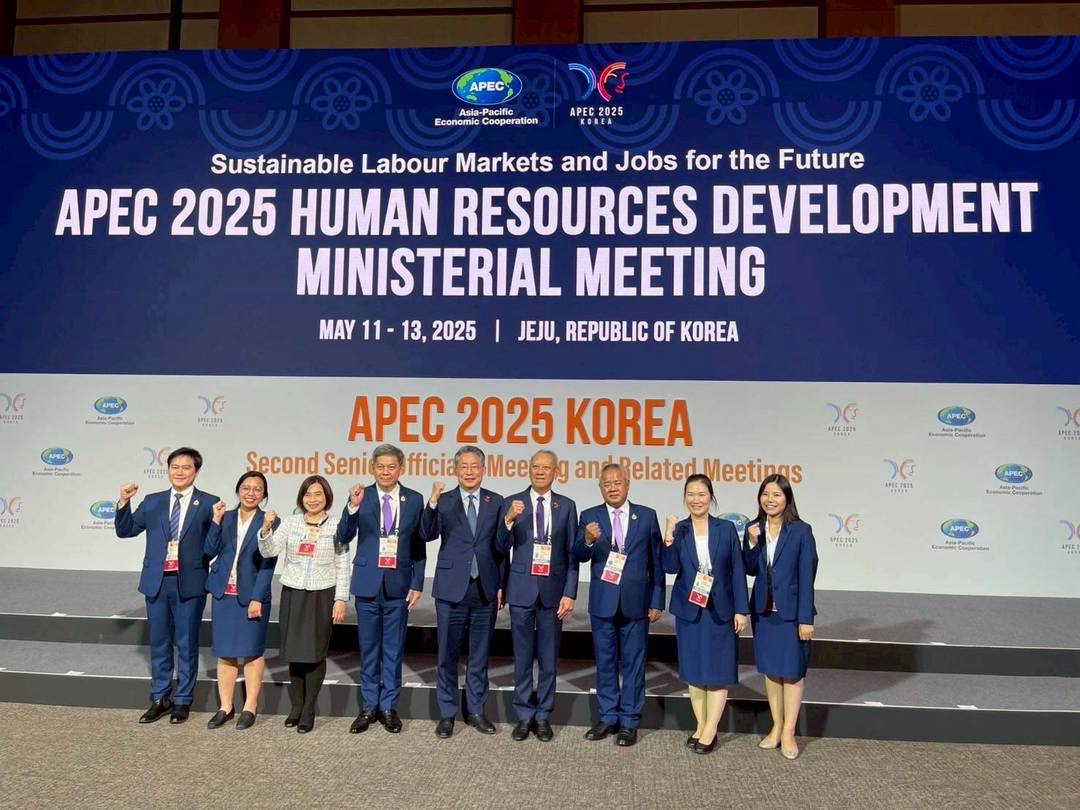
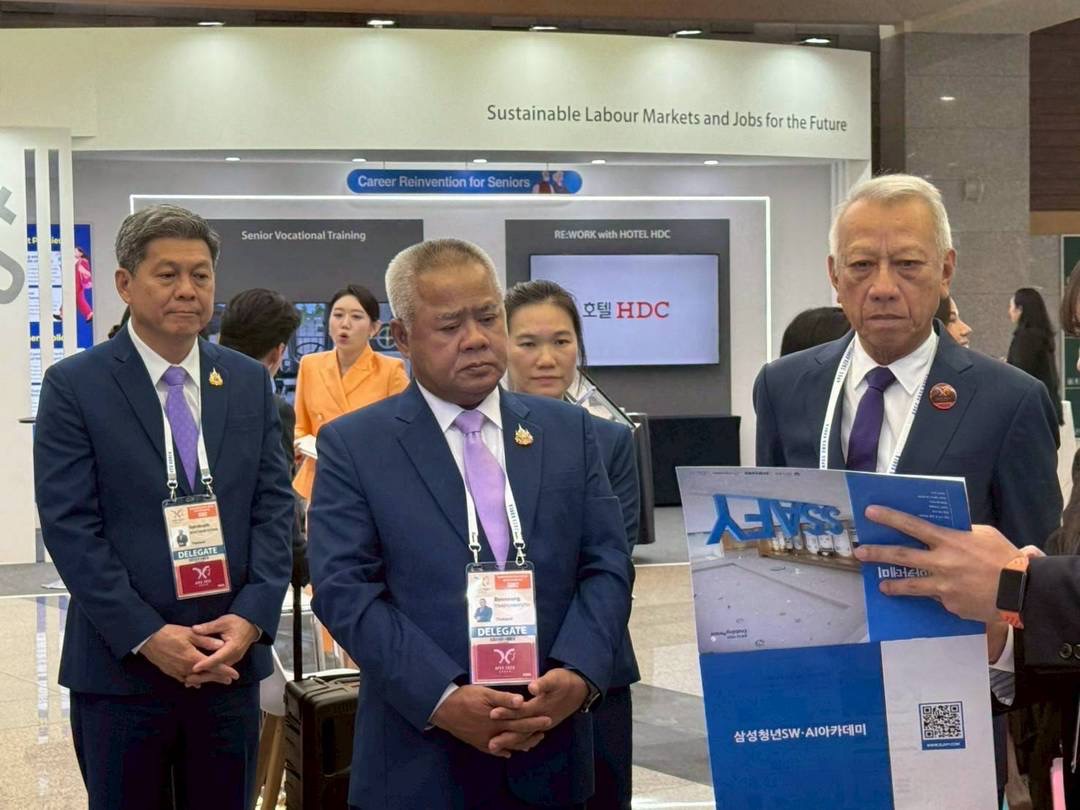
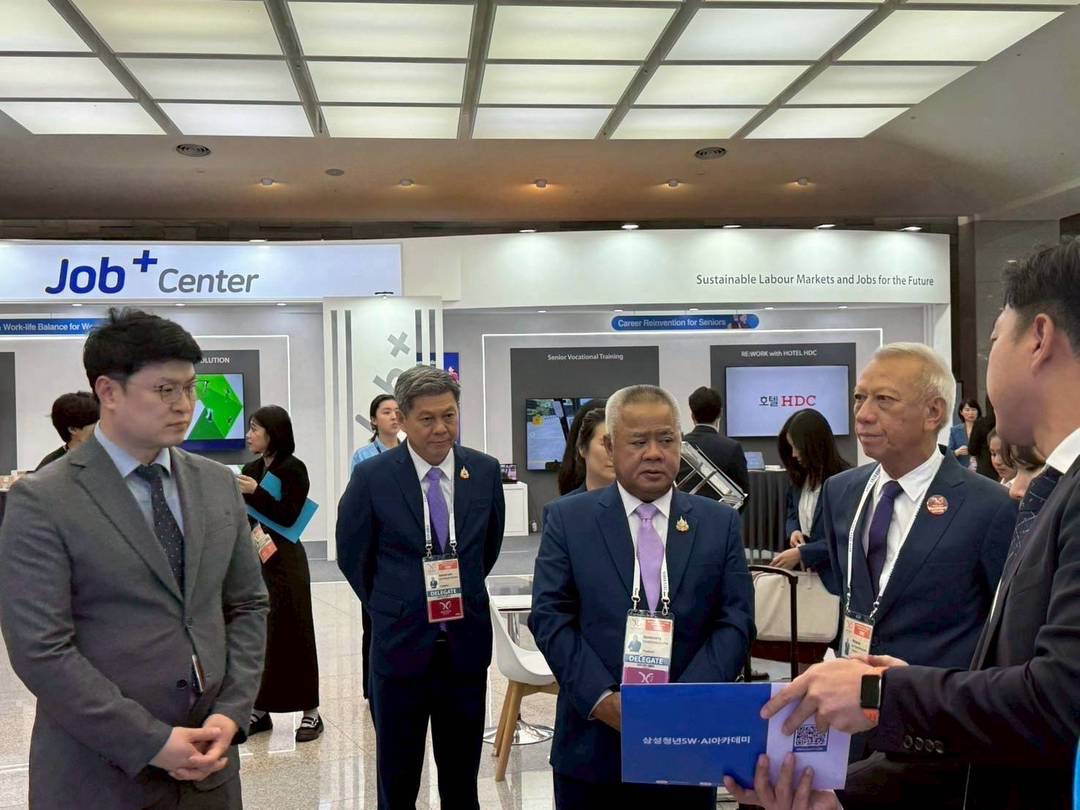
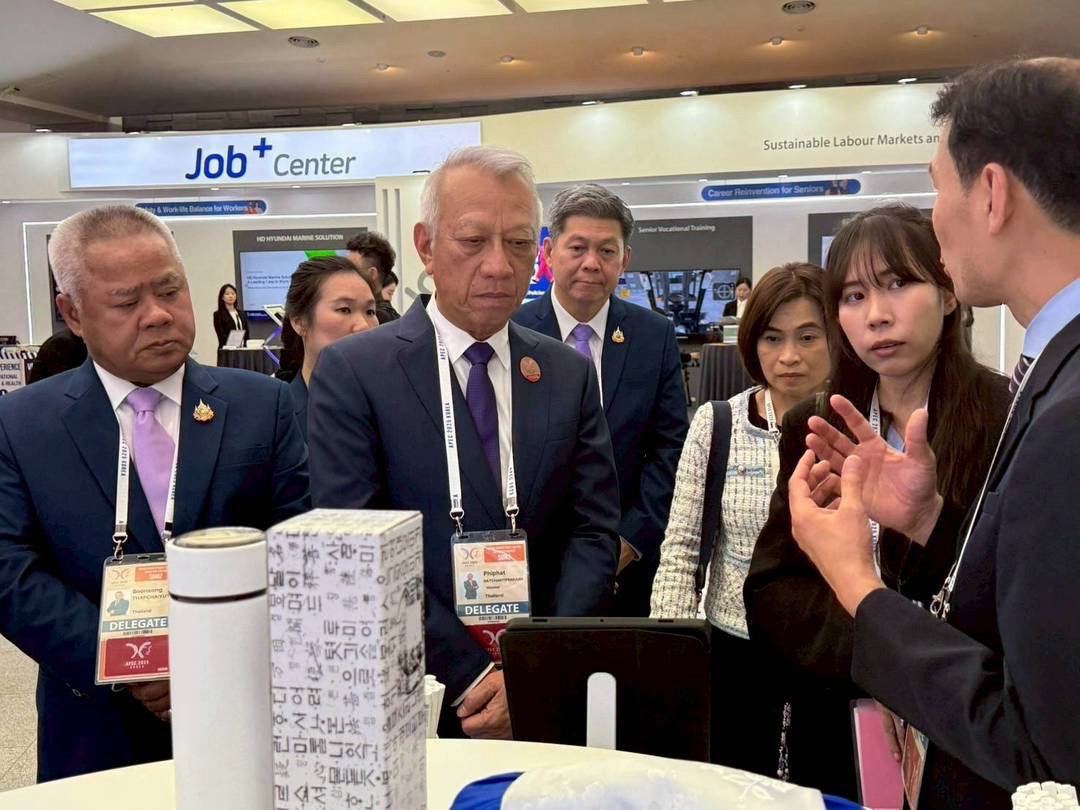
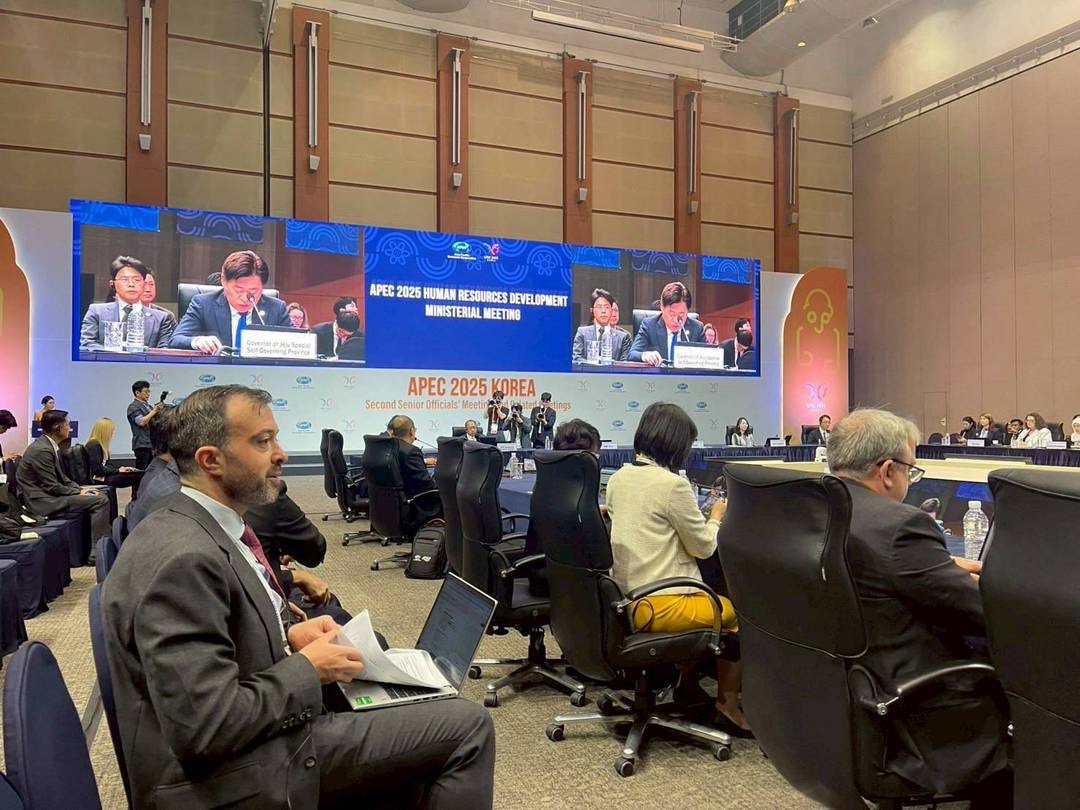
May 12, 2025 – Mr. Phiphat Ratchakitprakarn, Minister of Labour, represented Thailand at the APEC Human Resources Development Ministerial Meeting (APEC HRDMM 2025) in Jeju, South Korea. He was joined by Mr. Boonsong Thapchaiyut, Permanent Secretary of Labour, Mr. Sakdinart Sonthisakyotin, Assistant to the Permanent Secretary of Labour, Mrs. Sirirat Srichart, Labour Minister-Counsellor at the Royal Thai Embassy in Seoul, and the delegation. The Labour Minister presented proactive approaches to preparing the workforce for the future, under the themes “Flexible and Dynamic Labor Markets” and “Active Labor Market Policies (ALMPs) for the Future of Work”.
The Labour Minister emphasized that “Thailand is committed to building an inclusive, fair, and future-ready labour system, particularly in response to trends such as AI technology, demographic shifts, and the green economy.” He proposed five core labor policies to the APEC community:
- Reskill, Upskill, and New Skill: Developing digital, environmental, and emerging tech skills for all workforce groups to stay competitive in the global market.
- Support for Freelancers and Platform Workers: Enhancing job placement services and extending workers’ protection to cover new work models.
- Promotion of Elderly Employment: Encouraging flexible jobs for seniors and facilitating knowledge transfer to younger generations.
- Expansion of Social Security Coverage: Ensuring that all types of workers, including formal, informal, and platform workers, are protected.
- Promotion of the BCG Economy: Creating green jobs, supporting community-based economies, and fostering sustainability across all regions.
Mr. Phiphat highlighted key takeaways from fellow APEC members that Thailand could study further on to benefit Thai workers, such as:
- Singapore: Uses data analytics for labour planning, has developed “Skill Credit” and “Job Transition Maps”, and co-invests with employers in reskilling workers for the green transition.
- Russia: Enhances job-matching services for seniors and persons with disabilities, subsidizes companies hiring vulnerable workers.
- Philippines: Promotes flexible, credit-based learning and supports the integration of elderly and disabled individuals into the workforce.
- Peru: Emphasizes lifelong learning and the green economy while promoting gender and disability inclusion.
- Papua New Guinea: Collaborates with developed countries to improve informal sector skills, women’s workforce participation, and safe digital work environments.
- Malaysia: Focuses on improving workers’ quality of life, raising minimum wages, and advancing AI knowledge to mitigate workforce disruptions.
- South Korea: Established “One-Stop Centers” to train middle-aged workers, including mental health support.
- Canada, Chile, Hong Kong, New Zealand, and the U.S.: Enact laws promoting equality, work-life balance, and protections for vulnerable groups in aging societies.
Mr. Boonsong Thapchaiyut, Permanent Secretary of Labour, said that Thailand’s participation in APEC HRDMM 2025 showcases the country’s leadership in labour development and builds confidence among Thai workers that they are “globally competitive and aligned with the standards demanded by today’s labour market to create a sustainable future.” He emphasized that workers are the heart of national development and that Thailand is ready to work with all APEC members to promote fair and sustainable labour opportunities for the future.