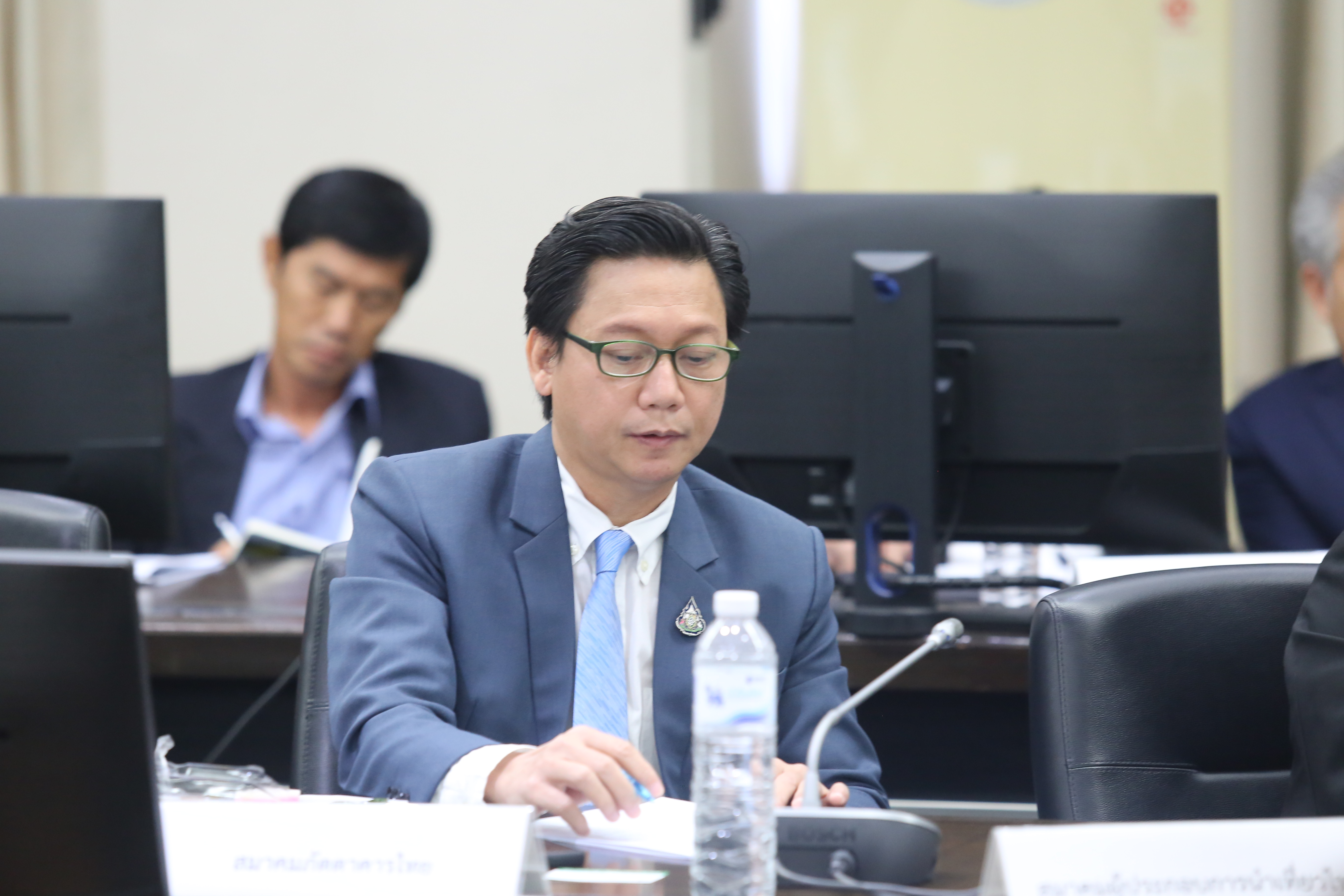

The Deputy Labour Minister discusses raising the standard of Thai labour skills to support 12 industries of the country, with the industrial sector.
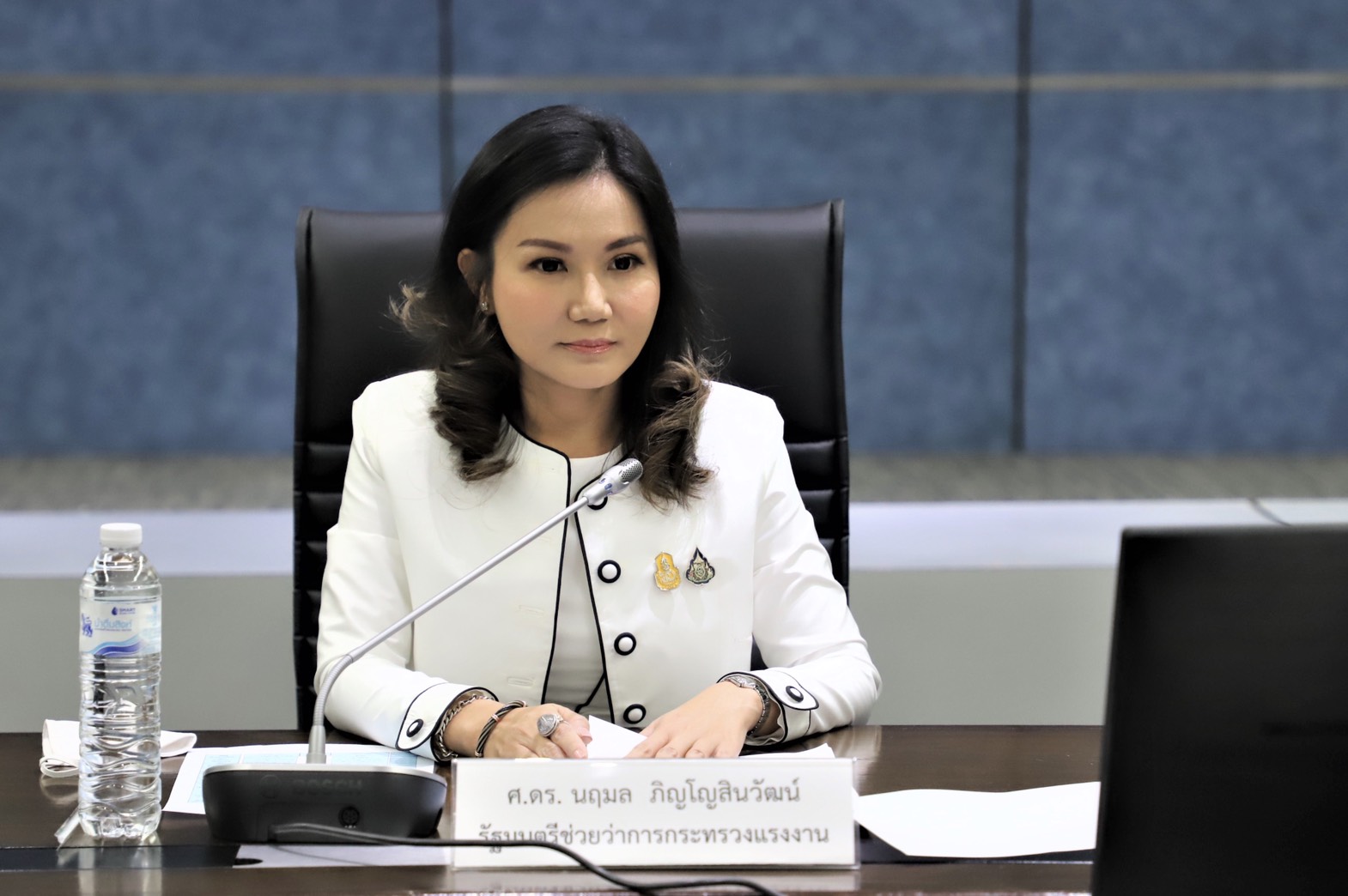
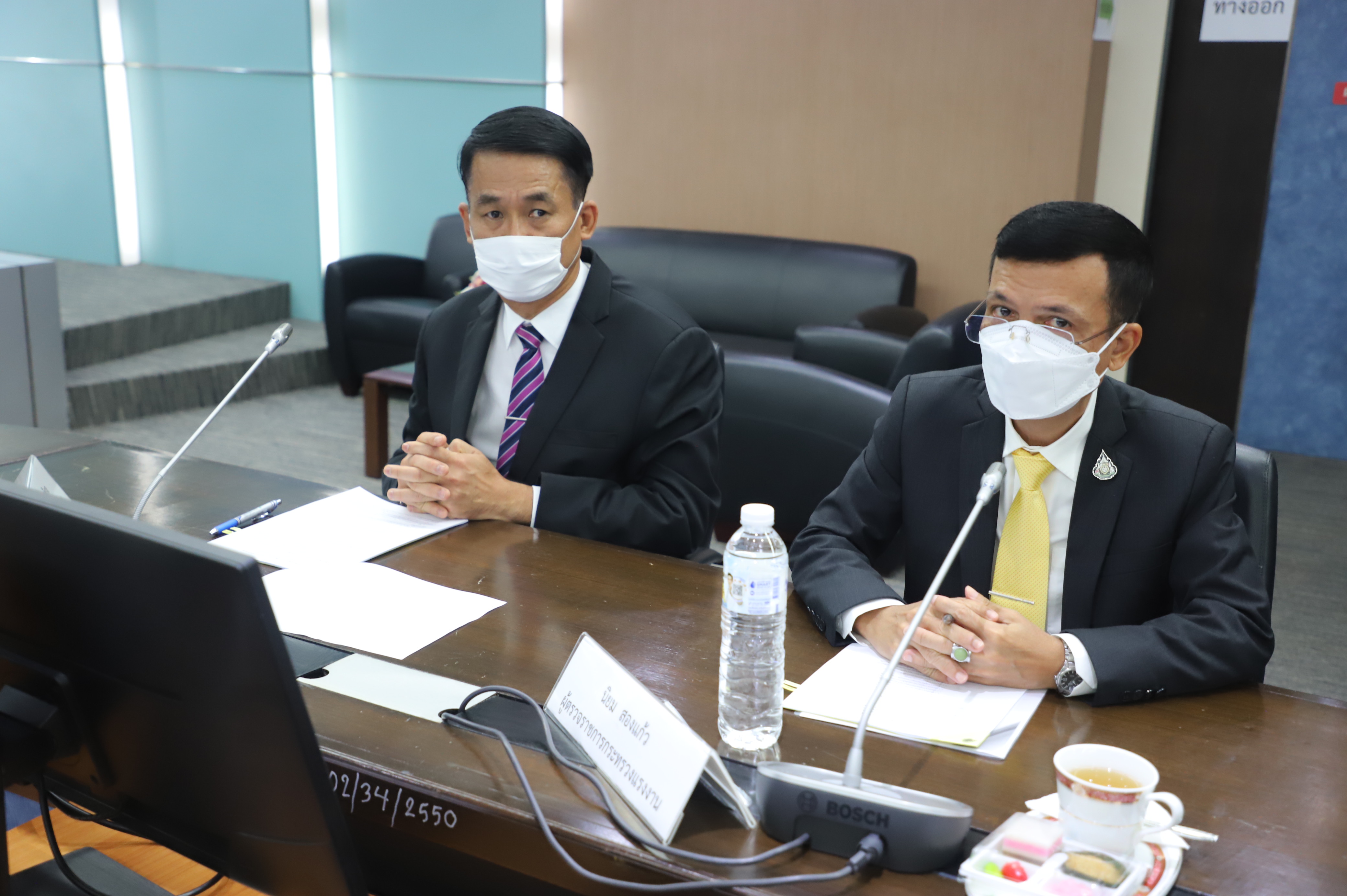
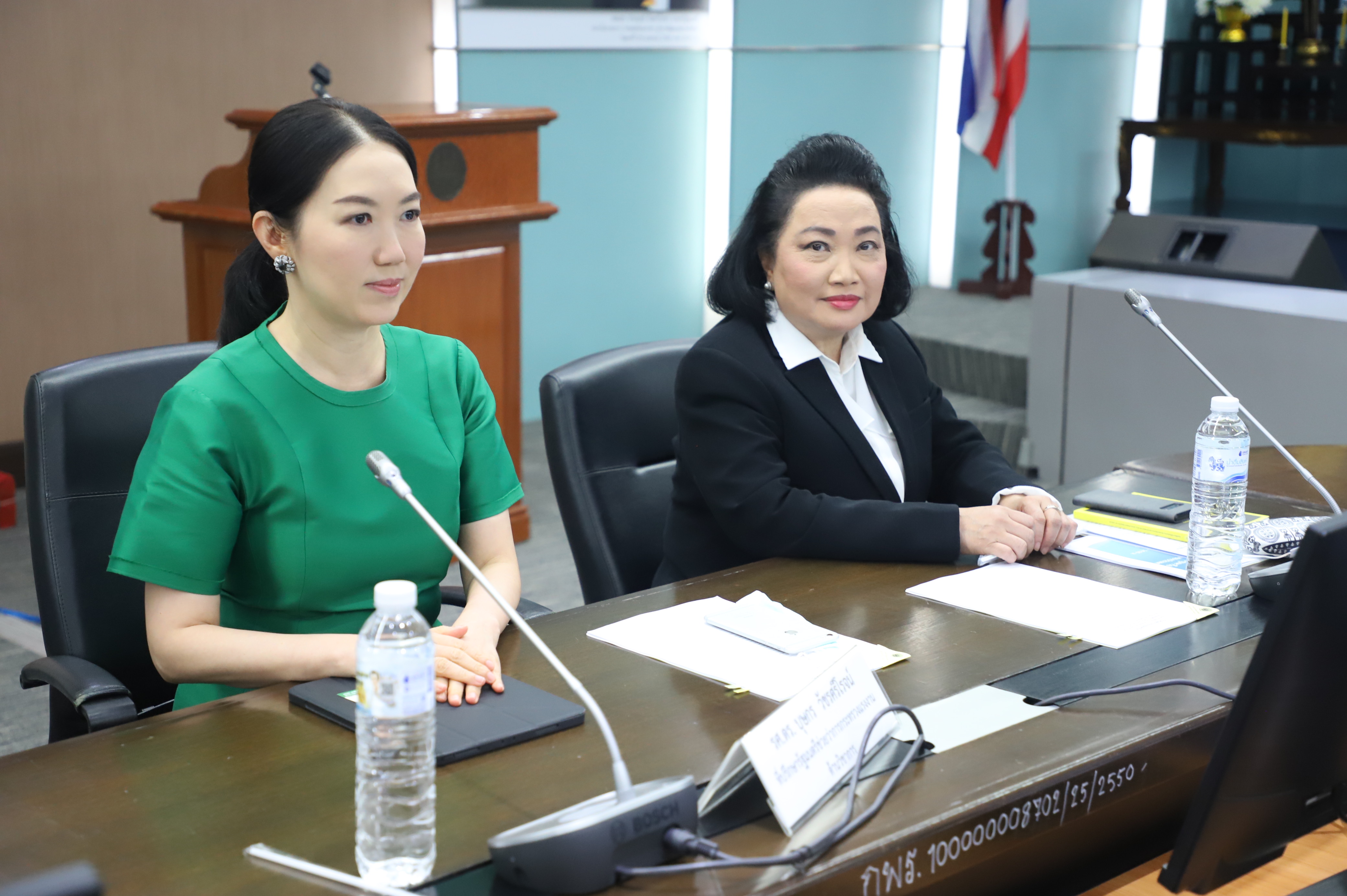
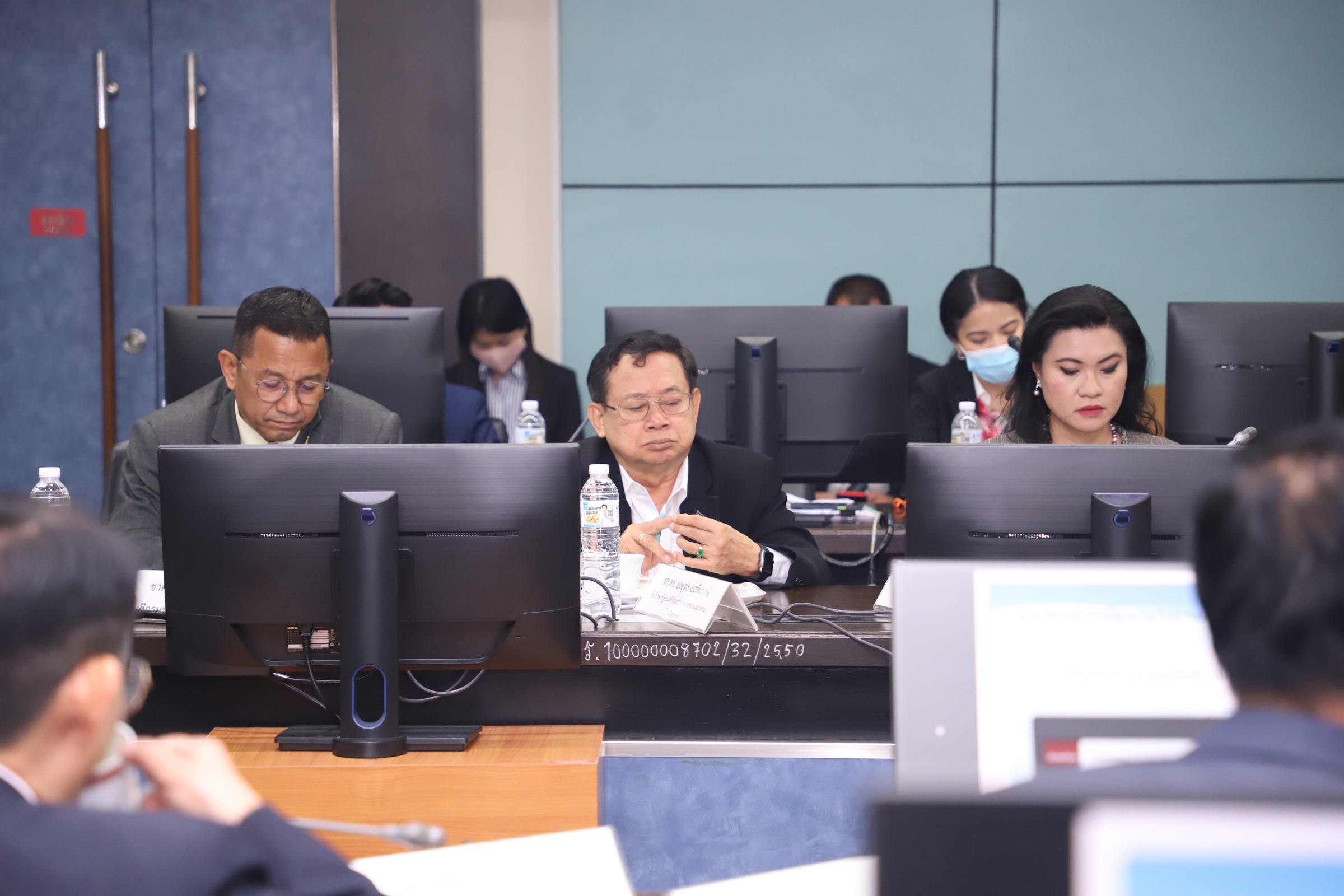
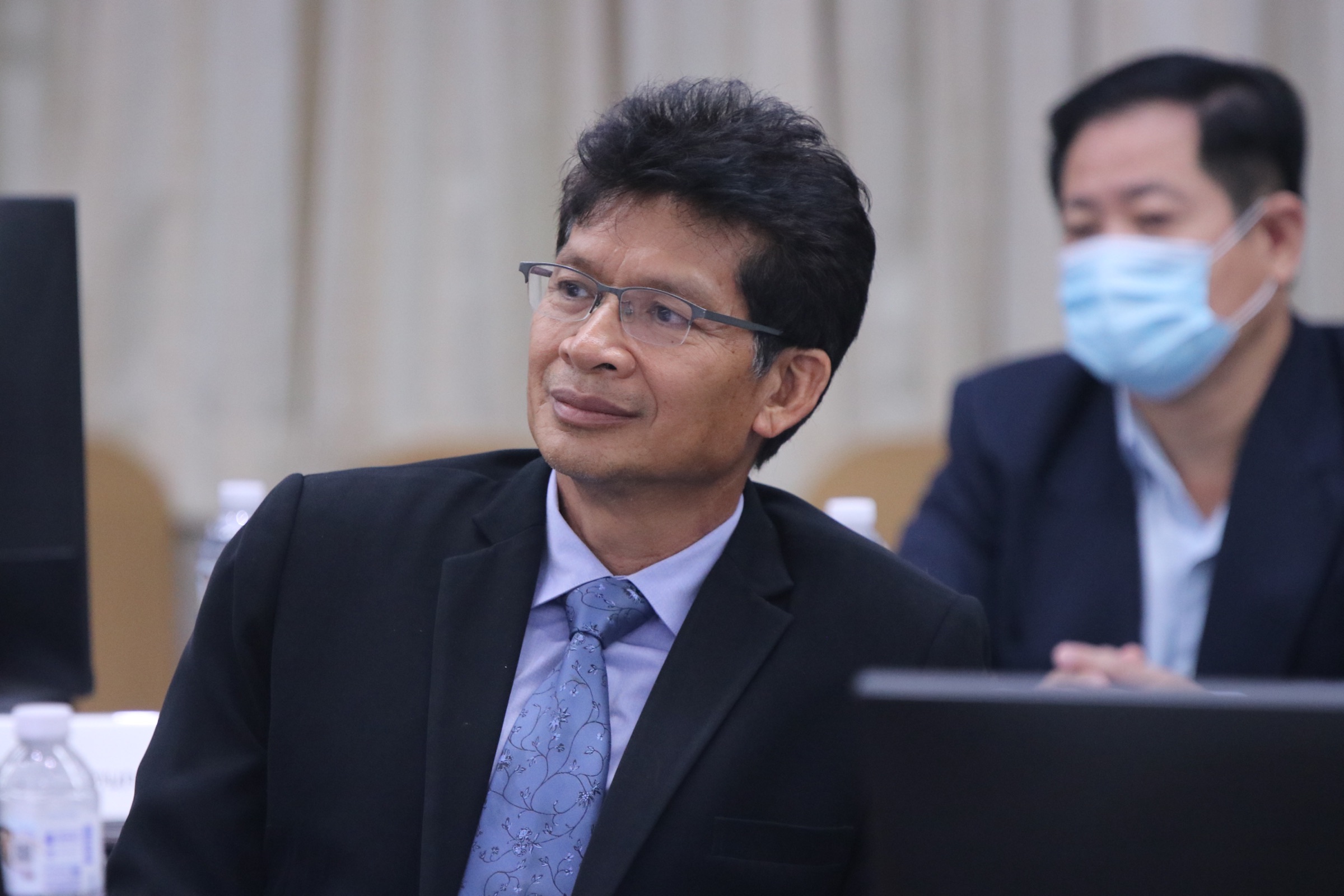
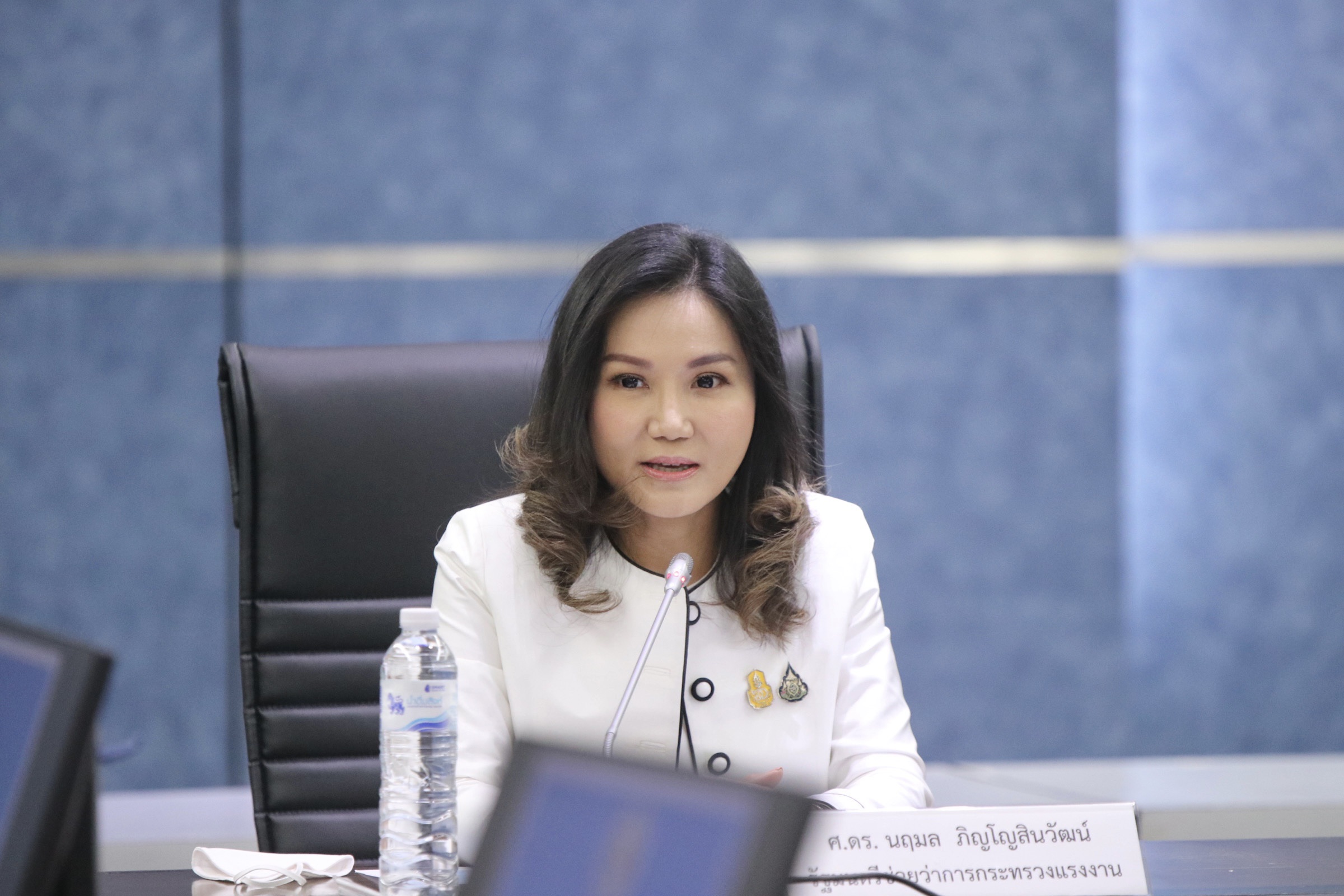
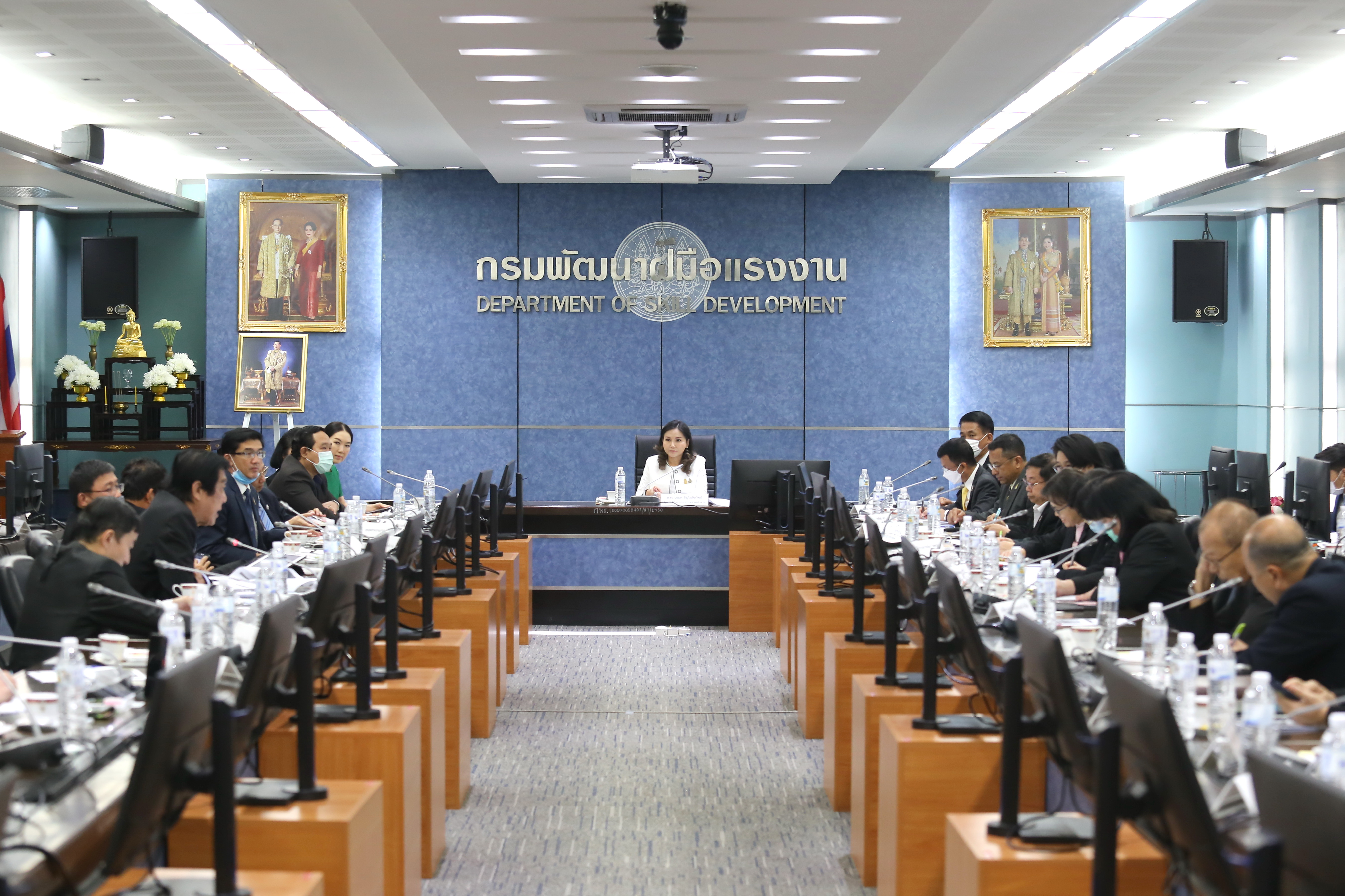
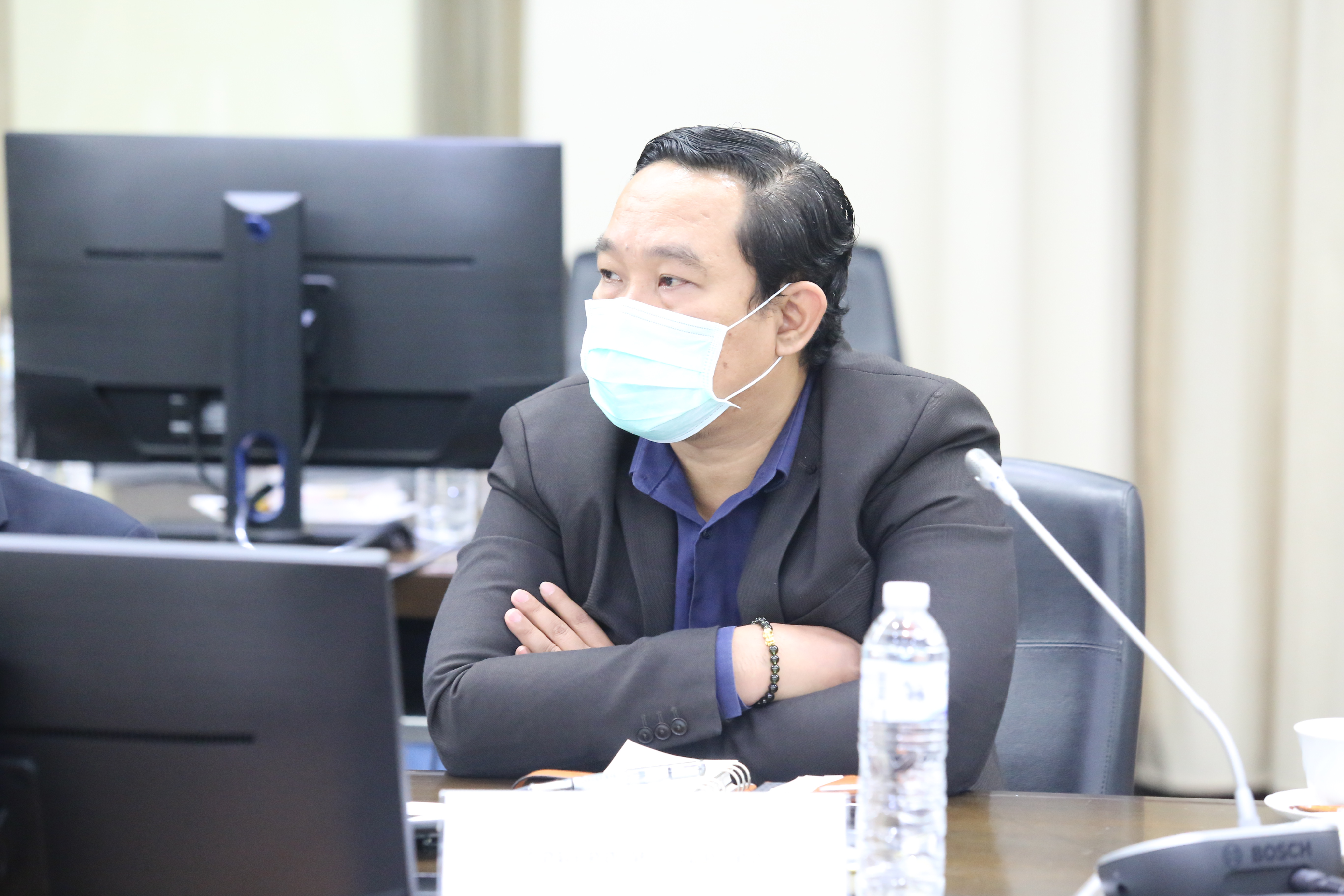
On September 17, 2020, Deputy Labour Minister Prof. Narumon Pinyosinwat chaired the meeting to discuss the development of the national industrial workforce and companies from 10 industrial groups and 37 departments. The meeting discussed skills development and needs, including cooperation between the government and business organizations in skill development. The meeting outcomes will be used in planning the development of the country’s workforce for the future. Advisor to the Deputy Labour Minister ML Puntrik Samiti, the Department of Skill Development’s Director-General Mr. Tawat Benchatikul, and the Ministry of Labour’s executives attended the meeting at the Pakorn Angsusingh meeting room, 10th floor, Department of Skill Development.
The Deputy Labour Minister said that the Ministry of Labour’s Department of Skill Development has support measures and benefits from the government sector, under the skill development policy to upgrade the Ministry of Labour from a “Ministry of Social Affairs” to a “Ministry of Economy.” The efforts follow the mission assigned by Prime Minister General Prayuth Chan-ocha, using three principles which are to “create, elevate and give” to create a quality workforce that has the knowledge and skills to meet the needs of the labour market and companies in the S-Curve industry to support all 12 S-Curve industries. This includes industries that use high technology in the EEC Eastern Special Development Zone and Special Development Zone. In 2020, the Ministry of Labour has worked on raising the workforces’ skill level to meet the needs of the labour market, as well as passing the labour skill standards to receive a higher wage rate for general workers and students in vocational education, which will lead to the certification of knowledge and competence in professions that can be dangerous to the public. It has also worked on giving vulnerable workers access to skill development and training, enhancing career opportunities to survive amid a crisis, having a career, sustainable income, strength, and quality, which will affect the long-term quality of life of workers their families.
The Deputy Labour Minister added that with the Covid-19 pandemic, economic crisis, and rapid technological changes, the DSD has set up a training platform to recommend individual skills development courses and migrated all public and private online training courses Thailand into one place. For 2021, the goal is to develop the skills of 4.13 million people, whereby 130,000 people will be operated by the DSD and over 4 million people through promotions for organizations. In addition, the DSD also has measures to assist organizations through the Skill Development Fund established under the Labour Skill Development Promotion Act B.E. 2545 to serve as working capital for spending on the promotion of skill development, including stimulating and incentivizing organizations on their employees’ development.
From this meeting, representatives from the industry asked the Department of Skill Development to assist in the development of skills such as with the Ministry of Education, to establish a curriculum for instruction to meet the needs of the labour market, especially in the 12 target industries in the EEC area, and to create a big data labour market database by allowing organizations to identify labour needs in different fields. This is so that the government can set up training courses that meet the needs of the industry. Furthermore, the representatives recommended integrating work with the Board of Investment (BOI) to facilitate the introduction of foreign experts to help analyze information and reduce work processes.
In addition, they also requested to develop new labour skills, including foundational skills and additional language skills such as Chinese and Japanese. After the Covid-19 pandemic, the world has changed, and businesses have changed accordingly. The results of today’s discussions will be brought to the National Labour Development and Vocational Training Coordination Committee for further action.