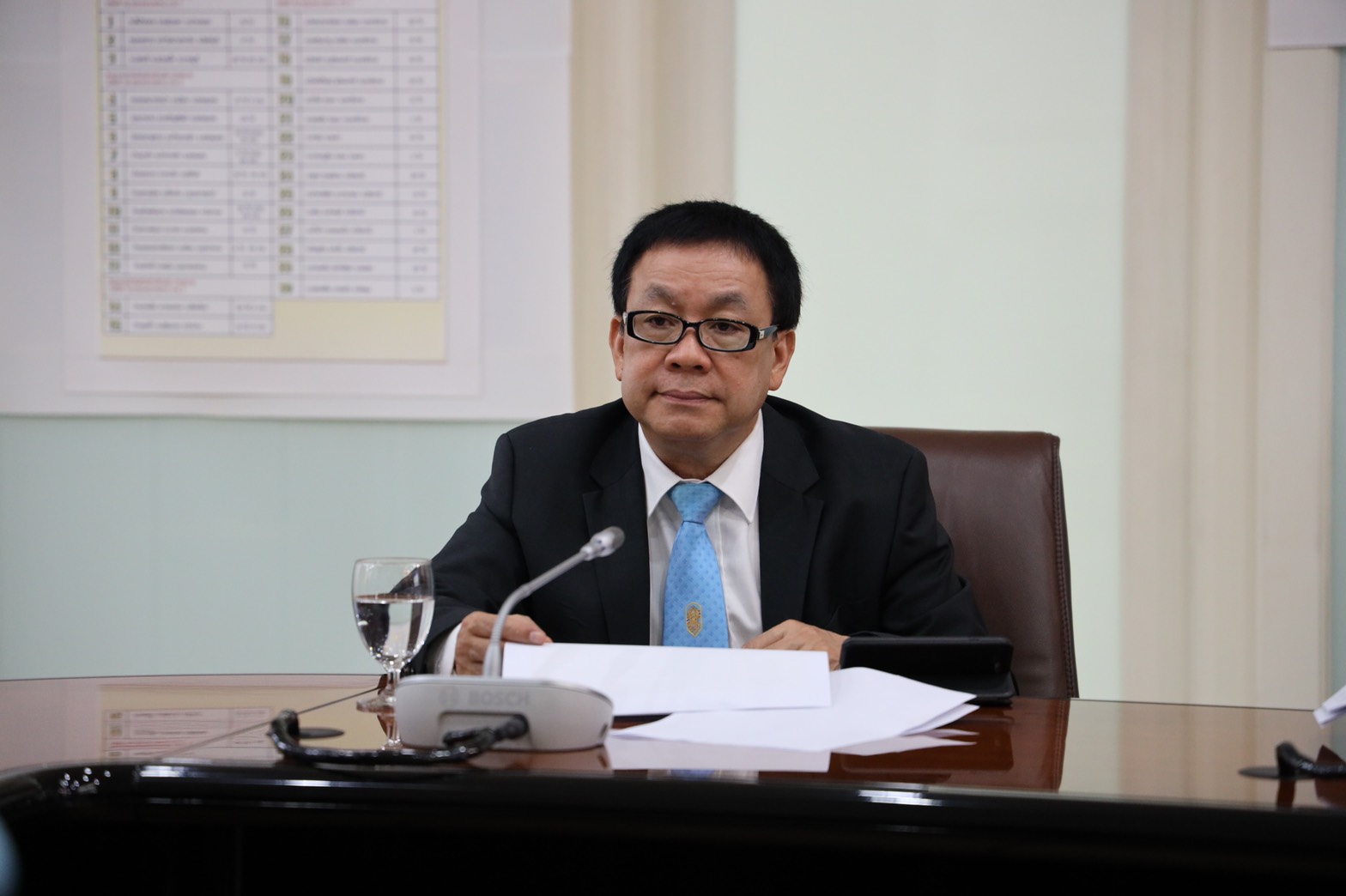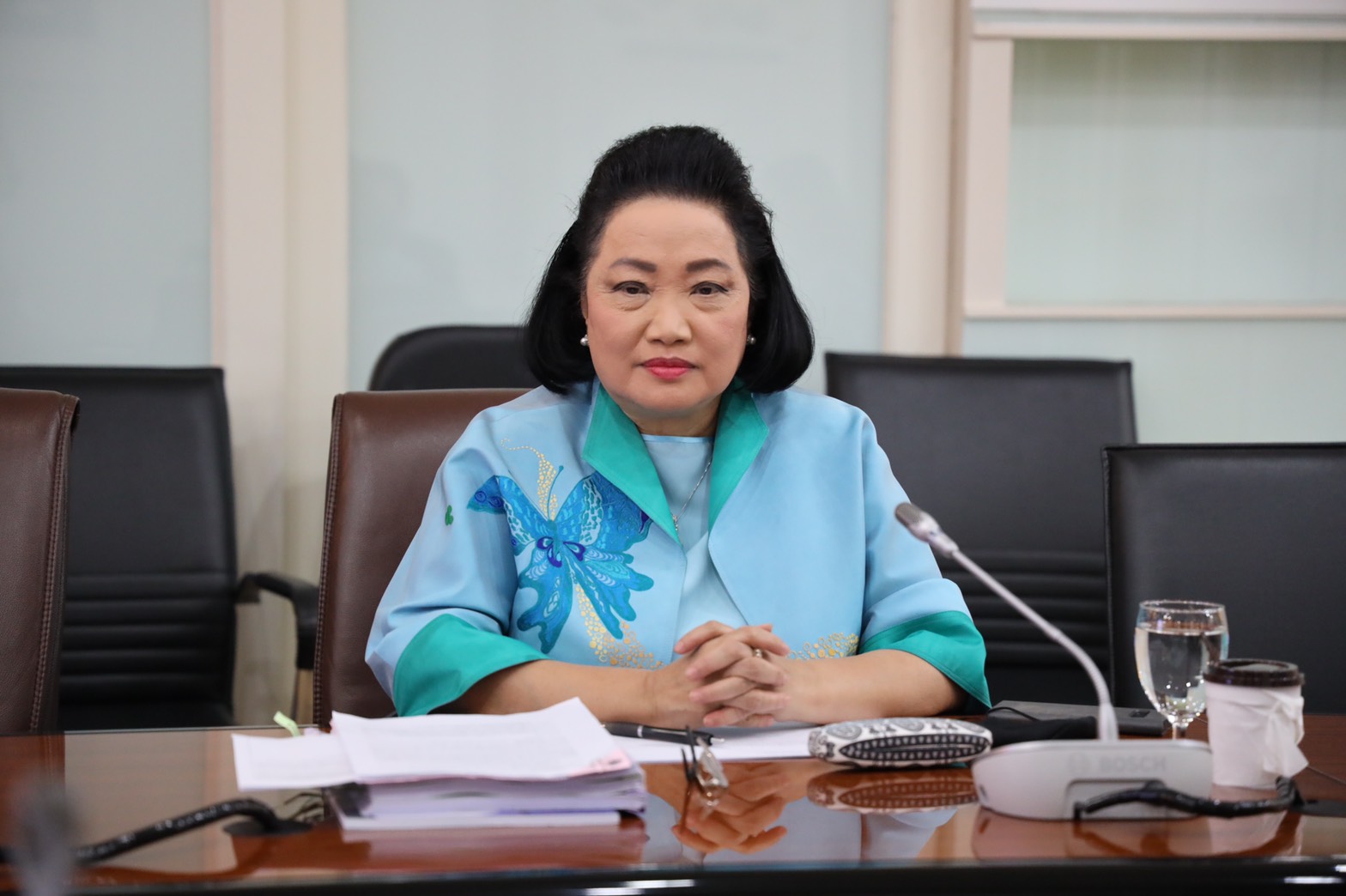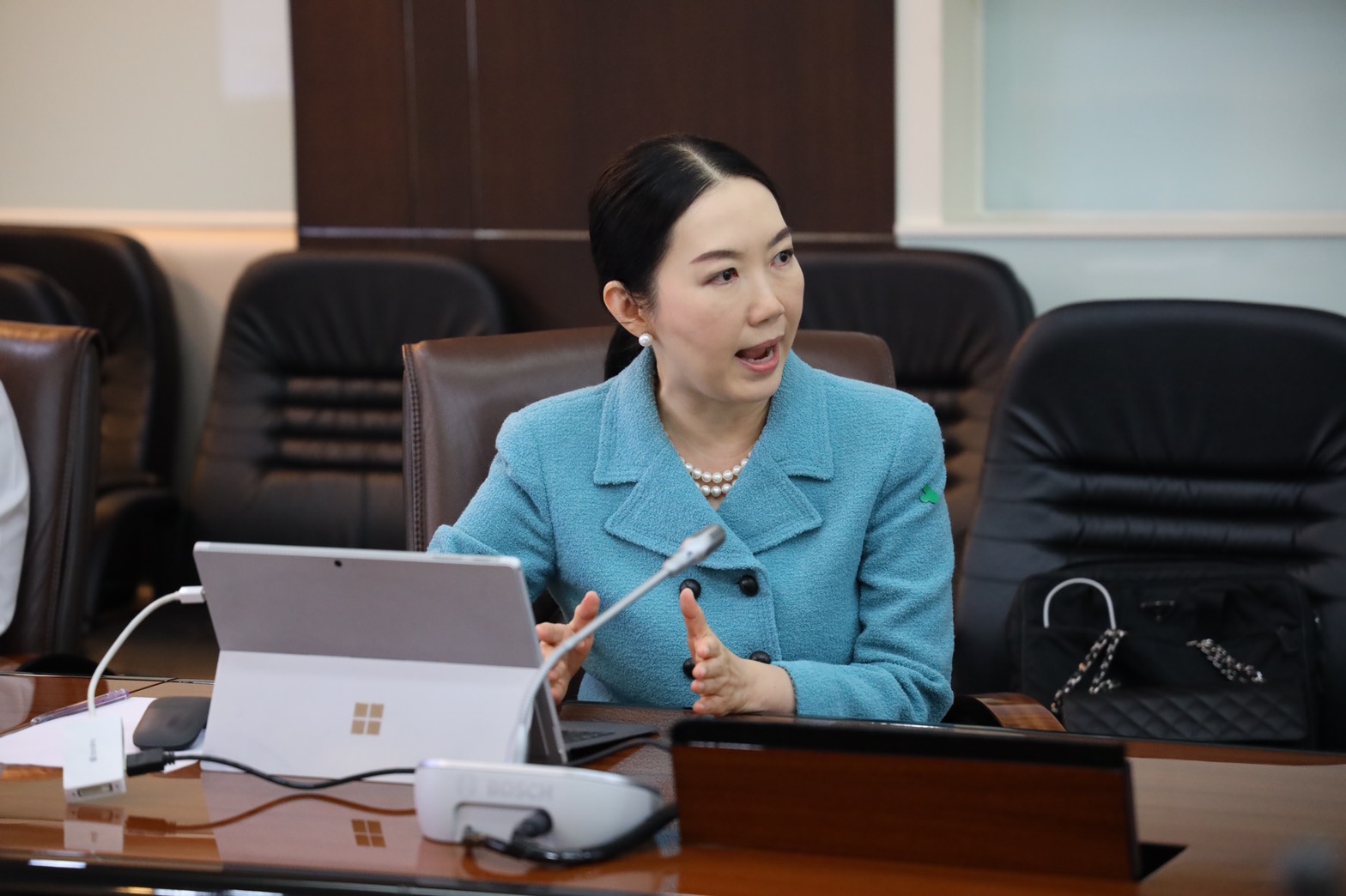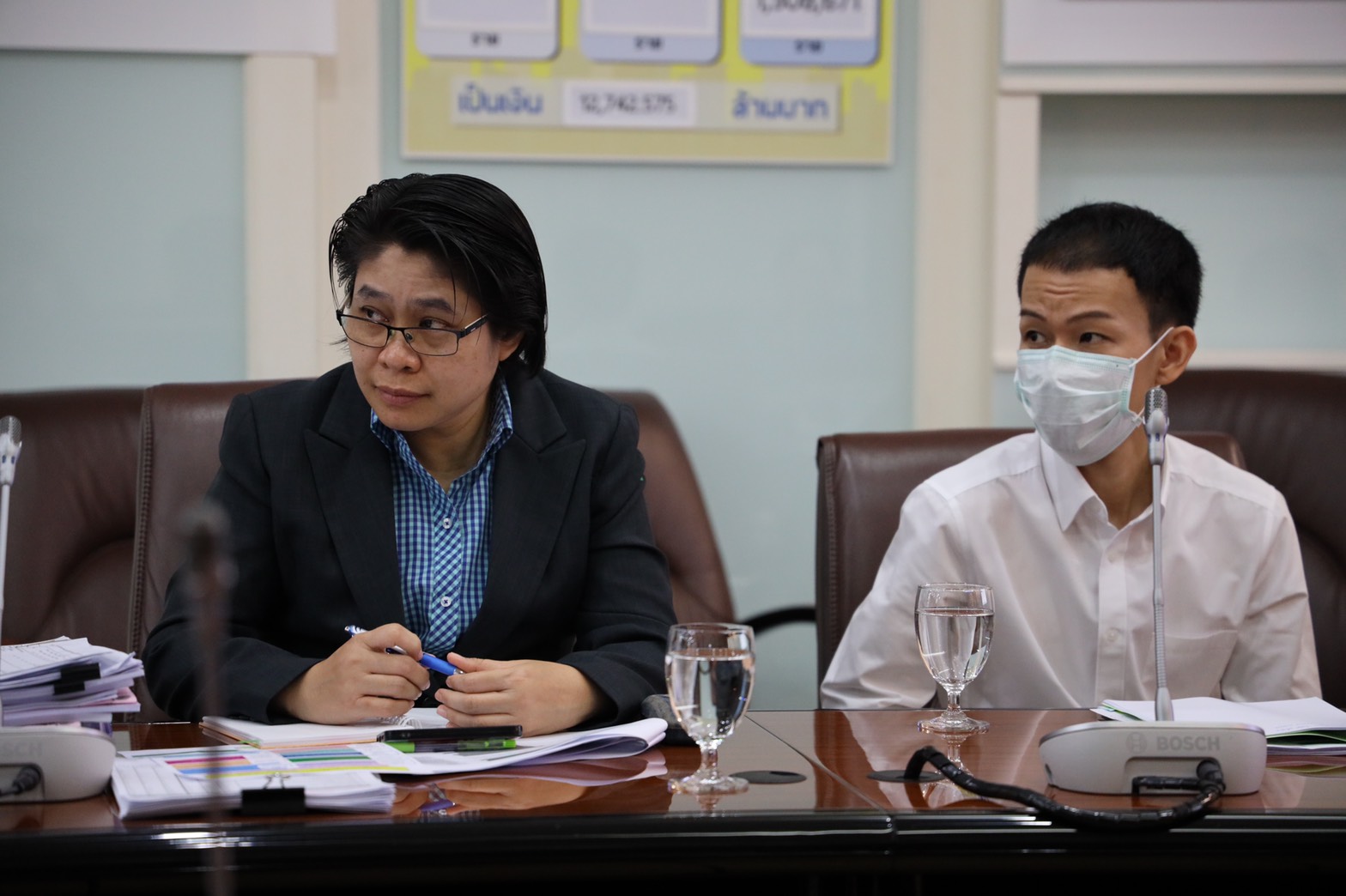

The Deputy Labour Minister met with the academic working group to discuss the promotion of skills development for all target groups to feed the domestic and foreign labour markets. The efforts will support the S-Curve and New S-curve industries through the Covid-19 crisis. The Deputy Labour Minister emphasized that all Thai workers must have a career, sustainable income, and a good quality of life.
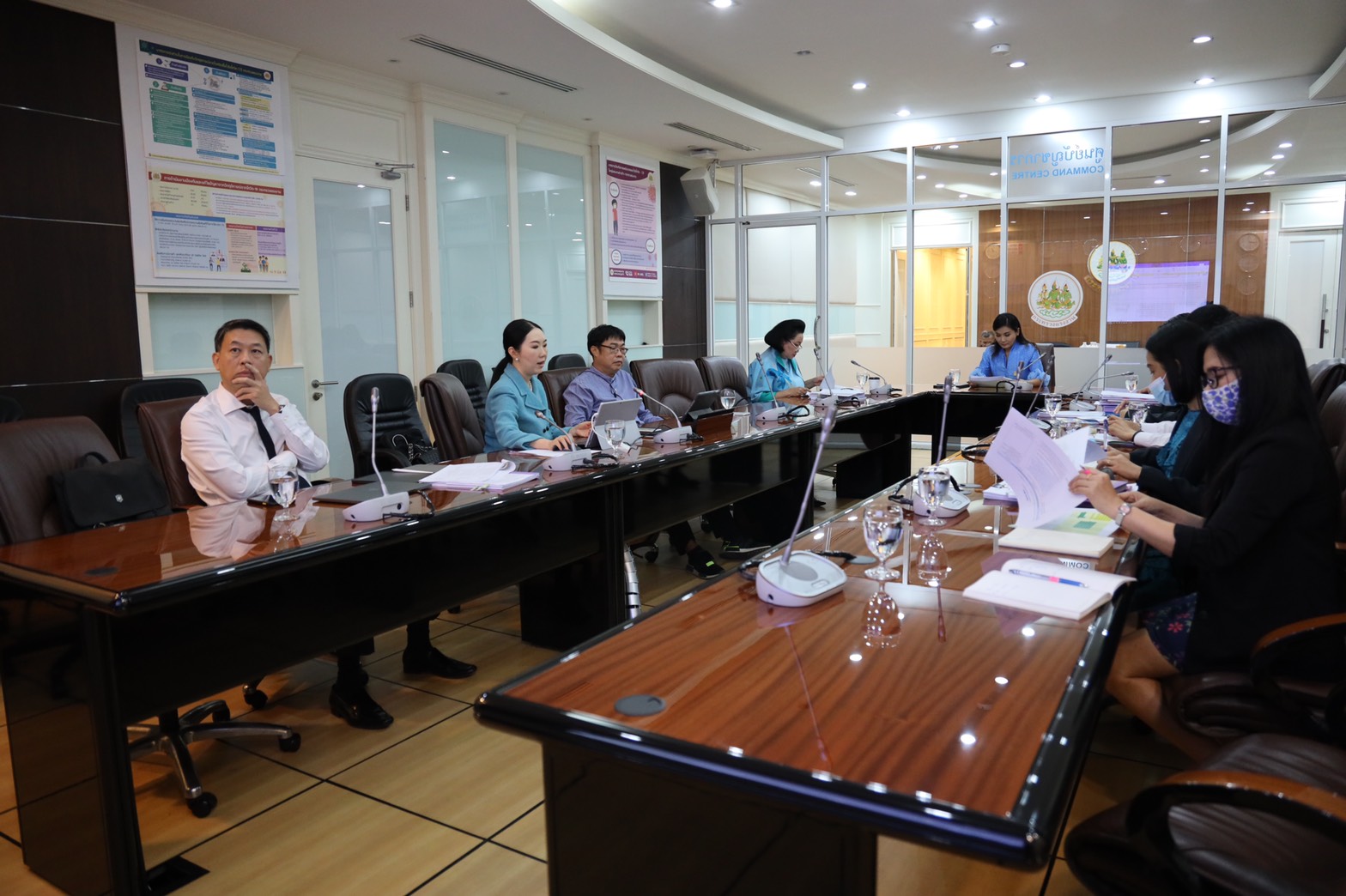
On August 26, 2020, at 11.00 hours, Deputy Labour Minister Prof. Narumon Pinyosinwat chaired a meeting with the academic working group at the Sangsingkeaw meeting room, 5th floor, Ministry of Labour. Assistant Secretariat to the Labour Minister Mr. Parkin Sommitthanakun and relevant teams from the Department of Skill Development (DSD) attended the meeting and gave information on the mission of the DSD. The meeting discussed an initiative to drive skills development for all target labor groups to feed the domestic and foreign labour markets, in support of the S-Curve and New S-curve industries. Initiatives consist of skill development for both formal and informal workers. Workers in the system will be given priority in terms of upskilling, which will support technology 4.0 for workers who lack skills. For workers at risk of being dismissed, the initiatives will accelerate re-skilling to ensure workers have skills that meet the needs and can enter the workforce in other industrial sectors.
Skill development for informal workers consists of the elderly, disabled, and pre-emptive military members. The initiatives give importance to the development of women’s skills. In addition, it emphasizes the development of skills for graduates to have the skills, knowledge, and ability to gain employment, which reduces the issue of unemployment rates. Each group is assigned to the Department of Skill Development to adjust the curriculum to meet the target groups and market needs, such as skills development for the elderly to have IT knowledge and be able to work as a cashier, or skills that can be grouped for a career such as arts and crafts and product processing to create product value. It also includes training courses in caring for the elderly, which the workforce has a very high demand for, both domestically and internationally. Moreover, the wage rate is quite high. The foundational skills that workers must have are digital and language capabilities.
From the Covid-19 outbreak, the Department of Skill Development (DSD) proposed a project to upskill the workforce and promote labour skill standards so that workers receive wages according to their skill standards. The initiatives also include skill training for informal workers. In addition to training, the Royal Decree also promotes skill development under the Labour Skill Development Promotion Act B.E. 2545 to promote and support companies operating under the Act. The companies will receive various benefits such as a subsidy or corporate income tax reduction; the missions must be driven and performed with intensity.
The academic working groups that attended this meeting consisted of former Permanent Secretary of Labour M.L. Puntrik Samiti, who gave advice on links to the Ministry of Labour’s overall mission. He was also the former Director-General of the Department of Skill Development and was able to provide in-depth advice on skill development. The second person was Associate Professor Dr. Busakorn Watcharasriroj, a lecturer from the Faculty of Human Resource Development at the Graduate Institute of Management Development. He has expertise in human resource development and was able to provide advice on skills development for the workforce, in line with the needs of the labour market. The third person was Associate Professor Dr. Somchai Namprasertchai, Director of Office of Computer Services and Lecturer at the Department of Computer Engineering from the Faculty of Engineering at Kasetsart University. He gave advice on the establishment of a labour database system. The fourth person was Khun Pirasiri Kwanchai from the private sector, who gave insights on strategizing skill development in line with private sector needs,
“Driving the development of labour skills must begin with elevating the skill level of workers to create a quality workforce and strengthen the economy. It will provide workers who lack opportunities with access to government services, especially the development of skilled labour skills that cover all target groups to meet labour needs. This will be one of the mechanisms to drive the country’s economy for the better in the future,” said the Labour Minister.