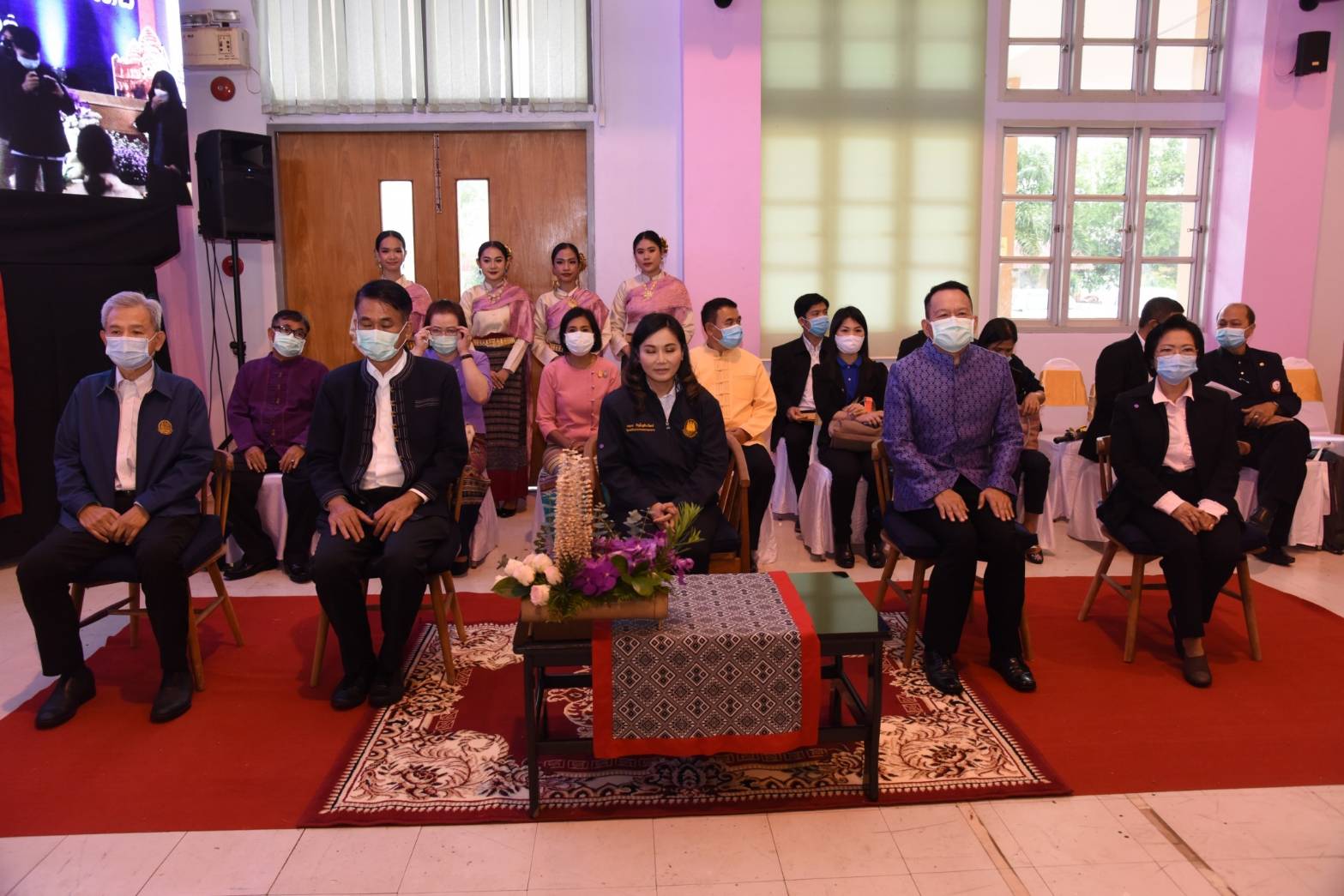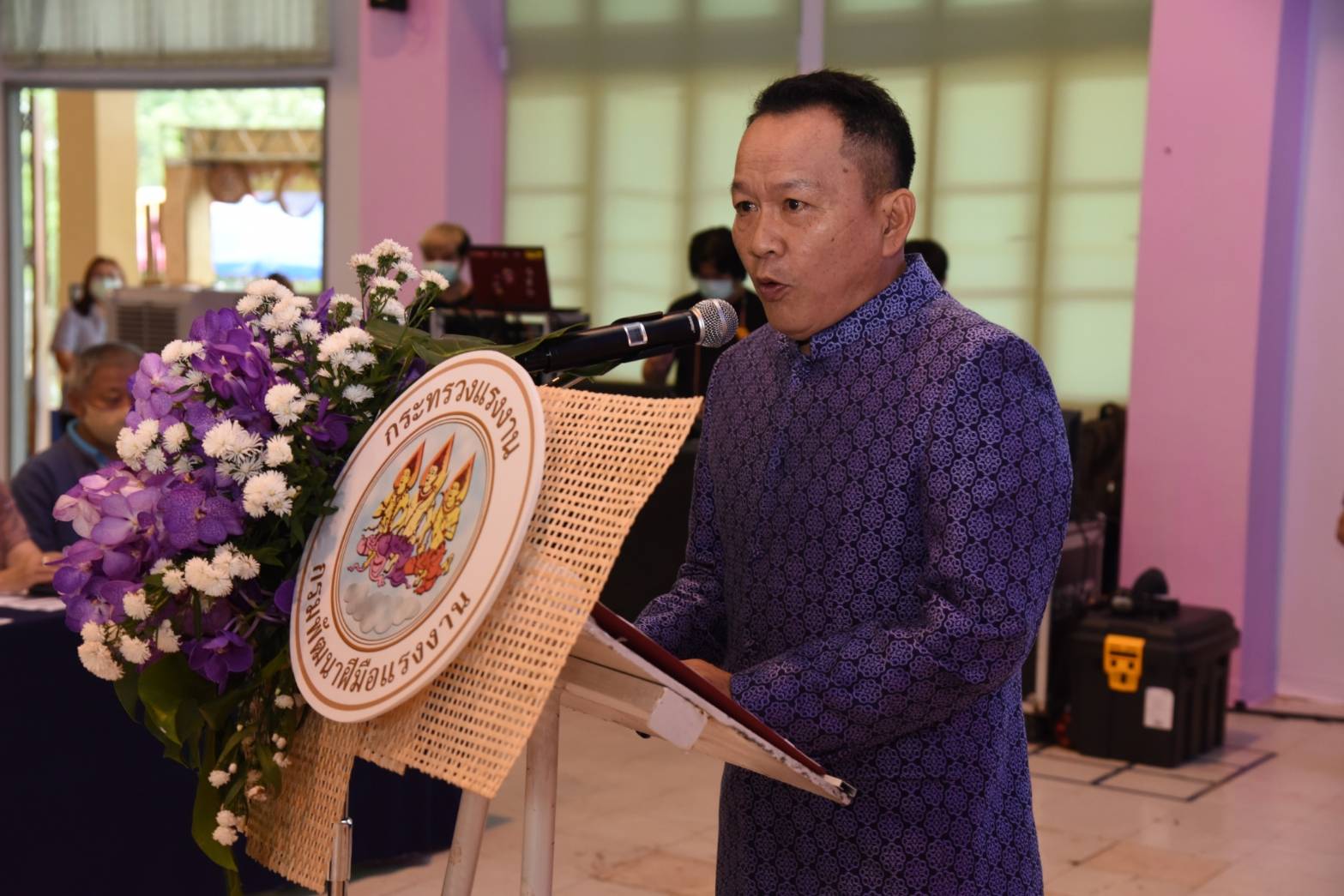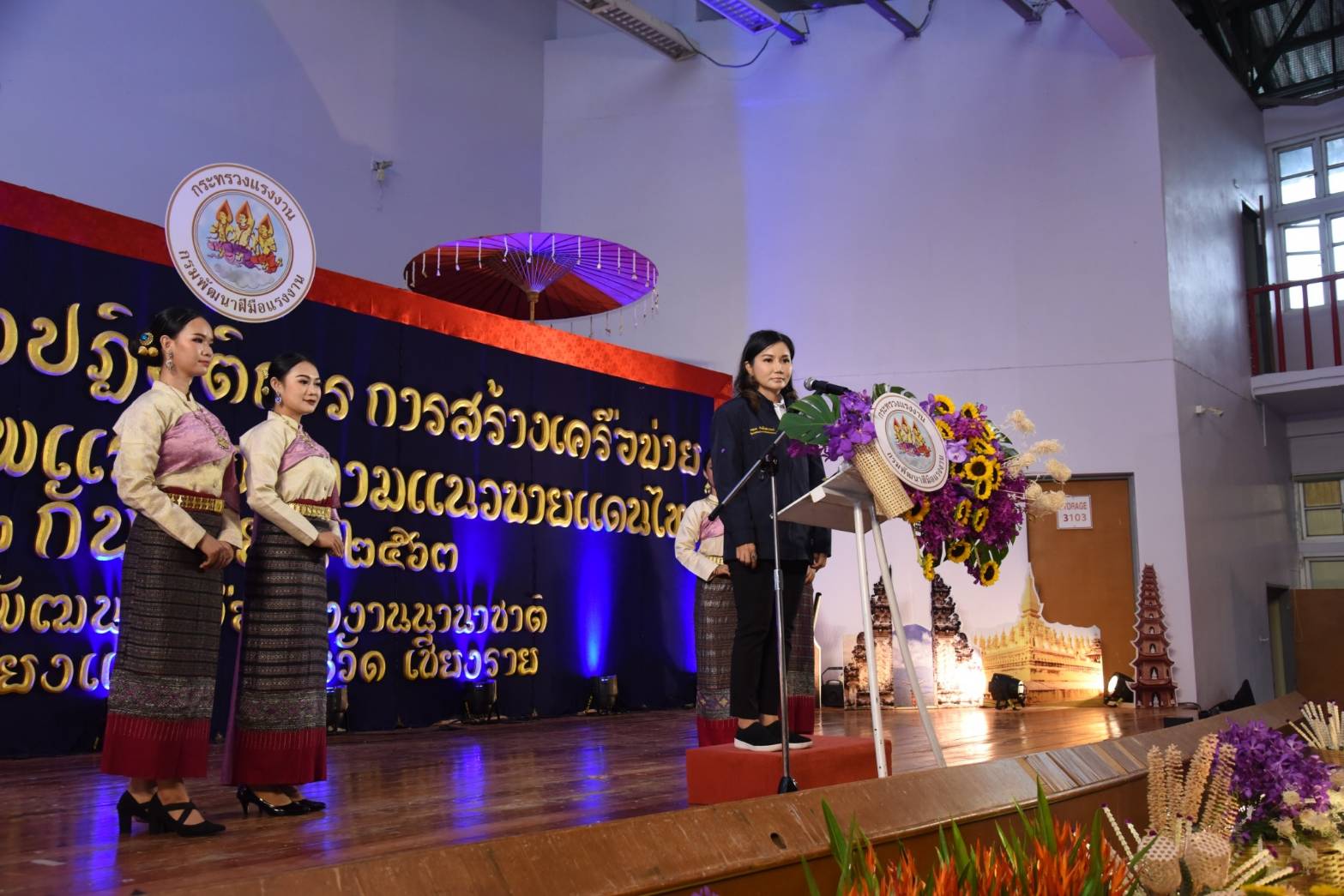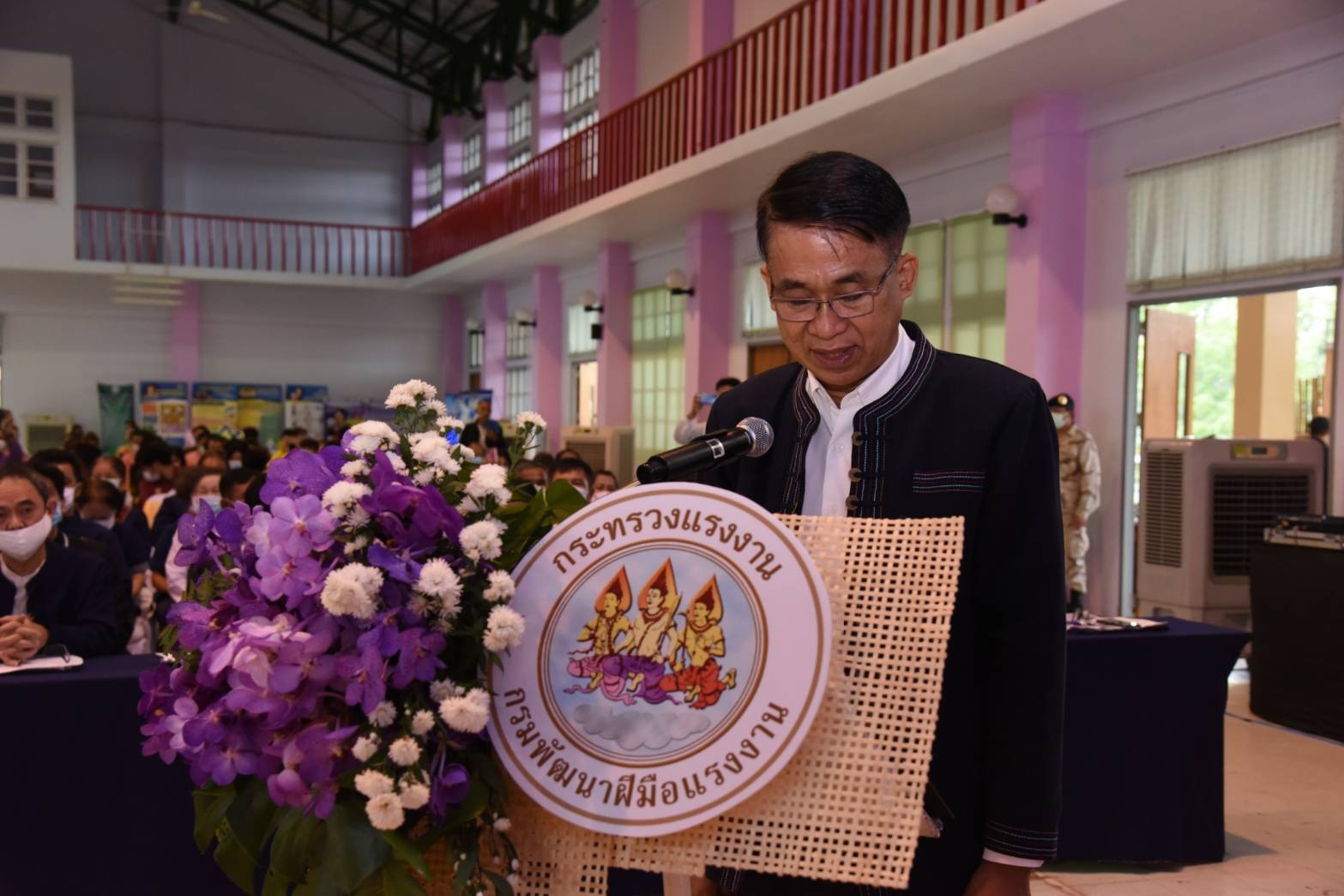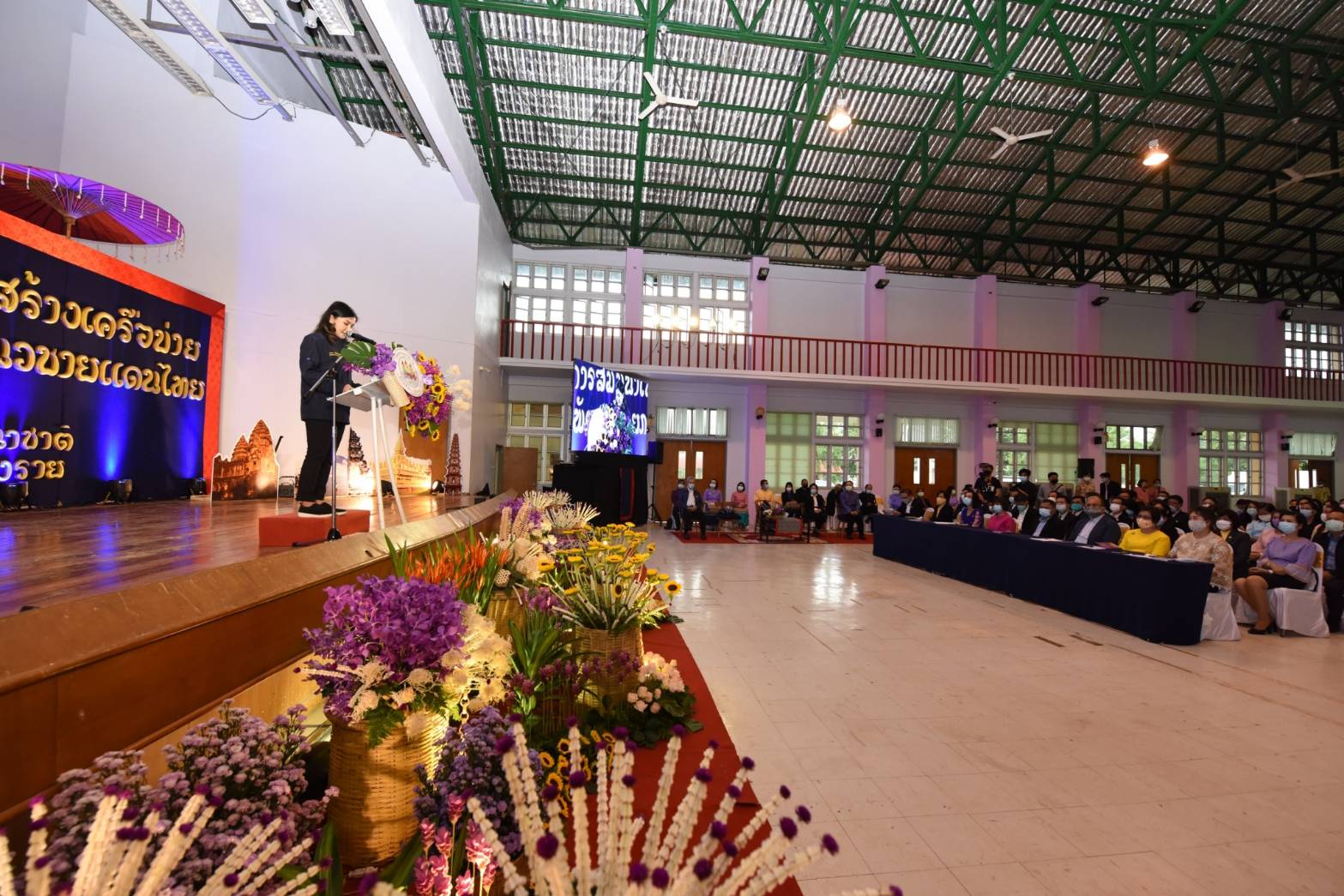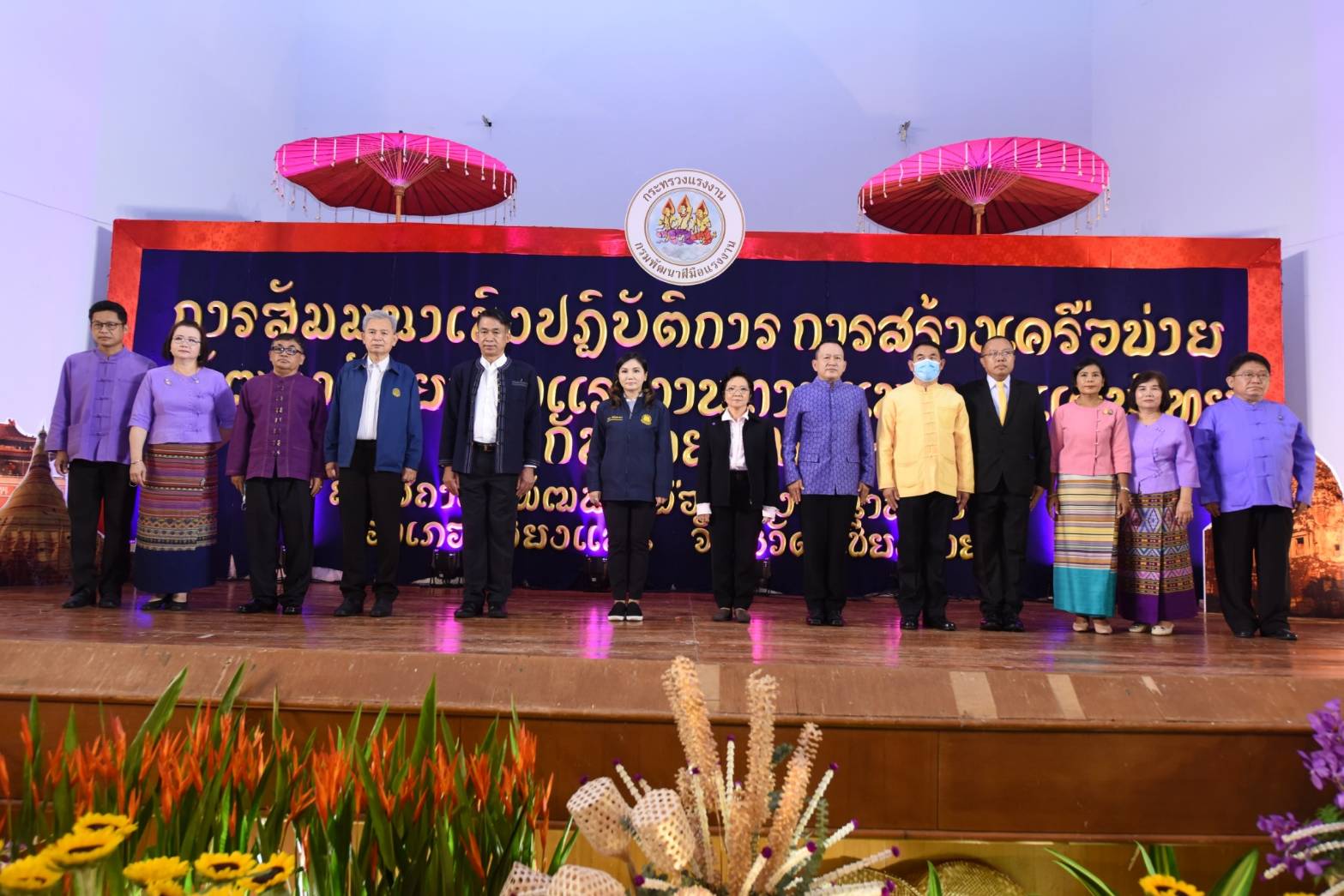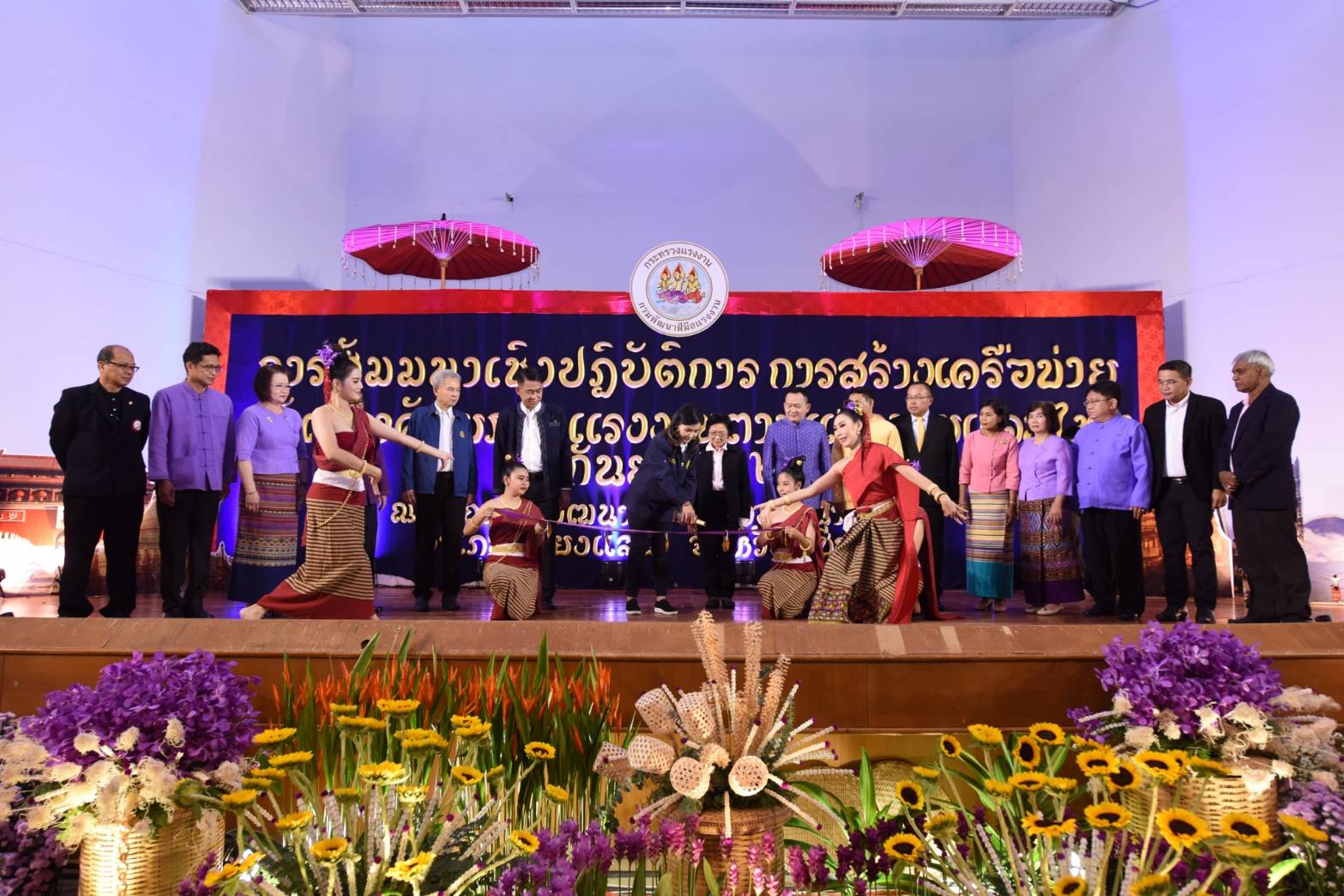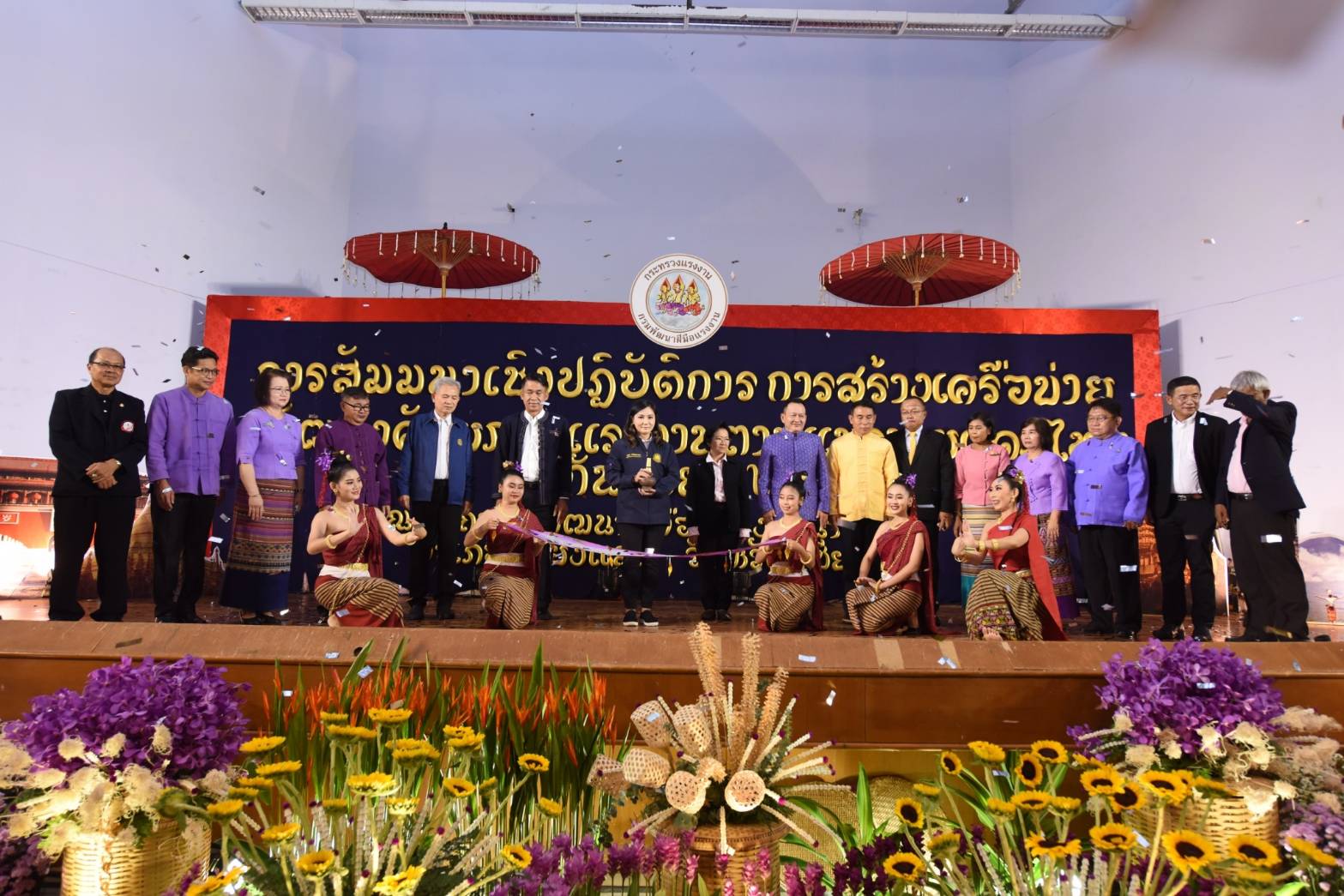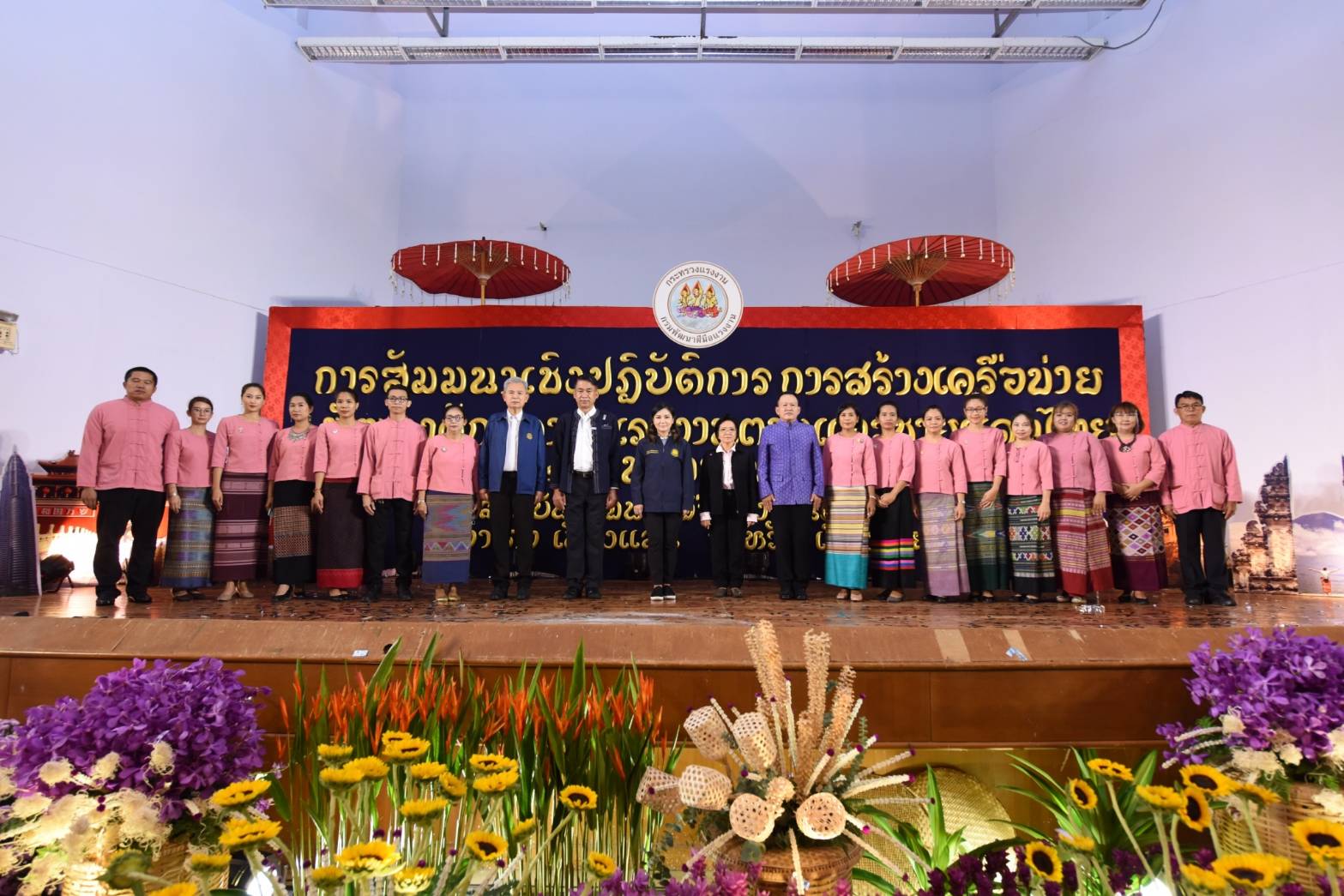

The Deputy Labour Minister visited Chiang Saen to develop the workforce potential along the Thai border, emphasizing that new skills must be developed to keep up with technological changes.
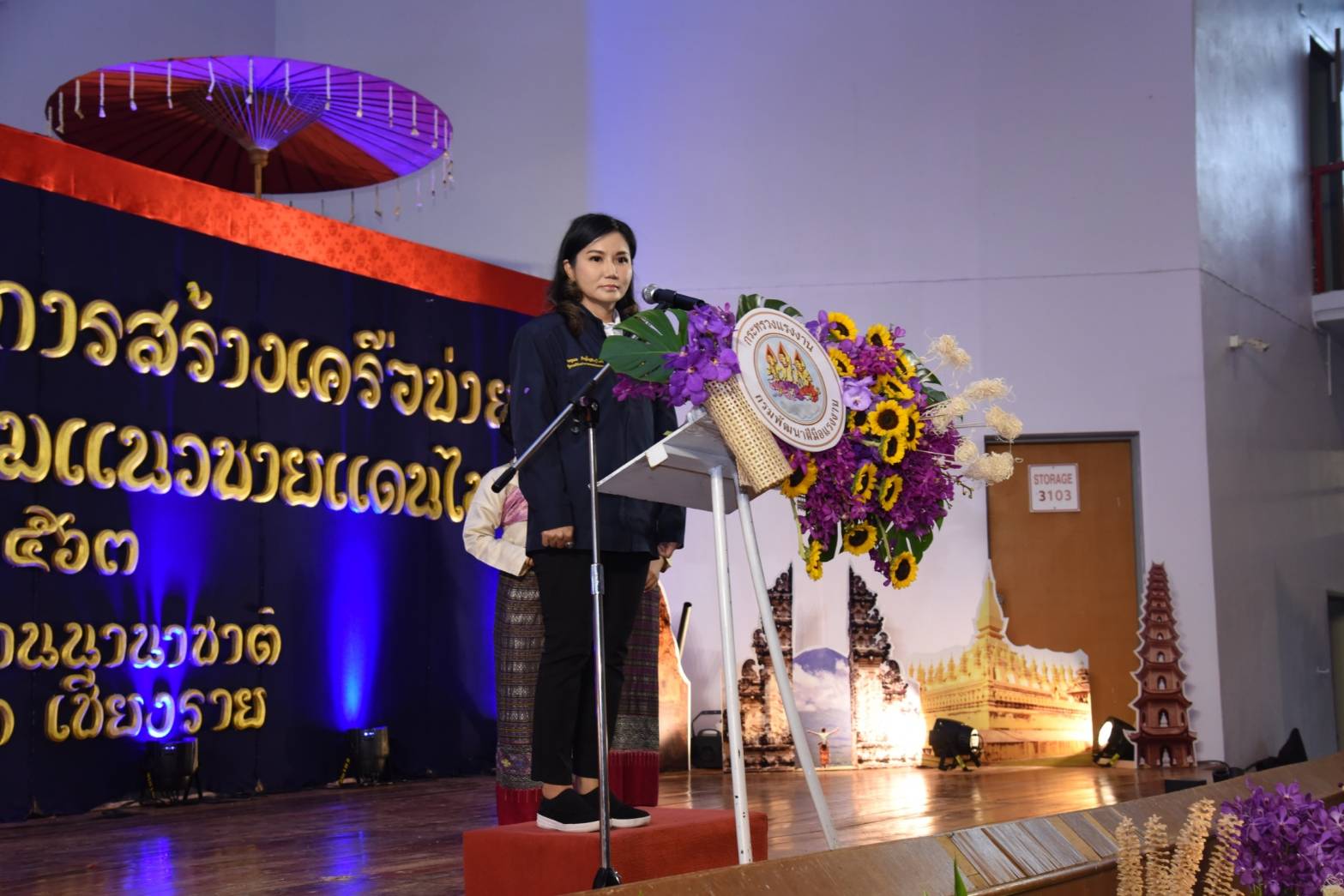
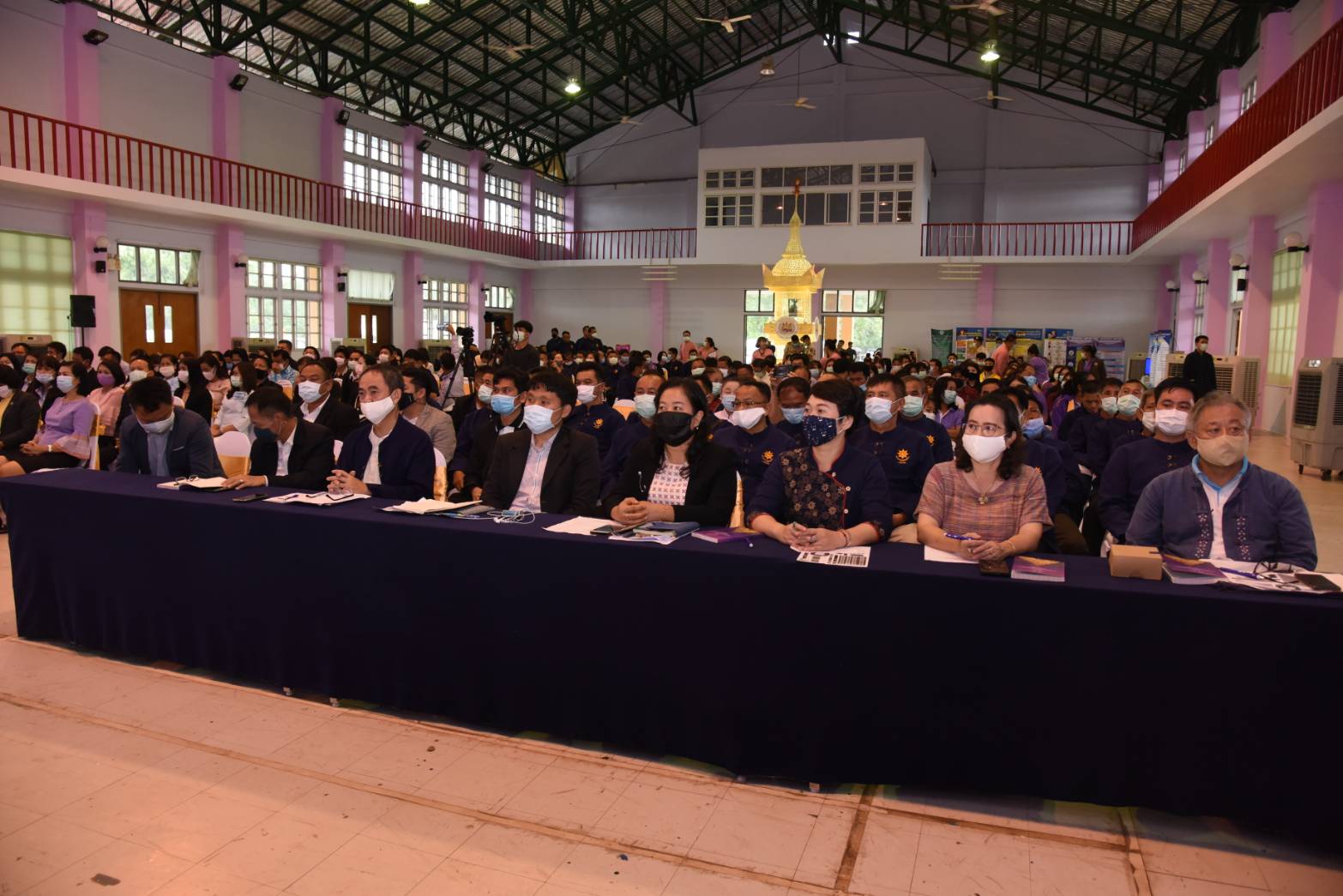
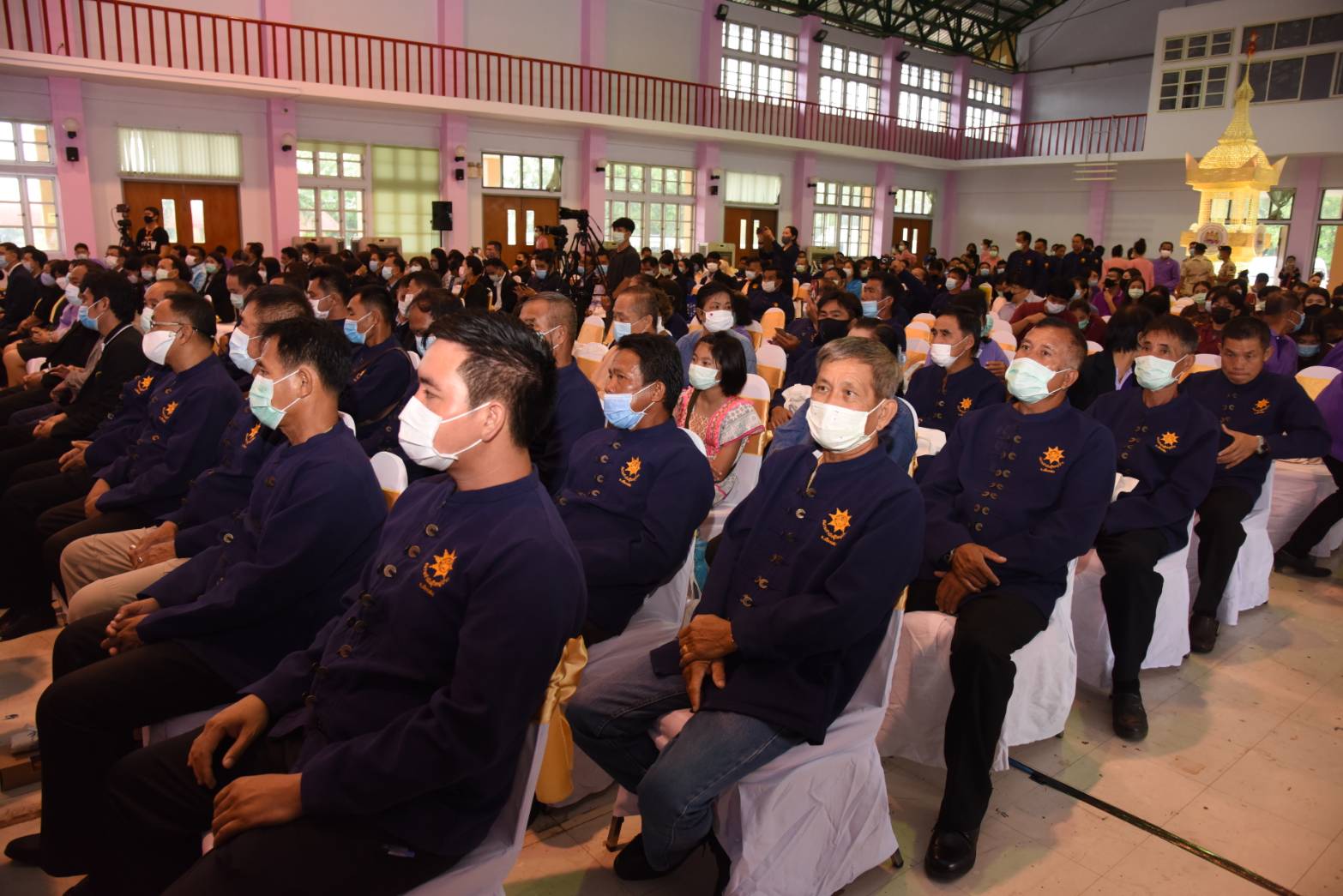
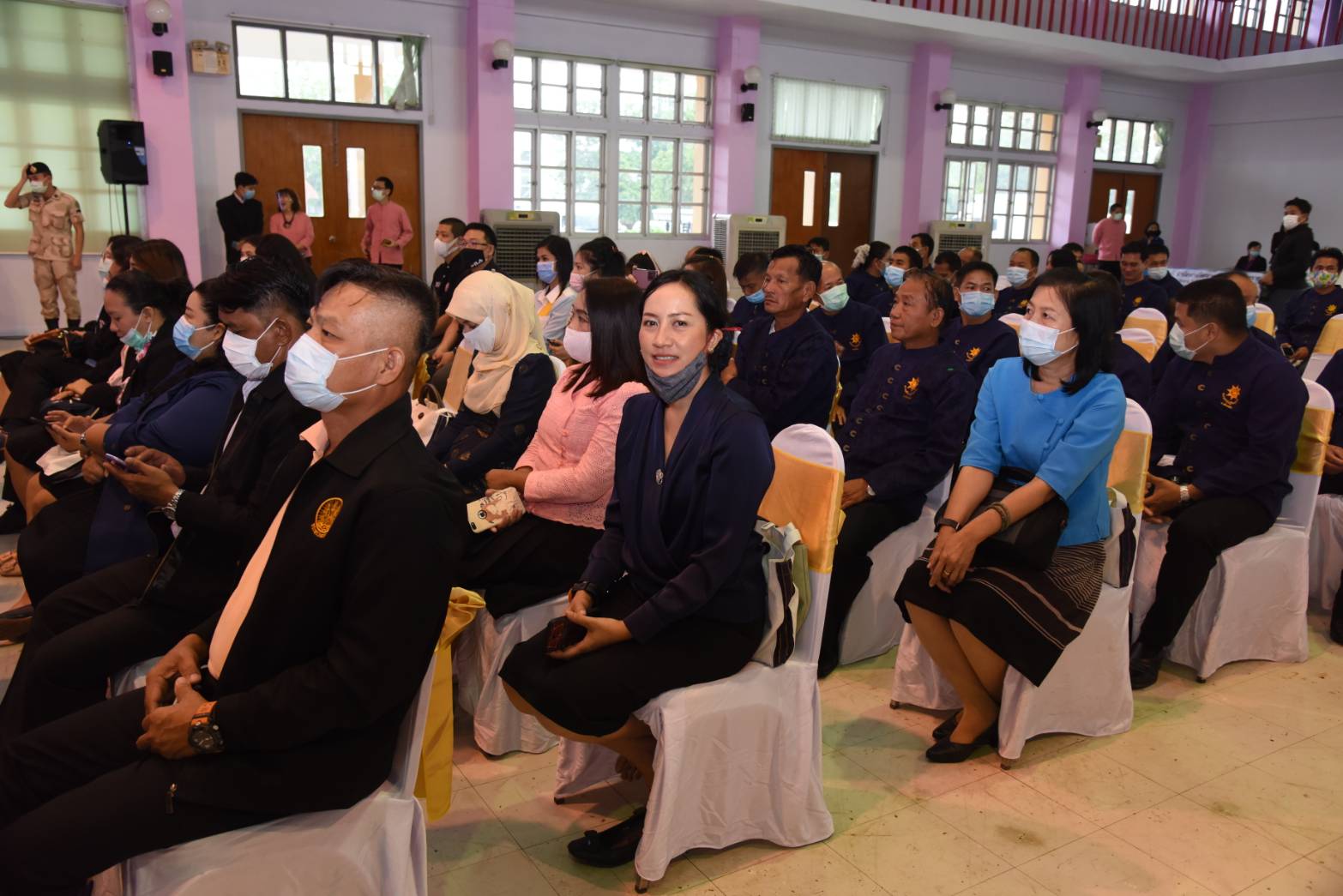
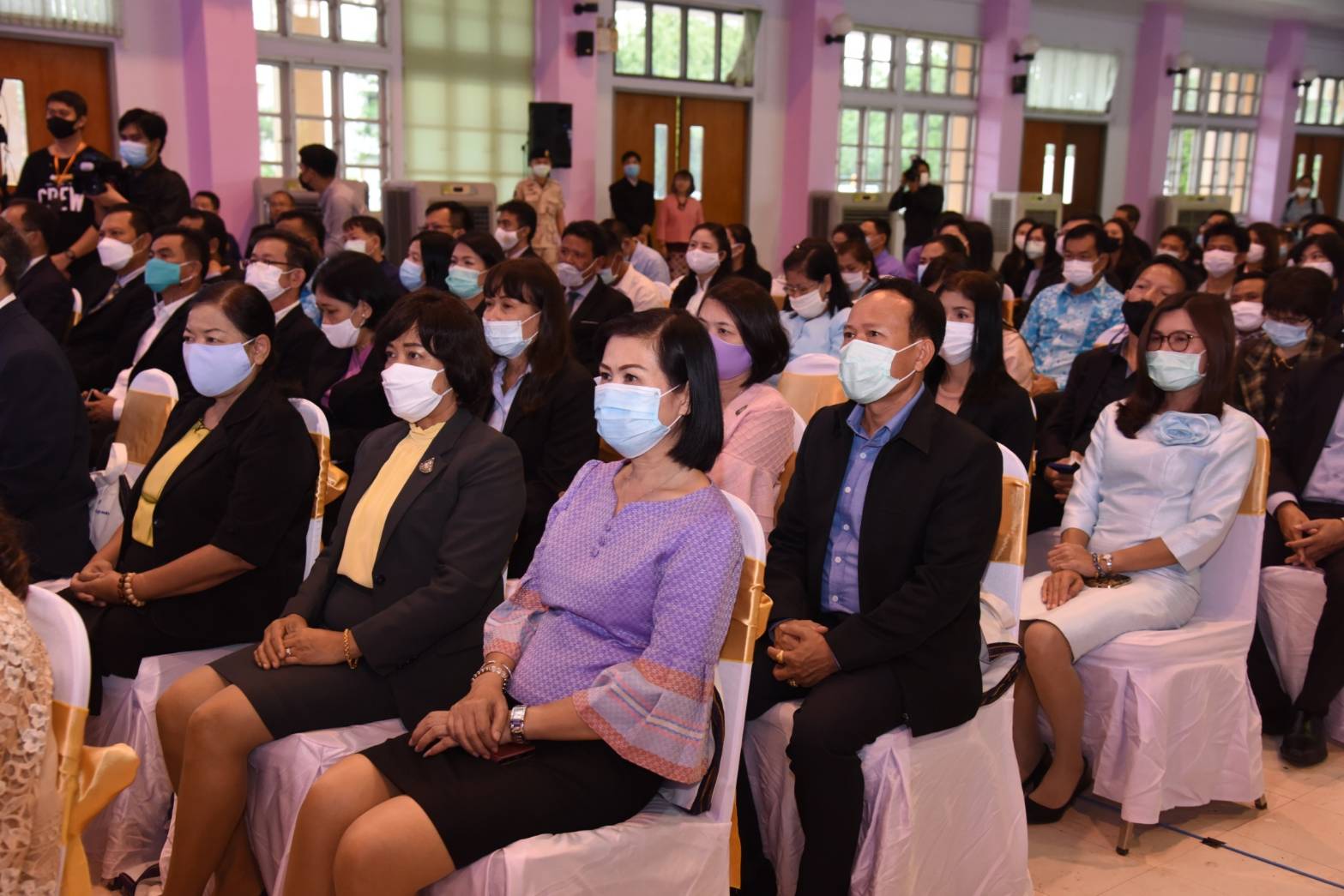
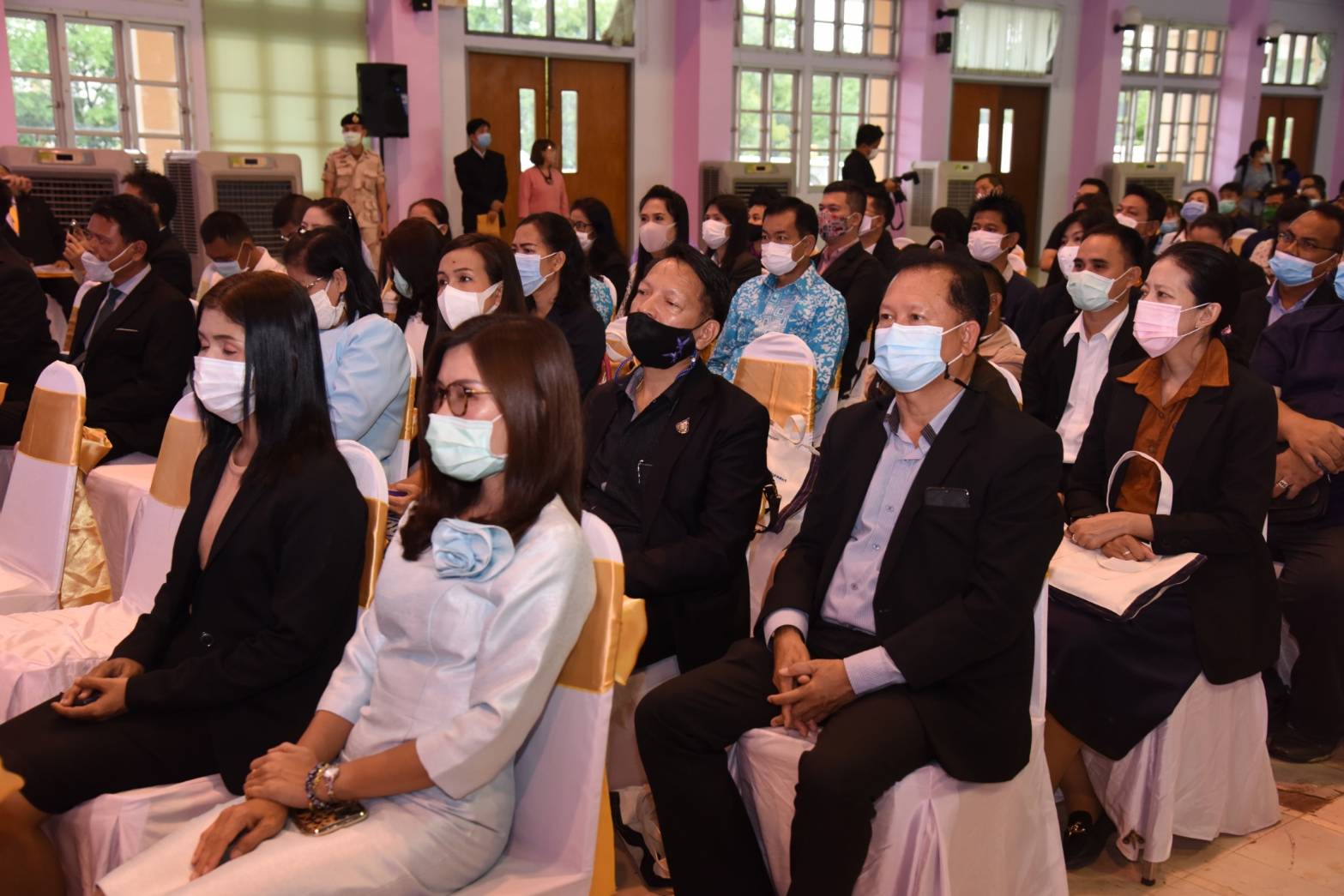
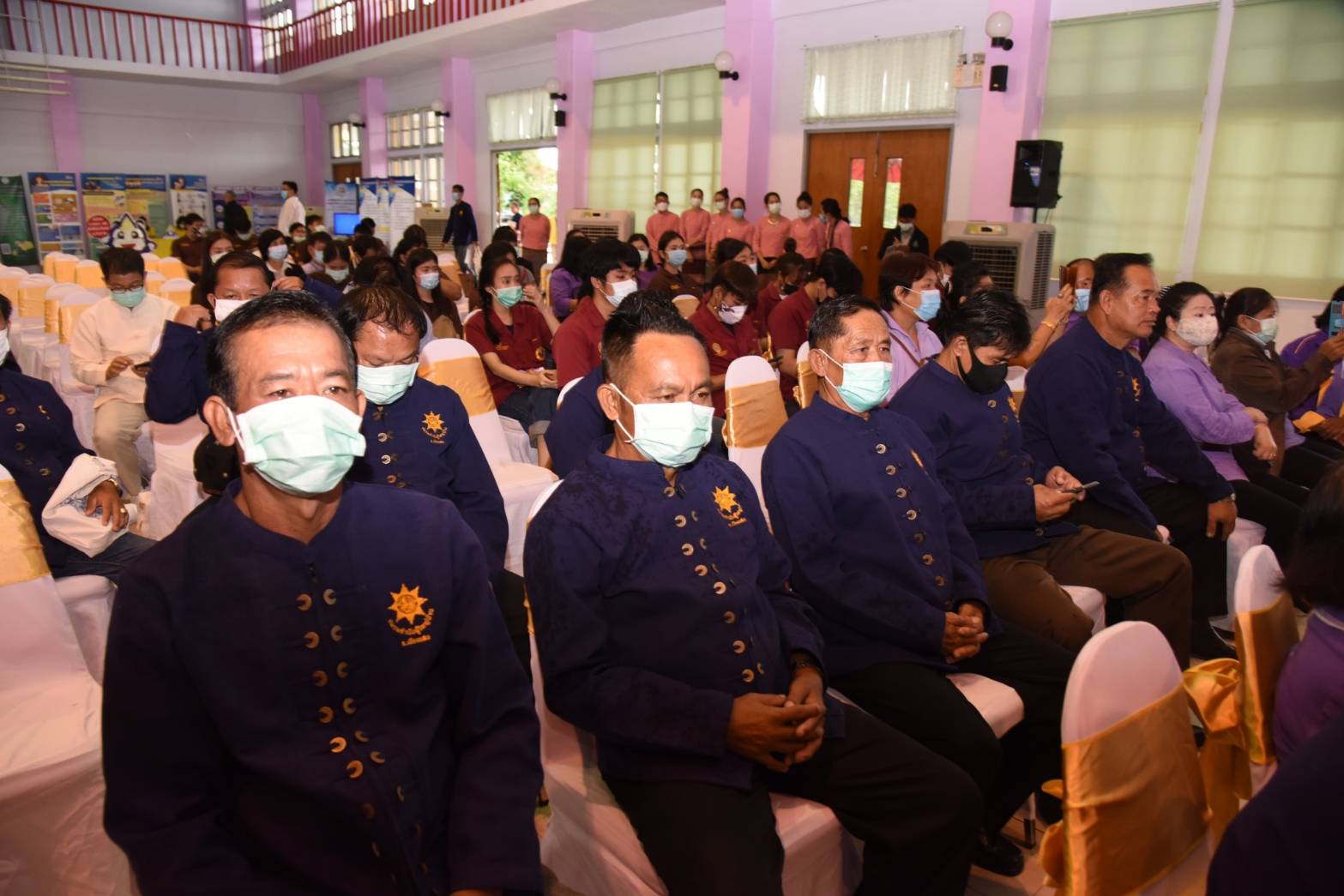
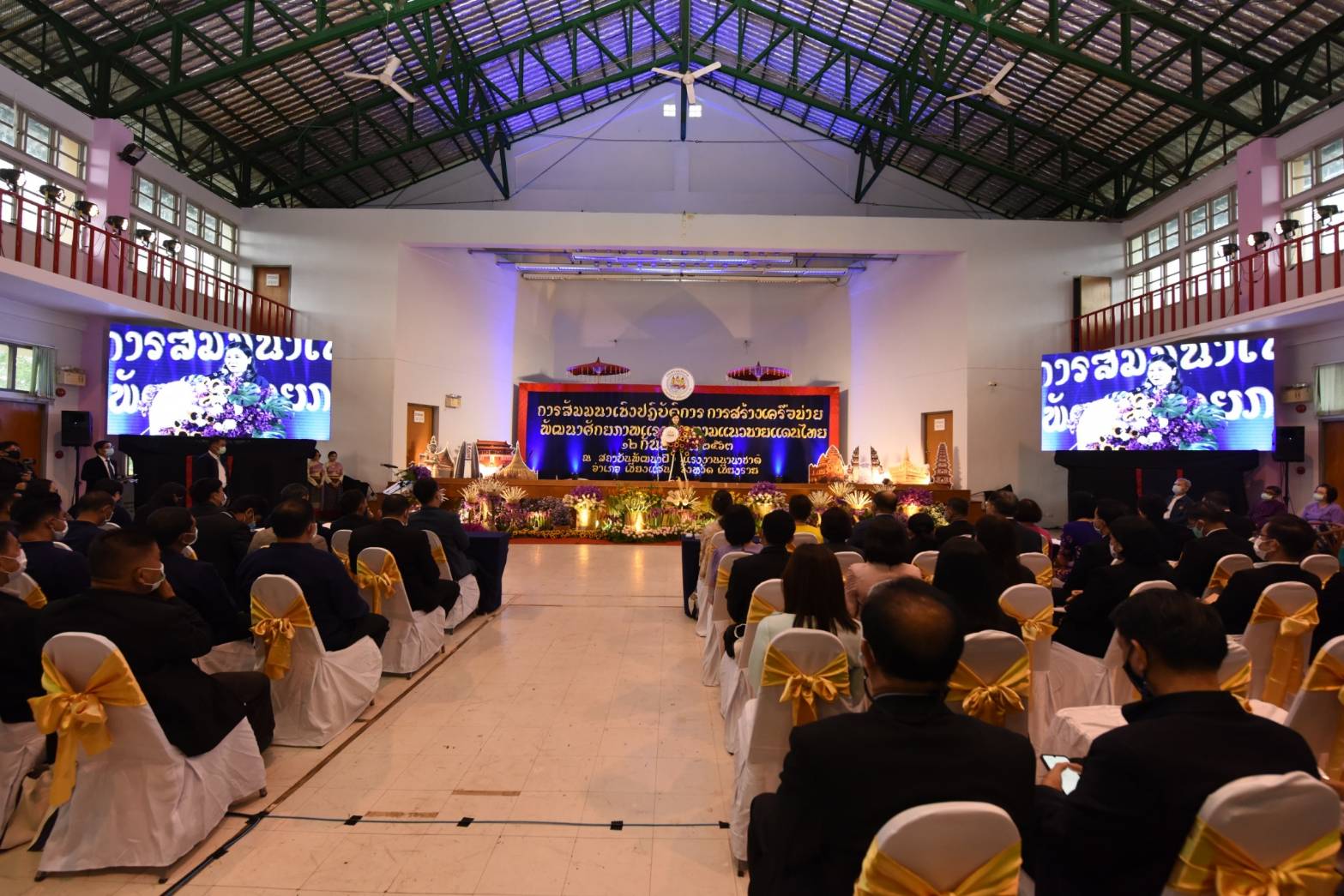
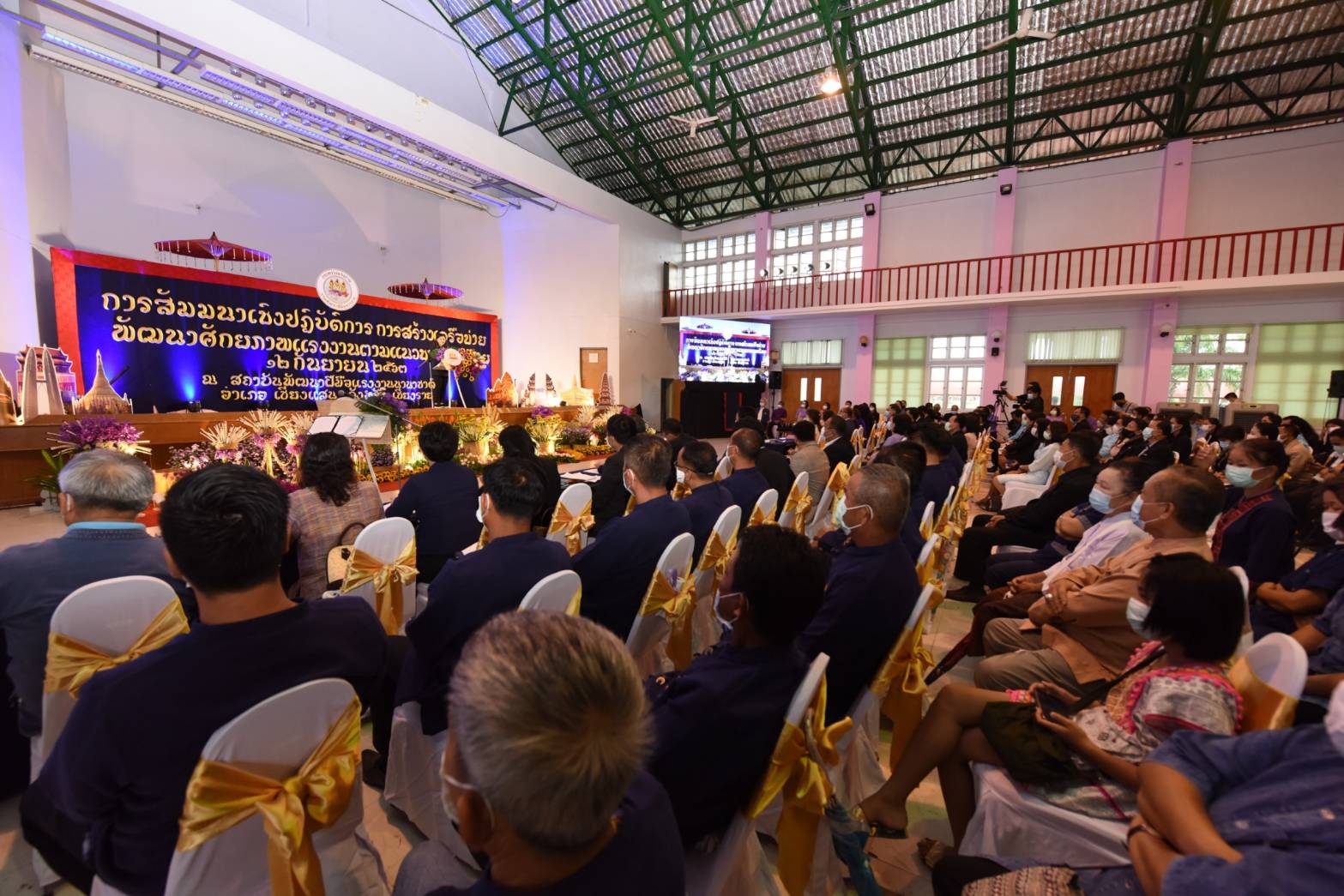
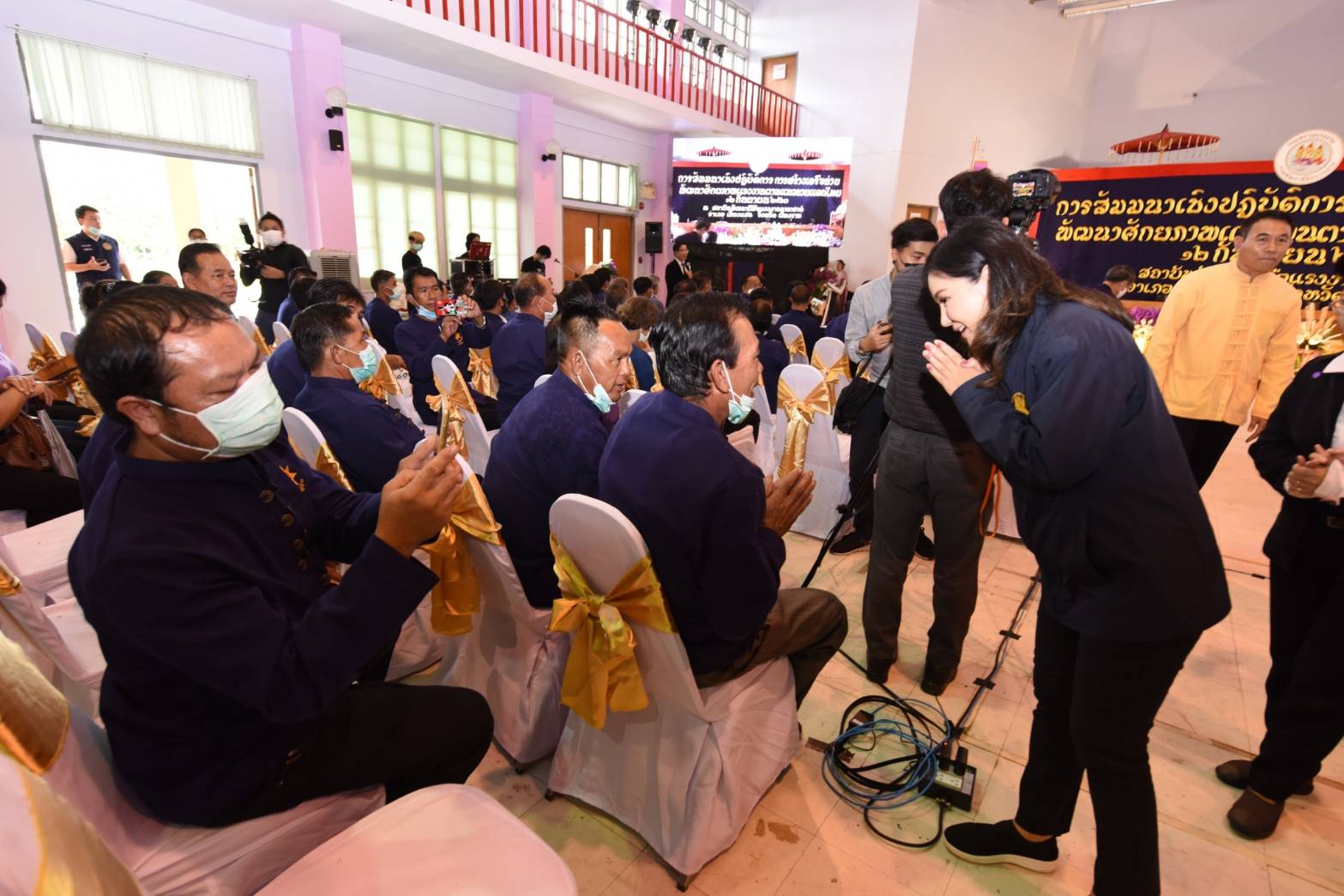
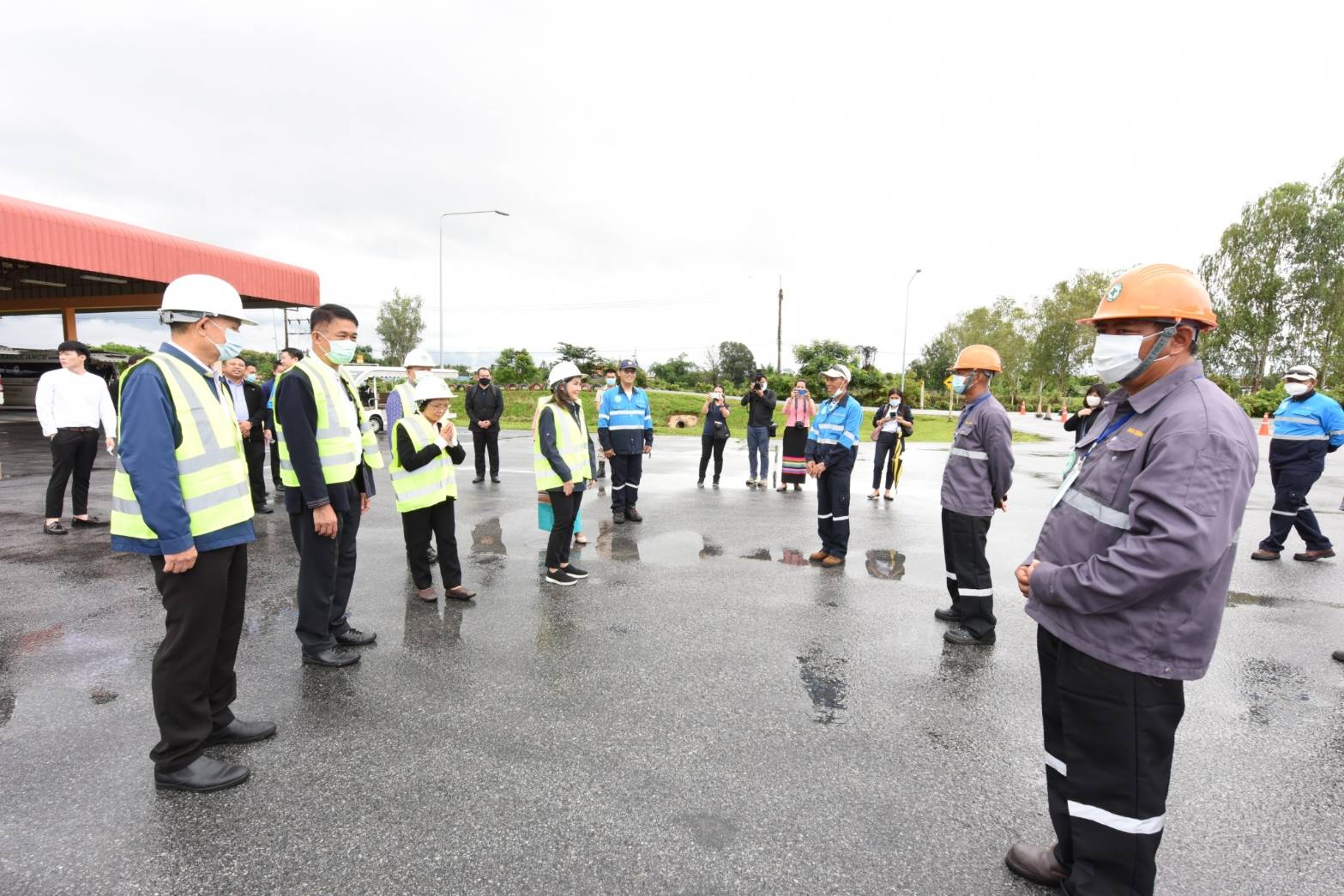
On September 12, 2020, Deputy Labour Minister Prof. Narumon Pinyosinwat commenced a workshop on building a network to develop the workforce along the Thai border. She met and spoke to attendees, whereby the event had a total of 350 people. The occasion took place at the multipurpose building, International Skill Development Institute, Chiang Saen, Chiang Rai.
Prof. Narumon said that the government, under the leadership of Prime Minister and Minister of Defense General Prayuth Chan-ocha, has the policy to strengthen relations with other countries on the principle that the region’s overall economic growth will affect the growth and strengthening of the national economy. The policy focuses on developing 12 target industries using high technology and innovation in production by developing and empowering human resources, which is at the heart of development in all dimensions. From the Covid-19 situation, various business models will change and adjust to the term, the new normal. Businesses and the workforce must adapt to survive and keep pace with the changes that are to come. Therefore, there is a need to develop the workforce, both in terms of knowledge and skills, to master and use technology to support and develop new skills, keep up with changes, and support new jobs or functions.
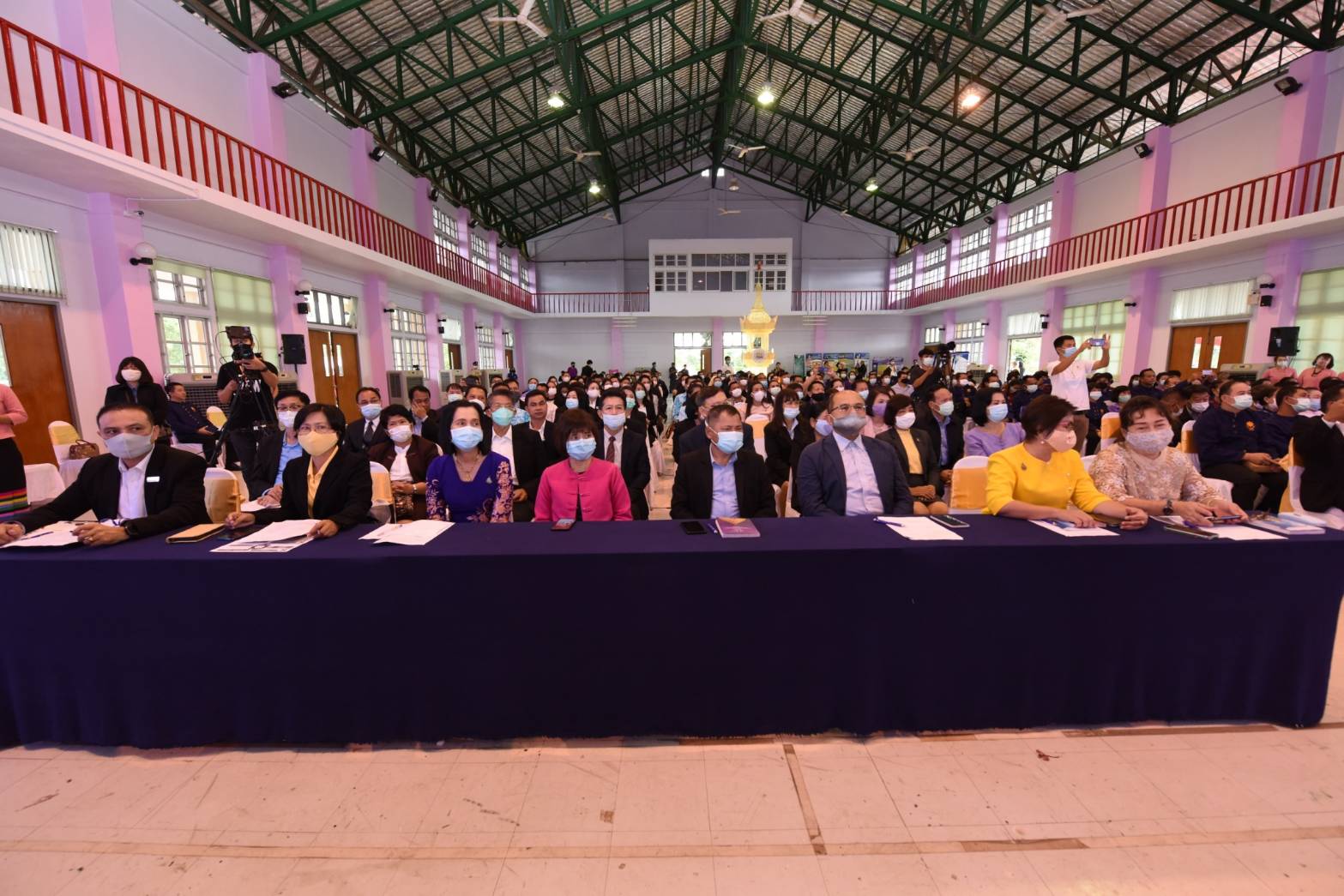
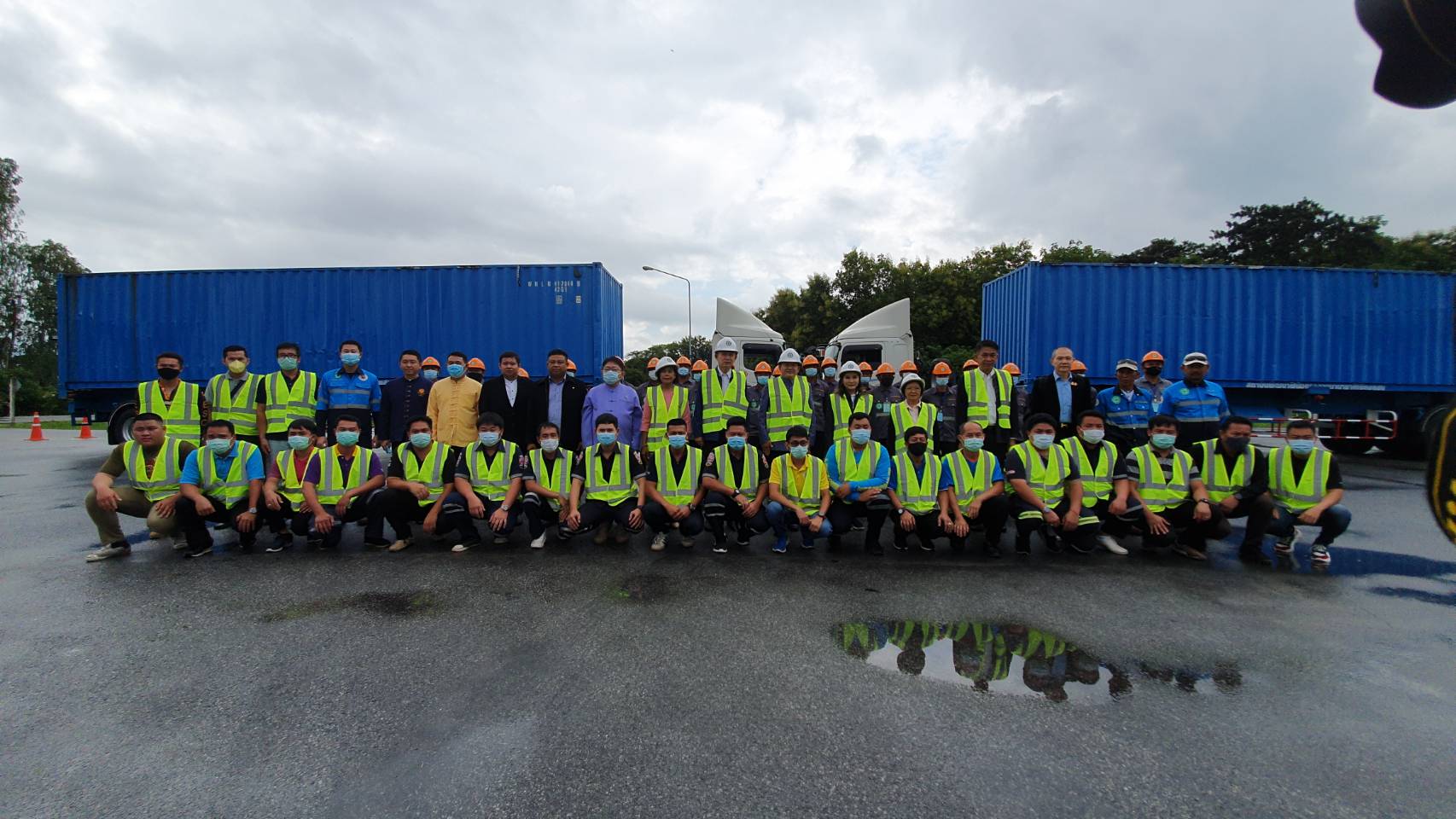
The Deputy Labour Minister said that this seminar was organized by the Department of Skill Development’s International Institute for Skill Development, which invited all relevant sectors to listen to problems, obstacles, and suggestions as a guideline for skill development. The effort will support the economy, trade, investment, tourism and services, and the logistics industry. Over 350 people attended the seminar, including the Chamber of Commerce from the ten northern provinces, the Federation of Industry for the Upper Northern Provincial Group 1-2, the Biz Club Thailand business network, the Northern Tourism Association, educational institutions, labour volunteers, and insured persons under Section 40. She said that she had a belief that the participants can help drive the development of skills for workers effectively to meet the needs of the area.
“An important part is working with the EEC to create people and jobs that will be new industries in the S-Curve, in the 12 target industries in the EEC area. Prime Minister General Prayuth Chan-ocha has the policy to expand prosperity into the region. Other than the EEC, we will continue to see the NEC or the Northern Economic Corridor in the north. Likewise, the Ministry of Labour is involved in the creation of supporting resources and will continue to expand into the Isan region, raising the level of the Ministry of Labour to a Ministry of Economy. Therefore, it is a matter of creating, lifting, and uniting Thailand to build a nation, creating a quality workforce in the industrial and economic sectors. This platform is an exchange of ideas between public and private sectors, businesses, and workers, supporting the Thai workforce to develop the economy of the northern region in Chiang Rai, and all sectors that will benefit from this seminar,” said the Deputy Labour Minister.
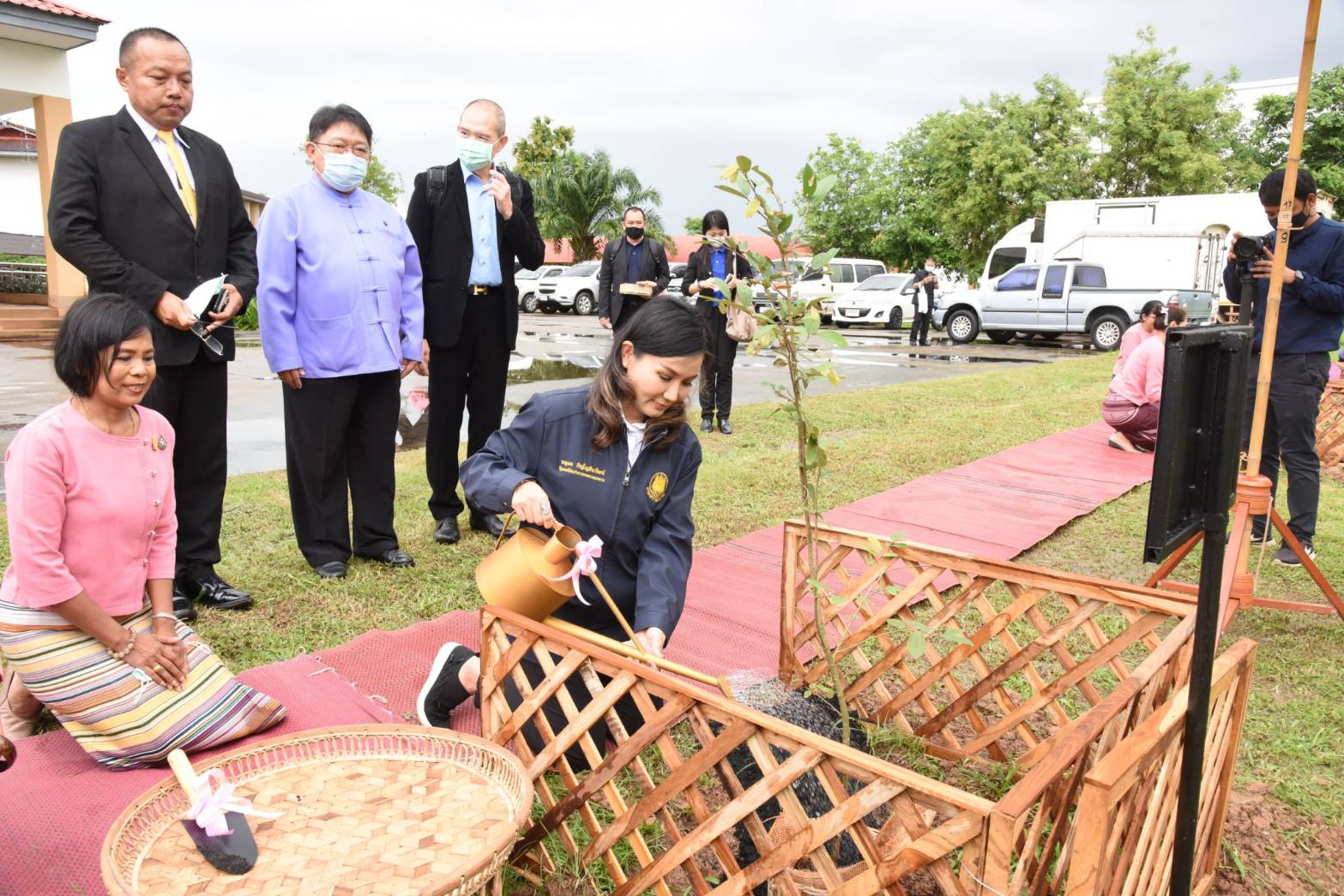
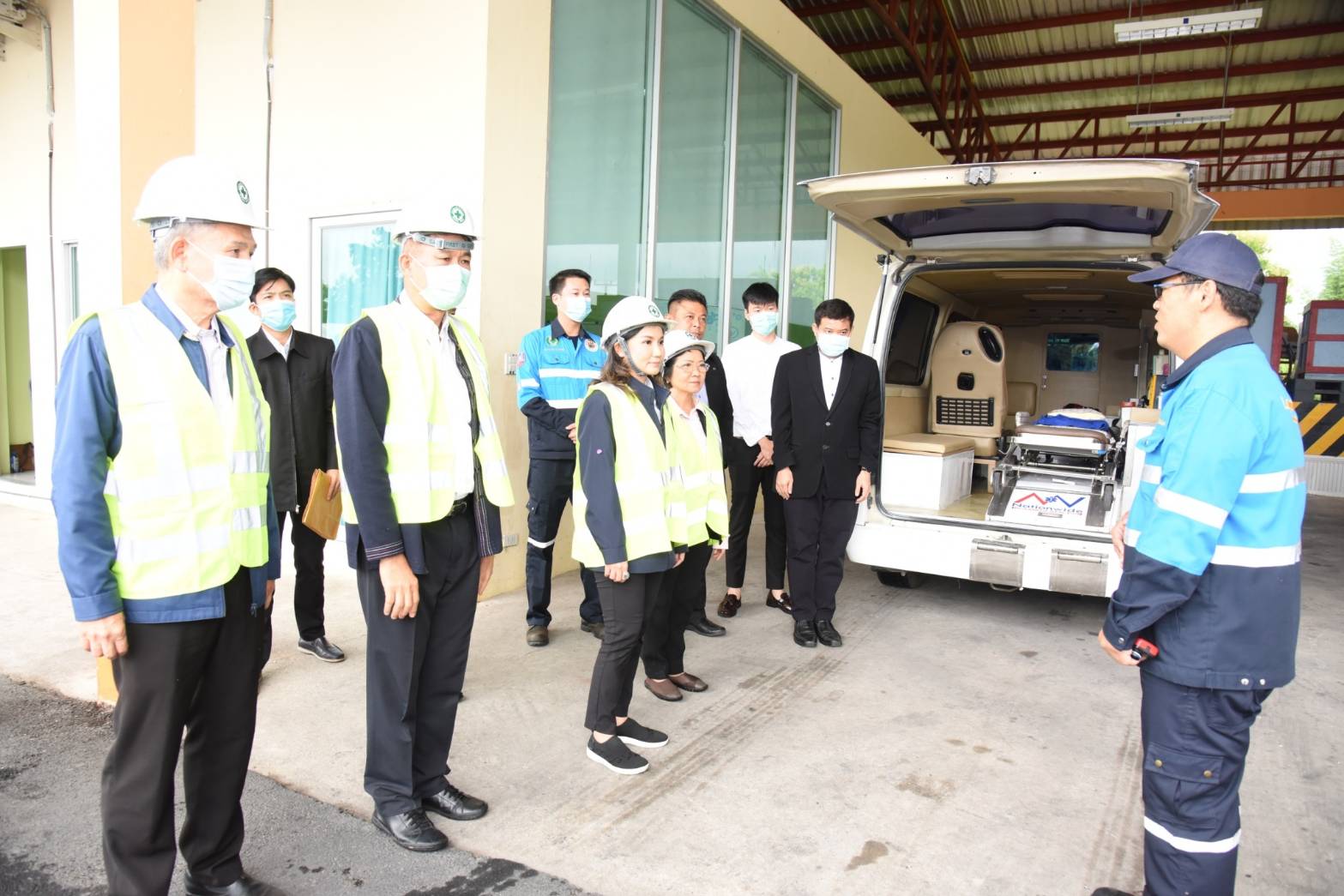
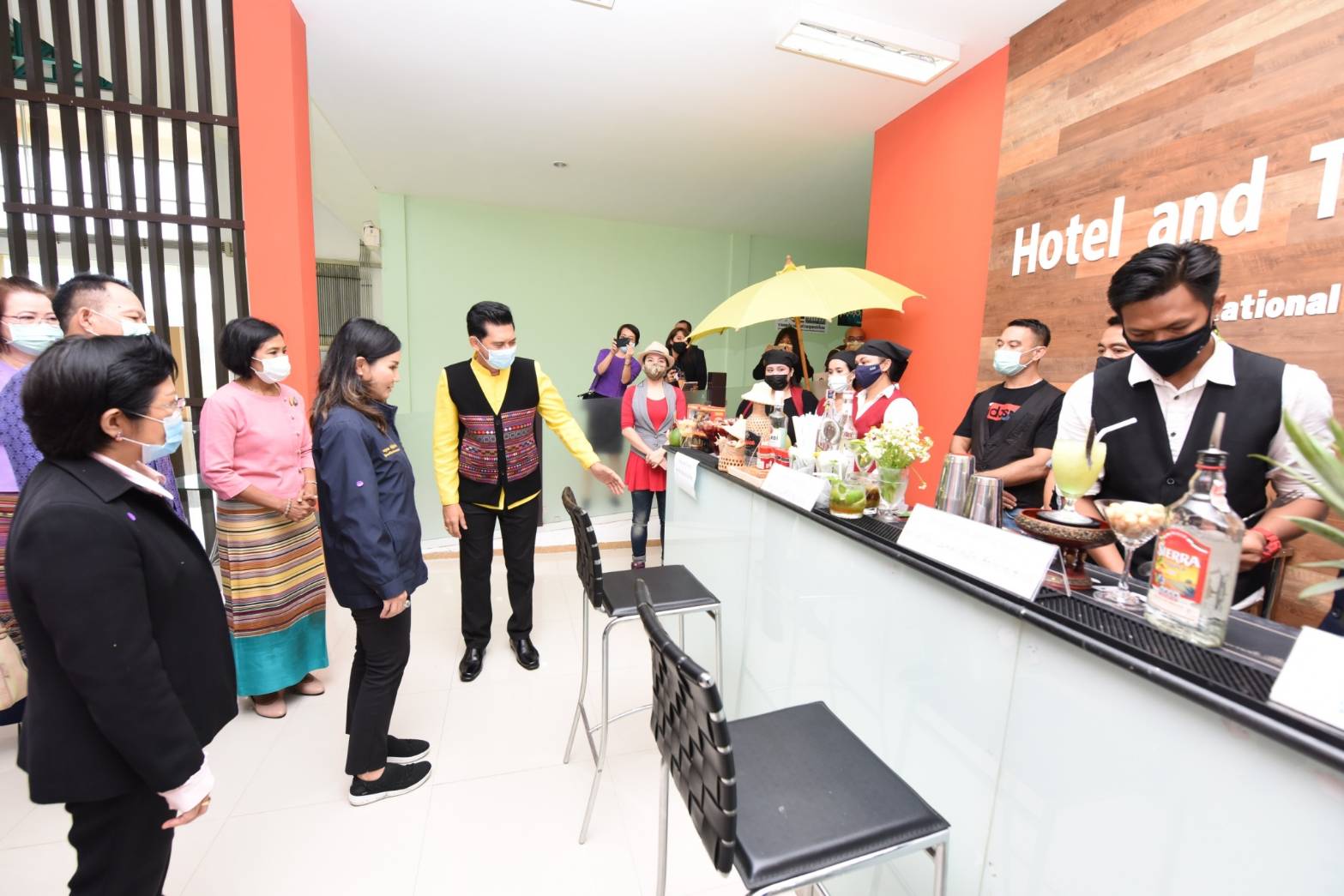
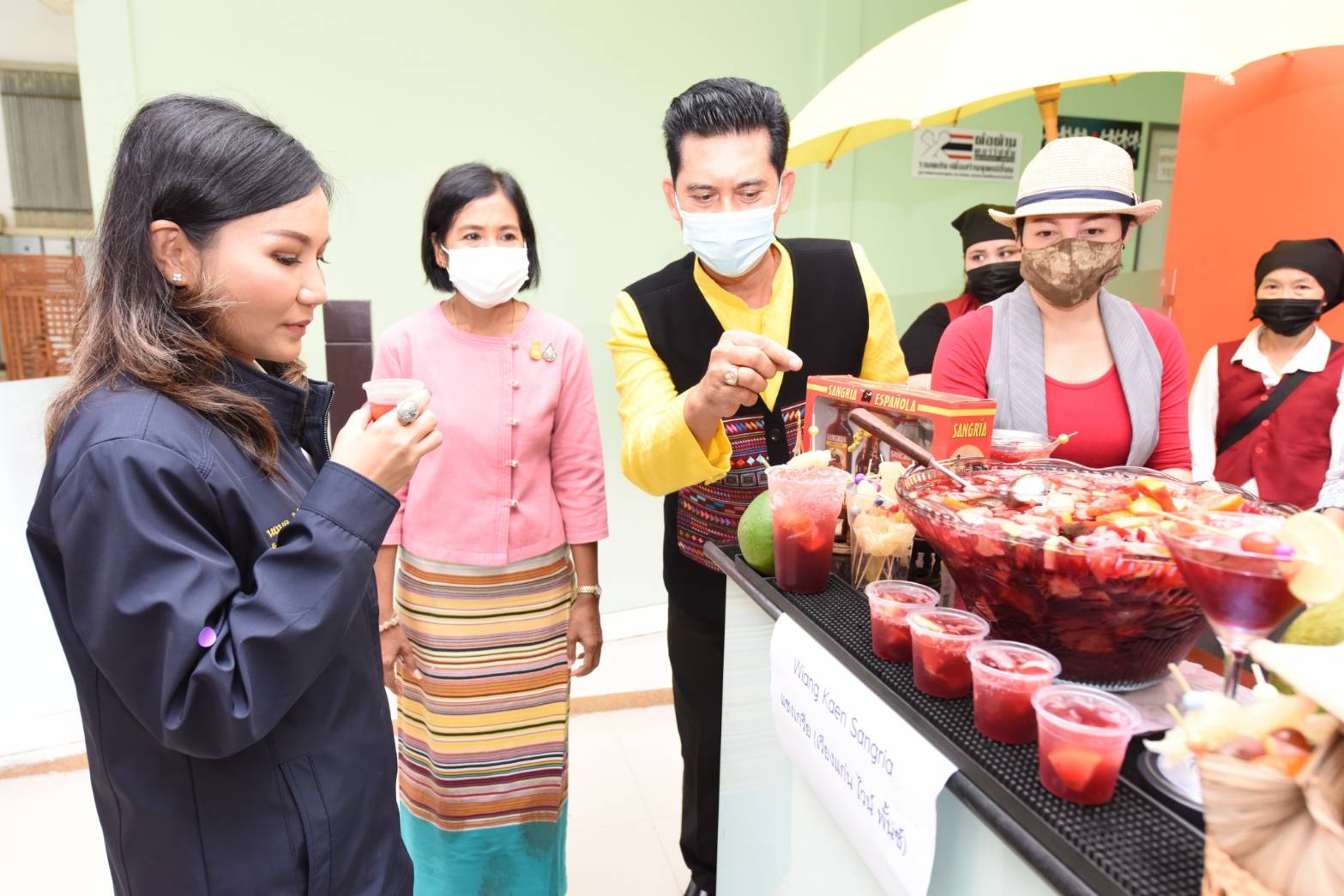
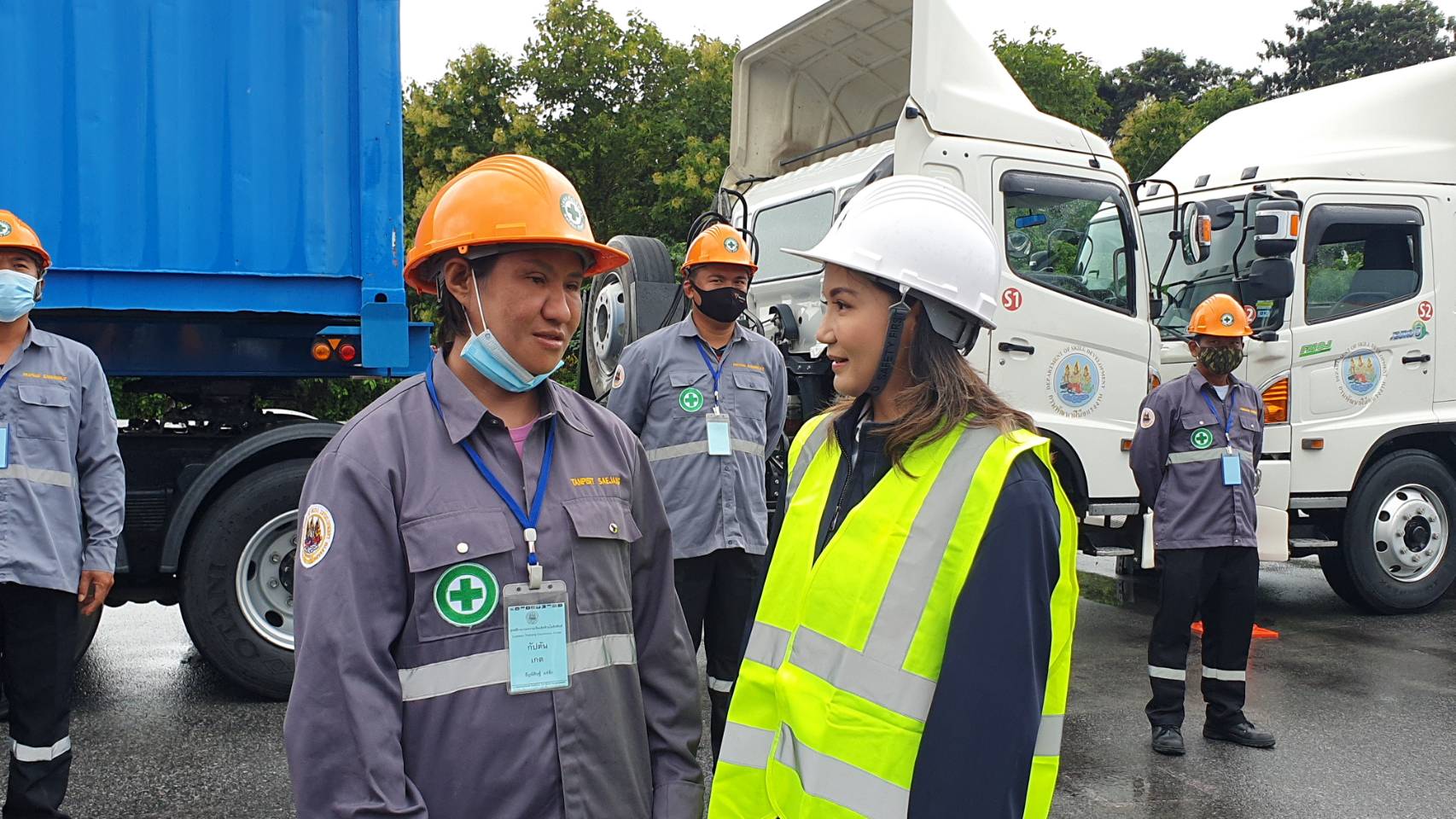
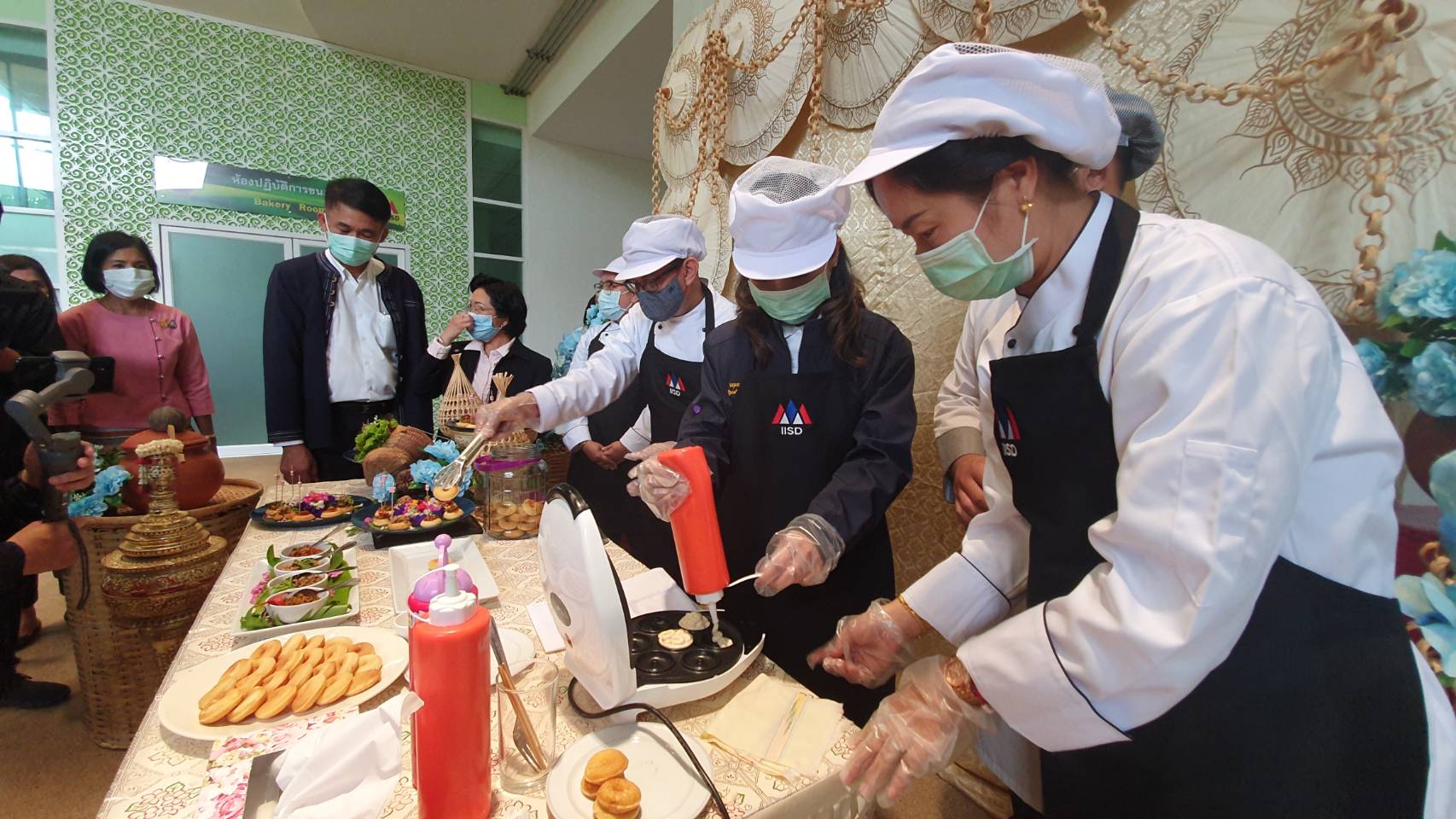
From there, Prof. Narumon and the committee visited the exhibition in honours of His Majesty the King. They observed the International Institute for Skill Development training, which included training in towing driving techniques for a group of 22 unemployed people. The training also covered accident prevention in driving (for ambulances). The participants were 30 ambulance drivers. There was also training on canapés and cafe drinks, professional bartender and barista courses, and bakery fusion courses, with 25 people per course, totaling 100 people. There was also the development of 30 lecturers from the International Skill Development Institute.
Mrs. Thanyapisit Sae-chan said that she was working in a flea market in the past, but Covid-19 resulted in the need to stop selling. Her husband invited her to practice driving, and she began with truck driving training and later obtained a Type 2 driving certificate. She then applied for the tow driving training course, and she believed that it would make it easier for her to find work. Drivers of tractors or large vehicles will have a minimum income of 25,000 Baht per month.
——————————————————-