
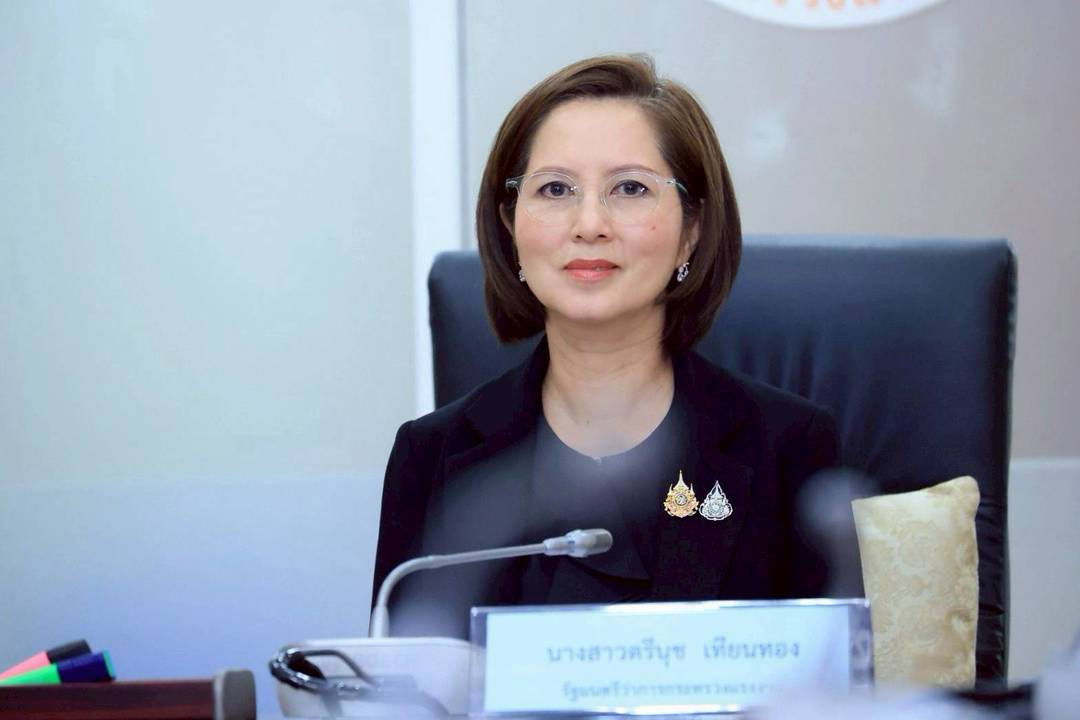
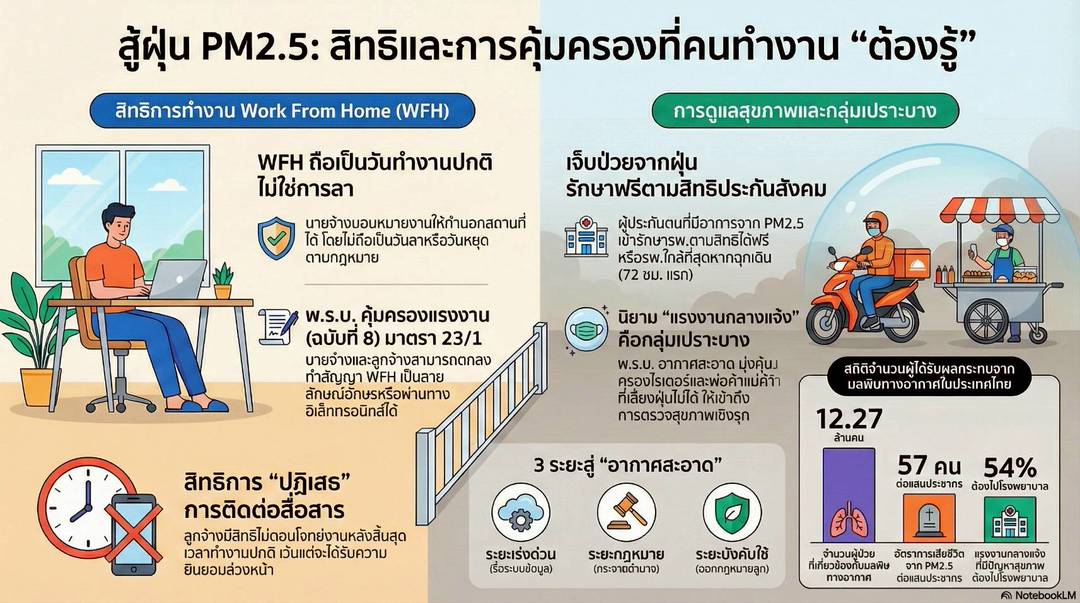


Ms. Trinuch Thienthong, Minister of Labour, expressed concern about delicate particulate matter (PM2.5), noting that levels exceed safety standards in many areas. This has a direct impact on workers’ health, particularly outdoor workers, informal workers, and rider groups who must spend long hours on the roads.
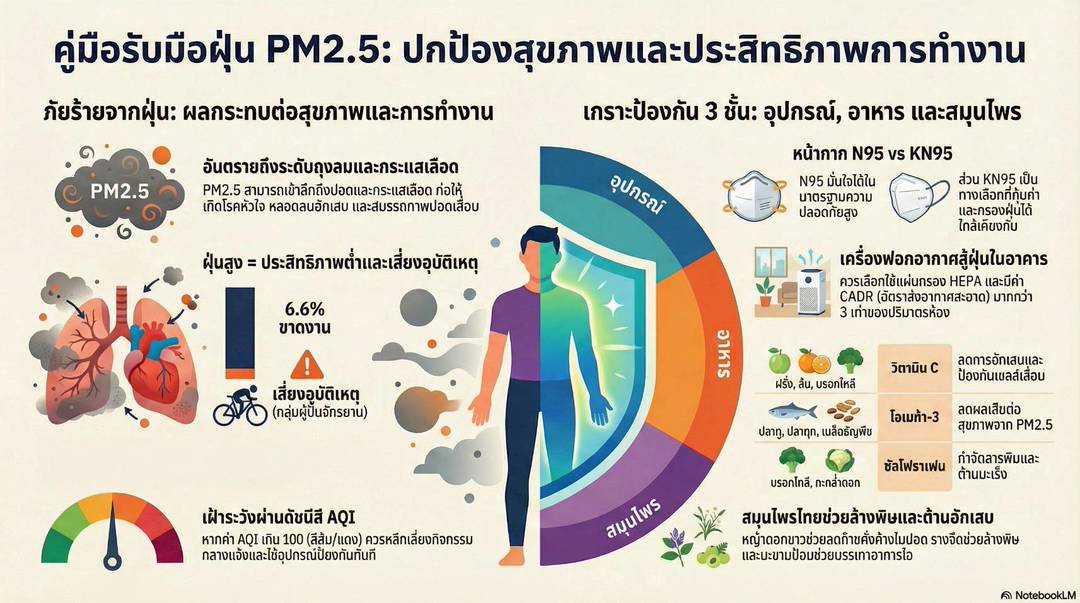
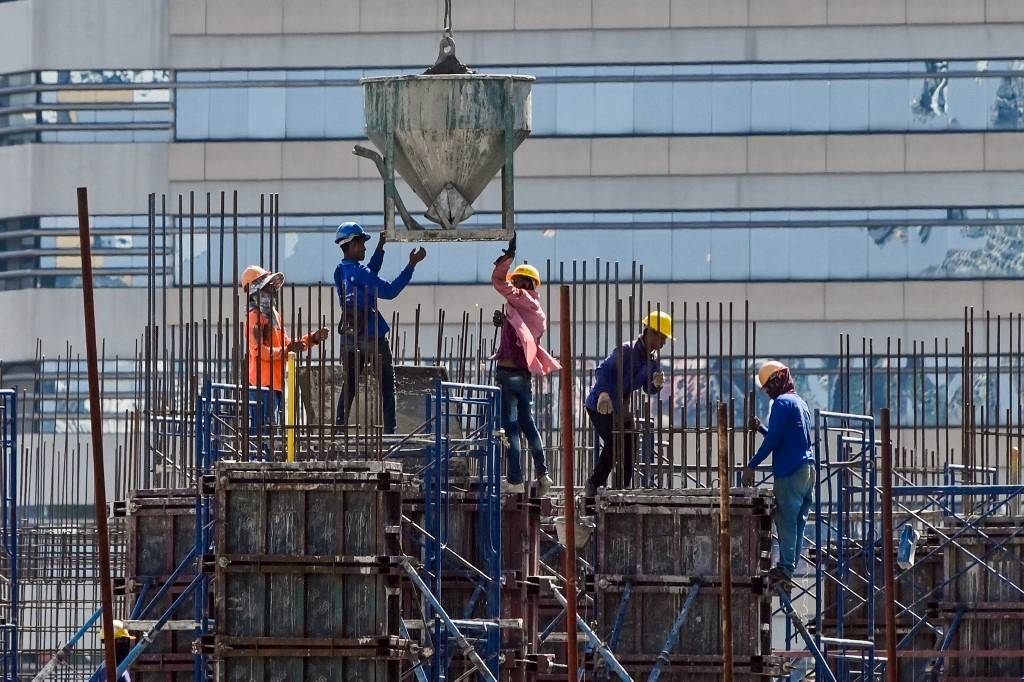
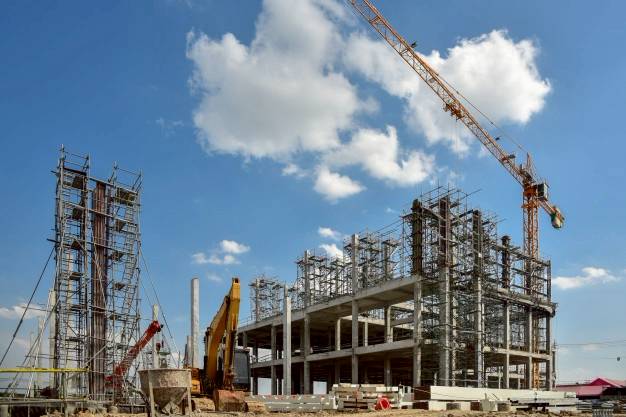
The Labour Minister stated that elevated PM2.5 levels increase workers’ risk of respiratory, eye, and skin diseases. She has therefore instructed the Department of Labour Protection and Welfare to issue an announcement requesting cooperation from employers and establishments to implement protective measures. These include providing appropriate protective equipment, such as masks capable of filtering PM2.5 (e.g., N95 masks), for employees who must work outdoors, adjusting work plans by considering changes to working hours or reducing the duration of outdoor work during periods when dust levels reach critical (red) levels, and regularly monitoring employees’ health. Particular concern was expressed for construction workers, who are considered the most at-risk group, as they face dual exposure to dust from both air pollution and work-related sources, such as drilling or cutting concrete and ceramics. Such dust can accumulate in the respiratory system and the alveoli of the lungs.
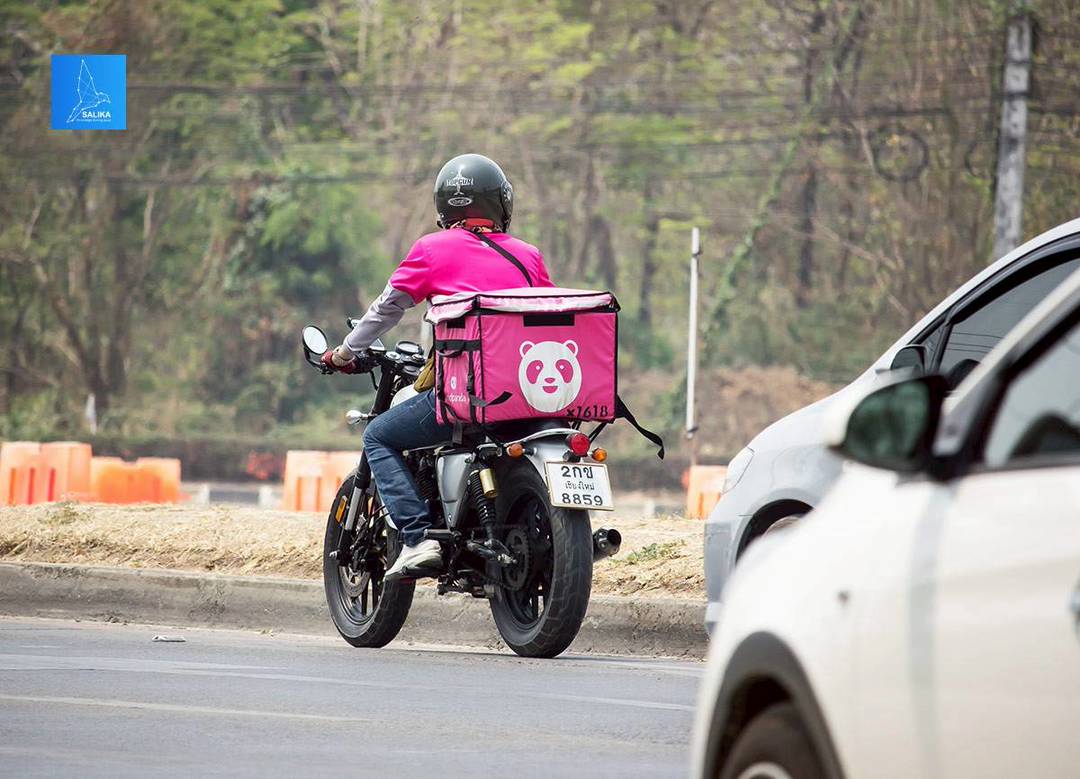
Ms. Trinuch further noted that informal workers and riders without a direct employer are exposed to dust throughout the day. Available data indicate that this group is at particularly high risk, as they spend most of their time on the roads and are directly exposed to vehicle exhaust. Research has found that PM2.5 affects both health and work efficiency, with fatigue from working in polluted conditions increasing the risk of accidents and reducing delivery speed. Riders are therefore urged to take extra care of their health by wearing masks at all times while working on the roads, and to choose masks that fit snugly and provide high filtration efficiency. If symptoms such as coughing, sneezing, chest tightness, or severe eye irritation occur, they should stop work and seek medical attention immediately. Riders are also encouraged to check dust levels via applications before starting work to prepare and avoid areas with high concentrations of pollution.
In addition, insured persons under Sections 33 and 39 who experience illness or discomfort due to exposure to PM2.5, such as respiratory symptoms, eye inflammation, or skin irritation, can receive free medical treatment without upfront payment at hospitals within their Social Security entitlement.