
The Deputy Labour Minister accelerated the workforce development plan to promote knowledge and skills supporting the target S-Curve industries to drive the national economy.
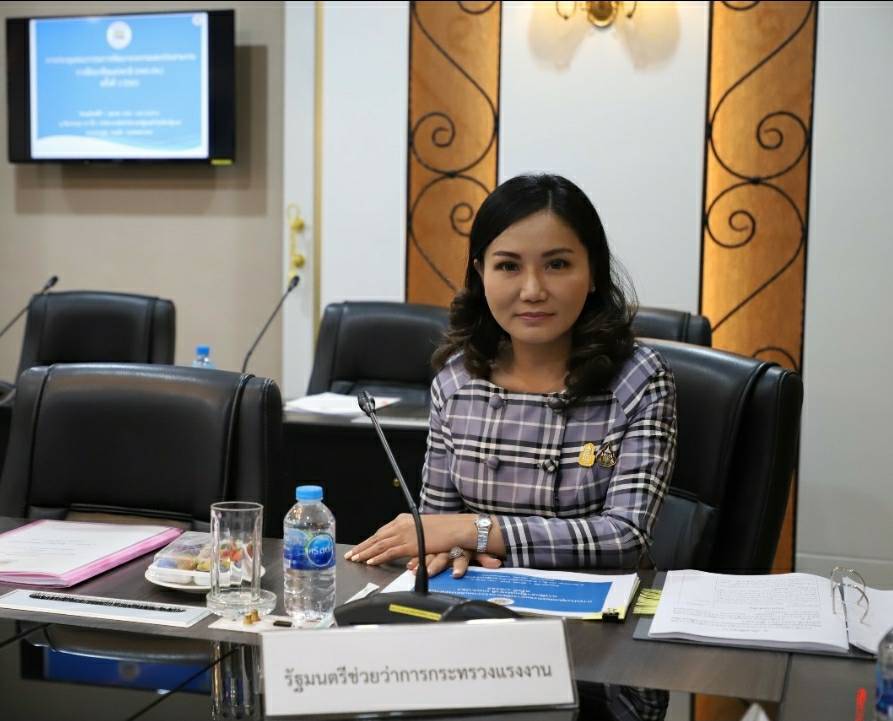
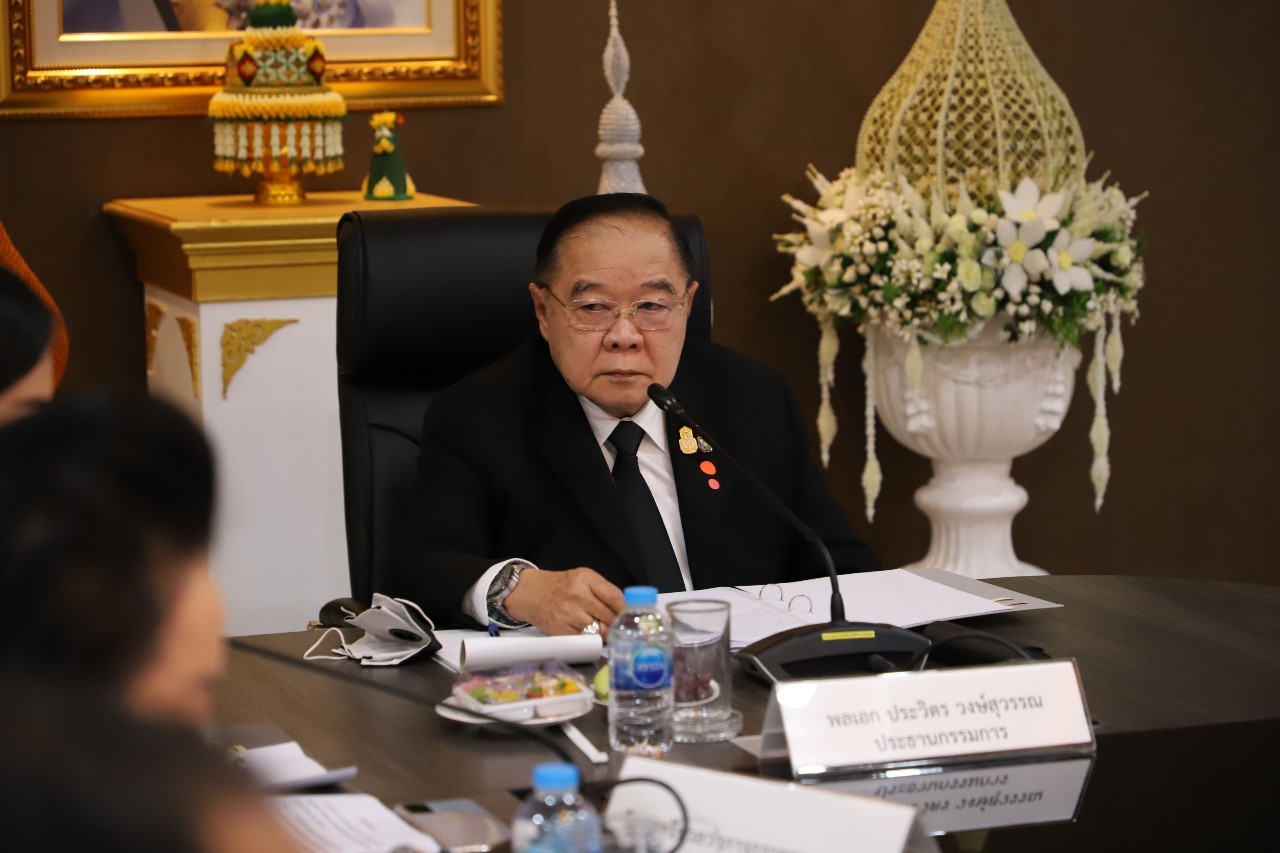
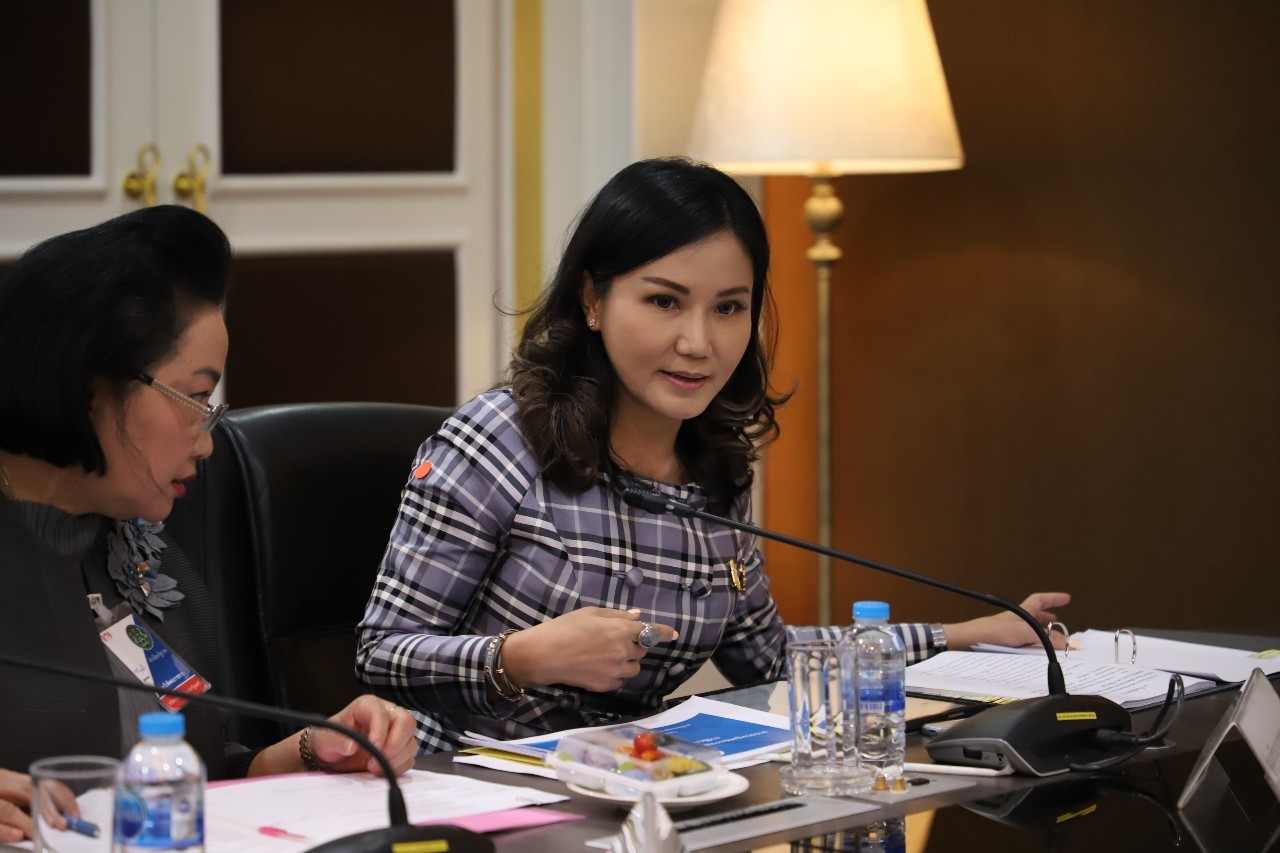
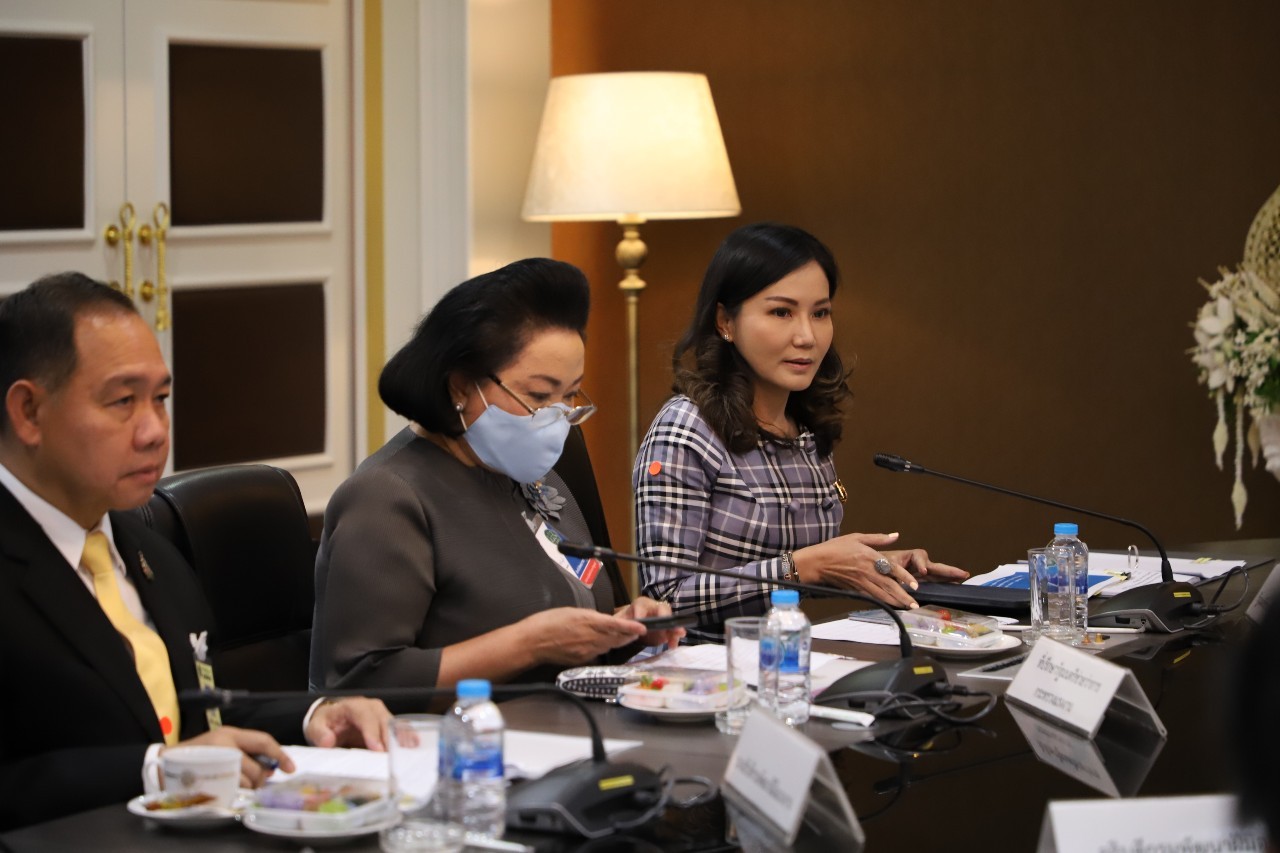
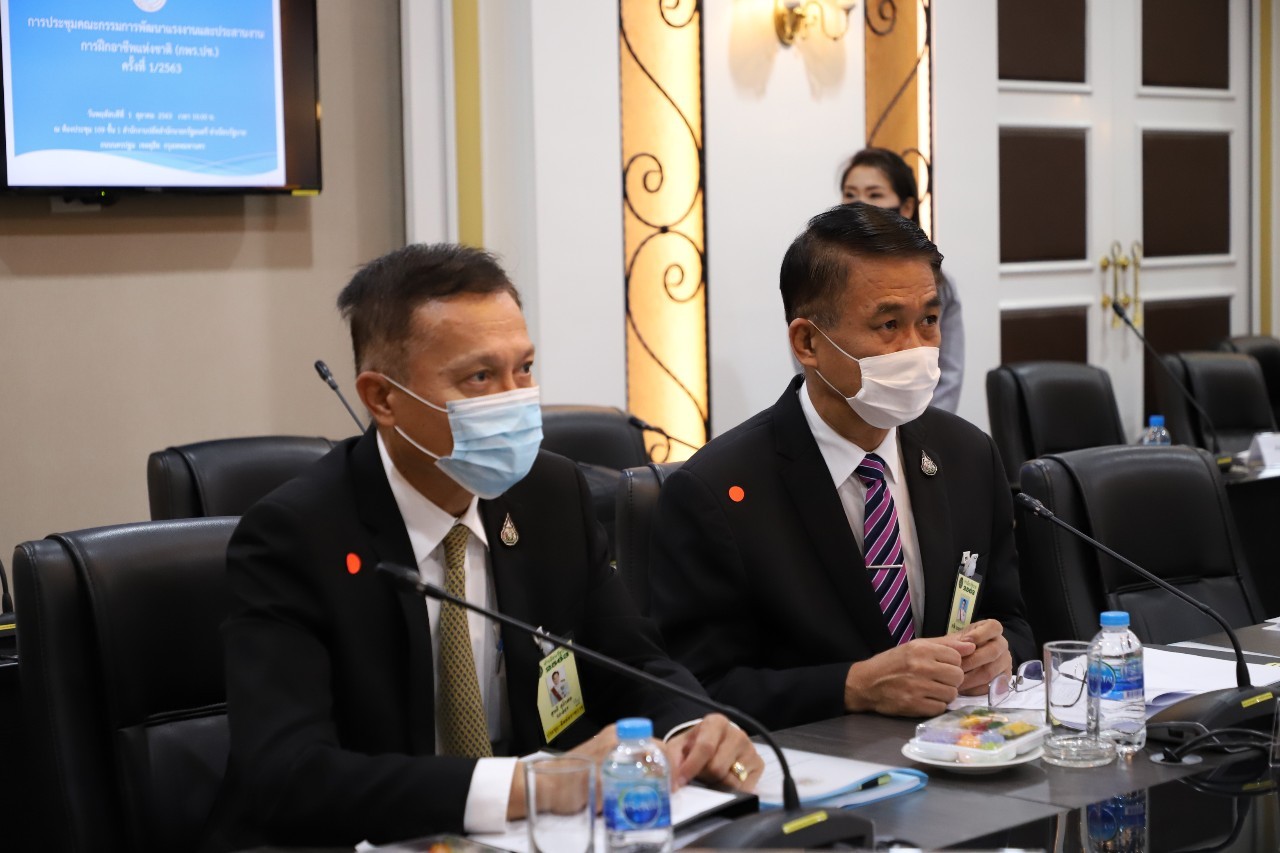
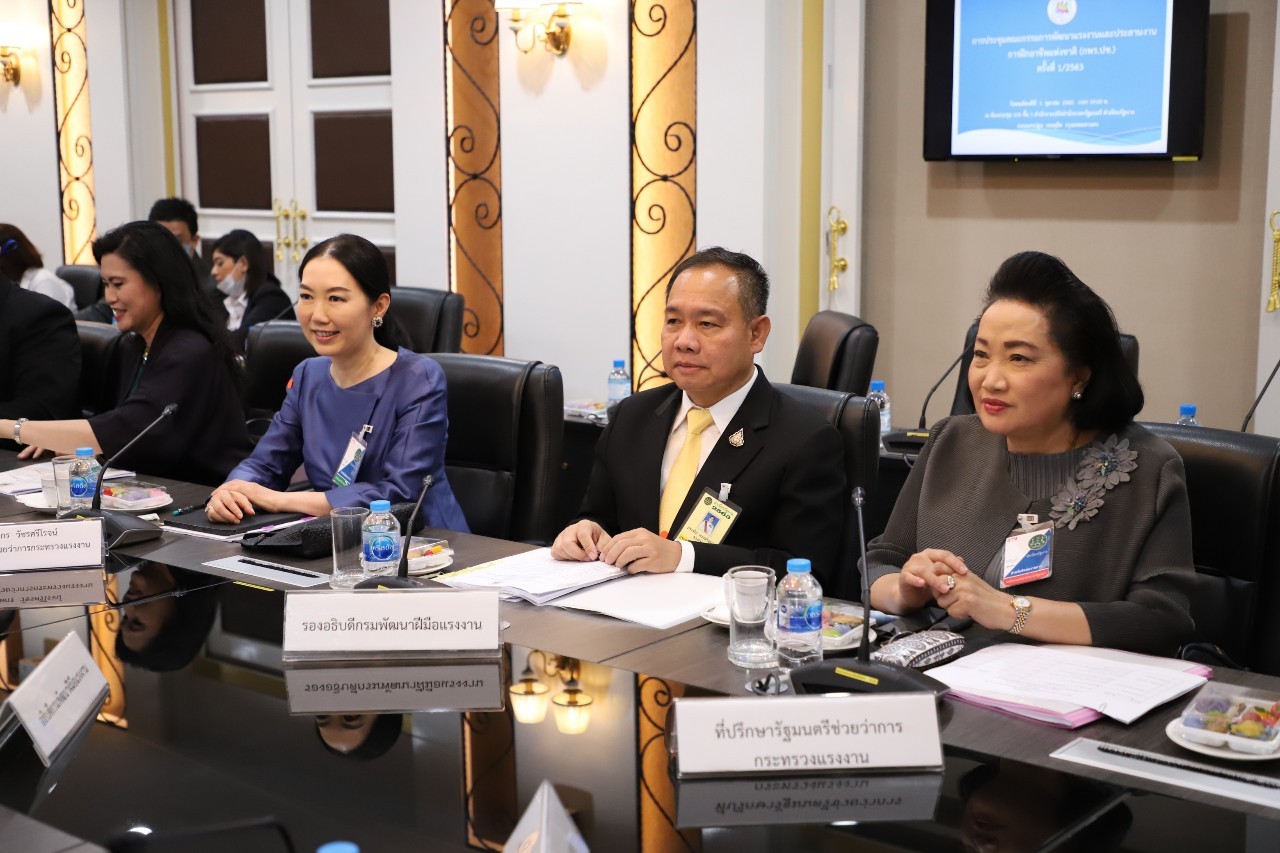
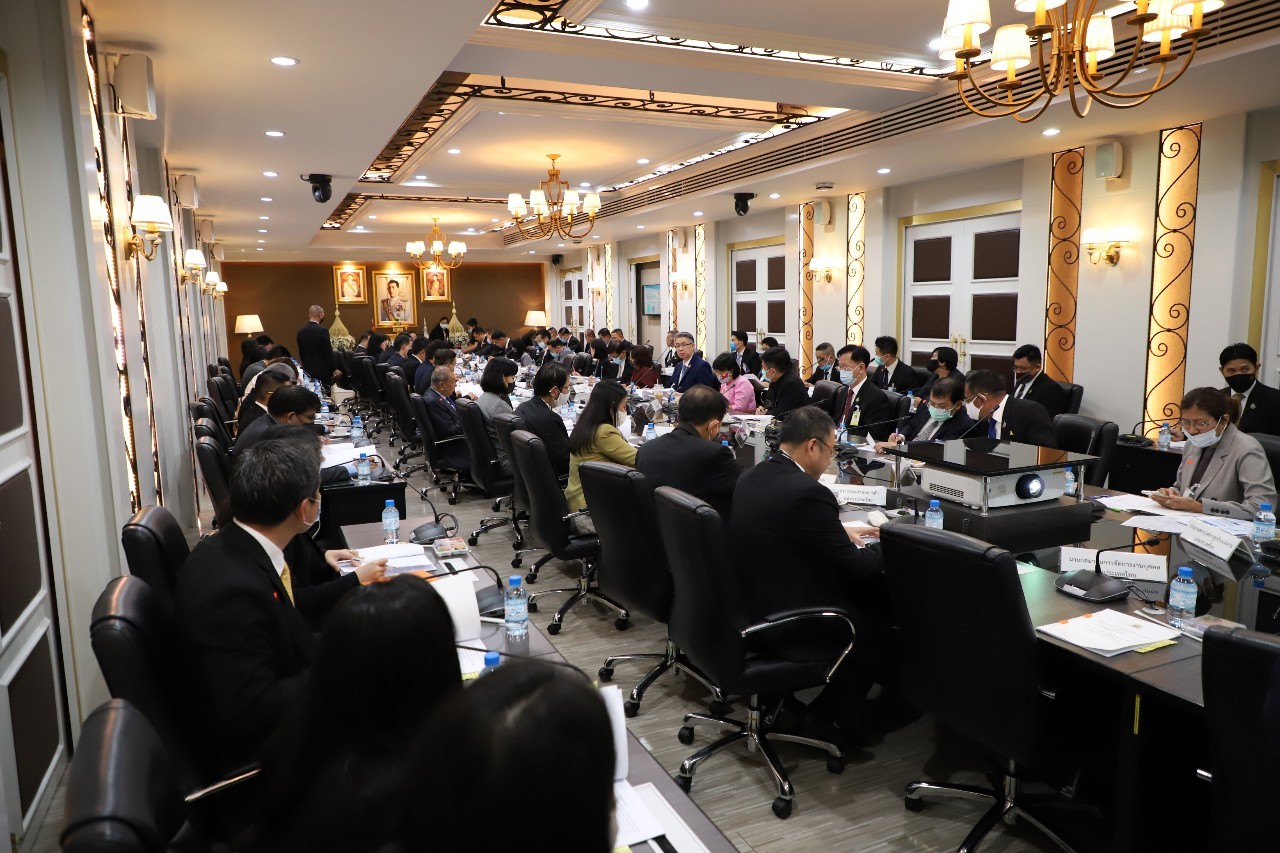
On October 1, 2020, Deputy Labour Minister Prof. Narumon Pinyosinwat attended the National Labour Development and Vocational Training Coordination Committee meeting no. 1/2020, at Meeting Room 109, 1st floor, Office of the Permanent Secretary to the Prime Minister, Government Houses. The meeting acknowledged the operations of the National Labour Development and Vocational Training Coordination Committee and considered guidelines on the workforce development plan to support the target S-Curve industries in 2021-2022, by agencies with missions of providing education training for government agencies. The meeting also covered occupational development guidelines for the disabled under the Person with Disabilities Empowerment Act B.E. 2550 and amendments (second version) B.E. 2556, and the fund to support and develop the quality of life for people with disabilities. Deputy Prime Minister General Prawit Wongsuwan chaired the meeting. He said that the National Labour Development and Vocational Coordination Committee is responsible for grading policies and guidelines on workforce development and coordinating professional development for government agencies, including public and private sectors, ensuring alignment with the government’s policies, national strategy, and national economic development plan. Furthermore, the committee is responsible for proposing solutions to problems and obstacles related to labour development and to professional training coordination, especially for enhancing language skills for the communication to drive work with foreign countries. It must also work with the Ministry of Labour to increase the integration of all ministries, especially those with workforces, to know the actual demand for labour.
Prof. Narumon added that during 2018 – 2020, the Provincial Labour Development and Vocational Training Coordination Subcommittee had developed over 19 million people, creating over 70,000 new workers. It has improved workers’ skills in the workforce to meet standard requirements for over 19 million people, allowing socially vulnerable groups to develop skills and create opportunities for self-employment or new entrepreneurs, totaling over 800,000 people. It has also joined forces to integrate labour information systems to support the development of national manpower between more than 200 government agencies and private sector organizations. It has trained organization in the EEC area to raise the skill level for over 1,252 Thai workers. The Manufacturing Automation and Robotics Academy (MARA) and the Automotive Human Resources Development Academy (AHRDA) have raised the workforce’s skill level to meet standards in alignment with the needs. It has further enhanced the productivity of organizations totaling 1,839 people, by the Automotive Human Resources Development Academy (AHRDA)
The Deputy Labour Minister further said that guidelines for the workforce development plan for target S-Curve industries in 2021-2022 by agencies with missions in education and training management for government agencies would work with the private sector, which plays an important role in developing the skills of workers to keep pace with the changing production technology and services. The Department of Skill Development has jointly developed skills of the workforce in the food processing industry, tourism for high-income groups and health tourism industry, modern automobile industry, and the aviation and logistics industry, to have the knowledge and skills to meet the needs of the industry so that the movement of manpower development can be carried out concretely. In the part of professional development for people with disabilities, there will be concessions to arrange places to sell products or services, subcontract work or hiring services by special methods, internships in courses that enhance knowledge, skills, experience, or providing equipment or facilities, interpreters, or other assistance to persons with disabilities or their caregivers, such as financial support, materials, equipment, tools or other assets. Support also includes purchasing products directly from people with disabilities or their caregivers to promote a career or professional training to prepare for the next job.
Division of Public Relations
1 October 2020