

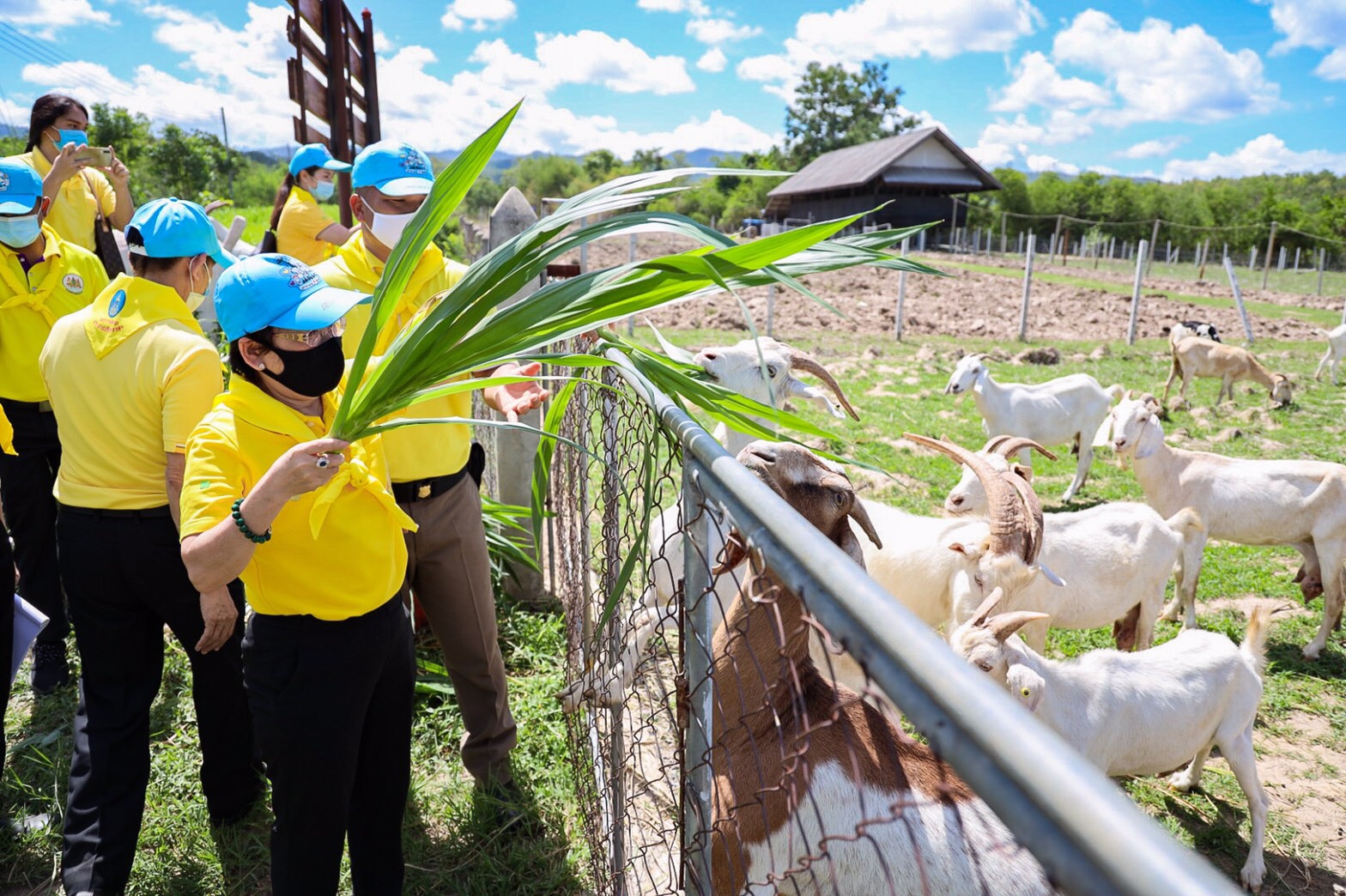
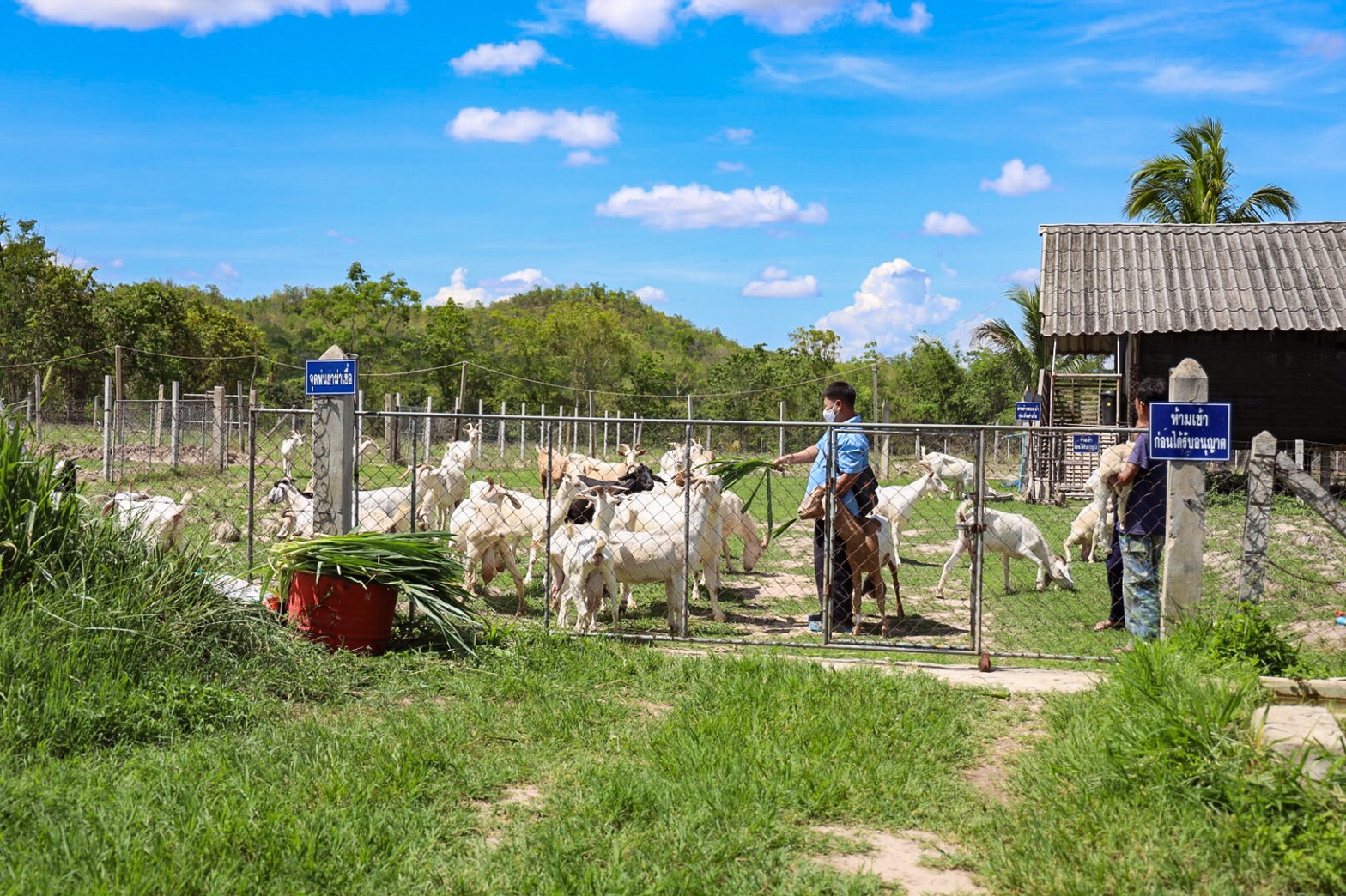
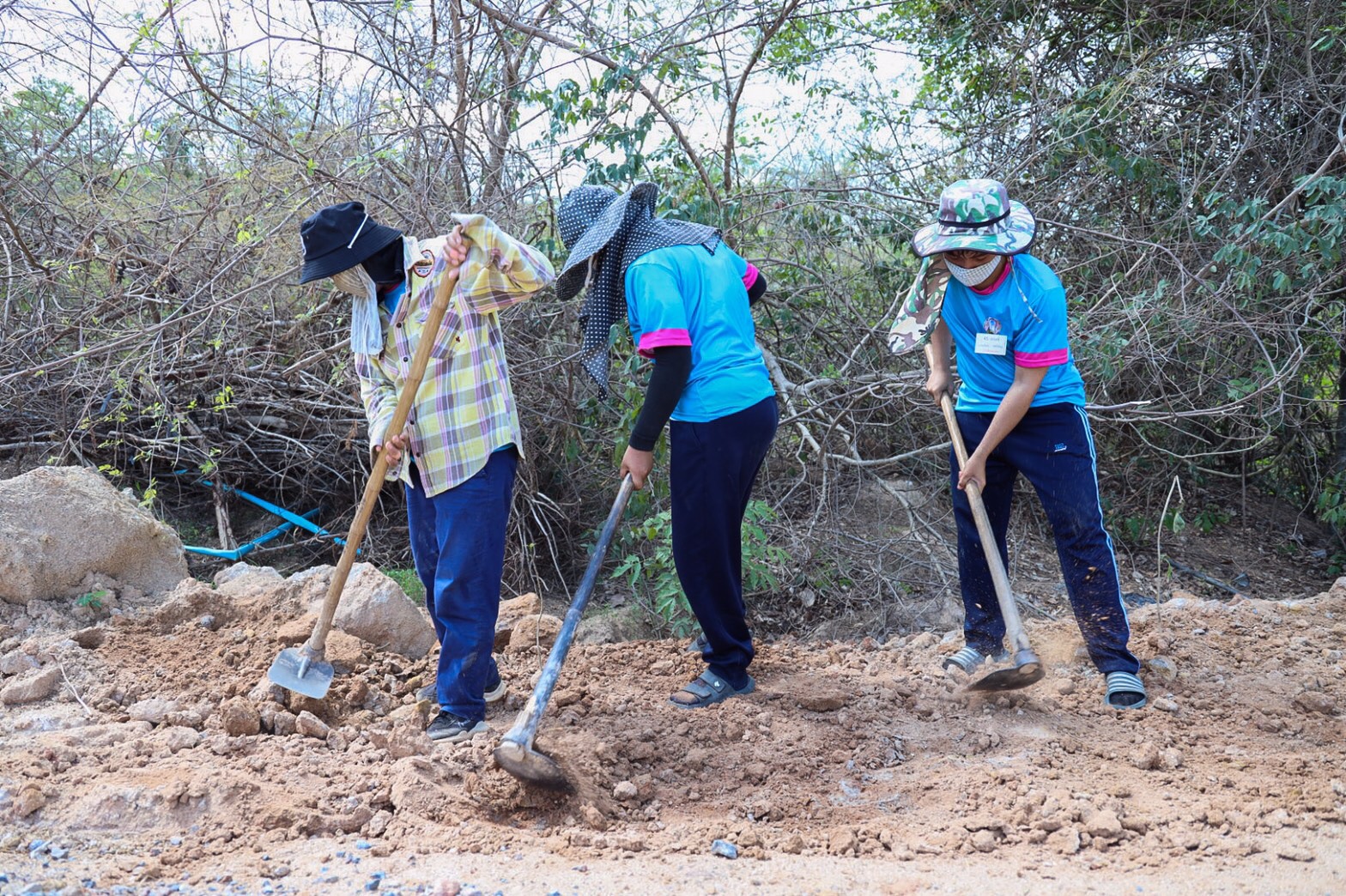
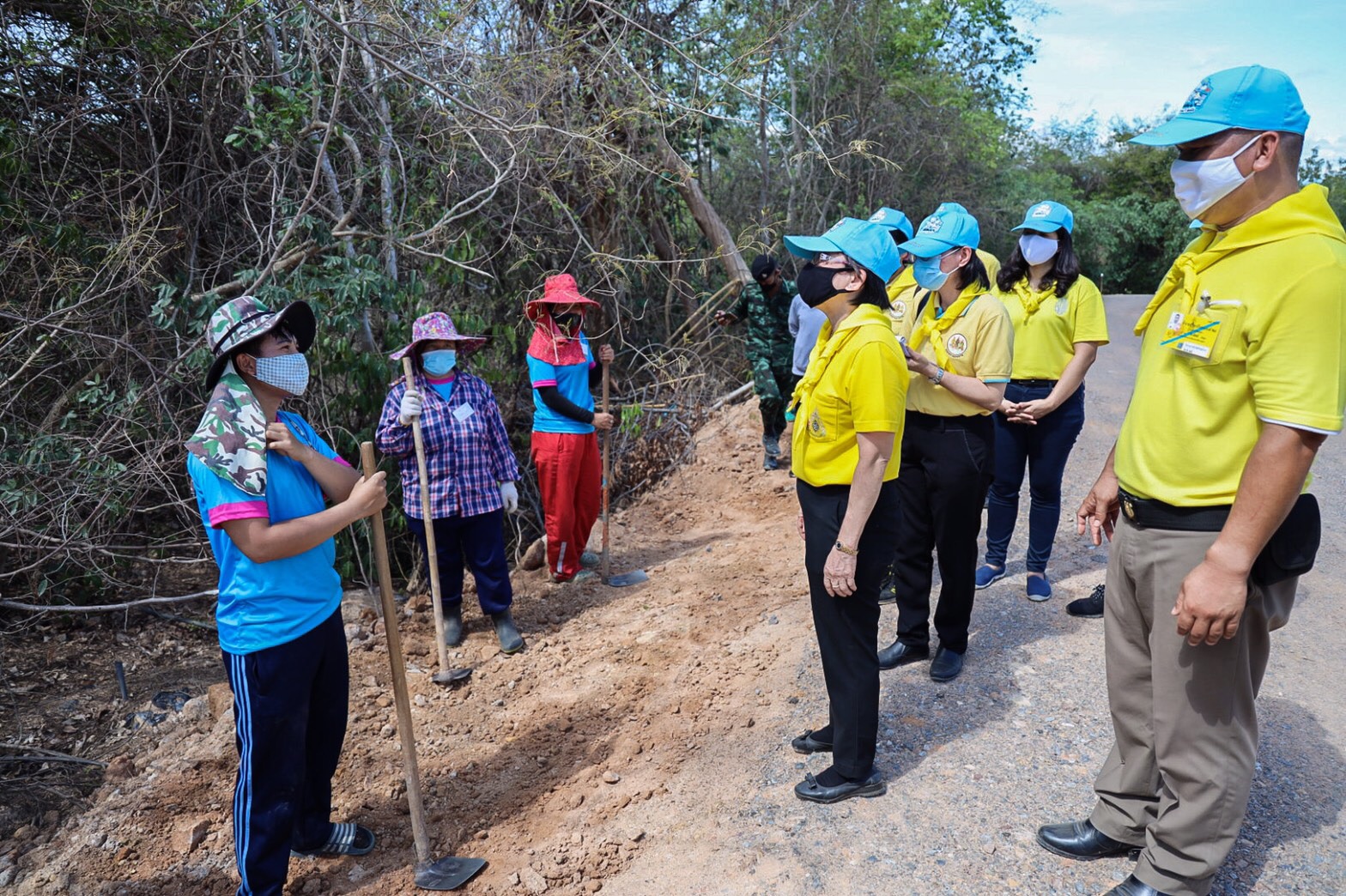
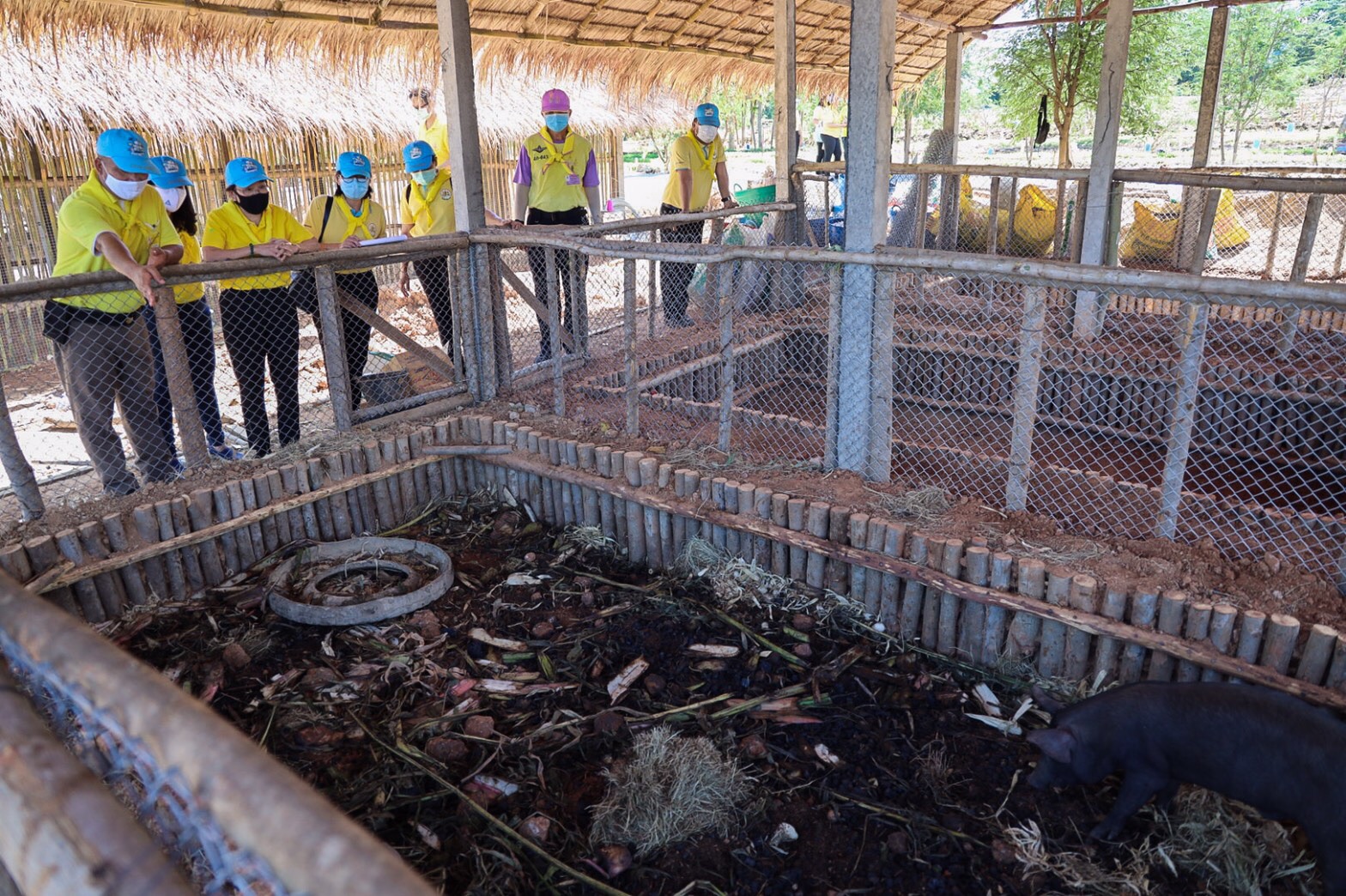
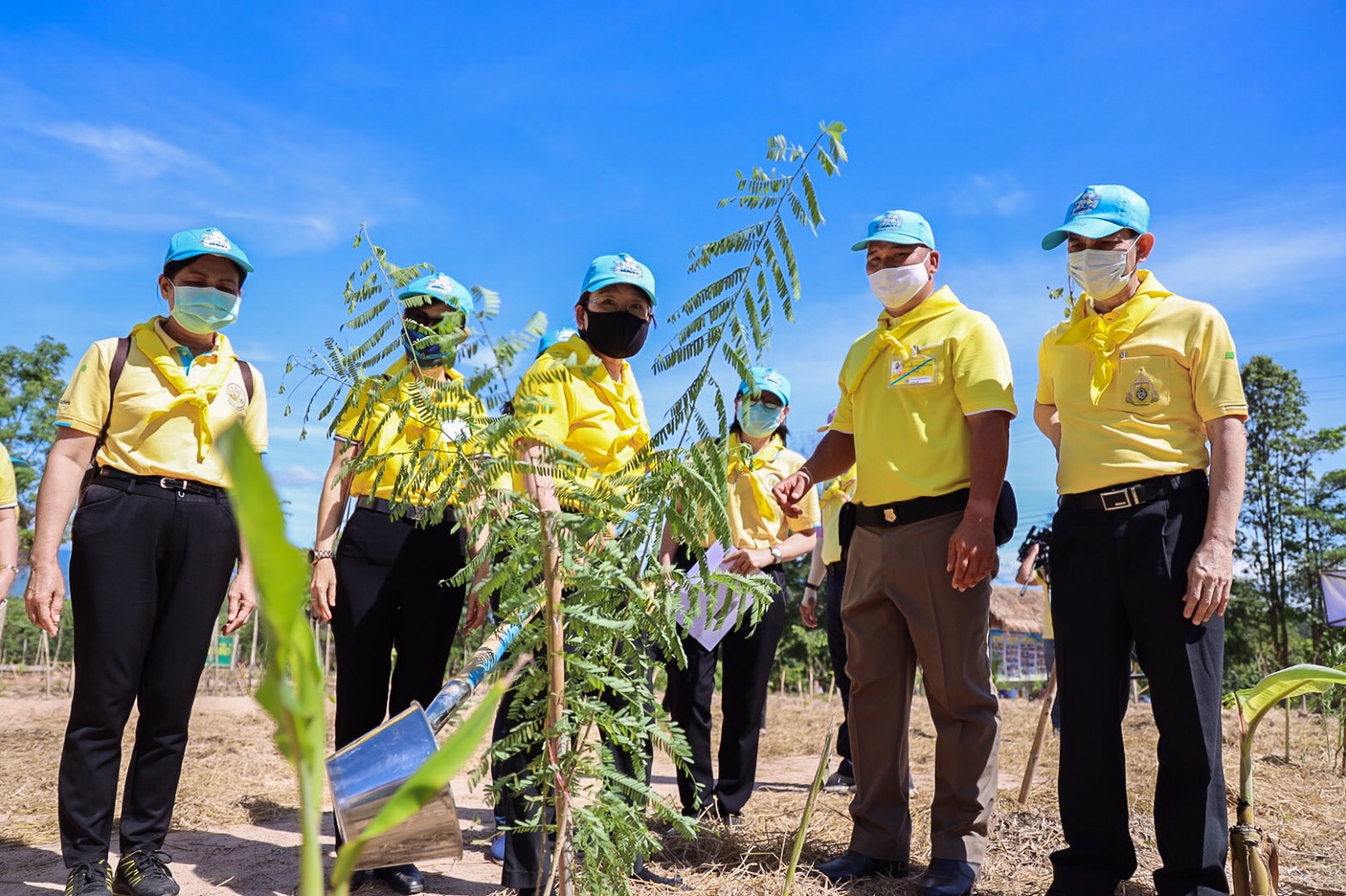
The Ministry of Labour travelled north to revive Chiang Mai’s employment with the Model Farm Project, so that local people have a source of income for themselves and their families to overcome the COVID-19 crisis.
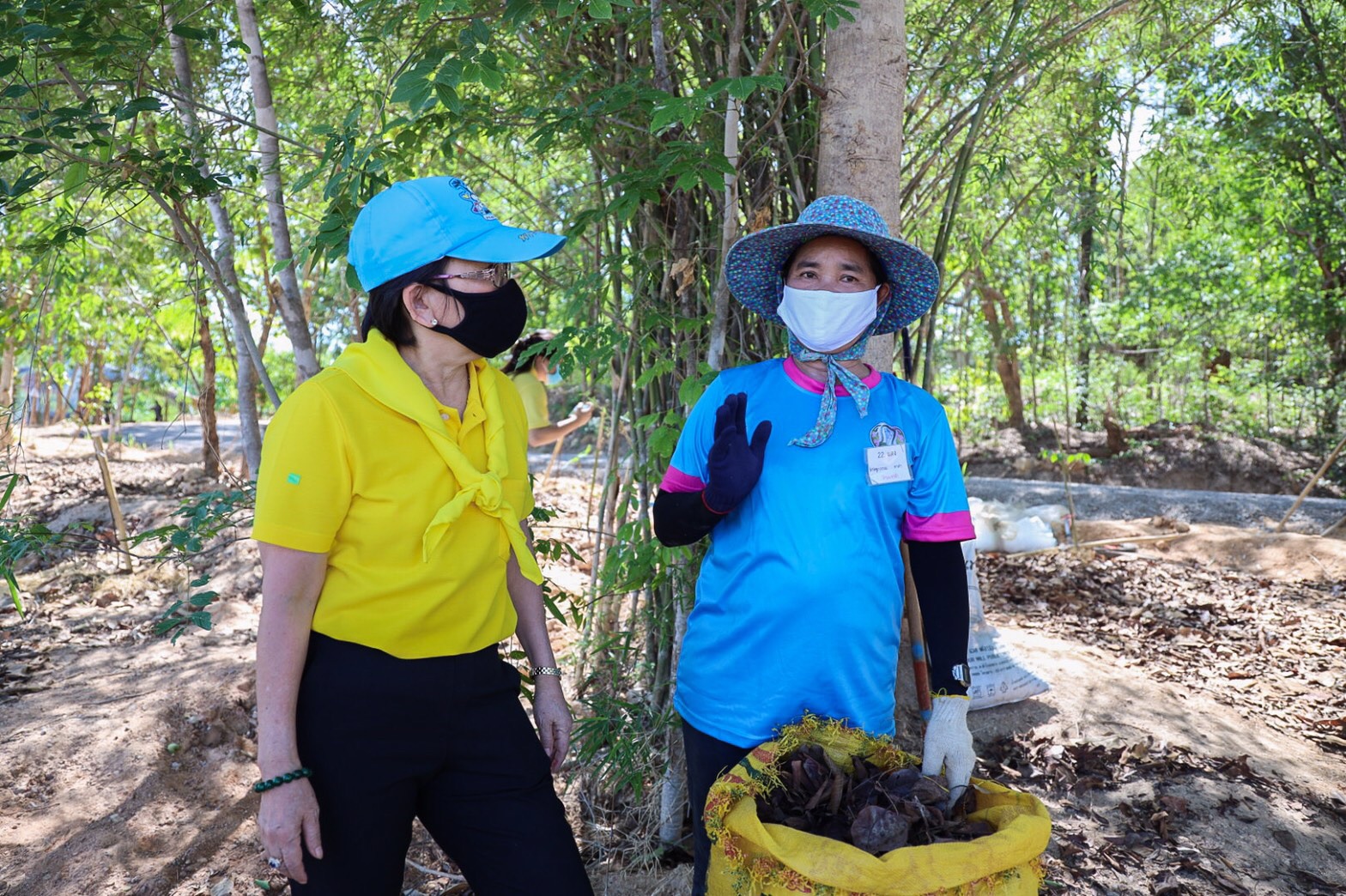
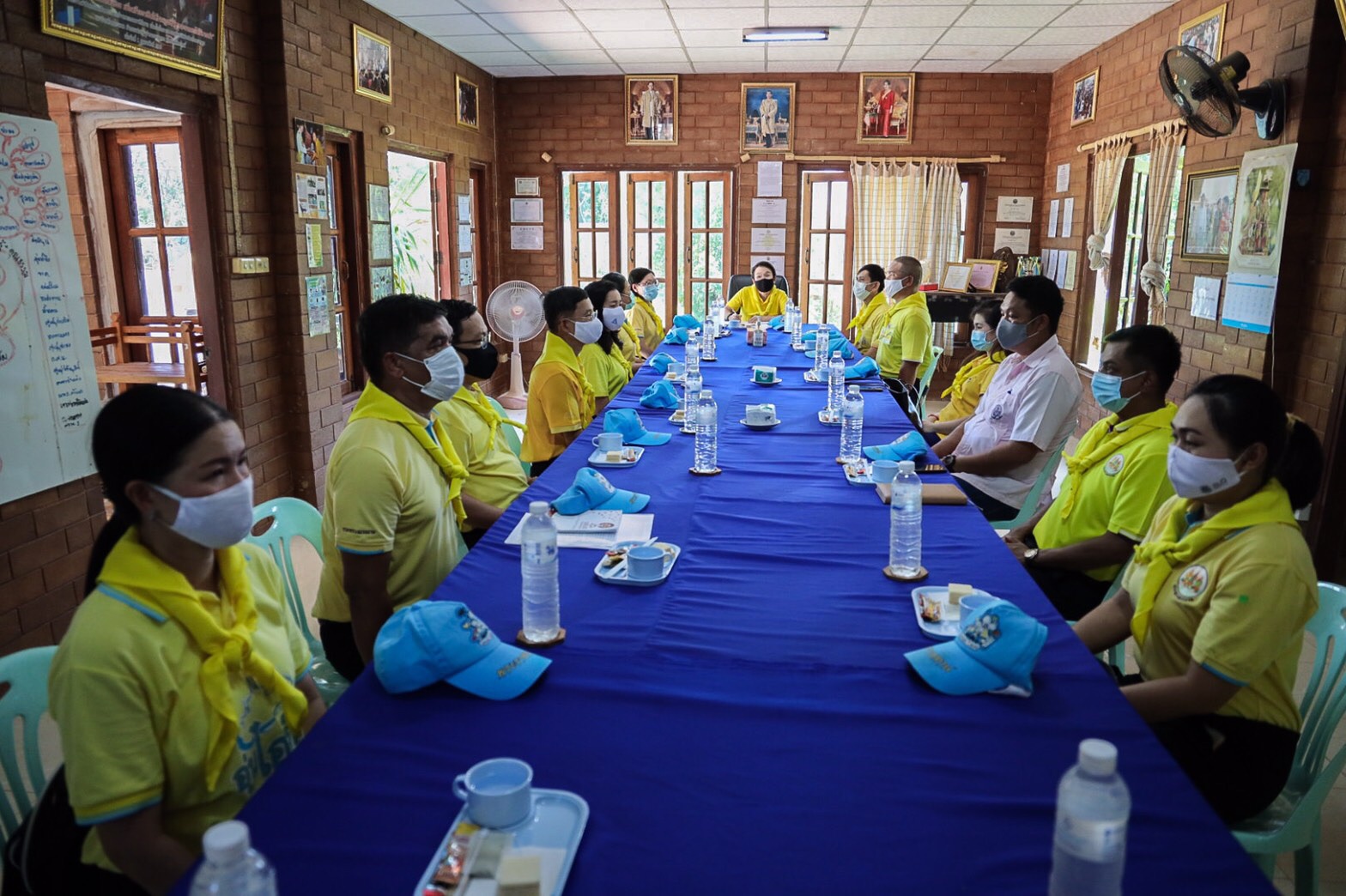
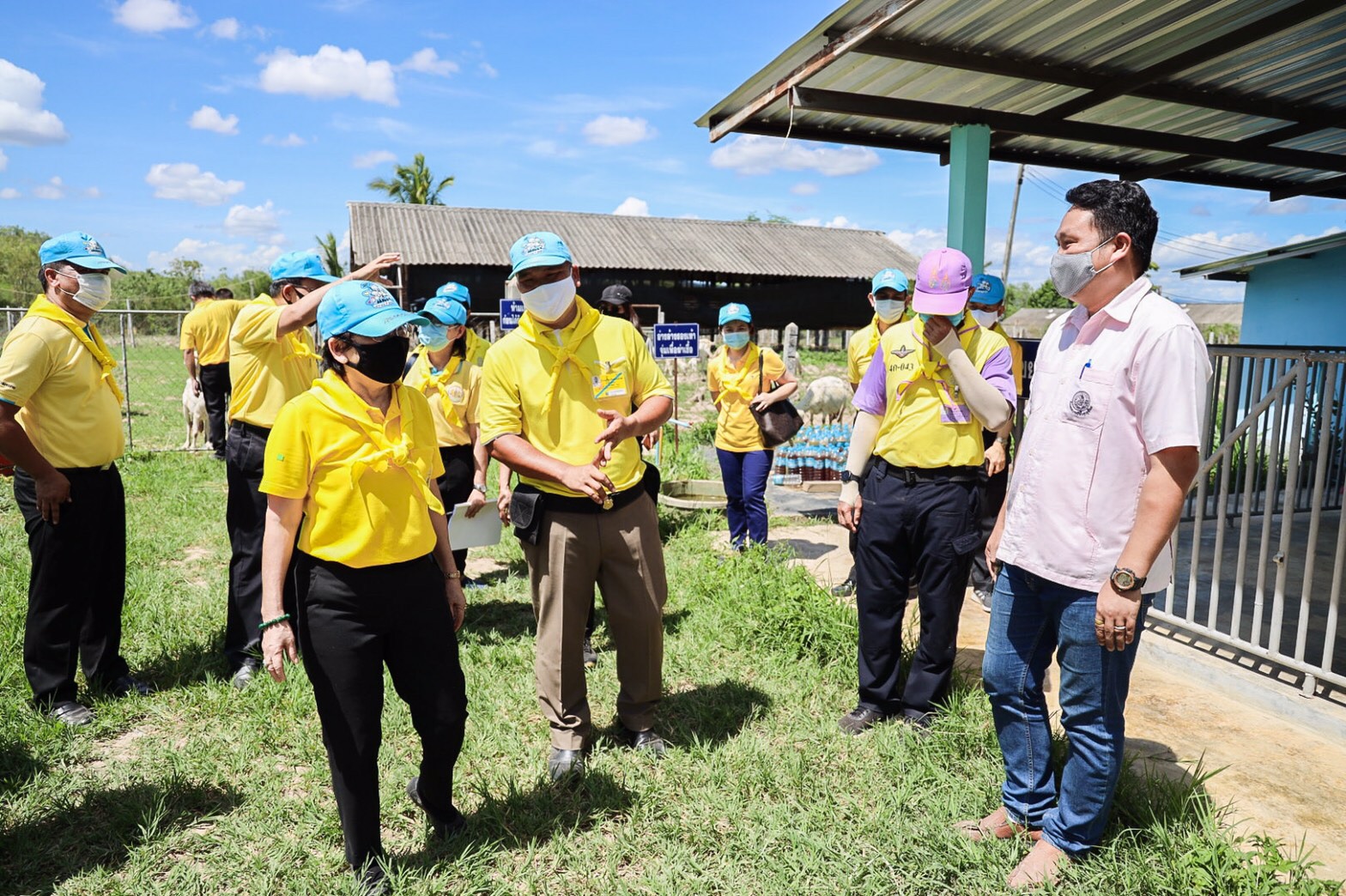
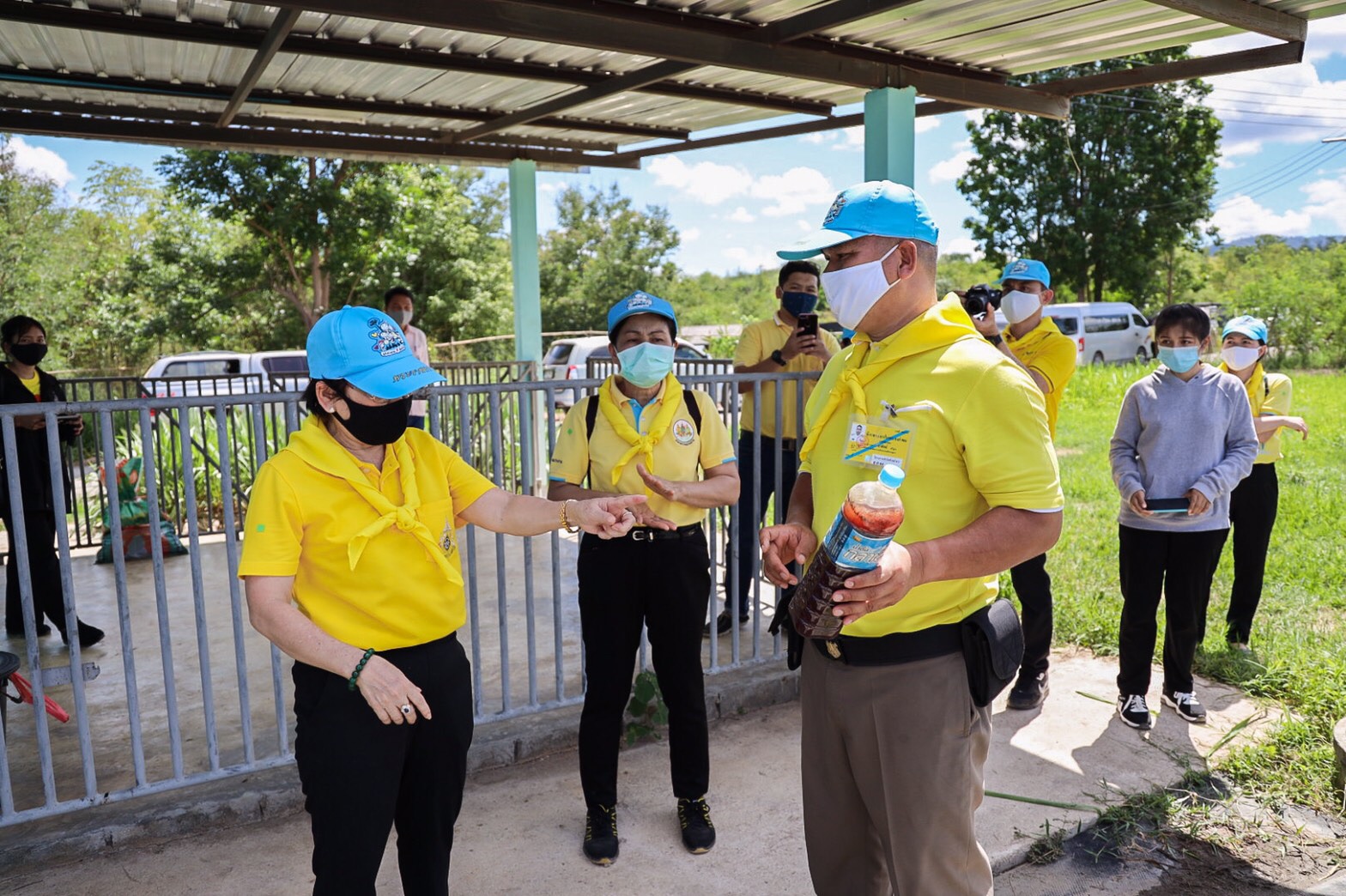
On June 23, 2020, Deputy Permanent Secretary of Labour Mrs. Theanrat Nawamawat observed the progress of “The COVID-19 Resistant Farm Project Model” at the Farm Project Model initiated by Her Majesty Queen Sirikit in Chiang Mai, in Village No. 15, Ban Pae, Chom Thong, Chiang Mai. She said that the Ministry of Labour has a sense of divine grace for His Majesty the King and Her Majesty the Queen in providing an area on the model farm following the initiative of Her Majesty Queen Sirikit. The Ministry of Labour and related agencies, in cooperation with the Royal Thai Volunteer Center have implemented a project to resolve vocational issues under “The COVID-19 Resistant Farm Project Model” project. The objective is to help unemployed people from the effects of COVID-19 to have a job and income to support themselves and their families. An allocated budget of 19.8 million Baht has been granted for the operation in 17 provinces across 30 model farms within 60 days. The project duration is from May 4 to July 28, 2020, operating 8 hours a day and closed on Sundays. Participants will receive compensation of 300 Baht per person per day. There will be a total of 1,101 participants in the project.
Mrs. Theanrat said that for Chiang Mai province, there were 60 participants, including 18 men and 42 women, with 57 participants remaining as some people returned to work as the COVID-19 situation improved. Most of the participants were farmers and gardeners, followed by general workers. The project started from May 4 to July 13, 2020 for period of 60 days, with every Sunday being a holiday. Participants were compensated with 300 Baht per day, per person. For the payment, the Chiang Mai Labour Office staff together with the farm manager will pay out to all participants in the project, in cash, every ten days. In addition, agencies under the Ministry of Labour will help fulfill the mission, such as the Provincial Labour Office operating the project, paying compensation to project participants and publicizing the Ministry of Labour’s mission. The Chiang Mai Employment Office has participated in employment promotion. In the extension of agricultural work of establishments, the Chiang Mai Institute for Skill Development 19 has provided demonstrations on hydroponic vegetable cultivation and the Chiang Mai Labour Protection and Welfare Office has introduced the Labour Protection, Occupational Safety, Health and Working Environment Act, and Chiang Mai Social Security Office introduced social security benefits and took applications for insurers under Article 40.
Meanwhile, Mrs. Kran Upatham or Taew, a resident of Sankampang District, Chiang Mai, said that she was formerly working in sewing, but her company temporarily closed due to the COVID-19 situation. Therefore, she applied to participate in the Model Farm Project. She said she was happy working at this farm because she gained knowledge about agriculture and new theories and earned an income as well as experience to take home. Aside from planting crops and raising animals for consumption, the remaining can be sold to make money and support family expenses.
————————————————
Division of Public Relations
23 June 2020