

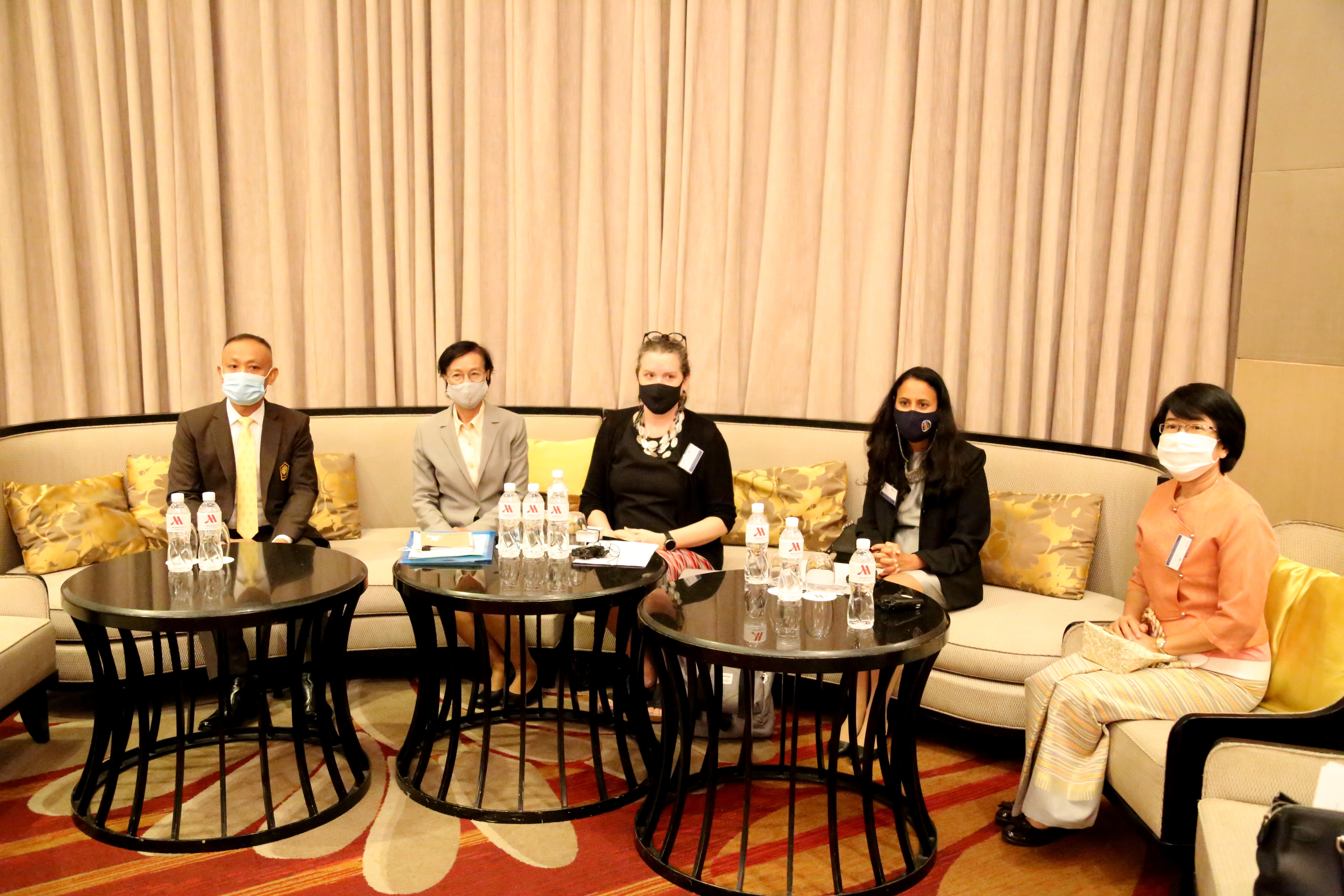
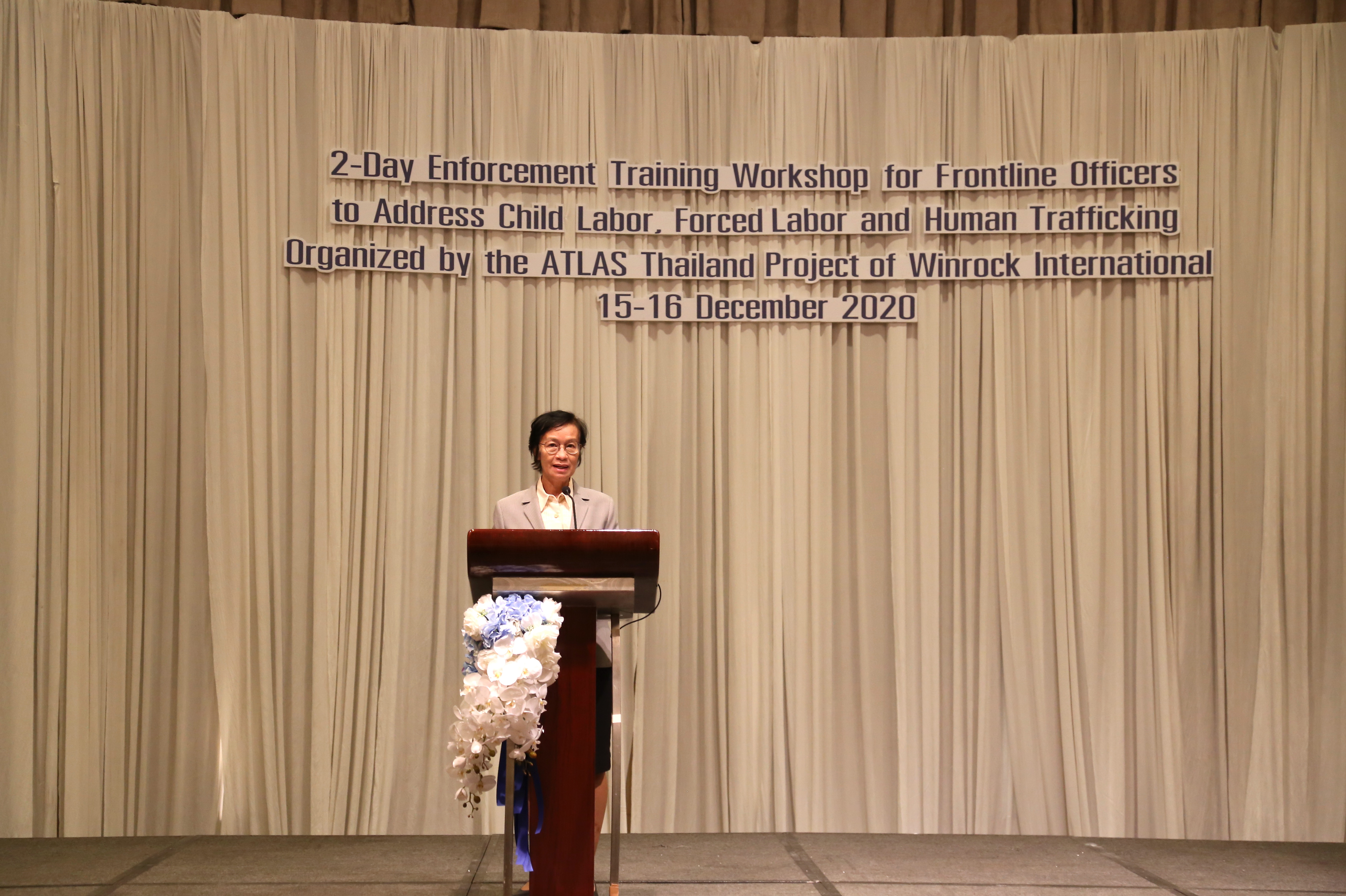
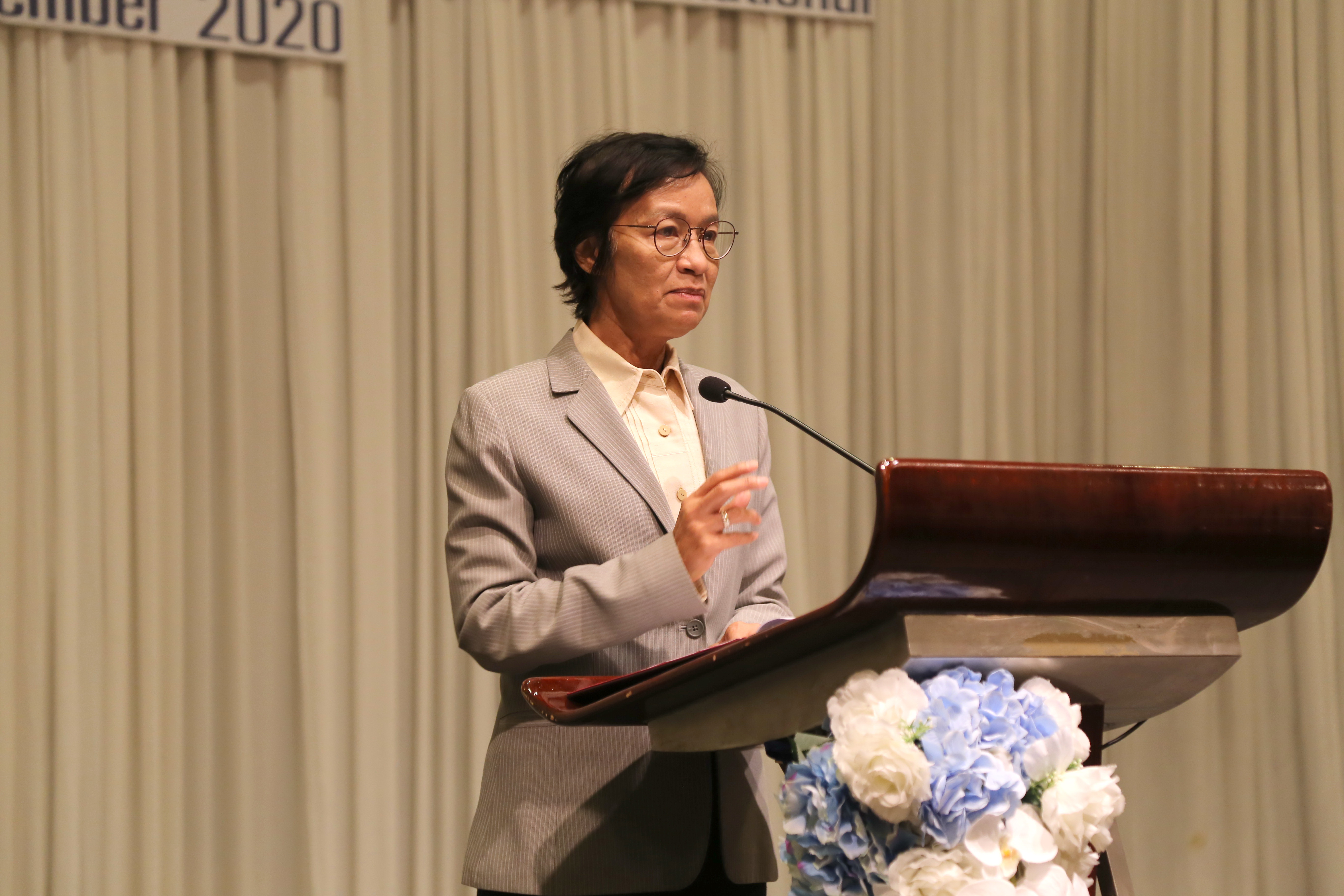
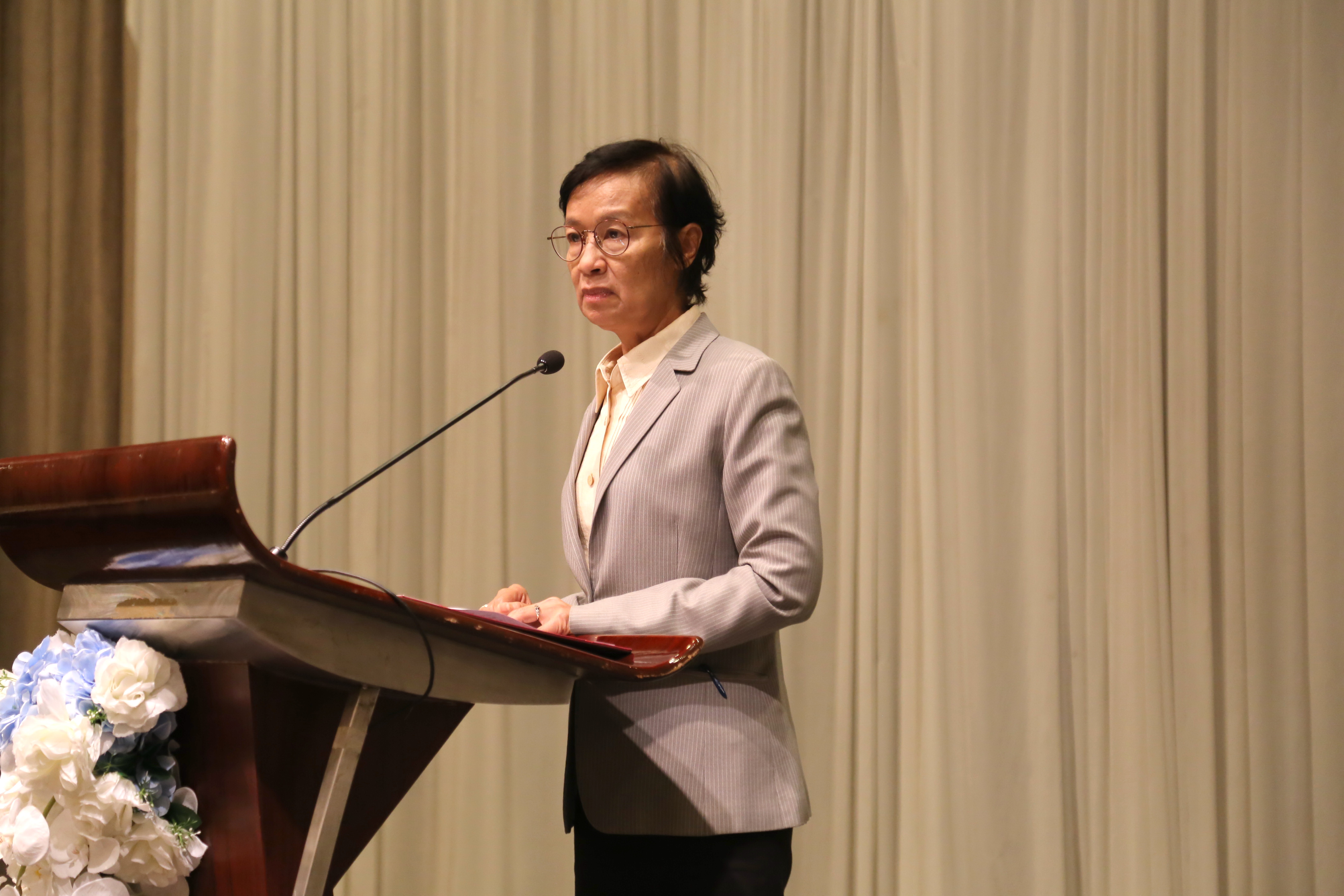
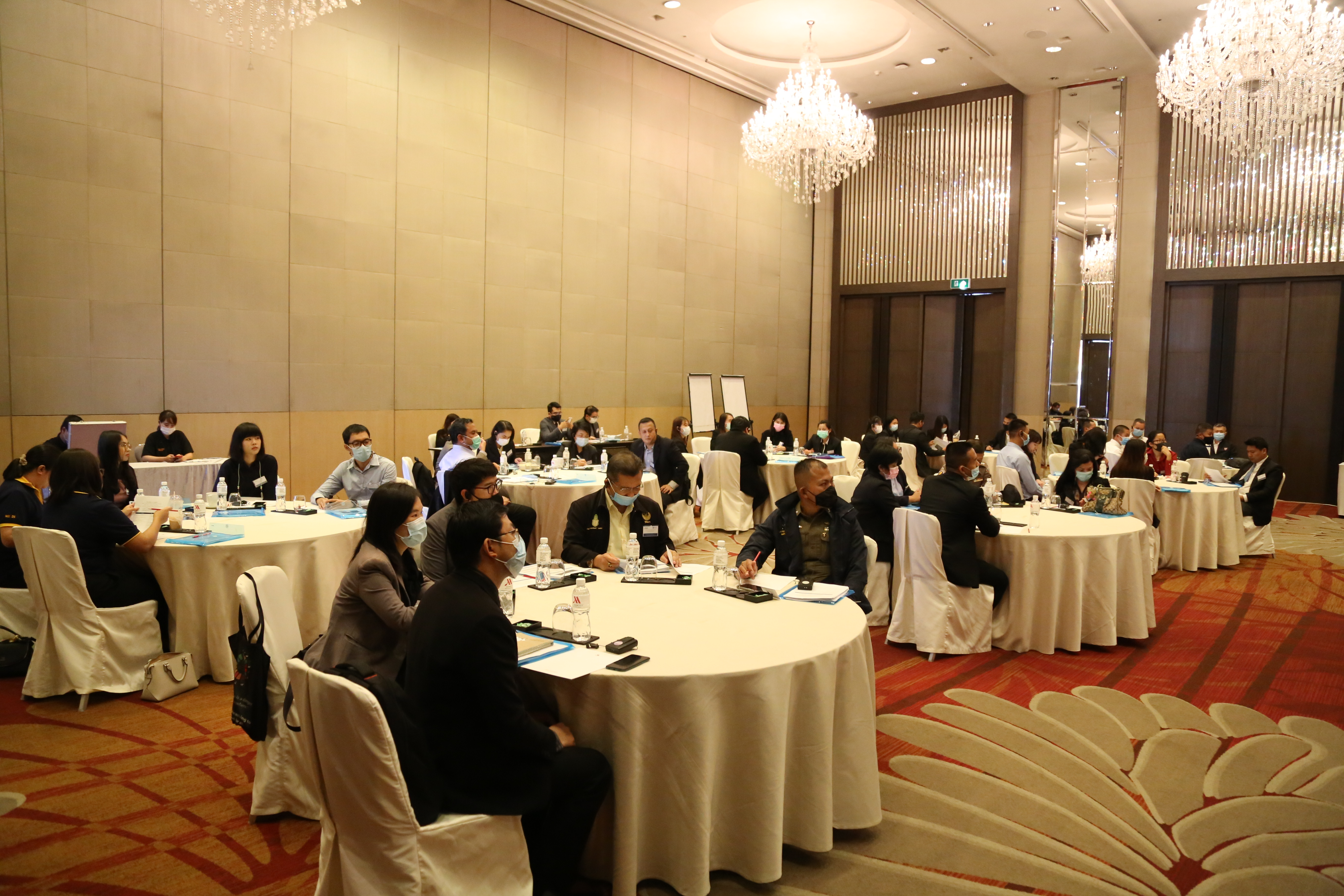
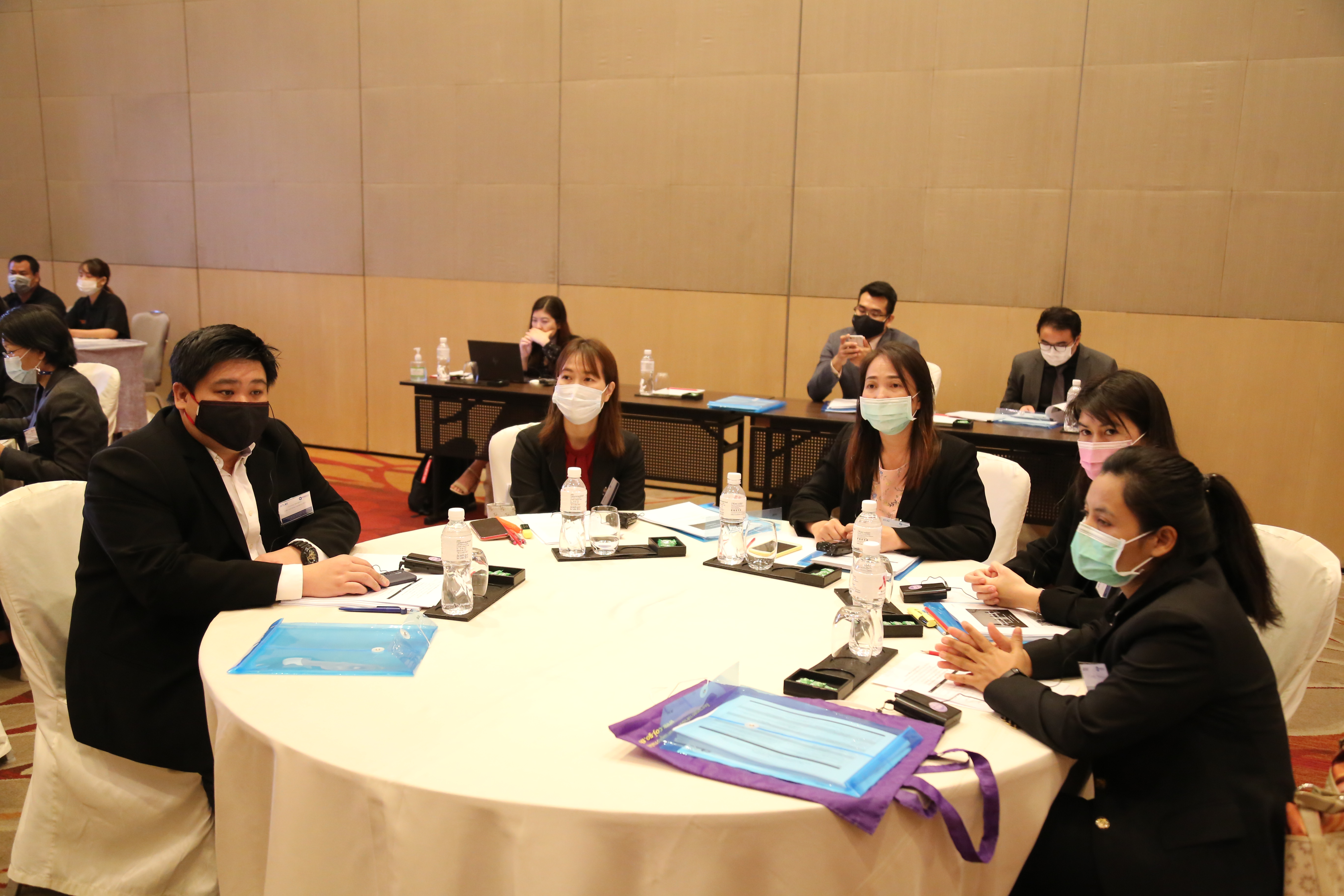
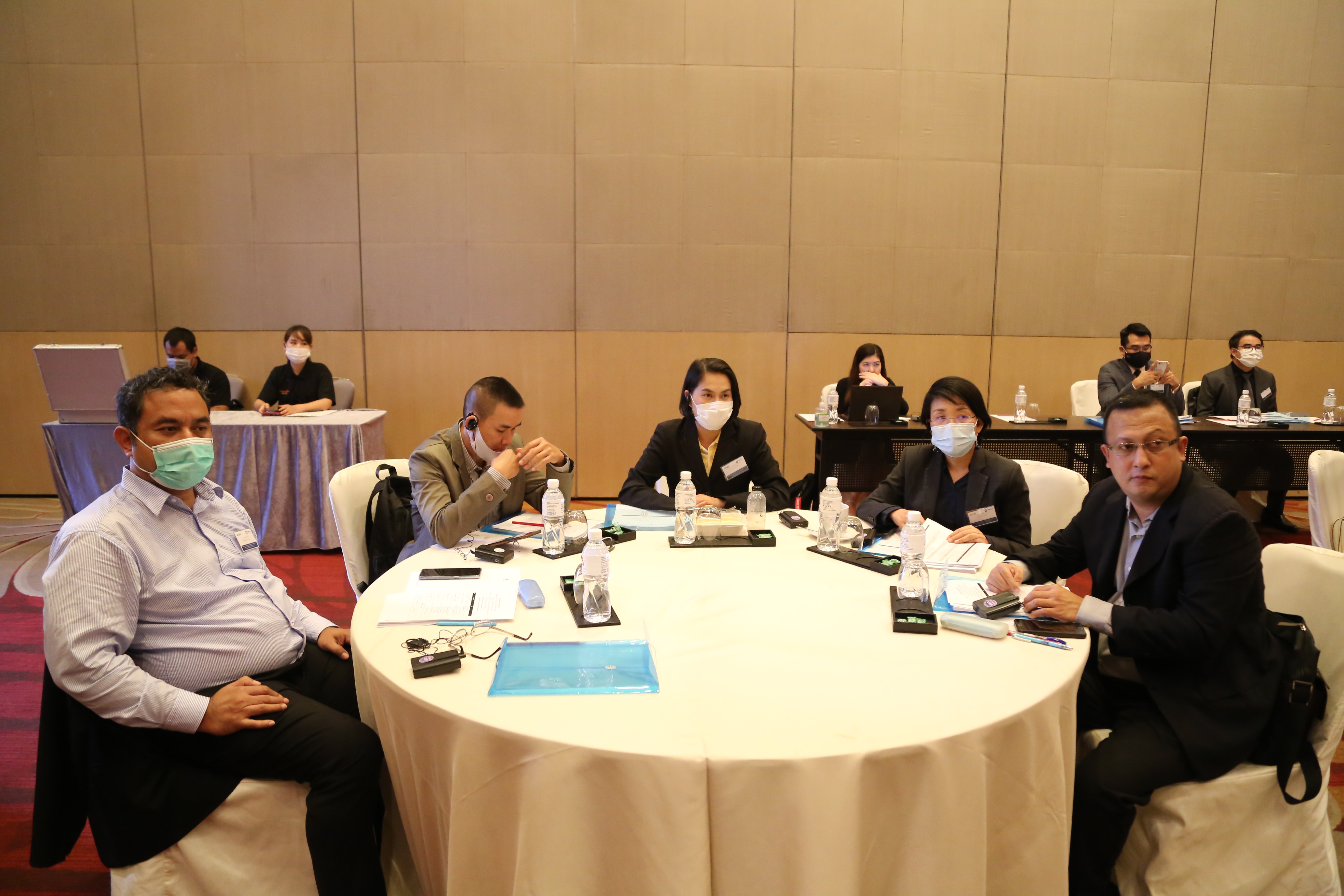
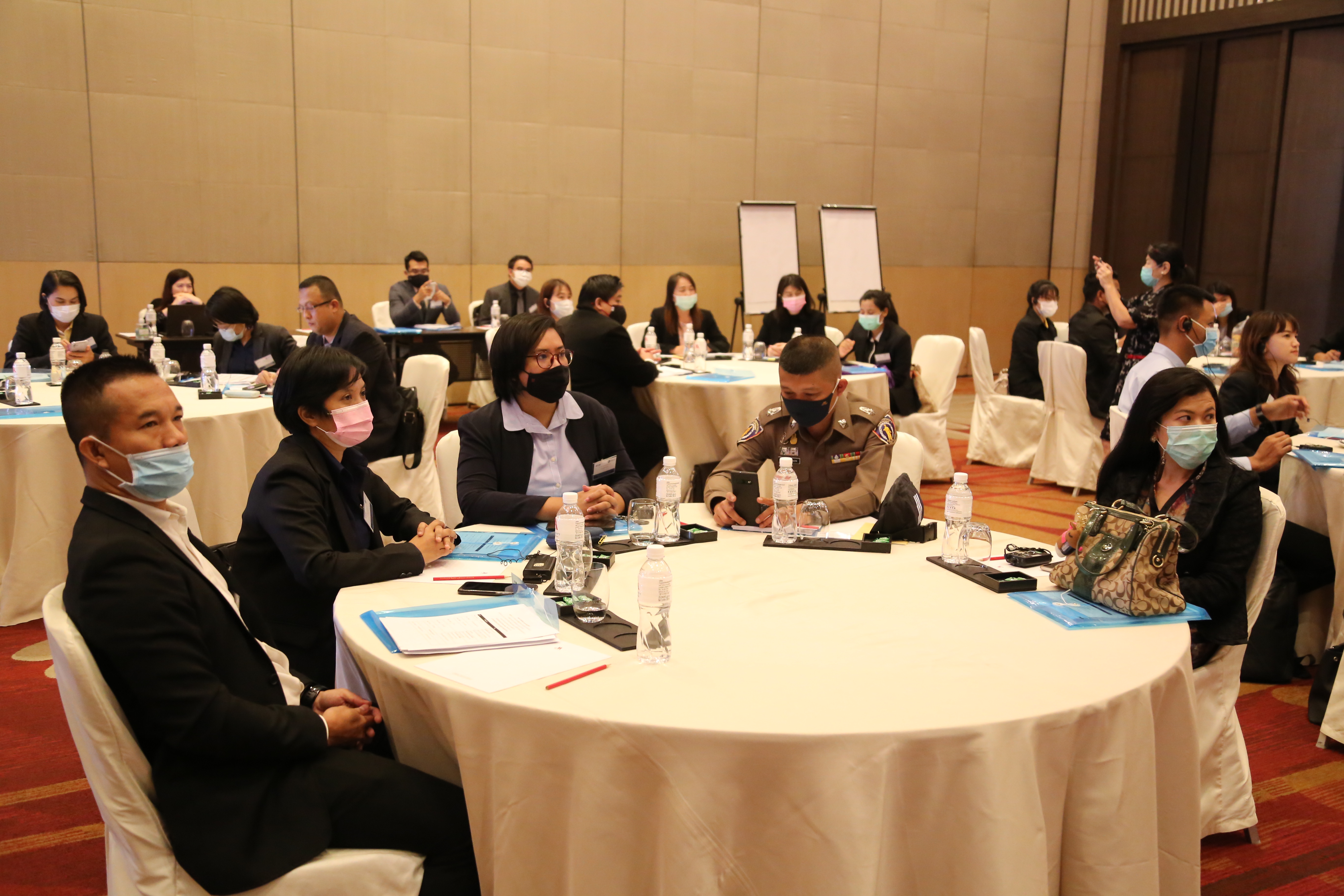
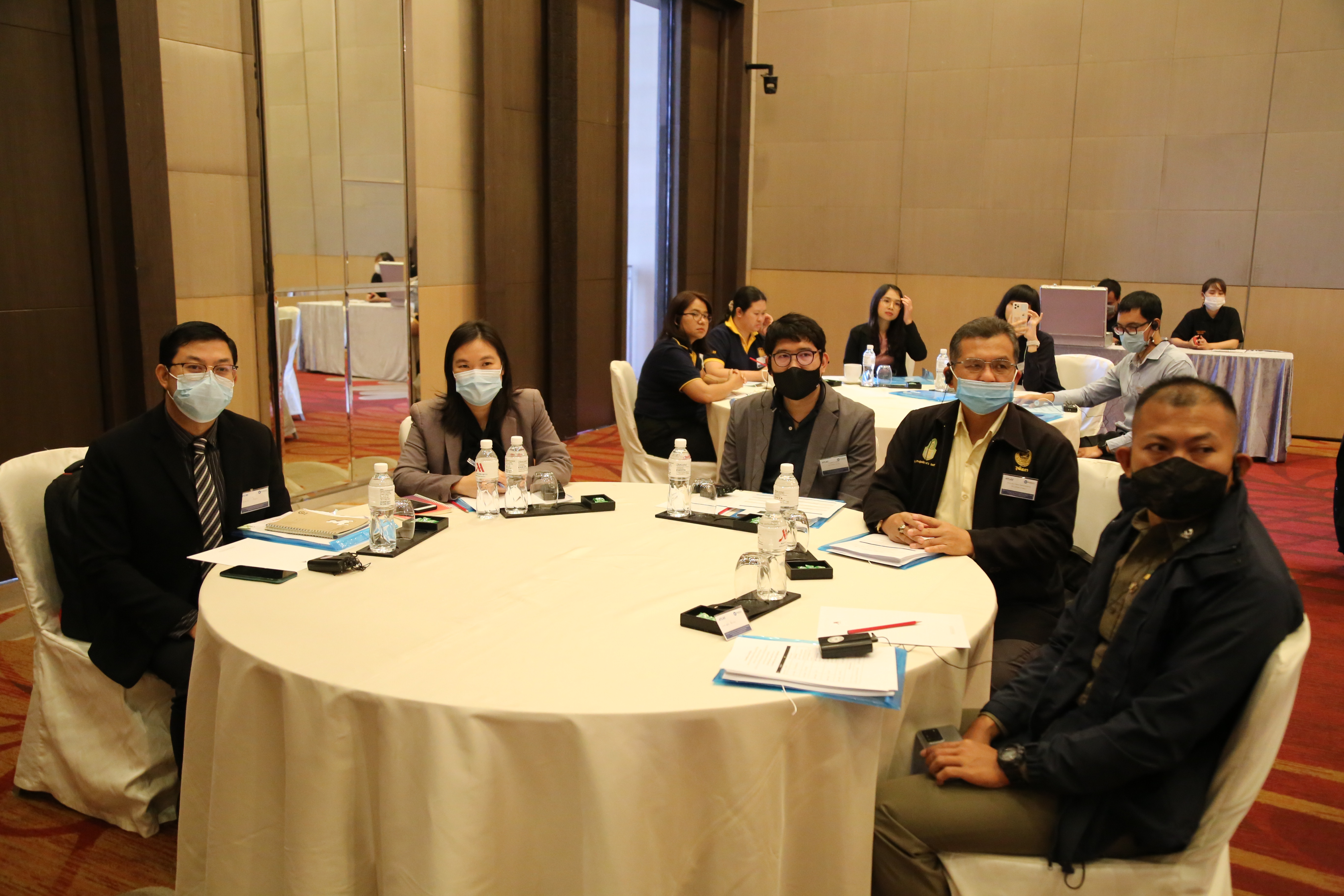
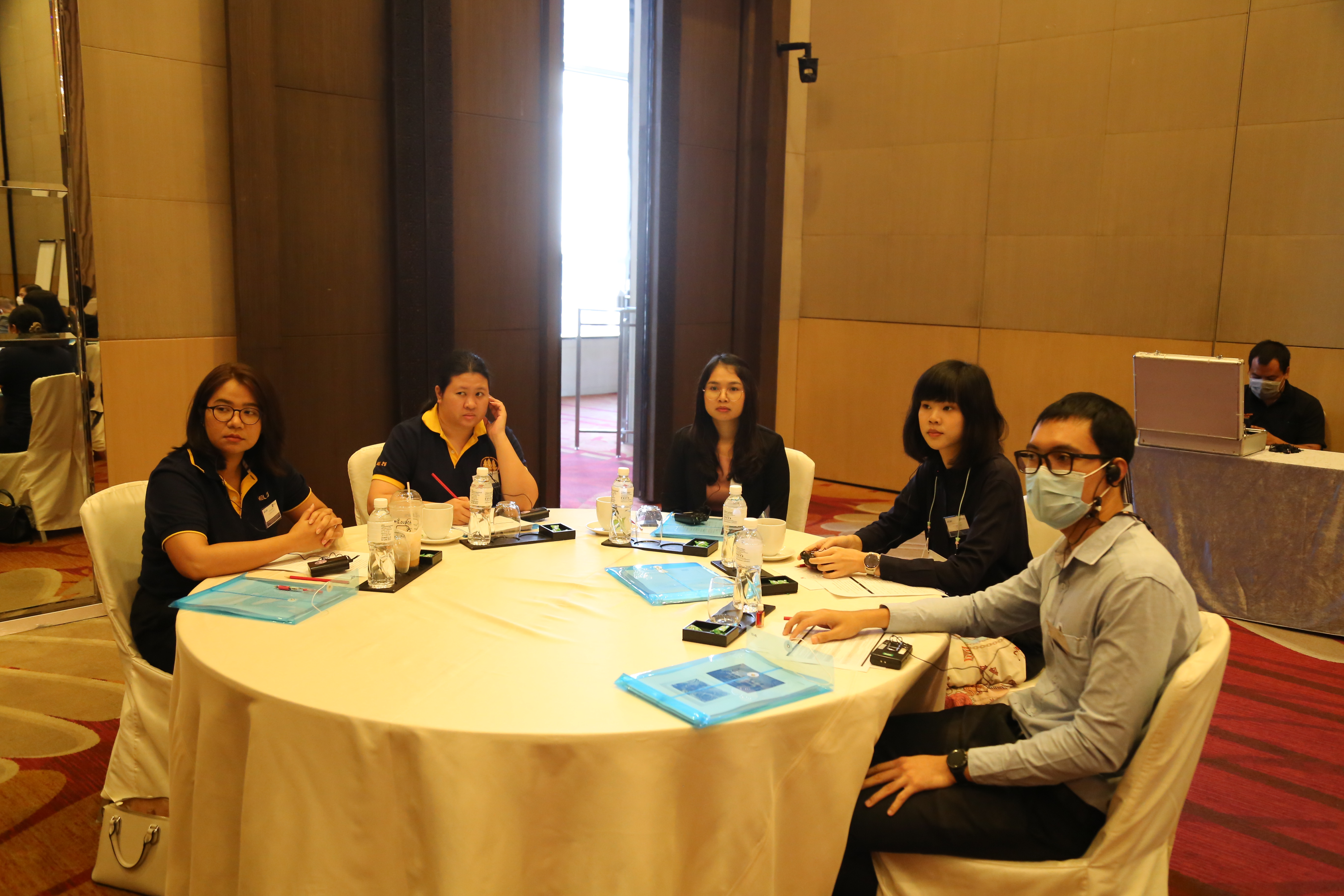
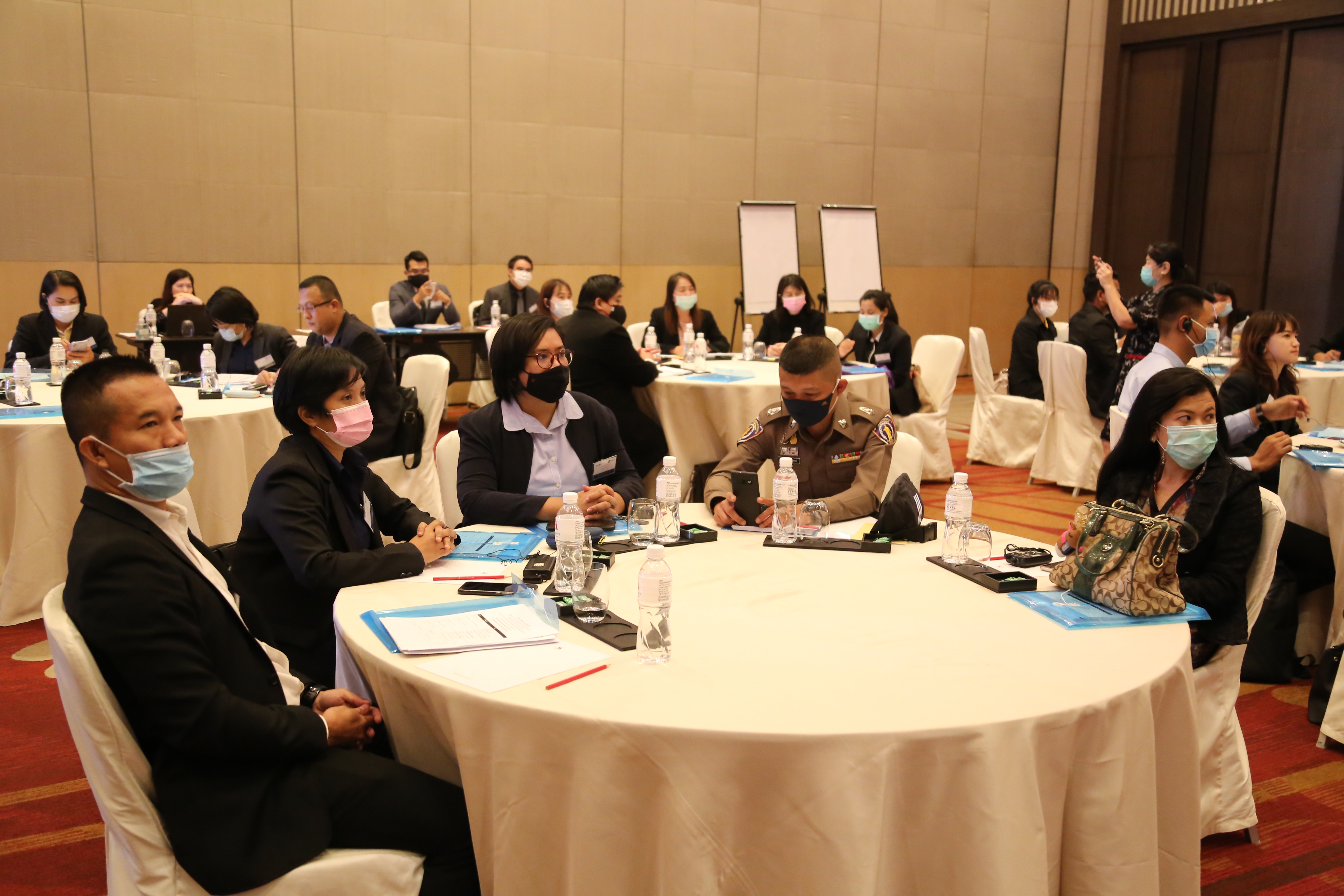
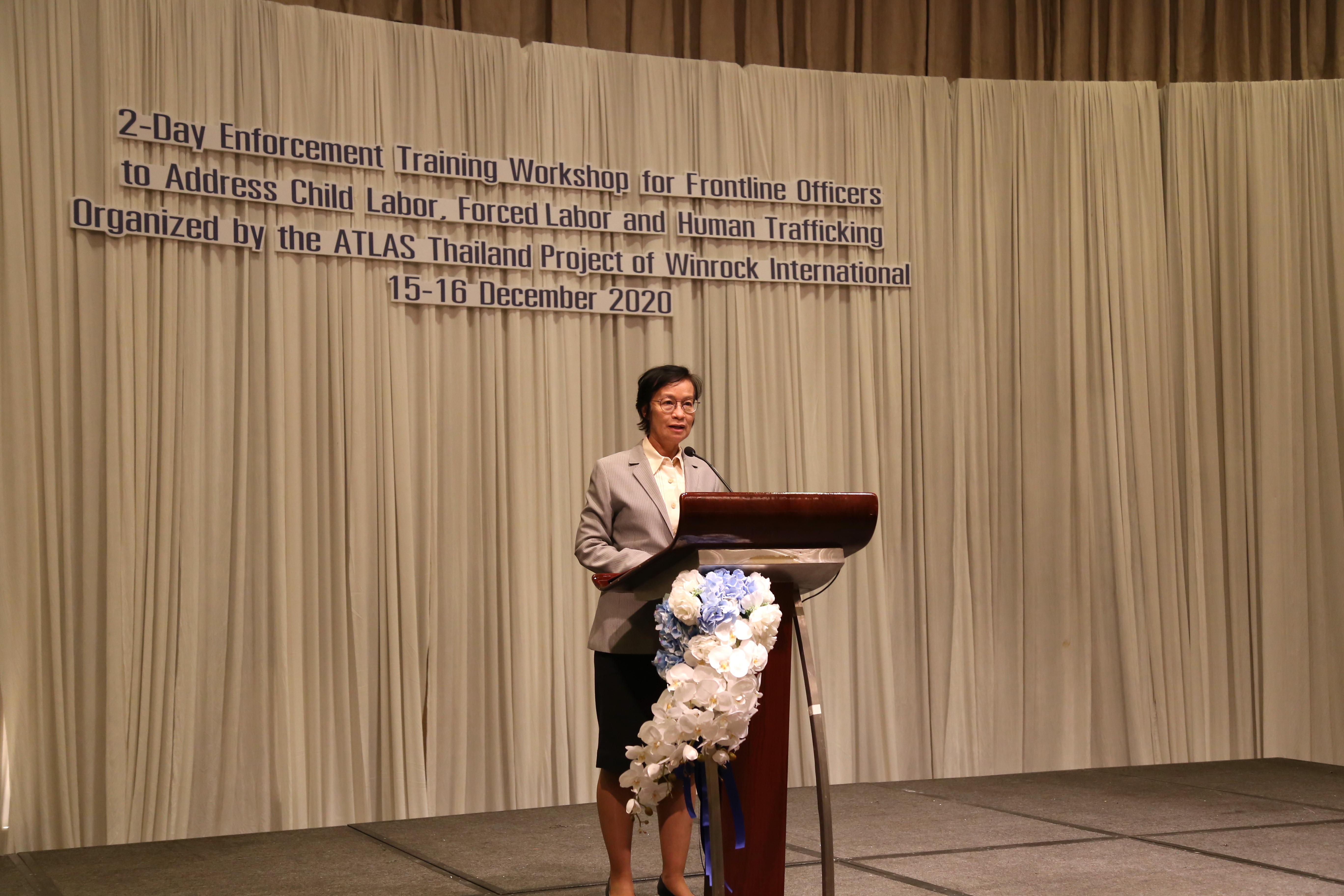
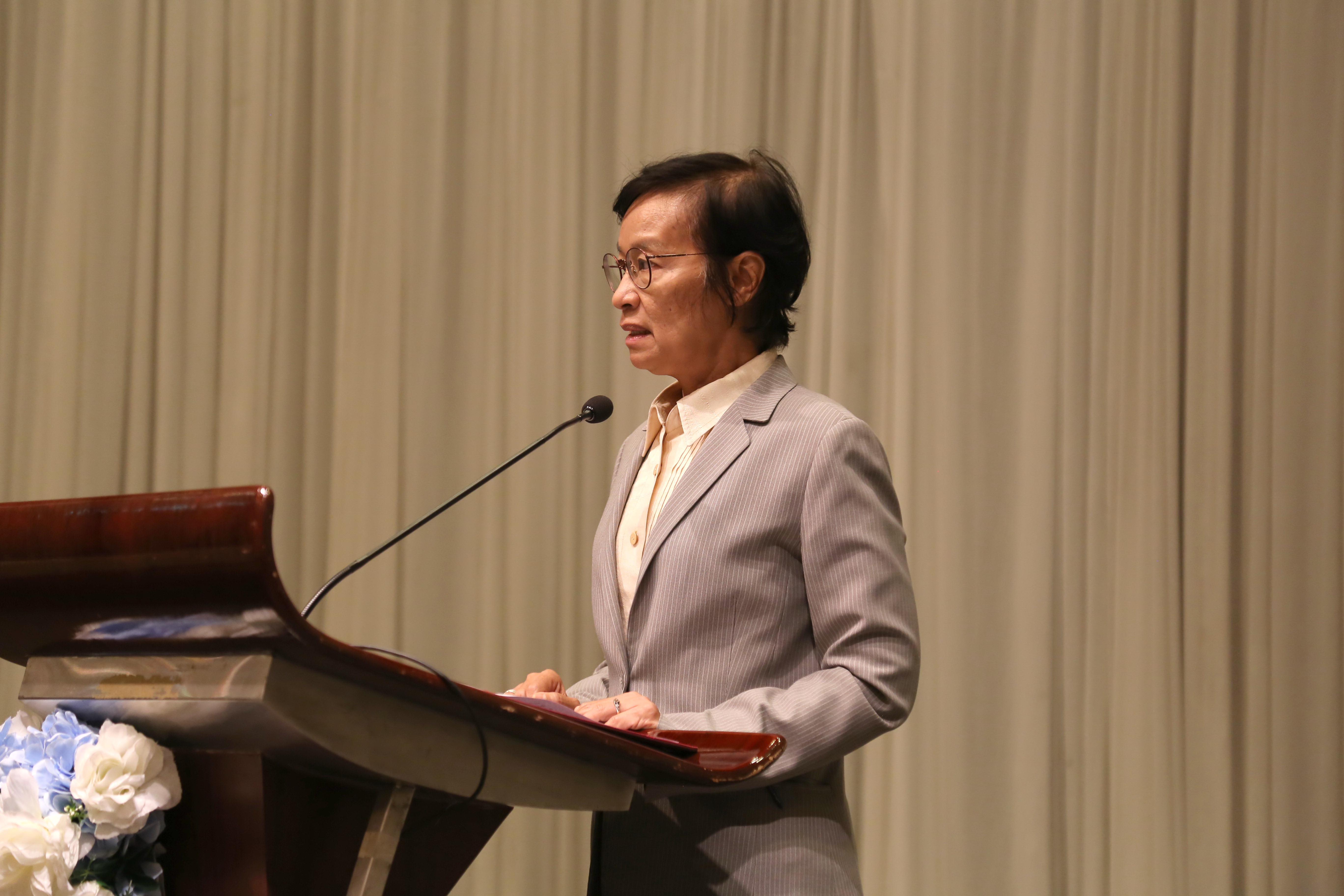
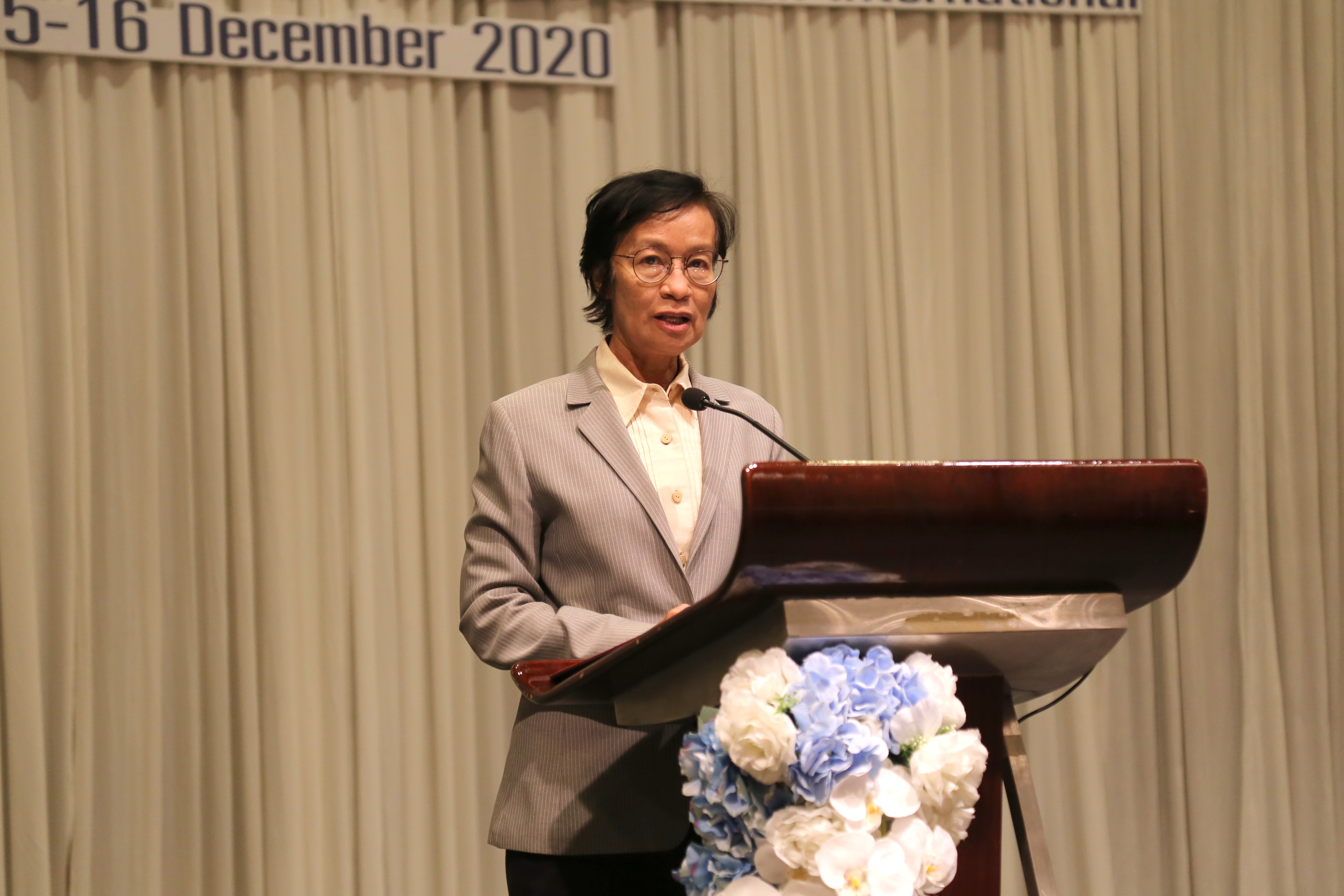
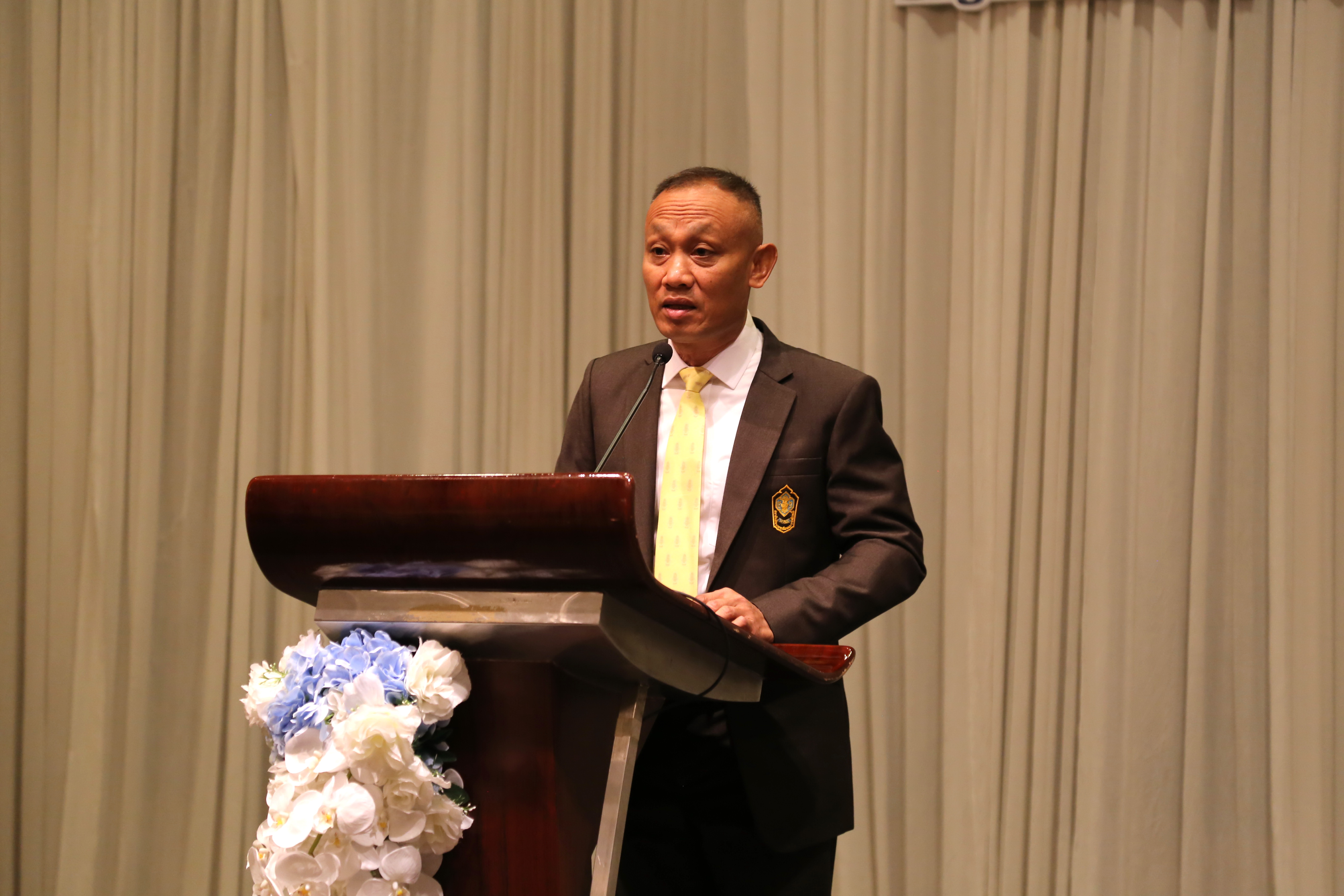
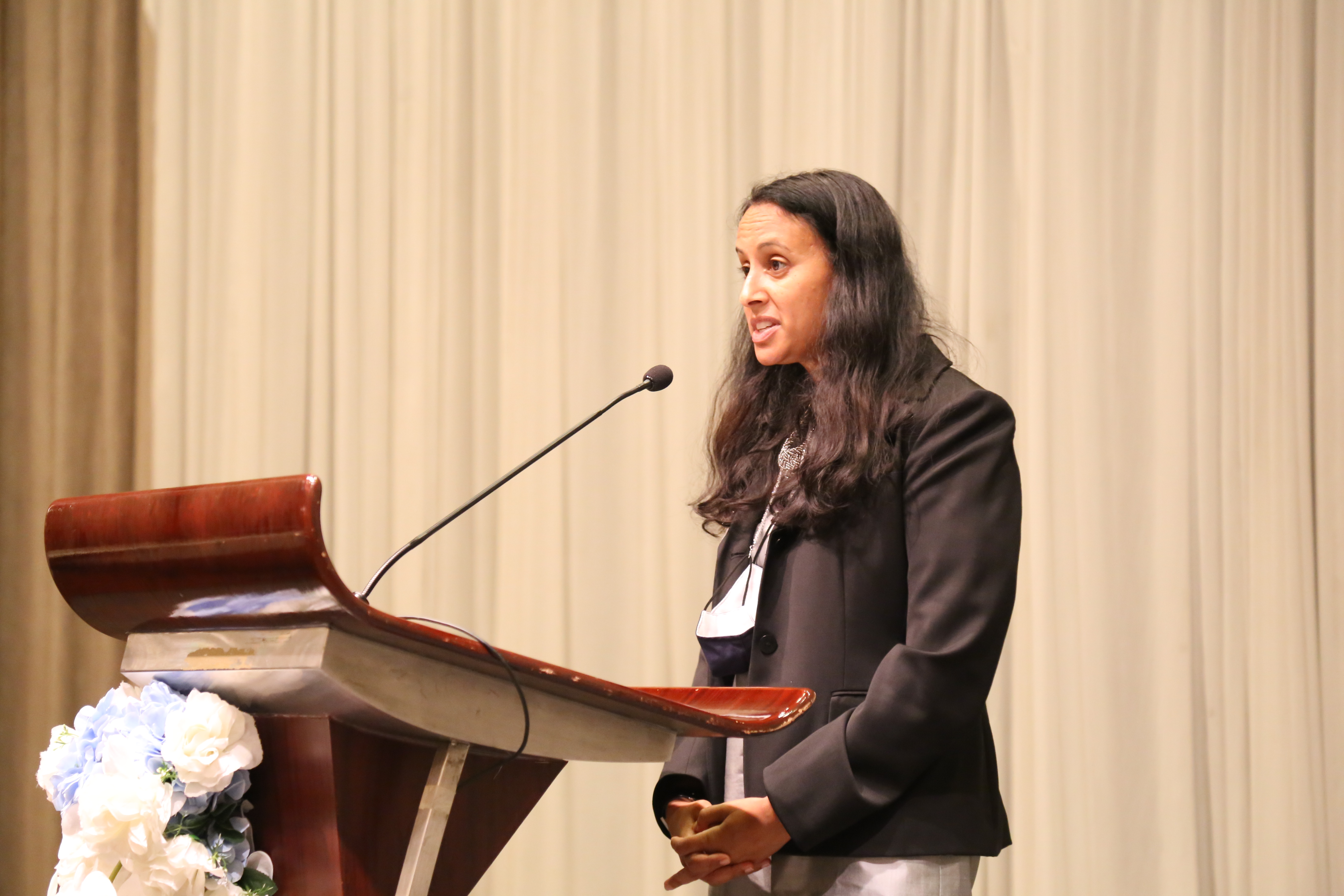
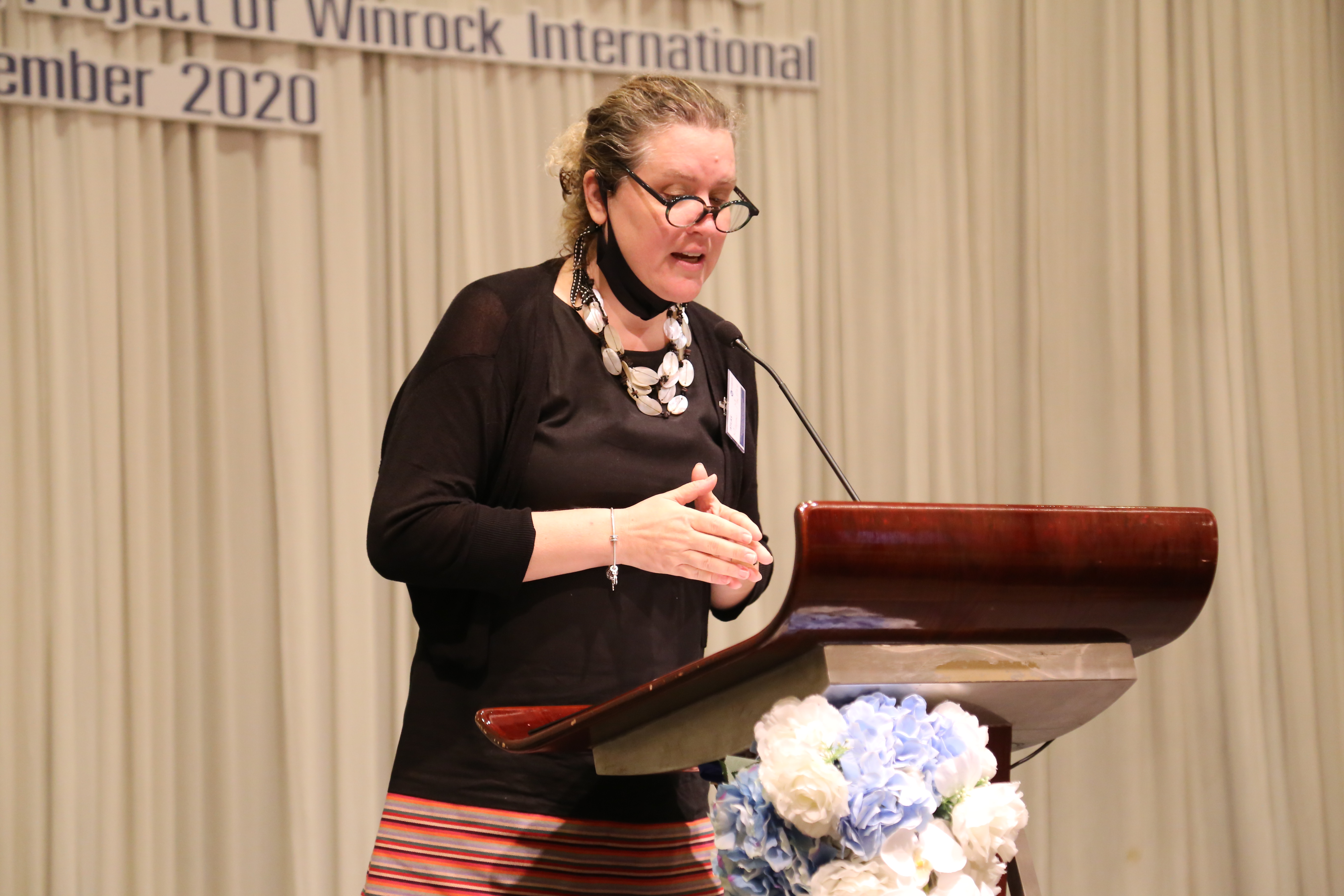
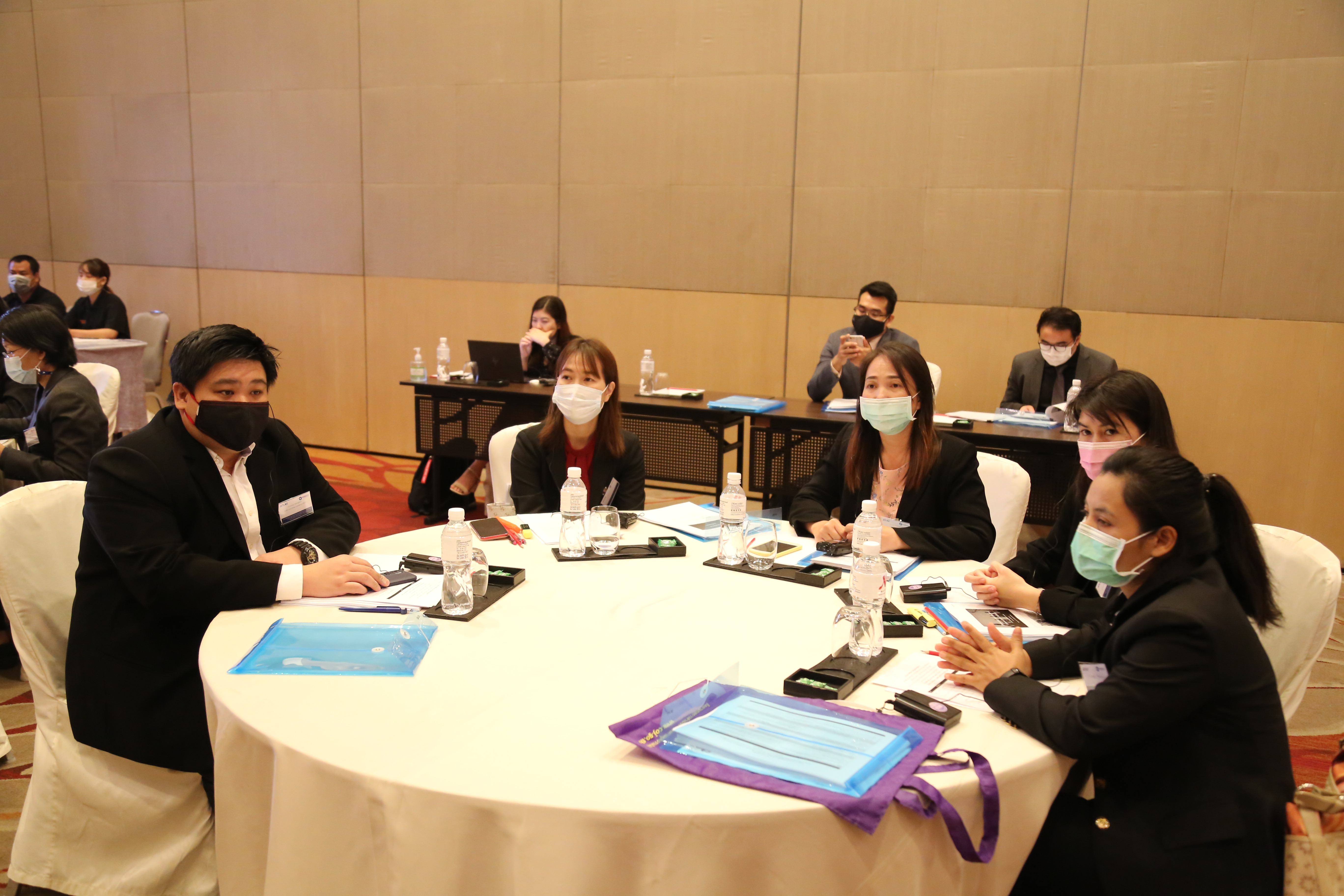
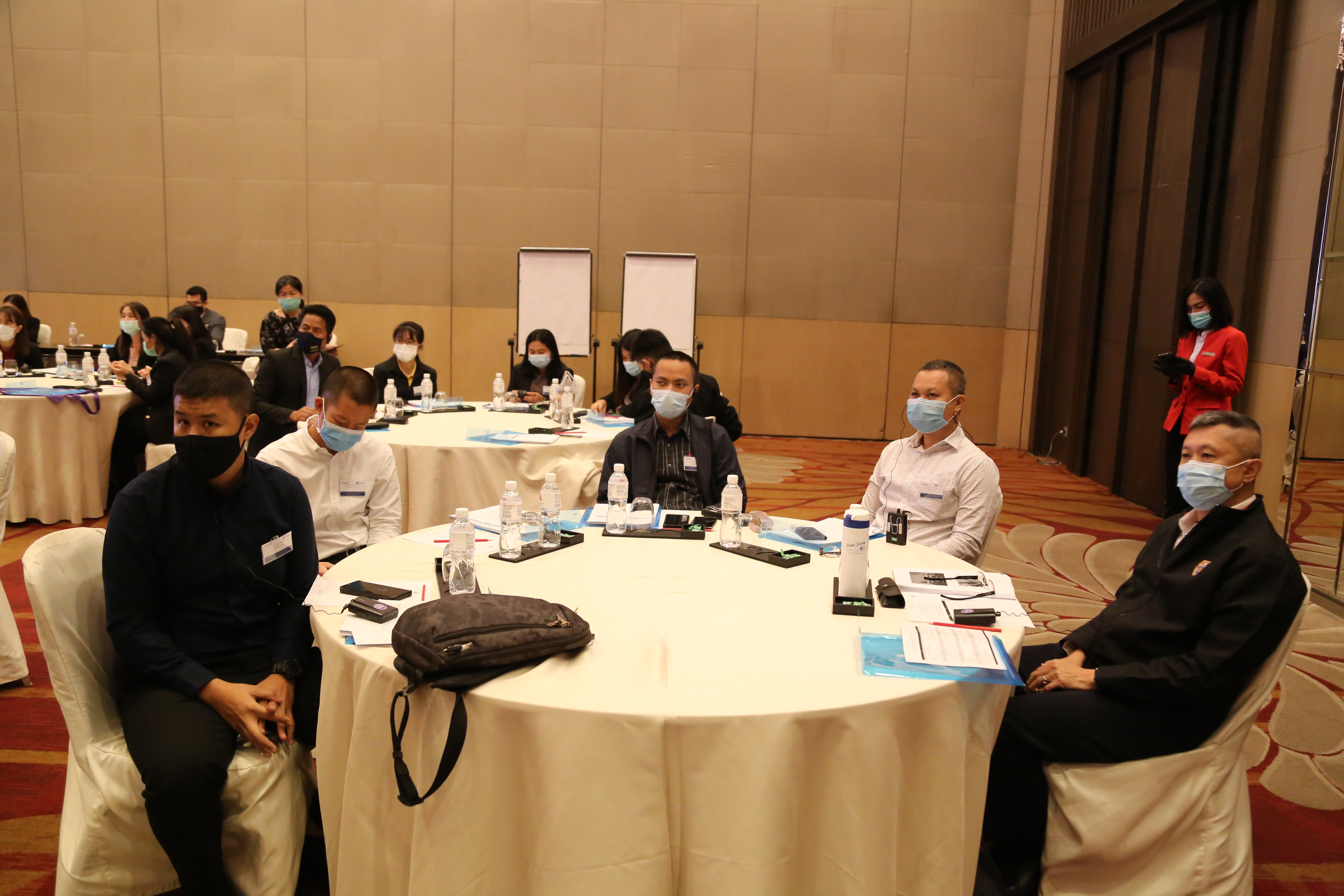
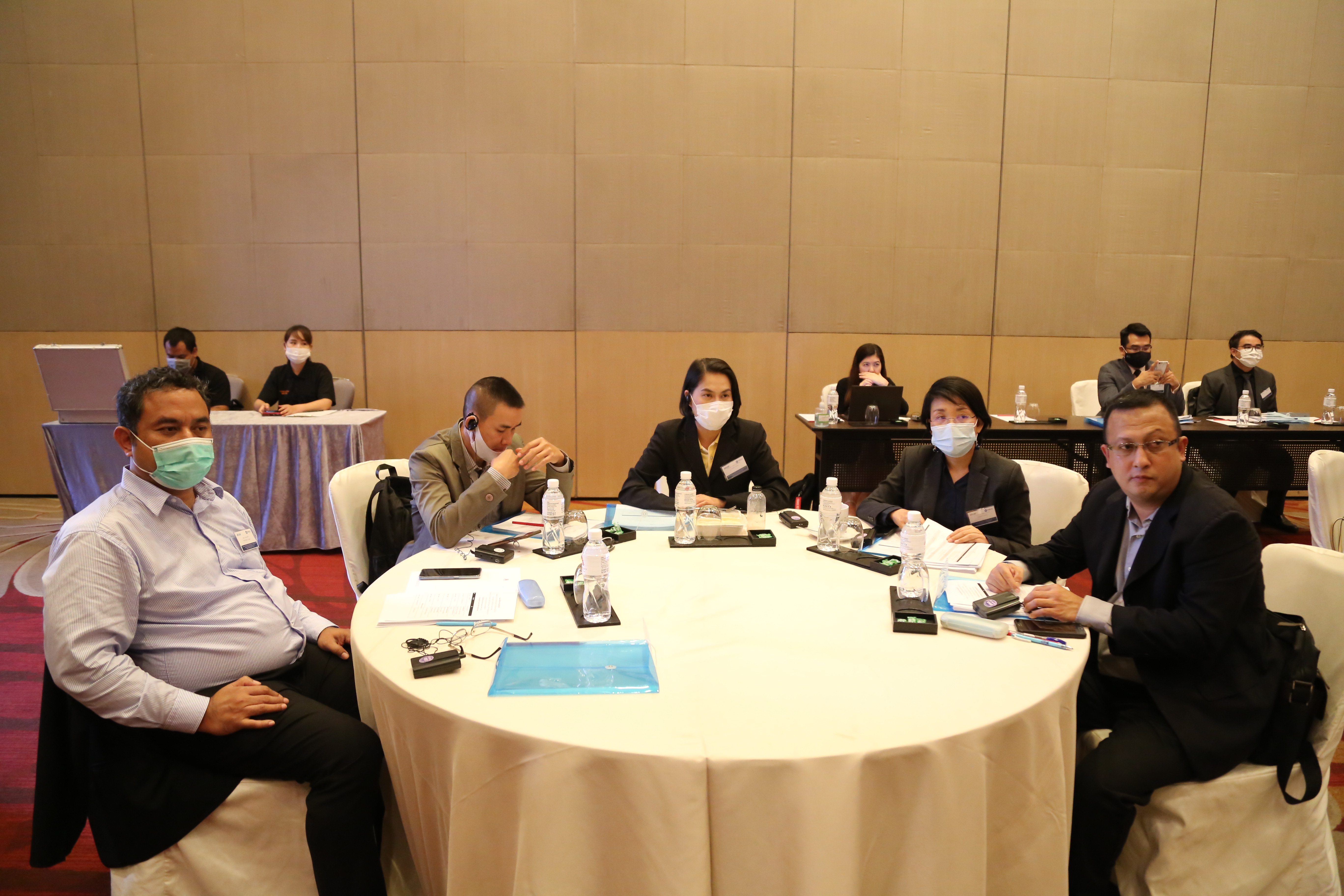
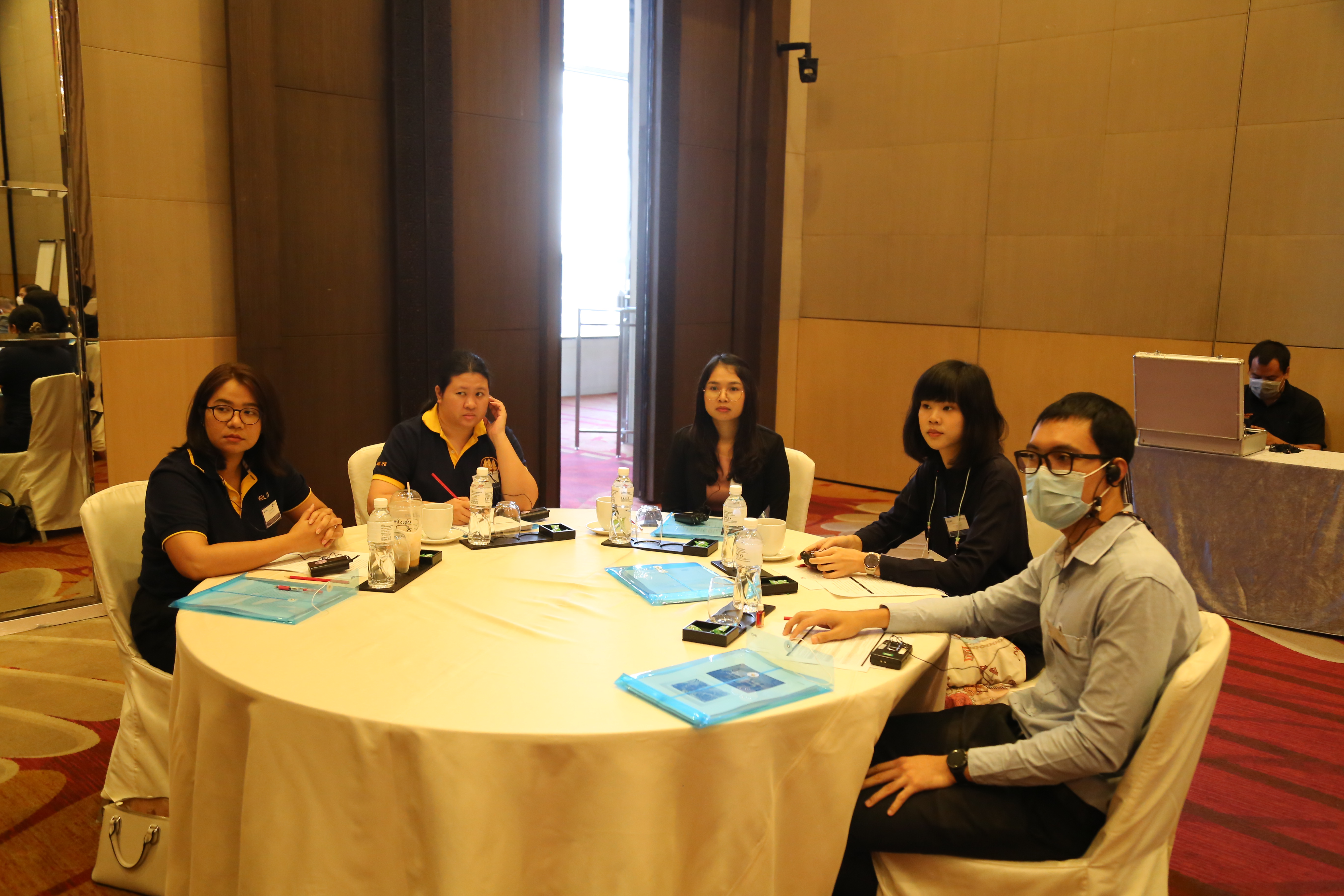
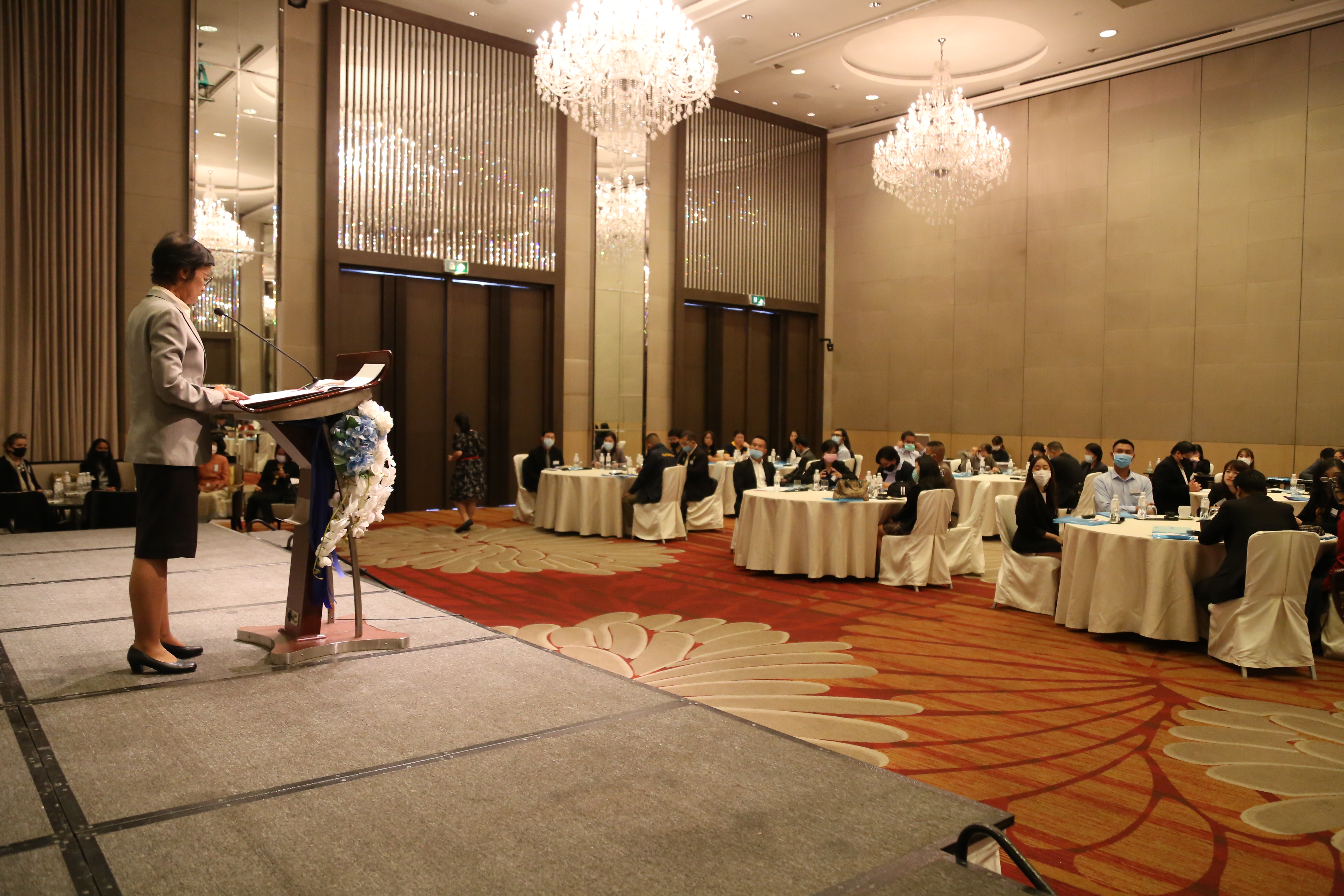
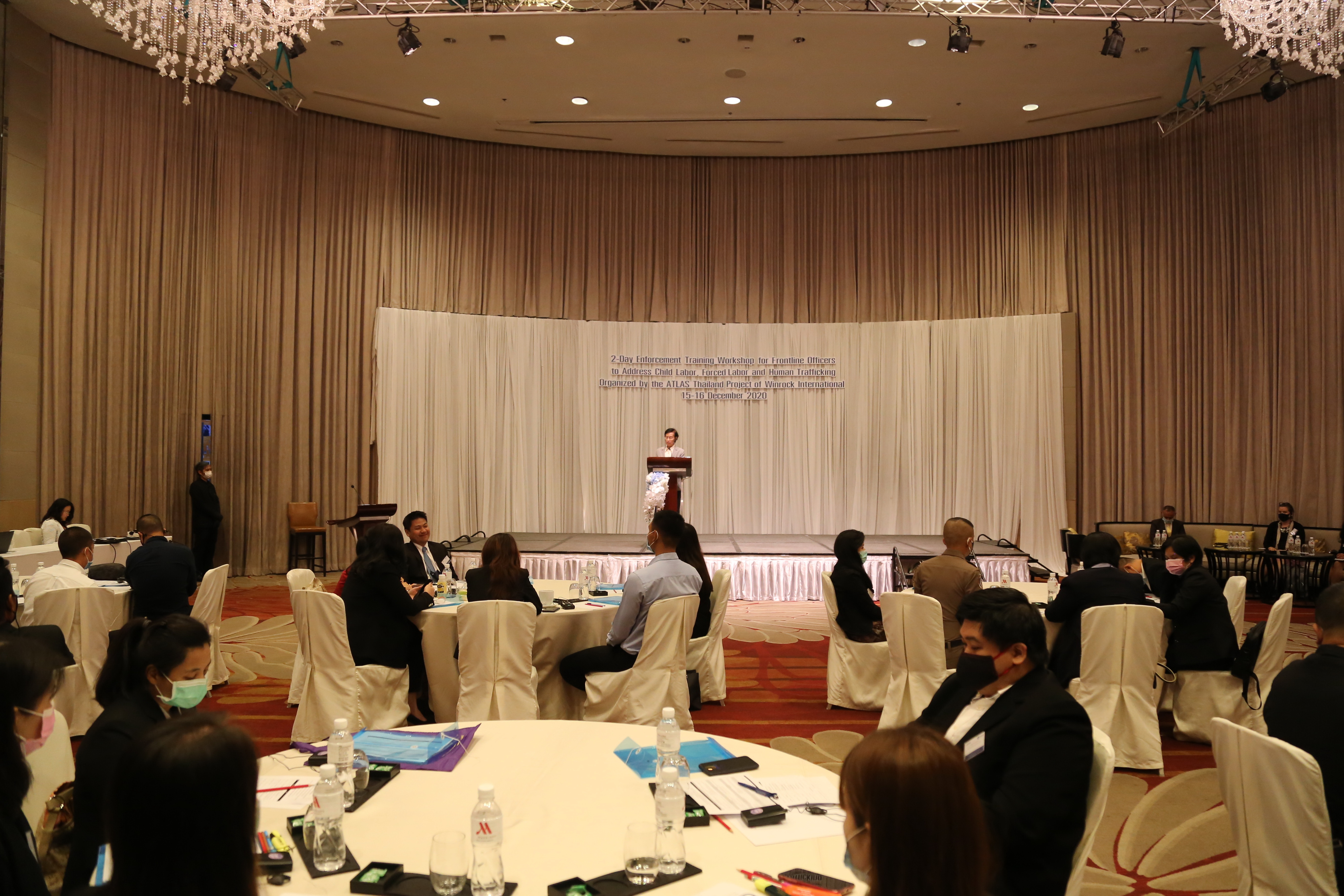
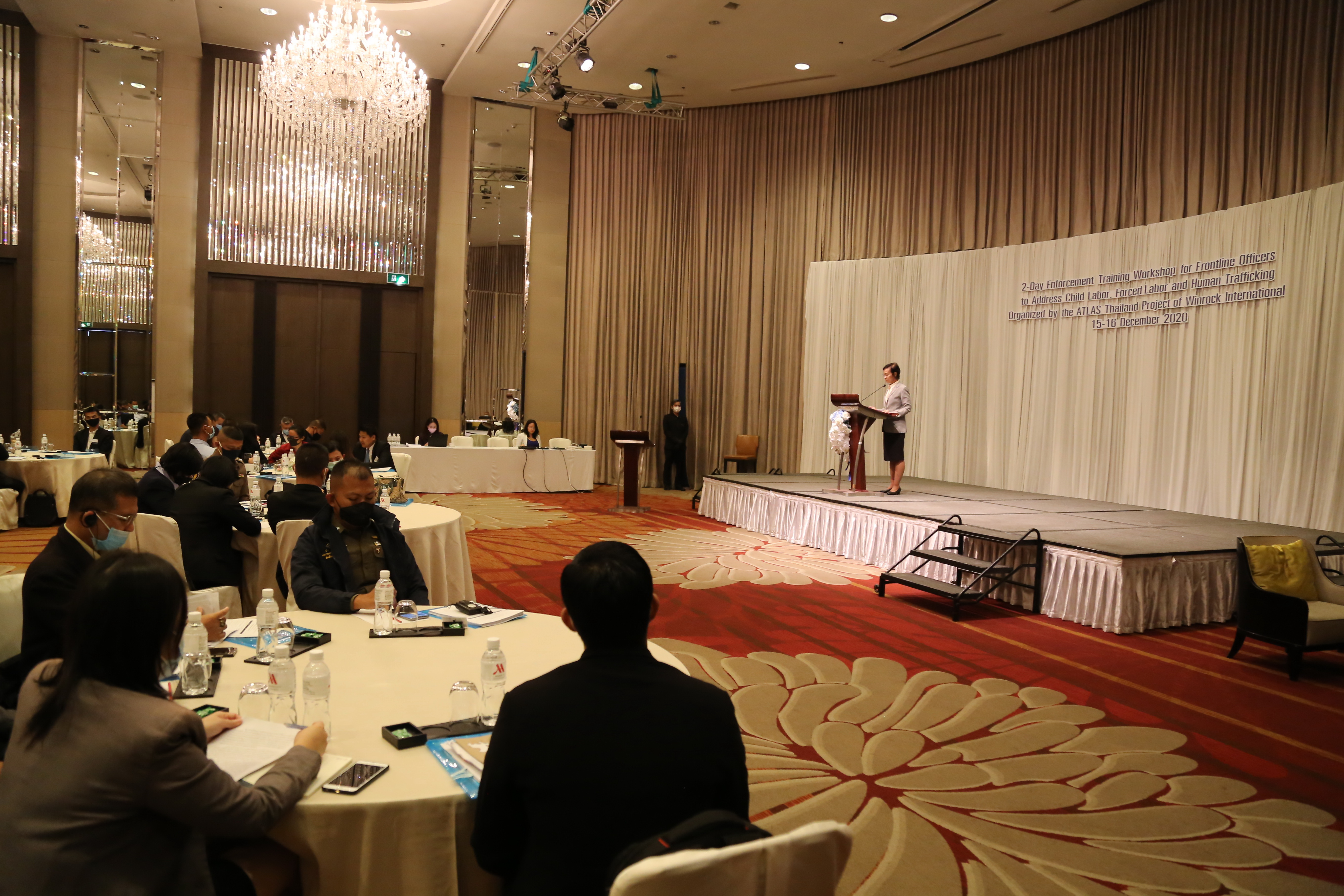
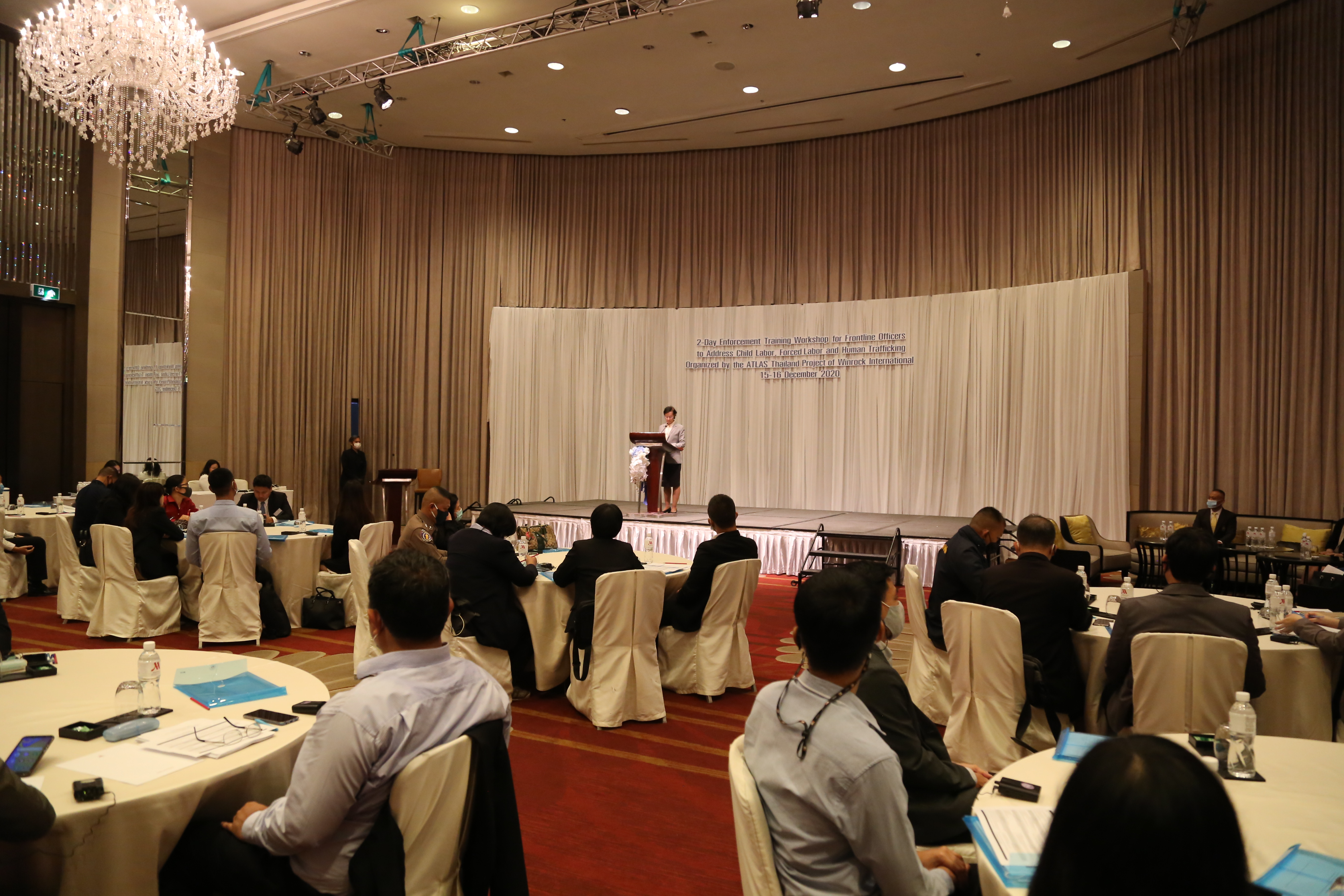
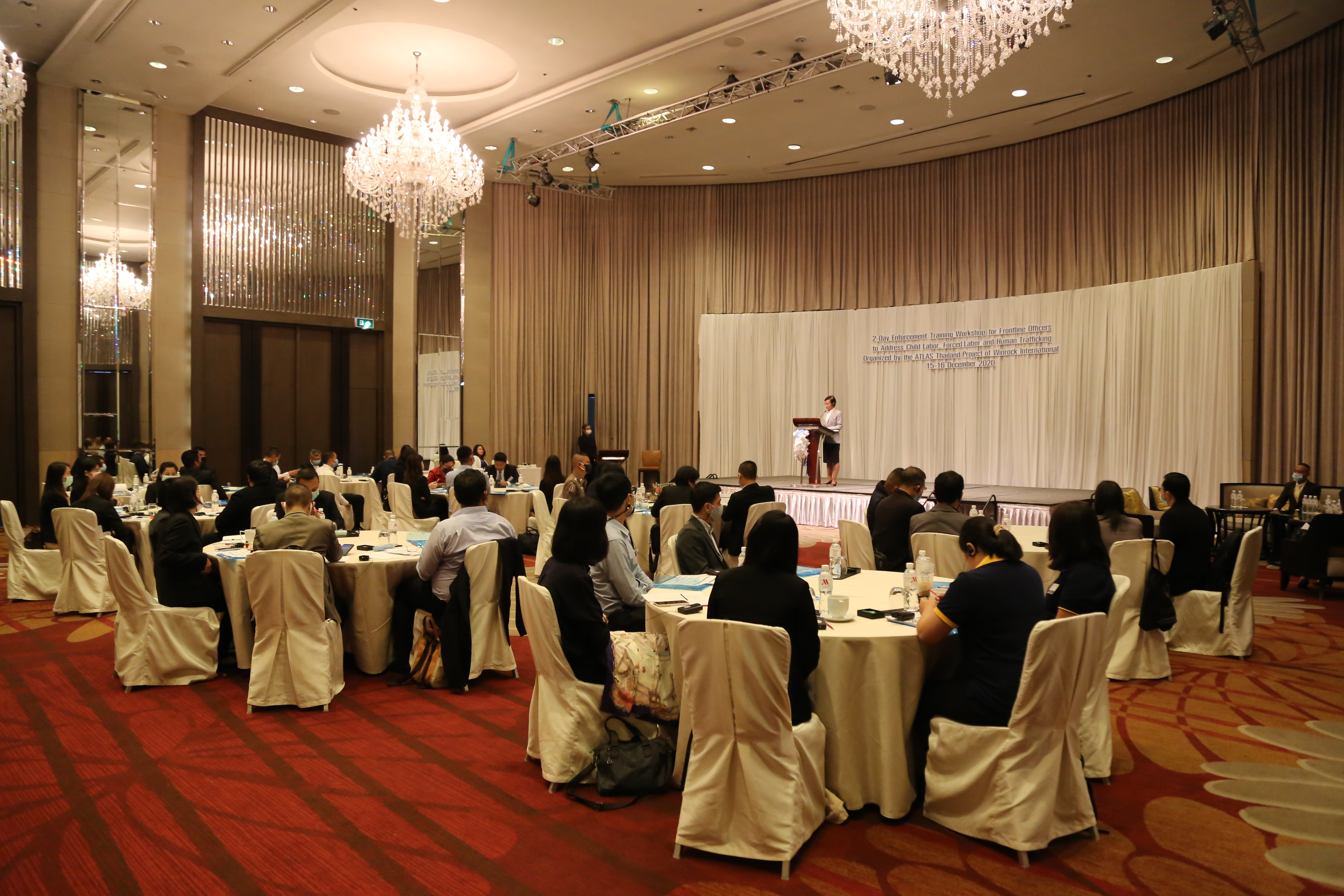
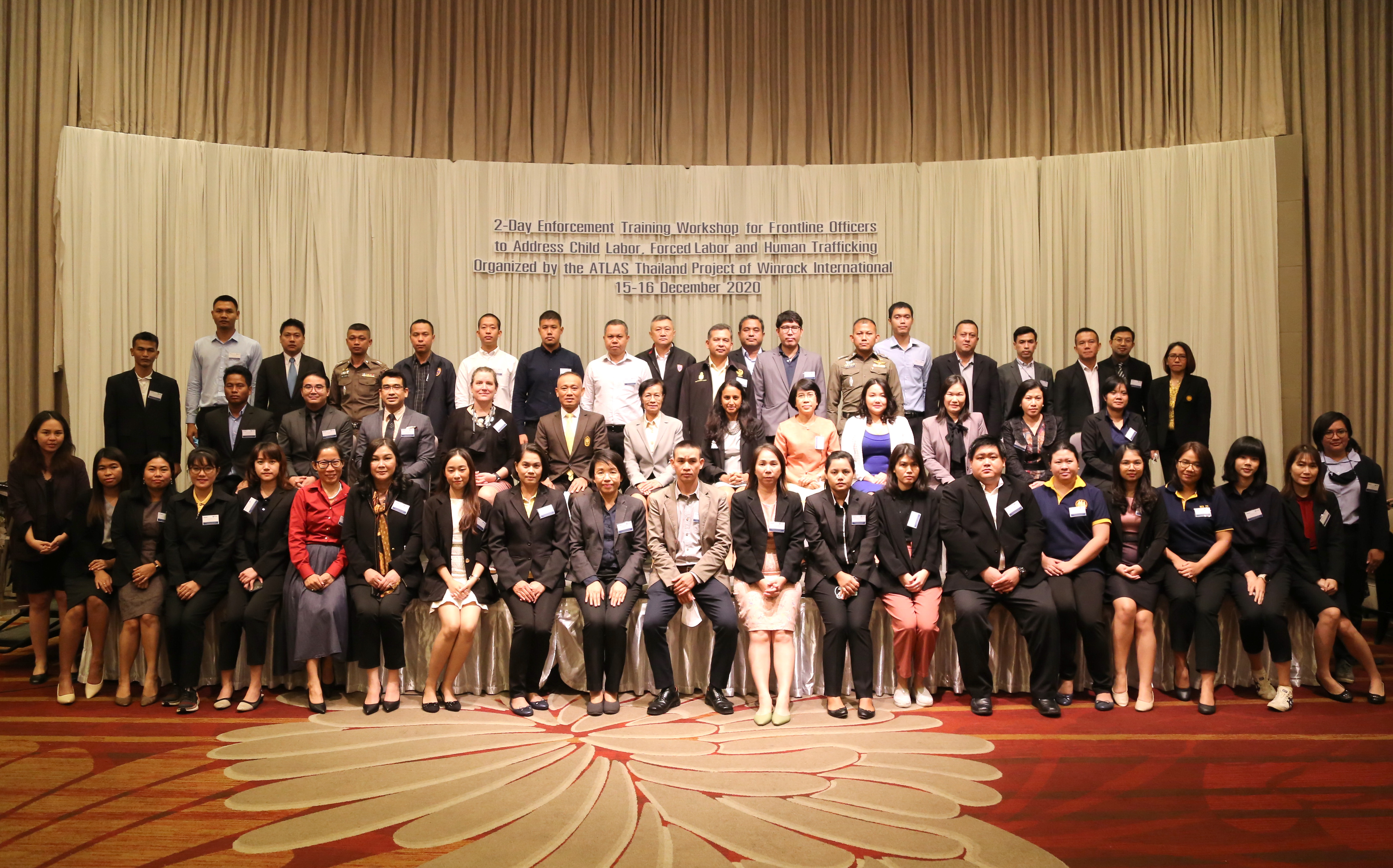
On December 15, 2020, at 09.00 hours, Permanent Secretary of Labour Mr. Suthi Sukosol assigned Assistant to the Permanent Secretary of Labour Ms. Pattaraporn Samantarat to preside over a two-day workshop to solve issues of child labour, forced labour, and human trafficking by the ATLAS Project by Winrock International Organization, under the academic and budget support from the United States Department of Labour. The occasion took place at the Marriott Hotel in Bangkok. She said that it is well known that, most recently, Thailand was ranked in Tier 2 in the TIP Report 2020 from the US Department of State, leading to three consecutive years from 2018 to 2020. Thailand has been ranked in finding solutions to child labour at the Moderate Advancement level, according to the 2019 Findings on the Worst Forms of Child Labour Report from the United States Department of Labour.
Child labour, forced labour, and human trafficking have become more violent and complex. This is coupled with the current coronavirus outbreak affecting social and economic conditions worldwide, such as rising unemployment and inequality in society. It is a challenge that the public sector, the private sector, the civil society, and international agencies must work together to prevent and resolve such problems that have changed in nature, form, and method.
The Thai government has a strong determination to eliminate child labour, forced labour, and all forms of human trafficking. It has declared anti-human trafficking as a national agenda and has set Thailand’s main goal to prevent and suppress human trafficking in a sustainable way. The government has continuously focused on taking action to prevent and resolve human trafficking issues. It adheres to the operating principles of the international standard known as 5Ps, consisting of 1) Policies 2) Prevention, 3) Prosecution, 4) Protection, and 5) Partnership in cooperation with network partners.
The Ministry of Labour is also the main body responsible for tackling the worst forms of child labour, through a national committee to eliminate the worst forms of child labour. The committee consists of relevant departments to jointly develop and enhance action in prevention and to better address the worst forms of child labour in Thailand. The efforts will lead to the Sustainable Development Goals (SDGs) achievement to eliminate all forms of child labour. In 2018, it can be seen that the Thai government by the Ministry of Labour focused on raising the level of labour protection following international standards. This is especially true in preventing the worst forms of child labour, forced labour, and human trafficking by establishing a policy for ongoing operation. It has recently ratified International Labour Conventions, including P29, the Forced Labour Convention, 1930, on June 4, 2018. Thailand further ratified C188, the Work in Fishing Convention, 2007, on January 31, 2019, becoming the first country in the Asia Pacific region. It has also made amendments to laws such as the Human Trafficking Prevention and Suppression Act and the enactment of the Labour Protection Act in Fisheries, B.E. 2562 (2019), and increased the penalties for offenses relating to the use of illegal child labour, and enhancing the efficiency of labour inspections for intensive law enforcement.
In addition, the Ministry of Labour has established regional cooperation against human trafficking in ASEAN, following the ASEAN Declaration on the Protection and Promotion of the Rights of Foreign Workers. This includes several cooperative projects with the International Labour Organization (ILO) such as the Promotion and Protection of Migrant Workers’ Rights (TRIANGLE in ASEAN), Safety and Justice: Rights and Opportunities of Migrant Workers in the ASEAN Region (Safe & Fair), the ship to shore rights project, and most importantly, the ATLAS project, which is a collaboration with the United States Department of Labour under the operation of the Winrock International Organization which organized the event today.
Ms. Pattaraporn added that this workshop is another important collaboration because it promotes knowledge and develops the potential for target groups, namely staff who work in solving the problem of child labour, forced labour, and human trafficking from various related agencies. A faculty of expert speakers gave the event the courtesy to give lectures on the definition of child labour, forced labour, and human trafficking within the legal framework and international standards, including how to identify, prove and separate the victims of child labour, forced labour, and human trafficking. The workshop covered investigative techniques and interviews, which are all very important and useful in solving child labour, forced labour, and human trafficking. She gave her wishes for this training to be successful, following the set objectives, and asked participants to ask questions to gain more knowledge and understanding. She said that she sincerely hopes that the trainees’ partners will work together and apply the knowledge gained in the workplace and transfer it to personnel within the organization to increase the integrated potential in solving problems in child labour, forced labour, and human trafficking in Thailand.
———————————-
Division of Public Relations