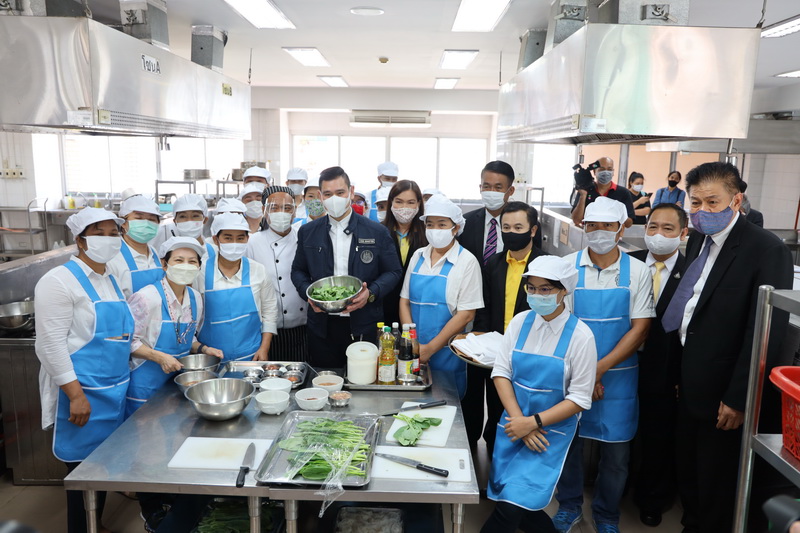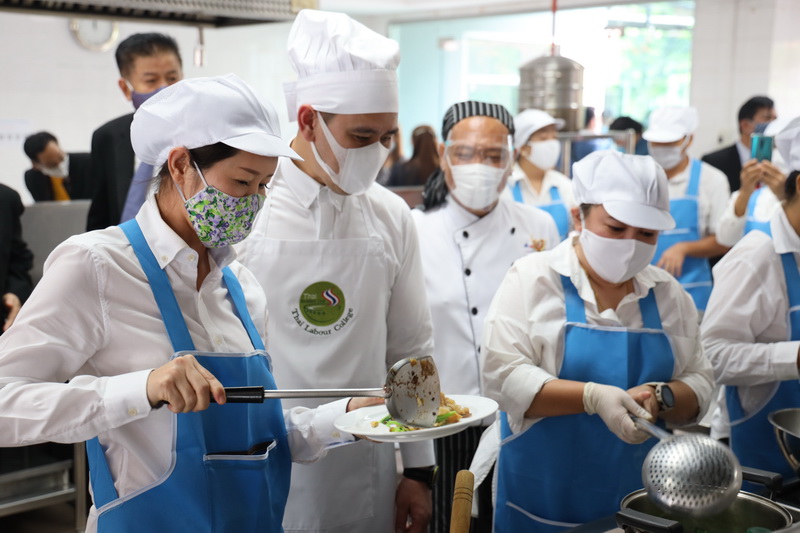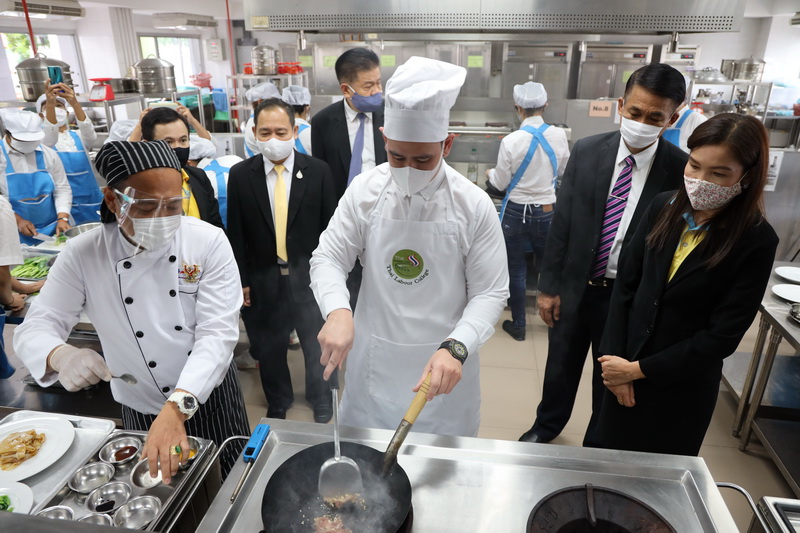

The Ministry of Labour piloted skills training to increase the potential of informal workers in urban communities in Bangkok. The initiative aimed towards those who are unemployed from lay-offs, affected by the COVID-19 situation, intending to provide knowledge and can be used in a career for income and self-support.
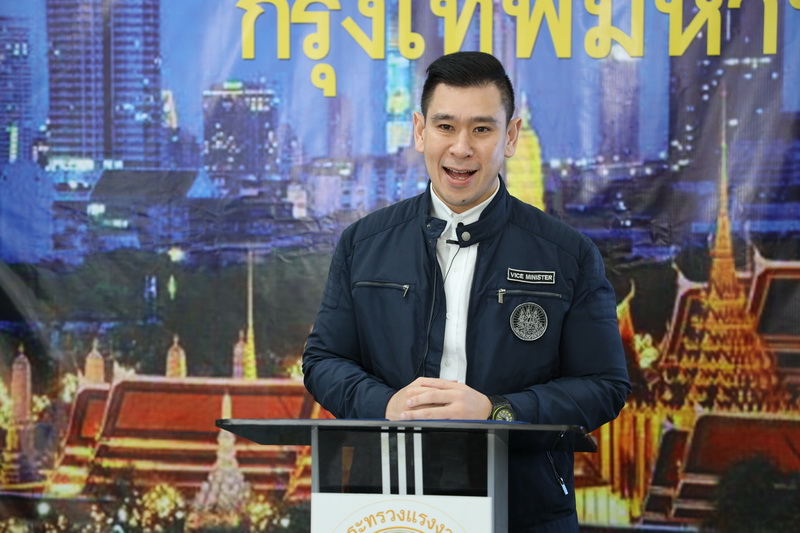
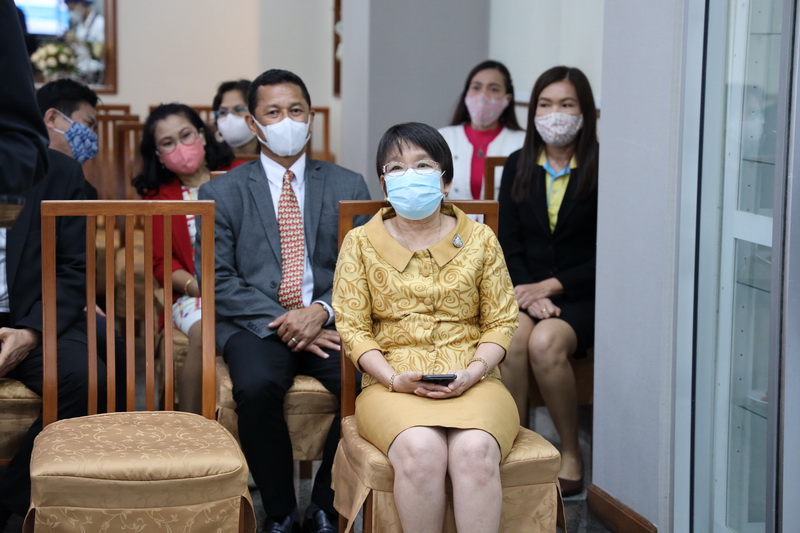
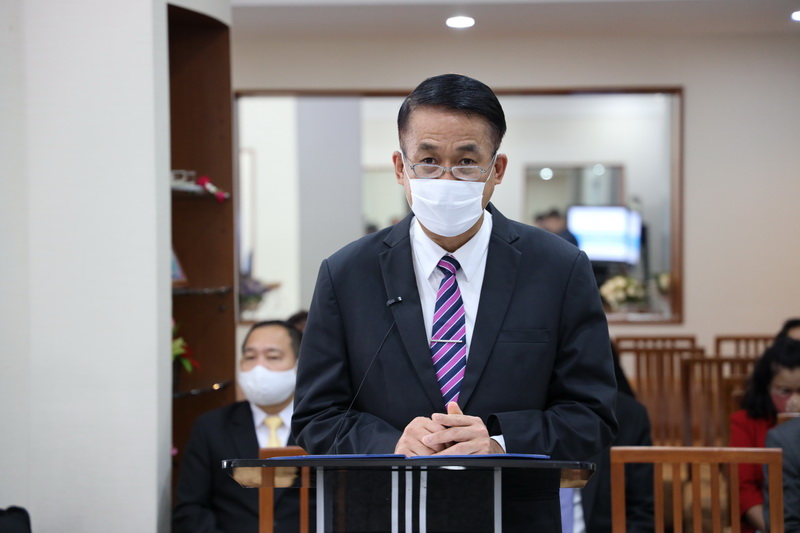
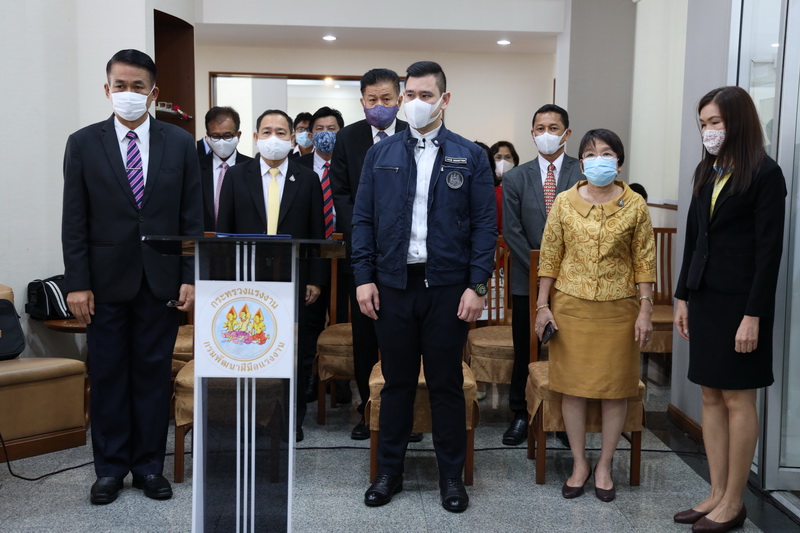
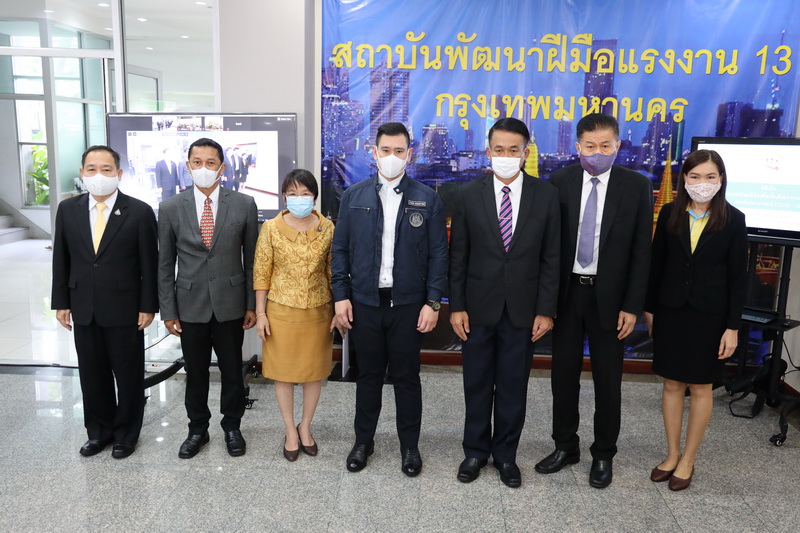
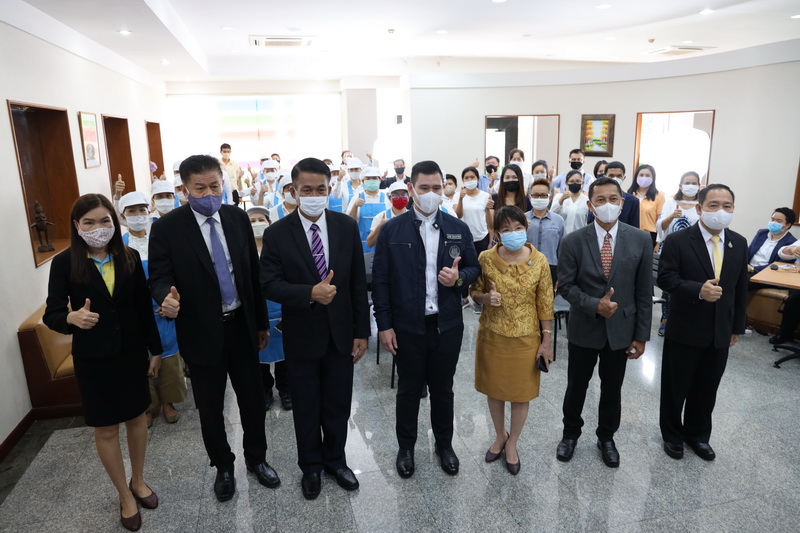
On June 9, 2020, at 11.00 hours, Assistant to the Labour Minister Dr. Duangrit Benjathukul Chairungrueng presided over the opening ceremony of the skill training program to increase the potential of informal workers in support during the COVID-19 situation. The occasion took place at the Labour College, Department of Skill Development, with training activities also taking place through video conference on Zoom. The training focused on Thawi Watthana and Bueng Kum Districts. The activities included vocational training for the unemployed population affected by the COVID-19 situation. The training was piloted in 4 Bangkok districts. Deputy Permanent Secretary of Labour Mrs. Thienrat Nawamawat joined the opening ceremony.
Assistant to the Labour Minister Dr. Duangrit Benjathukul Chairungrueng gave a report after the training commencement. He said that due to the COVID-19 pandemic, workers were affected by lay-offs and unemployment. Therefore, measures were launched to support affected people, to enable them to apply skills to their career, have an income, and become self-sufficient. The initiative follows the policies of Labour Minister M.R. Chatu Mongol Sonakul, which emphasizes training on skills to match the needs of the market or apply for a career. Currently, people have adjusted to the new way of life (new normal), with preference to consume food and buy products online, pay more attention to health, and the trend of eating non-toxic vegetables has trended to increase. Therefore, the Department of Skill Development (DSD) organized the training on how to grow non-toxic hydroponic vegetables and Thai online cooking businesses. Both courses will help trainees be able to apply the knowledge to self-employment immediately after practice. The skills can be carried out at home and are suitable for workers living in urban communities. The training was piloted in four Bangkok areas, namely Thawi Watthana, Bueng Kum, Ratchathewi, and Din Daeng District, at the Labour College. The training is 15 days in duration with the aim of 7 batches of 20 participants, for a total of 140 people.
The Department of Skill Development’s Director-General Mr. Tawat Benchatikul said further that the Institute for Skill Development 13, Bangkok, was assigned for the pilot. The current training began from June 1, 2020, and will continue until June 22, 2020. The areas included Bueng Kum, in the Khlong Kum Piwason village community. The training was on growing vegetables with non-toxic hydroponic systems. Another community was the Khlong Kum School, with training for online Thai cooking businesses. The Thawi Watthana area took place at the Komut Phuttharangsi Temple, which practices the cultivation of non-toxic hydroponic vegetables at the Ruam Kua village community, which practiced online Thai culinary business. In Din Daeng, training took place at the College of Labor, also provide training in both branches. The training started on June 4, 2020, and will be complete on June 24, 2020.
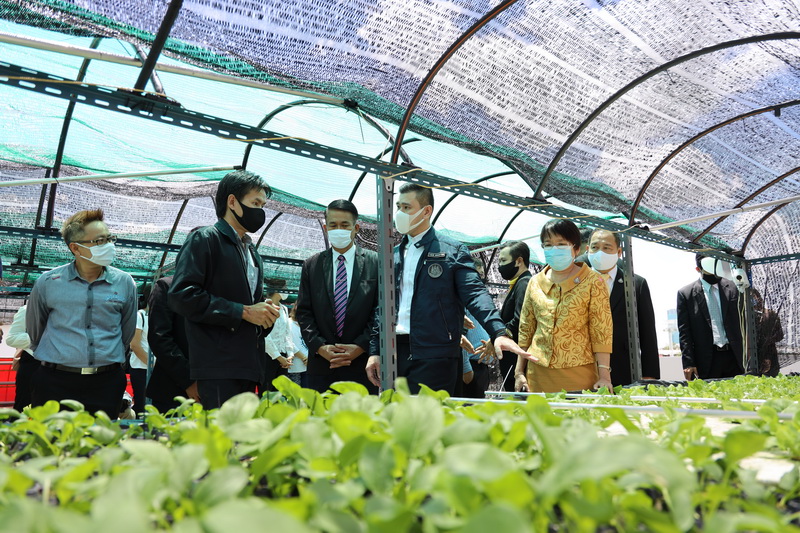
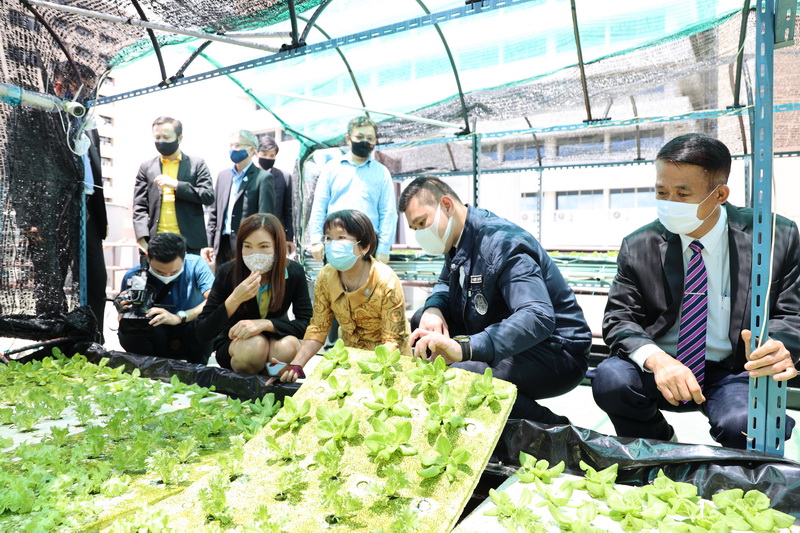
In growing non-toxic hydroponic vegetables, trainees learn about the selection of seed types commonly used in the cultivation process, preparation of greenhouses, planting plots, maintenance, water supply control, storage, packing, and distribution in a 2×4 meter area. The budget is 2,000 Baht. For example, the green oak vegetables require 30 days of cultivation and can be sold for 500 – 650 Baht/time, depending on the market price, sales and packaging locations to increase product value.
Ms. Thanaporn Maksakda (Moo), 47 years old, said that she currently helps her family in the store selling healthy food such as salted eggs, steamed taro herbs, steamed potatoes, and non-toxic vegetables, to be sold at the Green Market. This is in line with the increasing trend of health-loving people, with the rise in the consumption of organic vegetables. Therefore, she was interested in finding out more about hydroponics vegetables growing to further expand sales and create more revenue.
———————————————————————–
Division of Public Relations
9 June 2020