

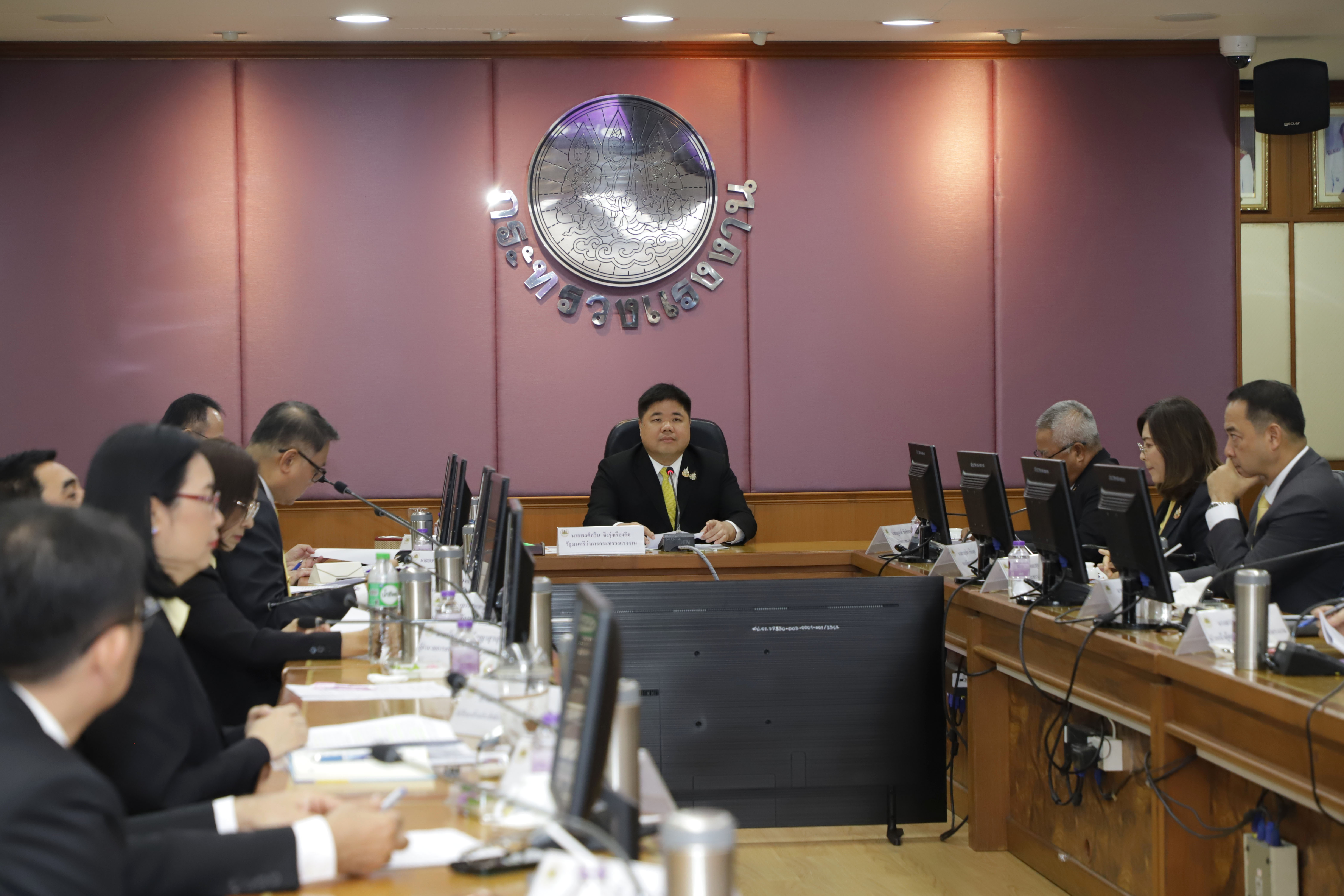
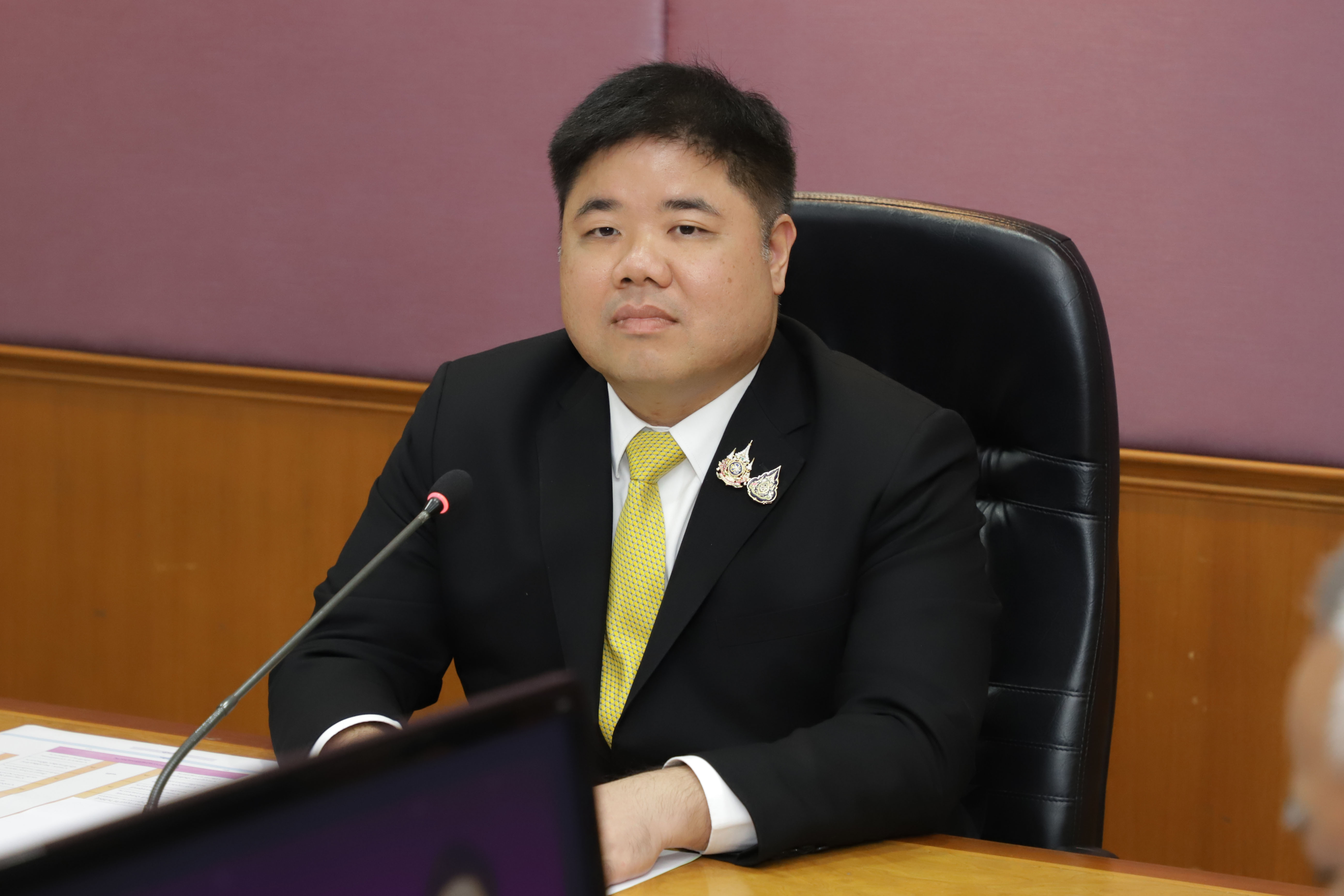
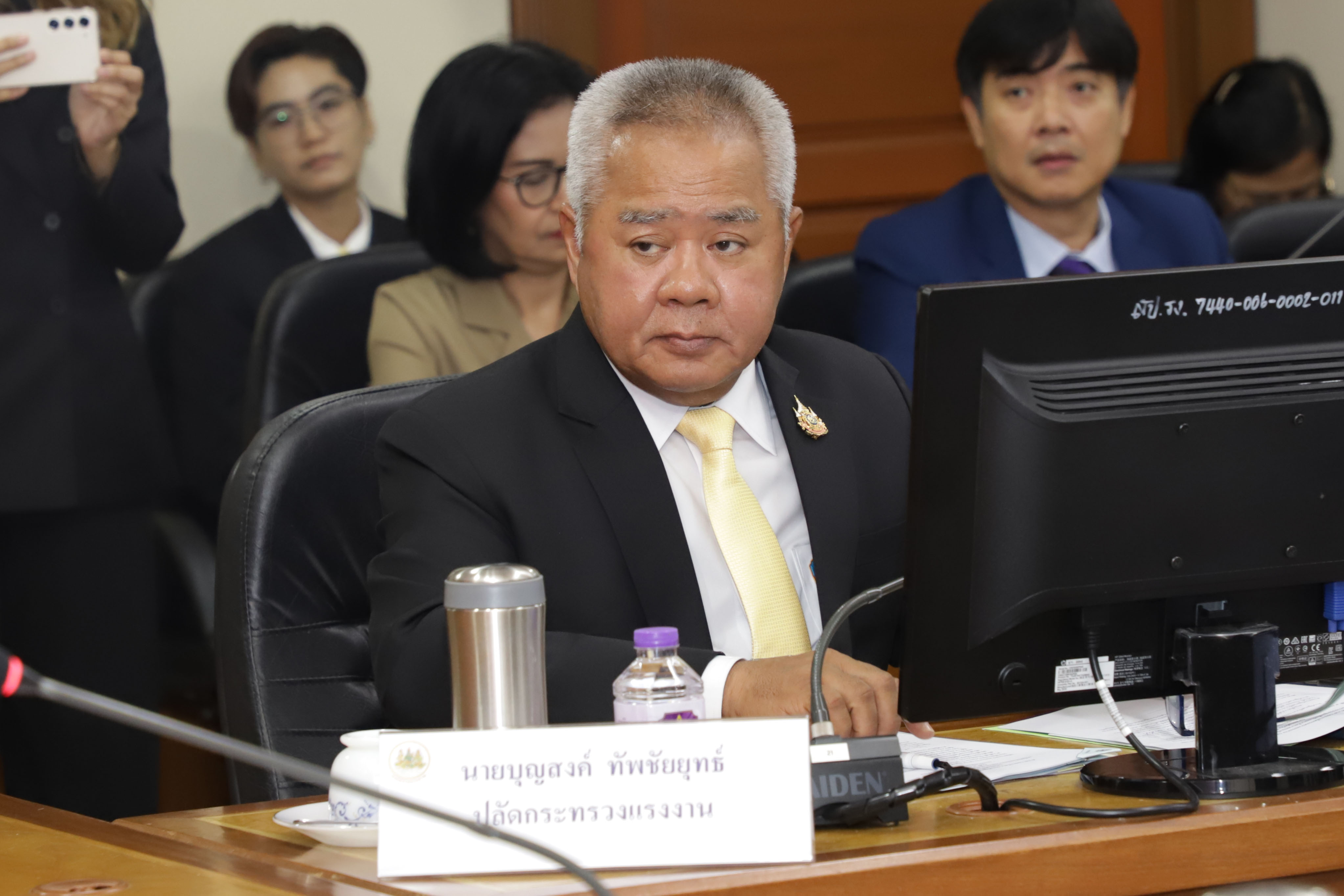
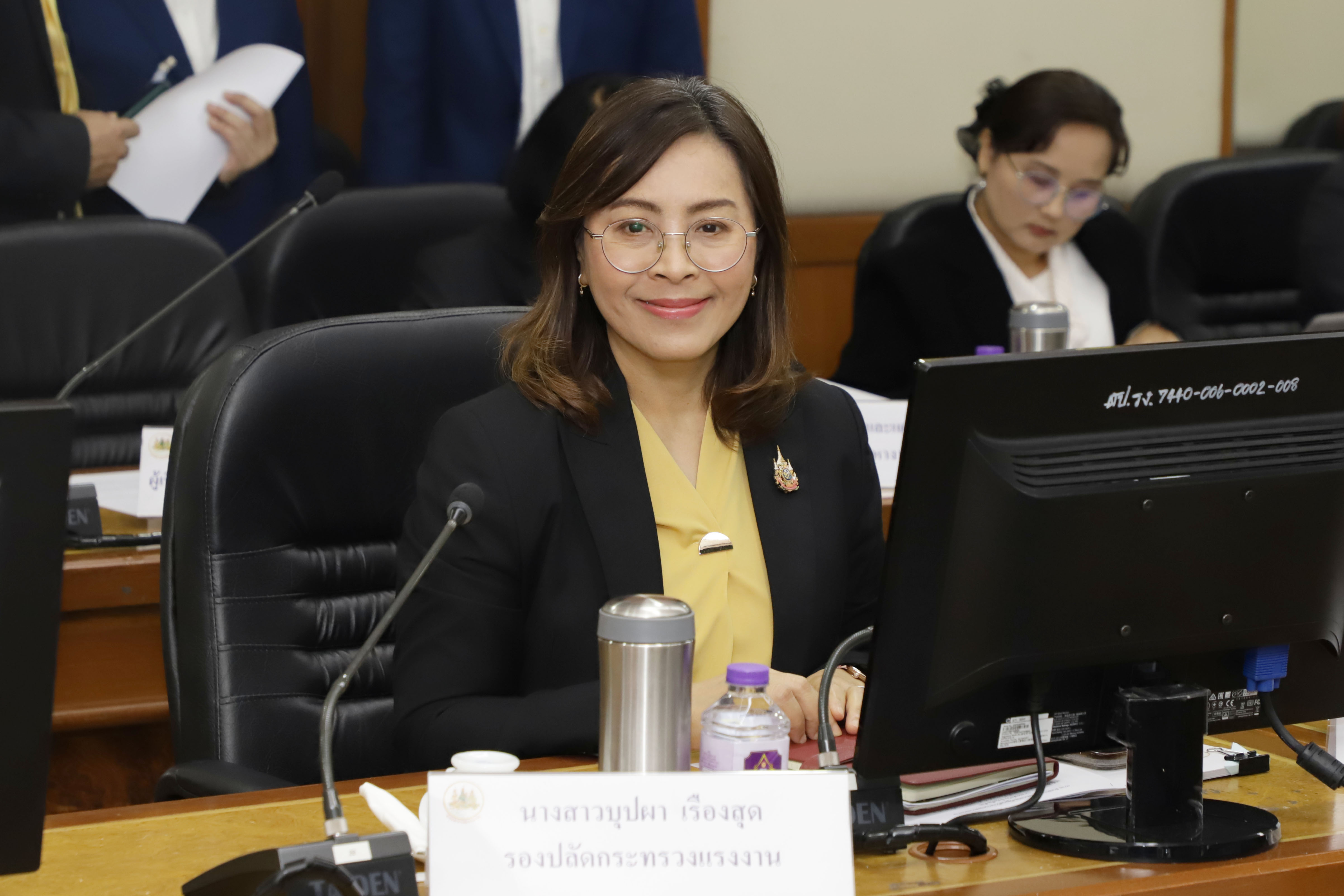
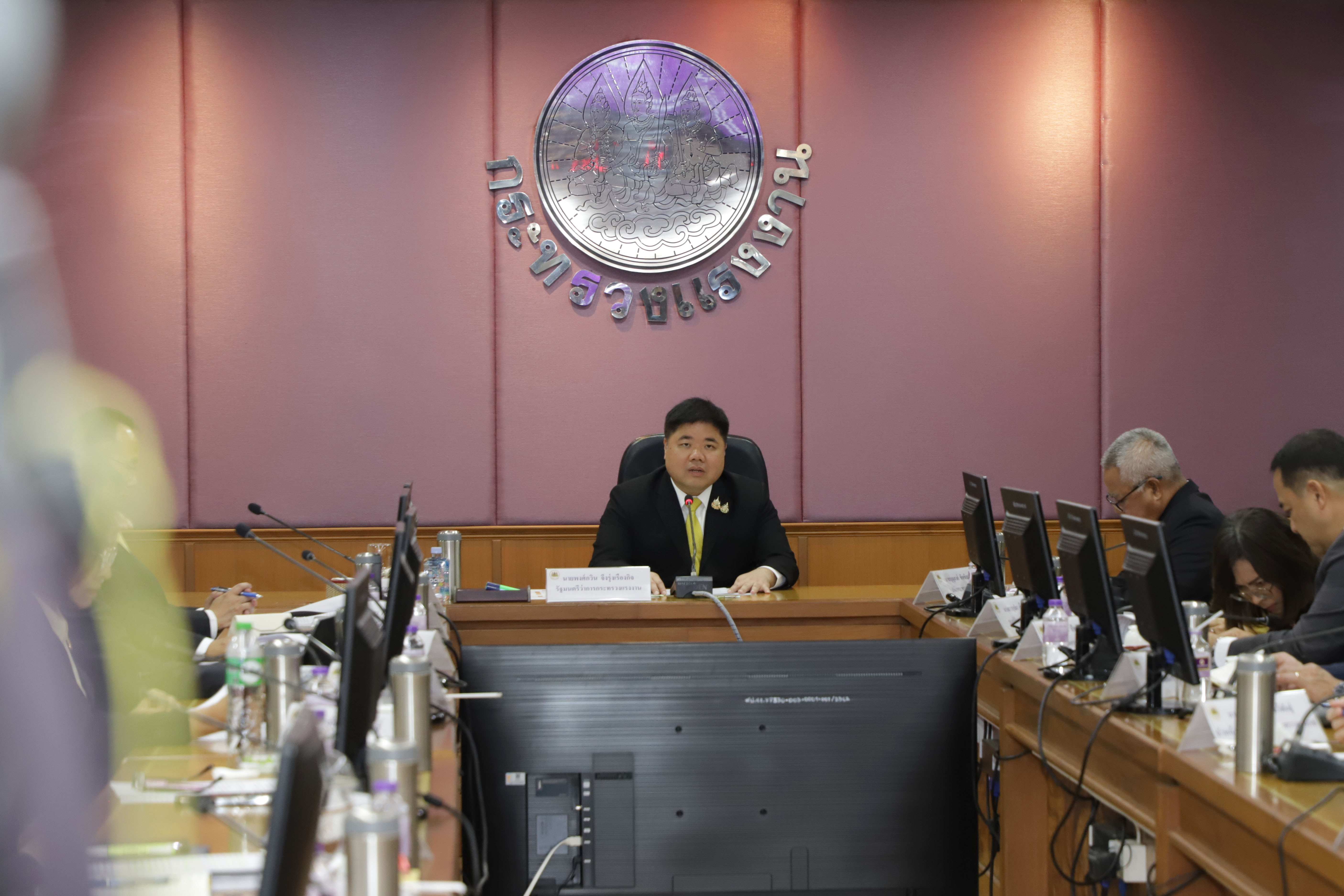


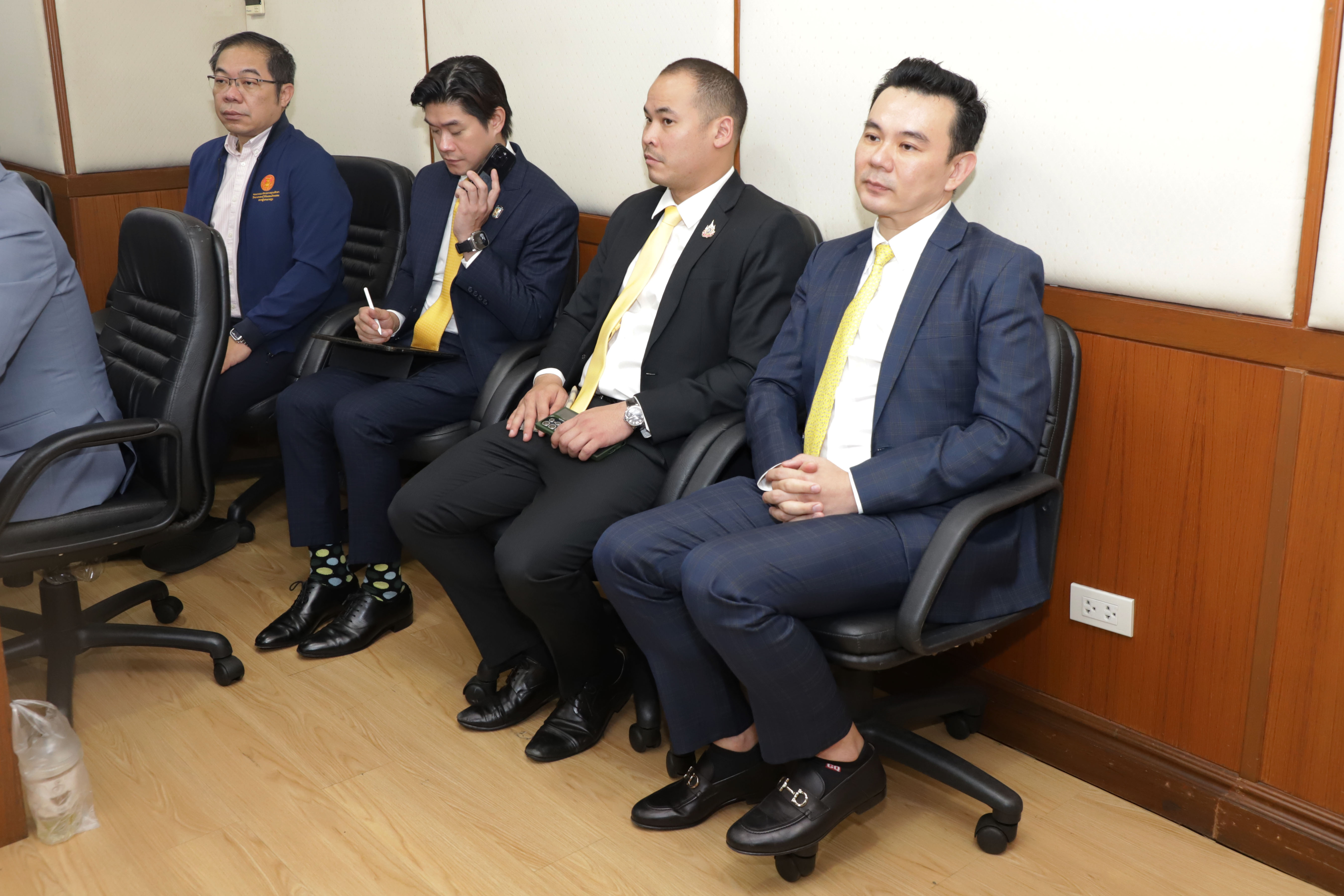
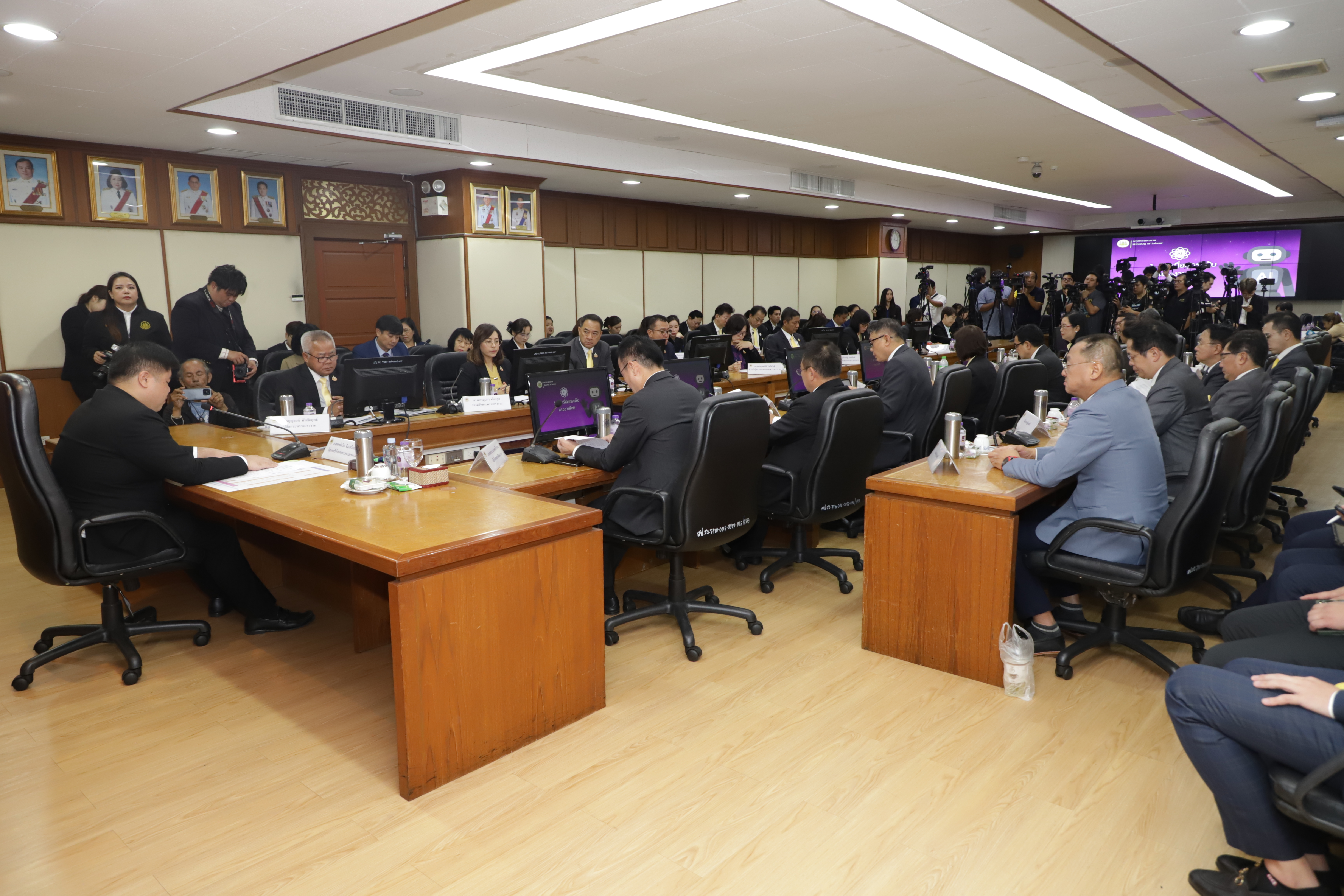
Mr. Pongkawin Jungrungruangkit, Minister of Labour, announced that he officially assumed office on July 4, 2025. He arrived at the Ministry of Labour at 08.19 hours and paid respects to five sacred sites within the Ministry of Labour at 09.19 hours. On his first official day, he expressed his readiness and determination to fulfil his duties to the best of his abilities, with the aim of improving the lives and well-being of Thai workers and citizens.
“It is a great honour to have received the royal appointment to serve as Minister of Labour. This is a tremendously important responsibility, as labour is a key driver of the national economy. I come from the private sector and understand both the employer’s and the employee’s perspectives, including the challenges faced by both formal and informal workers. I believe my experience can be used to shape effective and practical policies,” said Mr. Pongkawin.
He also addressed the current situation involving Cambodian workers who are gradually returning to their home country, which may lead to a labour shortage impacting key sectors of the economy and affecting some employers. Relevant agencies are closely monitoring the situation, and he has instructed all appropriate bodies to review and rebalance the labour quota by nationality to ensure appropriateness. He also stated that the government will explore the feasibility of recruiting workers from outside the CLMV group, particularly in skilled industries, to help stabilize Thailand’s economic growth.
To achieve tangible improvements in labour quality, five priority policies will be rolled out with urgency. These aim to enhance living standards and increase income for Thai workers. The five policies are:
1. “AI to Elevate Thai Workers”: This initiative focuses on accelerating the development of AI-related training programmes that align with the manufacturing and service sectors. It aims to include all worker groups in the upskilling process, integrate cooperation across all sectors, and leverage the Labour Skill Development Promotion Act to encourage the private sector to develop AI competencies in line with market demand.
2. “Equal Labour Protection”: The Ministry will push forward new labour legislation that includes over 21 million informal workers, ensuring it enters the legislative process and is implemented promptly. As modern work arrangements continue to evolve, the Ministry must ensure fair treatment for all worker groups. The Ministry will also study new forms of work to modernise labour laws and the social security system.
3. “Learn to Earn”: Recognising the potential of youths aged 15–18, the Ministry of Labour aims to support them in earning supplementary income while studying. This helps them gain experience, build skills, and use their free time constructively. Current labour laws already allow youths to work, provided that it does not impact their physical or mental health or expose them to danger. Relevant agencies have been tasked with integrating support efforts across the Ministry of Labour, the Ministry of Education, the Ministry of Higher Education, Science, Research, and Innovation, and the private sector to maximize the effectiveness of the policy.
4. “Economic Opportunity Through Income Enhancement”: According to the Social Security Office, out of around 24 million insured workers, despite two minimum wage increases this year (with some earning up to 400 Baht per day), there are still 2.3 million insured workers, including 1.8 million Thais, earning less than that amount. This suggests that over 90% of insured workers already earn more than 400 Baht per day. For the remaining group, the Ministry of Labour will urgently implement income-raising measures, starting with upskilling and reskilling to align them with the national skill standard wage framework. This will enable them to earn beyond the 400 Baht threshold. The Ministry will also develop a more effective long-term wage structure and minimum wage mechanism.
5. “Urgent Regulation of Foreign Workers in Thailand”: Foreign labour plays a significant role in Thailand’s production and service sectors. However, unregulated employment of migrant workers can lead to numerous issues. The Ministry of Labour will accelerate efforts to organize and regulate migrant workers, encouraging all currently employed migrant workers to register legally or apply for work permits as required by law. Strict enforcement of relevant legislation will be pursued to address illegal employment and prevent migrants from taking jobs reserved for Thai nationals.