

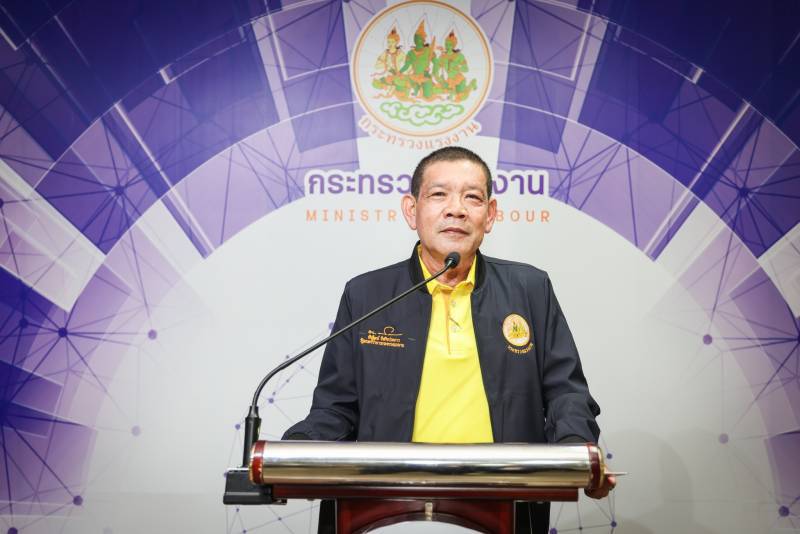
นายภูมิพัฒน์ เหมือนจันทร์ โฆษกกระทรวงแรงงาน เปิดเผยว่า นายพิพัฒน์ รัชกิจประการ รัฐมนตรีว่าการกระทรวงแรงงาน ผลักดันร่างแก้ไขกฎหมายคุ้มครองลูกจ้างทำงานบ้านเข้าสู่ที่ประชุม ครม. เพื่อให้ลูกจ้างเหล่านี้มีสิทธิและโอกาสมากขึ้นจากเดิม คือร่างกฎกระทรวงมิให้ใช้บังคับกฎหมายว่าด้วยการคุ้มครองแรงงานบางส่วนแก่นายจ้าง ซึ่งลูกจ้างทำงานเกี่ยวกับงานบ้านอันมิได้มีการประกอบธุรกิจรวมอยู่ด้วย พ.ศ. …ซึ่งที่ประชุม ครม. มีมติอนุมัติหลักการตามที่กระทรวงแรงงานเสนอ
ร่างกฎหมายดังกล่าวเป็นการแก้ไขเพิ่มเติมกฎกระทรวงแรงงาน ฉบับที่ 14 ที่ใช้บังคับมาตั้งแต่ปี 2555 เพื่อให้สอดคล้องกับสภาพการจ้างงานในปัจจุบัน ลดความเหลื่อมล้ำ และสร้างโอกาสการเข้าถึงบริการของรัฐ ไม่ว่าจะเป็นแรงงานไทยหรือแรงงานข้ามชาติที่เป็นลูกจ้างทำงานบ้าน ซึ่งจะทำให้ลูกจ้างได้รับความคุ้มครองตามกฎหมายว่าด้วยการคุ้มครองแรงงานเพิ่มขึ้น 11 ประเด็น เช่น นายจ้างต้องประกาศเวลาทำงานปกติให้ลูกจ้างทราบ โดยวันหนึ่งต้องไม่เกิน 8 ชม. และมีเวลาพักไม่น้อยกว่า 1 ชม. ให้ลูกจ้างมีสิทธิลาตามความจำเป็นได้ไม่น้อยกว่า 3 วันต่อปี ให้ลูกจ้างหญิงลาคลอดได้ไม่เกิน 98 วันและได้รับค่าจ้างไม่เกิน 45 วัน ห้ามนายจ้างใช้ลูกจ้างหญิงมีครรภ์ทำงานช่วง 22.00 – 06.00 น. ทำงานล่วงเวลา หรือทำงานวันหยุด ให้นายจ้างแจ้งการจ้างและการสิ้นสุดการจ้างลูกจ้างที่อายุต่ำกว่า 18 ปี ต่อพนักงานตรวจแรงงาน ให้ลูกจ้างที่อายุต่ำกว่า 18 ปี มีสิทธิลาไปศึกษาอบรมและได้รับค่าจ้างไม่เกิน 30 วันต่อปี ห้ามนายจ้างจ่ายค่าจ้างต่ำกว่าอัตราค่าจ้างขั้นต่ำ ห้ามหักค่าจ้าง ค่าล่วงเวลา ค่าทำงานในวันหยุด และค่าล่วงเวลาในวันหยุด เว้นแต่เป็นการหักตามที่กำหนดไว้ใน พ.ร.บ.คุ้มครองแรงงาน พ.ศ. 2541
“ท่านพิพัฒน์ใส่ใจลูกจ้างแรงงานทุกอาชีพ โดยเฉพาะลูกจ้างทำงานบ้าน เช่น ทำความสะอาดบ้าน ซักรีดเสื้อผ้า เลี้ยงเด็กหรือผู้สูงอายุ ดูแลสวนในบ้าน รักษาความปลอดภัย ซ่อมบำรุง ขับรถ ทำอาหาร ดูแลสัตว์เลี้ยง ไม่ให้ถูกเอาเปรียบหรือใช้แรงงานเกินความจำเป็น ถือเป็นการปิดช่องว่างที่ลูกจ้างจะถูกละเมิดสิทธิ โดยร่างกฎหมายฉบับนี้ได้รับฟังความคิดเห็นผ่านระบบกลางทางกฎหมายแล้ว จากนี้ไปกฤษฎีกาจะตรวจสอบรายละเอียดก่อนประกาศบังคับใช้ต่อไป” นายภูมิพัฒน์ กล่าว
The Ministry of Labour’s Spokesperson, Mr. Phumiphat Mueanchan, said that the Labour Minister, Mr. Phiphat Ratchakitprakarn, pushed the draft amendment to the law protecting domestic workers to the Cabinet meeting so that these workers have more rights and opportunities than before. It is a draft ministerial regulation prohibiting the enforcement of certain labour protection laws for employers with employees doing housework that is not part of any business, B.E. … The Cabinet meeting resolved the approval of the principles proposed by the Ministry of Labour.
The draft law is an amendment to the Ministry of Labour’s Regulation No. 14, which has been in force since 2012. It is to be consistent with current employment conditions, to reduce inequality, and to create opportunities to access government services, whether it is for Thai workers or migrant workers who are domestic workers. This will cause employees to receive protection under the law on labour protection in 11 additional areas, for example, employers must announce normal working hours to employees. One day must not exceed 8 hours, and there is a rest period of no less than 1 hour. Employees are entitled to leave as needed for not less than three days per year. Female employees can take maternity leave of not more than 98 days and receive pay for no more than 45 days. Employers are prohibited from using pregnant female employees to work between 10:00 p.m. and 6:00 a.m. to work overtime or work on holidays. The employer must notify the Labour Inspector of the employment and termination of employment of employees under 18 years of age. Employees under 18 years of age have the right to leave for education and training and receive wages for no more than 30 days per year. Employers are prohibited from paying wages lower than the minimum wage rate. They must not deduct wages, overtime pay, holiday pay, and overtime pay on holidays unless it is a deduction as specified in Labour Protection Act B.E. 2541.
“The Labour Minister, Mr. Phiphat, cares about employees in every profession, especially employees who do housework such as cleaning the house, laundry, caring for children or the elderly, gardening, security, maintenance, driving, cooking, or pet care, so that they are not taken advantage of. This move closes the gap where employees’ rights are being violated. This draft law has already received comments through the central legal system. From now on, the decree will examine details before enacting further enforcement,” Mr. Phumiphat said.
——————————-
กองเผยแพร่และประชาสัมพันธ์