

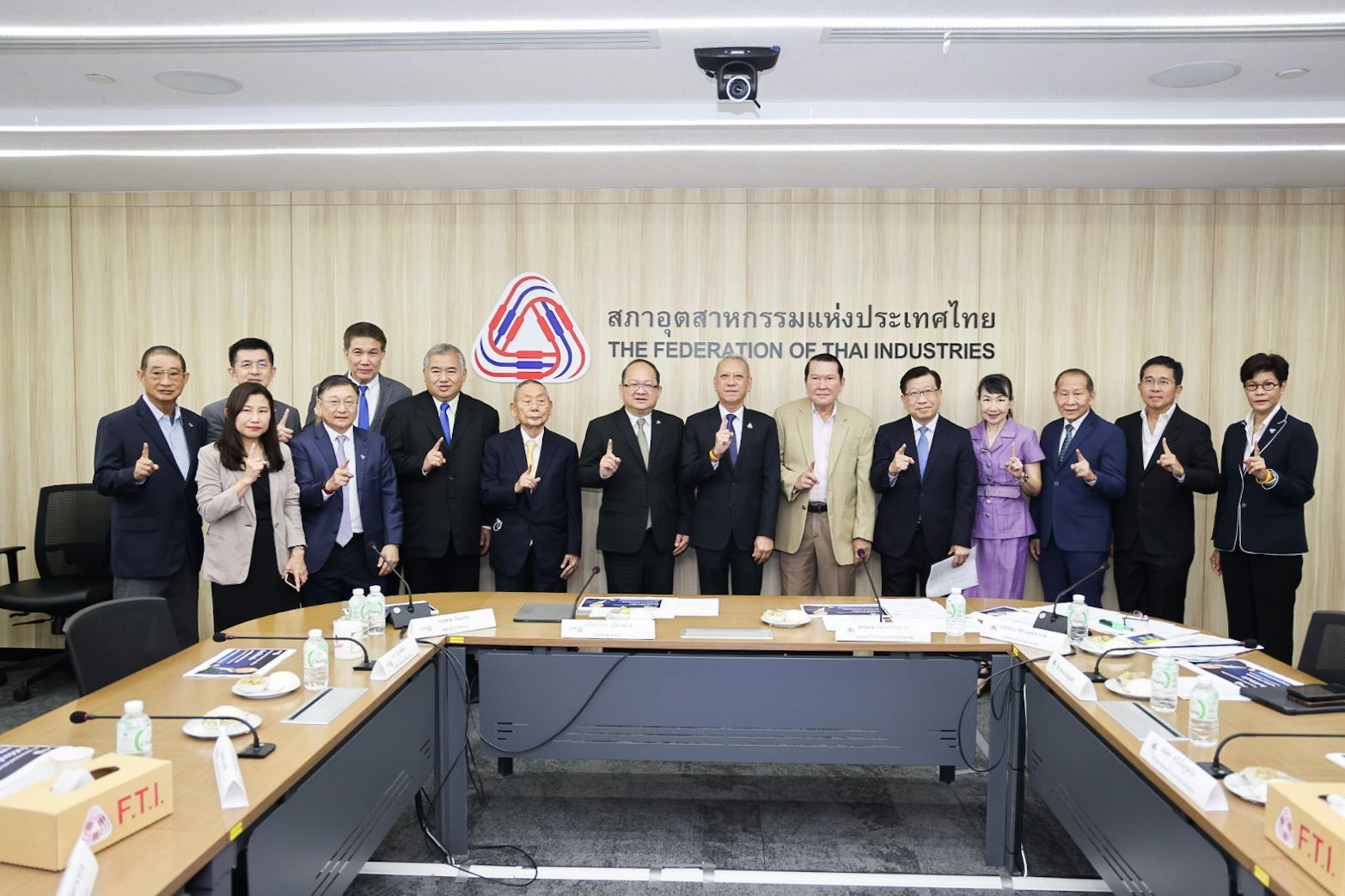
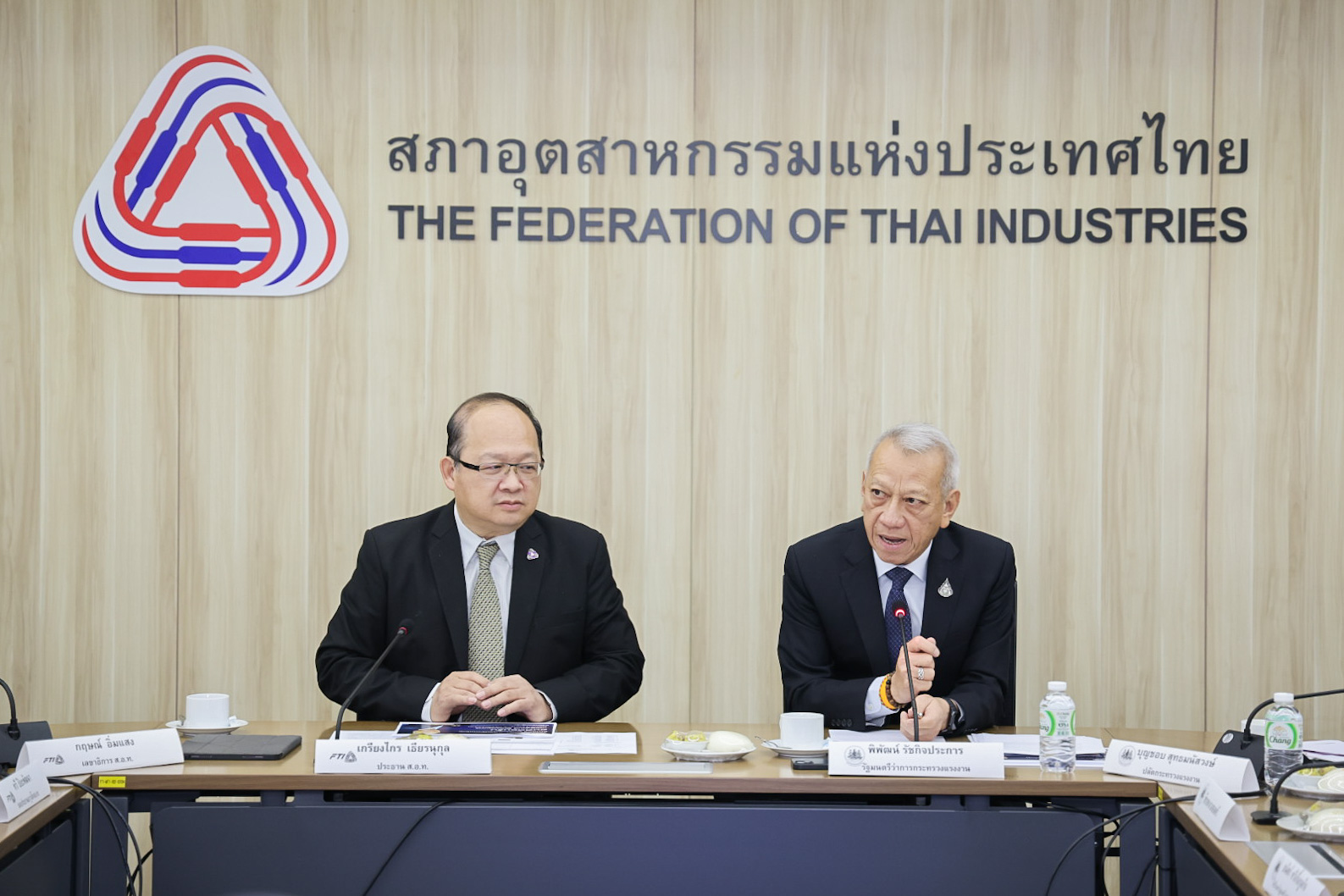
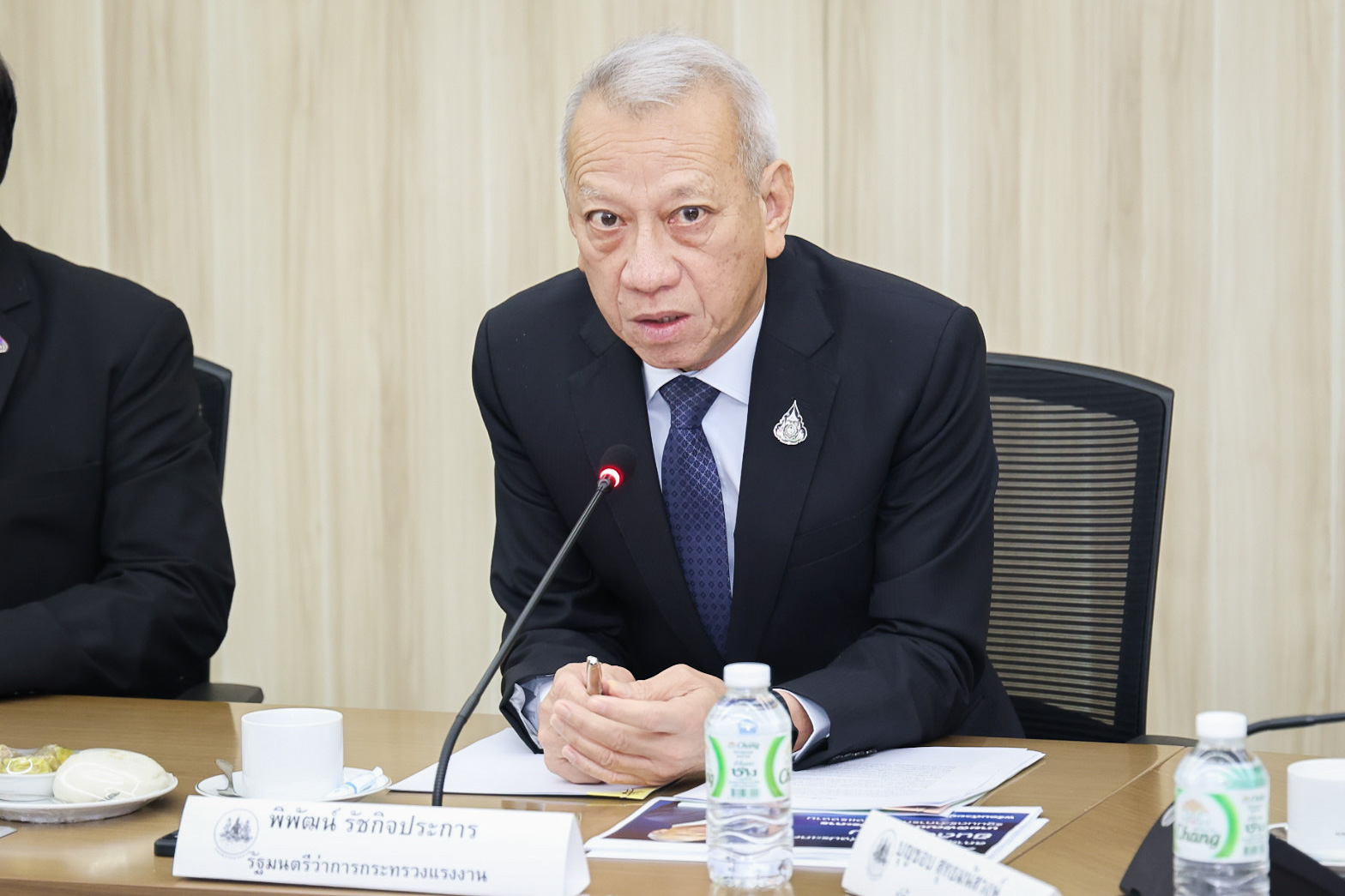
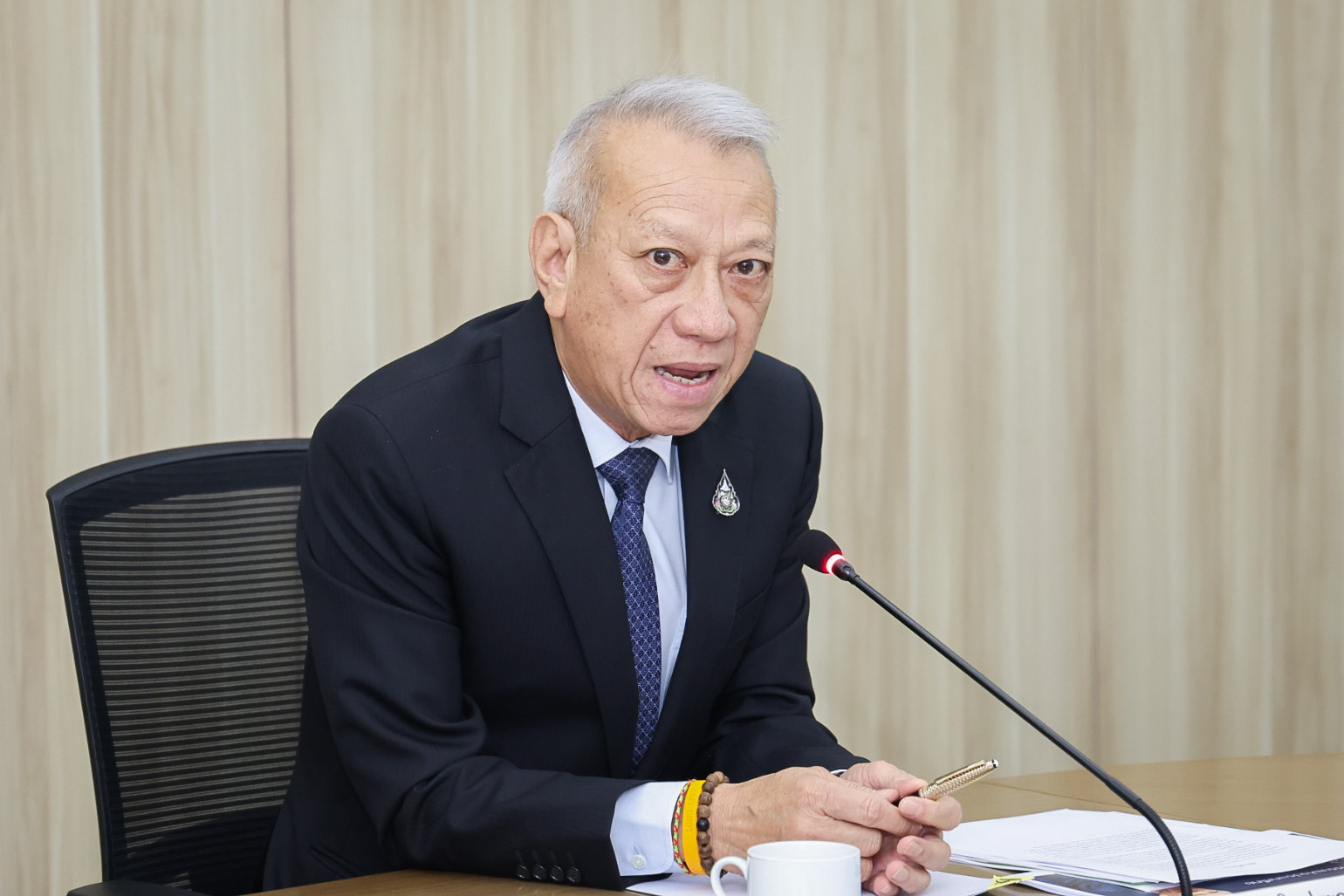
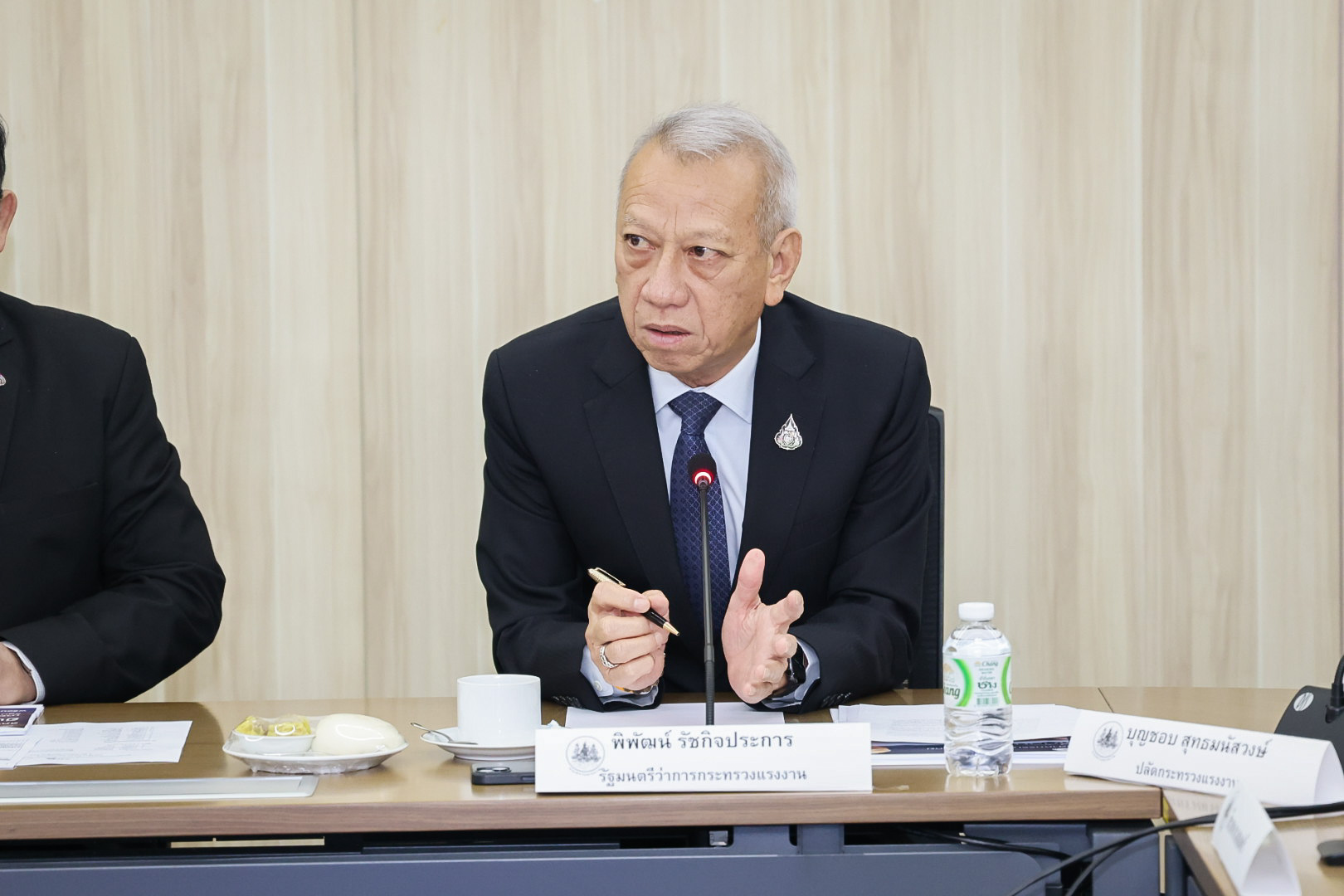
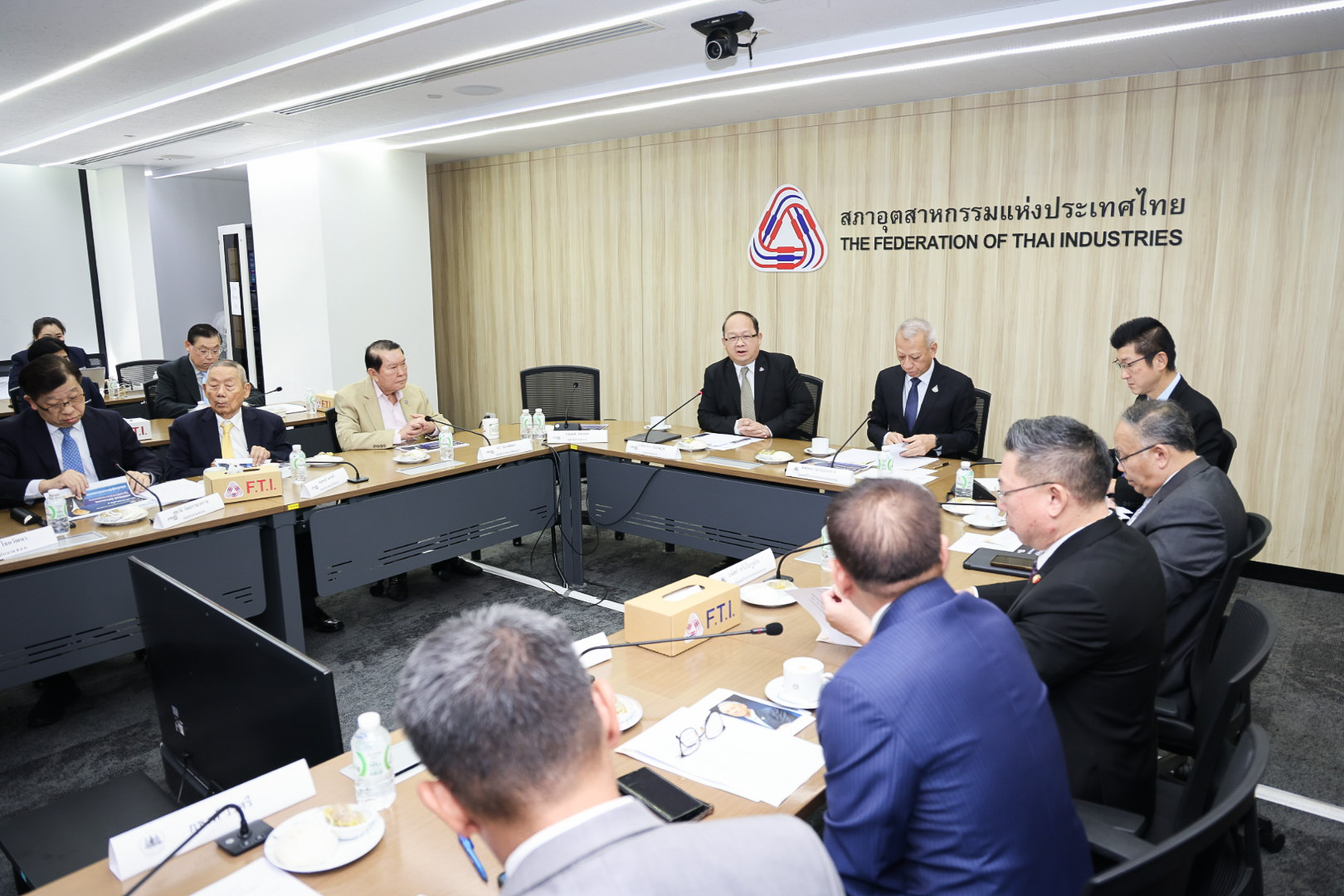
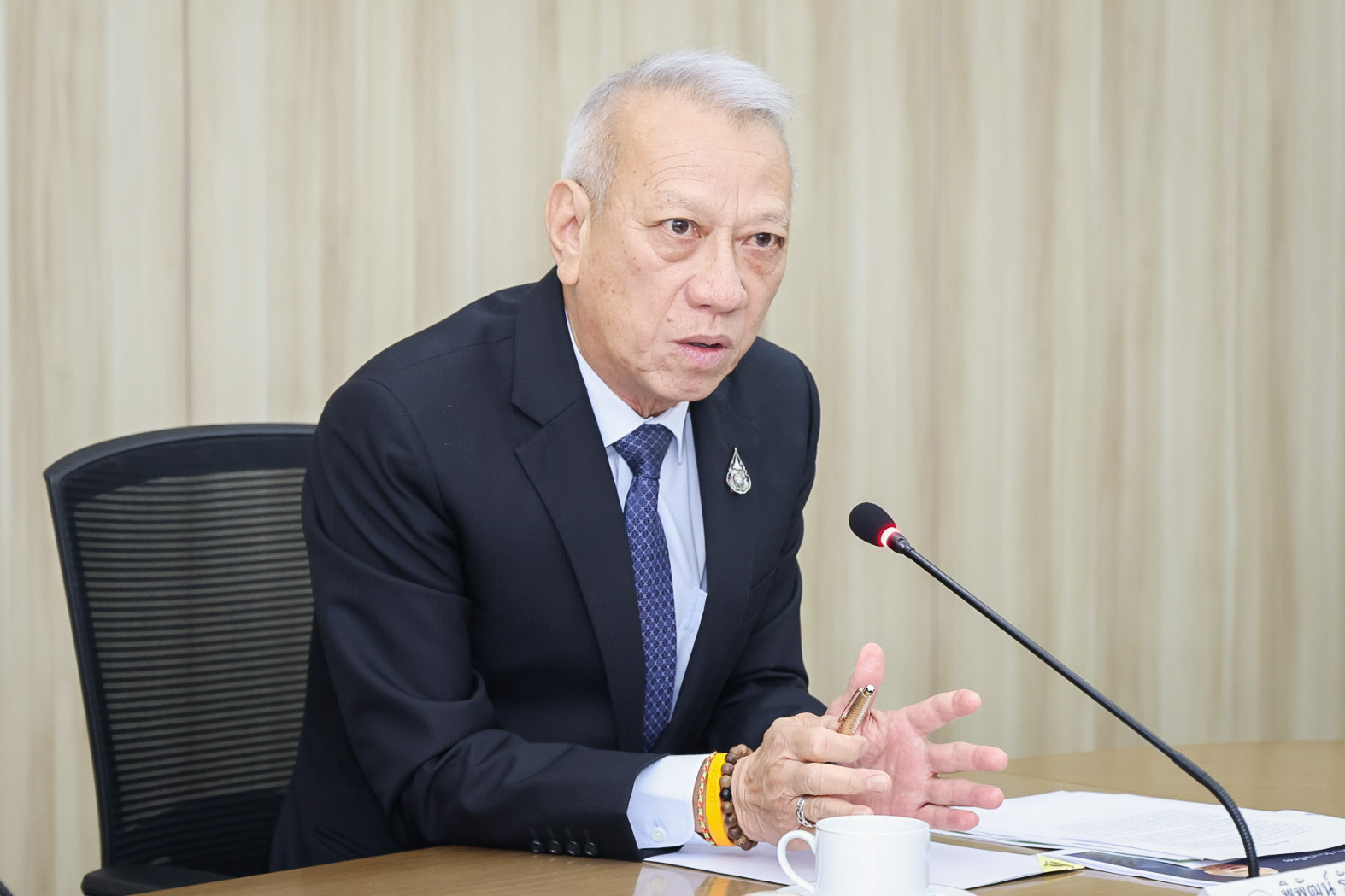
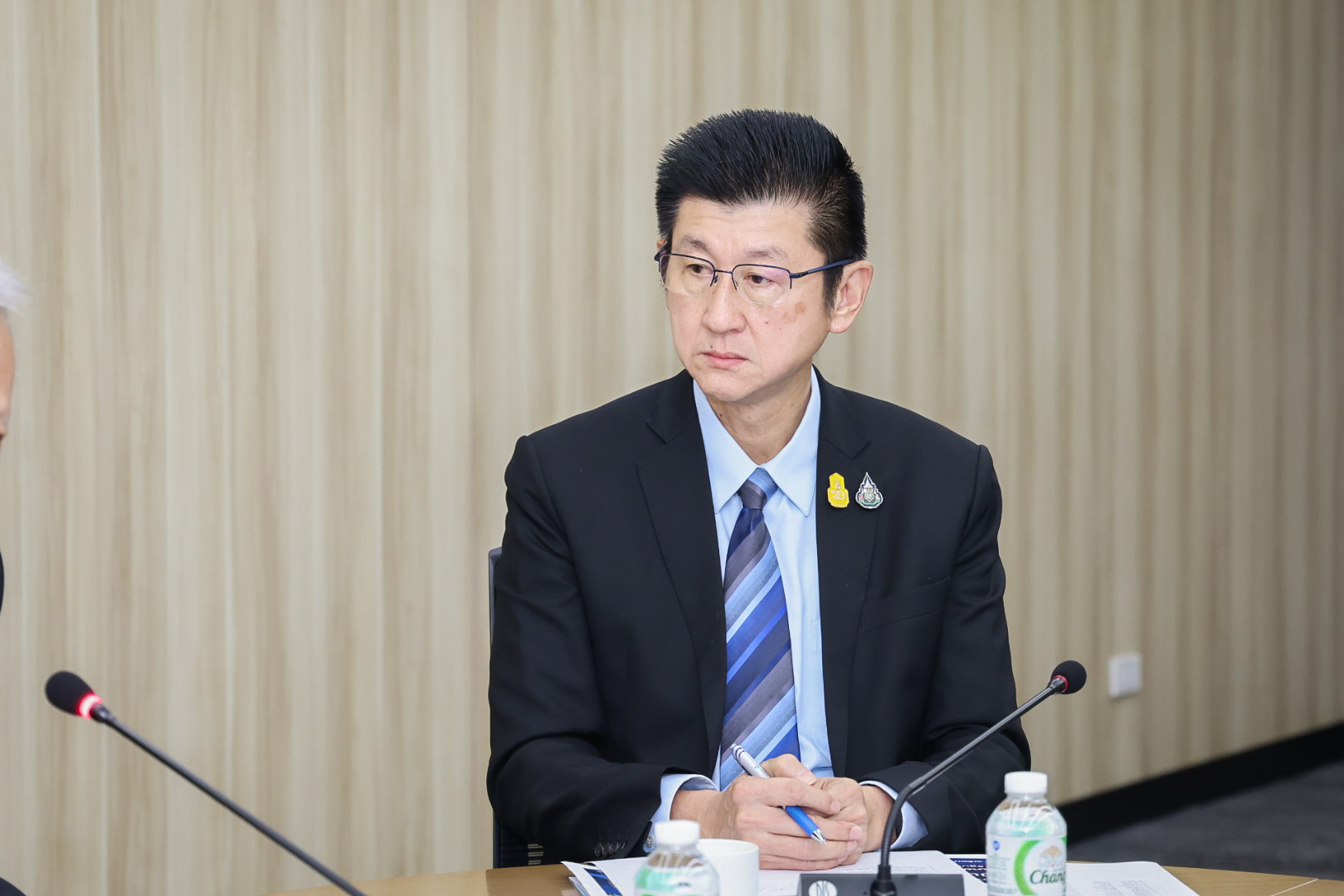
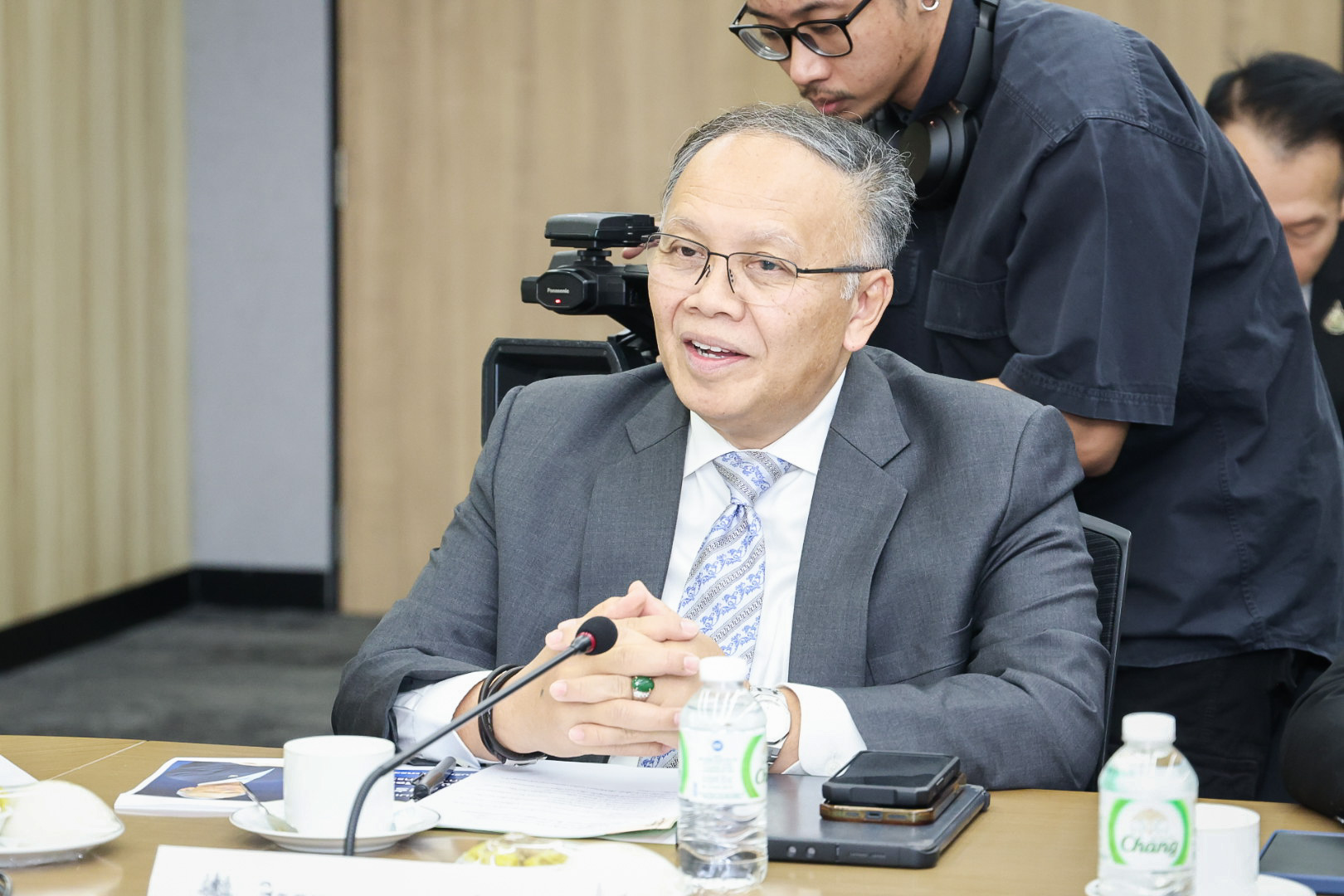
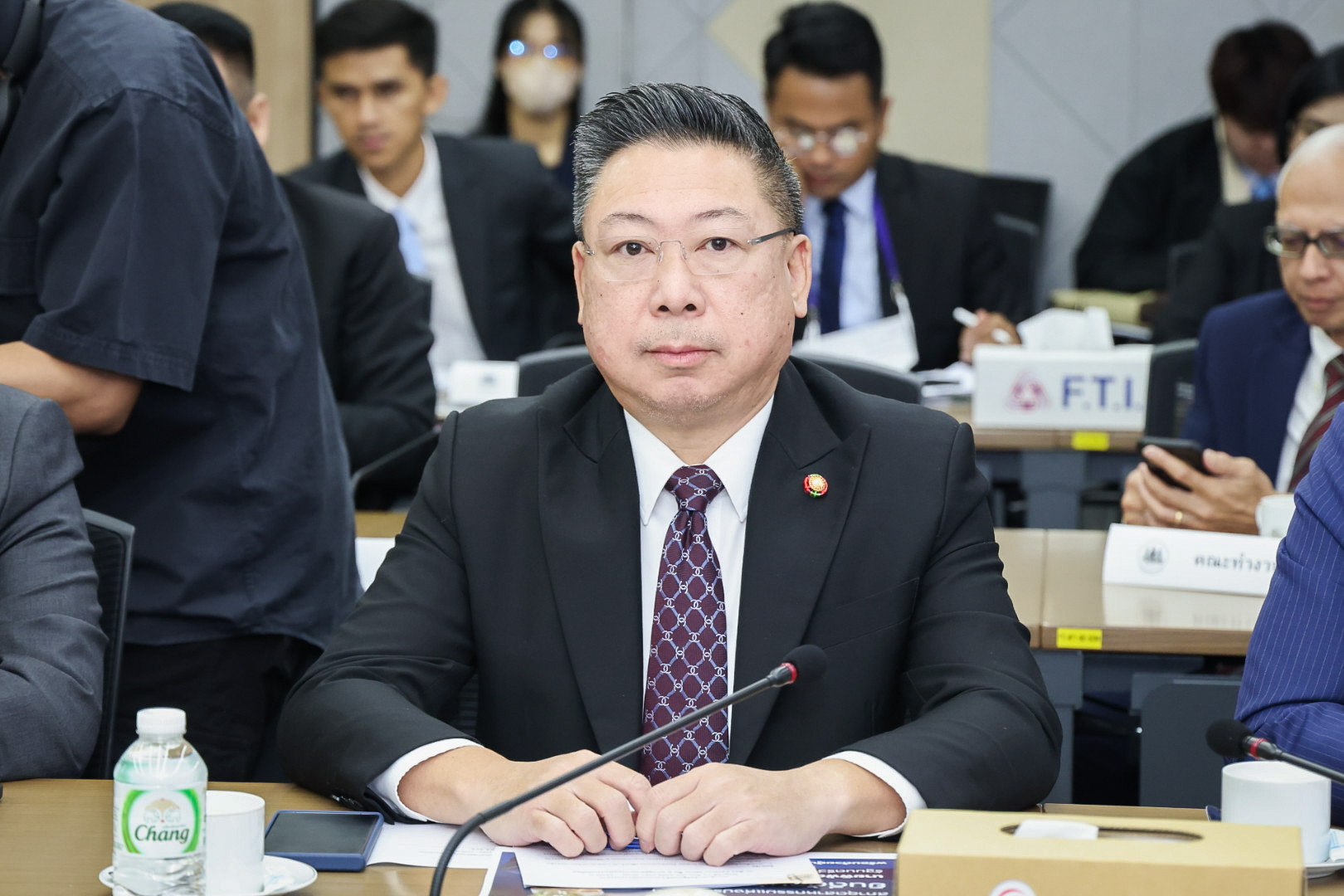
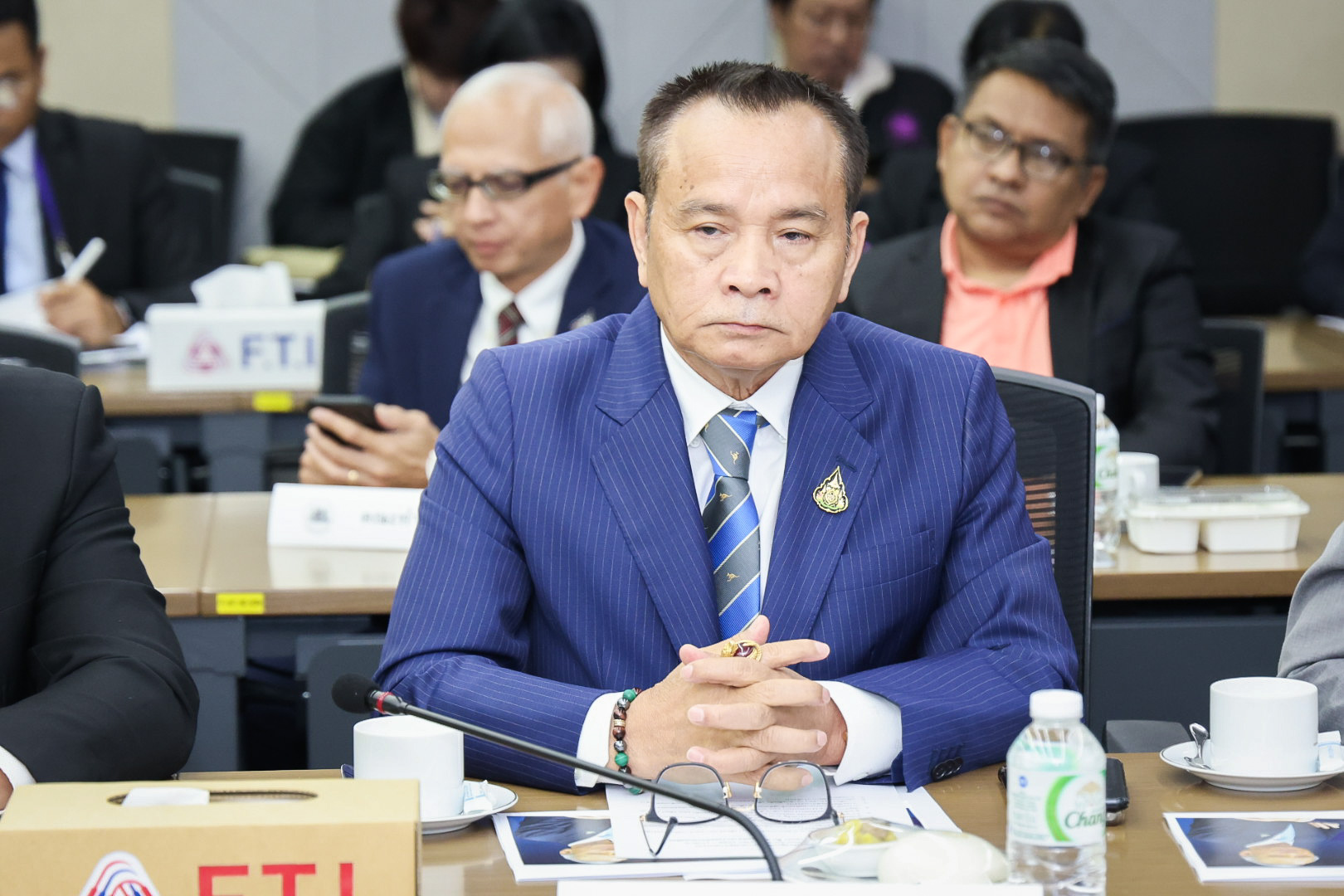
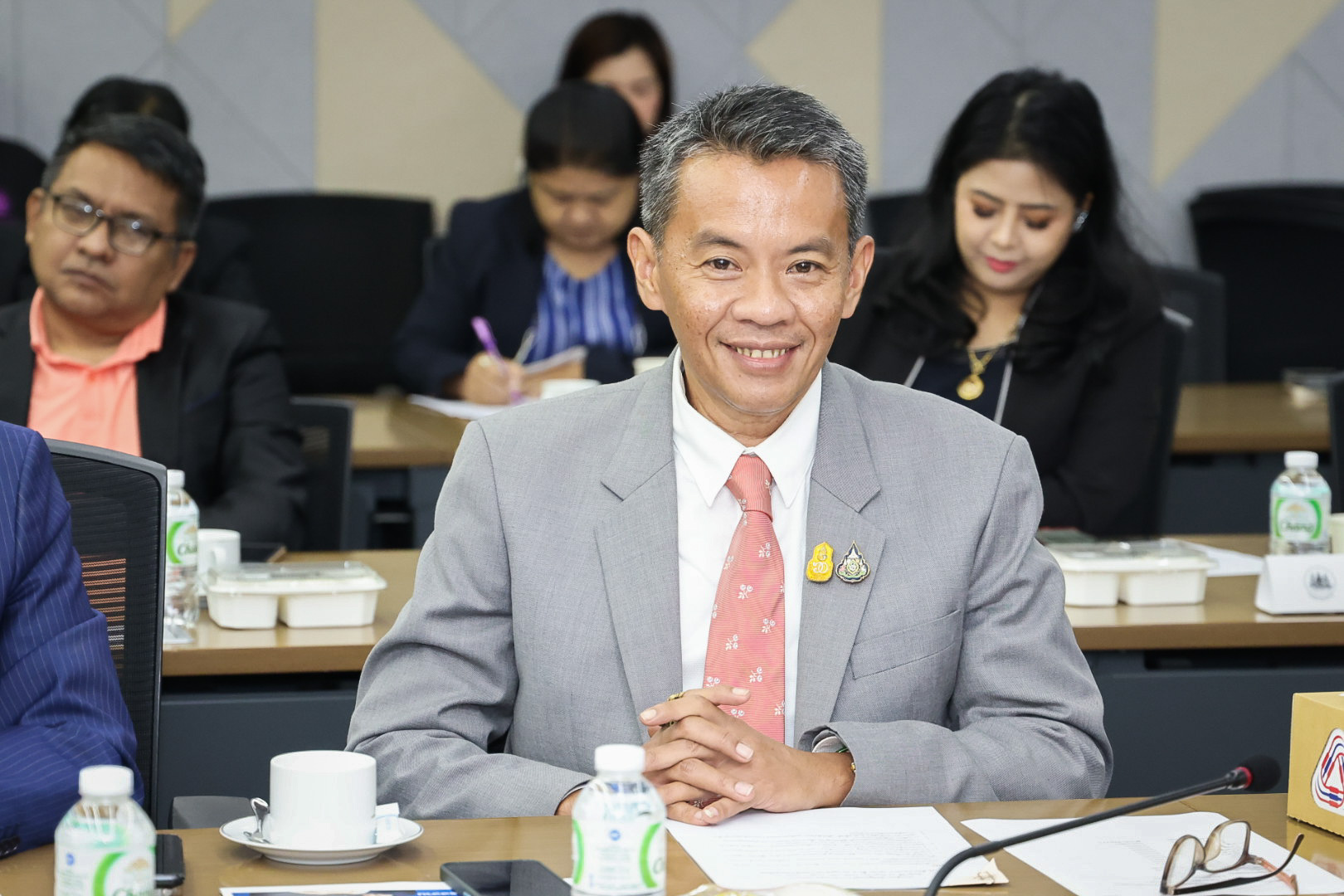
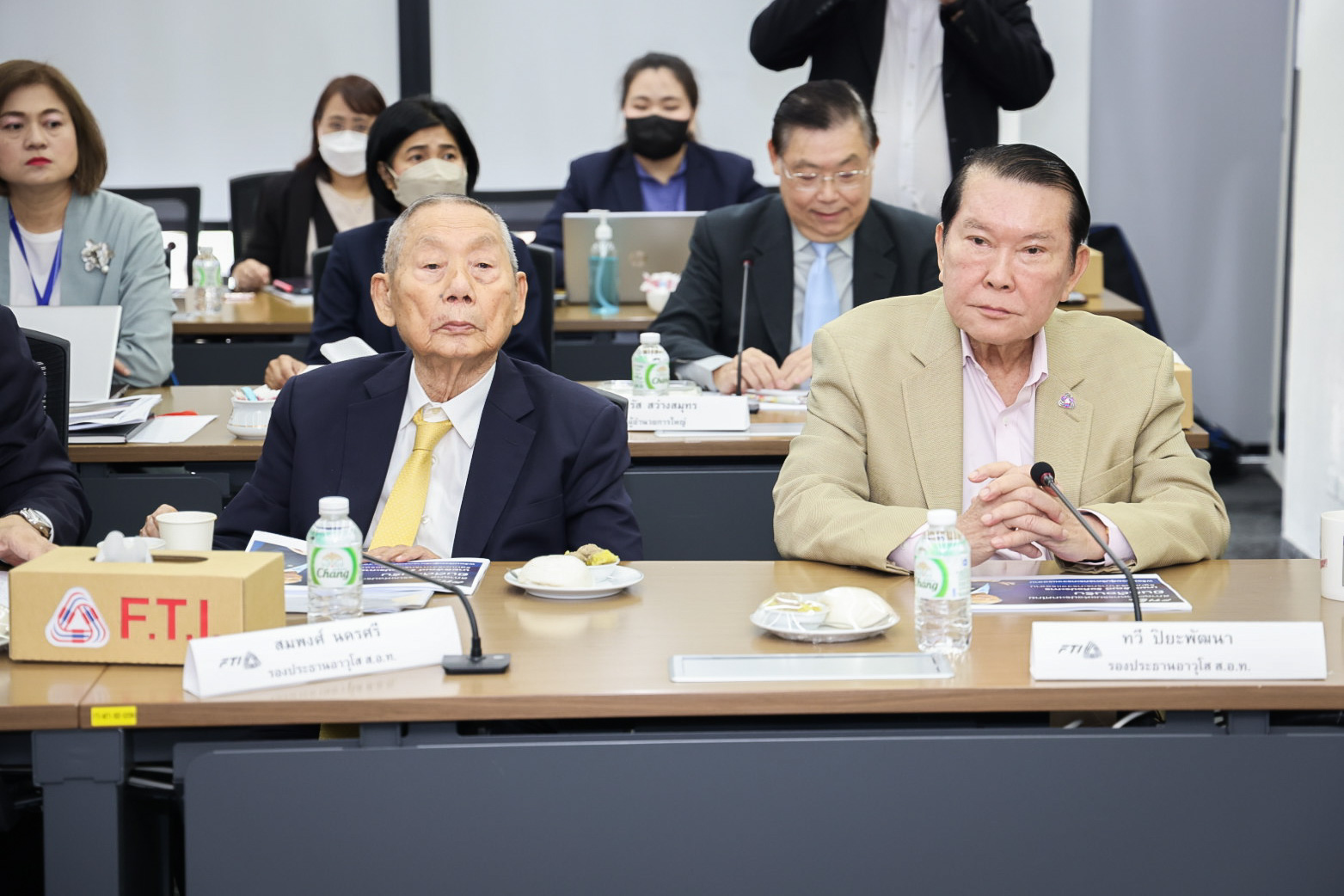
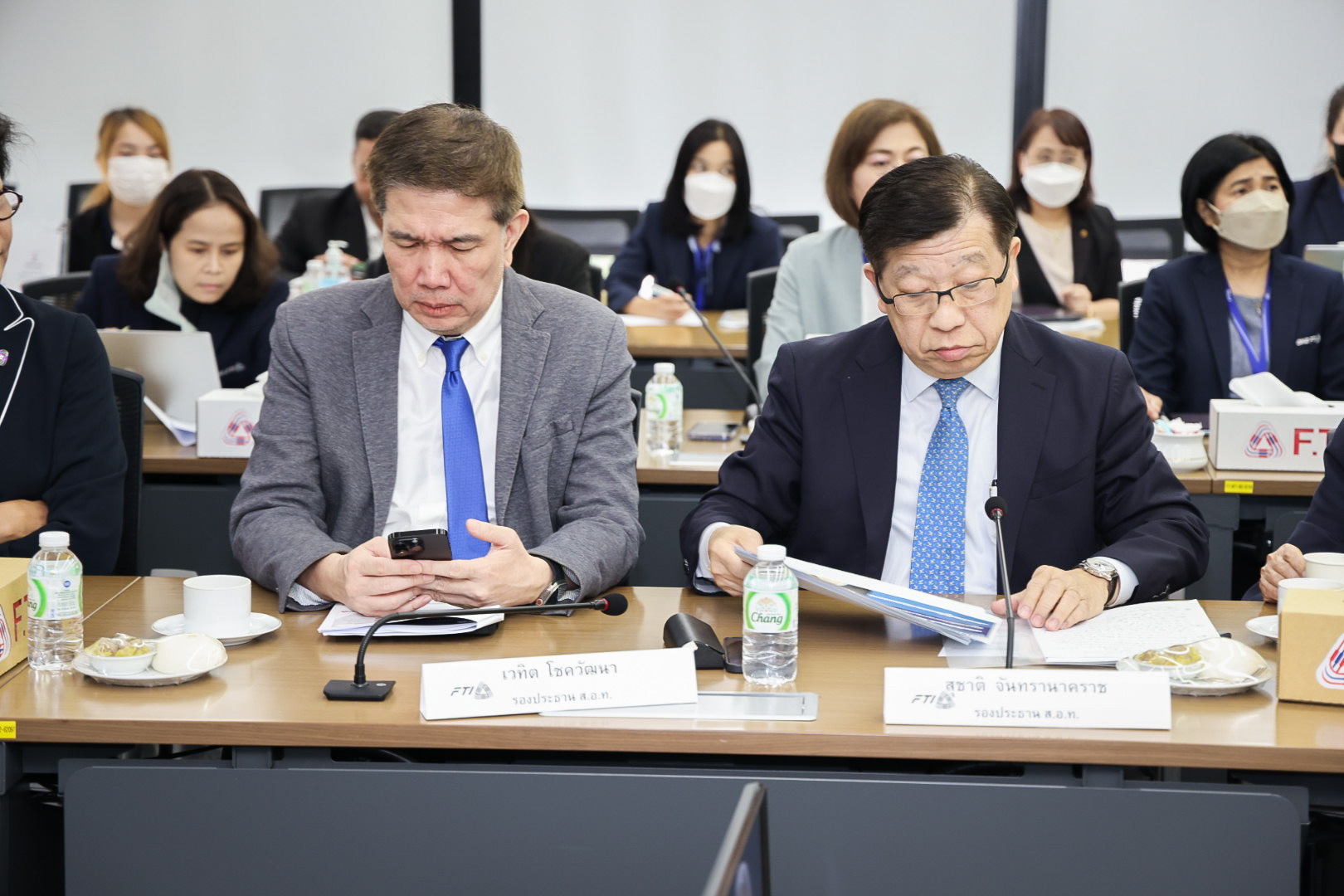
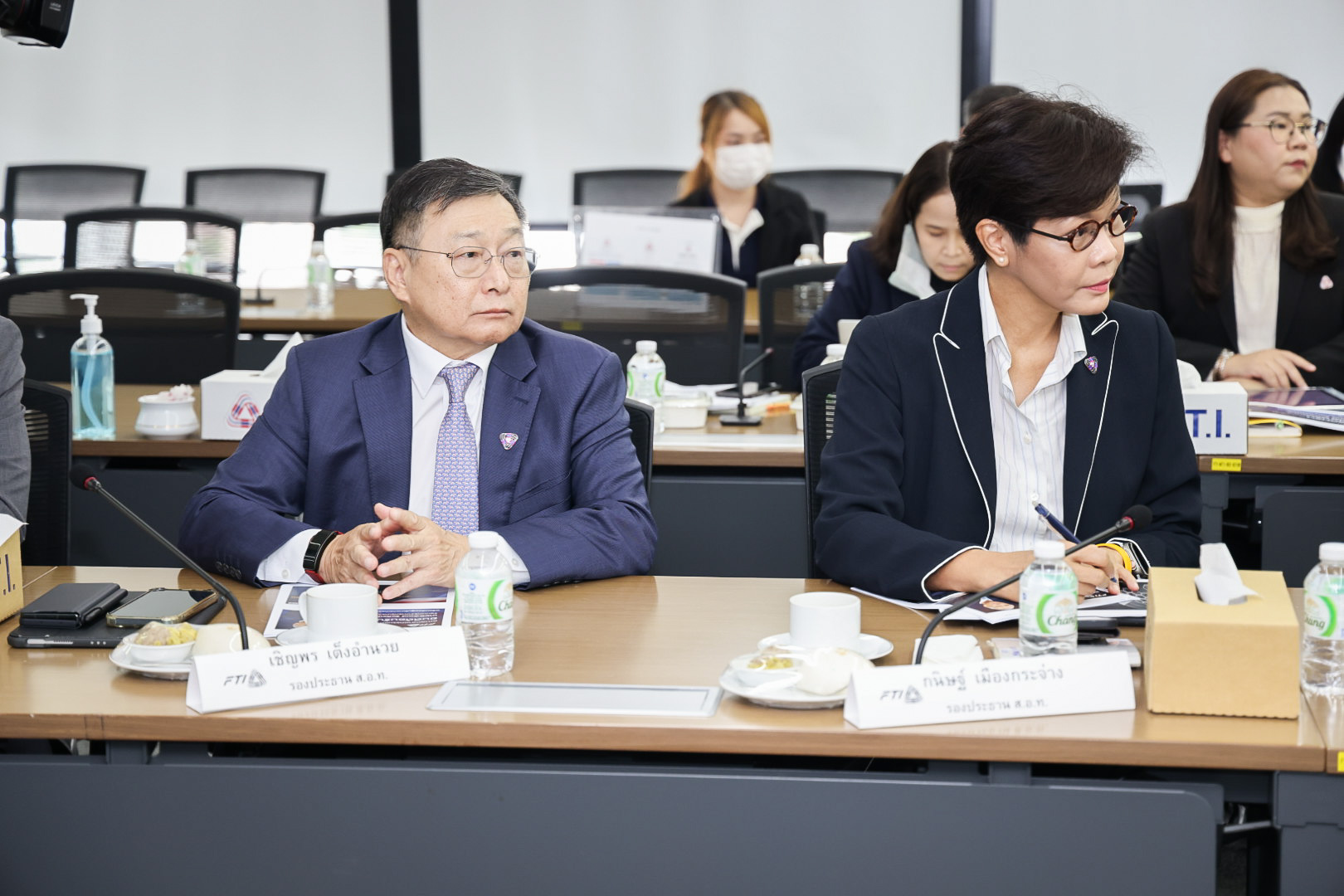
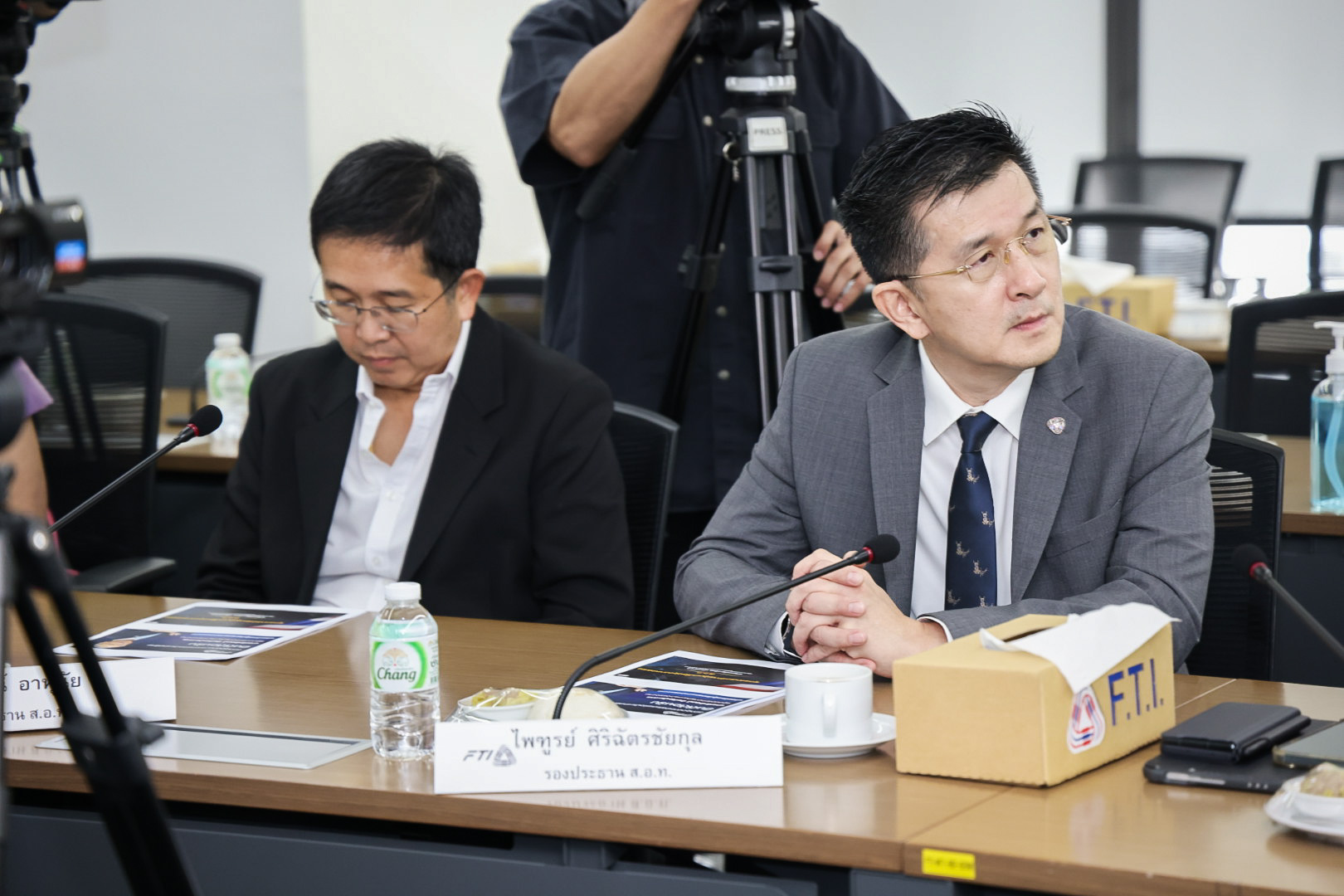
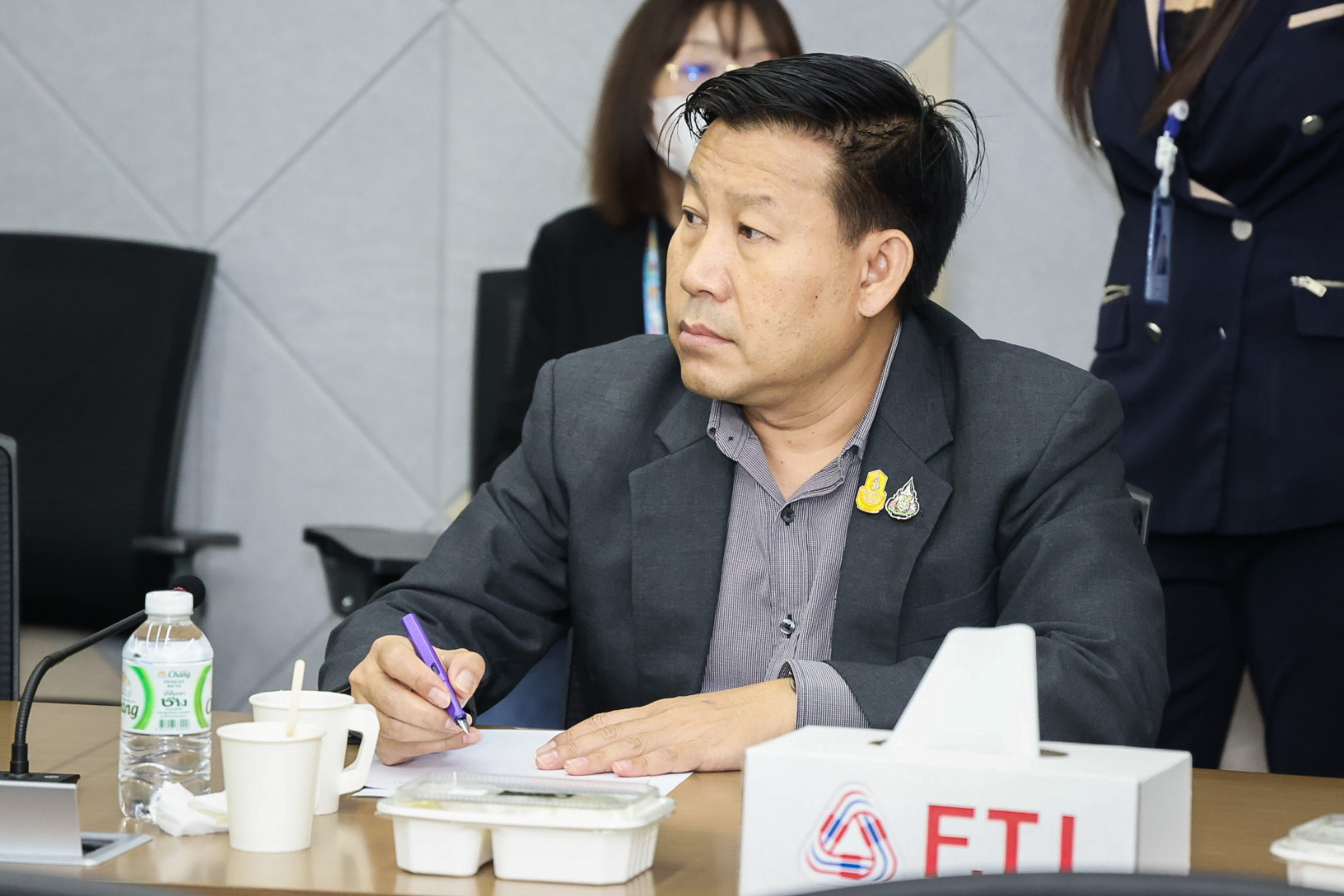
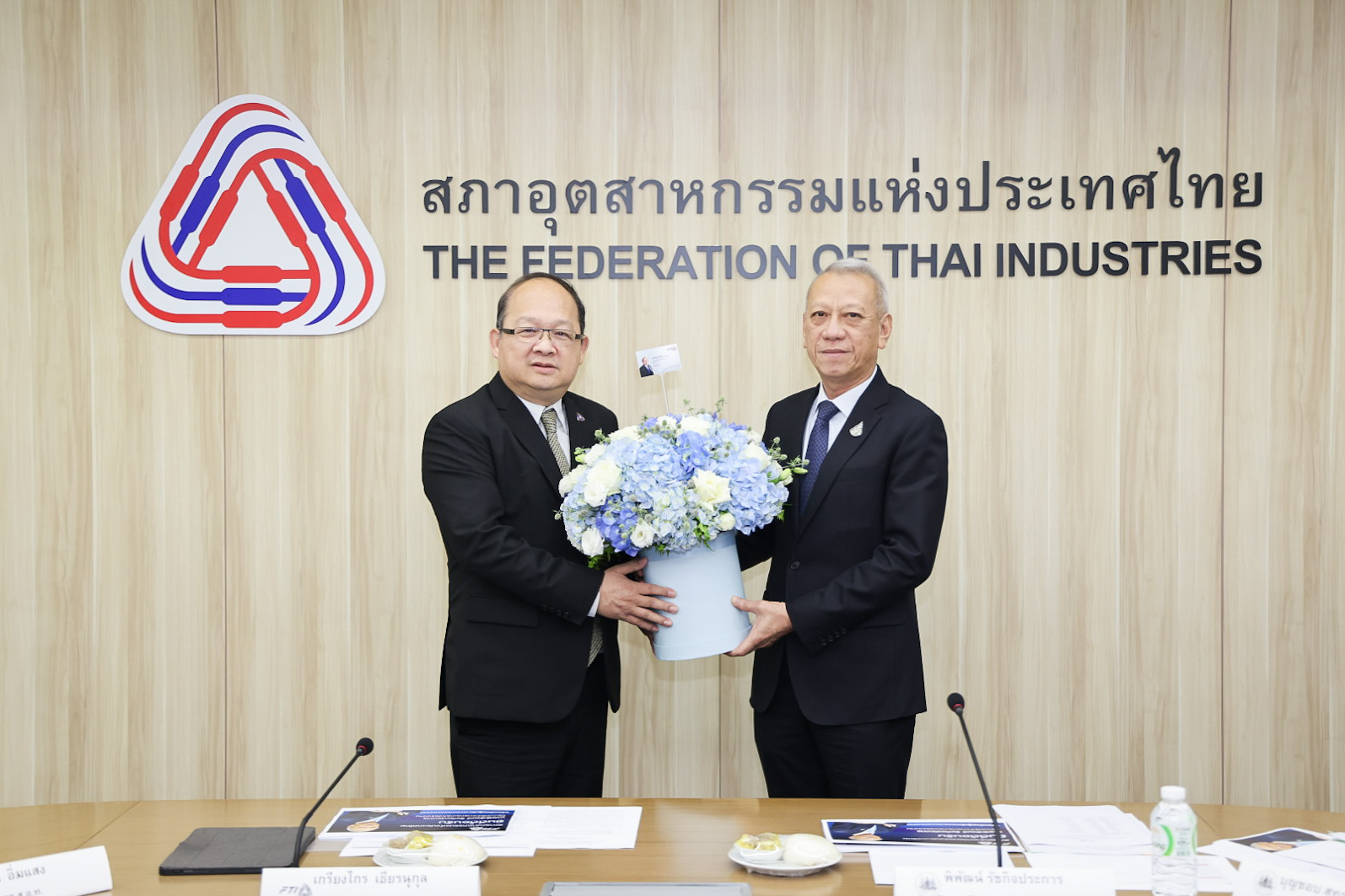
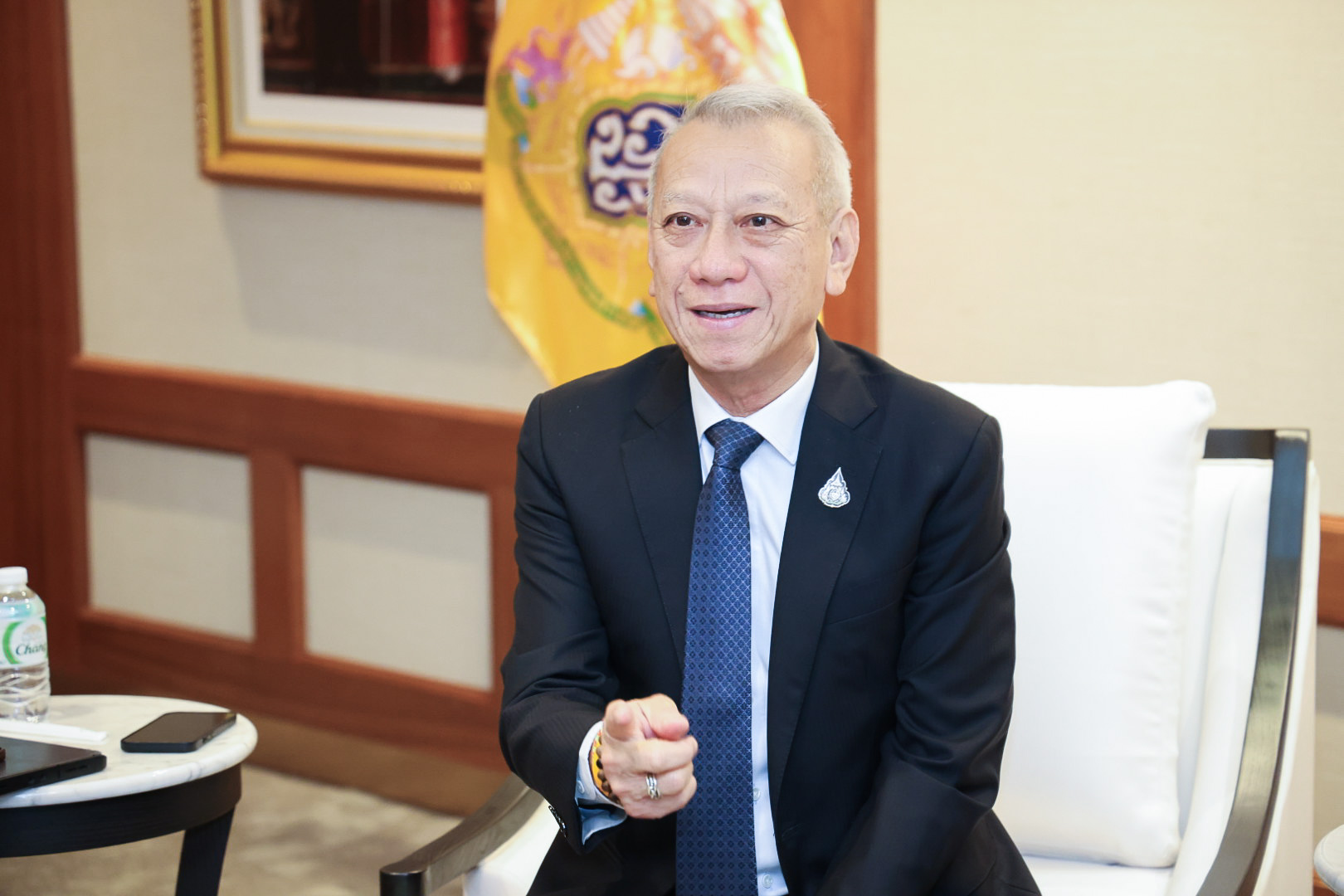
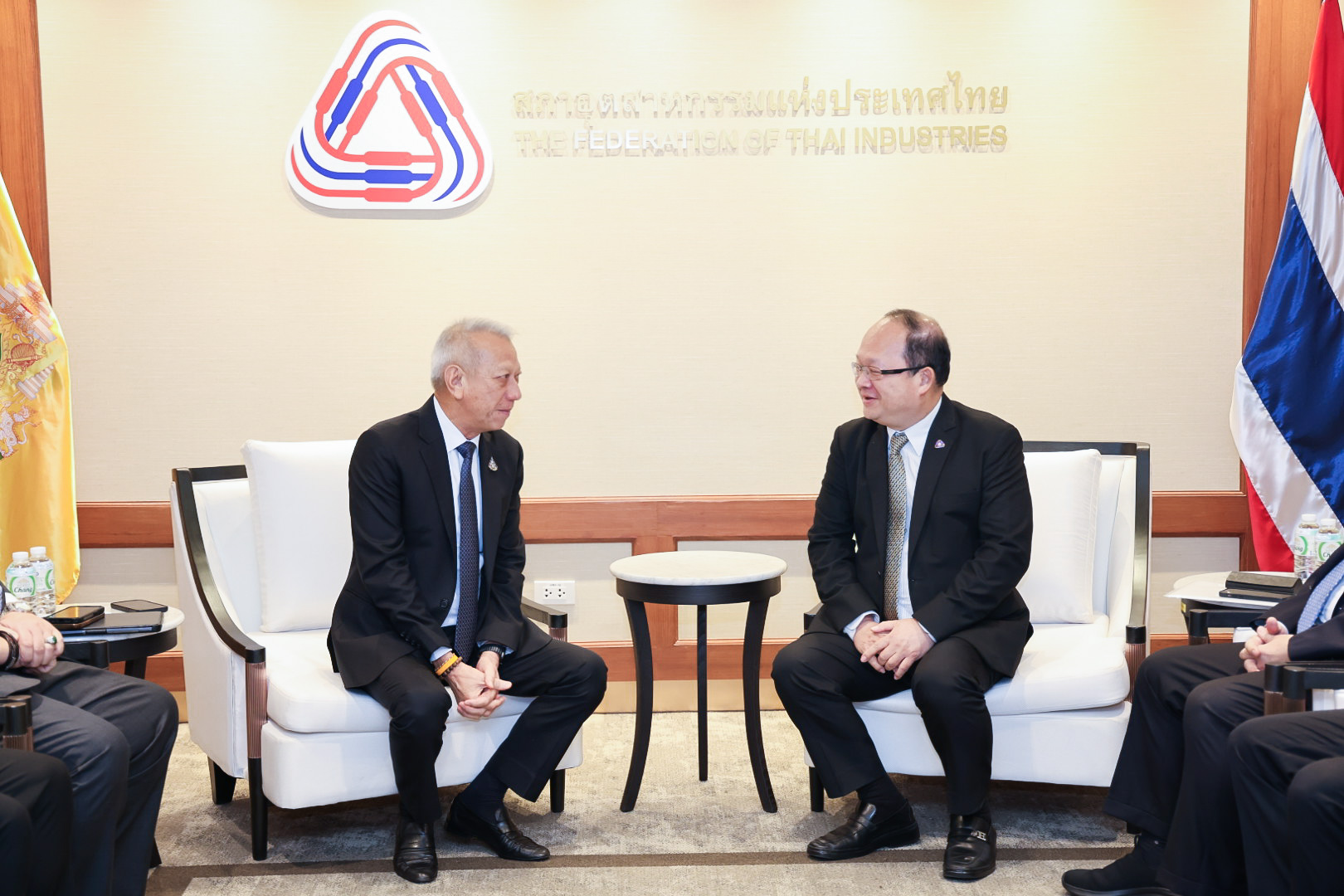
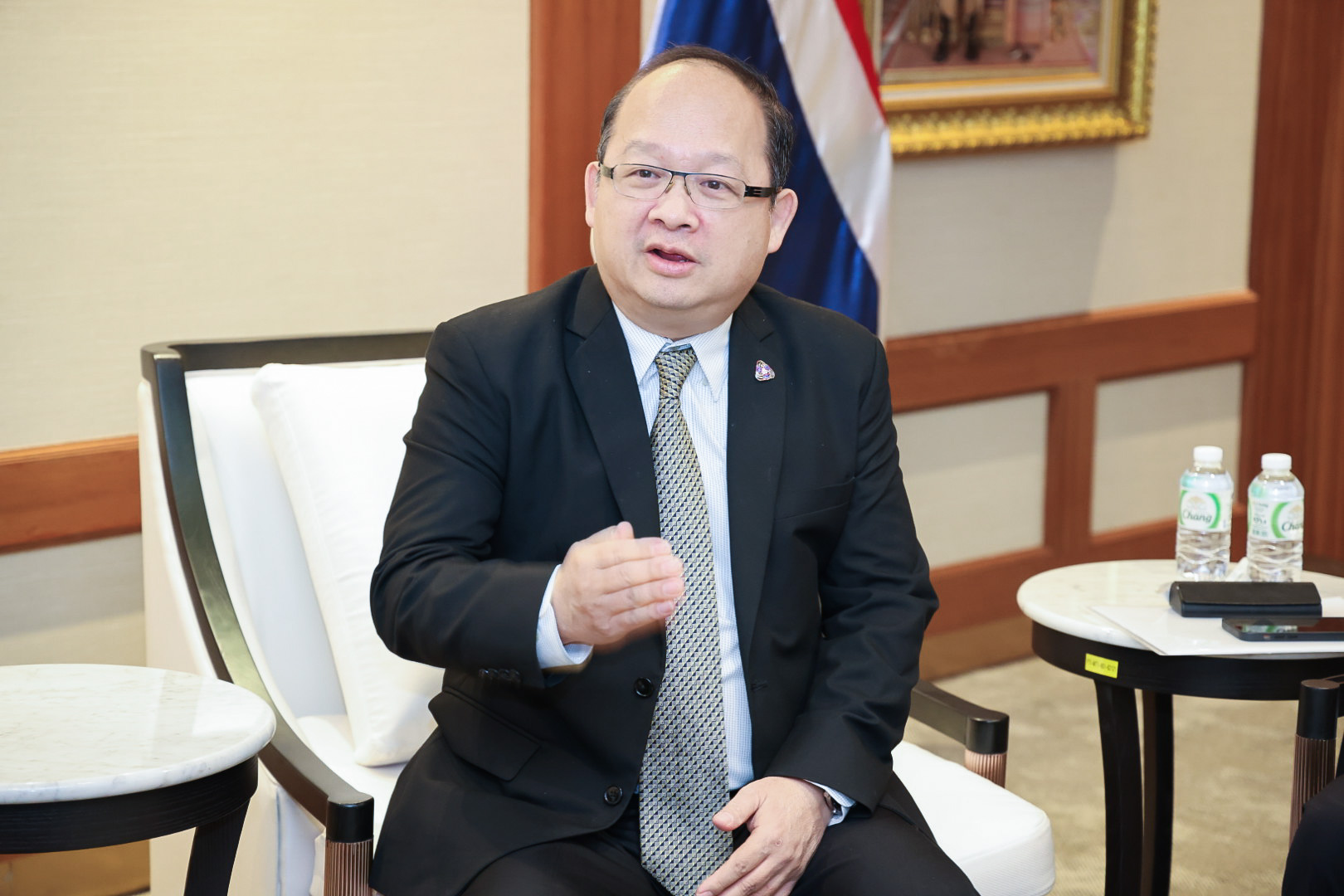
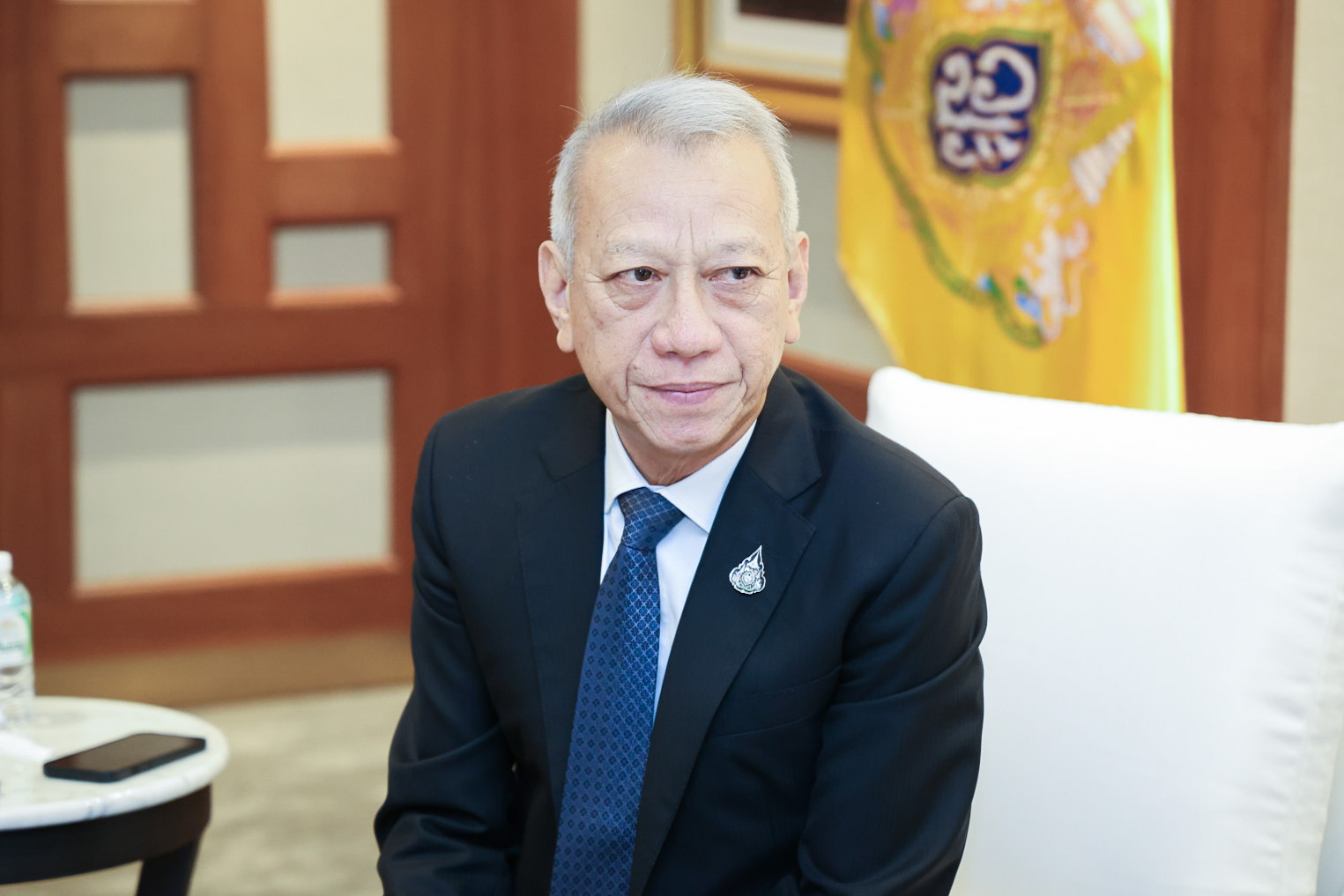
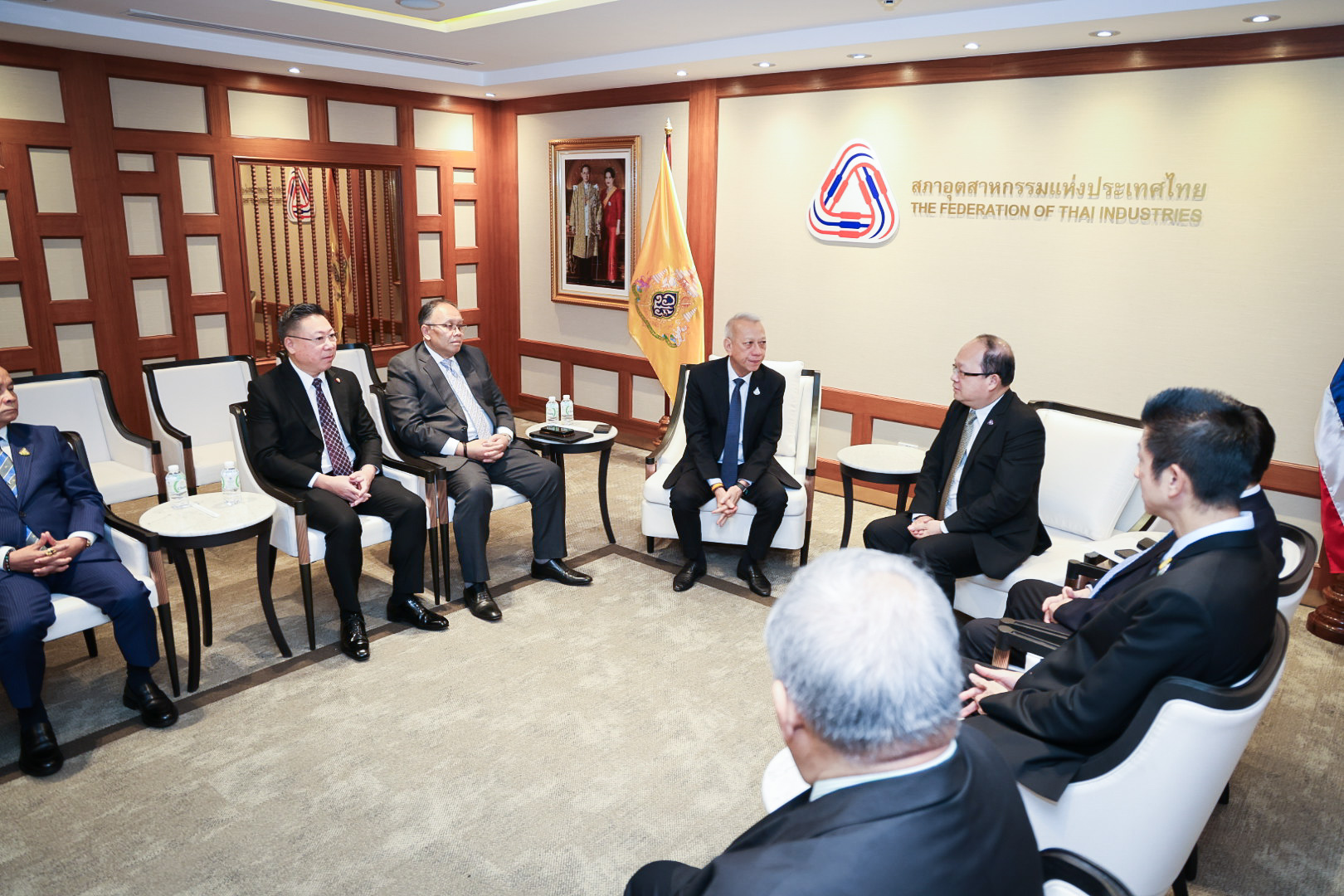
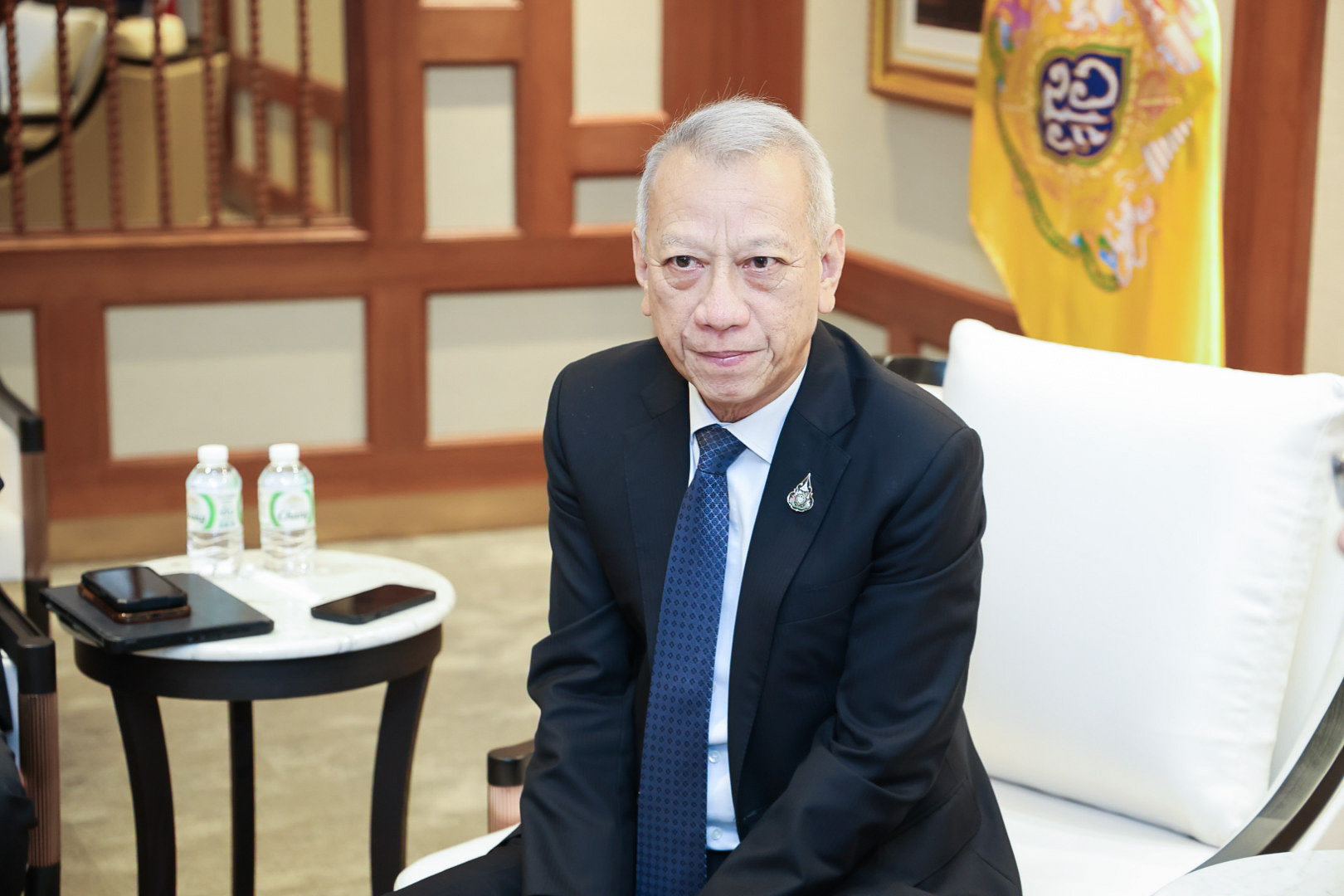
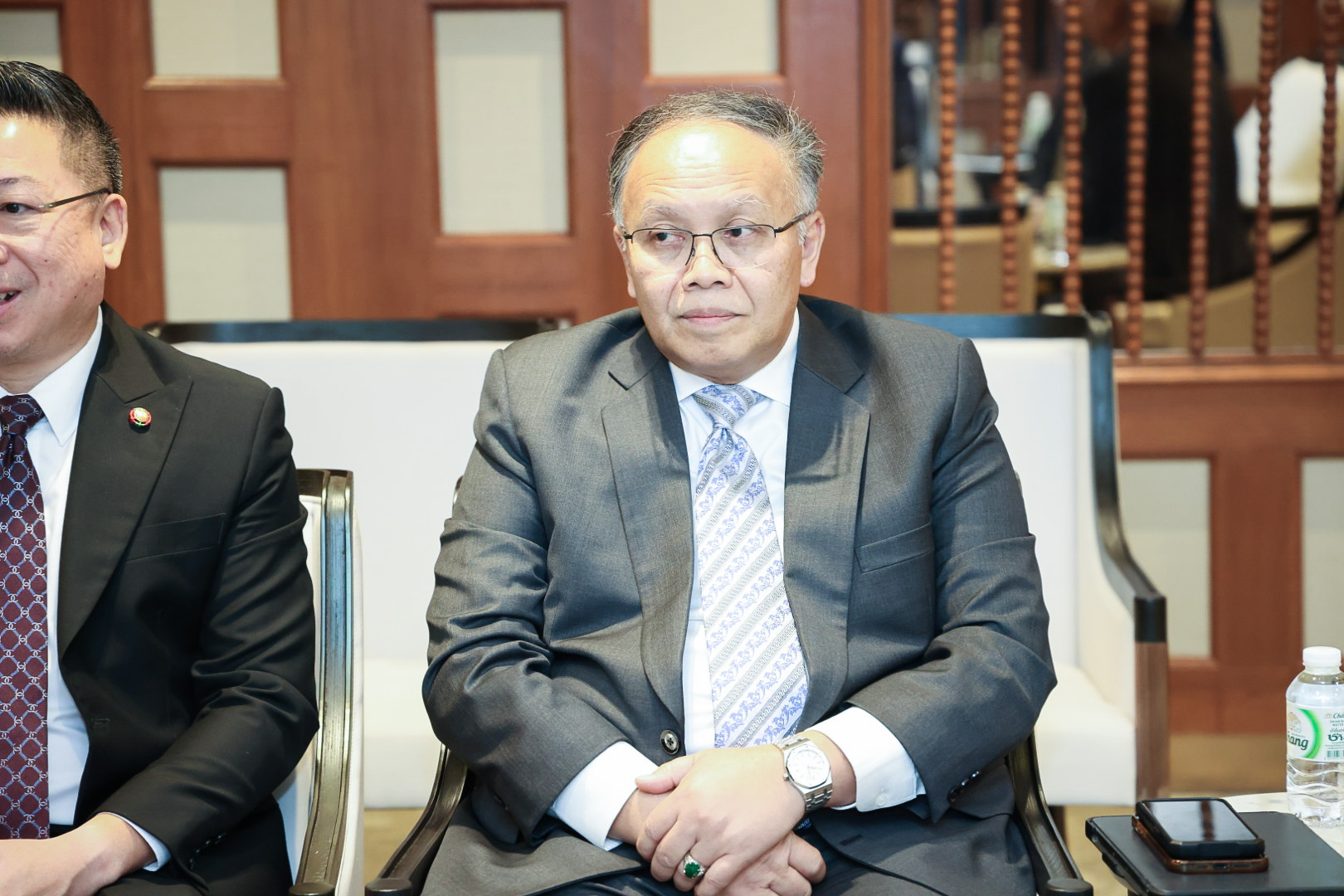
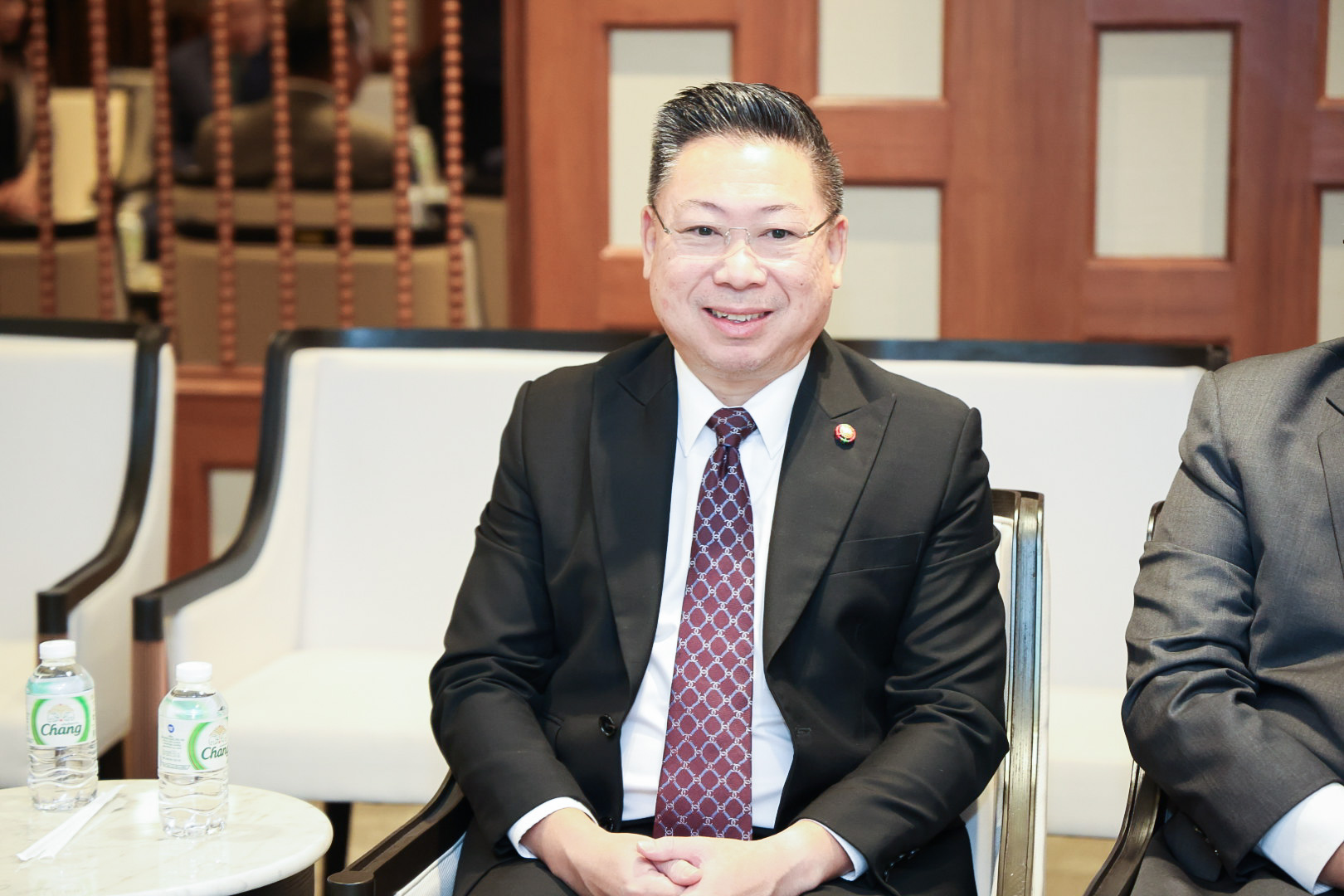
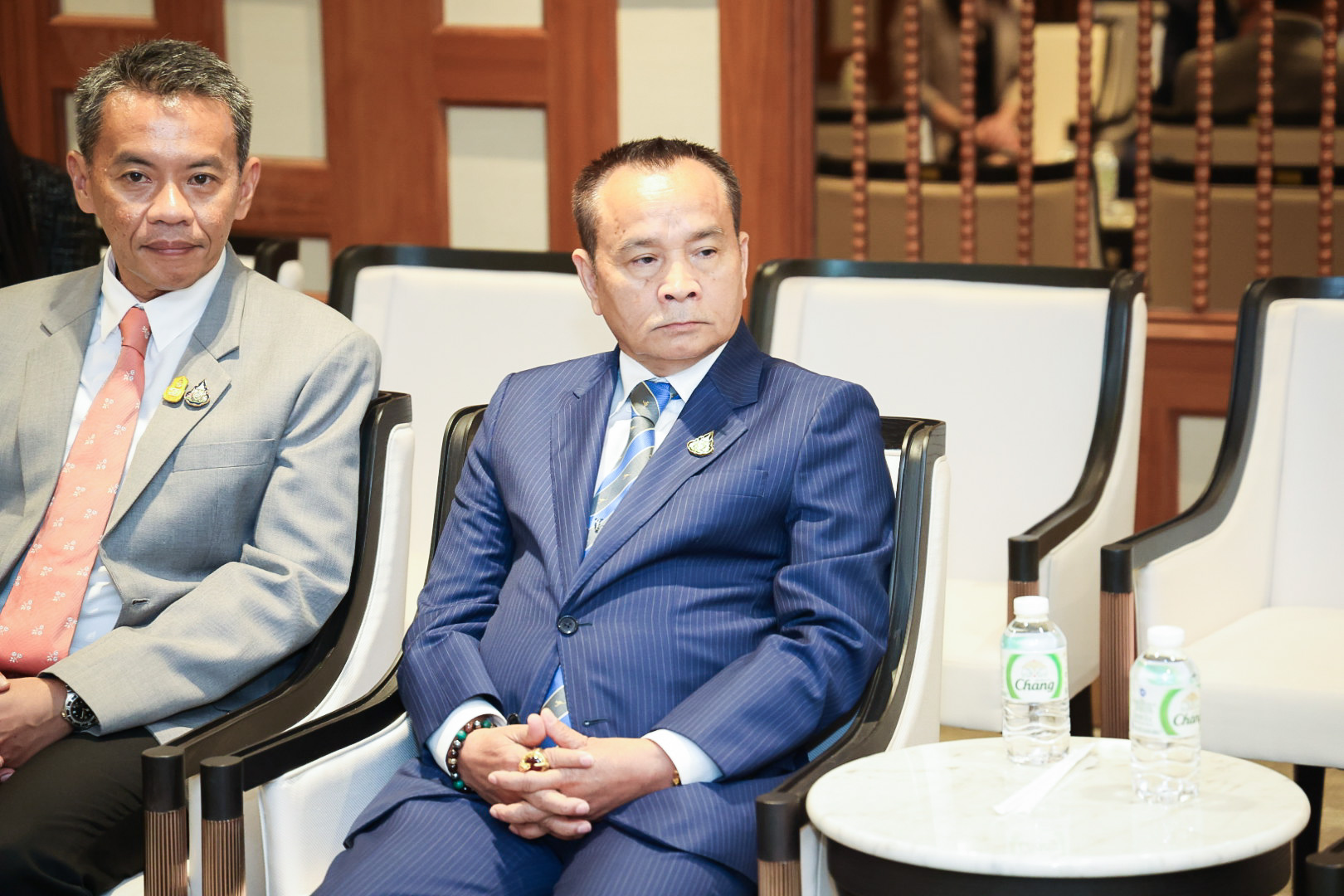
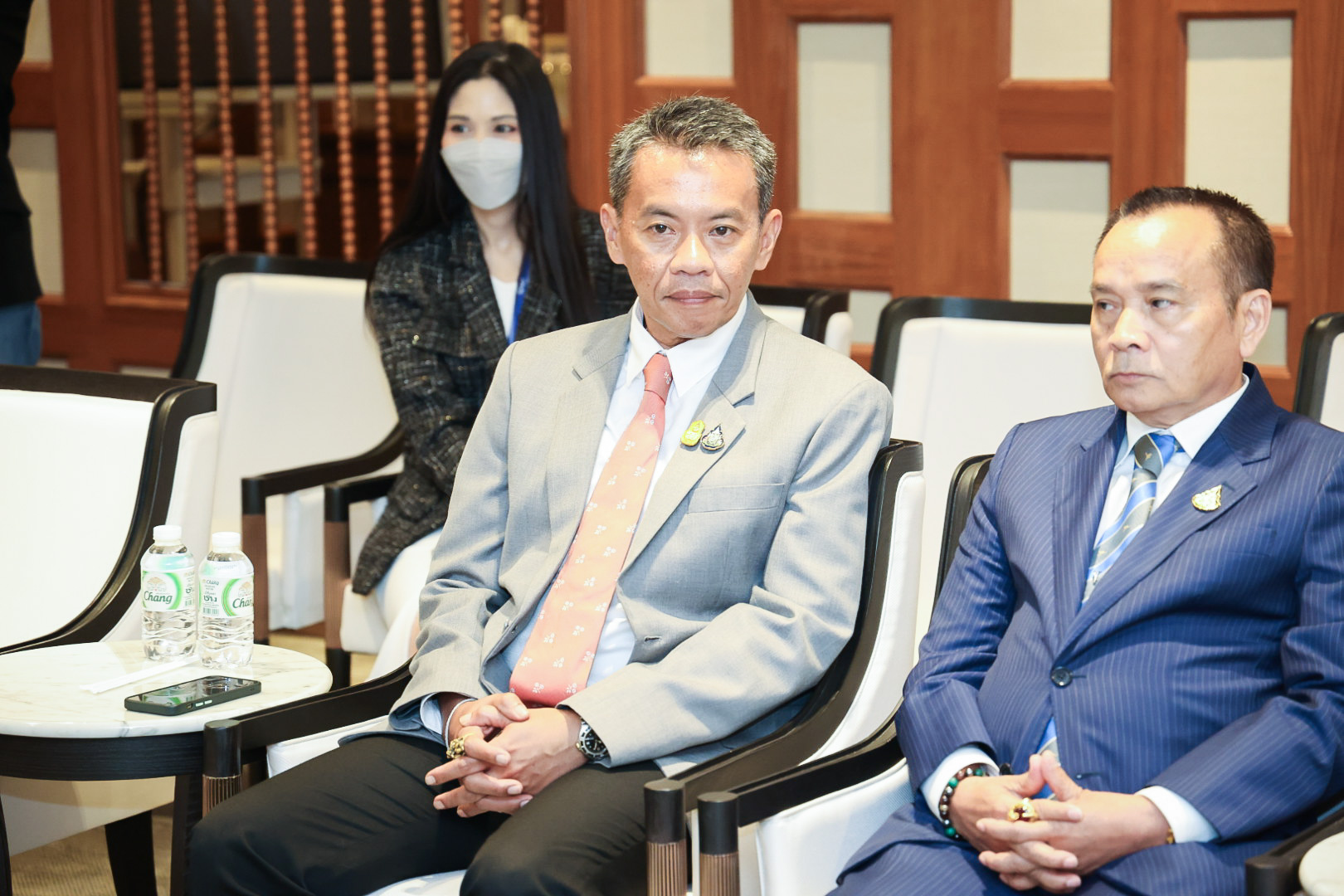
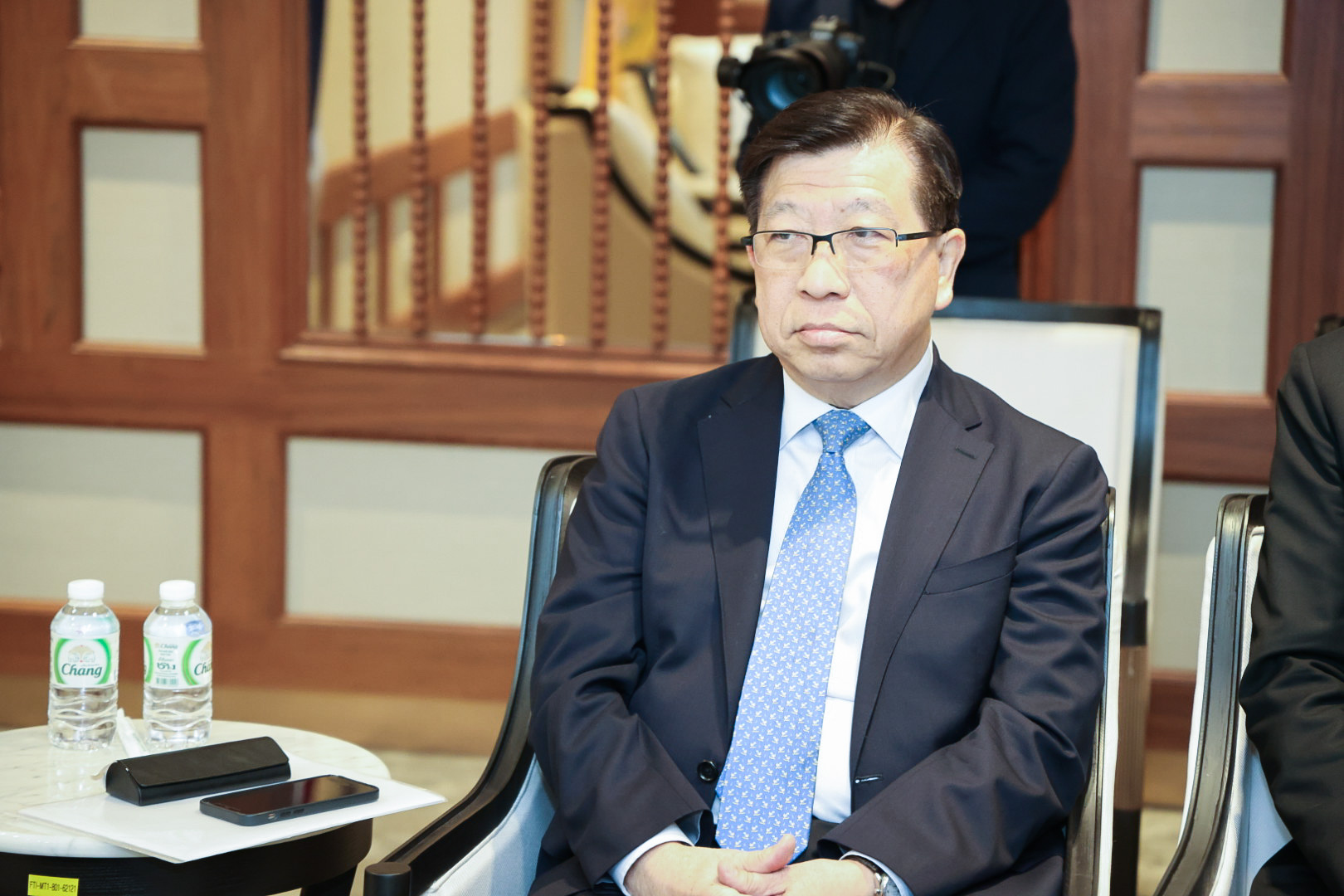
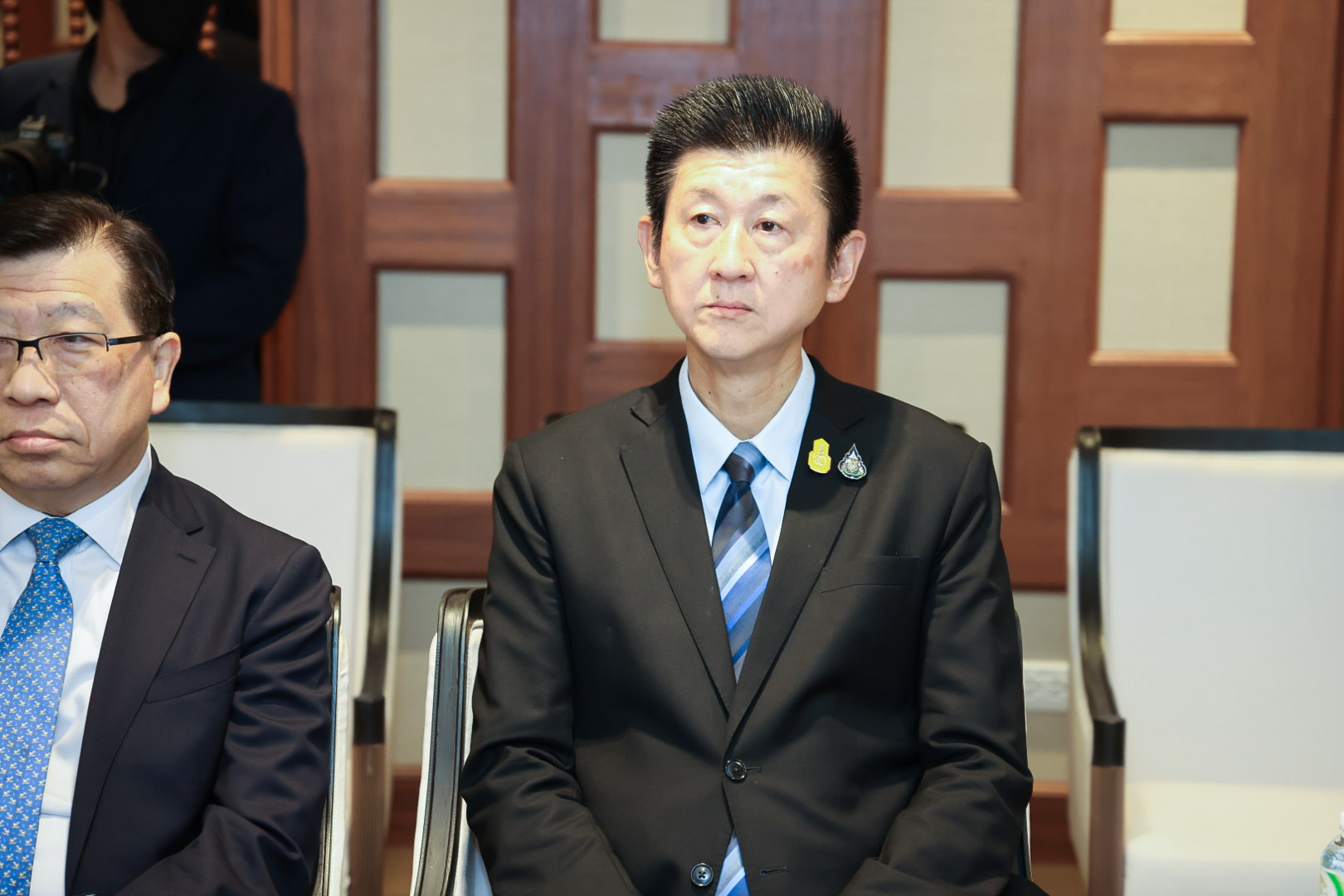
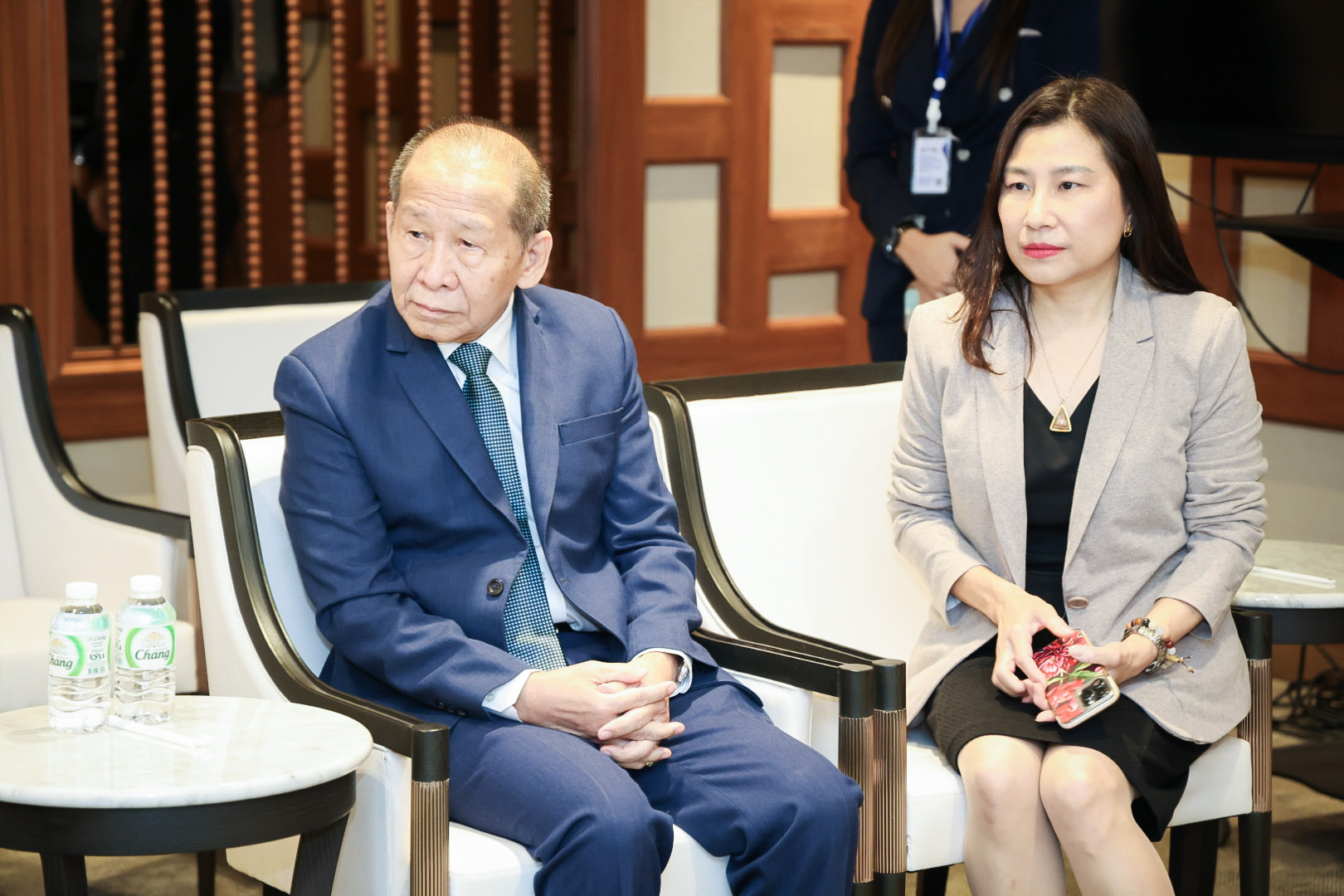
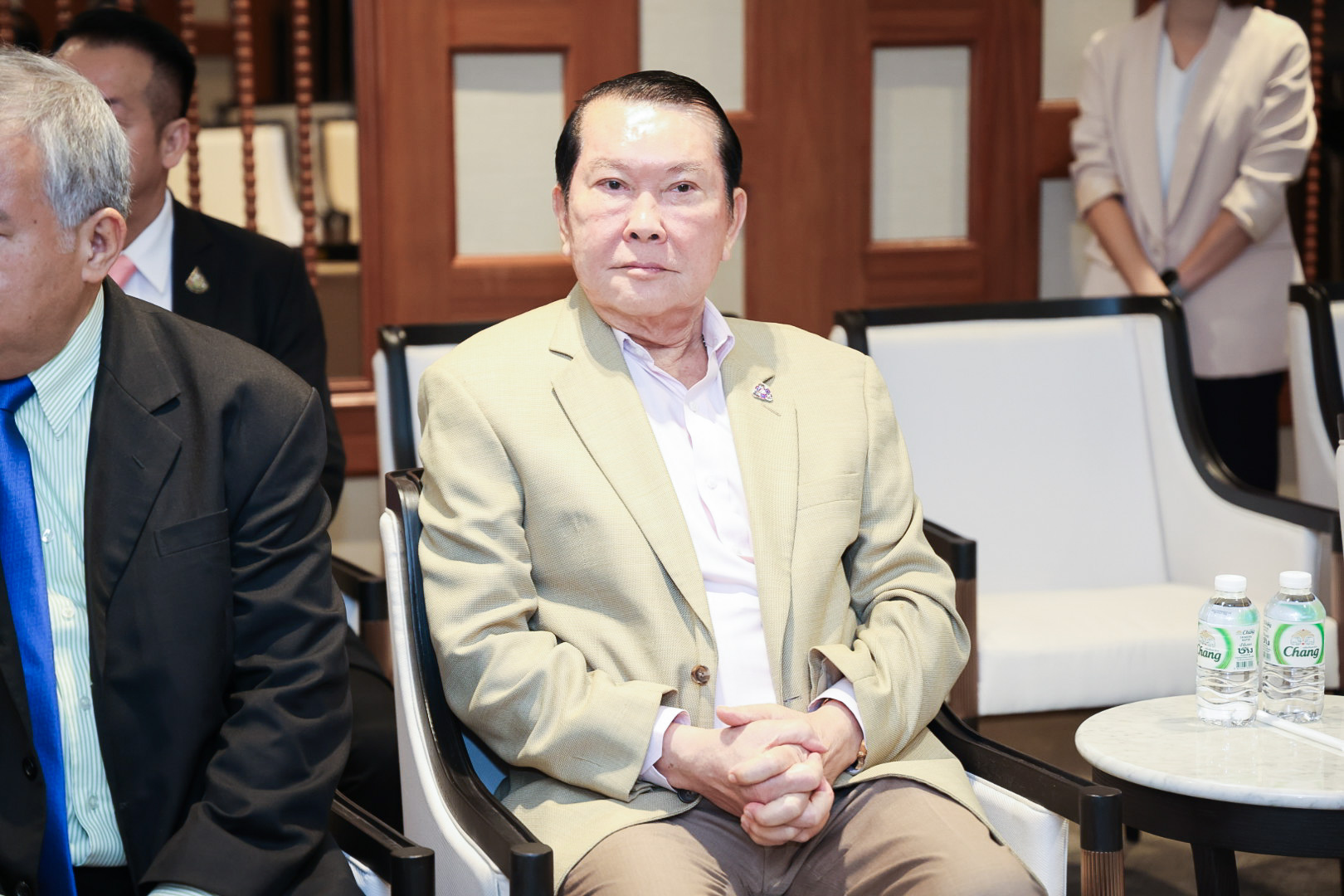
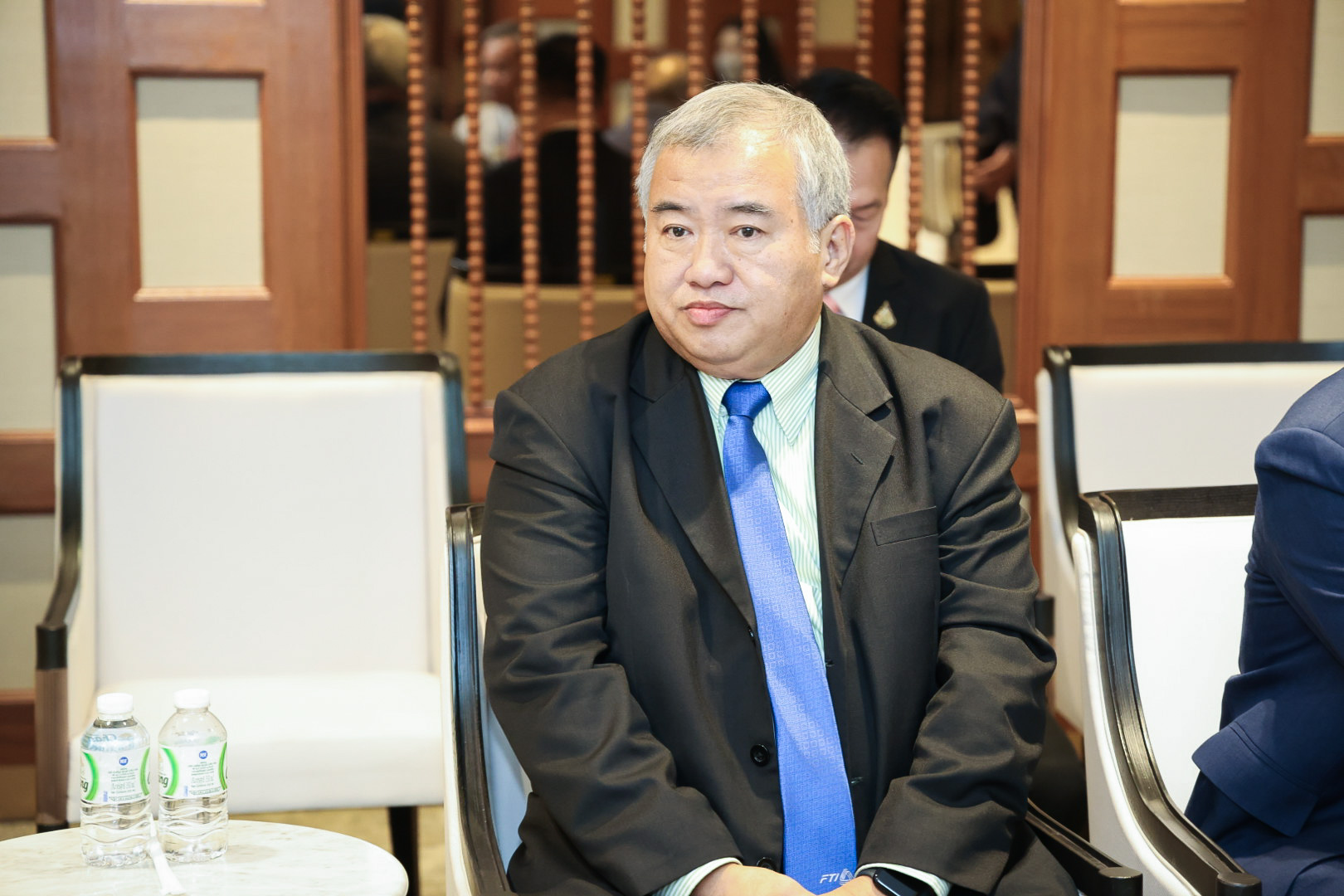
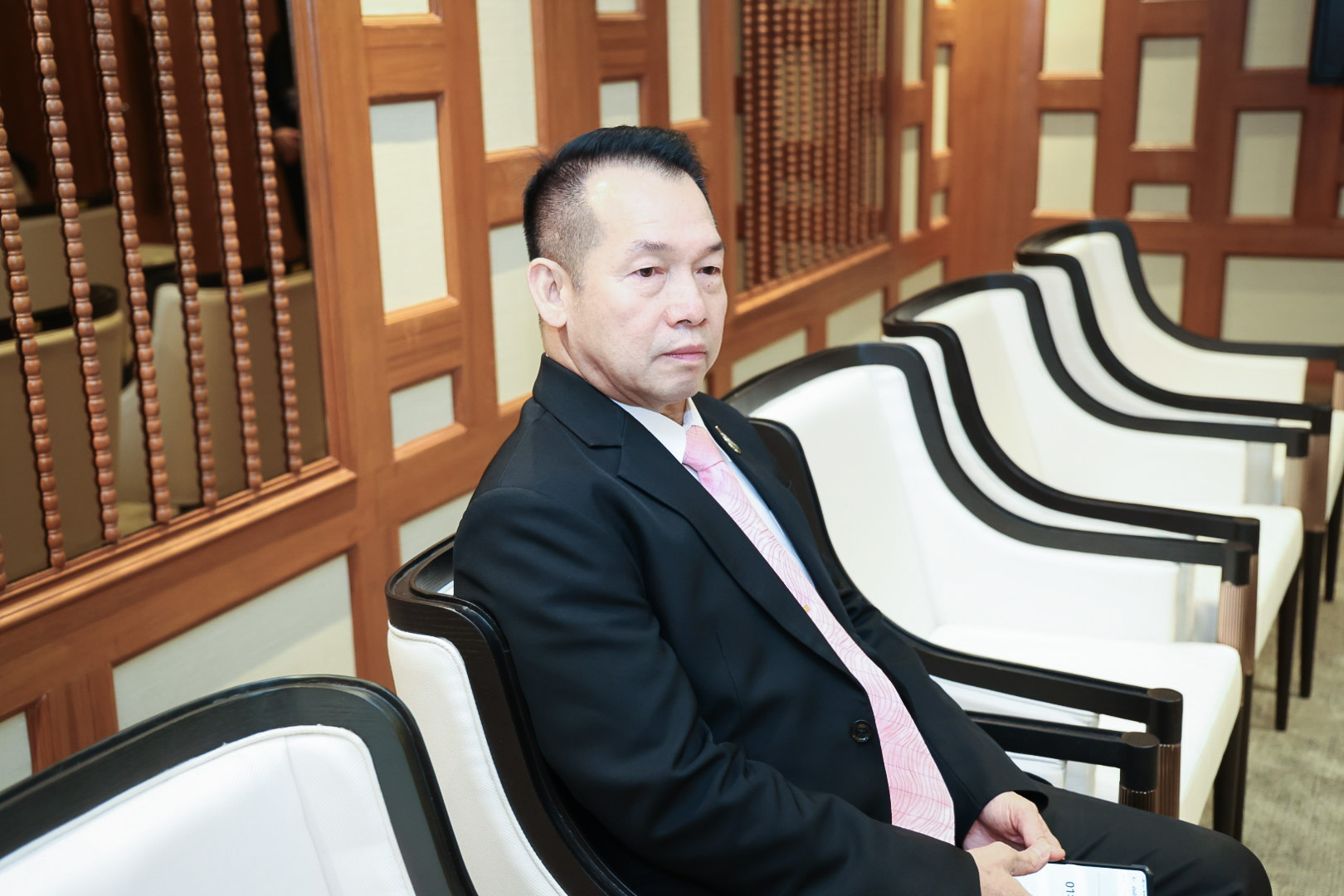
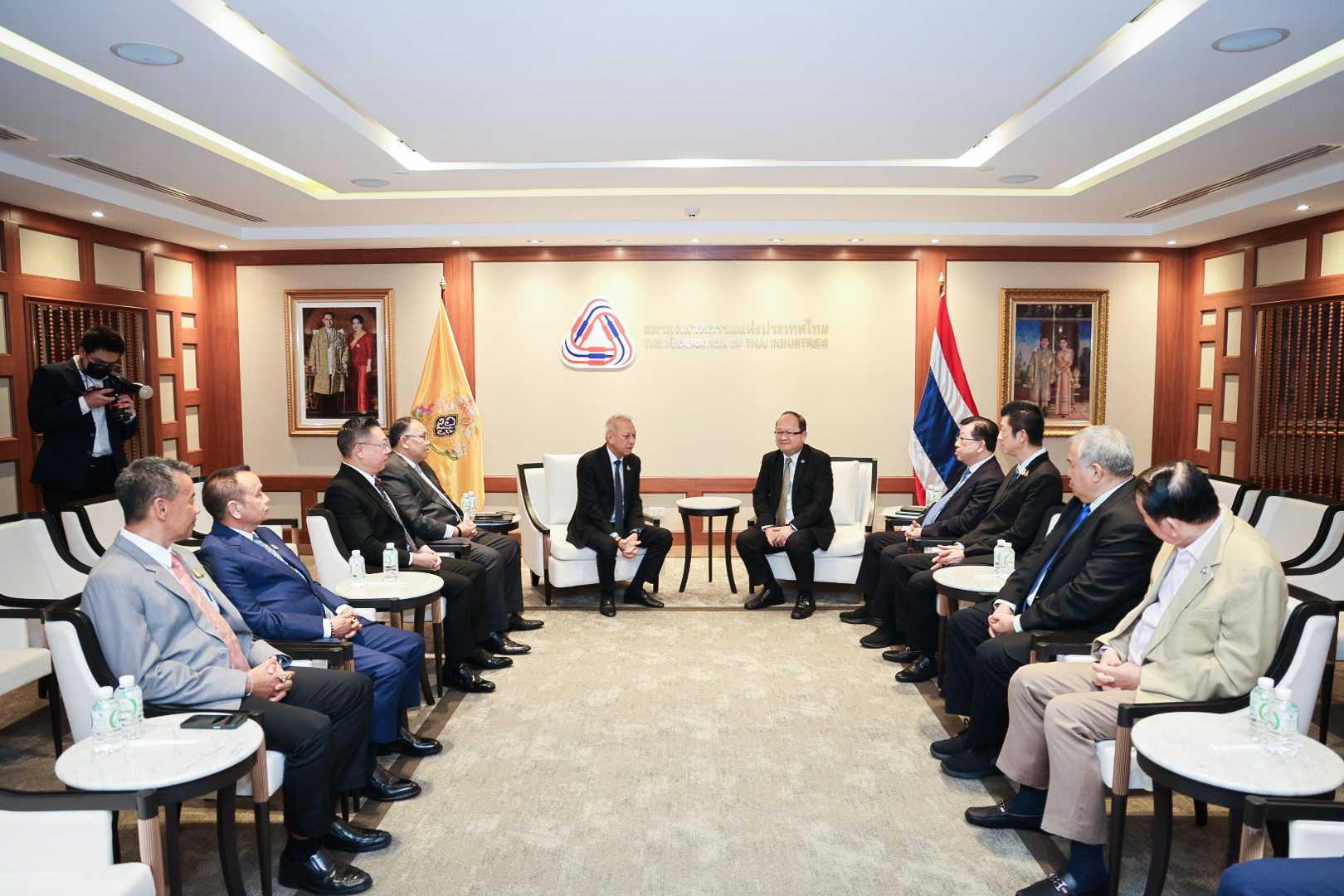
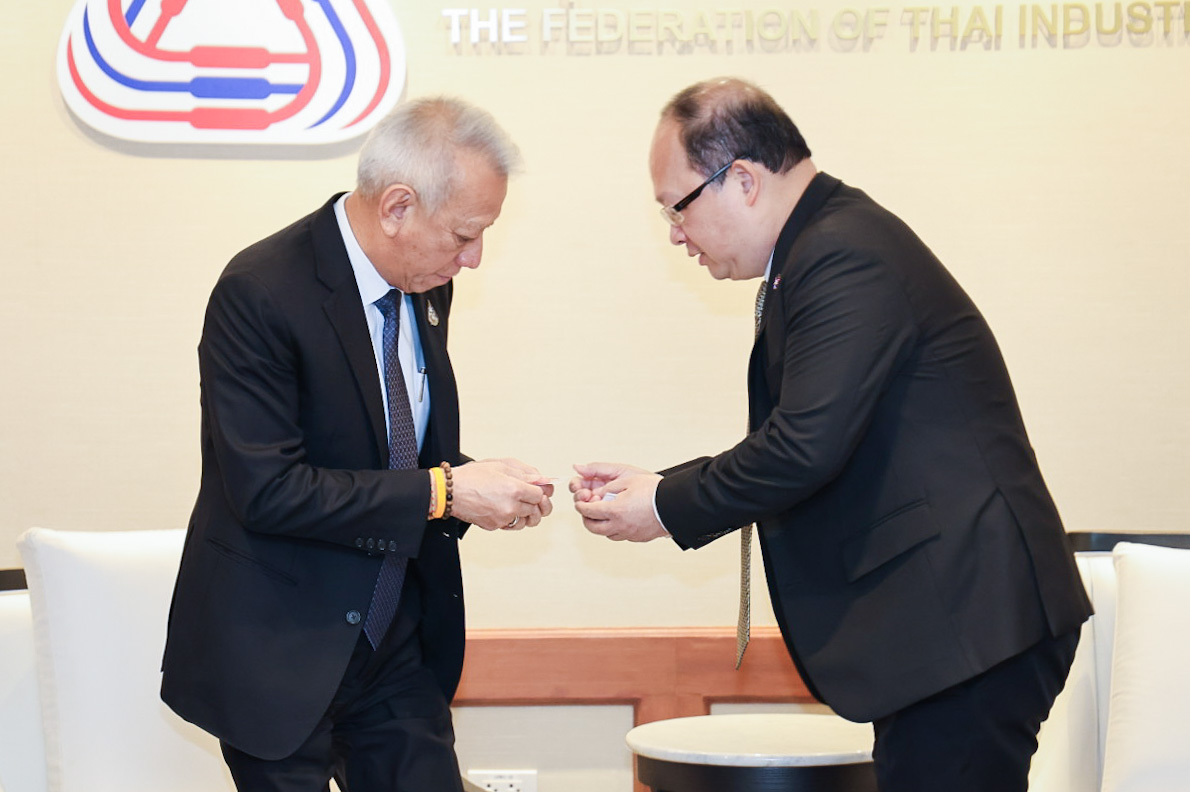
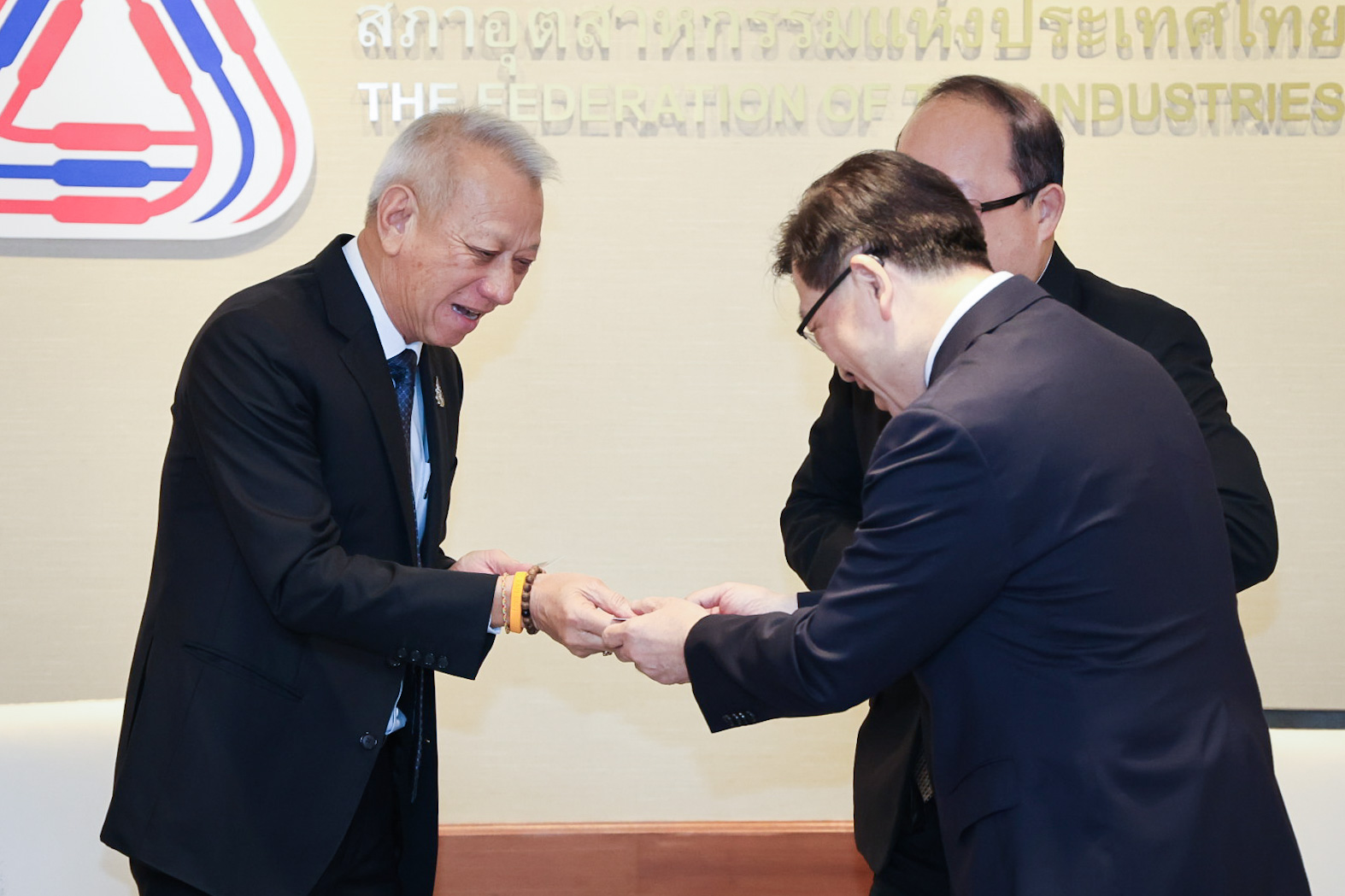
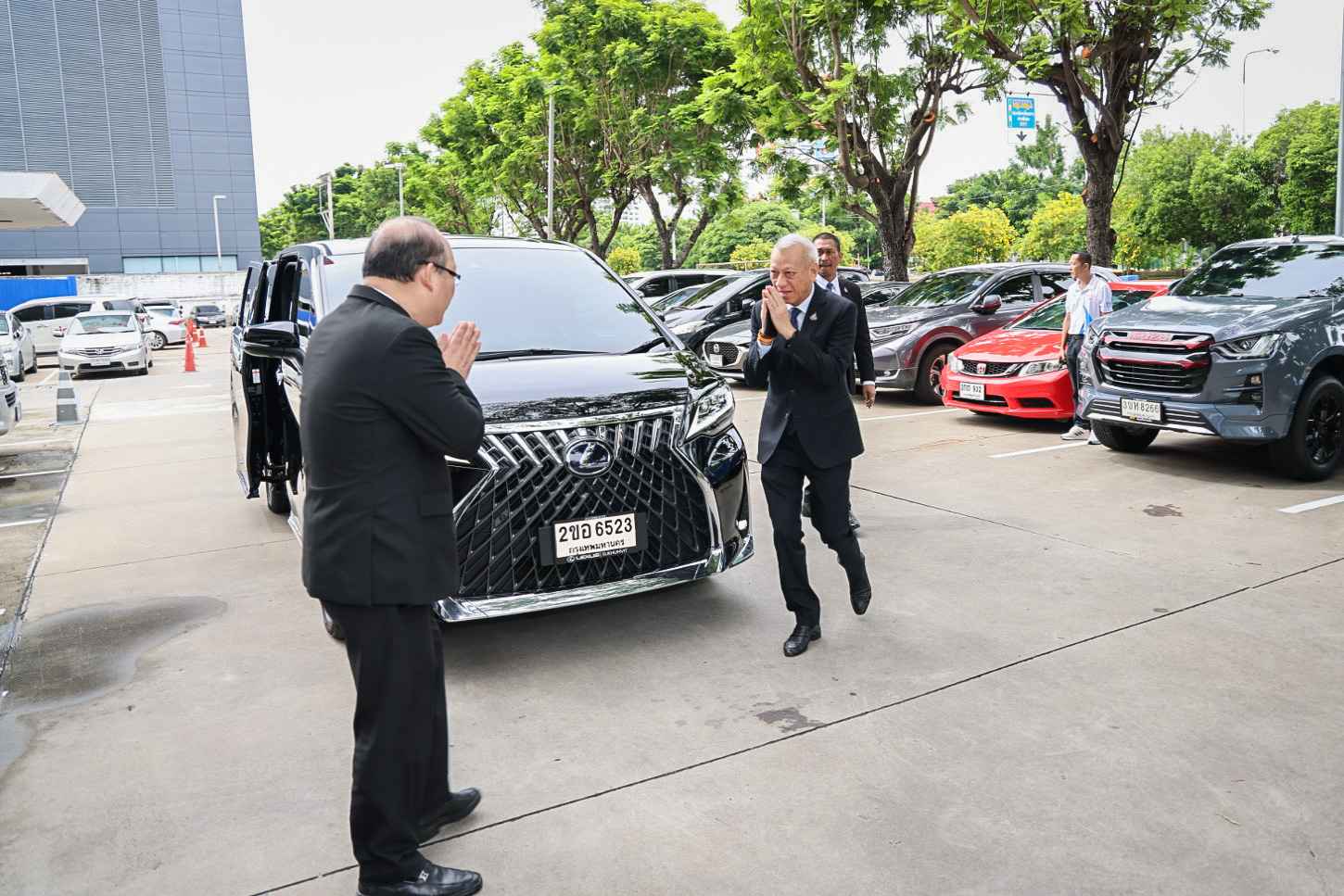
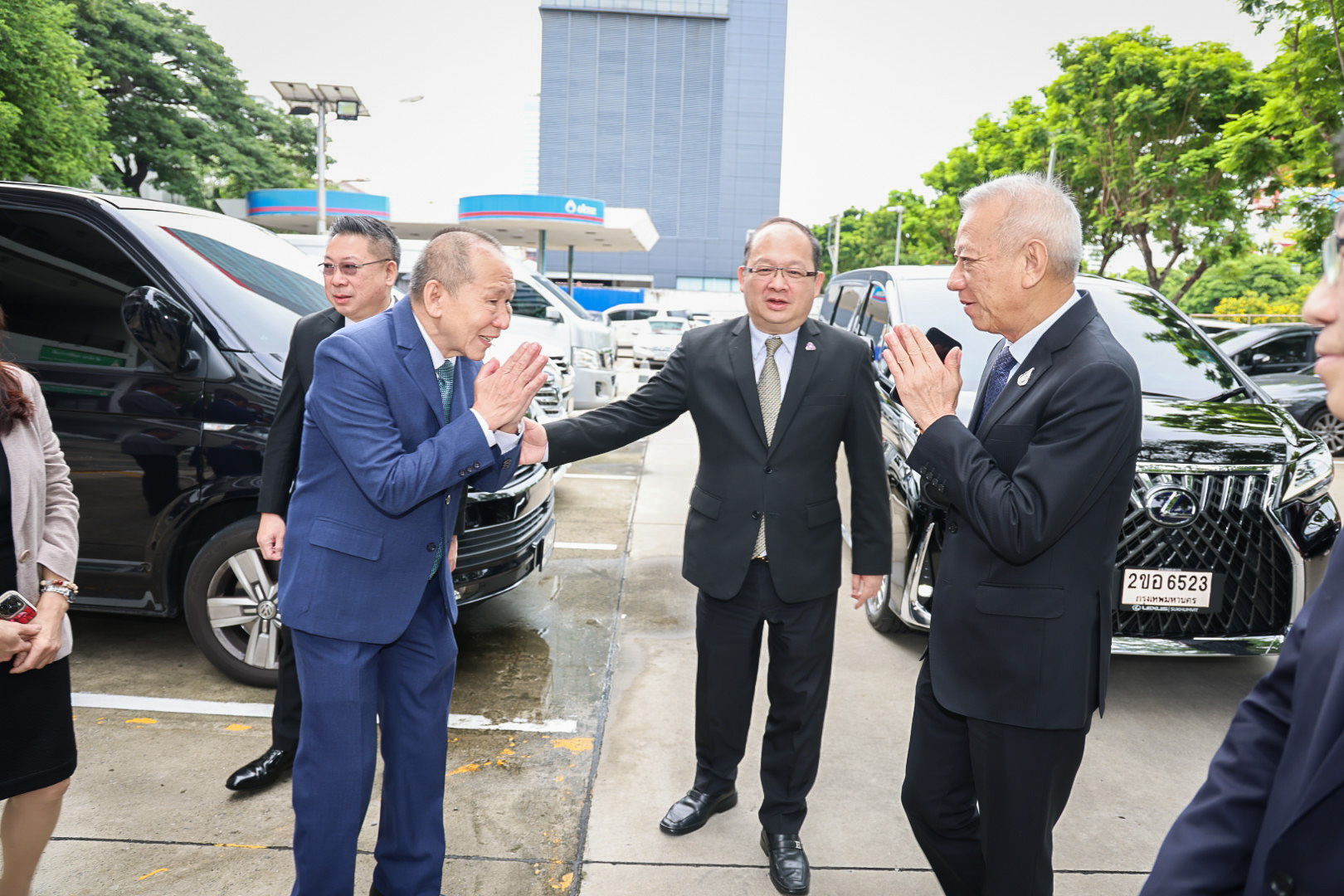
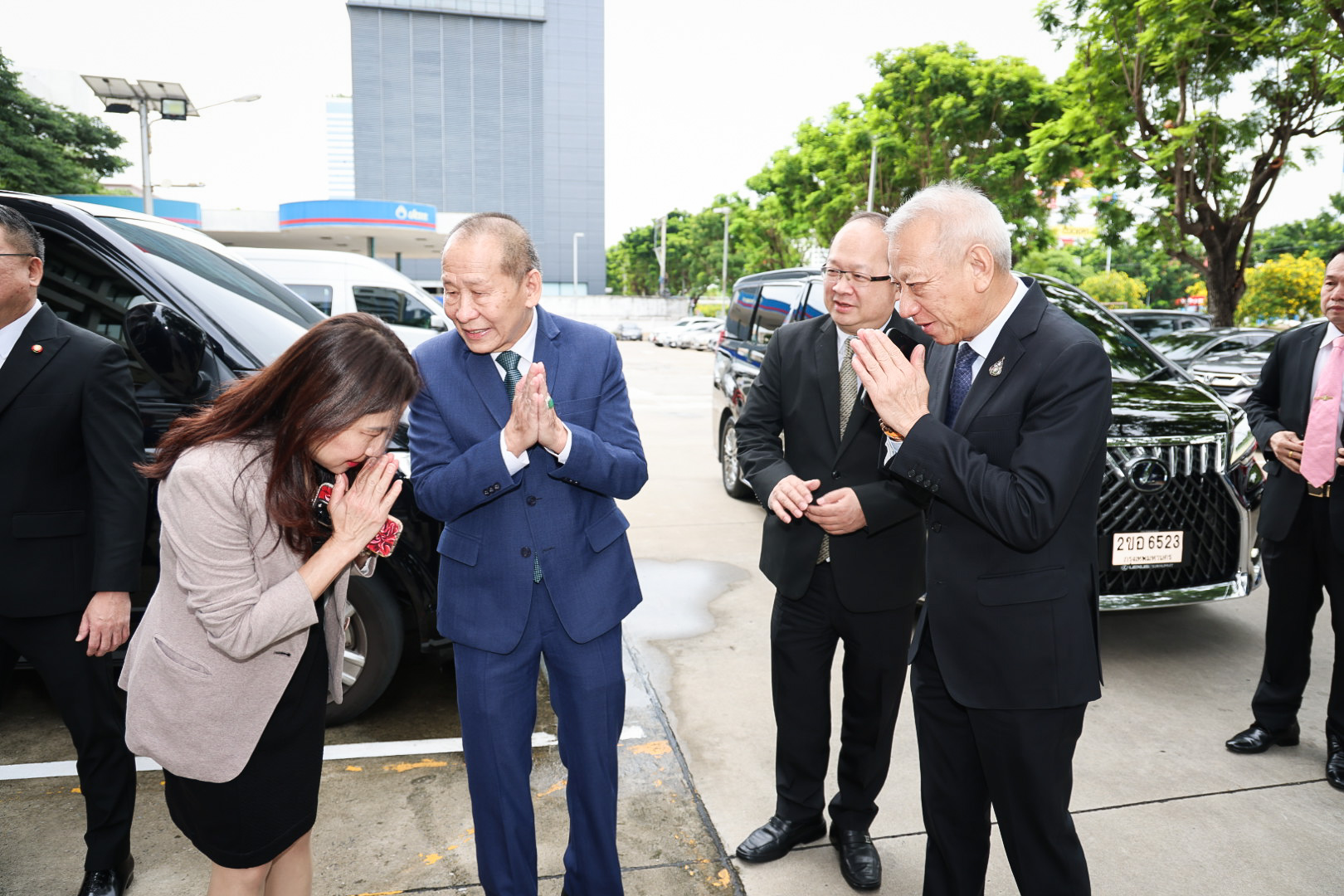
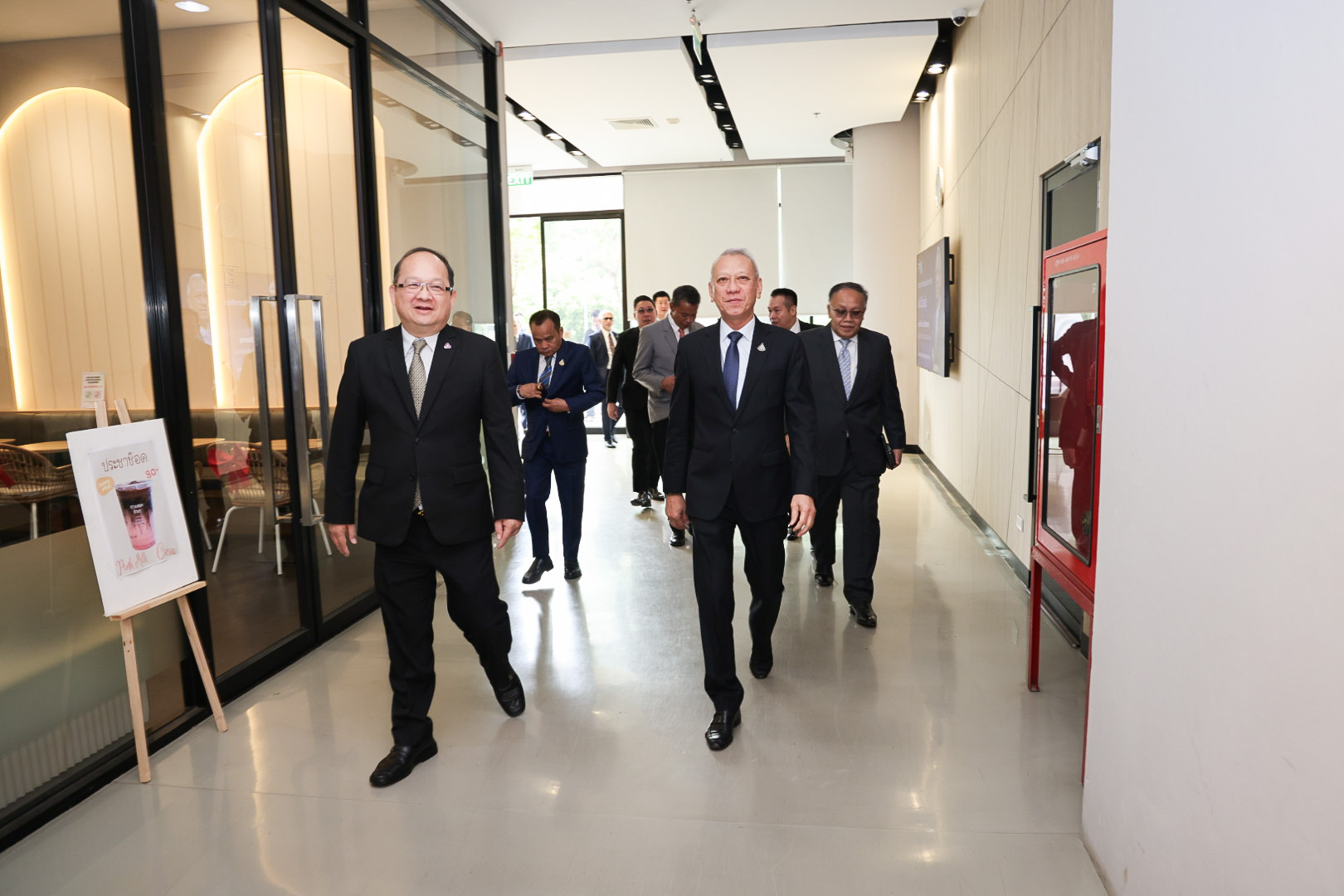
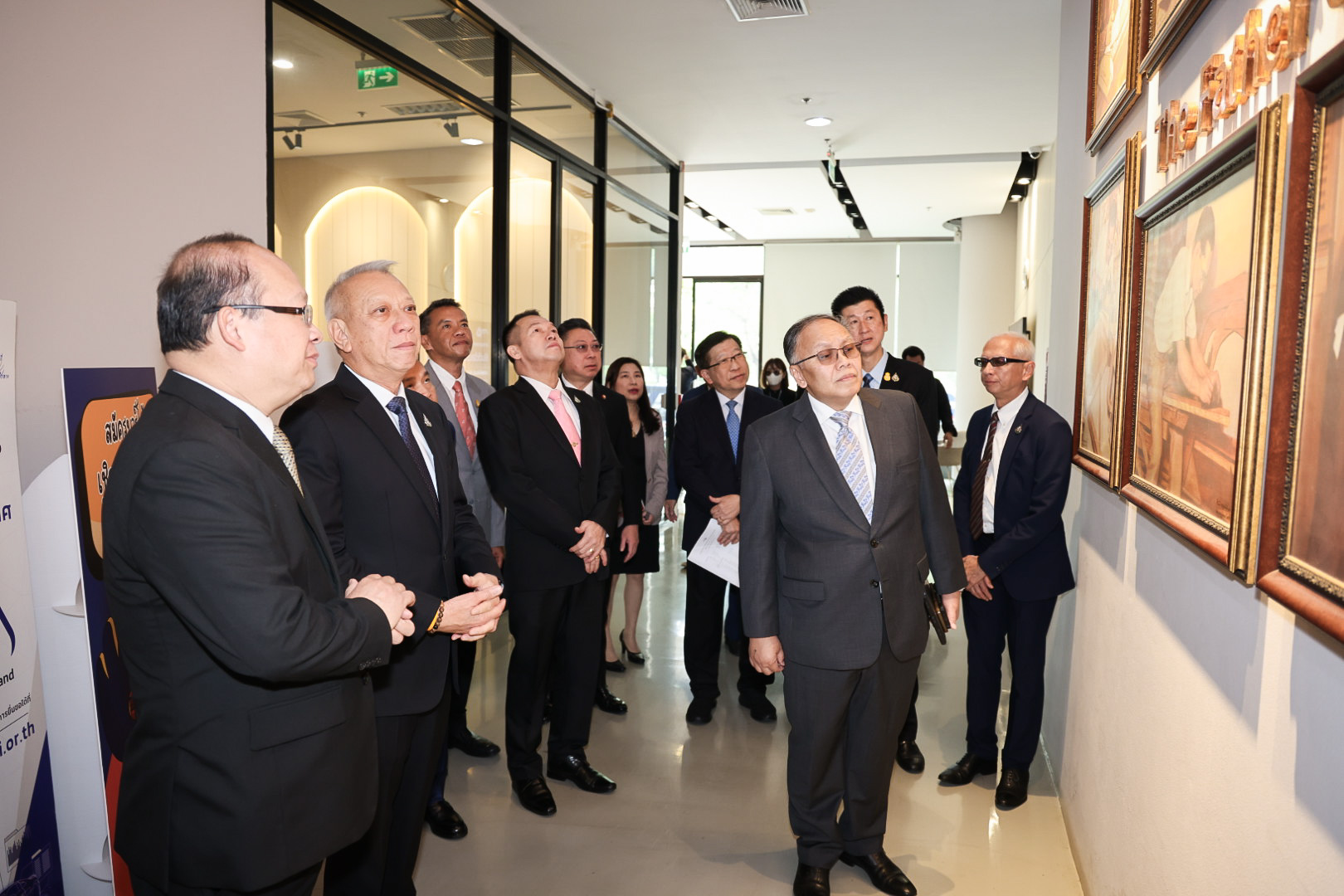
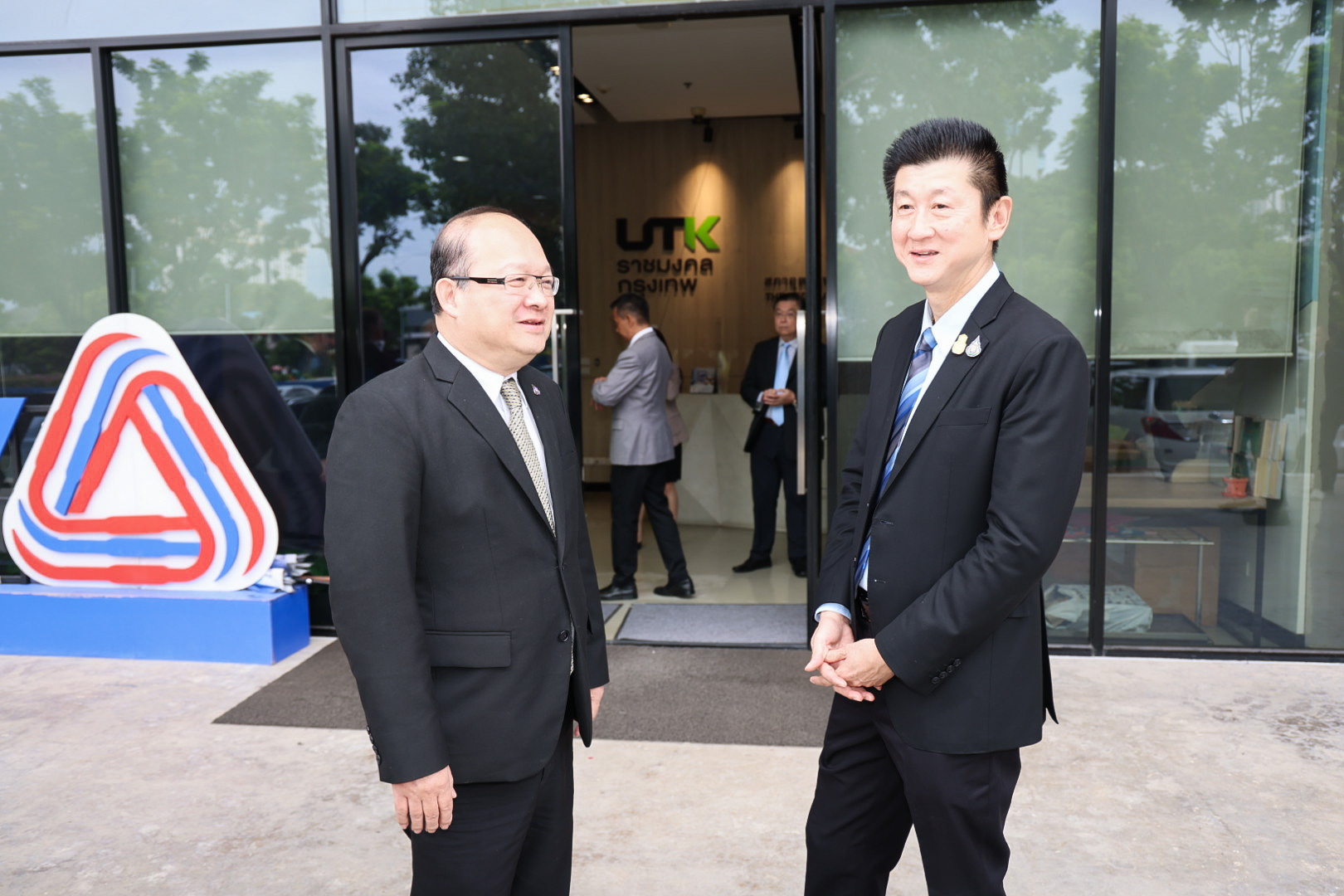
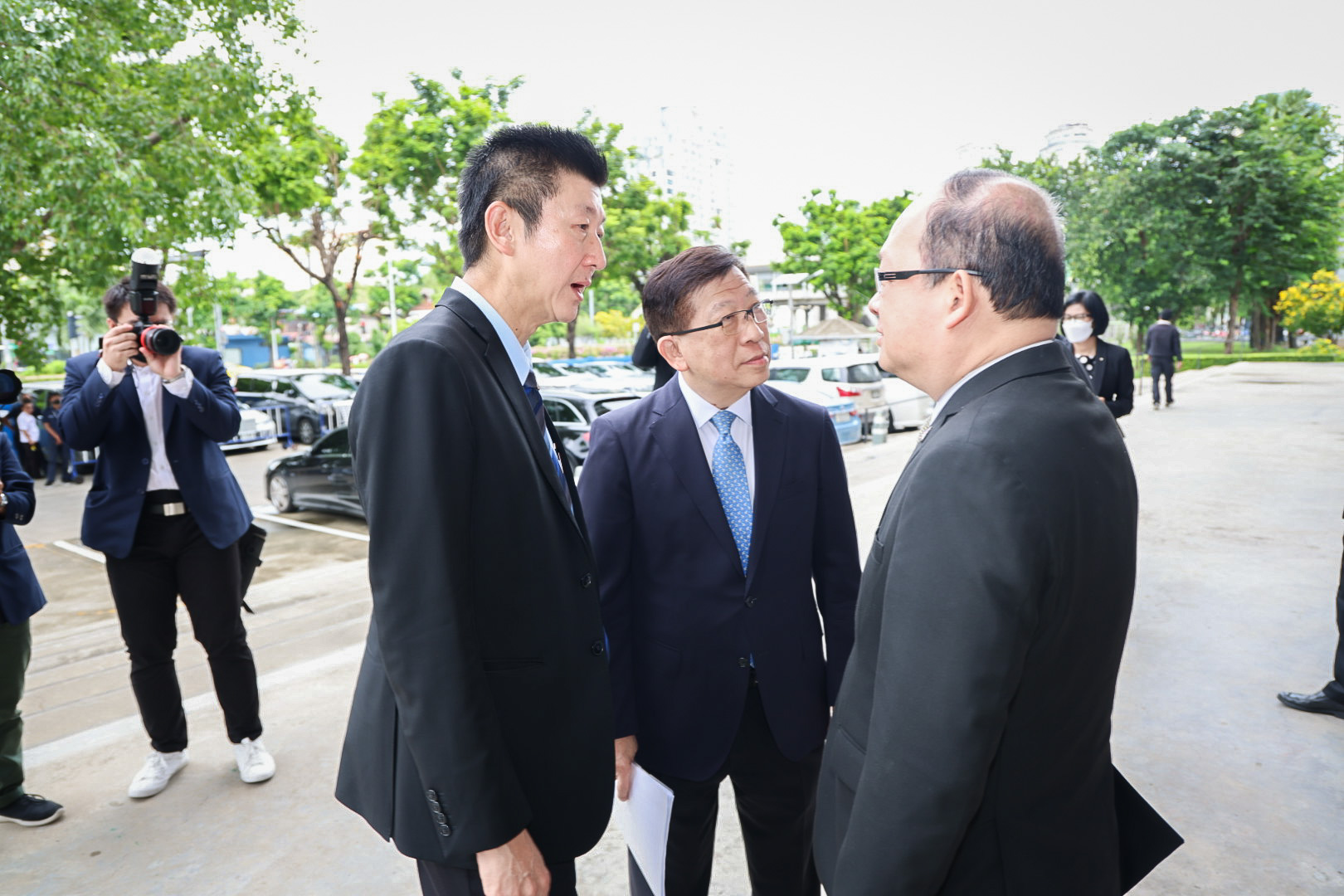
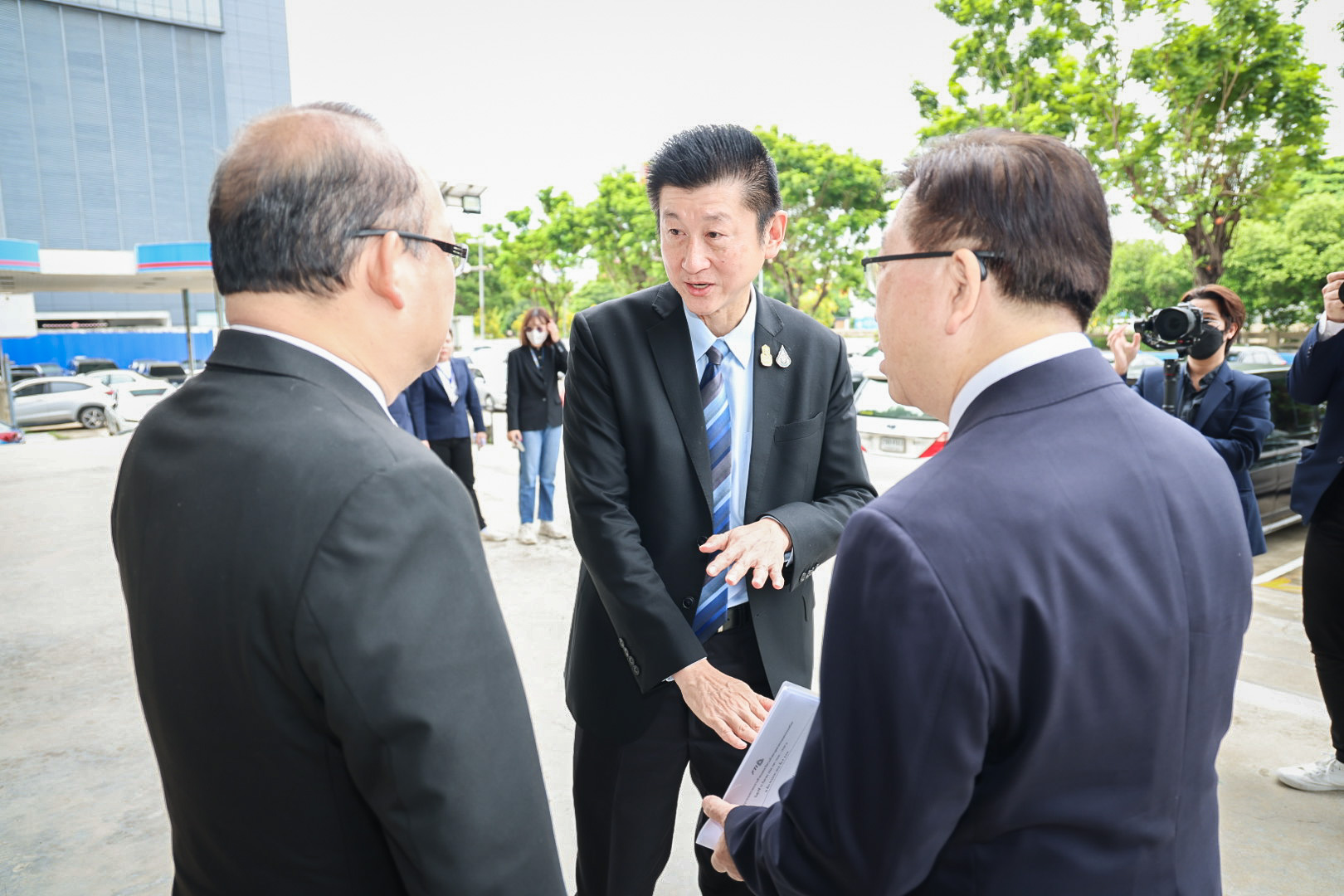
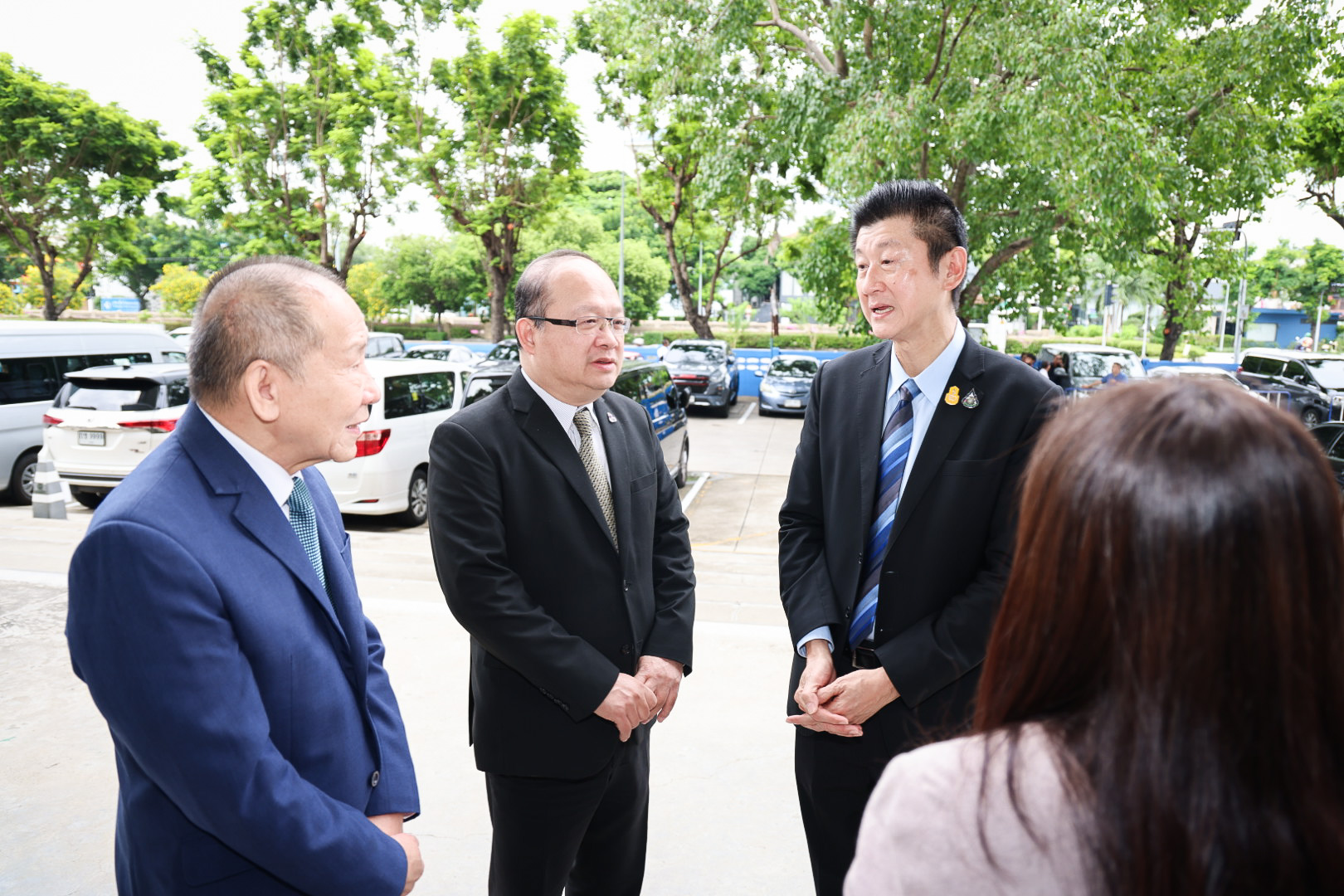
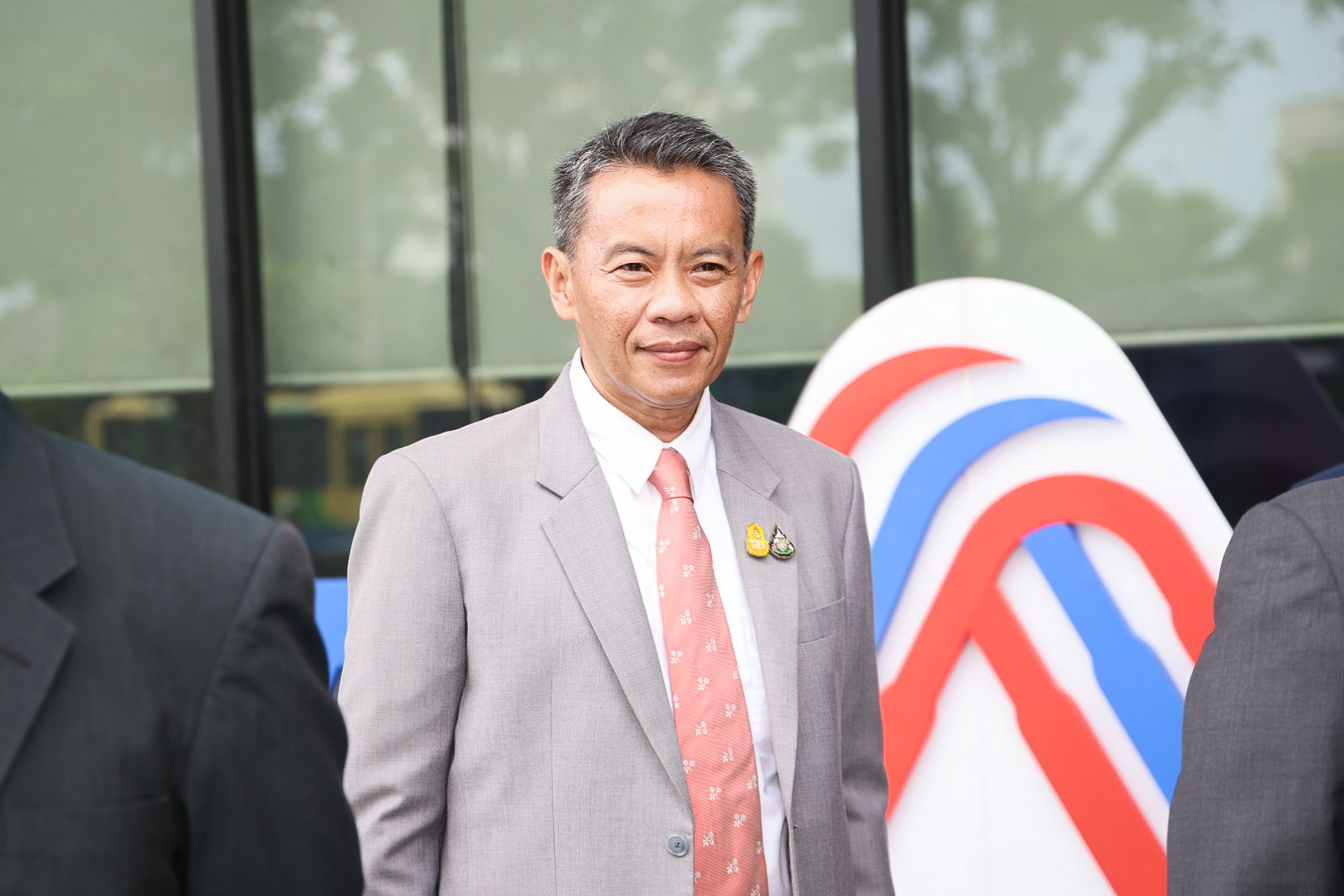
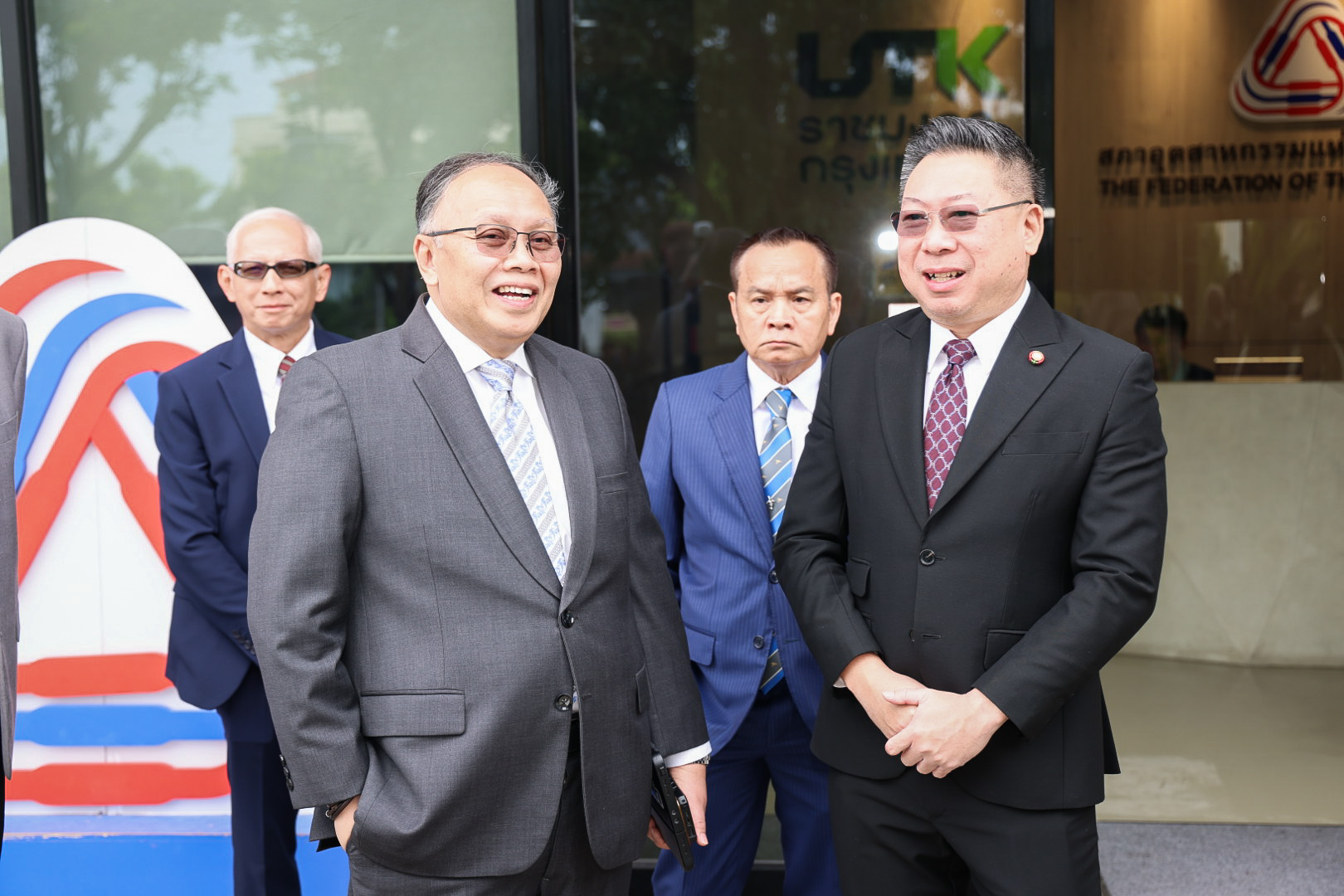
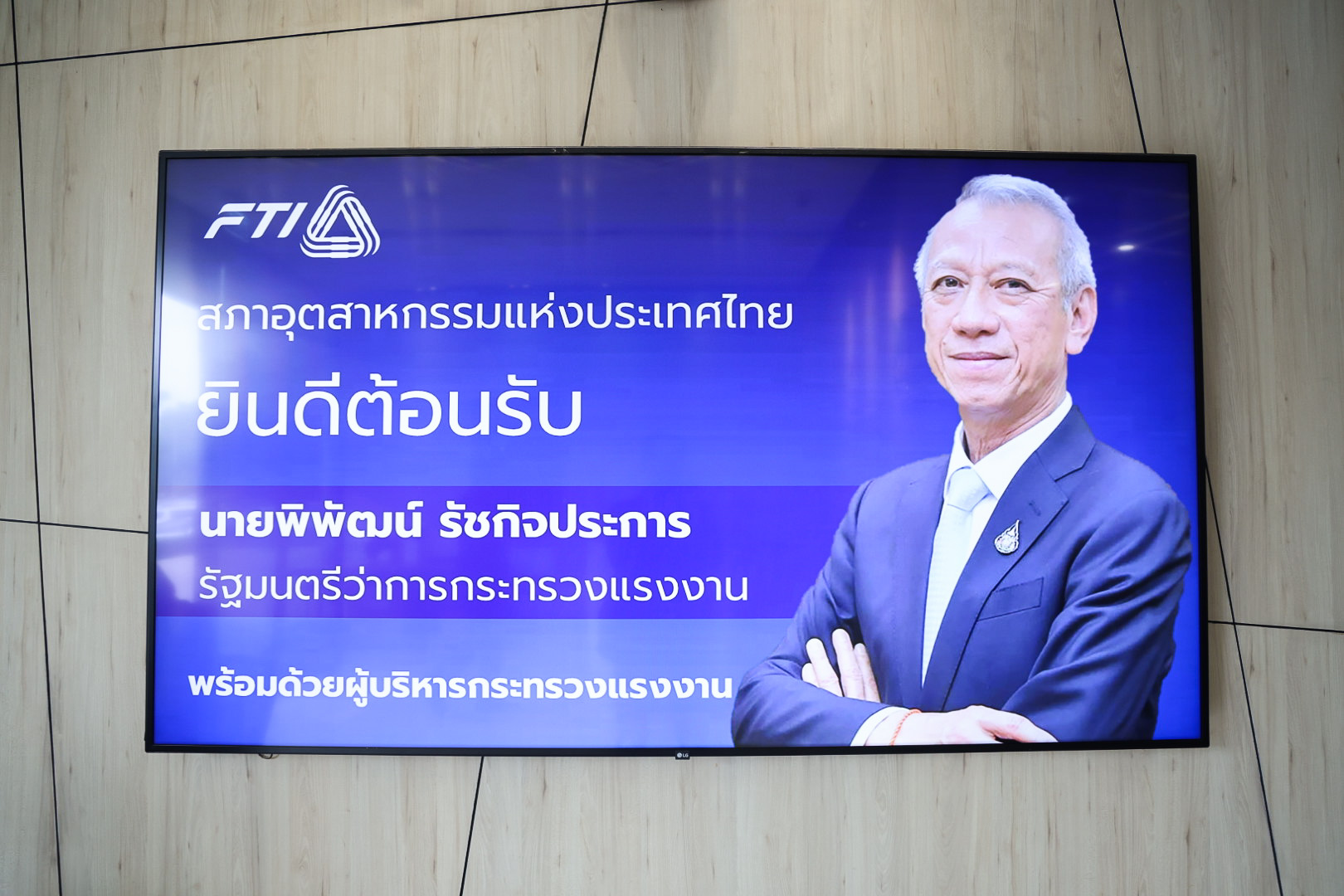
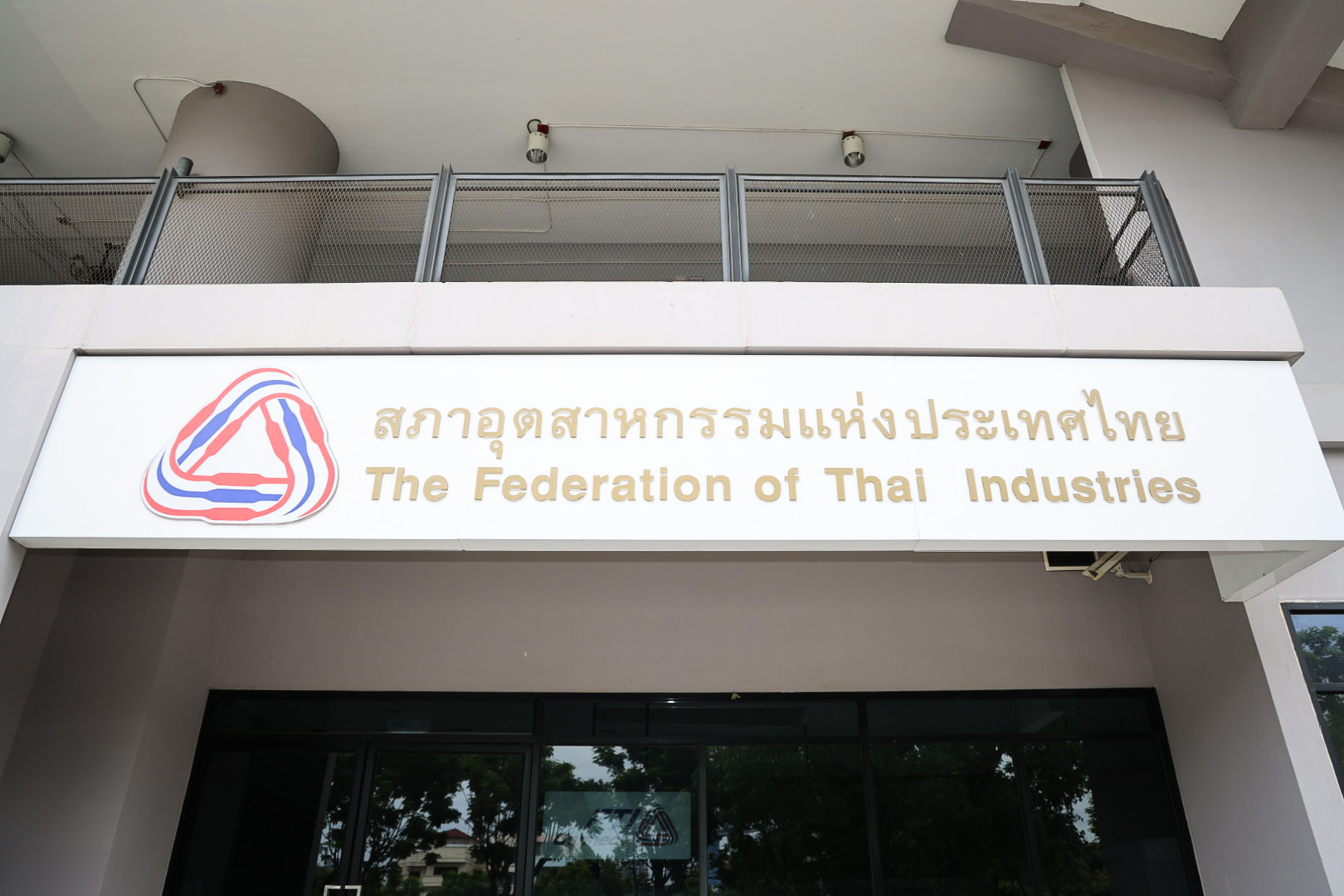
วันที่ 15 กันยายน 2566 นายพิพัฒน์ รัชกิจประการ รัฐมนตรีว่าการกระทรวงแรงงาน พร้อมด้วย นายบุญชอบ สุทธมนัสวงษ์ ปลัดกระทรวงแรงงาน เข้าพบปะกับสภาอุตสาหกรรมแห่งประเทศไทย เพื่อหารือในประเด็นการเตรียมผลักดันแรงงานเป็นกระทรวงเศรษฐกิจ โดยมี นายเกรียงไกร เธียรนุกุล ประธานสภาอุตสาหกรรมแห่งประเทศไทย (ส.อ.ท.) และคณะ ให้การต้อนรับ ณ ห้อง Passion (802) ชั้น 8 สภาอุตสาหกรรมแห่งประเทศไทย
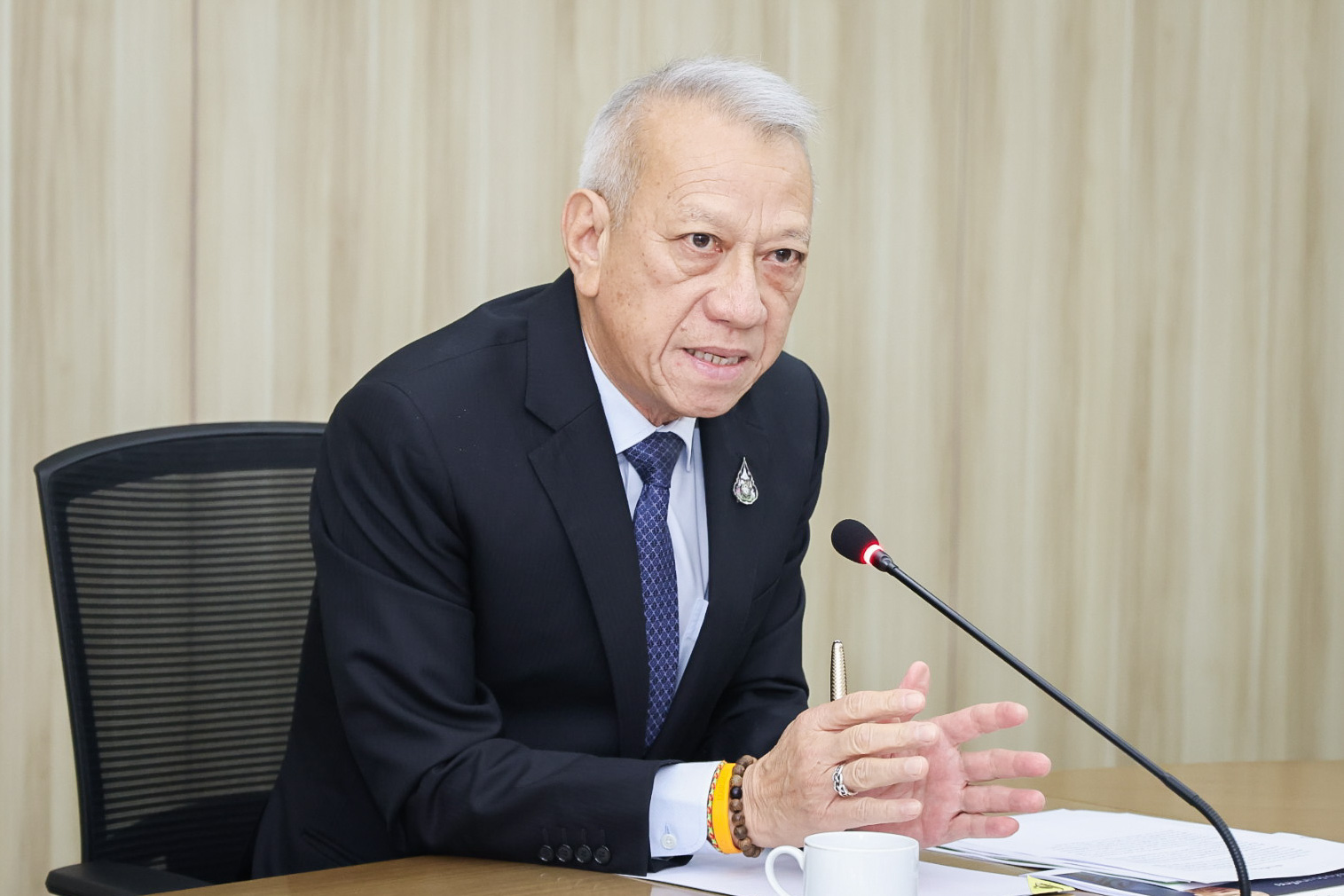
นายพิพัฒน์ กล่าวว่า ภารกิจของกระทรวงแรงงานมีความสำคัญอย่างมากในการดูแลพี่น้องผู้ใช้แรงงานให้มีคุณภาพชีวิตที่ดี มีรายได้มั่นคง ซึ่งภาคแรงงานเองจะต้องเข้มแข็ง มีทักษะฝีมือและมีหลักประกันทางสังคม การหารือร่วมกันระหว่างกระทรวงแรงงาน และสภาอุตสาหกรรมแห่งประเทศไทยในครั้งนี้ มีวัตถุประสงค์เพื่อนำนโยบายไปปฏิบัติอย่างเป็นรูปธรรม วันนี้เรามีประเด็นที่ต้องหารือทั้งหมด 8 ประเด็น ประเด็นแรก เกี่ยวกับการเพิ่มผลิตภาพแรงงาน (Labour Productivity) เพื่อสร้างความสามารถในการแข่งขันของไทยกับประเทศคู่แข่ง ประเด็นที่ 2 ส่งเสริมและพัฒนา SMEs นำระบบ Automation มาใช้ทดแทนกำลังแรงงานที่ขาดแคลน ประเด็นที่ 3 การจัดทำฐานข้อมูล (Big Data) ที่ทันสมัยถูกต้องแม่นยำและครบถ้วน เพื่อบริหารจัดการอุปสงค์และอุปทาน (Demand & Supply) ด้านแรงงาน ประเด็นที่ 4 ความร่วมมือระหว่างภาครัฐ ภาคการศึกษา และภาคเอกชน ในการผลิตบุคลากรให้สอดคล้องกับความต้องการของตลาดแรงงาน (STEM) ประเด็นที่ 5 การแก้ปัญหาขาดแคลนแรงงานต่างด้าวทำงานที่คนไทยไม่ทำ (3D) ประเด็นที่ 6 การแก้ปัญหาขาดแคลนแรงงานจากการเข้าสู่สังคมสูงวัยภายในประเทศ ประเด็นที่ 7 แนวทางเพิ่มรายได้ให้กับแรงงาน และประเด็นสุดท้าย ปรับเพิ่มค่าจ้างตามมาตรฐานฝีมือแรงงานเพื่อให้เกิดความเป็นธรรมระหว่าง ลูกจ้าง – นายจ้าง
นายพิพัฒน์ กล่าวต่อว่า ผลจากการหารือในครั้งนี้ การปรับขึ้นอัตราค่าจ้างขั้นต่ำ เป็นการดำเนินการร่วมกันในทางนโยบายจากหลายภาคส่วนกระทรวงแรงงานจะทำตามอำนาจหน้าที่ที่รับผิดชอบ แต่เป้าหมายสำคัญที่ทางกระทรวงวางเป้าหมายไว้คือการสร้างให้พี่น้องแรงงานมีอัตราค่าจ้างไม่ต่ำกว่า 400 บาท โดยการพัฒนาฝีมือแรงงาน Up Skill Re Skill ให้มีทักษะฝีมือแรงงานชั้นสูงและมีมาตรฐานฝีมือ ซึ่งจะได้รับการจ้างงานที่มีค่าจ้างสูงกว่าค่าจ้างขั้นต่ำ เป็นไปตามกลไกการจ่ายค่าจ้างตามความรู้ความสามารถในการปฏิบัติงาน รวมถึงแนวคิดให้มีการจ้างงานรายชั่วโมง ในตอนนี้ยังไม่สามารถประกาศขึ้นค่าแรงขั้นต่ำได้ทันที แต่จะเร่งหารือทุกฝ่ายเพื่อหาข้อสรุปอีกครั้งในเดือนพฤศจิกายนโดยคำนึงถึงค่าเงินเฟ้อด้วย
“ประเทศไทยกำลังเข้าสู่สังคมสูงวัย เด็กเกิดใหม่มีน้อยลง เราจะมีแนวทางพิจารณาขยายอายุงานในบางภาคส่วนได้หรือไม่เป็นเรื่องที่ต้องทำการบ้านกัน ทั้งนี้หลังหารือทุกภาคส่วนและได้ข้อสรุปแล้ว กระทรวงแรงงานจะประกาศมอบเป็นนโยบายของขวัญปีใหม่ 2567 ต่อไป” นายพิพัฒน์ กล่าวในท้ายสุด
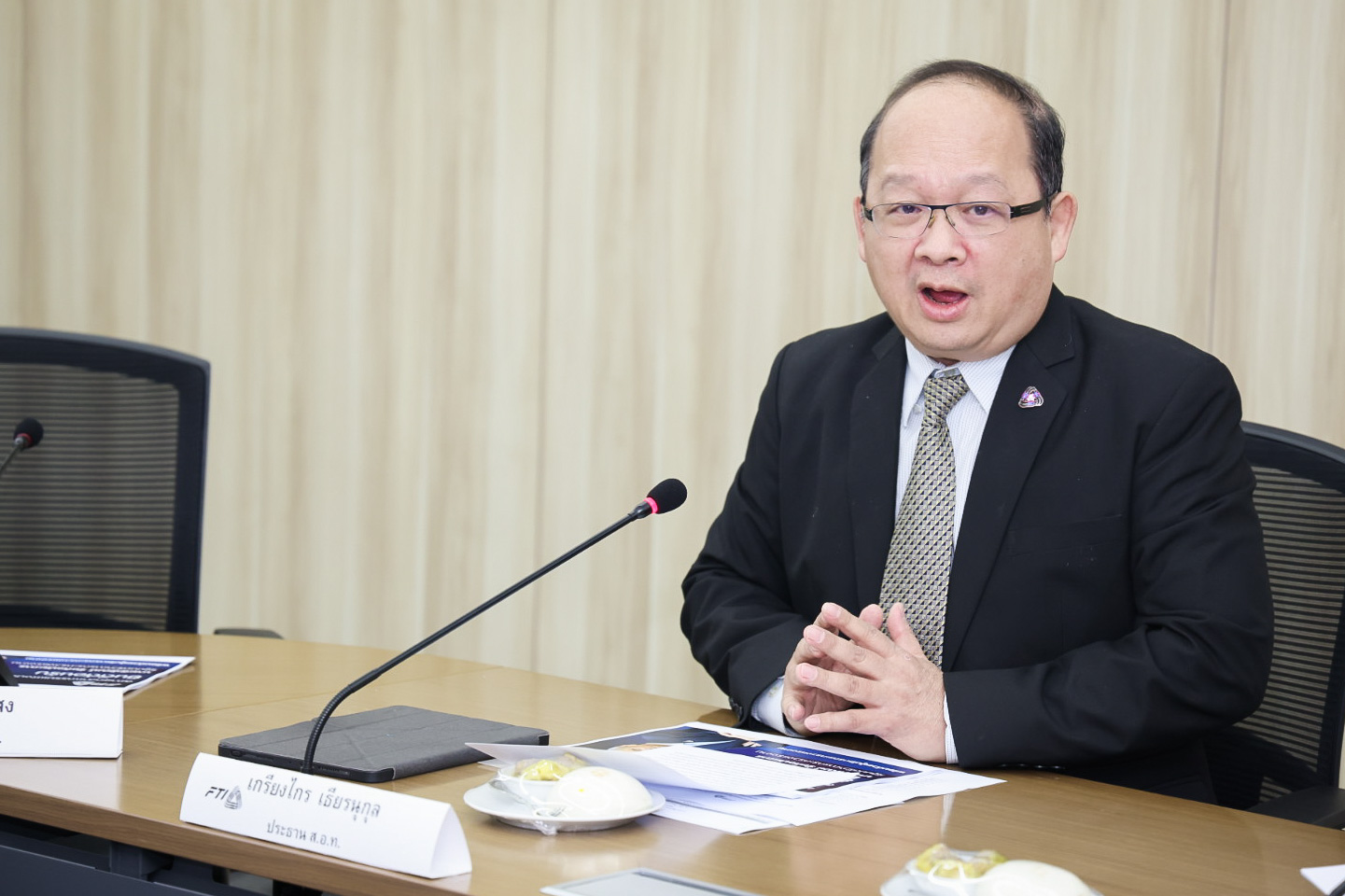
ด้าน นายเกรียงไกร เธียรนุกุล ประธานสภาอุตสาหกรรมแห่งประเทศไทย (ส.อ.ท.) กล่าวว่าสภาอุตสาหกรรมแห่งประเทศไทยเป็นองค์กรไม่แสวงผลกำไร และเป็นตัวแทนของภาคอุตสาหกรรมเอกชนภายในประเทศ มีภารกิจการดำเนินงานเพื่อประสานนโยบายระหว่างภาครัฐ – เอกชนอยู่แล้ว การหารือร่วมกันในครั้งนี้ จึงถือเป็นโอกาสอันดีที่เกิดการบูรณาการระหว่างภาคเอกชนกับภาครัฐที่จะช่วยเร่งขับเคลื่อนนโยบายด้านแรงงานให้เห็นผลเป็นรูปธรรมที่ชัดเจนมากยิ่งขึ้น ซึ่งจะช่วยยกระดับคุณภาพชีวิตภาคแรงงาน ที่สำคัญจะช่วยฟื้นเศรษฐกิจโดยเร็ว
On September 15, 2023, the Labour Minister, Mr. Phiphat Ratchakitprakarn, and the Permanent Secretary of Labour, Mr. Boonchob Suttamanaswong, met with the Federation of Thai Industries to discuss promoting the Ministry of Labour as an economic ministry. The Chairman of the Federation of Thai Industries (F.T.I.), Mr. Kriangkrai Thiennukul, gave a welcome at the Passion Room (802), 8th floor, Federation of Thai Industries.
Mr. Phiphat said that the Ministry of Labour’s mission is to care for the workforce, ensuring they have a good quality of life and stable income. The labour sector must be strong, skilled, and have social security. The discussion between the Ministry of Labour and the Federation of Thai Industries aims to put policies into concrete practice. Today, they discussed eight issues. The first was increasing labour productivity to strengthen Thailand’s competitiveness with competing countries. The second was on promoting and developing SMEs to use automation systems to replace the workforce which faces labour shortages. The third was on creating big data that is up-to-date, accurate, and complete to manage demand and supply in terms of labour. The fourth was cooperation between the government, educational, and private sectors in producing personnel in line with the labor market’s (STEM) needs. The fifth was solving labour shortages of foreigners in work that Thais do not do (3D). The sixth was solving the labour shortage from entering an aging society within the country. The seventh was on guidelines for increasing income for workers. The last point was increasing wages according to labour skill standards to ensure fairness between employees and employers.
Mr. Phiphat said that from this discussion, raising the minimum wage rate is a joint policy from many sectors. The Ministry of Labour will carry out its duties and responsibilities. However, the important goal that the Ministry has set is to create a wage rate of no less than 400 Baht for the workforce by upskilling and reskilling to have high-value labour skills and skill standards. Such workers will receive employment with wages higher than the minimum wage, following a mechanism for paying wages according to knowledge and ability to perform work tasks. It also covered the idea of having hourly employment. At this time, it is not possible to announce an immediate increase in the minimum wage. Still, they will continue to discuss with all parties to conclude again in November, considering inflation as well.
“Thailand is entering an aging society. There are fewer newborns. We will have a way to consider extending the working age in some sectors. This is a matter that needs to be researched. After discussing with all sectors and having concluded, the Ministry of Labor will announce the outcome as a policy for New Year’s gifts in 2024,” concluded Mr. Phiphat.
The Chairman of the Federation of Thai Industries (F.T.I.), Mr. Kriangkrai Thiennukul, said that the Federation of Thai Industries is a non-profit organization representing the country’s private industrial sector. There is already an operational mission to coordinate policies between the public and private sectors. Therefore, this discussion is considered a good opportunity for integration between the private and the public sector to help accelerate labour policy to produce more concrete and clear results. This will help improve the quality of life in the labour sector. Most importantly, it will help revive the economy quickly.
+++++++++++++++++++
กองเผยแพร่และประชาสัมพันธ์/Division of Public Relations