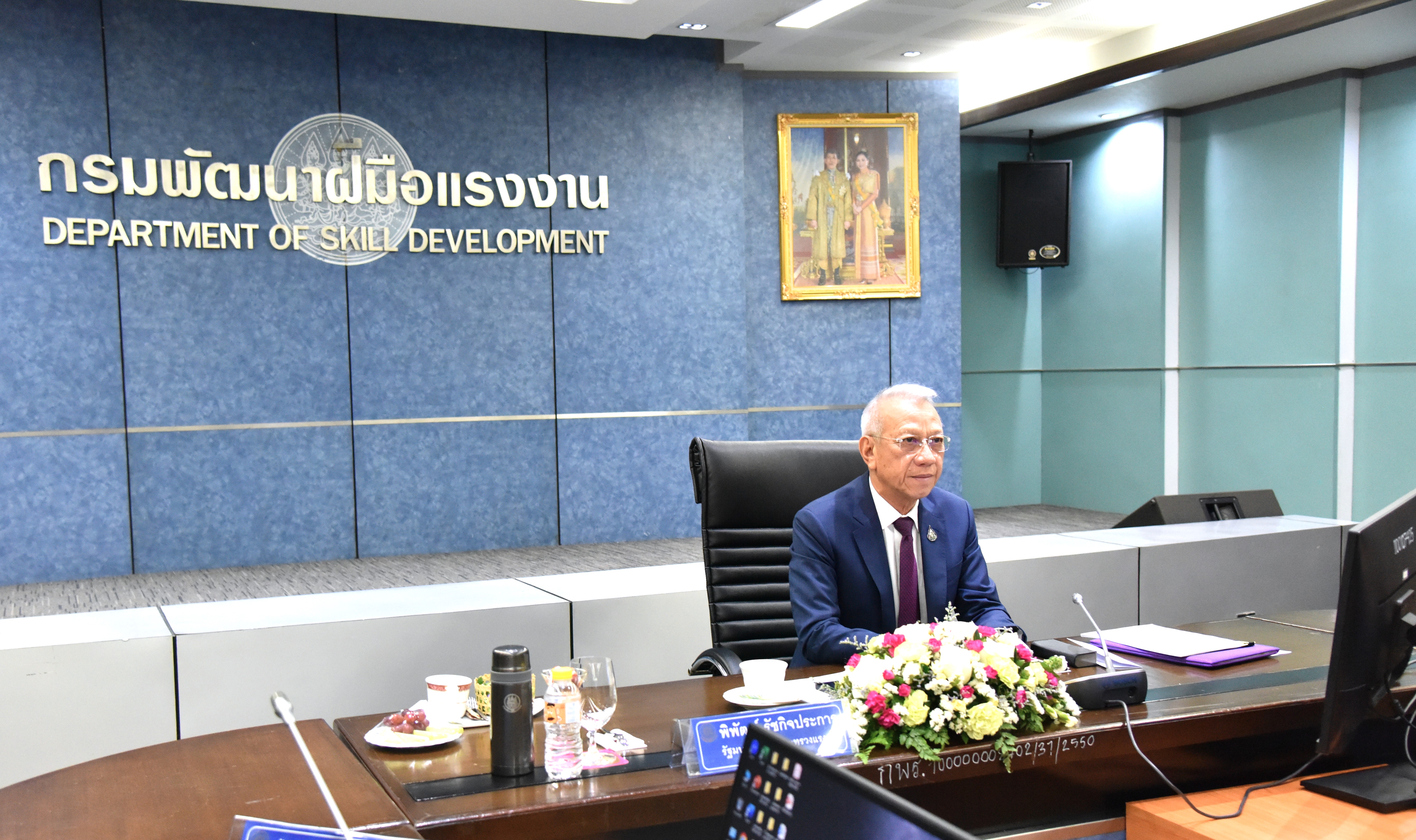
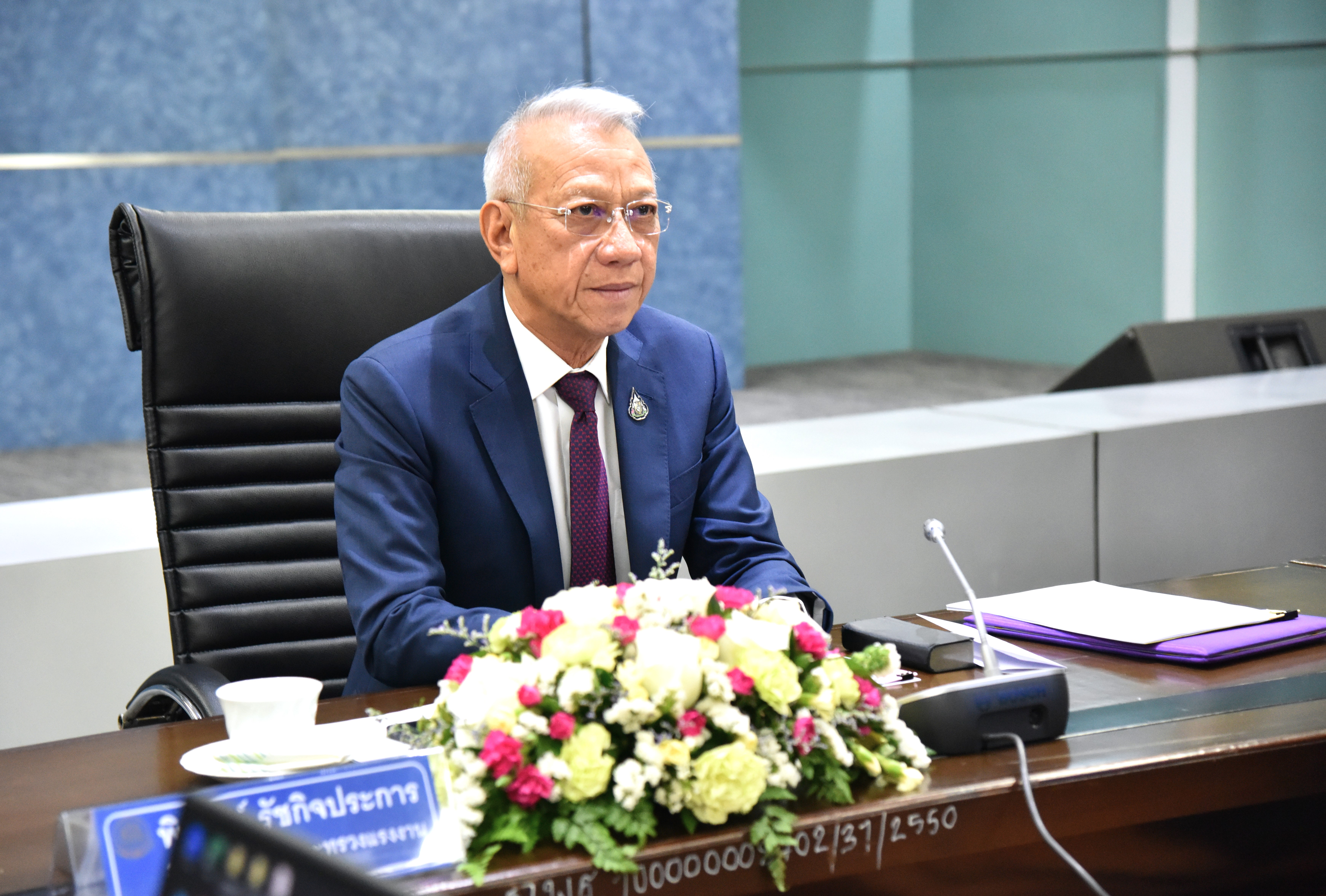
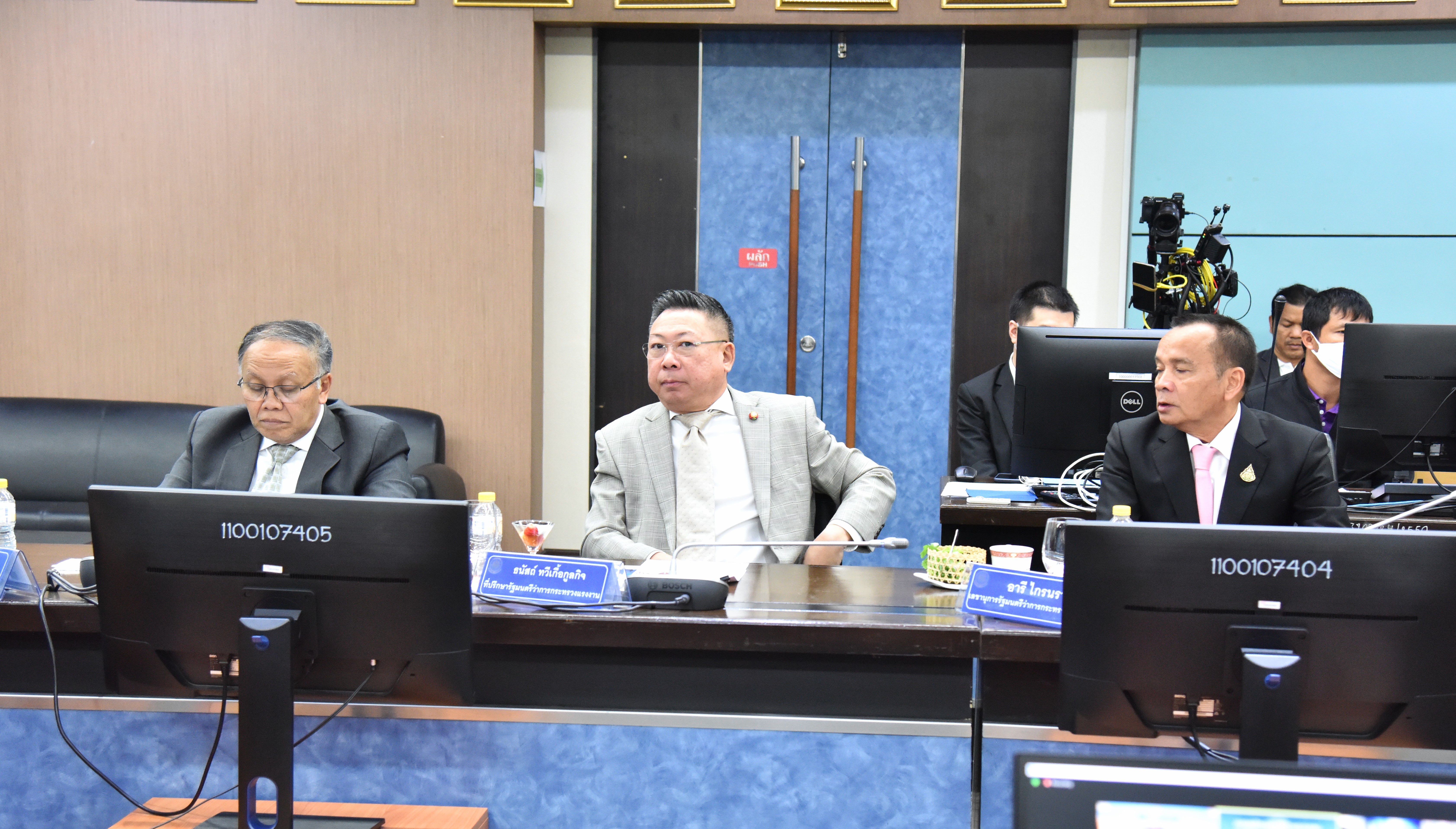
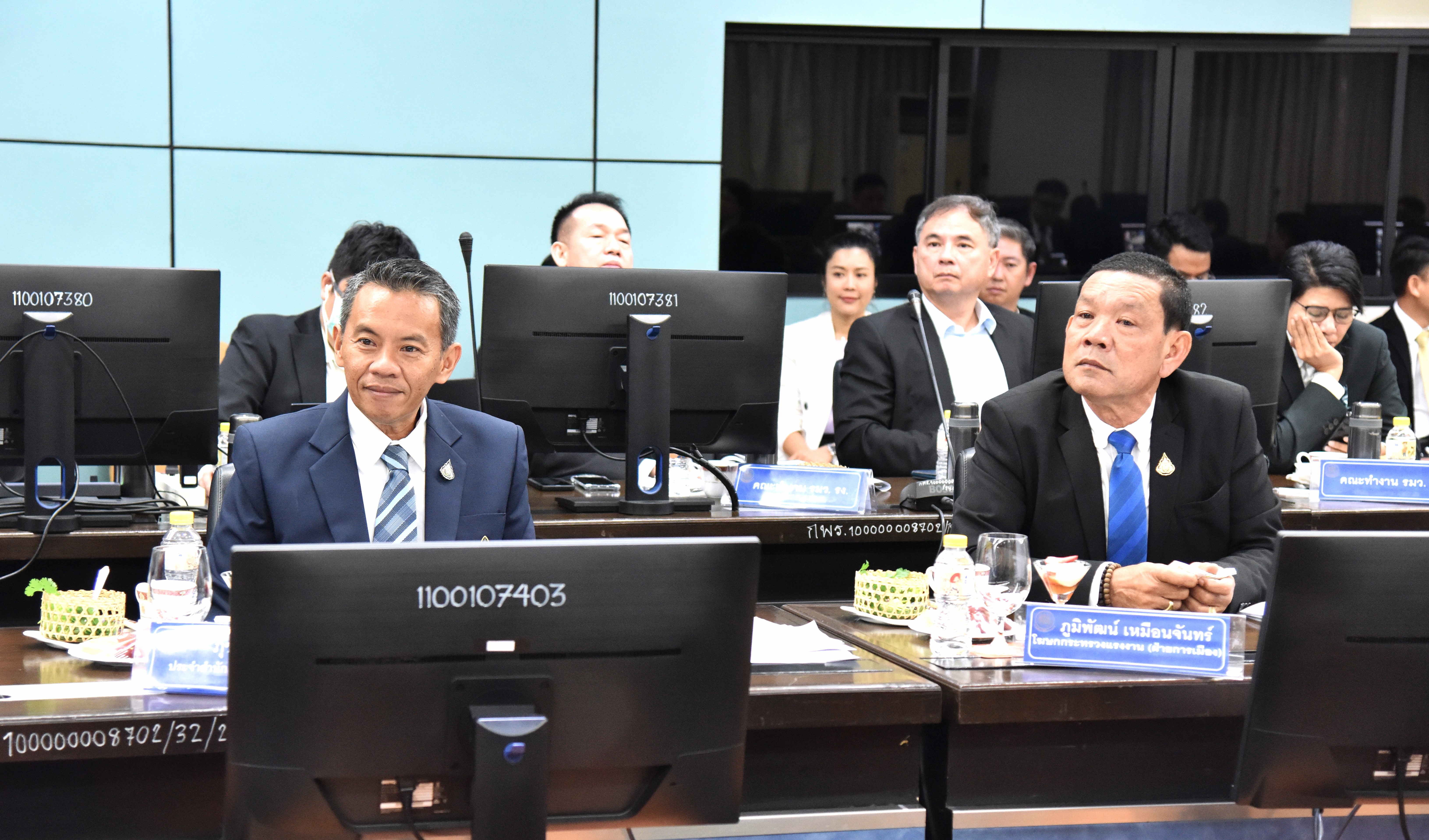
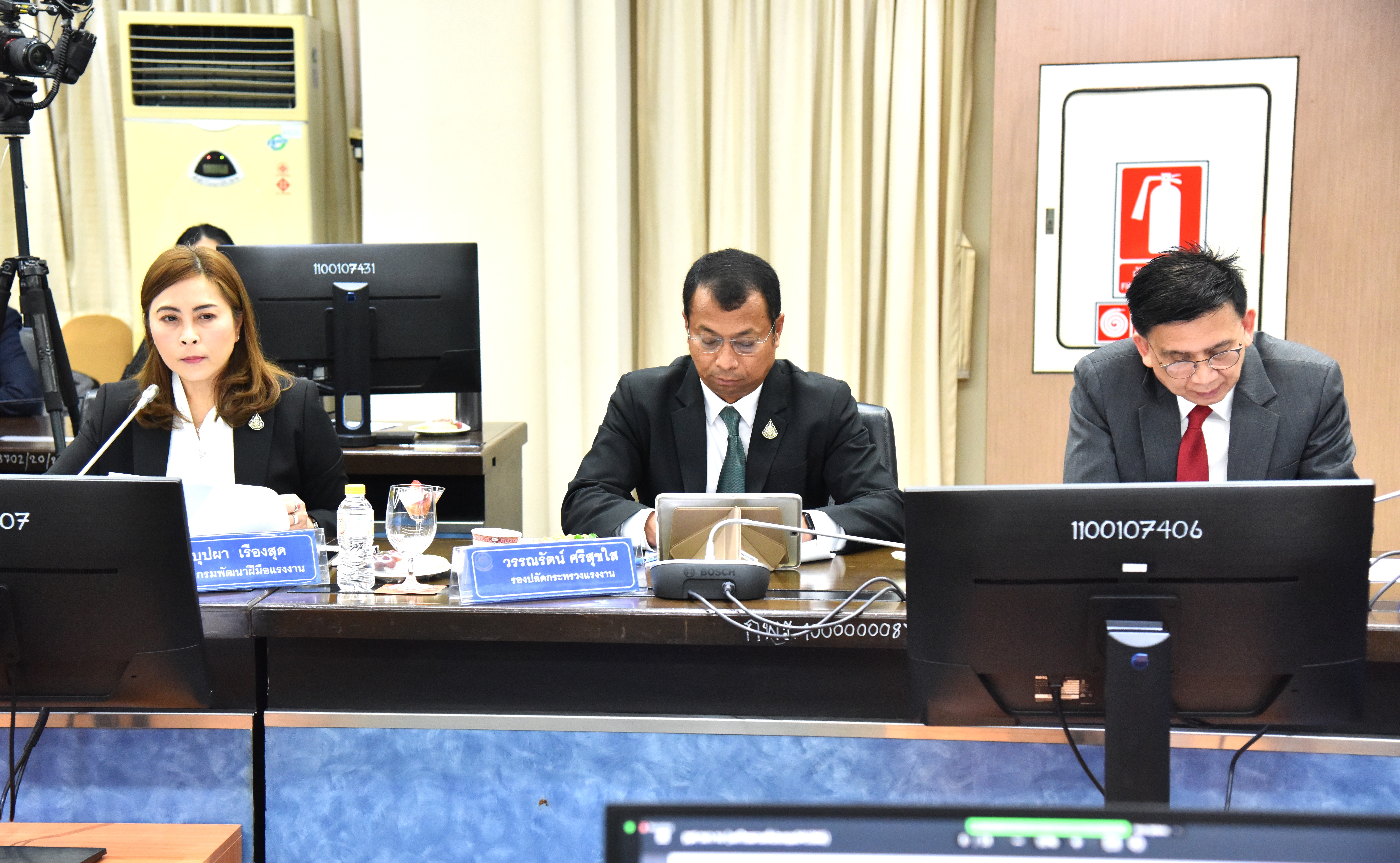
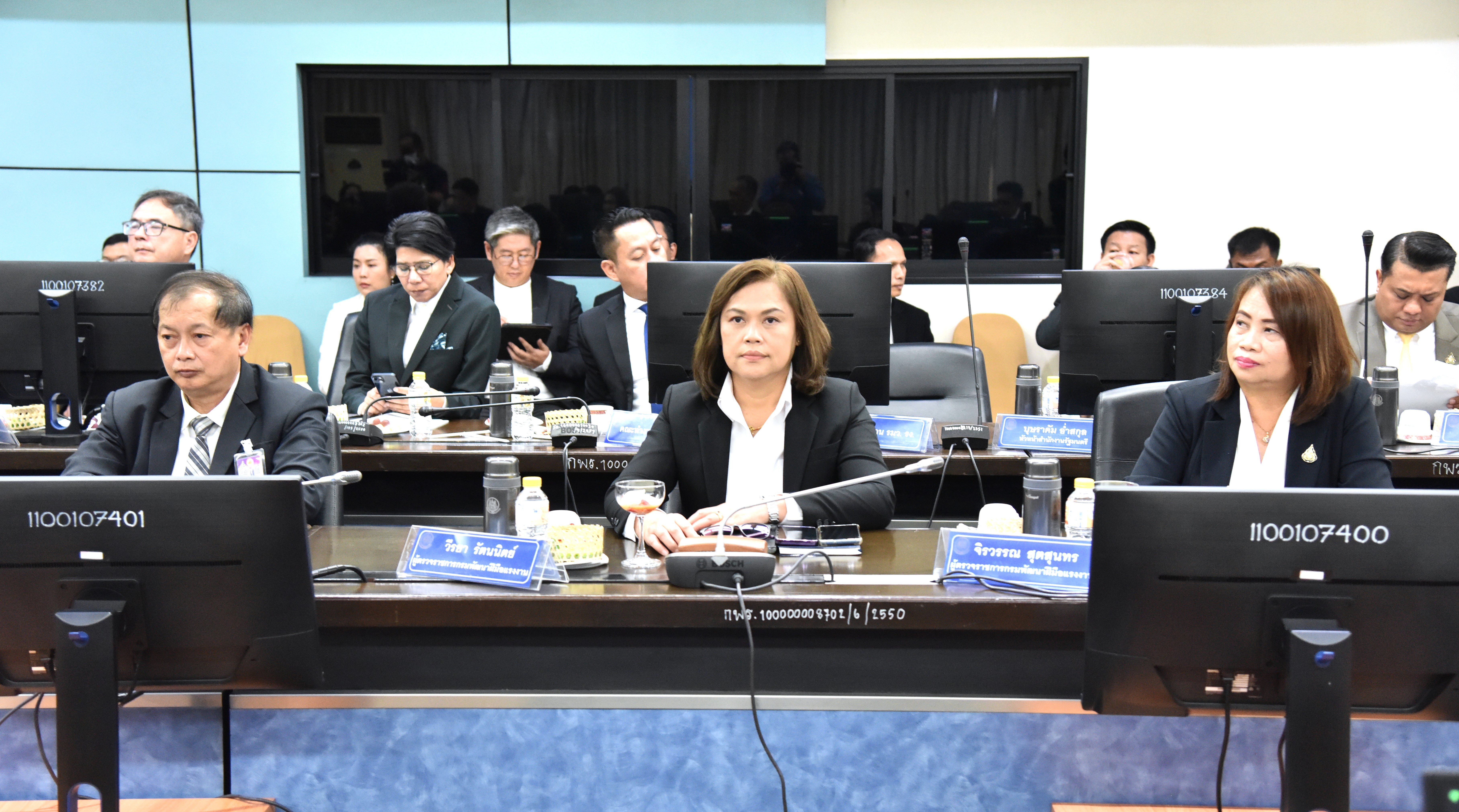
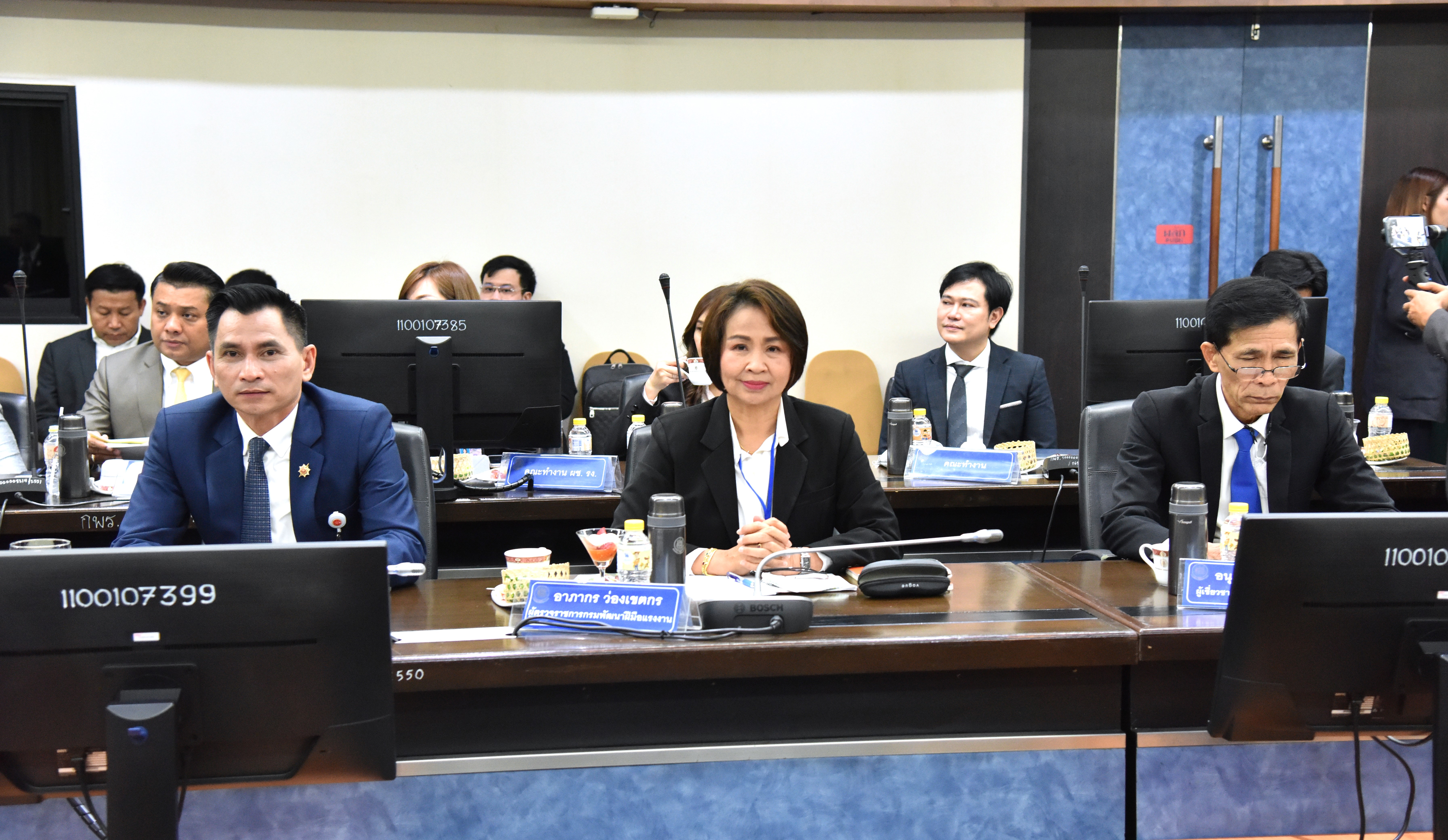
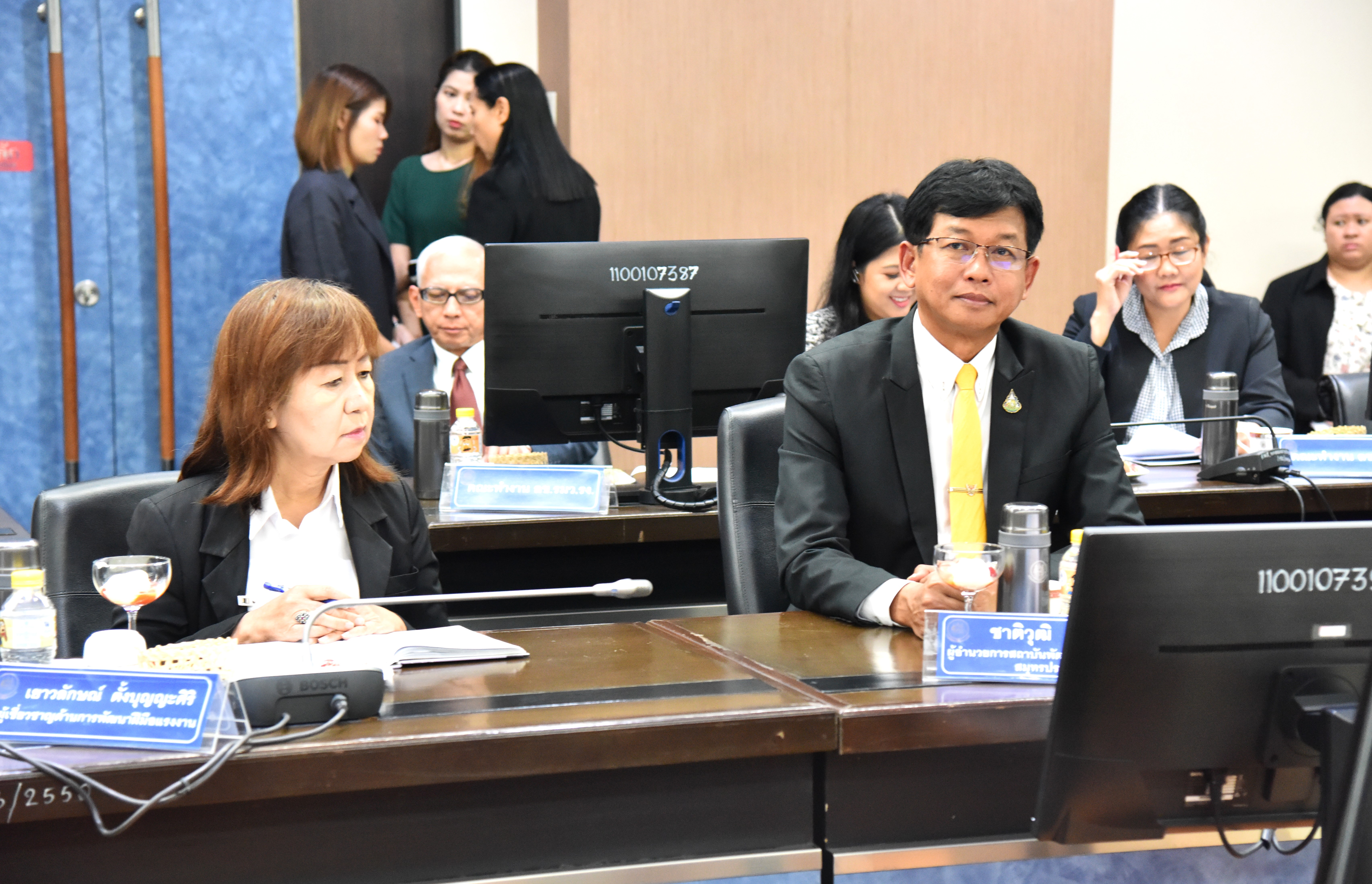
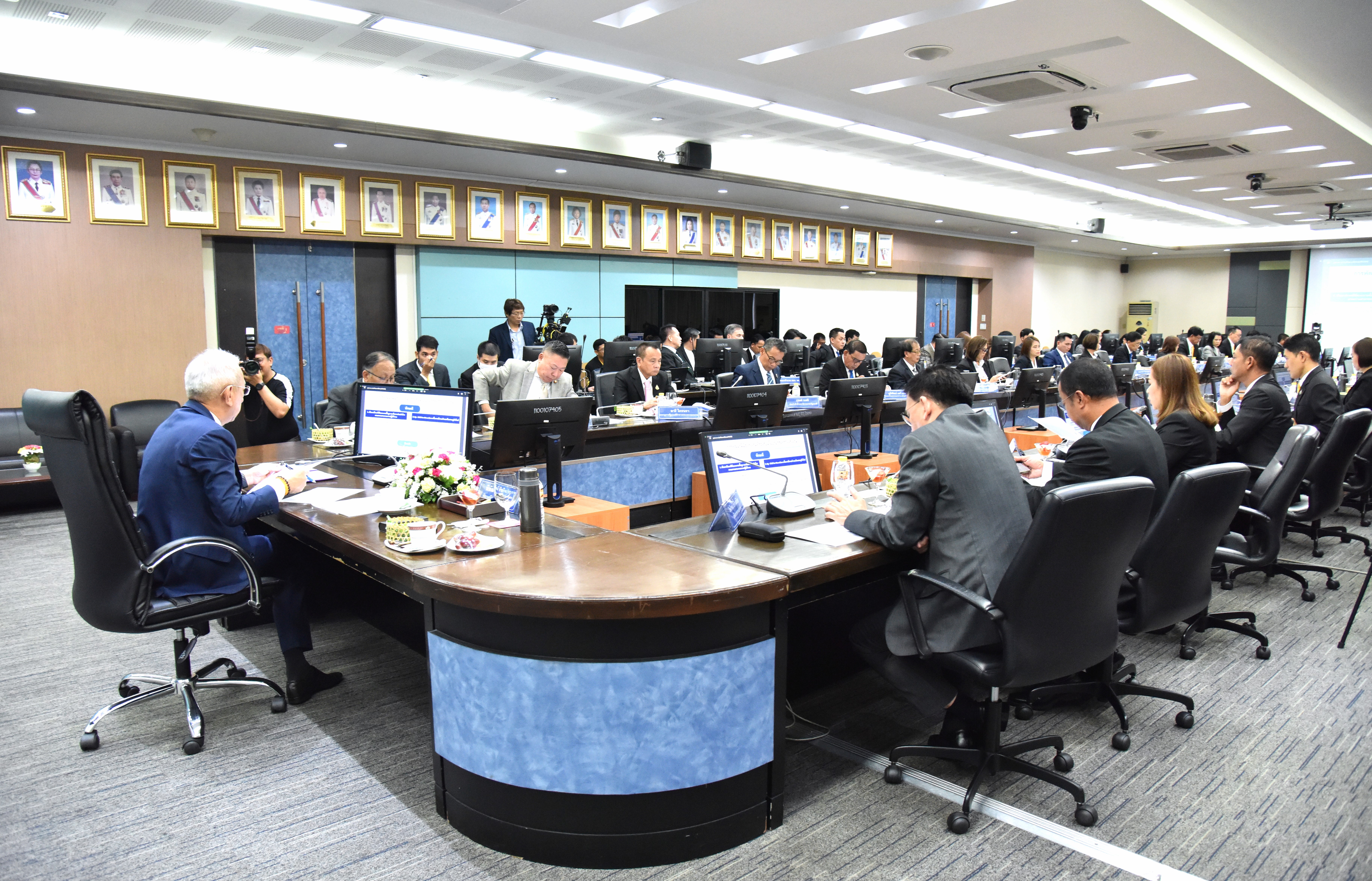
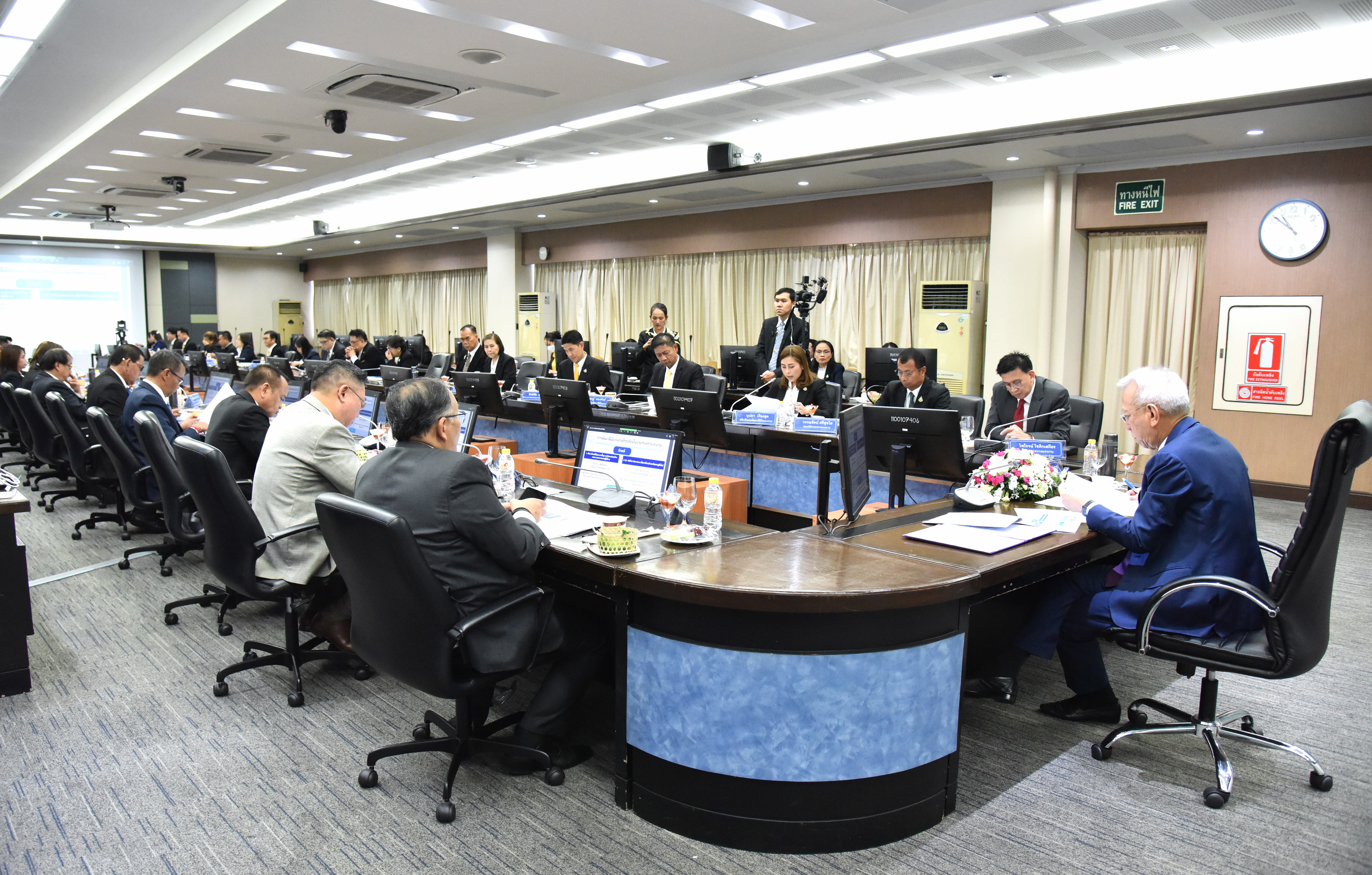
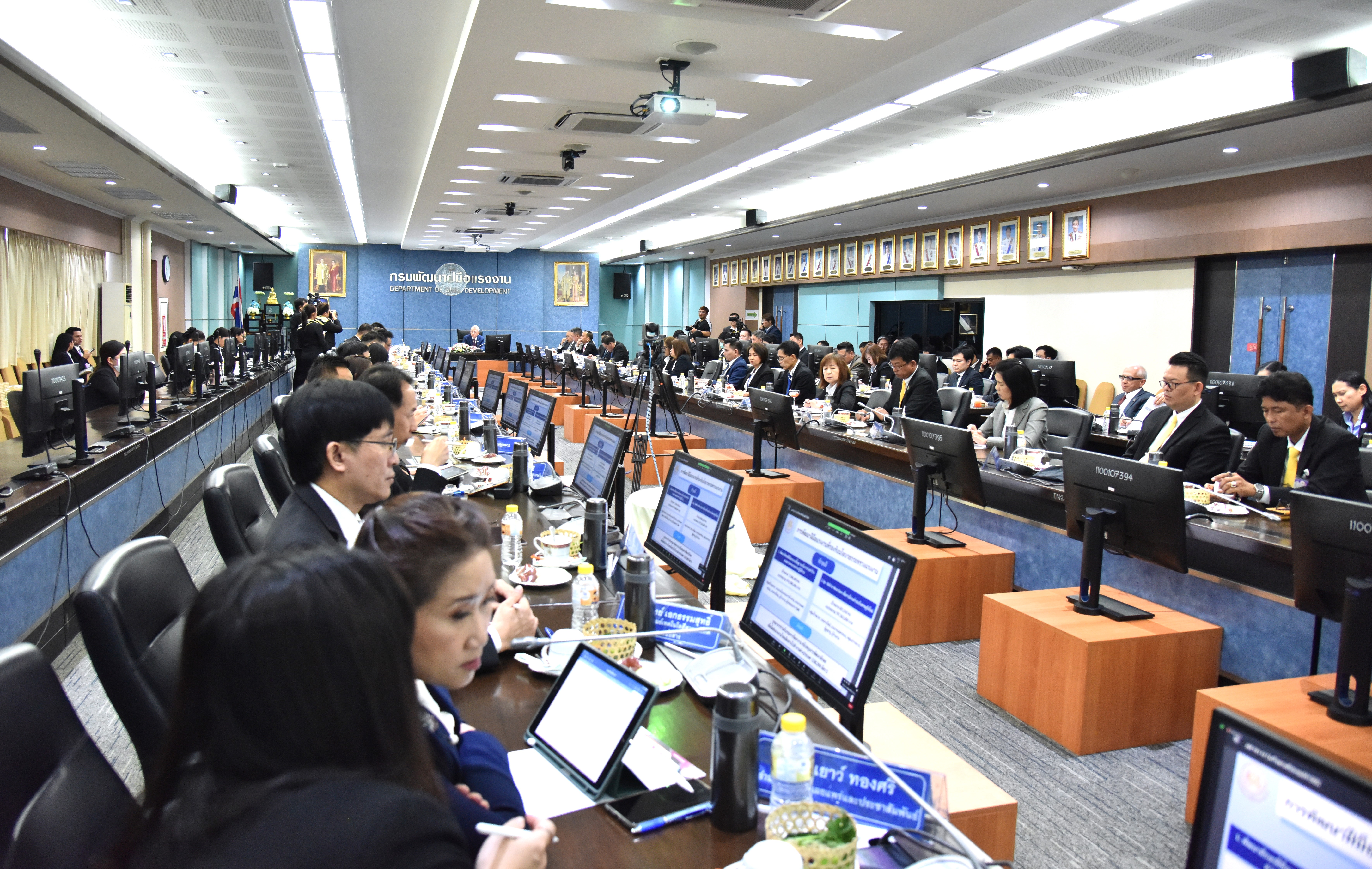
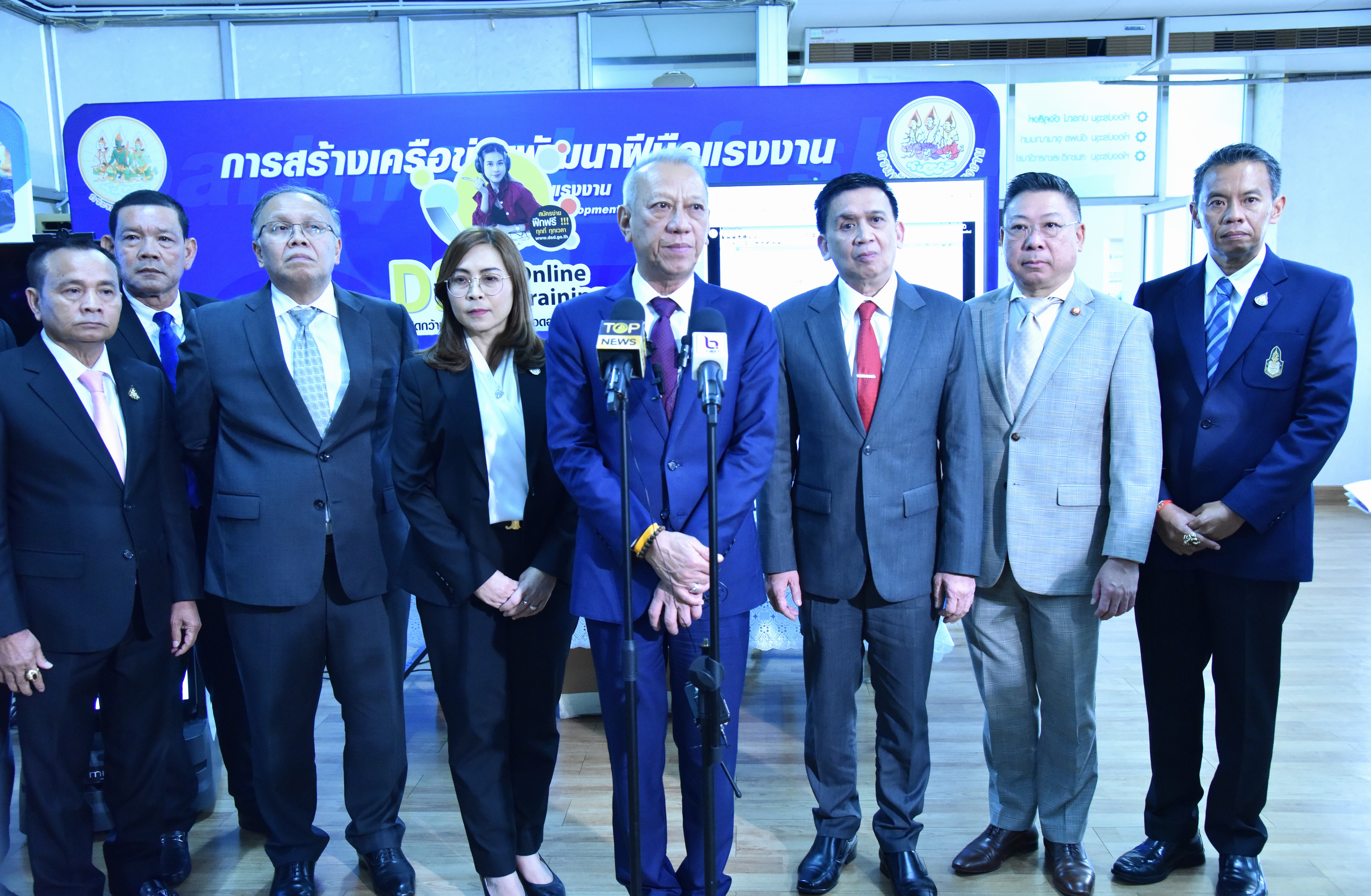
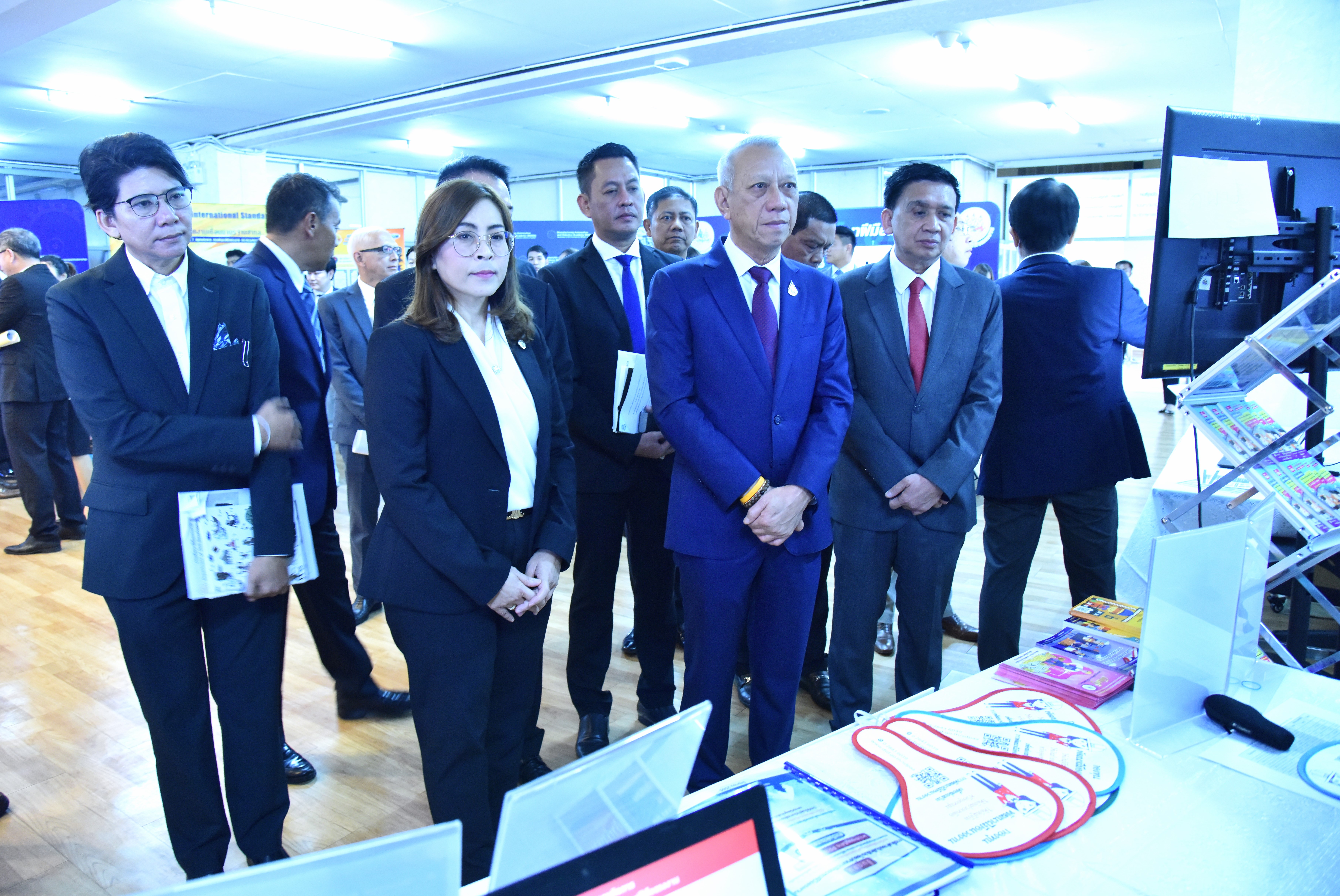
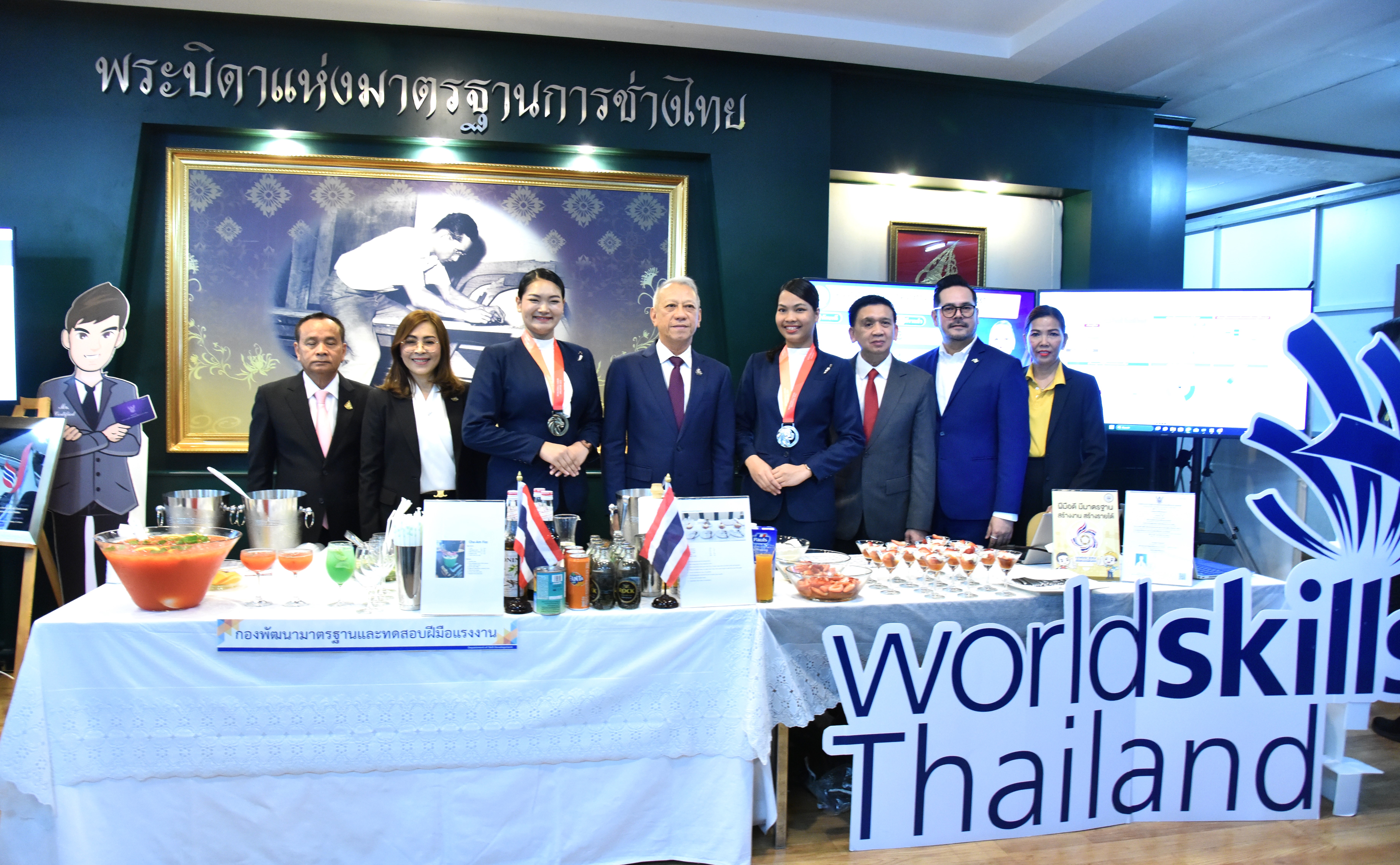
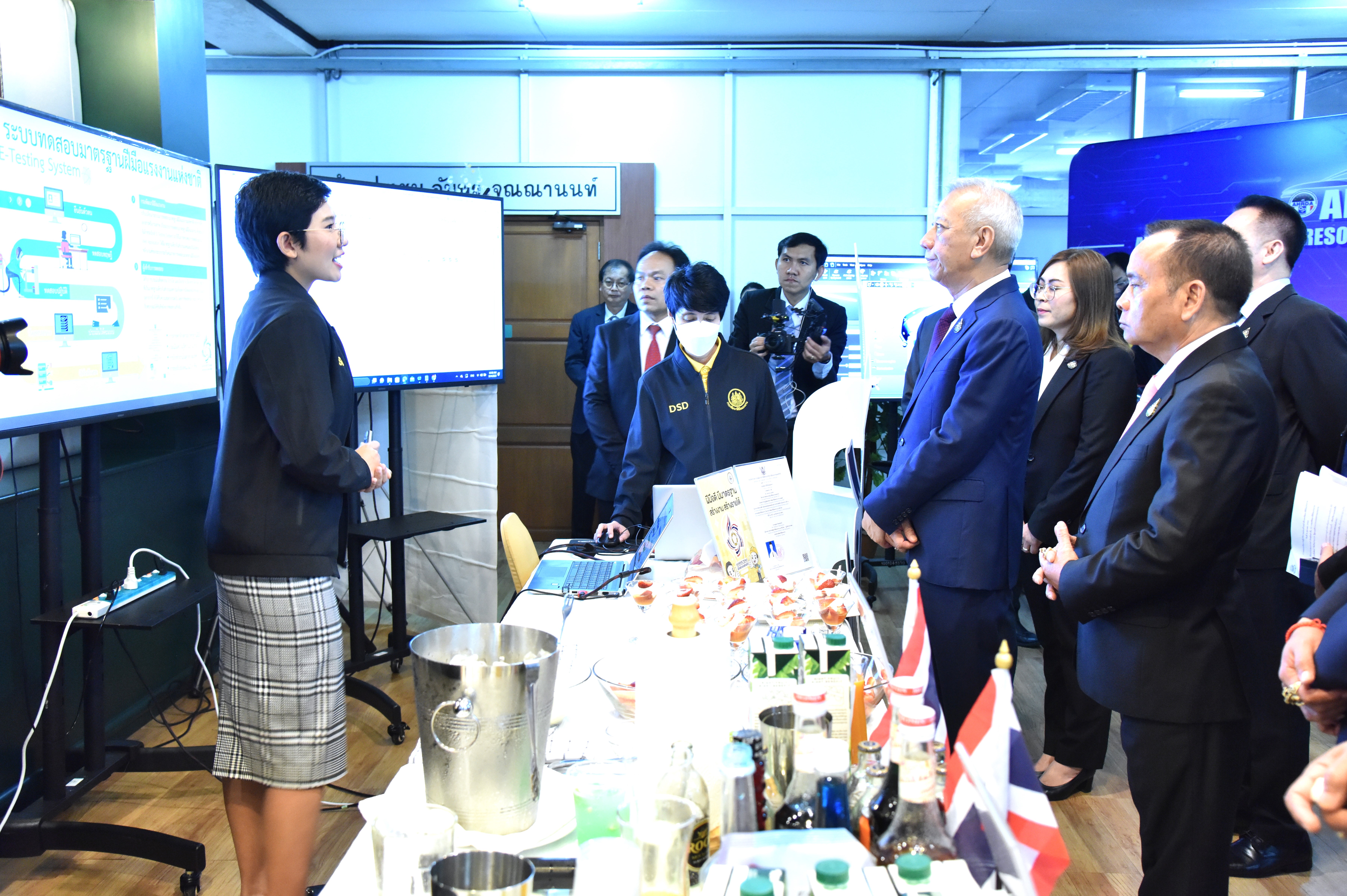
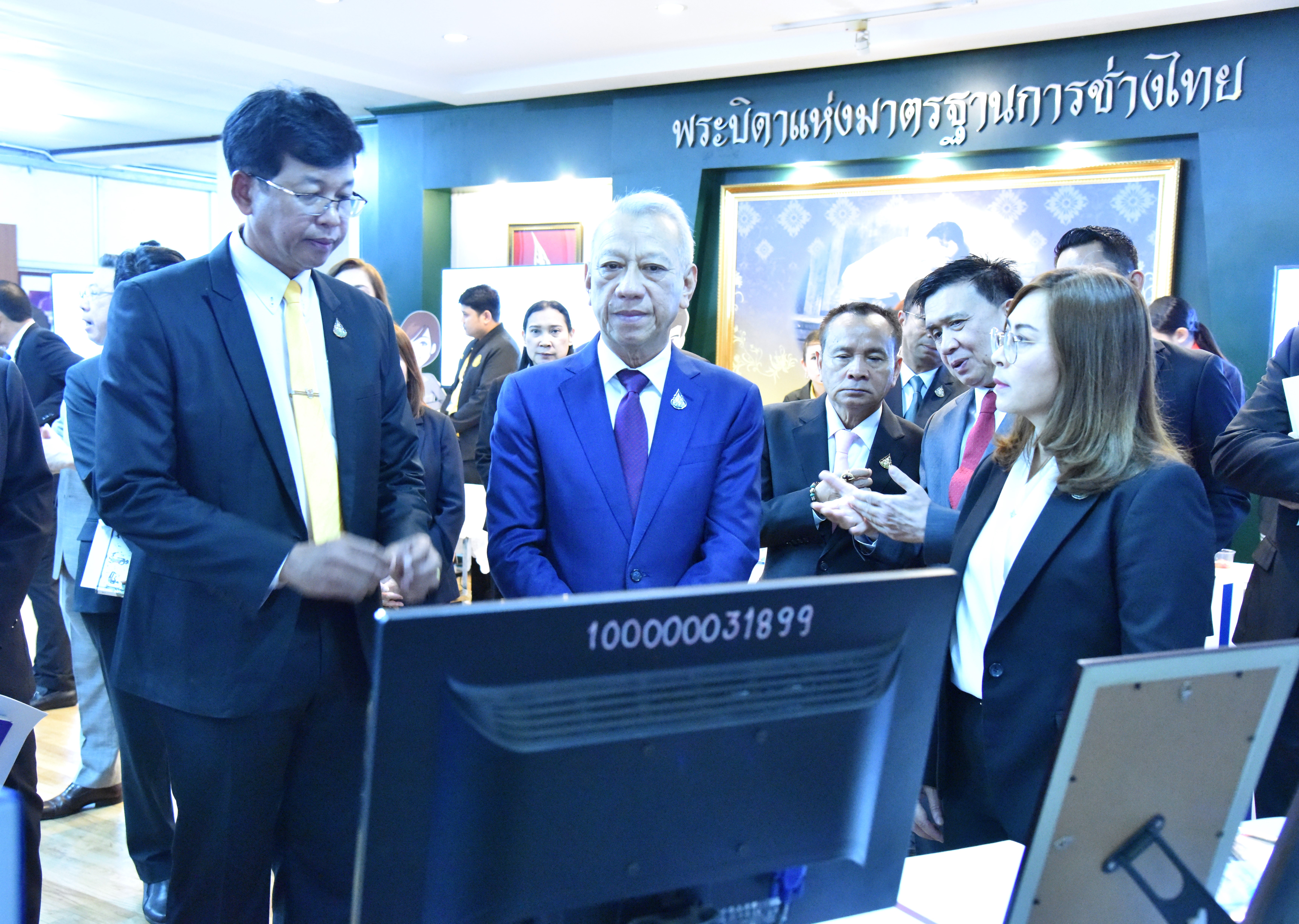
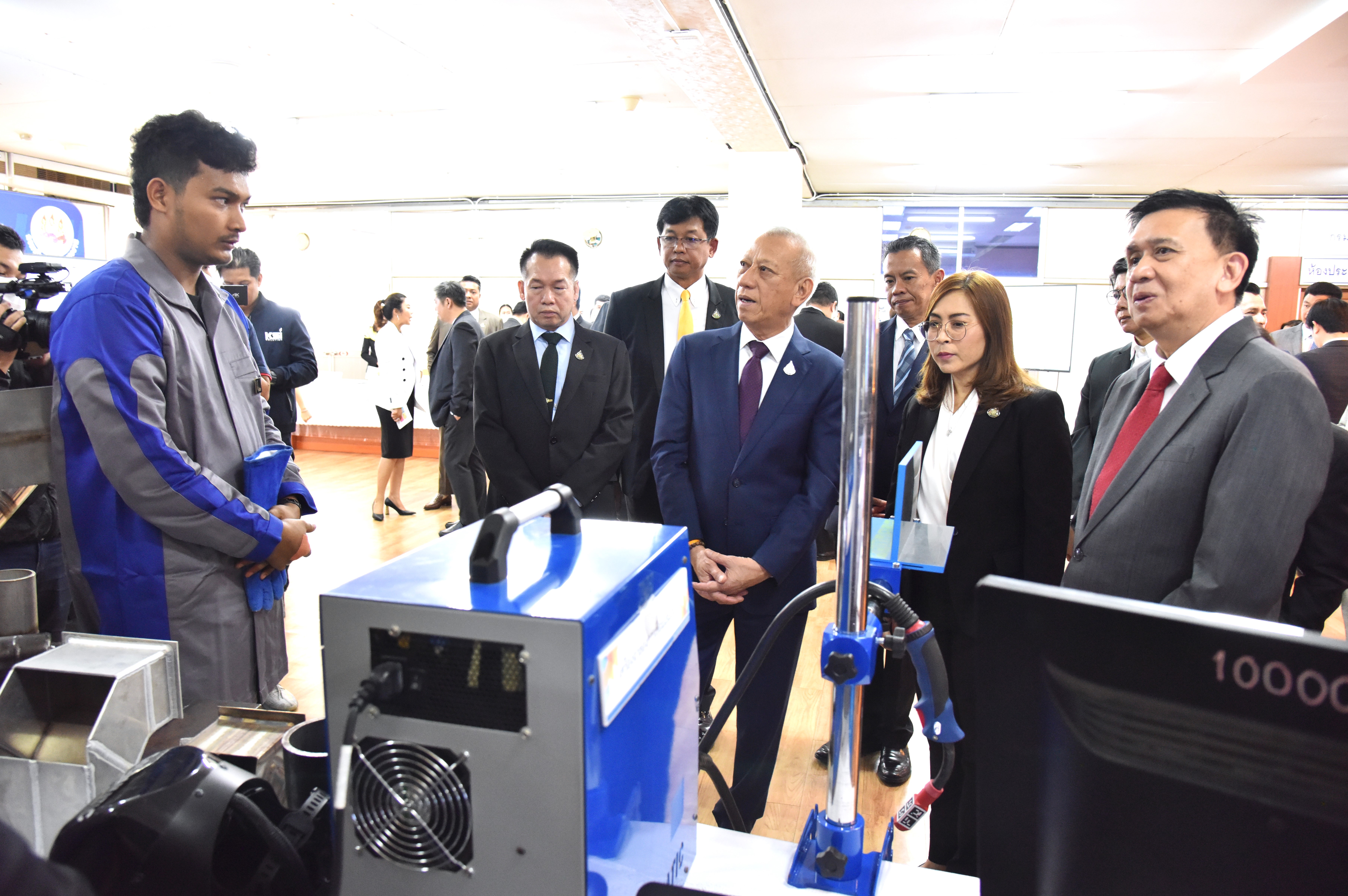
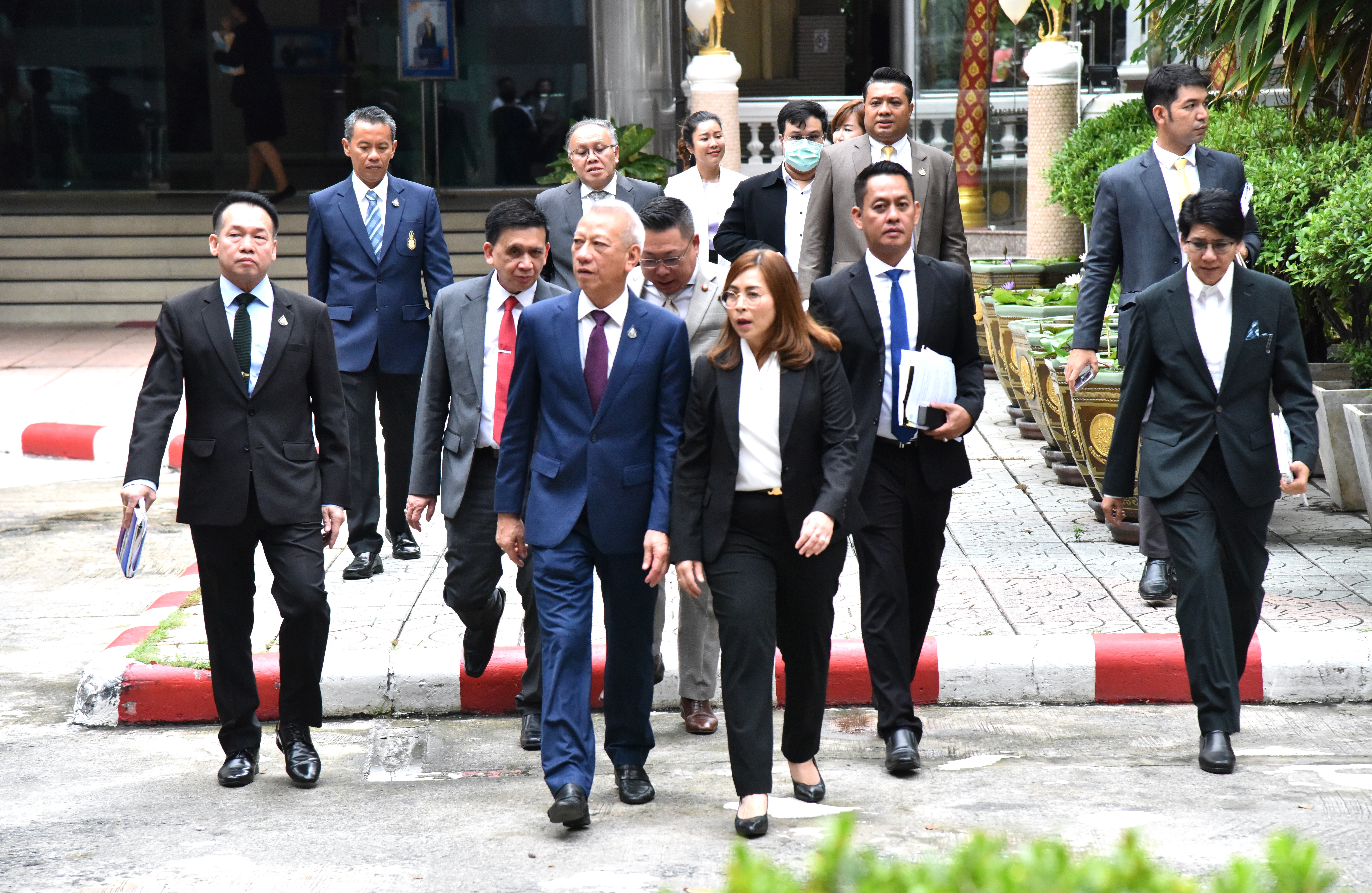
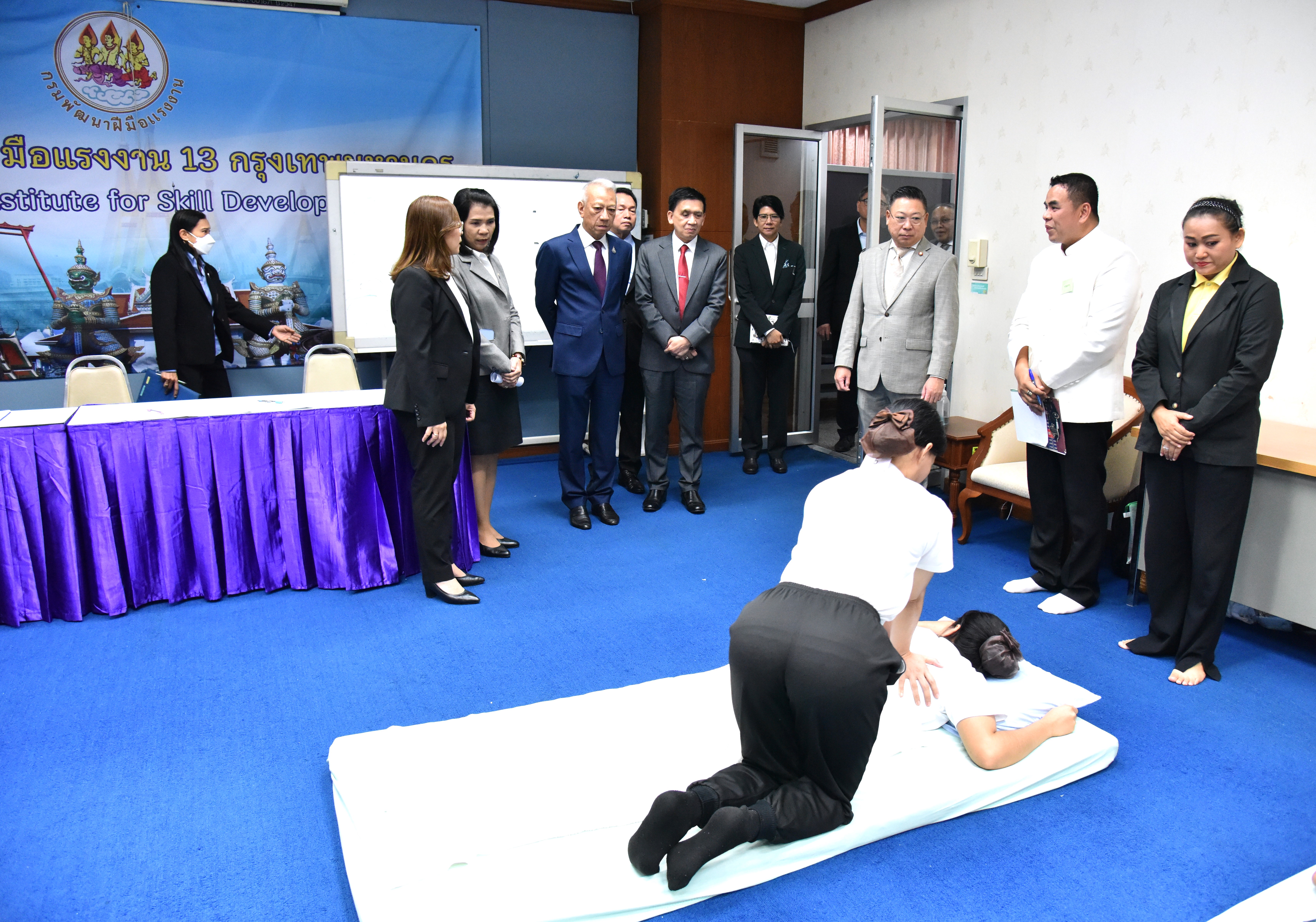
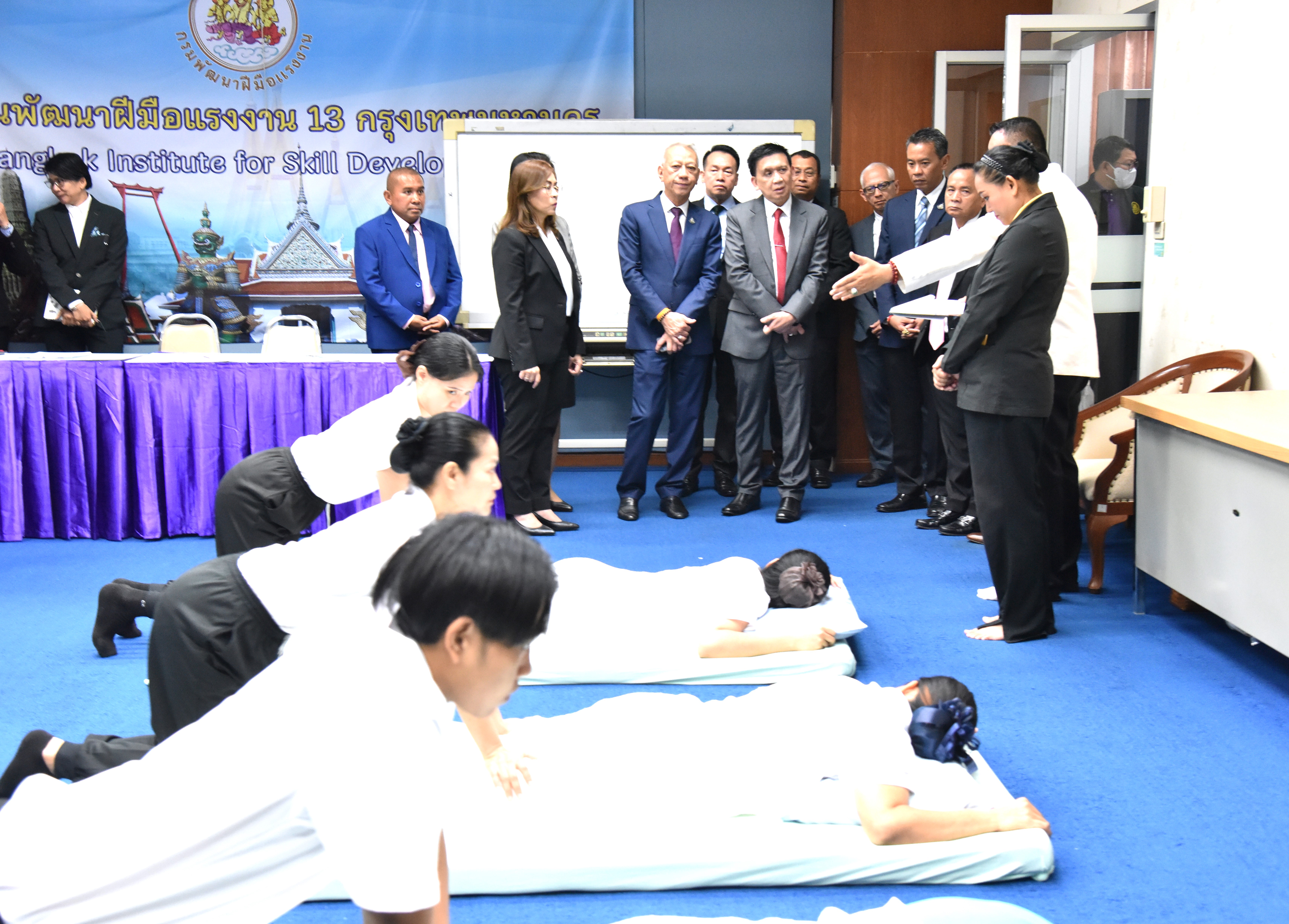
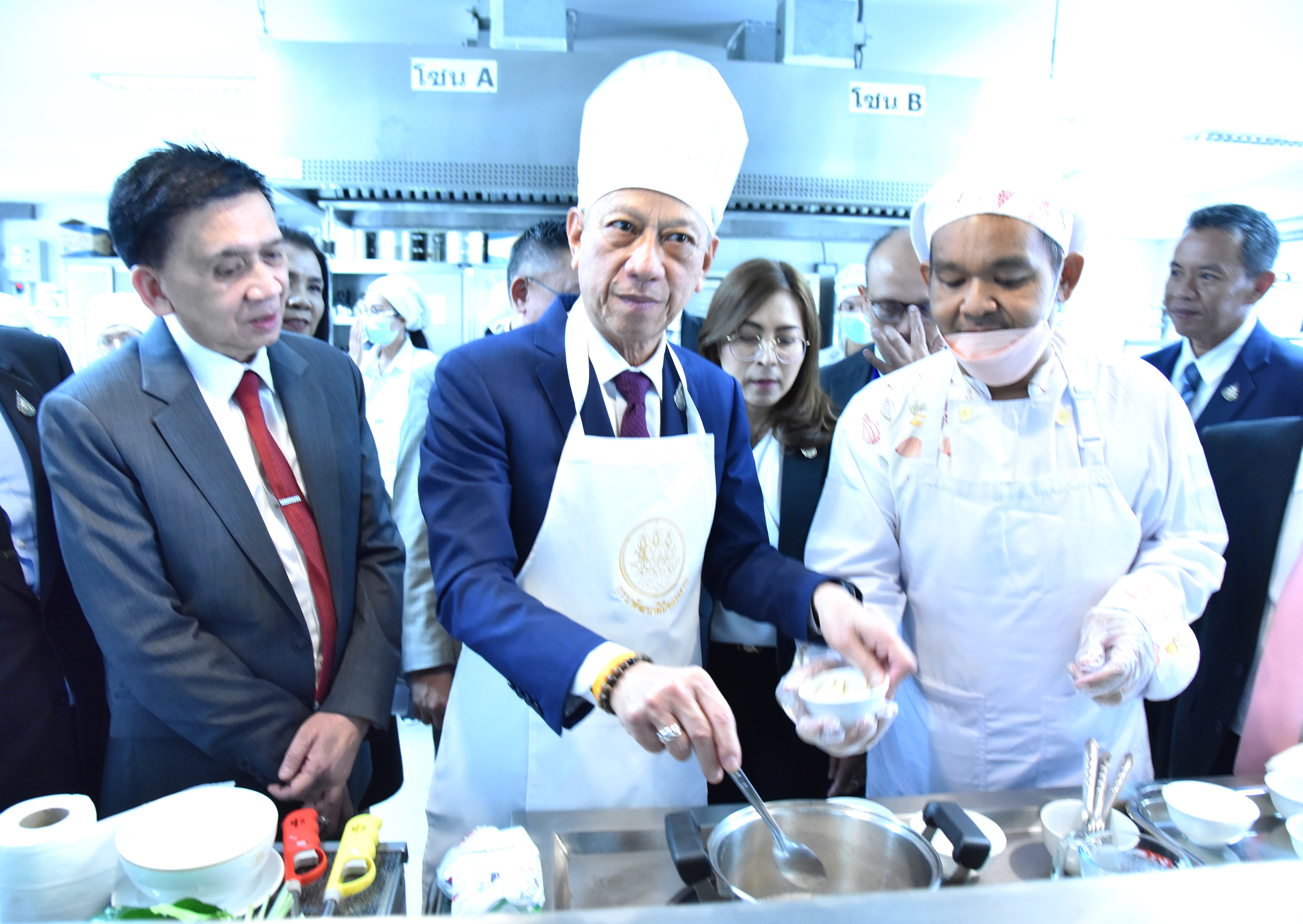
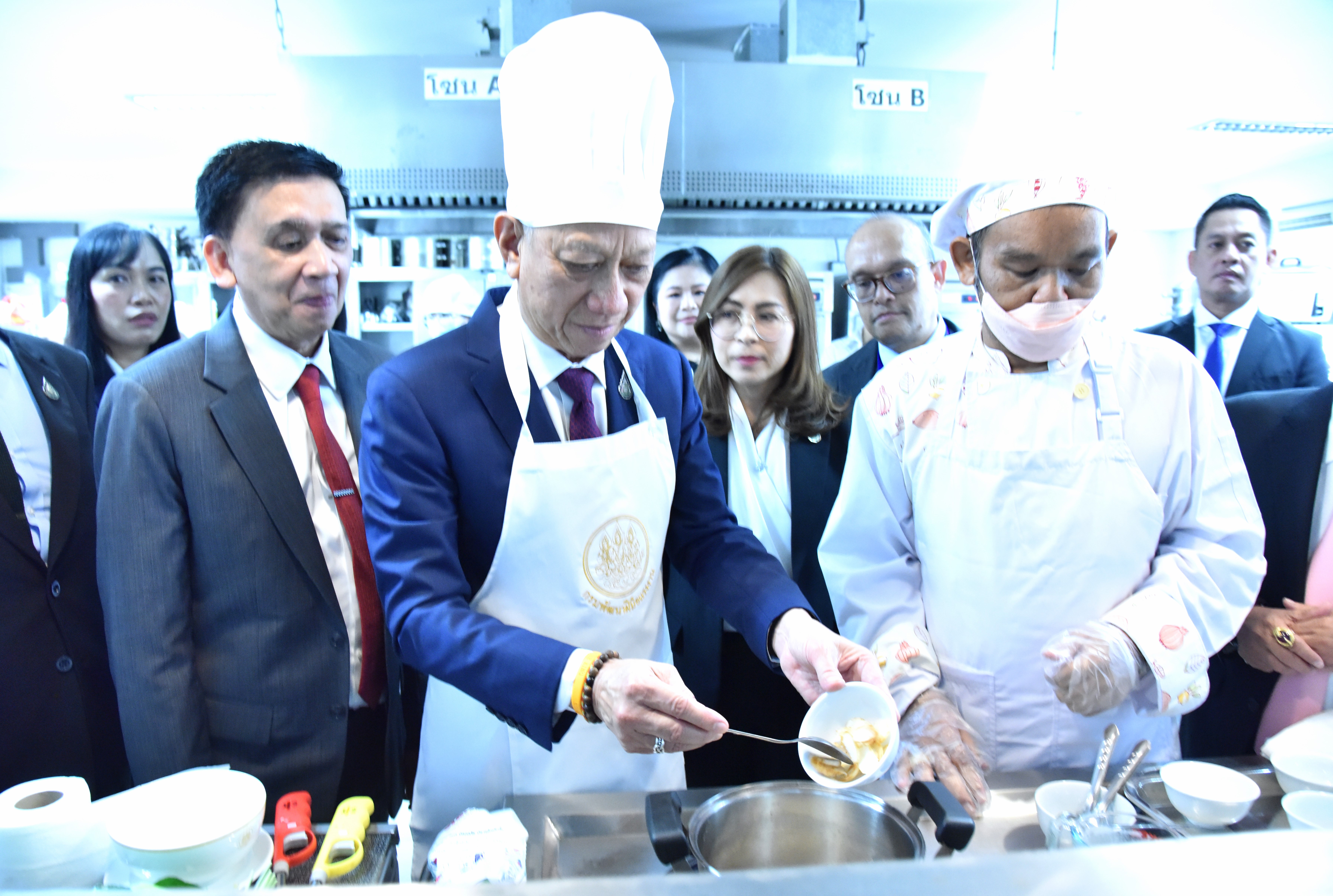
วันที่ 4 ตุลาคม 2566 นายพิพัฒน์ รัชกิจประการ รัฐมนตรีว่าการกระทรวงแรงงาน และคณะ ตรวจเยี่ยม พร้อมมอบนโยบายและแนวทางการปฏิบัติราชการให้แก่ผู้บริหาร และเจ้าหน้าที่กรมพัฒนาฝีมือแรงงาน โดยมี นายไพโรจน์ โชติกเสถียร ปลัดกระทรวงแรงงาน นางสาวบุปผา เรืองสุด อธิบดีกรมพัฒนาฝีมือแรงงาน ผู้บริหารให้การต้อนรับ และนำเยี่ยมชมบูธภารกิจต่างๆ ของกรม ณ ห้องประชุมปกรณ์ อังศุสิงห์ ชั้น 10 กรมพัฒนาฝีมือแรงงาน
นายพิพัฒน์ รัชกิจประการ รัฐมนตรีว่าการกระทรวงแรงงาน เปิดเผยว่า รัฐบาลภายใต้การนำของท่านเศรษฐา ทวีสิน นายกรัฐมนตรี และผมในฐานะรัฐมนตรีว่าการกระทรวงแรงงาน เห็นว่ากระทรวงแรงงานเป็นหนึ่งในกระทรวงเศรษฐกิจที่สำคัญของประเทศไทย ที่มีภารกิจในการดูแลกำลังแรงงานของประเทศ ให้เพียงพอทั้ง “เชิงปริมานและเชิงคุณภาพ สำหรับรองรับความต้องการของภาคอุตสาหกรรมต่างๆกระทรวงแรงงาน รับหน้าที่ในการดูแลแรงงานทุกระดับ ตั้งแต่แรงงานรายวันตลอดจนผู้บริหารระดับสูง ซึ่งเป็นหน้าที่สำคัญที่กระทรวงแรงงานต้องให้การช่วยเหลือแรงงานไทยให้หลุดพ้นจากคำว่าค่าแรงขั้นต่ำ โดยพัฒนากำลังแรงงานไทยให้มีศักยภาพ สามารถตอบสนองความต้องการของตลาดแรงงานในประเทศ และต่างประเทศ รวมถึง การส่งเสริมแรงงานไทยให้มีงานทำได้รับค่าตอบแทนที่เหมาะสมตามทักษะฝีมือ และได้มีนโยบายสำคัญเพื่อขับเคลื่อนภารกิจกระทรวงแรงงาน เพื่อมุ่งยกระดับคุณภาพชีวิตแรงงานภายใต้แนวคิด “ทักษะดี มีงานทำ หลักประกันทางสังคมเด่น เน้นการขับเคลื่อนเศรษฐกิจ” ซึ่งในวันนี้ผมมีความยินดีเป็นอย่างยิ่งได้มาตรวจเยี่ยม และมอบนโยบายรวมทั้งพบปะผู้บริหาร ข้าราชการ และเจ้าหน้าที่ของกรมพัฒนาฝีมือแรงงานซึ่งภารกิจด้านการพัฒนาทักษะฝีมือแรงงานถือเป็นภารกิจสำคัญในการขับเคลื่อนเศรษฐกิจของประเทศ รวมถึงการทดสอบมาตรฐานฝีมือแรงงาน การรับรองความรู้ความสามารถ และการส่งเสริมสถานประกอบกิจการให้พัฒนาทักษะลูกจ้างของตนให้เป็นแรงงานคุณภาพด้วย
นายพิพัฒน์ กล่าวต่อไปว่า ได้มอบหมายให้กรมพัฒนาฝีมือแรงงานดำเนินภารกิจเร่งด่วนในการ พัฒนาทักษะฝีมือแรงงานขั้นสูง เพื่อรองรับการจ่ายค่าจ้างตามความสามารถในการปฎิบัติงาน ทั้งนี้ สำหรับกลุ่มอาชีพที่ตอบสนองความต้องการของตลาดแรงงานในระดับพื้นที่ ระดับประเทศ และระดับนานาชาตินั้น การ UP-SKILL FOR MORE EARN เพื่อการมีงานทำจะช่วยสร้างโอกาสให้คนไทยได้รับค่าจ้างทึ่สูงขึ้นตามทักษะ และความสามารถในการปฎิบัติงาน โดยผมได้เน้นย้ำถึงนโยบายหลักในการปฏิบัติภารกิจดังกล่าว ที่สำคัญคือต้องส่งเสริมศักยภาพของกำลังแรงงานและผู้ประกอบกิจการ เพื่อให้กำลังแรงงานมีฝีมือได้มาตรฐานรองรับค่าจ้างตามความสามารถ พร้อมทั้งมีความรู้ความสามารถในการประกอบอาชีพสอดคล้องกับความต้องการของตลาดแรงงานทั้งในเชิงปริมาณและคุณภาพ อีกทั้ง ยังรวมถึงการควบคุมกำกับดูแลการประกอบอาชีพที่อาจเป็นอันตรายต่อสาธารณะหรือต้องใช้ผู้มีความรู้ความสามารถเข้ามากำกับดูแล เช่น การทดสอบมาตรฐานฝีมือแรงงาน และการออกหนังสือรับรองมาตรฐานฝีมือแรงงานทั้งในประเทศและต่างประเทศ เป็นต้น
ด้านนางสาวบุปผา เรืองสุด อธิบดีกรมพัฒนาฝีมือแรงงาน กล่าวเสริมว่า จากการรับมอบนโบบายดังกล่าว ในปี 2567 กรมมีแผนดำเนินการพัฒนาทักษะฝีมือแรงงาน ทั้ง Upskills และ Reskills เป้าหมาย 3.9 ล้านคน ซึ่งนอกจากการประชุมรับมอบนโยบายแล้ว กรมได้นำนวัตกรรมและผลการดำเนินงานซึ่งเป็นกระบวนงานหลัก ผลงานเด่นจากหน่วยงานส่วนกลางและภูมิภาค มาจัดแสดงให้คณะรัฐมนตรีได้เยี่ยมชมนวัตกรรมสำหรับใช้ในการฝึกอบรม ซึ่งมีทั้งหน่วยงานที่รับผิดชอบการฝึกทักษะแรงงานให้แก่กลุ่มเปราะบาง นอกระบบ นวัตกรรม และศูนย์ฝึกอบรมเฉพาะทาง เช่น งานเชื่อม แขนกล หุ่นยนต์ และอุตสาหกรรมยานยนต์
On October 4, 2023, the Labour Minister, Mr. Phiphat Ratchakitprakarn, and the committee paid a visit and delivered policies and guidelines for government operations to executives and officials of the Department of Skill Development. The Permanent Secretary of Labour, Mr. Phairoj Chotikasatian, the Department of Skill Development’s Director-General, Ms. Bubpha Rueangsud, and executives gave a welcome and led a tour of the department’s various mission booths at the Pakorn Angsusing conference room, 10th floor, Department of Skill Development.
The Labour Minister, Mr. Phiphat Ratchakitprakarn, said that the government under the leadership of the Prime Minister, Mr. Srettha Thavisin, and himself as the Labour Minister, envisions the Ministry of Labour as one of the important economic ministries of Thailand. It has a mission to take care of the country’s workforce quantitatively and qualitatively to support the needs of various industrial sectors. The Ministry of Labour cares for workers at all levels, from daily workers to senior executives. It is an important duty of the Ministry of Labour to help Thai workers escape the term minimum wage by developing the Thai workforce to have the potential to meet the needs of the domestic and overseas labour market, including promoting Thai workers to have jobs and receive appropriate compensation according to their skills. He has delivered important policies to drive the Ministry of Labor’s mission to improve workers’ quality of life under the concept of “good skills, good work, outstanding social security, and a focus on driving the economy.” Today, he was pleased to pay a visit to inspect, deliver policies, and meet with executives, civil servants, and officials of the Department of Skill Development. Developing workers’ skills is important to drive the country’s economy. It also includes testing of labour standards, certification of knowledge and abilities, and promoting business establishments to develop the skills of their employees to become quality workers.
Mr. Phiphat continued that he assigned the Department of Skill Development to carry out the urgent mission of developing advanced labour skills to support the payment of wages according to skills for occupational groups that meet the needs of the labour market at the local, national, and international levels. It includes Upskill for More Earn to create employment and opportunities for Thai people to earn higher wages according to their skills and ability to perform work. The Labour Minister emphasized the main policy in carrying out the said mission. The important thing is to promote the potential of the workforce and business operators to have a skilled workforce that meets standards and supports wages according to their abilities, along with having knowledge and the ability to engage in occupations consistent with the needs of the labour market in both quantity and quality. It also aims to control and supervise occupations that may be dangerous to the public or require persons with knowledge and ability, such as testing labour skill standards and issuing certificates of labour standards domestically and abroad.
The Department of Skill Development’s Director-General, Ms. Bubpha Rueangsud, added that from the receipt of the said policy, in 2024, the Department has the plan to develop labour skills through both upskilling and reskilling, with a target of 3.9 million people. In addition to the meeting to receive the policy, the Department has adopted innovation and operational results as core procedures and outstanding works from central and regional agencies to display for the Cabinet to see the innovations for use in training. There are agencies responsible for training workers’ skills for vulnerable groups, those outside the system, innovation, and specialized training centers such as welding, mechanical arms, robots, and the automotive industry.