

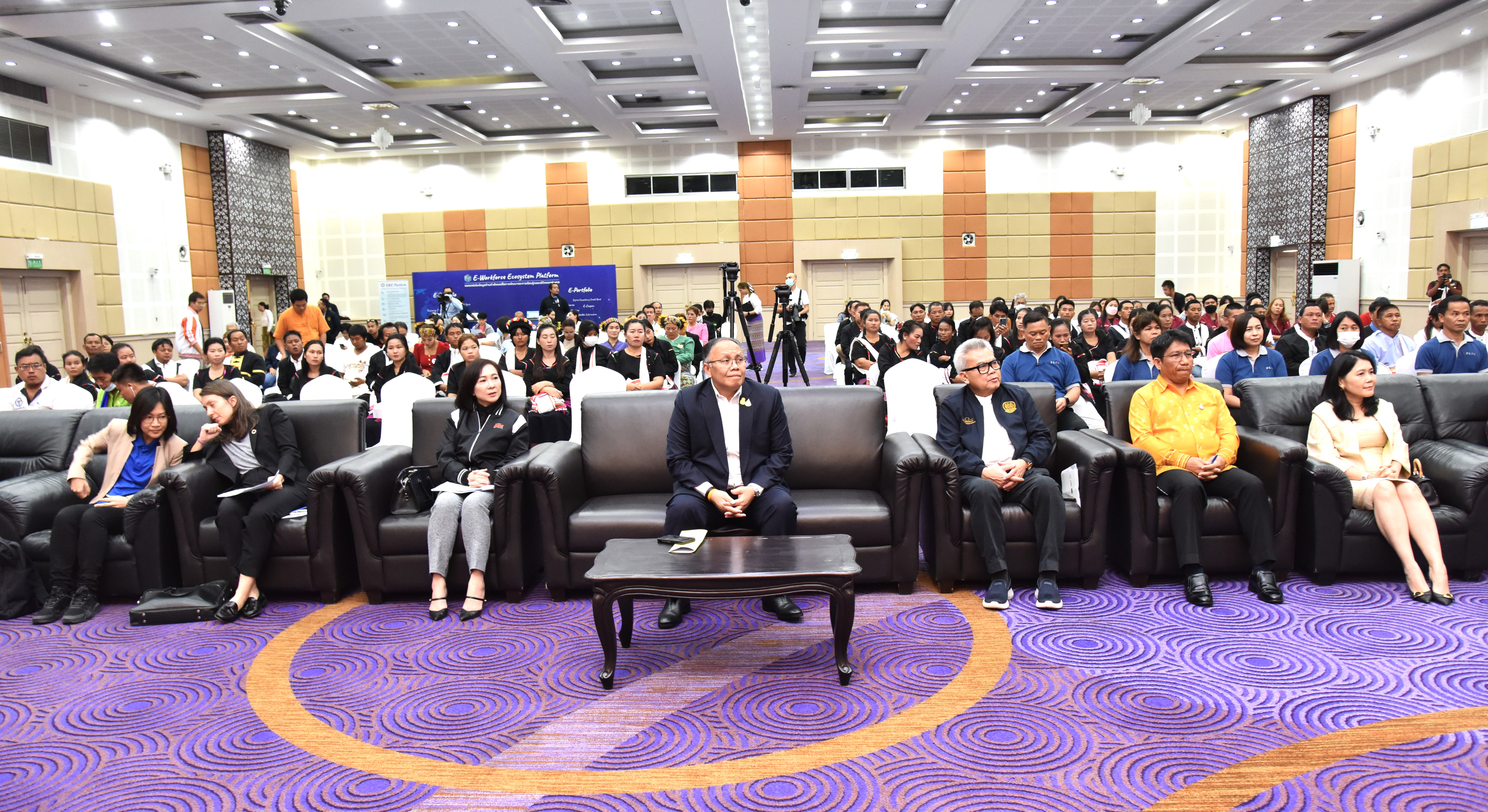
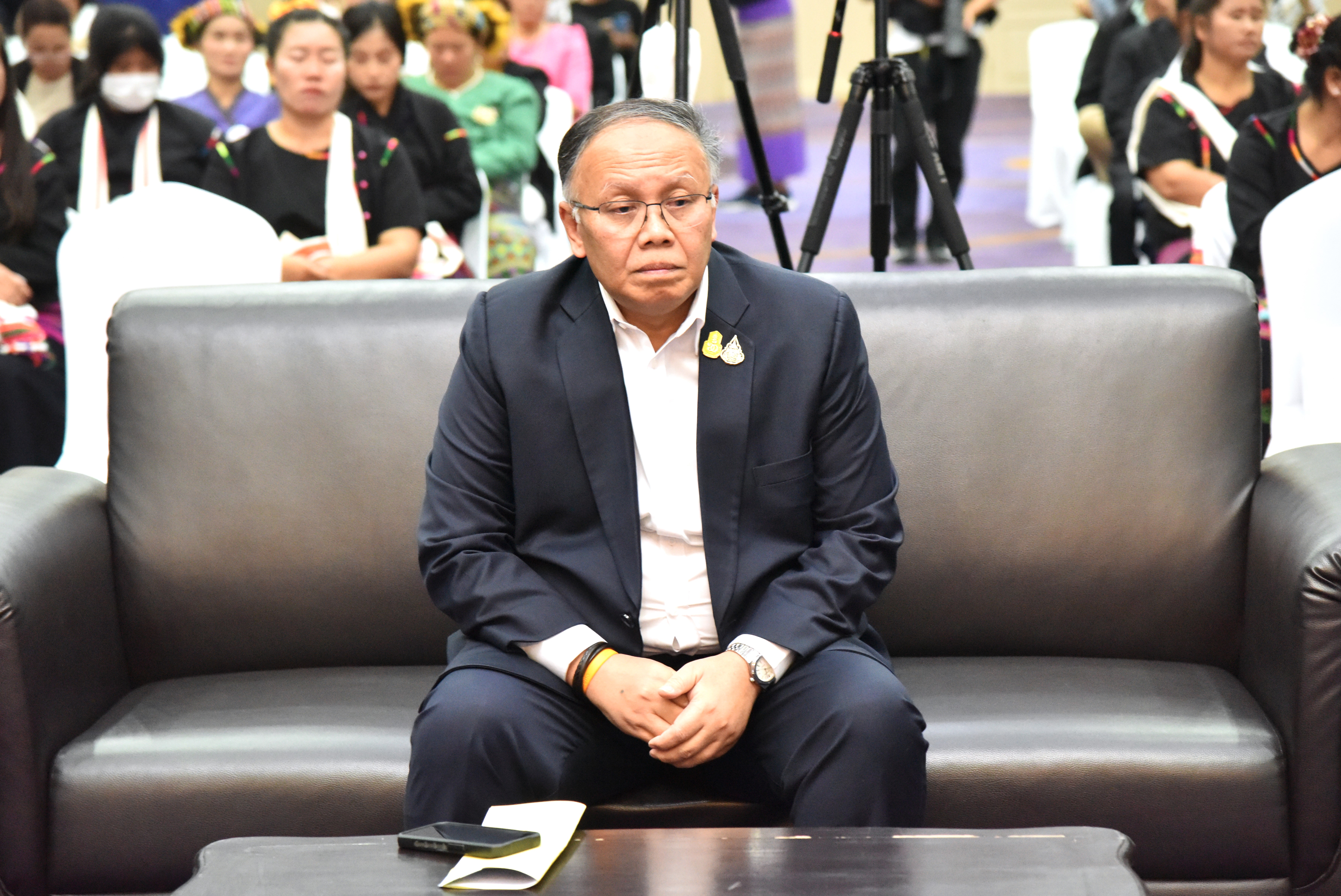
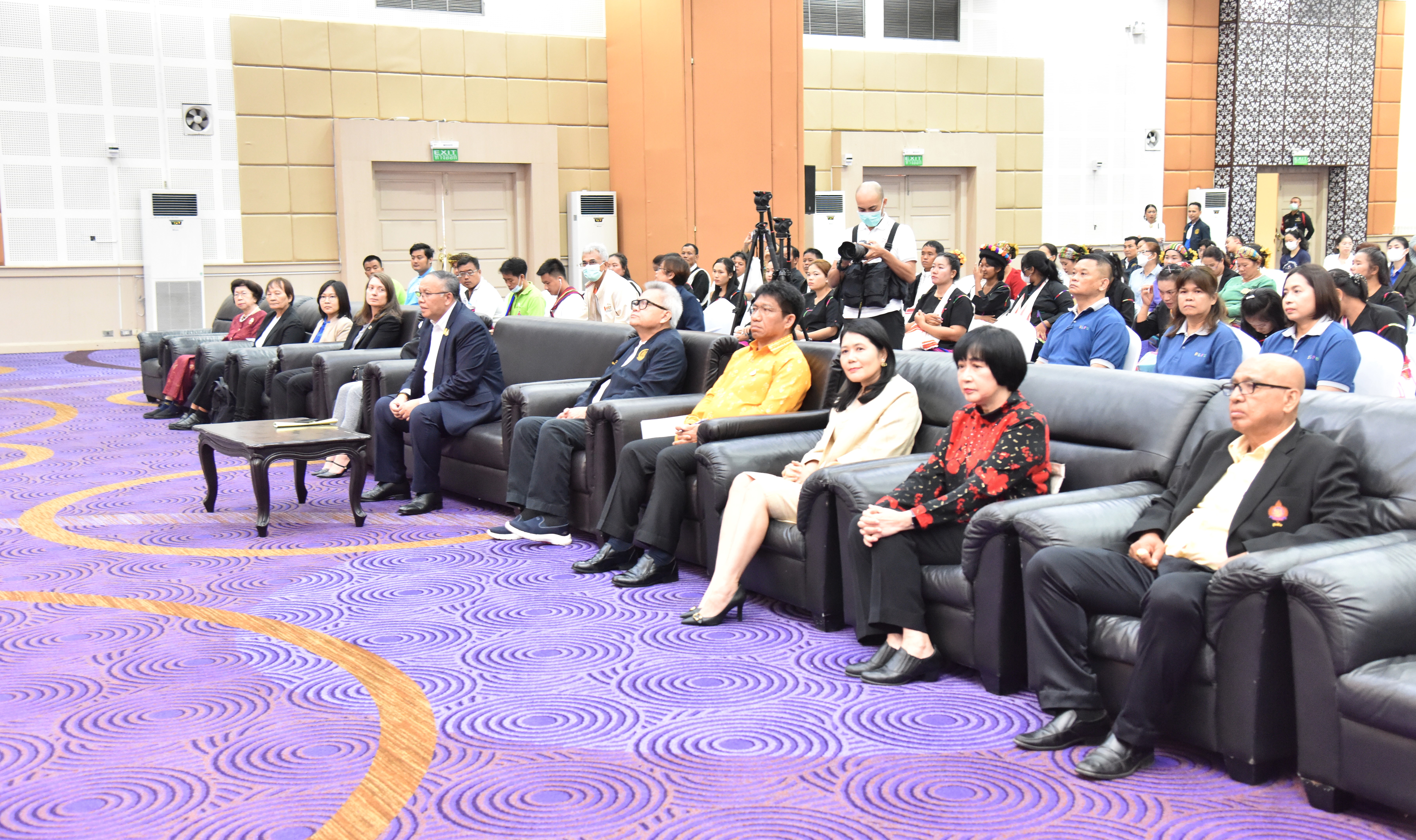
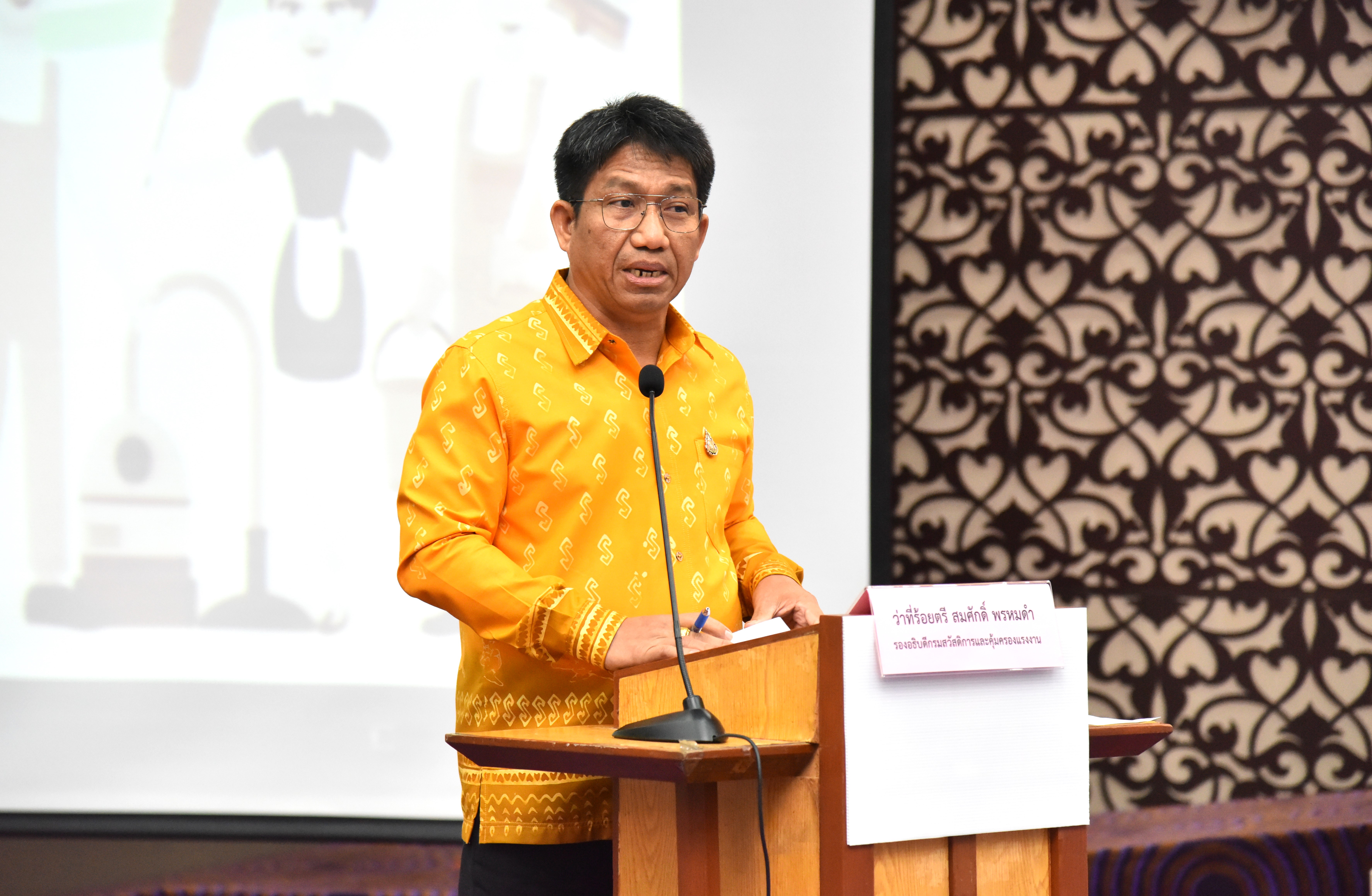
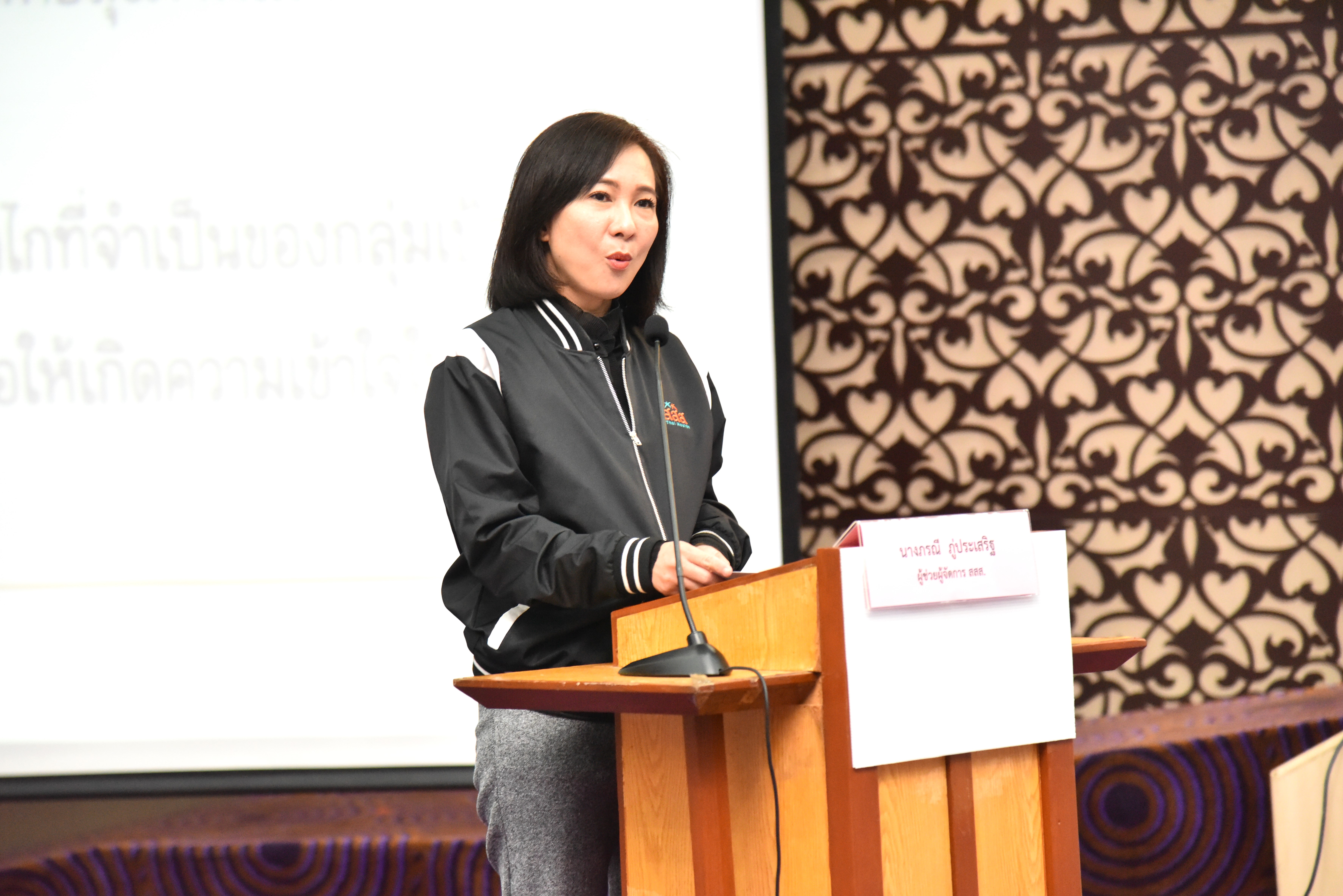
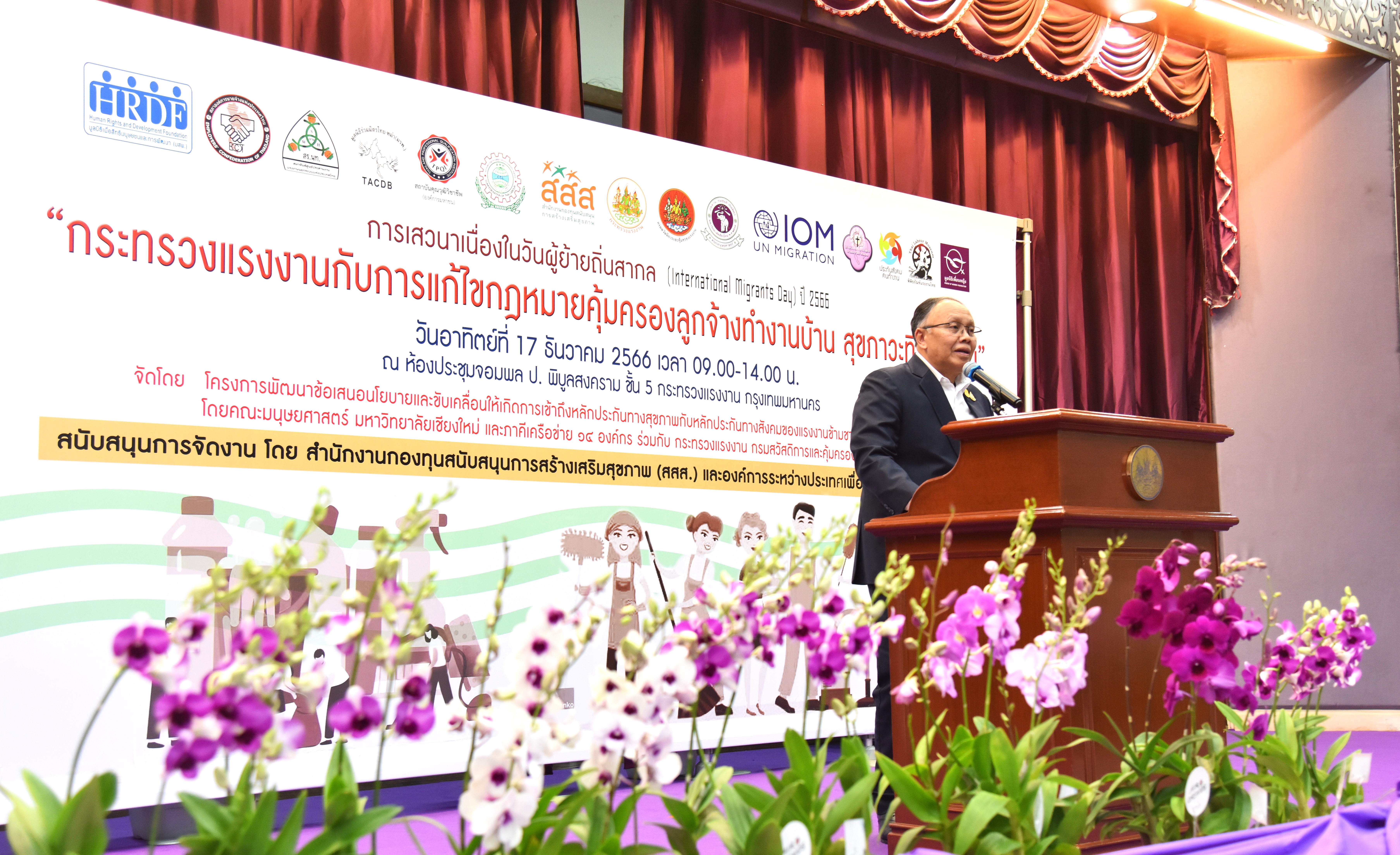
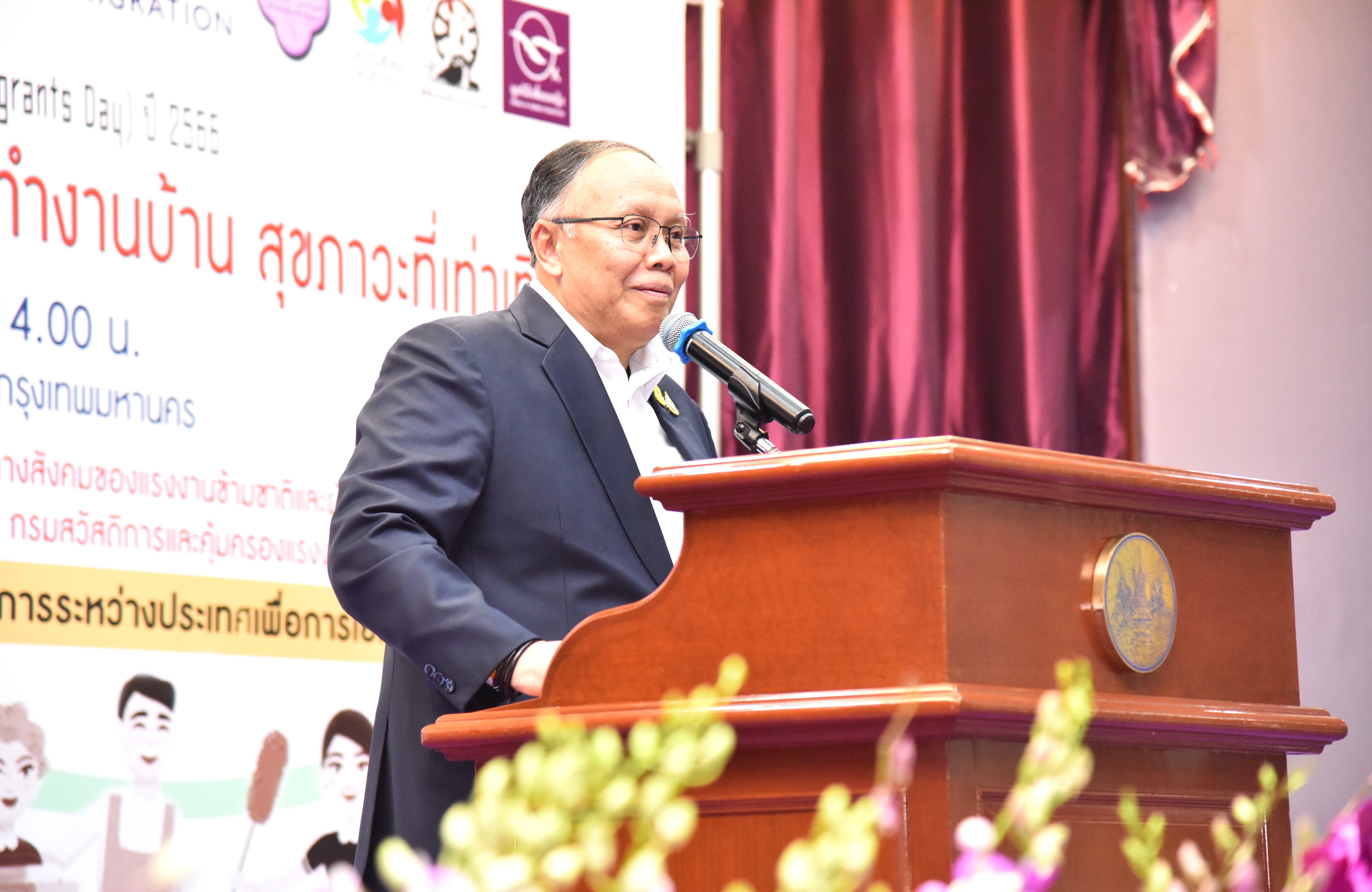
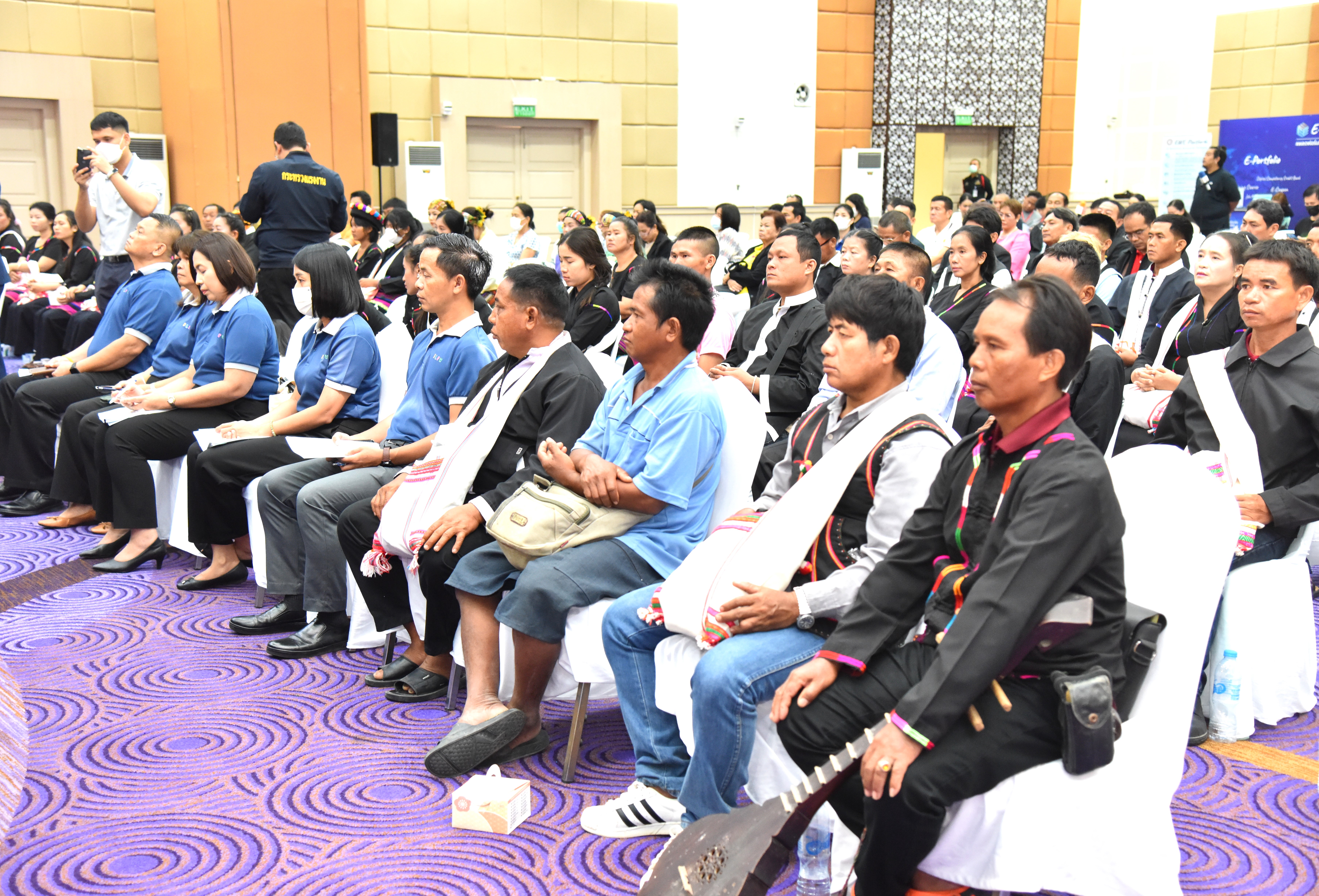
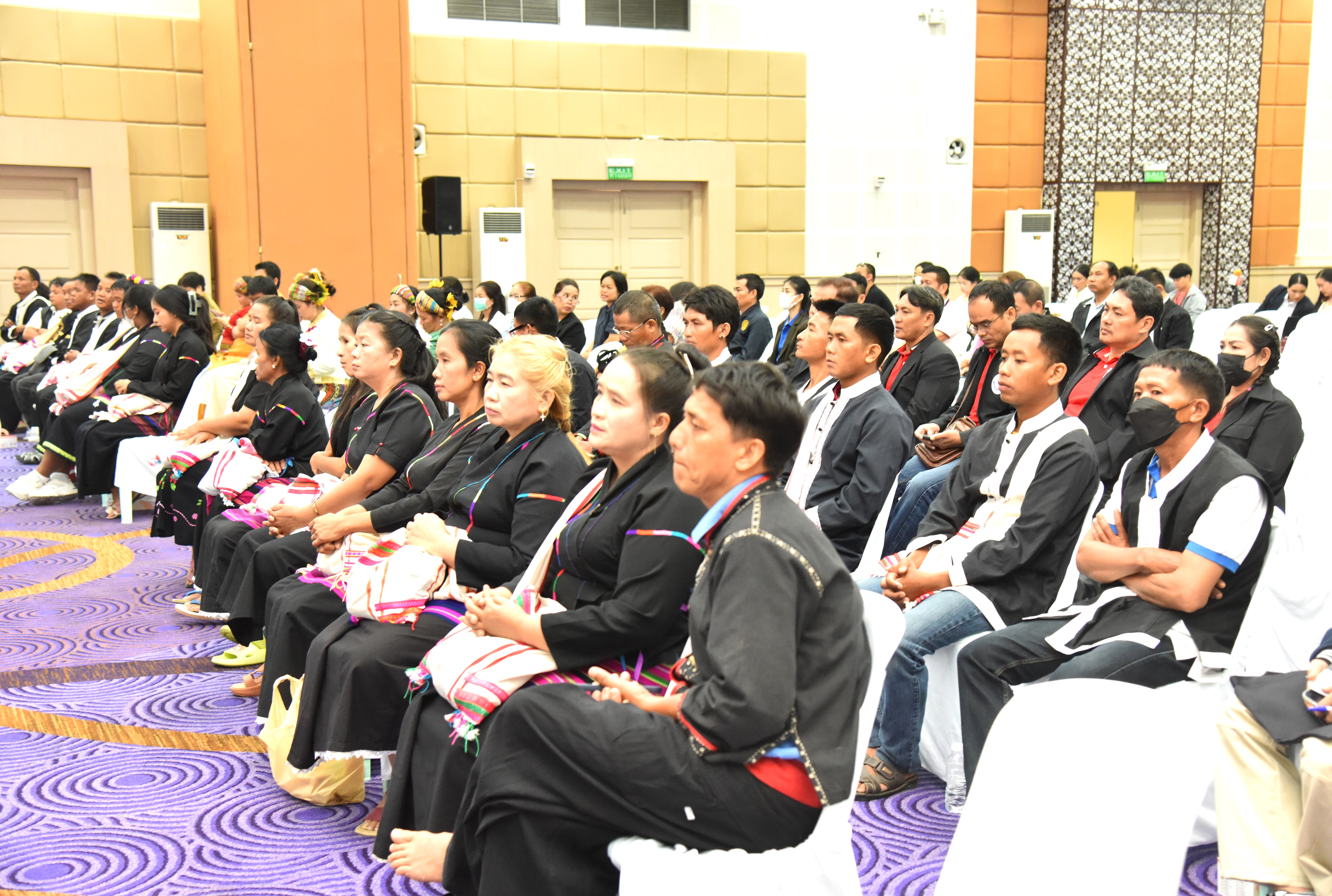
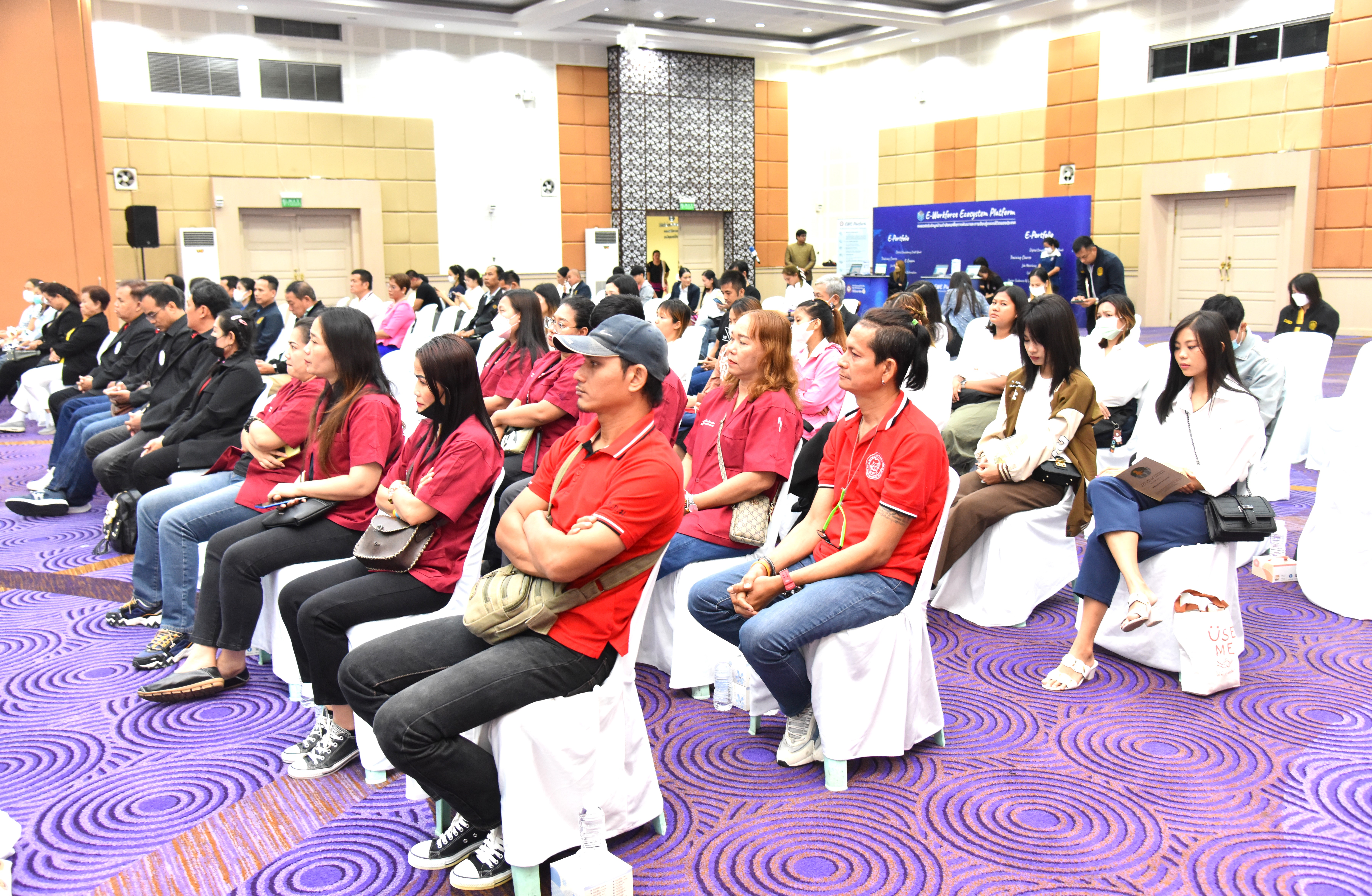
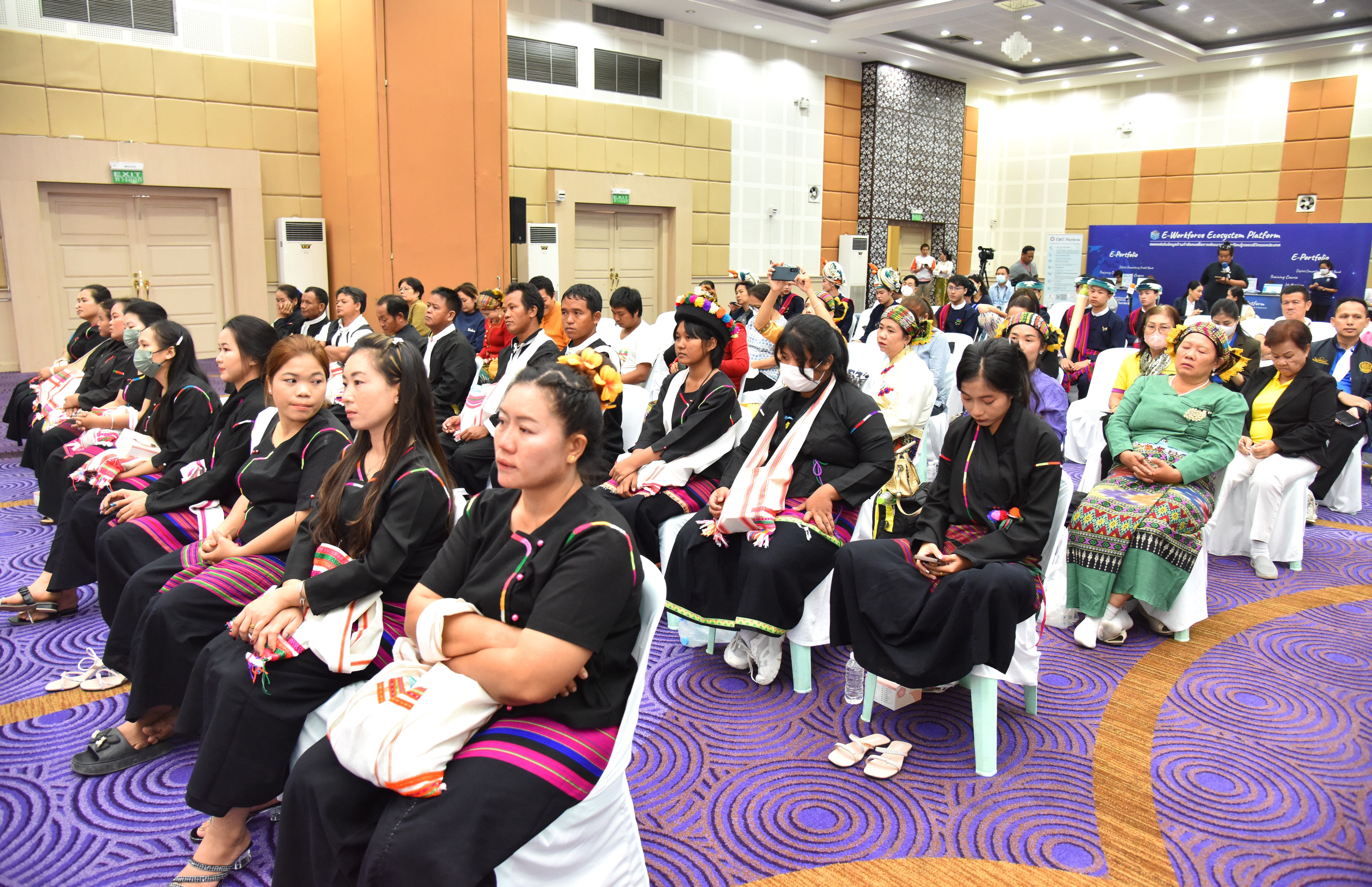
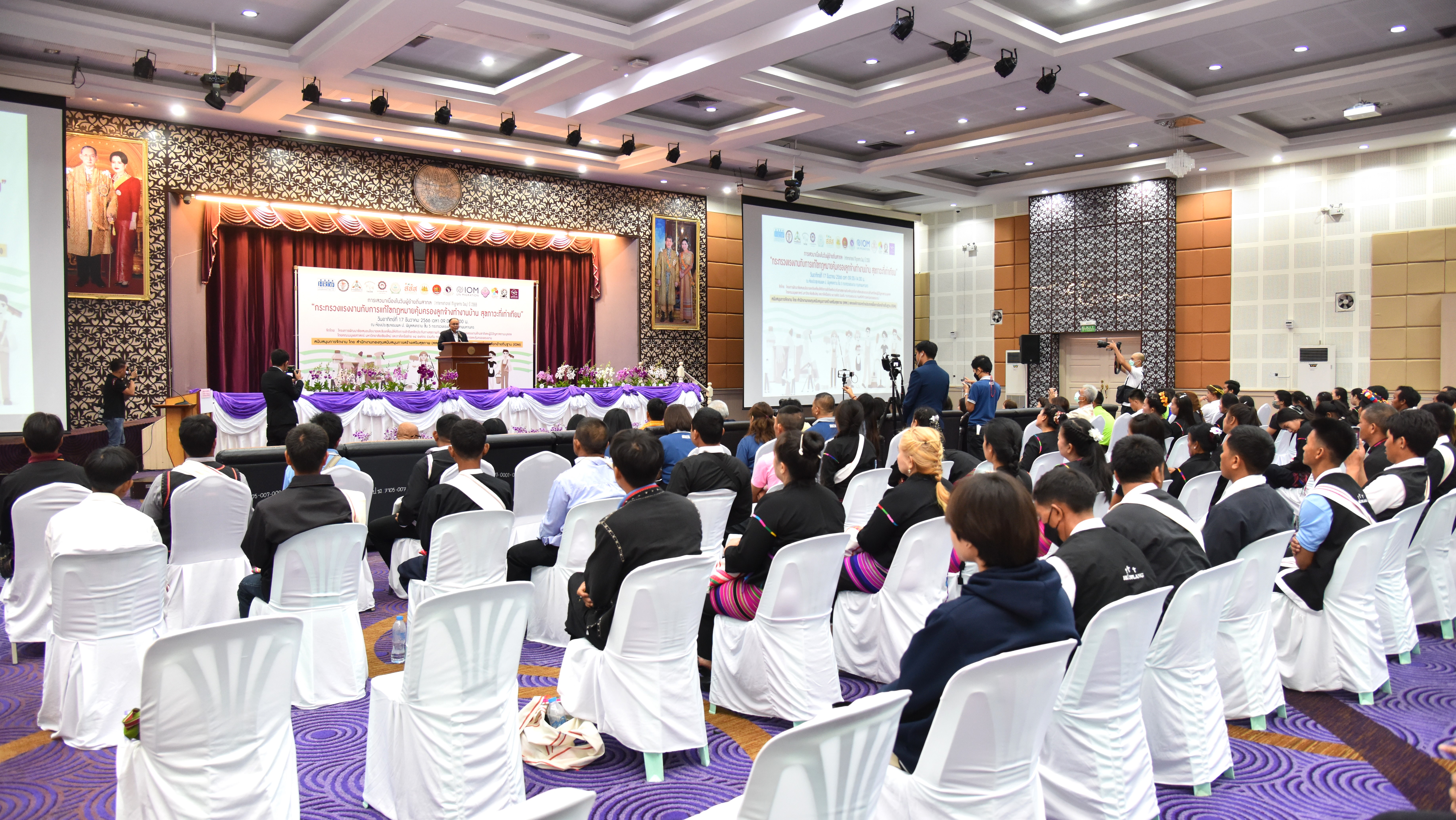
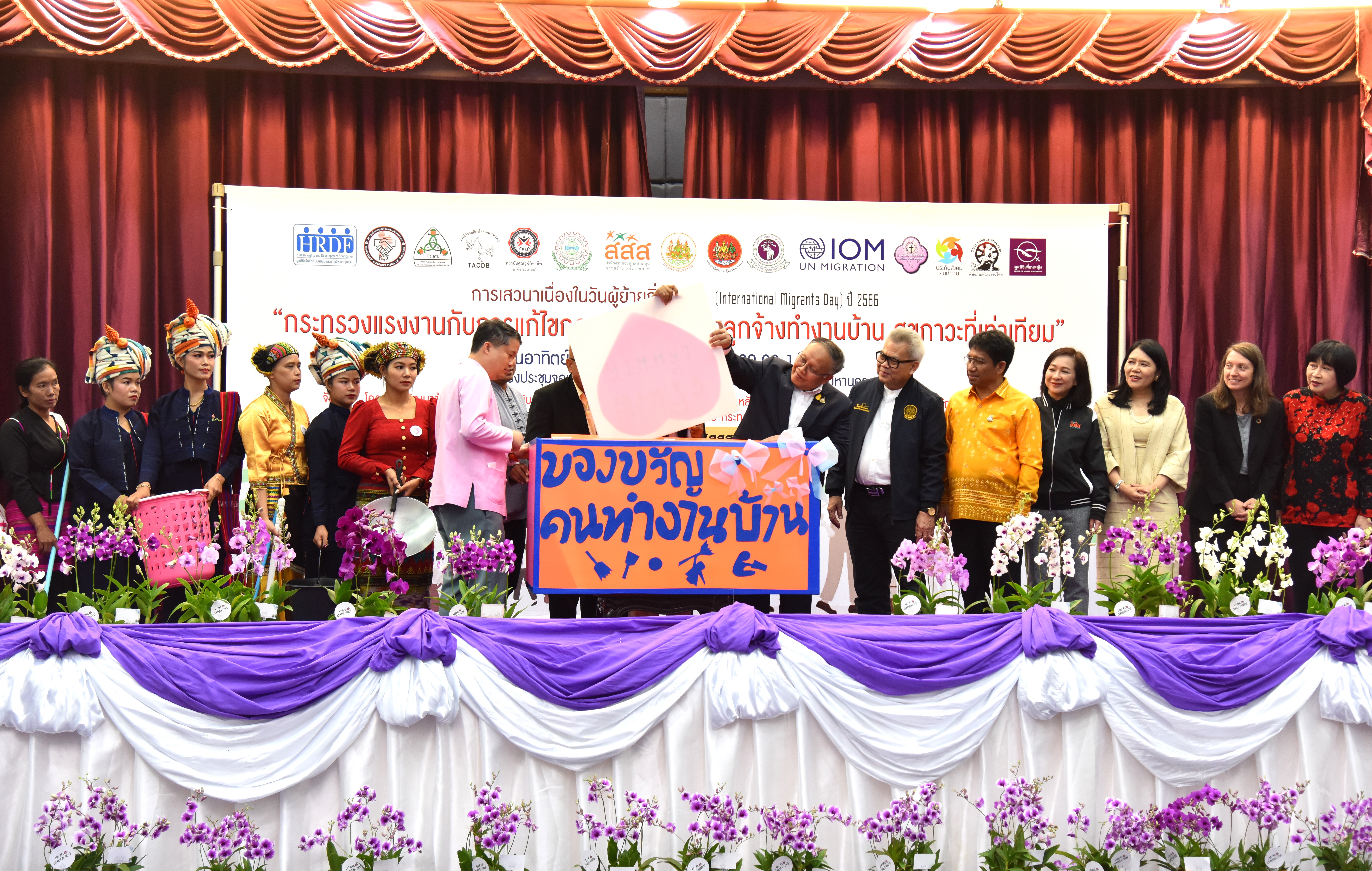
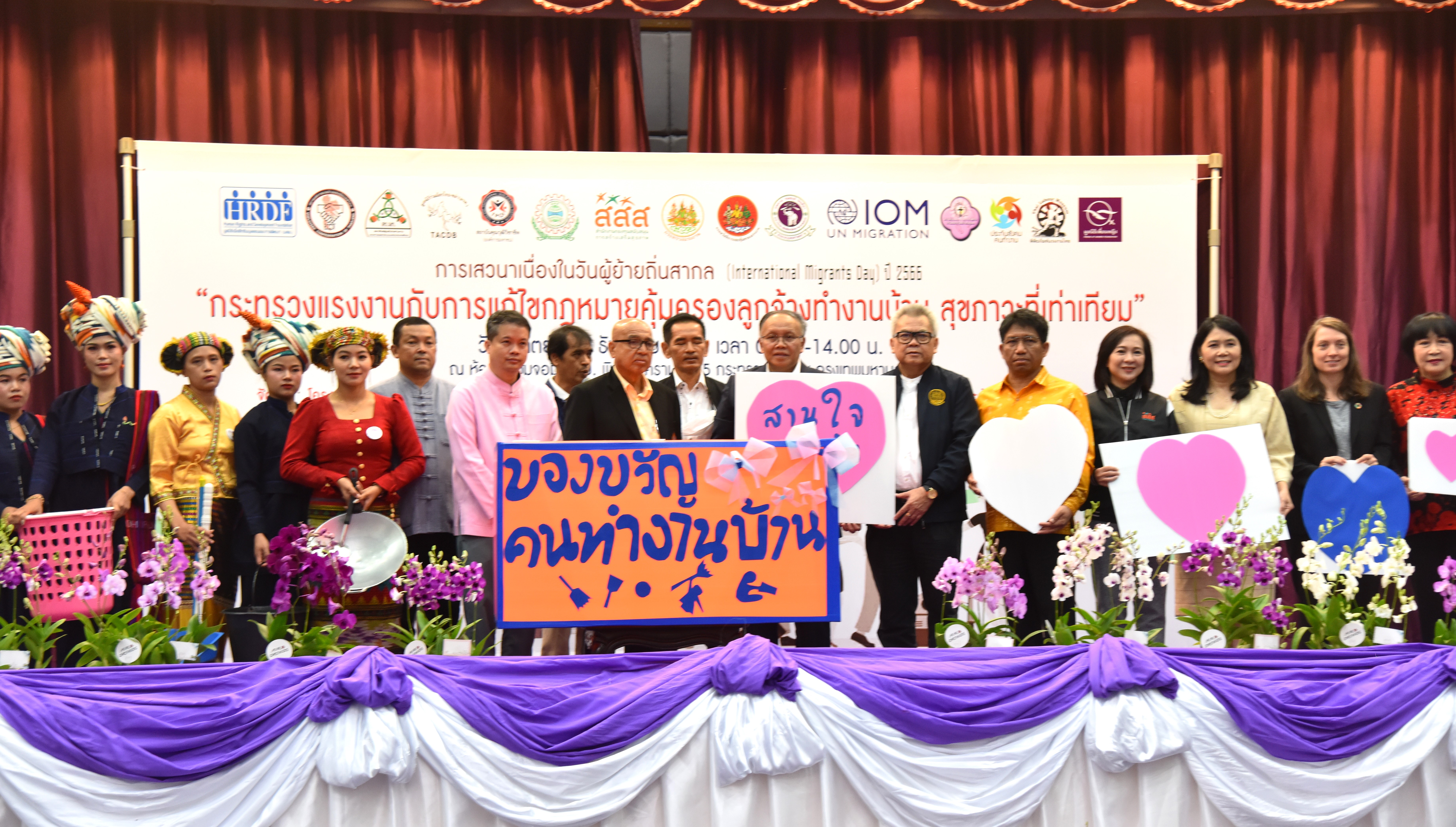
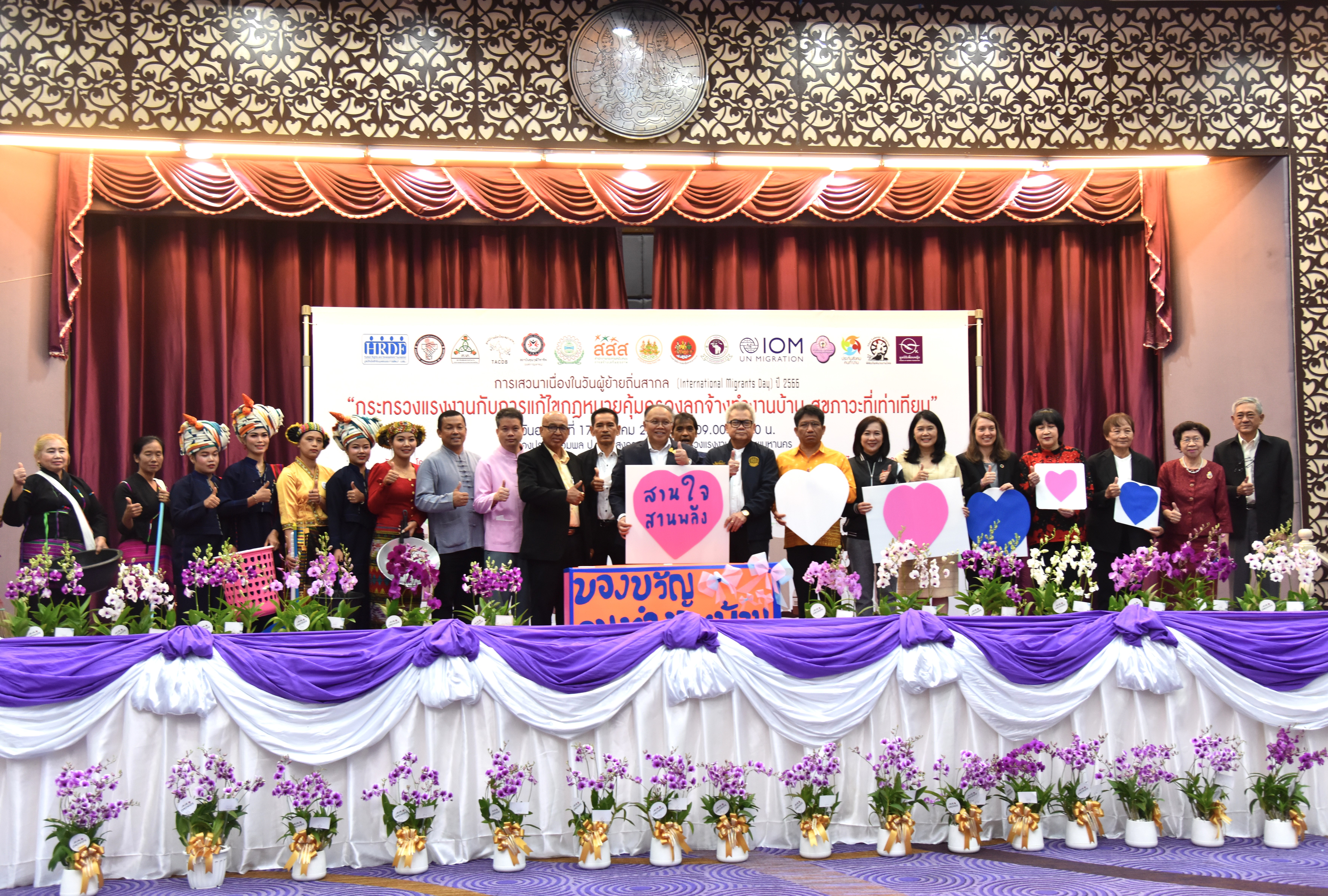
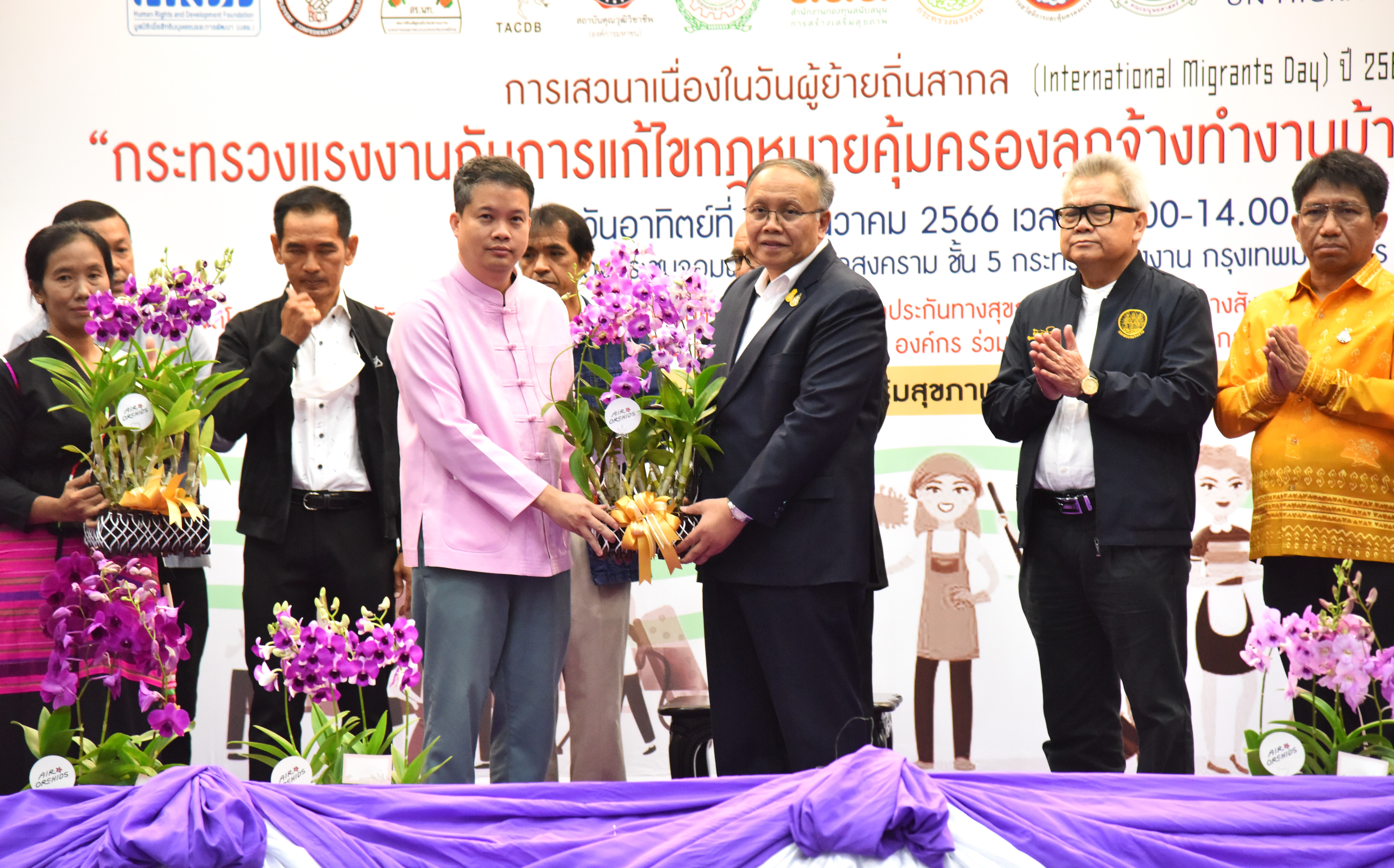
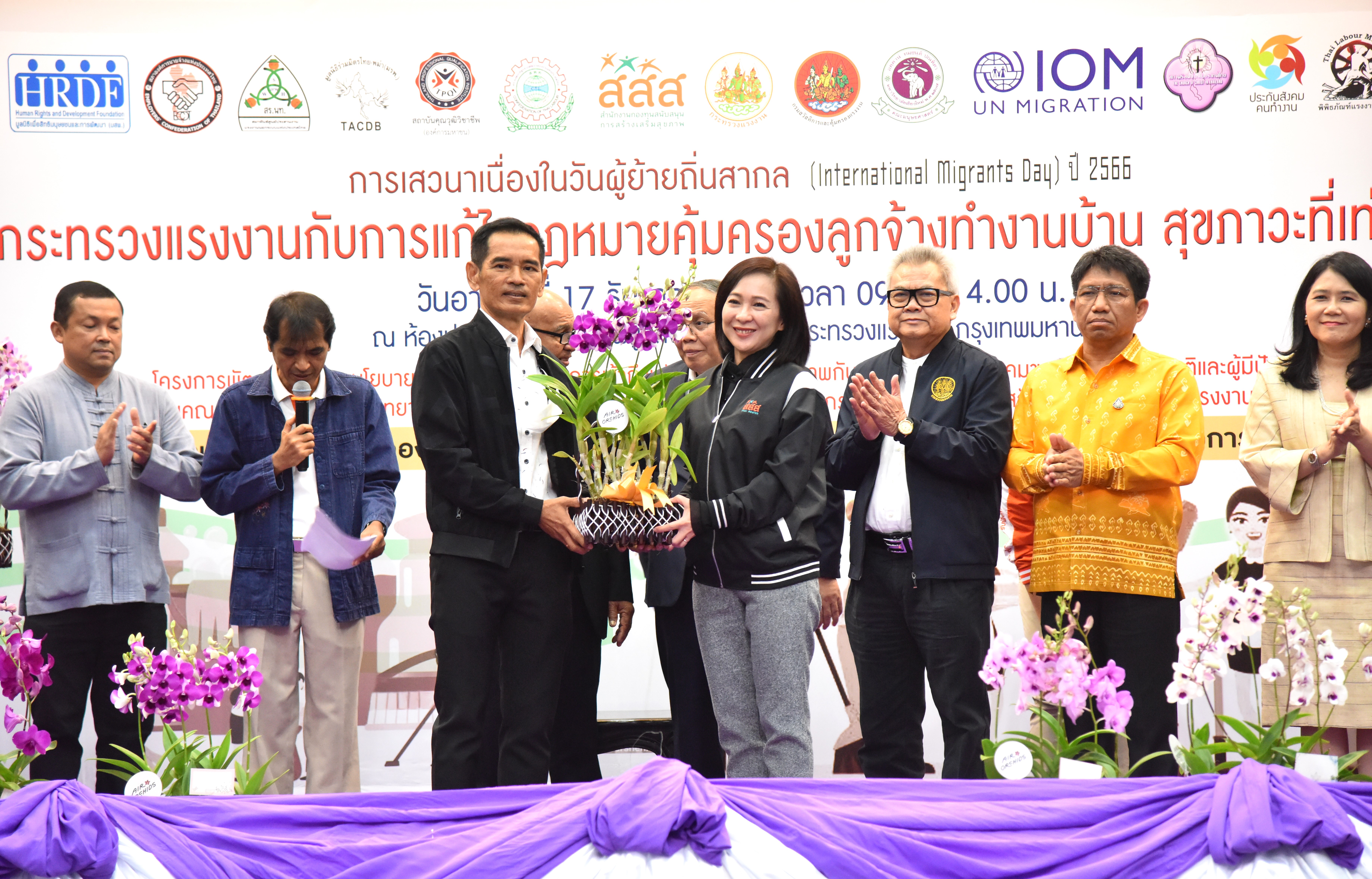
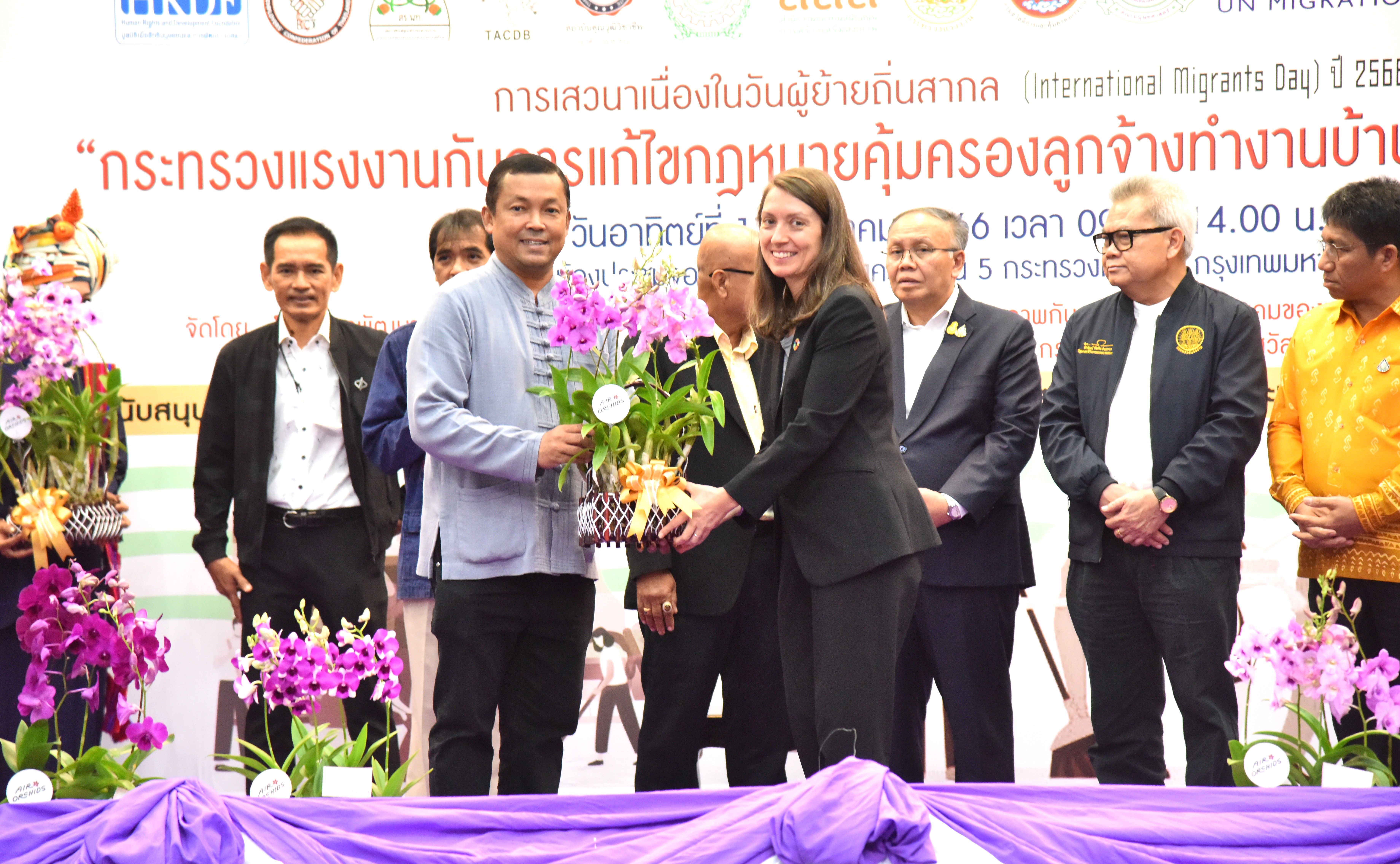
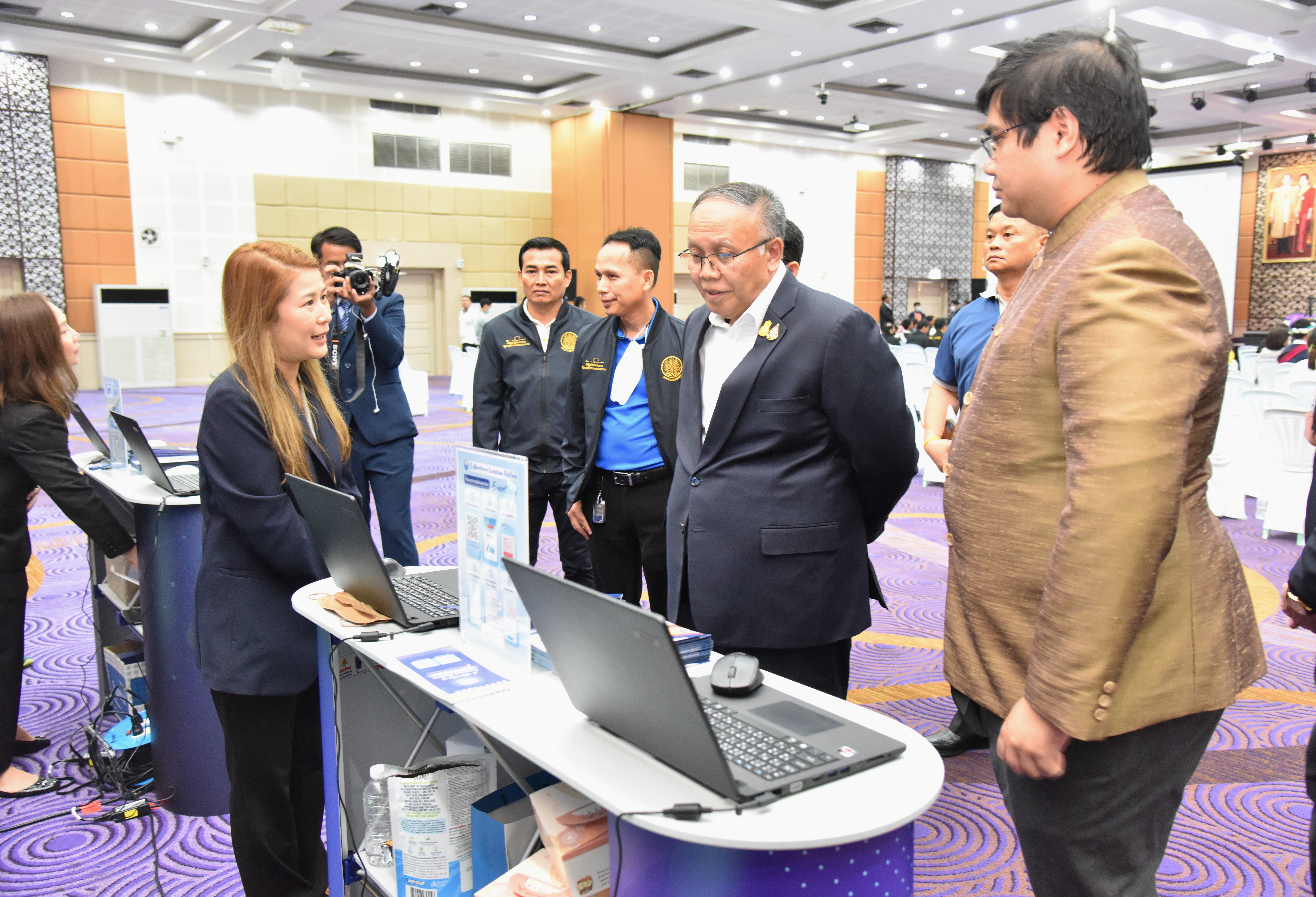
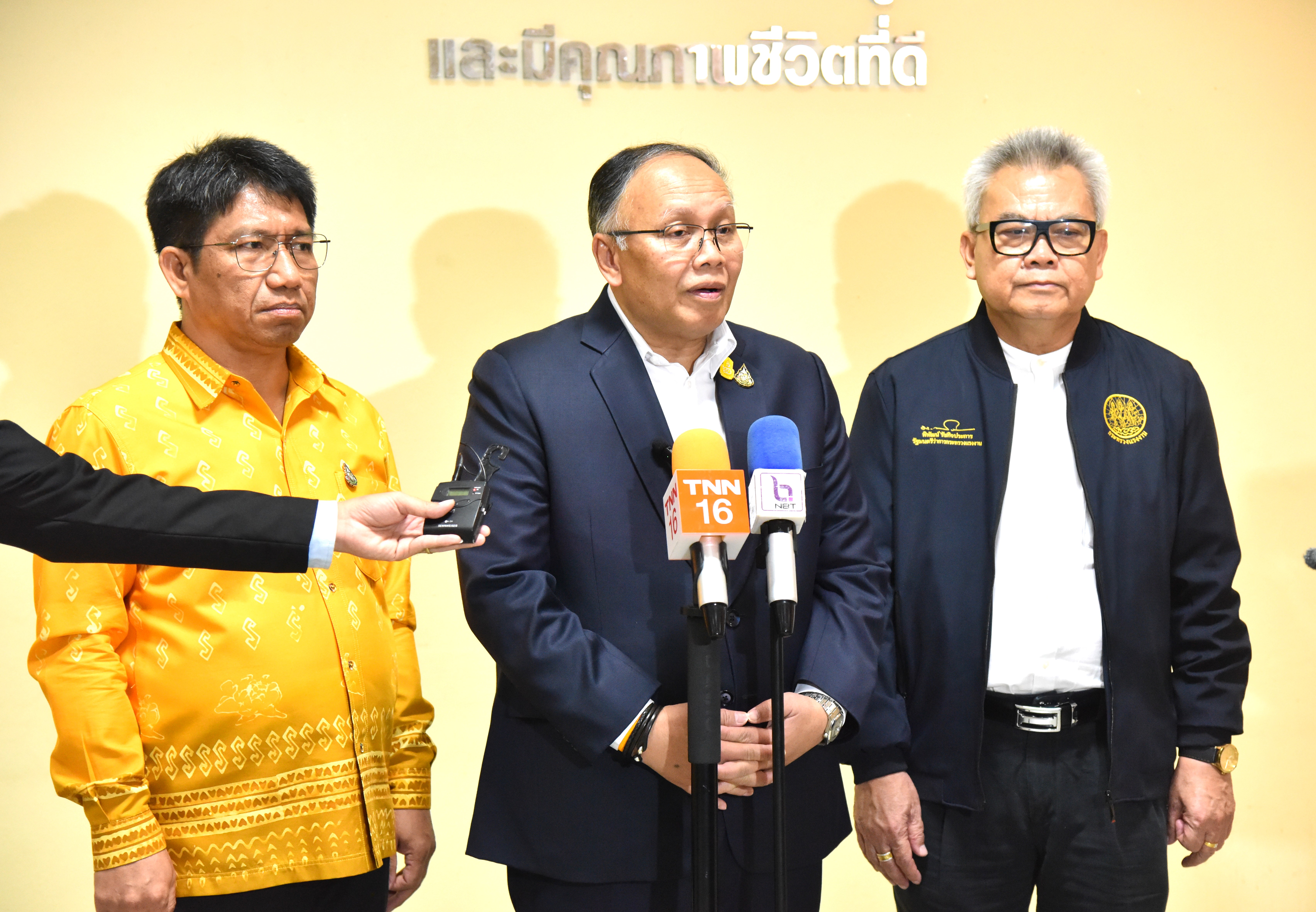
วันที่ 17 ธันวาคม 2566 นายพิพัฒน์ รัชกิจประการ รัฐมนตรีว่าการกระทรวงแรงงาน มอบหมายให้ นายสิรภพ ดวงสอดศรี ผู้ช่วยรัฐมนตรีประจำกระทรวงแรงงาน เป็นประธานในพิธีเปิดเวทีเสวนาและกล่าวปาฐกถาพิเศษ ในหัวข้อ “กระทรวงแรงงานกับการแก้ไขกฎหมายคุ้มครองลูกจ้างทำงานบ้าน สุขภาวะที่เท่าเทียม”เนื่องในวันผู้ย้ายถิ่นสากล (International Migrants Day) ประจำปี 2566 โดยมี ผู้ช่วยศาสตราจารย์ ทรงพันธ์ ตันตระกูล หัวหน้าโครงการพัฒนาข้อเสนอนโยบายและขับเคลื่อนให้เกิดการเข้าถึงหลักประกันทางสุขภาพ นางภรณี ภู่ประเสริฐ ผู้ช่วยผู้จัดการสำนักงานกองทุนสนับสนุนการสร้างเสริมสุขภาพ นางสาวเจราดีน อองซาร์ค หัวหน้าสำนักงานองค์การระหว่างประเทศเพื่อการโยกย้ายถิ่นฐานประจำประเทศไทย พร้อมด้วยผู้บริหารระดับสูงกระทรวงแรงงาน เข้าร่วม ณ ห้องประชุม ชั้น 5 อาคารกระทรวงแรงงาน
นายสิรภพ กล่าวว่า ผมมีความยินดียิ่งที่ได้มาร่วมเวทีเสวนาเนื่องในวันผู้ย้ายถิ่นสากล “กระทรวงแรงงานกับการแก้ไขกฎหมายคุ้มครองลูกจ้างทำงานบ้าน สุขภาวะที่เท่าเทียม” ปัจจุบันกระแสการเคลื่อนย้ายถิ่นระหว่างประเทศ มีแนวโน้มเพิ่มขึ้น ซึ่งประเทศไทยถือเป็นจุดหมายปลายทางสำคัญของแรงงานข้ามชาติในภูมิภาคอาเชียน โดยในระยะหลังประเทศต่างๆ ในโลก ต่างหันมาให้ความสำคัญอย่างจริงจังในการบริหารจัดการการย้ายถิ่นระหว่างประเทศ เพื่อให้เกิดประโยชน์ต่อเศรษฐกิจโดยรวมของประเทศต้นทาง ปลายทาง และต่อผู้ย้ายถิ่นเอง ปัจจุบันประเทศไทยพึ่งพาแรงงานข้ามชาติทำงานในอาชีพพื้นฐานต่างๆ ตามที่กฎหมายกำหนดส่วนใหญ่เป็นการทำงานที่ใช้แรงงานและทำงานบ้านเป็นจำนวนมากประมาณร้อยละ 6 ของแรงงานทั้งประเทศ
นายสิรภพ กล่าวต่อว่า ผมตระหนักดีว่าสิทธิมนุษยชนเป็นรากฐานที่เข้มแข็งของสังคมและธุรกิจ การเคารพสิทธิมนุษยชนเป็นหลักการที่ทุกฝ่ายควรให้ความสำคัญและปฏิบัติ กระทรวงแรงงานจึงสนับสนุนให้ภาคเอกชนประกอบธุรกิจอย่างมีความรับผิดชอบ ไม่ละเมิดสิทธิมนุษยชน และไม่แสวงหาผลประโยชน์โดยมุ่งหวังแต่ผลกำไรเพียงอย่างเดียว ผมรู้สึกภูมิใจที่ประเทศไทยเป็นประเทศแรกในเอเชีย ที่ประกาศใช้แผนปฏิบัติการระดับชาติว่าด้วยธุรกิจกับสิทธิมนุษยชน ตั้งแต่ปี 2562 โดยแผนดังกล่าวให้ความสำคัญกับ 3 เสาหลัก คือ คุ้มครอง เคารพ และเยียวยา ทั้งนี้ กระทรวงแรงงาน โดยกรมสวัสดิการและคุ้มครองแรงงาน ได้ออกกฎกระทรวงฉบับที่ 14 ปี 2555 ออกตามความใน พ.ร.บ.คุ้มครองแรงงาน พ.ศ. 2541 มีผลบังคับใช้ตั้งแต่วันที่ 9 พฤศจิกายน 2555 เพื่อใช้บังคับแก่นายจ้างซึ่งจ้างลูกจ้างทำงานเกี่ยวกับงานบ้านอันมิได้มีการประกอบธุรกิจรวมอยู่ด้วย ซึ่งหมายถึง งานที่ทำในบริเวณที่พักอาศัยและยังรวมถึงงานที่ทำเพื่อครัวเรือนเดียวหรือหลายครัวเรือนมิได้มีการประกอบธุรกิจรวมอยู่ด้วย เช่น งานทำความสะอาดบ้าน งานซักรีดเสื้อผ้า งานเลี้ยงเด็กหรือดูแลผู้สูงอายุงานดูแลสวนในบ้าน งานรักษาความปลอดภัย งานซ่อมบำรุง งานขับรถงานทำอาหาร งานดูแลสัตว์เลี้ยง เป็นต้น โดยกฎกระทรวงฯ มีสาระสำคัญเกี่ยวกับการให้ความคุ้มครองลูกจ้างเกี่ยวกับห้ามจ้างเด็กอายุต่ำกว่า 15 ปี เป็นลูกจ้าง ให้ลูกจ้างได้รับสิทธิในวันหยุดประจำสัปดาห์ วันหยุดตามประเพณี วันหยุดพักผ่อนประจำปี การจ่ายค่าจ้างวันลาป่วย การห้ามนายจ้างล่วงละเมิดทางเพศ เป็นต้น ซึ่งสอดคล้องกับอนุสัญญา ILO ฉบับที่ 189 ว่าด้วยงานที่มีคุณค่าสำหรับคนงานทำงานบ้าน ค.ศ. 2011 ซึ่งเป็นมาตรฐานแรงงานระหว่างประเทศที่มุ่งให้ความคุ้มครอง แก่ลูกจ้างทำงานบ้านเพิ่มเติมจากมาตรฐานทั่วไป โดยมีวัตถุประสงค์ในการปรับปรุงสภาพการทำงานของลูกจ้างทำงานบ้านช่วยเพิ่มโอกาสในการทำงาน ลดความเสี่ยงต่อการเลือกปฏิบัติด้านการจ้างงานการถูกละเมิดสิทธิมนุษยชนขั้นพื้นฐาน นอกจากนี้ กรมฯ ได้มีเป้าหมายในการปรับปรุงแก้ไขกฏกระทรวง ฉบับที่ 14 เพื่อเพิ่มความคุ้มครองให้กับลูกจ้างทำงานบ้าน รวมจำนวน 11 เรื่อง อาทิ ให้ลูกจ้างได้รับค่าจ้างไม่น้อยกว่าอัตราค่าจ้างขั้นต่ำ ให้ลูกจ้างทำงานไม่เกิน 8 ชั่วโมง ให้ลูกจ้างลากิจธุระอันจำเป็น ลูกจ้างหญิงมีครรภ์มีสิทธิลาเพื่อคลอดบุตรครรภ์หนึ่งไม่เกิน 98 วัน โดยได้รับค่าจ้างในระหว่างที่ลาคลอด 45 วัน และห้ามเลิกจ้างลูกจ้างหญิง เพราะเหตุมีครรภ์ ซึ่งขณะนี้ร่างกฎกระทรวงฯ อยู่ระหว่างการเสนอสำนักเลขาธิการคณะรัฐมนตรีเพื่อพิจารณาตามขั้นตอนการออกกฎหมายต่อไป
“กระทรวงแรงงาน จึงได้เร่งรัดผลักดันกฎหมายที่เป็นประโยชน์ต่อแรงงานโดยเฉพาะกลุ่มลูกจ้างทำงานบ้านให้สอดคล้องกับมาตรฐานด้านแรงงานระหว่างประเทศ เพื่อเพิ่มความคุ้มครองด้านแรงงานและยกระดับคุณภาพชีวิตแรงงานกลุ่มลูกจ้างทำงานบ้าน รวมถึงลดความเหลื่อมล้ำในสังคม และสร้างความเป็นธรรมด้านรายได้ให้สอดคล้องตามหลักสิทธิมนุษยชนต่อไป” นายสิรภพ กล่าวท้ายสุด
On December 17, 2023, the Labour Minister, Mr. Phiphat Ratchakitprakarn, assigned the Assistant to the Labour Minister, Mr. Siraphop Duangsodsri, to preside over the opening ceremony of the seminar and to give a special speech on “The Ministry of Labour and amendments to the law protecting domestic workers for equal health” on the occasion of the International Migrants Day for 2023. The Project Leader for Policy Proposal Development and Driving Health Insurance Access, Assistant Professor Songphan Tantrakul, Assistant Manager of the Health Promotion Fund Office, Mrs. Pharanee Phuprasert, the Chief of Mission for the International Organization for Migration (IOM) in Thailand, Ms. Geraldine Ansart, and the Ministry of Labour’s executives attended at the meeting room on the 5th floor, Ministry of Labour.
Mr. Siraphop said that he was delighted to be able to join the forum on International Migrants Day on “The Ministry of Labour and amendments to the law protecting domestic workers for equal health.” International migration is on an increasing trend, and Thailand is considered an important destination for migrant workers in the ASEAN region. More recently, countries around the world have started focusing on international migration management to benefit the overall economy of the country of origin, the destination country, and the migrants themselves. Currently, Thailand relies on migrant workers in various foundational occupations. As required by law, most of them do manual labour and do a lot of housework. They account for about 6 percent of the nation’s workforce.
Mr. Siraphop continued that he recognizes human rights as a strong foundation of society and business. Respect for human rights is a principle that all parties should focus on and practice. The Ministry of Labour, therefore, encourages the private sector to conduct business responsibly, not violate human rights, and not seek benefits with only profit in mind. He shared his pride that Thailand is the first country in Asia to announce the National Action Plan on Business and Human Rights in 2019. The plan focuses on three main pillars: protection, respect, and compensation. The Ministry of Labour’s Department of Labour Protection and Welfare issued Ministerial Regulation No. 14 in 2012, in accordance with the Labour Protection Act B.E. 2541, effective from November 9, 2012. The law is enforced among employers who hire employees to do housework in a non-business place, which means work that is done in residential places, including work that is done for one or more households that do not include a business. This includes house cleaning work, laundry work, child or elderly care, household gardening work, security work, maintenance work, driving work, cooking work, and pet care, for example. According to the ministerial regulations, there is an important matter regarding the protection of employees, prohibiting the employment of children under 15 years of age. Employees are entitled to weekly holidays, traditional holidays, annual vacations, paid sick leave, and prohibits sexual harassment by employers. The measures are in line with ILO Convention No. 189 on Decent Work for Domestic Workers, 2011. It is an international labour standard that aims to protect employees who do housework, in addition to the general standards. The objective is to improve the working conditions of domestic workers and increase their job opportunities, reducing the risk of employment discrimination and violation of basic human rights. In addition, the Department has a goal of amending Ministerial Regulation No. 14 to increase protection for domestic workers in a total of 11 matters. This includes employees receiving wages not less than the minimum wage rate, allowing employees to work no more than 8 hours daily, allowing employees to take time off for necessary business, providing pregnant female employees maternity leave for not more than 98 days per pregnancy, with pay during the 45 days of maternity leave, and ensuring female employees are protected from employment termination due to pregnancy. The ministerial regulation is currently being drafted and will be proposed to the Cabinet’s Secretariat for further consideration following the legislative process.
“The Ministry of Labour has accelerated the push for laws that are beneficial to workers, especially domestic workers, in line with international labour standards. The efforts aim to increase labour protection and improve the quality of life for domestic workers, reducing inequality in society and continuing to create equality in income in line with human rights principles,” concluded Mr. Siraphop.